
Nutrition comparison
Lychee vs Oranges: Which Fruit Is Healthier? Sugar, Safety & Nutrition Compared
Lychee vs oranges nutrition comparison covering sugar content, vitamin C, fiber, safety risks for children, and daily practicality. Find out which fruit is better for your health goals.
Overall winner · Oranges
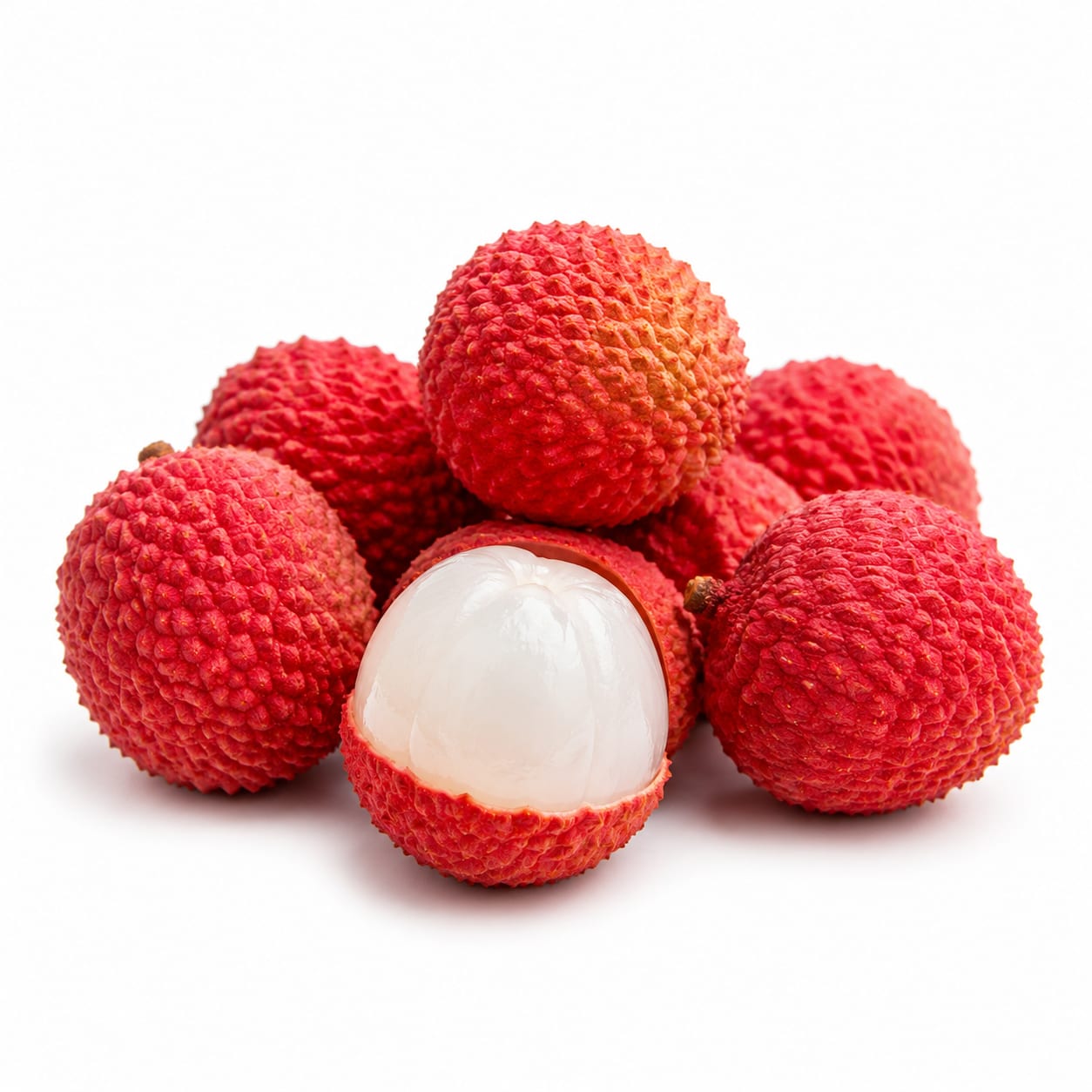
Lychee

Oranges
Oranges win for everyday eating — more fiber, way more vitamin C, less sugar, and no safety concerns. Lychee is a delicious occasional treat but not a daily fruit.
Oranges score substantially higher due to superior fiber, vitamin C, lower sugar, better satiety, year-round availability, and no safety concerns. Lychee scores well for unique antioxidants and enjoyment but loses ground on sugar load, safety, and practicality.
Lychee offers a unique tropical flavor and some rare antioxidants, but packs significantly more sugar with less fiber and a genuine safety risk for children eating it unripe or on an empty stomach.
At a glance
Executive summary
Overall
Oranges
Healthier
Oranges
More practical
Oranges
Daily use
Oranges
Key comparison lenses
sugar content and blood sugar impact
Lychee is significantly higher in sugar than oranges, making blood sugar response the most critical differentiator
safety concerns for children
Unripe lychee has been linked to serious health incidents in children, a critical safety distinction
vitamin c and immunity
Oranges are iconic for vitamin C; users will want to know if lychee can compete
daily practicality and cost
Oranges are available year-round and affordable; lychee is seasonal and expensive
fiber and satiety
Oranges provide more fiber and water, keeping you fuller longer
Best choice for
Lychee
- Special occasion tropical fruit lovers
- Those seeking unique polyphenols like oligonol
- People wanting a small, intensely sweet treat
Oranges
- Daily fruit eaters prioritizing vitamin C
- Parents feeding children safely
- Anyone managing blood sugar or weight
Least suitable for
Lychee
- Children, especially on empty stomach
- People with diabetes or insulin resistance
- Those watching sugar intake closely
Oranges
- People with citrus allergies
- Those on potassium-restricted diets
- Anyone avoiding acidic foods due to reflux
Deep comparison
Dimension by dimension
Each lens scores both foods and breaks down who each option suits.
- Dimension 1 · Priority 95Oranges
sugar_and_blood_sugar_impact
Lychee · 35Oranges · 72Lychee has nearly double the sugar per serving compared to oranges, with less fiber to slow absorption.
Tradeoff
That sweet lychee hit comes with a faster blood sugar rise and less metabolic buffer than an orange provides.
Why it matters
If you're managing weight, energy crashes, or blood sugar, this difference is felt within 30 minutes of eating.
Real-world impact
A bowl of lychee can leave you hungry again soon; an orange keeps you steadier for longer.
Lychee
- Quick energy before intense activity
Better for
- Fasting blood sugar management
- Controlling sweet cravings
Worse for
Oranges
- Steady energy between meals
- Avoiding afternoon sugar crashes
- Managing prediabetes or diabetes
Better for
- Immediate post-workout carb replenishment
Worse for
- Dimension 2 · Priority 85Oranges
vitamin_c_and_immune_support
Lychee · 45Oranges · 95One orange delivers about 70-90% of your daily vitamin C needs. Lychee provides roughly half that per serving.
Tradeoff
Oranges are one of the most efficient vitamin C sources available. Lychee contributes but cannot replace them.
Why it matters
Vitamin C affects immune resilience, skin health, and iron absorption — things you notice when they slip.
Real-world impact
Eating an orange daily meaningfully supports your immune system. You'd need roughly double the lychee to match it.
Lychee
- Meeting daily vitamin C efficiently
Worse for
Oranges
- Cold and flu season support
- Iron absorption with meals
- Skin collagen maintenance
Better for
- Dimension 3 · Priority 70Oranges
fiber_and_satiety
Lychee · 40Oranges · 75Oranges provide about 3g of fiber per fruit versus roughly 1.3g per cup of lychee. The water content in oranges also adds physical fullness.
Tradeoff
Lychee is easy to overeat because each piece feels light and small. Oranges naturally limit portion size and fill you up.
Why it matters
Fiber isn't just about digestion — it's what stops you from reaching for a second snack 20 minutes later.
Real-world impact
You can easily eat 10-15 lychees without feeling full. One orange is genuinely satisfying.
Lychee
- Mindless snacking risk
- Feeling satisfied after eating
Worse for
Oranges
- Staying full between meals
- Gut health and regularity
- Natural portion control
Better for
- Dimension 4 · Priority 60It depends
antioxidant_diversity
Lychee · 72Oranges · 68Lychee contains unique polyphenols like oligonol not found in oranges. Oranges offer flavonoids like hesperidin. Both are valuable in different ways.
Tradeoff
Lychee gives you antioxidants you won't easily get elsewhere. Oranges give you well-studied heart-protective flavonoids.
Why it matters
Dietary variety in antioxidants matters more than any single compound. Both fruits contribute differently.
Real-world impact
Eating both occasionally is better than loading up on just one for antioxidant benefits.
Lychee
- Accessing rare tropical polyphenols
- Anti-inflammatory variety in diet
Better for
- Evidence base is smaller for unique compounds
Worse for
Oranges
- Cardiovascular-protective flavonoids
- Well-researched antioxidant benefits
Better for
- Less antioxidant novelty
Worse for
- Dimension 5 · Priority 90Oranges
safety_and_risk_profile
Lychee · 30Oranges · 90Unripe lychee contains hypoglycin A and MCPG, toxins linked to severe hypoglycemic encephalopathy in malnourished children. Oranges have no comparable risk.
Tradeoff
Lychee is safe for well-nourished adults in moderation, but the risk profile for children is genuinely concerning and well-documented.
Why it matters
This isn't theoretical — outbreaks of lychee-associated illness have been documented in India and Vietnam, primarily in underfed children.
Real-world impact
If you have kids, oranges are worry-free. Lychee requires caution about ripeness and portion size.
Lychee
- Children snacking unsupervised
- Eating unripe or underripe fruit
- Fasting or empty-stomach consumption
Worse for
Oranges
- Households with children
- Anyone eating fruit on an empty stomach
- Worry-free snacking
Better for
- Dimension 6 · Priority 75Oranges
practicality_and_accessibility
Lychee · 35Oranges · 88Oranges are available year-round, affordable, and easy to pack. Lychee is seasonal, perishable, and expensive outside tropical regions.
Tradeoff
Lychee's limited availability makes it special but impractical as a staple. Oranges are always there when you need them.
Why it matters
The healthiest fruit is the one you actually eat consistently. Availability drives consistency.
Real-world impact
You can buy oranges at any grocery store any week of the year. Fresh lychee might be available for a few weeks annually.
Lychee
- Special meals and celebrations
Better for
- Consistent daily fruit intake
- Cost per serving
Worse for
Oranges
- Weekly meal prep
- Office and school lunches
- Budget-conscious households
Better for
Timeline
Health impact over time
Short-term
Hours to days
Lychee
- Quick energy boost from high natural sugar
- Possible blood sugar spike followed by a dip
- Refreshing hydration from high water content
Oranges
- Sustained energy with gentler blood sugar response
- Immediate vitamin C immune support
- Comforting fullness that reduces snacking urge
Long-term
Months to years
Lychee
- Regular high sugar intake from fruit may contribute to insulin resistance if overconsumed
- Unique polyphenols may offer anti-aging and anti-inflammatory benefits
- Risk is low for healthy adults but adds up if eaten daily in large quantities
Oranges
- Consistent vitamin C intake supports immune resilience and skin health over decades
- Hesperidin from oranges is linked to lower cardiovascular risk in long-term studies
- Habitual fiber intake supports gut microbiome diversity and colorectal health
Risk profile
Safety & processing
Both fruits are whole, unprocessed foods when eaten fresh. Canned lychee, however, often comes in heavy syrup, which dramatically increases sugar content. Always choose fresh lychee or canned in water. Fresh oranges and even pasteurized orange juice are different products — stick with the whole fruit for both.
Lychee
Hypoglycin A and MCPG toxicity from unripe fruit
highUnripe lychee contains toxins that can cause severe low blood sugar and brain swelling, especially in malnourished children. Always eat fully ripe lychee and never on an empty stomach for kids.
Sulfur dioxide preservative on some imported lychee
mediumSome commercially imported lychee are treated with sulfur dioxide to preserve color. This can trigger reactions in sensitive individuals, particularly those with asthma.
Rapid spoilage and fermentation
lowLychee ferments quickly at room temperature, sometimes producing alcohol compounds. Eat within 2-3 days of purchase or keep refrigerated.
Oranges
Pesticide residue on conventional peels
mediumOranges rank moderately for pesticide residue on peels. If you zest or use the peel, choose organic. The flesh itself is well-protected.
Citrus allergy or oral allergy syndrome
lowSome individuals experience itching or swelling in the mouth from citrus proteins. This is usually mild but can be uncomfortable.
Acid erosion with excessive consumption
lowEating very large quantities of oranges over time can contribute to dental enamel erosion due to citric acid.
Who wins for whom
Audience fit
Same foods, different winners depending on your goal.
children
OrangesOranges are safe, nutritious, and well-tolerated. Lychee carries a documented risk of hypoglycemic encephalopathy in children, especially when unripe or eaten fasting.
daily consumption
OrangesOranges are affordable, available year-round, nutritionally consistent, and safe for daily use. Lychee is best enjoyed occasionally due to sugar content and seasonal availability.
diabetes
OrangesOranges have a lower glycemic load and more fiber to buffer sugar absorption. Lychee's sugar density makes blood sugar management harder.
elderly
OrangesOranges provide folate, potassium, and vitamin C in an easy-to-digest package. Lychee's sugar load and potential medication interactions make it less ideal for older adults.
muscle gain
It dependsNeither fruit is a protein source. Lychee's faster-digesting sugar might slightly edge out for post-workout glycogen replenishment, but the difference is minimal.
weight loss
OrangesOranges have fewer calories per serving, more fiber for fullness, and are harder to overeat. Lychee's high sugar and low satiety make portion control difficult.
Your move
Decision guide
Choose Lychee
- You want a special tropical treat for a celebration or dessert
- You have access to fresh, fully ripe lychee and want antioxidant variety
- You're a healthy adult looking for quick natural sugar before intense exercise
Choose Oranges
- You want a reliable daily fruit that supports immunity and fullness
- You're feeding children and need a safe, nutritious option
- You're managing blood sugar, weight, or trying to eat more fiber
- You need an affordable, available year-round fruit
Either works if
- You simply want a hydrating, whole-food snack and both are available
- You're rotating fruits for dietary diversity and antioxidant variety
Avoid both if
- You have a strict very-low-carb or ketogenic diet
- You have fructose intolerance or malabsorption issues
Final recommendation
Make oranges your everyday fruit. They deliver more vitamin C, more fiber, steadier energy, and zero safety concerns at a fraction of the cost. Enjoy lychee as an occasional tropical indulgence when it's in season and fully ripe — think of it as nature's candy rather than a daily staple.
Practical
Consumer tips
- 1
Always choose fully ripe lychee — the skin should be bright red with no green patches
- 2
Never let children eat lychee on an empty stomach, and limit them to a few pieces
- 3
Avoid canned lychee in heavy syrup — it triples the sugar content compared to fresh
- 4
If you buy organic oranges, save the zest — it's packed with flavonoids and adds flavor to meals
- 5
One orange at breakfast and one as an afternoon snack covers most of your daily vitamin C needs
- 6
Refrigerate lychee immediately and eat within 2-3 days for best quality and safety