
Nutrition comparison
Lychee vs Watermelon: Which Fruit Is Healthier for Daily Eating?
Compare lychee and watermelon on sugar, safety, hydration, and nutrition. Watermelon wins for daily use—discover why lychee is better as an occasional treat.
Overall winner · Watermelon
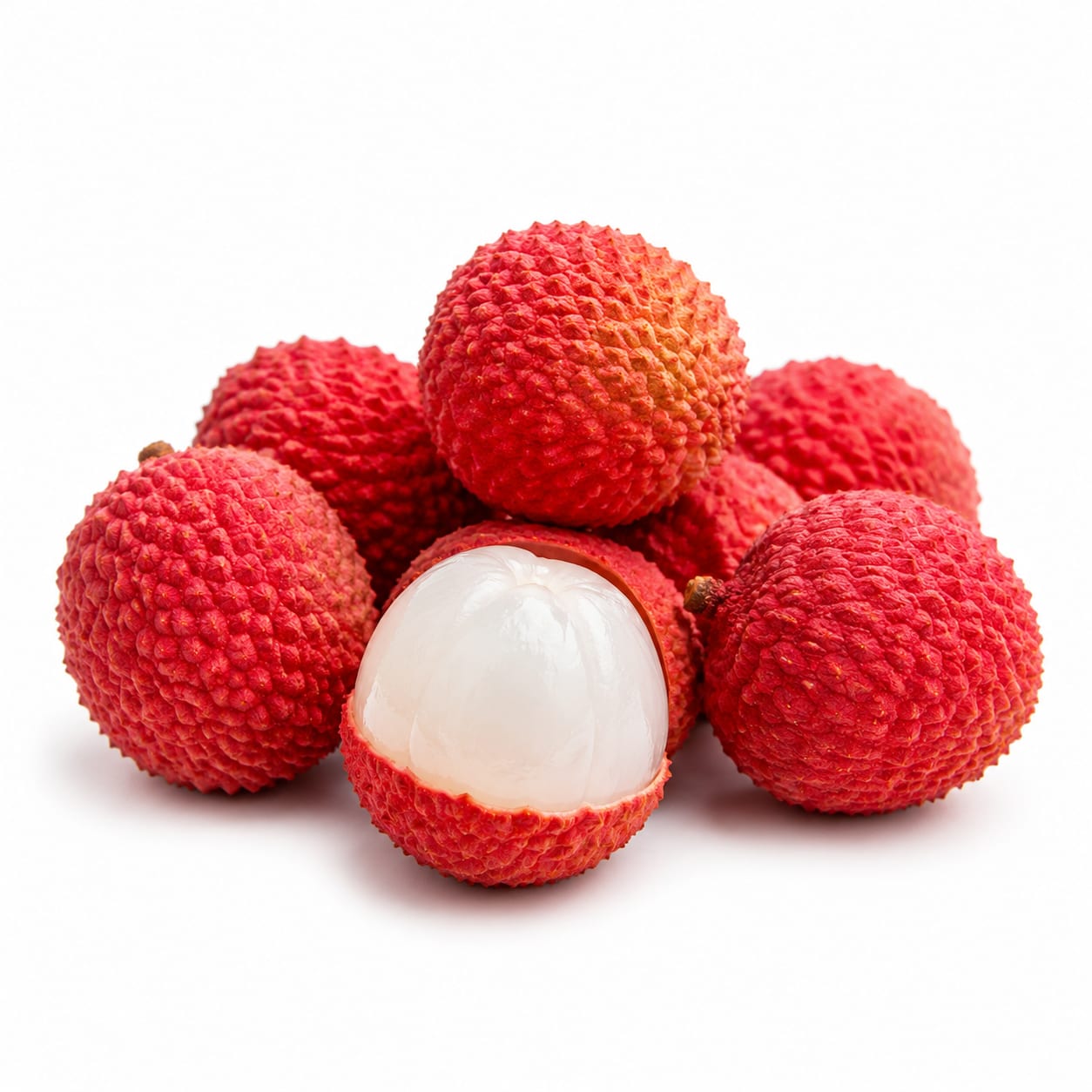
Lychee
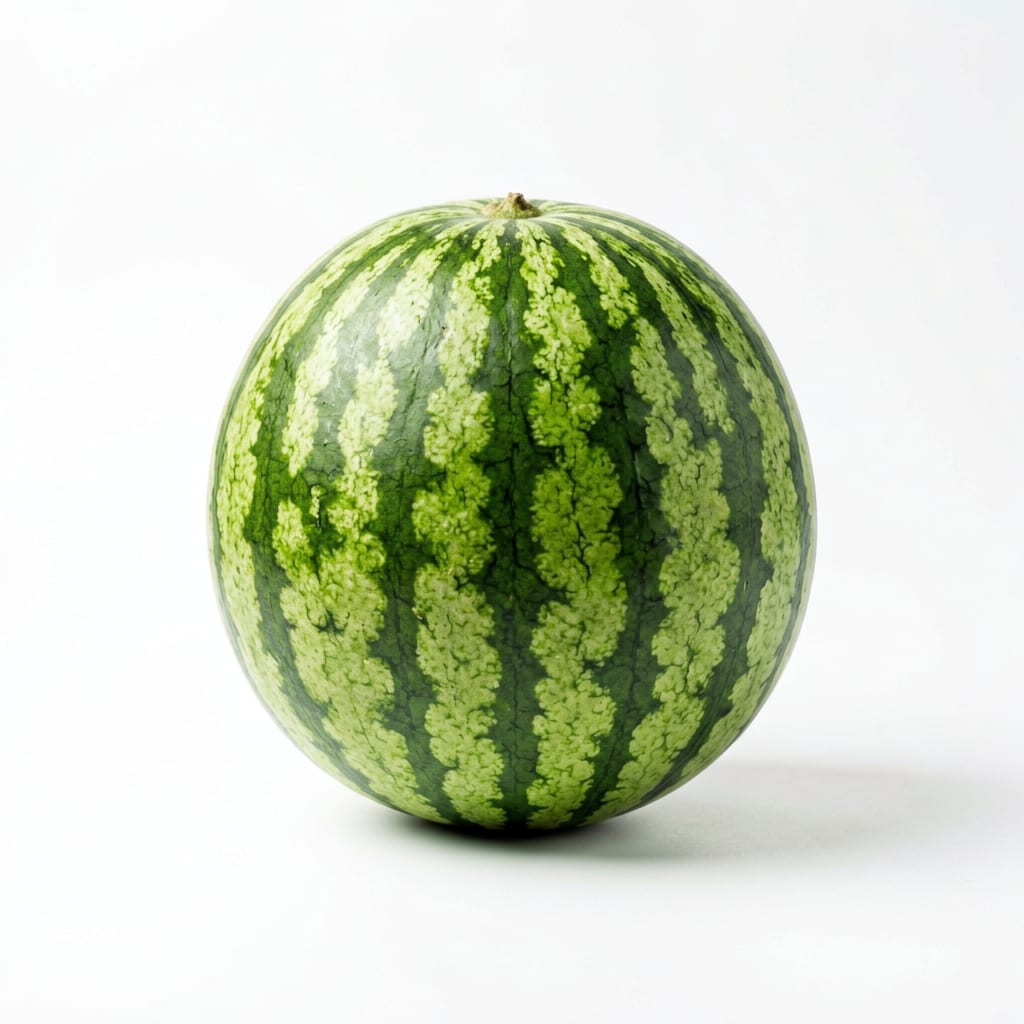
Watermelon
Watermelon is the safer, more hydrating, and easier everyday choice. Lychee offers richer micronutrients but carries real safety concerns and a much higher sugar hit per bite.
Watermelon scores higher due to superior hydration, lower sugar density, broader safety, and everyday practicality. Lychee earns points for micronutrient richness but loses ground on safety risks and overconsumption potential.
Nutrient density and flavor intensity versus safety, hydration, and calorie control
At a glance
Executive summary
Overall
Watermelon
Healthier
Watermelon
More practical
Watermelon
Daily use
Watermelon
Key comparison lenses
sugar and blood impact
Both are sweet fruits with very different sugar densities, making glycemic impact the central concern for most users
hydration and volume eating
Watermelon is famously hydrating and low-calorie per bite, while lychee is dense and easy to overconsume
safety for children
Lychee carries a documented risk of hypoglycin A toxicity in children, especially when unripe or eaten fasting
everywhere snack practicality
Watermelon is widely available and easy to portion; lychee is seasonal, harder to find fresh, and requires peeling
antioxidant diversity
Each offers distinct antioxidants—lycopene in watermelon versus oligonol and vitamin C in lychee—worth comparing
Best choice for
Lychee
- People seeking vitamin C and copper in a small serving
- Tropical fruit enthusiasts wanting bold, aromatic flavor
- Those eating small portions mindfully as a treat
Watermelon
- Anyone prioritizing hydration and low-calorie volume
- Hot weather refreshment and post-exercise rehydration
- Families with young children who need a safe fruit option
Least suitable for
Lychee
- Children eating fruit on an empty stomach
- People managing blood sugar who struggle with portion control
- Anyone in regions where fresh lychee quality is unreliable
Watermelon
- Those needing calorie-dense snacks for weight gain
- People wanting concentrated micronutrients per bite
Deep comparison
Dimension by dimension
Each lens scores both foods and breaks down who each option suits.
- Dimension 1 · Priority 92Watermelon
Sugar and Blood Sugar Impact
Lychee · 38Watermelon · 72Lychee packs roughly 15g of sugar per 100g—more than double watermelon's 6g—making it a much sweeter, spikier hit to blood sugar.
Tradeoff
You get more intense sweetness and flavor from lychee, but at the cost of a faster glucose rise and harder crash.
Why it matters
If you are watching blood sugar, managing diabetes, or prone to afternoon energy dips, the difference is significant.
Real-world impact
A bowl of lychee can feel like eating candy—easy to keep popping. Watermelon fills you up with water before the sugar adds up.
Lychee
- Quick energy before intense activity
- Small, satisfying dessert replacement
Better for
- Fasting blood sugar management
- Controlling sugar cravings
Worse for
Watermelon
- Steadier energy through the afternoon
- Diabetes-friendly fruit choice
Better for
- Situations requiring calorie density
Worse for
- Dimension 2 · Priority 88Watermelon
Hydration and Calorie Efficiency
Lychee · 35Watermelon · 90Watermelon is 92% water and only 30 calories per 100g. Lychee is 66 calories per 100g with far less water content.
Tradeoff
Watermelon lets you eat a large volume and feel full on few calories. Lychee delivers more per bite but disappears fast, leaving you wanting more.
Why it matters
For weight management, hot-weather eating, or simply feeling satisfied without overeating, calorie density matters enormously.
Real-world impact
Two cups of watermelon is a generous, filling snack under 100 calories. Two cups of lychee is over 300 calories of sugar.
Lychee
- Hikers or athletes needing compact calories
- Small, energy-dense trail snacks
Better for
- Mindless snacking while watching TV
- Calorie-controlled meal plans
Worse for
Watermelon
- Hot summer hydration
- Volume eating for weight loss
- Post-workout rehydration
Better for
- Backpacking where weight matters
- Recovery from illness needing calorie surplus
Worse for
- Dimension 3 · Priority 80Lychee
Micronutrient Density
Lychee · 78Watermelon · 58Lychee delivers more vitamin C, copper, and B vitamins per serving. Watermelon offers lycopene and vitamin A but is nutritionally diluted by its water content.
Tradeoff
Lychee is the more concentrated nutrient source, but you would need to eat a lot of watermelon to match it—which is exactly the point. Watermelon's volume encourages eating more overall.
Why it matters
If your diet is low in fresh produce, every bite of lychee delivers more. If you eat plenty of fruit already, the difference shrinks.
Real-world impact
A small handful of lychee covers over 100% of daily vitamin C. Watermelon covers about 15% per cup—but you easily eat two or three cups.
Lychee
- Boosting vitamin C quickly
- Adding copper and B6 to a deficient diet
Better for
- Situations where lycopene is the priority
Worse for
Watermelon
- Lycopene for prostate and heart health
- Vitamin A for eye health
Better for
- Diets where every calorie must carry maximum nutrition
Worse for
- Dimension 4 · Priority 85Watermelon
Safety and Toxicity Risk
Lychee · 40Watermelon · 90Unripe lychee contains hypoglycin A, which has caused acute encephalopathy and deaths in malnourished children. Watermelon has no comparable toxicity risk.
Tradeoff
Lychee is perfectly safe when ripe and eaten in moderation by well-nourished adults. But the risk profile for children and fasting consumers is genuinely serious.
Why it matters
This is not a theoretical concern. Outbreaks of lychee-associated illness have been documented in India and Vietnam, primarily affecting underfed children who ate unripe fruit on empty stomachs.
Real-world impact
If you have young children, watermelon is worry-free. Lychee requires knowing the fruit is ripe and ensuring kids eat it after a meal, not as a fasting snack.
Lychee
- Well-nourished adults eating ripe fruit after meals
Better for
- Kids snacking before dinner
- Malnourished or underweight individuals
- Regions with unreliable lychee sourcing
Worse for
Watermelon
- Children of any age
- Elderly with fragile blood sugar
- Anyone eating fruit before breakfast
Better for
- Dimension 5 · Priority 75Watermelon
Practicality and Availability
Lychee · 40Watermelon · 85Watermelon is available nearly everywhere, year-round, and requires no peeling. Fresh lychee is seasonal, fragile, and often replaced by canned versions in syrup.
Tradeoff
Canned lychee is easier to find but soaked in added sugar, which undermines most of its nutritional argument. Fresh lychee is a specialty item.
Why it matters
The best fruit for daily health is the one you can actually access and eat regularly without hassle.
Real-world impact
Grabbing watermelon from the fridge takes seconds. Preparing lychee means peeling, seeding, and dealing with a short shelf life—or settling for a sugary canned version.
Lychee
- Specialty grocery shoppers in tropical regions
- Occasional gourmet fruit experiences
Better for
- Rural areas with limited produce variety
- Anyone avoiding canned syrup
Worse for
Watermelon
- Weekly grocery runs anywhere
- Quick snacks for busy families
- Meal prep and fruit salads
Better for
- Dimension 6 · Priority 70It depends
Antioxidant Profile
Lychee · 72Watermelon · 70Lychee offers oligonol and high vitamin C. Watermelon delivers lycopene and citrulline. They target different systems—immune support versus cardiovascular and anti-inflammatory.
Tradeoff
Neither is clearly superior. They complement each other well, which is the strongest argument for eating both rather than choosing one.
Why it matters
Lycopene supports heart and prostate health. Oligonol supports anti-aging and circulation. Vitamin C is broadly protective. Citrulline aids blood flow and muscle recovery.
Real-world impact
After a workout, watermelon's citrulline may help recovery. During cold season, lychee's vitamin C gives immune support. Context determines the winner.
Lychee
- Immune support during cold and flu season
- Anti-aging and skin health focus
Better for
- Prostate health prioritization
Worse for
Watermelon
- Post-workout muscle recovery
- Heart health and anti-inflammatory diets
Better for
- Acute immune support needs
Worse for
Timeline
Health impact over time
Short-term
Hours to days
Lychee
- Quick blood sugar spike from concentrated sugar
- Rapid hydration is limited compared to water-rich fruits
- Vitamin C provides an immediate immune boost
- Potential stomach discomfort if eaten in large quantities on an empty stomach
Watermelon
- Immediate hydration relief, especially in heat
- Gentle blood sugar rise due to high water volume diluting the sugar load
- Refreshing satiety that reduces the urge to overeat
- Citrulline may improve blood flow shortly after consumption
Long-term
Months to years
Lychee
- Consistent overconsumption may contribute to elevated fasting blood sugar
- Copper and vitamin C support collagen and joint health over time
- Risk of hypoglycin A exposure is minimal with ripe fruit but warrants caution for vulnerable populations
- Antioxidant compounds may support skin and circulatory health
Watermelon
- Lycopene intake is strongly associated with reduced cardiovascular risk over years
- Low calorie density supports sustainable weight management
- Consistent hydration improves kidney function and reduces constipation
- Citrulline may benefit blood pressure regulation long-term
Risk profile
Safety & processing
Both fruits are whole and unprocessed when fresh. However, lychee is commonly sold canned in heavy syrup, which adds significant refined sugar and removes much of its natural advantage. Fresh watermelon is almost never sold with additives.
Lychee
Hypoglycin A toxicity from unripe lychee
highUnripe lychee contains hypoglycin A, which inhibits fatty acid oxidation and can cause severe hypoglycemia and encephalopathy, especially in malnourished children. Documented fatalities in India and Vietnam.
Sulfur dioxide on dried or canned lychee
mediumSome dried and canned lychee products use sulfur dioxide as a preservative, which can trigger reactions in sensitive individuals, particularly those with asthma.
Pesticide residue on conventionally grown lychee
mediumLychee skins are thick but often treated with pesticides. While the skin is discarded, residue can transfer during peeling. Washing before peeling is recommended.
Watermelon
Pesticide residue on rind
lowWatermelon rind is rarely eaten, so pesticide exposure is minimal. The thick rind provides natural protection for the flesh.
Foodborne illness from pre-cut watermelon
mediumPre-cut watermelon left at improper temperatures can harbor Salmonella or Listeria. Always refrigerate cut watermelon promptly and consume within a few days.
Who wins for whom
Audience fit
Same foods, different winners depending on your goal.
children
WatermelonWatermelon is safe, fun to eat, and hydrating. Lychee carries a documented toxicity risk for children, especially when unripe or eaten on an empty stomach.
daily consumption
WatermelonWatermelon is easier to find, safer, lower in sugar, and more hydrating. It fits seamlessly into a daily routine. Lychee is better as an occasional treat.
diabetes
WatermelonWatermelon has a lower glycemic load per typical serving despite its high glycemic index. Lychee's sugar density makes blood sugar management more difficult.
elderly
WatermelonWatermelon's hydration, soft texture, and lycopene content support cardiovascular and kidney health. Lychee's sugar density and safety concerns are less suitable for fragile blood sugar regulation.
muscle gain
It dependsNeither fruit is a muscle-building food. Watermelon's citrulline may slightly aid post-workout recovery, while lychee's quick sugar can replenish glycogen fast.
weight loss
WatermelonWatermelon's extreme low calorie density lets you eat a large volume and feel full. Lychee's concentrated sugar makes portion control much harder.
Your move
Decision guide
Choose Lychee
- You want a nutrient-dense, aromatic treat and can control portions
- You are a well-nourished adult eating ripe fruit after meals
- You are seeking a concentrated vitamin C and copper source
- You live in a region with reliable access to fresh lychee
Choose Watermelon
- You want a refreshing, low-calorie snack for hot days
- You have children and need a worry-free fruit
- You are managing blood sugar, weight, or hydration
- You want an everyday fruit that requires zero preparation
Either works if
- You want antioxidant diversity and can rotate both seasonally
- You are generally healthy and eat a varied diet already
Avoid both if
- You have a severe fructose intolerance
- You are on a strict very-low-carb or ketogenic diet
Final recommendation
Make watermelon your everyday fruit and treat lychee as a special occasion indulgence. Watermelon gives you hydration, safety, and calorie control with no downsides for most people. Lychee is delicious and nutrient-rich, but its sugar density, seasonal availability, and genuine safety concerns for children make it a poor choice for daily use. If you love lychee, enjoy it ripe and after a meal—never fasting, and never in large quantities.
Practical
Consumer tips
- 1
Always wash lychee before peeling to avoid transferring pesticide residue from the skin to the flesh
- 2
Never eat unripe lychee, and never allow children to eat lychee on an empty stomach
- 3
If buying canned lychee, look for versions packed in water or light syrup, not heavy syrup
- 4
Refrigerate cut watermelon within two hours and consume within three days
- 5
Freeze watermelon cubes for a naturally sweet, hydrating summer snack that replaces popsicles
- 6
Avoid pre-cut watermelon that has been sitting at room temperature in stores
- 7
Rotate both fruits seasonally for the broadest antioxidant coverage