
Nutrition comparison
Lychee vs Peaches: Sugar, Vitamins, and Which is Healthier
Compare lychees vs peaches for weight loss, diabetes, and daily snacking. Discover the shocking sugar difference and which fruit is safer for you.
Overall winner · Peaches
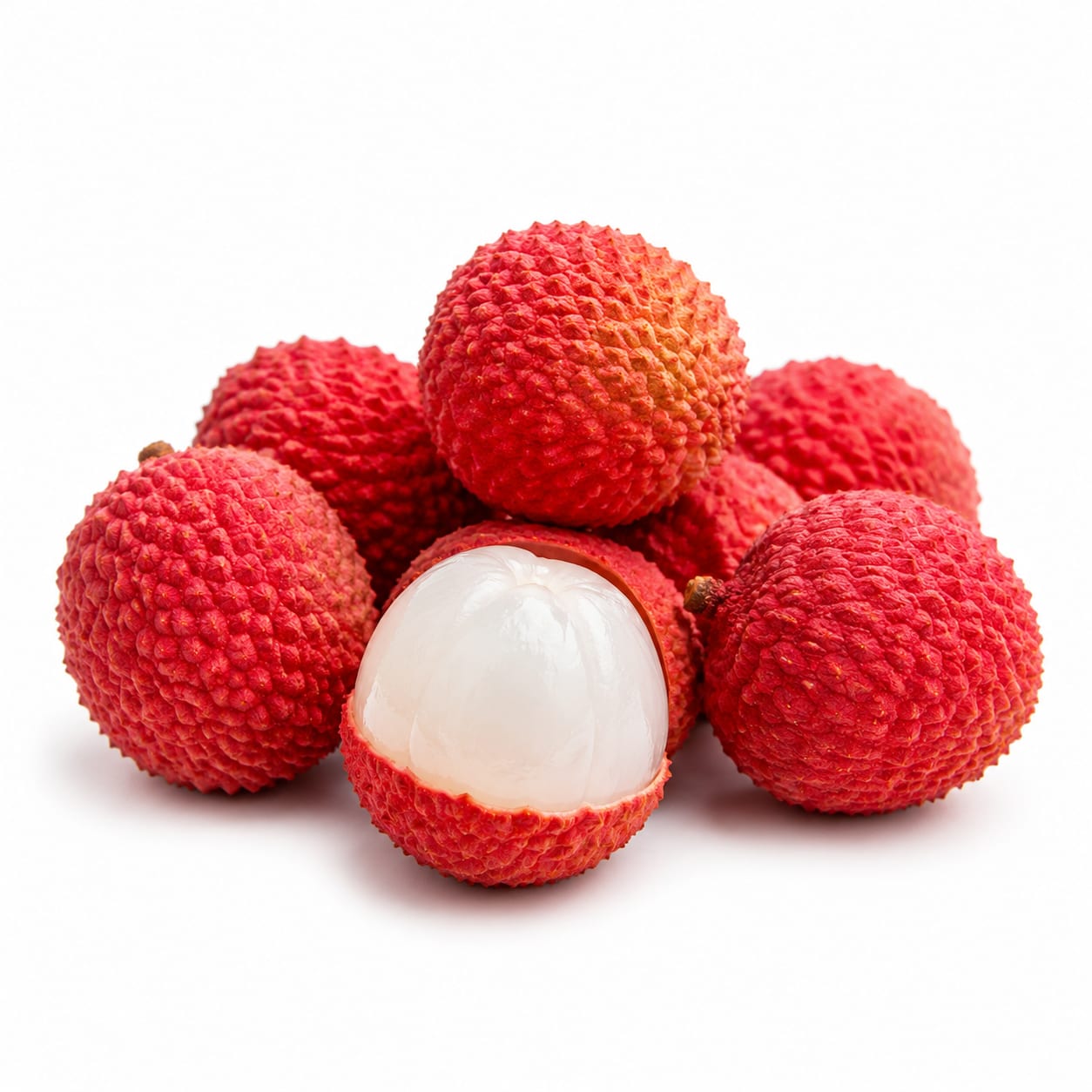
Lychee
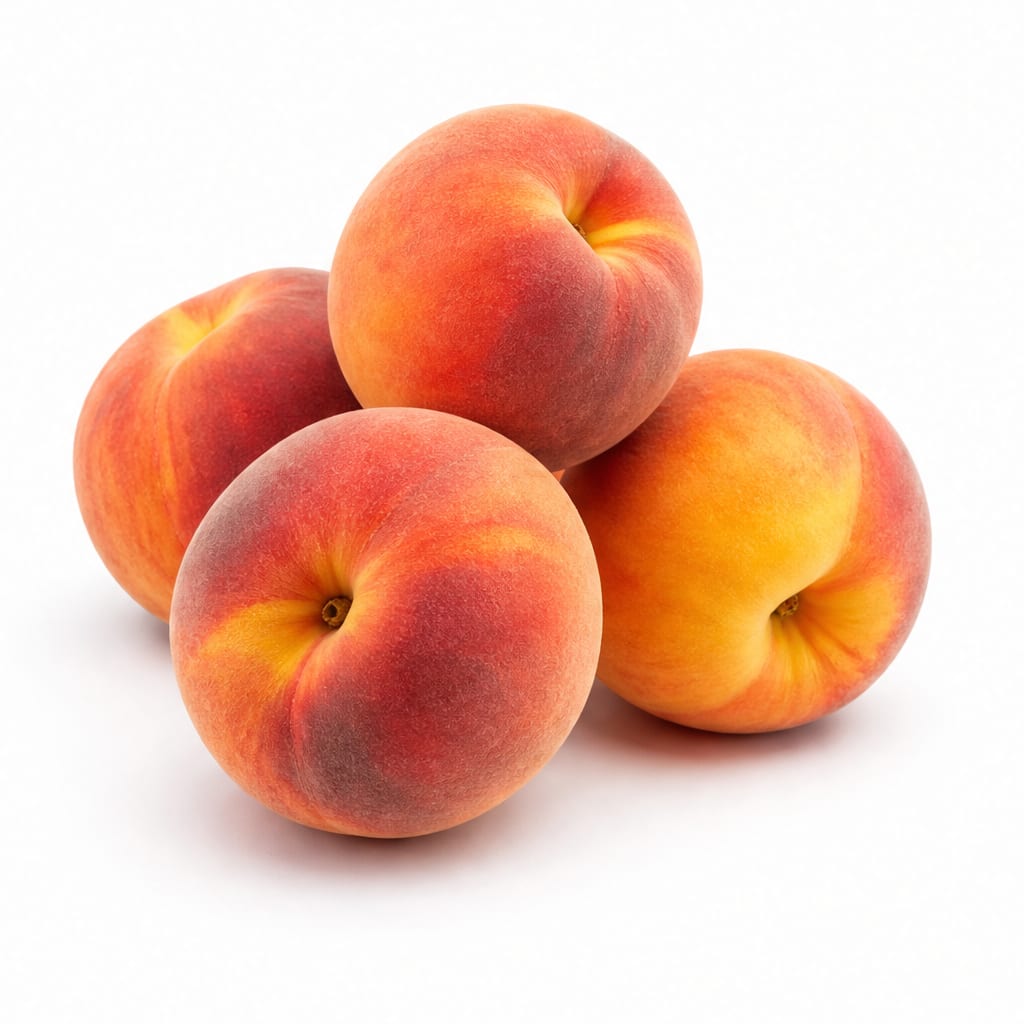
Peaches
Peaches are a more forgiving everyday fruit with less sugar and better satiety, while lychees offer a massive Vitamin C boost but carry a heavy sugar load and overeating risk.
Peaches score significantly higher due to lower sugar, better satiety, and a broader safety profile for everyday eating. Lychees lose points for high sugar density and unique toxicity risks when unripe.
Lychees deliver far more Vitamin C but at a steep sugar cost; peaches are gentler on blood sugar and easier to enjoy in larger, more satisfying portions.
At a glance
Executive summary
Overall
Peaches
Healthier
Peaches
More practical
Peaches
Daily use
Peaches
Key comparison lenses
sugar content and blood sugar impact
Lychees are surprisingly high in sugar compared to peaches, making glycemic impact the most critical difference for daily snacking decisions.
portion control and overeating risk
Lychees are small and easy to overeat, leading to unintentional sugar consumption, whereas a single peach is naturally portion-controlled and more filling.
vitamin c vs vitamin a intake
Lychees are a Vitamin C powerhouse while peaches deliver more Vitamin A and beta-carotene, creating a clear antioxidant tradeoff.
food safety and toxicity
Unripe lychees contain toxins that can cause severe hypoglycemia, a unique safety concern not present in peaches.
Best choice for
Lychee
- Boosting Vitamin C quickly
- Adding tropical flavor to occasional desserts
- Active individuals needing fast-acting carbs
Peaches
- Managing weight and daily sugar intake
- Steady energy without the crash
- Improving skin health through beta-carotene
Least suitable for
Lychee
- People with diabetes or insulin resistance
- Low-carb or keto dieters
- Anyone prone to mindless snacking
Peaches
- Those needing a concentrated Vitamin C source from a single fruit
- People with severe peach or stone fruit allergies
Deep comparison
Dimension by dimension
Each lens scores both foods and breaks down who each option suits.
- Dimension 1 · Priority 95Peaches
Sugar and Blood Sugar Stability
Lychee · 40Peaches · 80Peaches are much gentler on blood sugar, while lychees pack a surprisingly high sugar punch that can cause energy spikes and crashes.
Tradeoff
Choosing lychees means consuming nearly double the sugar per serving compared to peaches, which requires careful portion control.
Why it matters
Steady blood sugar means steadier energy and fewer afternoon cravings. High sugar spikes from fruits like lychee can leave you hungrier an hour later.
Real-world impact
Eating a bowl of lychees can feel like eating candy in terms of the subsequent energy crash, whereas a peach provides a satisfying, steady lift.
Lychee
- Quick pre-workout energy
Better for
- Fasting blood sugar management
- Craving control
Worse for
Peaches
- Avoiding the afternoon slump
- Managing insulin levels
- Sustained energy at the office
Better for
- Rapid glycogen replenishment after intense exercise
Worse for
- Dimension 2 · Priority 80Lychee
Micronutrient Density
Lychee · 88Peaches · 70Lychees dominate in Vitamin C, offering over 100% of your daily needs per cup, while peaches provide better Vitamin A and eye-health nutrients.
Tradeoff
You get a superior immune boost from lychees, but you miss out on the skin-protecting beta-carotene that peaches provide.
Why it matters
Vitamin C is crucial for immunity and collagen, but Vitamin A is key for skin repair and vision. Your priority determines the winner here.
Real-world impact
If you feel a cold coming on, a cup of lychees is a stronger shield. If you want a daily glow-up for your skin, a peach is the better everyday ally.
Lychee
- Immune support during cold season
- Collagen production
Better for
- Supporting night vision
Worse for
Peaches
- Skin health and sun protection
- Eye health
Better for
- Fighting off acute infections
Worse for
- Dimension 3 · Priority 85Peaches
Satiety and Portion Control
Lychee · 45Peaches · 85Peaches are large, water-rich, and filling. Lychees are bite-sized and dangerously easy to overeat.
Tradeoff
Lychees are fun to pop in your mouth, but that convenience leads to unintentional overconsumption of sugar.
Why it matters
Feeling full matters for weight management. A single peach satisfies like a substantial snack; a handful of lychees often leaves you wanting more.
Real-world impact
You can easily eat ten lychees without feeling full, consuming a massive amount of sugar. One large peach naturally stops you from overindulging.
Lychee
- Light garnishes
- Sharing at parties
Better for
- Controlling calorie intake
- Stopping at one serving
Worse for
Peaches
- A filling afternoon snack
- Preventing late-night hunger
Better for
- Elegant dessert toppings
Worse for
- Dimension 4 · Priority 75Peaches
Food Safety and Toxicity
Lychee · 50Peaches · 85Unripe lychees contain natural toxins that can cause severe low blood sugar, especially in children. Peaches carry standard pesticide concerns but no inherent toxins.
Tradeoff
Lychees require strict ripeness checks to be safe, while peaches only require a good wash to mitigate most risks.
Why it matters
Eating unripe lychees on an empty stomach has been linked to serious illness in malnourished children. Peaches are universally safer for vulnerable populations.
Real-world impact
You can hand a peach to a toddler without worry. Handing them unripe lychees on an empty stomach is a genuine health risk.
Lychee
- Adults eating fully ripe fruit after a meal
Better for
- Fasting scenarios
- Unsupervised children's snacks
Worse for
Peaches
- Safe snacks for children
- Eating on an empty stomach
Better for
- Consuming without washing
Worse for
Timeline
Health impact over time
Short-term
Hours to days
Lychee
- Quick energy burst from high sugar
- Potential sugar crash if eaten in large quantities
- Immediate immune support from Vitamin C
Peaches
- Steady, refreshing hydration
- Comforting fullness that curbs hunger
- Gentle digestive support from soluble fiber
Long-term
Months to years
Lychee
- Risk of weight gain if overeaten regularly due to sugar density
- Excellent long-term collagen and tissue repair from high Vitamin C
- Potential dental issues from frequent sugar exposure
Peaches
- Better weight maintenance due to low calorie density and high satiety
- Improved skin resilience from consistent beta-carotene intake
- Stable blood sugar supporting metabolic health
Risk profile
Safety & processing
Both fruits are whole foods when eaten fresh. However, canned lychees are frequently packed in heavy syrup, turning a healthy fruit into a sugar bomb. Fresh is the only safe bet for lychees, while canned peaches in water or juice are still relatively benign.
Lychee
Hypoglycin toxicity
highUnripe lychees contain hypoglycin A, which can cause severe vomiting, seizures, and dangerously low blood sugar, especially in malnourished children eating them on an empty stomach.
Canned syrup additives
mediumMost canned lychees are submerged in heavy syrup, drastically increasing sugar content and negating the natural health benefits.
Peaches
Pesticide residue
mediumPeaches consistently rank on the EWG's Dirty Dozen list due to high pesticide residue on their delicate skin. Washing thoroughly or buying organic is highly recommended.
Who wins for whom
Audience fit
Same foods, different winners depending on your goal.
children
PeachesPeaches are safer and easier to digest. Unripe lychees pose a severe toxicity risk to children, and the small size of lychees is a choking hazard for toddlers.
daily consumption
PeachesPeaches are a low-risk, high-reward daily staple. Lychees are best reserved as an occasional treat due to sugar density and safety caveats.
diabetes
PeachesPeaches have a significantly lower glycemic load and sugar content, making them a much safer occasional treat for blood sugar management.
elderly
PeachesPeaches are soft, hydrating, and gentle on blood sugar. The high sugar and potential digestive upset from lychees make them less ideal for aging metabolisms.
muscle gain
It dependsNeither is a primary muscle-building food, but lychees offer fast-digesting carbs useful post-workout, while peaches offer better hydration.
weight loss
PeachesPeaches are larger, more filling, and contain half the sugar of lychees, making them far easier to fit into a calorie-controlled diet.
Your move
Decision guide
Choose Lychee
- You want a massive Vitamin C boost
- You are highly active and need quick-digesting carbs
- You are eating fully ripe, fresh fruit as an occasional dessert
Choose Peaches
- You want a satisfying, everyday snack
- You are watching your sugar intake or weight
- You need a safe, filling fruit for kids or older adults
Either works if
- You just want a refreshing, whole-food treat on a hot day
- You are mixing fruit into a salad or smoothie with other low-sugar ingredients
Avoid both if
- You are on a strict ketogenic diet
- You have severe fructose intolerance
Final recommendation
Make peaches your daily go-to fruit for a filling, low-sugar snack that keeps energy steady. Enjoy lychees mindfully as a special treat when you want a tropical Vitamin C kick, but strictly limit your portion and never eat them unripe.
Practical
Consumer tips
- 1
Always buy fresh lychees and avoid the canned versions, which are drowning in added sugar.
- 2
Never eat unripe lychees on an empty stomach, especially if serving them to children.
- 3
Since peaches are heavily sprayed with pesticides, opt for organic when possible, or wash them thoroughly under running water and rub the skin gently.
- 4
A standard portion of lychees is about 5-6 fruits; treat them like candy rather than an all-you-can-eat snack.
- 5
Choose firm but slightly soft peaches for the best balance of sweetness and texture without excessive sugar development.