
Nutrition comparison
Lychee vs Longan: Which Tropical Fruit Is Healthier?
Compare lychee and longan nutrition, sugar content, safety, and health benefits. Discover which tropical fruit is better for diabetes, weight loss, and daily snacking.
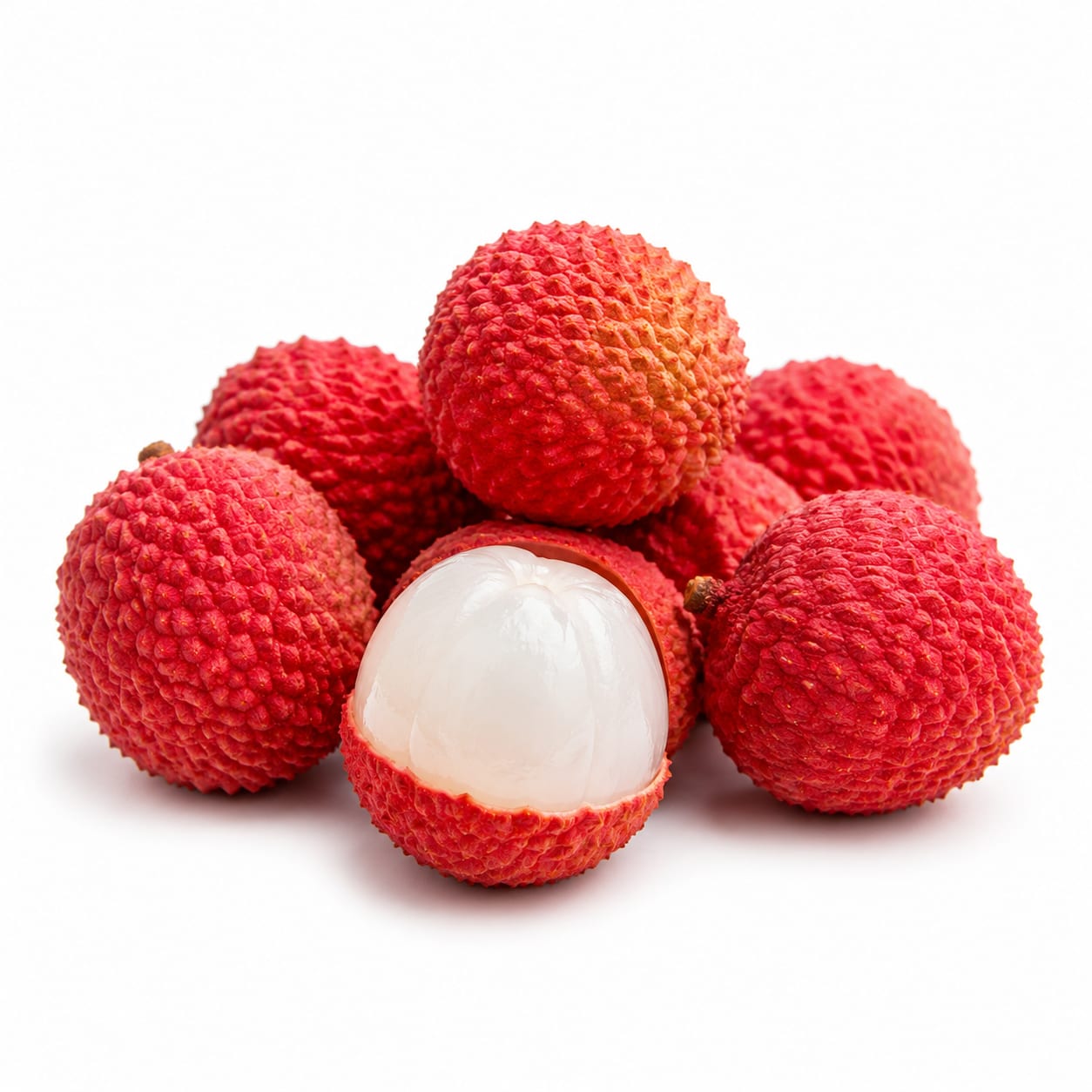
Lychee
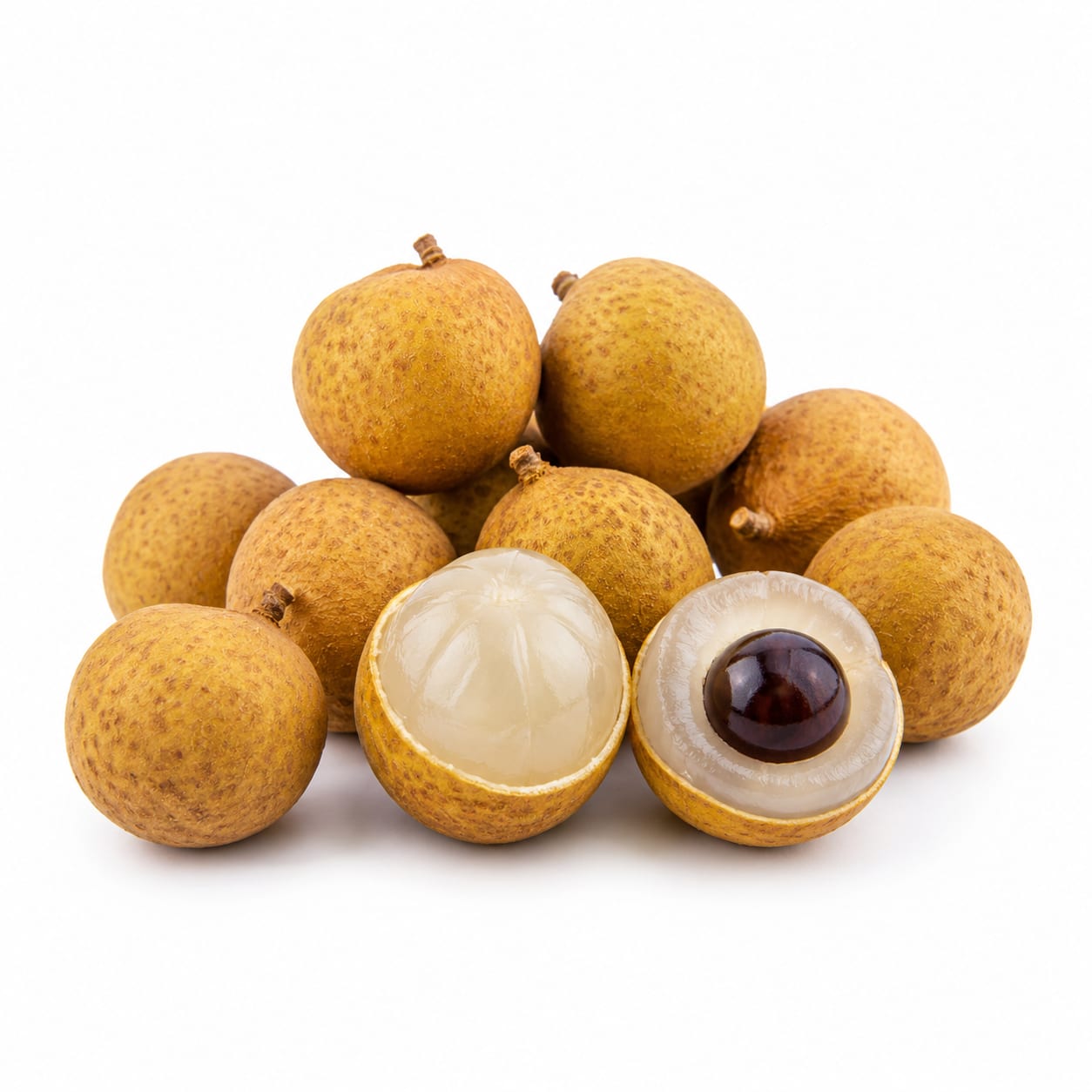
Longan
Longan is the safer, lower-sugar choice for regular snacking, while lychee offers more vitamin C and a more satisfying flavor experience in moderation.
Longan scores moderately higher due to lower sugar, better safety profile, and traditional calming benefits. Lychee remains appealing for its vitamin C and flavor but loses ground on blood sugar impact and the rare but serious hypoglycemia risk for vulnerable groups.
Lychee delivers bigger flavor and more vitamin C but comes with higher sugar and a rare but serious safety concern for vulnerable populations. Longan is gentler on blood sugar and traditionally used for calming, but less nutritionally impressive.
At a glance
Executive summary
Overall
It depends
Healthier
Longan
More practical
Longan
Daily use
Longan
Key comparison lenses
Sugar content and blood sugar impact
Both fruits are naturally sweet tropical fruits, but lychee has significantly more sugar, making blood sugar management the top concern for comparison
Safety and toxicity concerns
Lychee has documented associations with hypoglycemic encephalopathy in malnourished children, a unique safety dimension requiring attention
Antioxidant and traditional medicine value
Longan is deeply rooted in traditional Chinese medicine for sleep and calming benefits, while lychee is valued for vitamin C and skin health
Calorie density and weight management
Both are calorie-dense fruits compared to berries or melons, so portion control matters for daily consumption decisions
Practical availability and freshness
Both fruits have short shelf lives and seasonal availability, but canned and dried options differ in quality and additive exposure
Best choice for
Lychee
- Vitamin C boost and immune support
- Special occasion tropical fruit enjoyment
- Those wanting richer, more aromatic flavor
- Skin health and collagen support
Longan
- Blood sugar management and diabetes prevention
- Calmer evenings and better sleep
- Daily snacking without sugar spikes
- Those prone to overeating sweet fruits
Least suitable for
Lychee
- Diabetics and insulin-resistant individuals
- Malnourished children in tropical regions
- Those strictly limiting sugar intake
- People prone to reactive hypoglycemia
Longan
- Those seeking high vitamin C content
- People wanting bold, intense fruit flavor
- Anyone looking for significant fiber intake
Deep comparison
Dimension by dimension
Each lens scores both foods and breaks down who each option suits.
- Dimension 1 · Priority 92Longan
Sugar and Blood Sugar Impact
Lychee · 38Longan · 62Lychee contains roughly 15-16g of sugar per 100g, while longan has about 10-12g. That difference adds up quickly when eating a bowlful.
Tradeoff
Lychee's sweetness makes it more satisfying per piece, but easier to overconsume. Longan's milder sweetness naturally limits intake.
Why it matters
Both fruits can spike blood sugar, but lychee does so faster and harder. For anyone watching glucose, longan is the clearly safer bet.
Real-world impact
A casual bowl of lychee can deliver 40-50g of sugar before you realize it. Longan's subtler taste makes portion control almost automatic.
Lychee
- Quick energy replenishment after intense exercise
- Satisfying a sweet tooth with whole fruit instead of candy
Better for
- Insulin resistance and metabolic syndrome
- Anyone counting carbs carefully
Worse for
Longan
- Steady energy without the crash
- Diabetes management and prediabetes
- Avoiding afternoon sugar slumps
Better for
- Post-workout glycogen replenishment when speed matters
Worse for
- Dimension 2 · Priority 78Lychee
Vitamin and Mineral Density
Lychee · 72Longan · 55Lychee is notably richer in vitamin C, providing over 70mg per 100g compared to longan's modest content. Lychee also offers more copper and potassium.
Tradeoff
Longan contains slightly more iron and some B vitamins, but the overall micronutrient edge goes to lychee thanks to its impressive vitamin C content.
Why it matters
Vitamin C is the standout difference. A serving of lychee covers most of your daily vitamin C needs, while longan barely moves the needle.
Real-world impact
Eating lychee during cold season gives a meaningful immune boost. Longan's vitamin contribution is forgettable by comparison.
Lychee
- Immune system support during winter
- Collagen production and skin health
- Iron absorption when eaten with iron-rich meals
Better for
- Those avoiding vitamin C interactions with certain medications
Worse for
Longan
- Mild iron supplementation from fruit
- B-vitamin contribution to energy metabolism
Better for
- Anyone relying on fruit for meaningful vitamin C intake
Worse for
- Dimension 3 · Priority 88Longan
Safety and Toxicity Profile
Lychee · 45Longan · 75Lychee contains hypoglycin A and MCPG, natural toxins that can cause severe hypoglycemia in malnourished children. Longan has no comparable documented risk.
Tradeoff
The risk is rare and primarily affects undernourished children eating large quantities on an empty stomach. Healthy adults face minimal danger, but the concern exists only on lychee's side.
Why it matters
For families with children in tropical regions, this is a real safety issue. For healthy adults, it's a minor consideration but still tilts the safety comparison.
Real-world impact
Outbreaks of lychee-associated encephalopathy have occurred in India and Vietnam. No similar pattern exists for longan.
Lychee
- Healthy adults eating moderate portions with meals
Better for
- Children in tropical regions during harvest season
- People with existing blood sugar regulation issues
- Fasting individuals who snack on fruit
Worse for
Longan
- Households with young children
- Malnourished or underweight individuals
- Anyone eating fruit on an empty stomach regularly
Better for
- No significant safety concerns documented
Worse for
- Dimension 4 · Priority 75Longan
Traditional and Functional Benefits
Lychee · 50Longan · 78Longan is a staple in traditional Chinese medicine for calming the mind, improving sleep, and reducing anxiety. Lychee has some traditional use but far less documented benefit.
Tradeoff
Longan's traditional reputation for promoting relaxation and better sleep gives it a functional edge that lychee cannot match, even if modern clinical evidence remains limited.
Why it matters
For people seeking food-based approaches to stress and sleep, longan has centuries of traditional use behind it. Lychee is primarily eaten for pleasure.
Real-world impact
A warm longan tea before bed is a common traditional remedy for insomnia. Lychee has no equivalent calming tradition.
Lychee
- Traditional use as a digestive aid in small amounts
- Cultural significance in celebratory dishes
Better for
- Nighttime eating due to sugar content
Worse for
Longan
- Evening snacking without stimulation
- Traditional sleep and anxiety support
- Post-illness recovery tonics in Chinese medicine
Better for
- Those skeptical of traditional medicine claims wanting clinical evidence
Worse for
- Dimension 5 · Priority 72Longan
Satiety and Overeating Risk
Lychee · 42Longan · 64Lychee's intense sweetness and juicy texture make it very easy to overeat. Longan's subtler flavor and smaller size naturally curb consumption.
Tradeoff
Lychee is more hedonically rewarding per piece, which is both its charm and its danger. Longan feels more like a gentle snack than a sugar rush.
Why it matters
With tropical fruits, the biggest health risk is often portion size. Longan's lower reward intensity makes accidental overconsumption less likely.
Real-world impact
It's easy to eat 20 lychees before feeling full. Longan's milder taste usually stops you at 10-12 without any conscious effort.
Lychee
- Dessert replacement when you want something indulgent
- Sharing fruit platters where everyone eats a few pieces
Better for
- Emotional eaters who struggle with sweet foods
- Anyone who has finished a bag of grapes and felt regret
Worse for
Longan
- Mindful snacking without triggering cravings
- Weight management through natural portion control
- Avoiding the fruit sugar binge cycle
Better for
- Those who find mild flavors unsatisfying and end up eating more of other foods
Worse for
- Dimension 6 · Priority 70Lychee
Antioxidant and Anti-inflammatory Value
Lychee · 70Longan · 62Lychee contains oligonol, a unique polyphenol with anti-inflammatory and potential anti-aging properties. Longan has antioxidants too, but less research backing unique compounds.
Tradeoff
Lychee's antioxidant profile is more studied and potentially more potent, but you would need to eat significant amounts to see meaningful anti-inflammatory effects, which conflicts with sugar concerns.
Why it matters
Both fruits offer some antioxidant protection, but lychee's oligonol gives it a slight edge in potential long-term health benefits if consumed in moderation.
Real-world impact
Realistically, neither fruit will dramatically change your inflammatory status. The antioxidant difference matters more in supplements than in whole fruit servings.
Lychee
- Those seeking diverse polyphenol sources
- Anti-aging focused nutrition approaches
Better for
- Anyone who would need large amounts to see benefits, since sugar becomes the dominant effect
Worse for
Longan
- Consistent low-dose antioxidant intake without sugar overload
Better for
- Those wanting the most potent per-serving antioxidant punch
Worse for
Timeline
Health impact over time
Short-term
Hours to days
Lychee
- Quick blood sugar spike within 30-60 minutes of eating
- Immediate vitamin C boost supporting immune function
- Hydrating effect from high water content
- Potential digestive discomfort if eaten in large quantities on empty stomach
Longan
- Gentler blood sugar rise compared to lychee
- Mild calming effect traditionally reported within an hour
- Less likely to cause sugar crash afterward
- Warming sensation in traditional medicine framework
Long-term
Months to years
Lychee
- Regular overconsumption may contribute to insulin resistance over time
- Consistent moderate intake supports skin health through vitamin C
- Potential anti-inflammatory benefits from oligonol if portions are controlled
- Rare but serious risk for malnourished children in endemic regions
Longan
- Better blood sugar profile supports metabolic health long-term
- Traditional sleep and stress benefits may compound over weeks of use
- Lower sugar load reduces long-term insulin resistance risk
- Iron contribution supports prevention of mild anemia with regular intake
Risk profile
Safety & processing
Both fruits are naturally consumed fresh and minimally processed. However, canned lychee often contains added syrup with significant sugar, while dried longan is commonly available without added sweeteners. Fresh versions of both are clean whole foods.
Lychee
Hypoglycin A and MCPG toxicity
highUnripe lychee contains hypoglycin A and methylenecyclopropylglycine, which inhibit fatty acid oxidation and can cause severe hypoglycemia and encephalopathy in malnourished children. Risk is highest when eaten on empty stomach in large quantities.
Sulfur dioxide in canned products
mediumCanned lychee is often treated with sulfur dioxide as a preservative, which can trigger reactions in sensitive individuals, particularly those with asthma.
Pesticide residue on conventionally grown fruit
lowLychee skins can retain pesticide residues, though the thick peel protects the flesh. Washing before peeling is still advisable.
Longan
Sulfur dioxide in dried products
mediumSome commercially dried longan is treated with sulfur dioxide for preservation and color retention. Sulfite-sensitive individuals should check labels.
Pesticide residue
lowSimilar to lychee, the thick shell provides protection, but conventional farming may involve pesticide use on the outer surface.
Who wins for whom
Audience fit
Same foods, different winners depending on your goal.
children
LonganLongan avoids the hypoglycin A risk that makes lychee dangerous for malnourished children. For well-nourished kids, both are fine in moderation, but longan has no documented toxicity concern.
daily consumption
LonganLongan's lower sugar, calming properties, and better safety profile make it more sustainable as a daily fruit. Lychee is better enjoyed as an occasional treat.
diabetes
LonganLongan's lower glycemic impact and reduced sugar content make it the clearly safer choice for blood sugar management, though both require portion control.
elderly
LonganLongan's traditional use for sleep support and gentler blood sugar impact align better with common elderly health concerns like insomnia and glucose intolerance.
muscle gain
It dependsNeither fruit is particularly useful for muscle gain. Lychee's slightly higher potassium may help with post-workout recovery, but the difference is negligible.
weight loss
LonganLongan's lower sugar and natural portion control make it easier to fit into a calorie-conscious eating plan without triggering sugar cravings.
Your move
Decision guide
Choose Lychee
- You want a vitamin C-rich tropical treat and can control portions
- You are a healthy adult eating lychee with meals, not on an empty stomach
- Flavor intensity and dessert-like satisfaction matter most to you
- You are making a special occasion fruit platter
Choose Longan
- You want a daily fruit that will not spike your blood sugar
- You struggle with sleep or anxiety and want a traditional calming food
- You have children and want a safer tropical fruit option
- You tend to overeat sweet fruits and need something naturally self-limiting
- You are managing diabetes, prediabetes, or insulin resistance
Either works if
- You are a healthy adult eating moderate portions as part of a varied diet
- You want tropical fruit variety and can alternate between both
- You are using them in cooking where sugar differences become less relevant
Avoid both if
- You are on a strict very-low-carb or ketogenic diet
- You have severe fructose intolerance or malabsorption
- You are trying to minimize all tropical fruit sugar intake
Final recommendation
For most people, longan is the smarter everyday choice: less sugar, safer profile, and calming benefits make it easier to eat regularly without downsides. Save lychee for when you want the more indulgent tropical experience, but keep portions to 6-8 fruits and always eat them with or after a meal, never on an empty stomach.
Practical
Consumer tips
- 1
Always eat lychee with food, never on an empty stomach, to reduce blood sugar spike and any toxin absorption risk
- 2
Avoid unripe lychee entirely, as hypoglycin A levels are highest before the fruit fully ripens
- 3
Choose fresh over canned for both fruits to avoid added syrups and sulfite preservatives
- 4
If buying dried longan, look for unsulfured varieties to avoid sulfur dioxide exposure
- 5
Refrigerate both fruits immediately and consume within 3-5 days, as they spoil quickly at room temperature
- 6
Limit lychee to about 6-8 fruits per sitting and longan to 10-15 pieces to keep sugar intake reasonable
- 7
Try longan tea by simmering dried longan in hot water for a naturally sweet, calming evening drink
- 8
Peel both fruits carefully and discard the seed, which is not edible and contains trace amounts of natural toxins