
Nutrition comparison
Lychee vs Grapes: Nutrition, Sugar, and Health Comparison
Compare Lychee vs Grapes to see which fruit is healthier. Discover the differences in sugar, Vitamin C, resveratrol, and safety to make the best snack choice.
Overall winner · Grapes
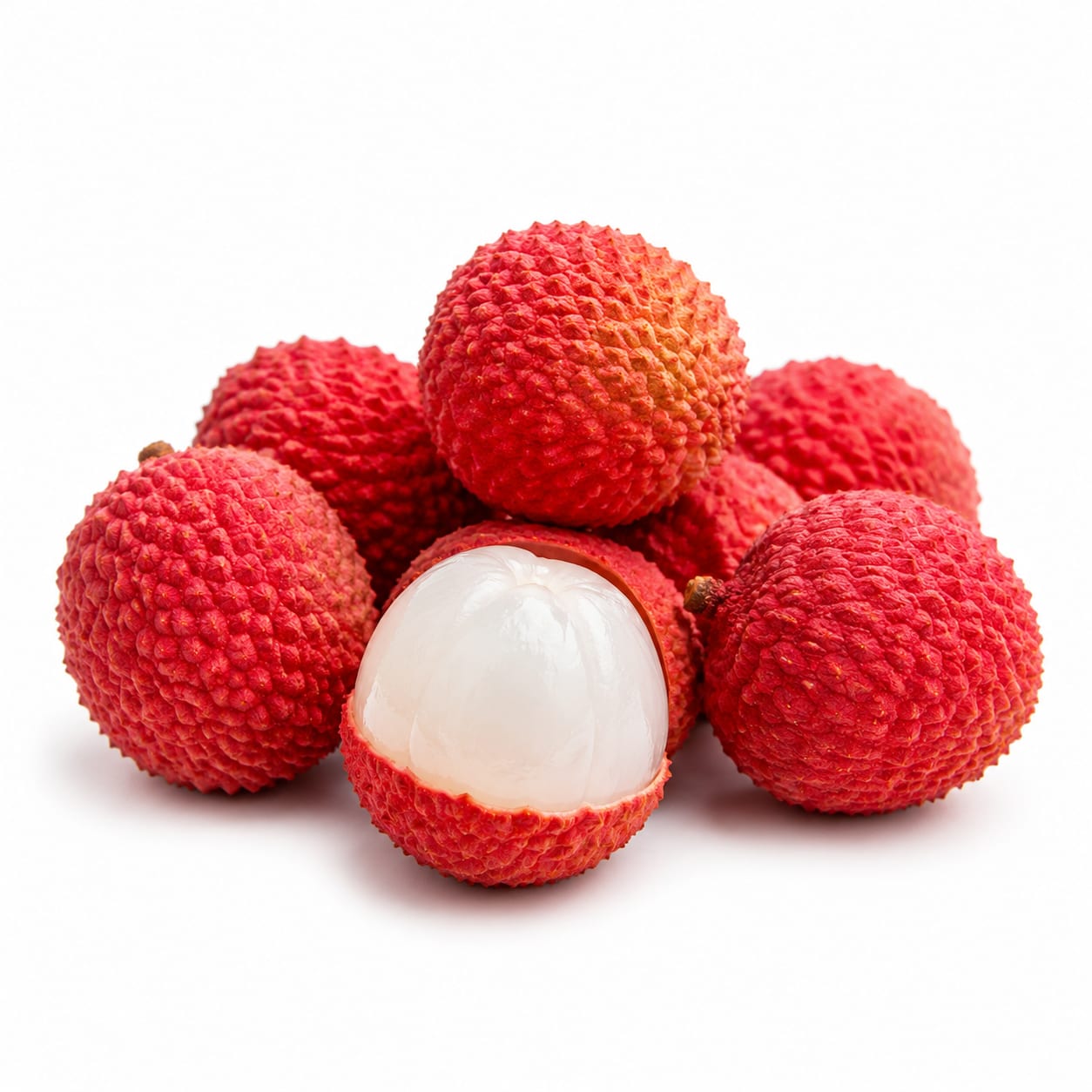
Lychee
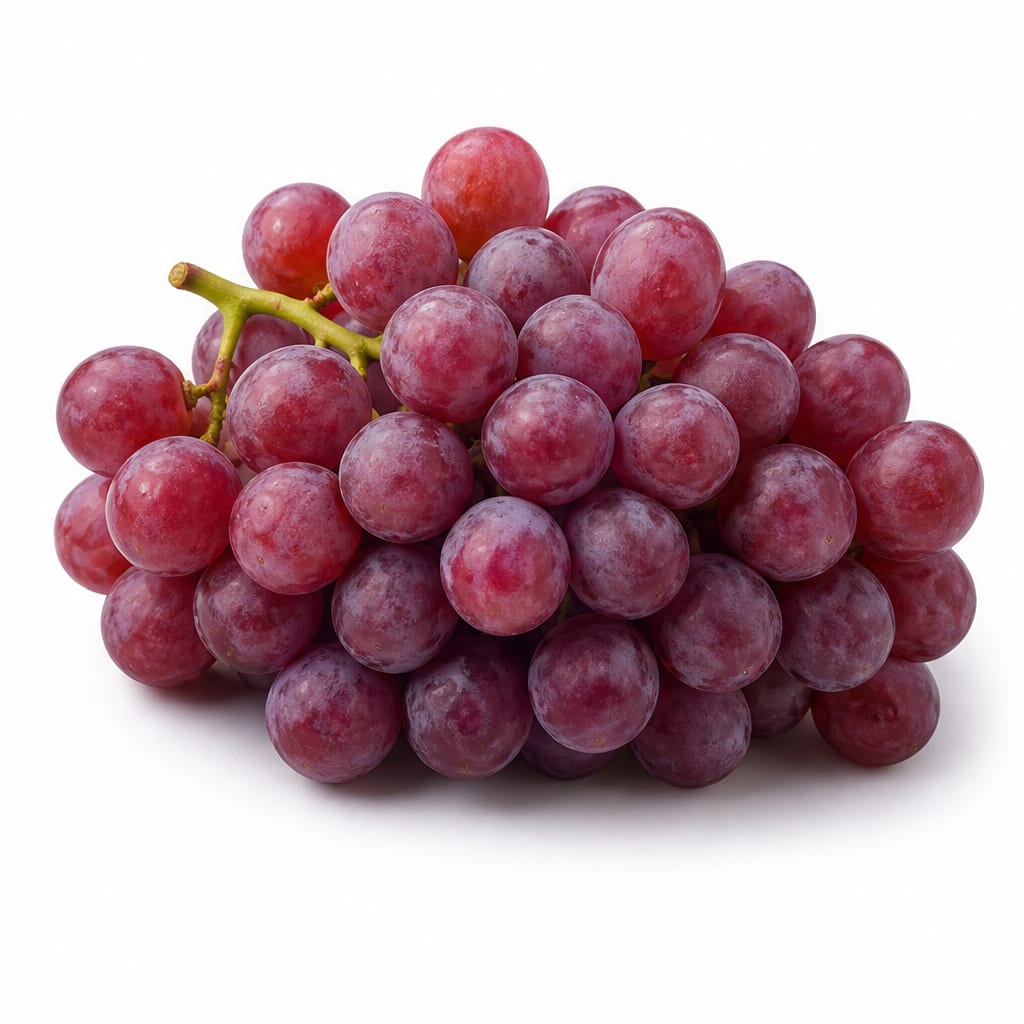
Grapes
Grapes win on practicality and daily sustainability, but Lychee offers a massive Vitamin C boost if you can handle the sugar and seasonality.
Grapes score higher due to better practicality, heart-healthy antioxidants, and slightly easier blood sugar management. Lychee scores well for micronutrients but loses points for high sugar density and seasonal limitations.
You trade Lychee's superior Vitamin C and antioxidant novelty for Grapes' year-round convenience, easier portion control, and resveratrol benefits.
At a glance
Executive summary
Overall
Grapes
Healthier
Grapes
More practical
Grapes
Daily use
Grapes
Key comparison lenses
Sugar content and blood sugar impact
Both Lychee and Grapes are sweet fruits with high sugar content, making glycemic impact a primary concern for many snackers.
Vitamin C and micronutrient density
Lychee is exceptionally high in Vitamin C compared to Grapes, creating a clear nutritional tradeoff.
Convenience and year-round availability
Grapes are a staple year-round snack, while fresh Lychee is highly seasonal and requires peeling.
Pesticide exposure and natural toxins
Grapes are notorious for pesticide residues, while unripe Lychee carries a rare but serious toxin risk.
Best choice for
Lychee
- Boosting immunity during cold season
- Adding exotic flavor to desserts
- Getting a concentrated Vitamin C hit
Grapes
- A reliable everyday desk snack
- Supporting heart health with resveratrol
- Meal prepping fruit portions for the week
Least suitable for
Lychee
- People strictly managing blood sugar
- Daily snacking due to high sugar and seasonal limits
- Families with very young children due to choking hazard from pits
Grapes
- Those strictly avoiding pesticide residues without organic options
- People who struggle with portion control on sweet foods
Deep comparison
Dimension by dimension
Each lens scores both foods and breaks down who each option suits.
- Dimension 1 · Priority 90Grapes
Blood Sugar & Satiety
Lychee · 65Grapes · 75Grapes have a slightly lower glycemic load and are easier to portion control than Lychee, which is intensely sweet and easy to overeat.
Tradeoff
Lychee provides a quicker energy spike but less sustained fullness, while Grapes offer a steadier, more manageable energy release.
Why it matters
Preventing the afternoon energy crash means choosing a snack that doesn't spike your blood sugar too fast.
Real-world impact
Eating a bowl of Lychee often leads to a sugar rush followed by a crash, whereas Grapes satisfy the sweet tooth more gently.
Lychee
- Quick pre-workout energy
Better for
- Intermittent fasting breaks
- Insulin resistance management
Worse for
Grapes
- Steady afternoon snacking
- Avoiding cravings an hour later
Better for
- When you need immediate intense energy
Worse for
- Dimension 2 · Priority 85Lychee
Micronutrient Density
Lychee · 90Grapes · 65Lychee is a Vitamin C powerhouse, delivering over 100% of your daily needs in a small serving, while Grapes offer modest amounts.
Tradeoff
You get far more immune-boosting Vitamin C from Lychee, but Grapes provide more Vitamin K for bone and blood health.
Why it matters
If you are trying to fight off a cold or boost collagen, Lychee is the far superior choice.
Real-world impact
A handful of Lychee covers your daily Vitamin C needs, while you would need to eat an unrealistic amount of Grapes to do the same.
Lychee
- Immune system support
- Skin health and collagen production
Better for
- Those avoiding high acid foods
Worse for
Grapes
- Bone health
- Blood clotting support
Better for
- Preventing vitamin C deficiency
Worse for
- Dimension 3 · Priority 80Grapes
Antioxidant & Anti-inflammatory Profile
Lychee · 75Grapes · 88Red and black Grapes are rich in resveratrol, a powerful heart-protective antioxidant, whereas Lychee contains oligonol, which is less studied.
Tradeoff
Grapes offer proven cardiovascular benefits from resveratrol, while Lychee offers more niche, less-researched anti-inflammatory compounds.
Why it matters
Long-term heart health and aging are strongly influenced by the specific antioxidants in dark Grapes.
Real-world impact
Regularly eating red Grapes can support heart health over the years, making them a smarter daily habit.
Lychee
- Reducing post-exercise inflammation
Better for
- Those seeking well-researched heart health benefits
Worse for
Grapes
- Long-term cardiovascular health
- Anti-aging routines
Better for
- Those who only eat green grapes, which lack resveratrol
Worse for
- Dimension 4 · Priority 80Grapes
Convenience & Practicality
Lychee · 50Grapes · 95Grapes are ready to eat, available year-round, and travel well. Fresh Lychee is seasonal, requires peeling, and has a large inedible pit.
Tradeoff
Lychee demands more prep and is harder to find fresh, but offers a more exotic, rewarding eating experience.
Why it matters
A healthy snack is only good if you actually have access to it and can prep it easily.
Real-world impact
You can toss Grapes in a bag for a commute, but Lychee leaves you with sticky hands and a pile of peels and pits.
Lychee
- Special occasion fruit platters
- Impressing guests
Better for
- On-the-go eating
- Meal prepping for the week
Worse for
Grapes
- Busy mornings
- Office snacking
- School lunches
Better for
- When you want a unique, tropical flavor
Worse for
- Dimension 5 · Priority 75It depends
Food Safety & Contamination
Lychee · 70Grapes · 70Grapes consistently rank high for pesticide residues, while Lychee has a protective shell but carries a rare risk of toxicity if eaten unripe.
Tradeoff
Grapes require careful washing or buying organic to avoid pesticides, while Lychee must be fully ripe to avoid hypoglycin toxins.
Why it matters
Chemical exposure and natural toxins both pose real risks that are easy to overlook with fruit.
Real-world impact
Washing Grapes thoroughly is a daily necessity, while eating unripe Lychee on an empty stomach can cause severe drops in blood sugar.
Lychee
- Avoiding pesticide sprays on the edible flesh
Better for
- Malnourished children, due to hypoglycin risk
Worse for
Grapes
- Avoiding natural fruit toxins
- Safe snacking for children when cut properly
Better for
- Those trying to minimize synthetic chemical ingestion
Worse for
Timeline
Health impact over time
Short-term
Hours to days
Lychee
- Rapid energy boost from high sugar content
- Quick hydration from high water volume
- Potential stomach upset if eaten unripe or in massive quantities
Grapes
- Gentle energy lift with less crash
- Easy digestion for most people
- Immediate thirst quenching
Long-term
Months to years
Lychee
- Stronger immune defense from high Vitamin C intake
- Potential weight gain if eaten frequently in large portions due to sugar density
Grapes
- Improved cardiovascular markers from resveratrol
- Better long-term blood sugar management compared to higher-sugar tropical fruits
Risk profile
Safety & processing
Both are whole, unprocessed fruits when bought fresh. However, canned Lychee often comes in heavy syrup, which drastically increases sugar and processing, making fresh Lychee or fresh Grapes the better choices.
Lychee
Hypoglycin A and MCPG toxicity
highUnripe Lychee contains toxins that can cause severe hypoglycemia and encephalopathy, especially in malnourished children. Always eat fully ripe Lychee and never on an empty stomach.
Choking hazard
mediumThe large, smooth pit inside Lychee is a choking risk for toddlers and young children.
Grapes
Pesticide residue
highGrapes are consistently on the EWG's Dirty Dozen list due to high pesticide residues. Buying organic or washing thoroughly is highly recommended.
Choking hazard
mediumWhole Grapes are a leading choking hazard for children under 4 and must be cut lengthwise.
Who wins for whom
Audience fit
Same foods, different winners depending on your goal.
children
GrapesWhen cut in half, Grapes are safer for kids. Unripe Lychee poses a severe health risk to undernourished children, and the pits are a major choking hazard.
daily consumption
GrapesGrapes are available year-round, affordable, and easy to incorporate into daily meals without the sugar shock or prep time of Lychee.
diabetes
GrapesGrapes have a lower glycemic load and are easier to pair with a fat or protein to blunt the sugar spike compared to the intensely sweet Lychee.
elderly
GrapesGrapes are easier to chew, digest, and contain no hidden pits, making them a safer and more comfortable snack for older adults.
muscle gain
It dependsNeither is a protein source, but both provide quick-digesting carbs useful post-workout. Lychee offers slightly more Vitamin C for recovery.
weight loss
GrapesGrapes are slightly lower in calories per cup and easier to portion out, making them a more forgiving snack for calorie deficits.
Your move
Decision guide
Choose Lychee
- You want a massive Vitamin C boost
- You are looking for a special, exotic treat
- You can find fresh, perfectly ripe Lychee
Choose Grapes
- You need a convenient, everyday snack
- You want heart-healthy resveratrol
- You are trying to manage your blood sugar more carefully
- You are packing snacks for kids
Either works if
- You just want a refreshing, sweet, hydrating fruit
- You are mixing them into a fruit salad
Avoid both if
- You are on a strict very-low-carb or keto diet
- You have a severe fructose intolerance
Final recommendation
Keep Grapes as your daily go-to fruit for their convenience, heart benefits, and steadier energy. Enjoy Lychee as an occasional seasonal treat for the Vitamin C and unique flavor, but watch your portions and always ensure it is fully ripe.
Practical
Consumer tips
- 1
Always buy organic Grapes if possible, as conventional ones are heavily sprayed with pesticides.
- 2
Never eat unripe Lychee, and avoid eating large quantities of Lychee on an empty stomach to prevent toxic hypoglycemia.
- 3
If buying canned Lychee, look for versions packed in water or light syrup rather than heavy syrup to save on sugar.
- 4
Freeze Grapes for a refreshing, long-lasting summer snack that takes longer to eat, helping with portion control.
- 5
Cut Grapes lengthwise for children under 4 to eliminate the choking hazard.