
Nutrition comparison
Lychee vs Rambutan: Nutrition, Safety, and Which Tropical Fruit to Pick
Compare lychee and rambutan side by side. Learn which is safer for kids, better for blood sugar, higher in fiber, and which tropical fruit fits your lifestyle best.
Overall winner · Rambutan
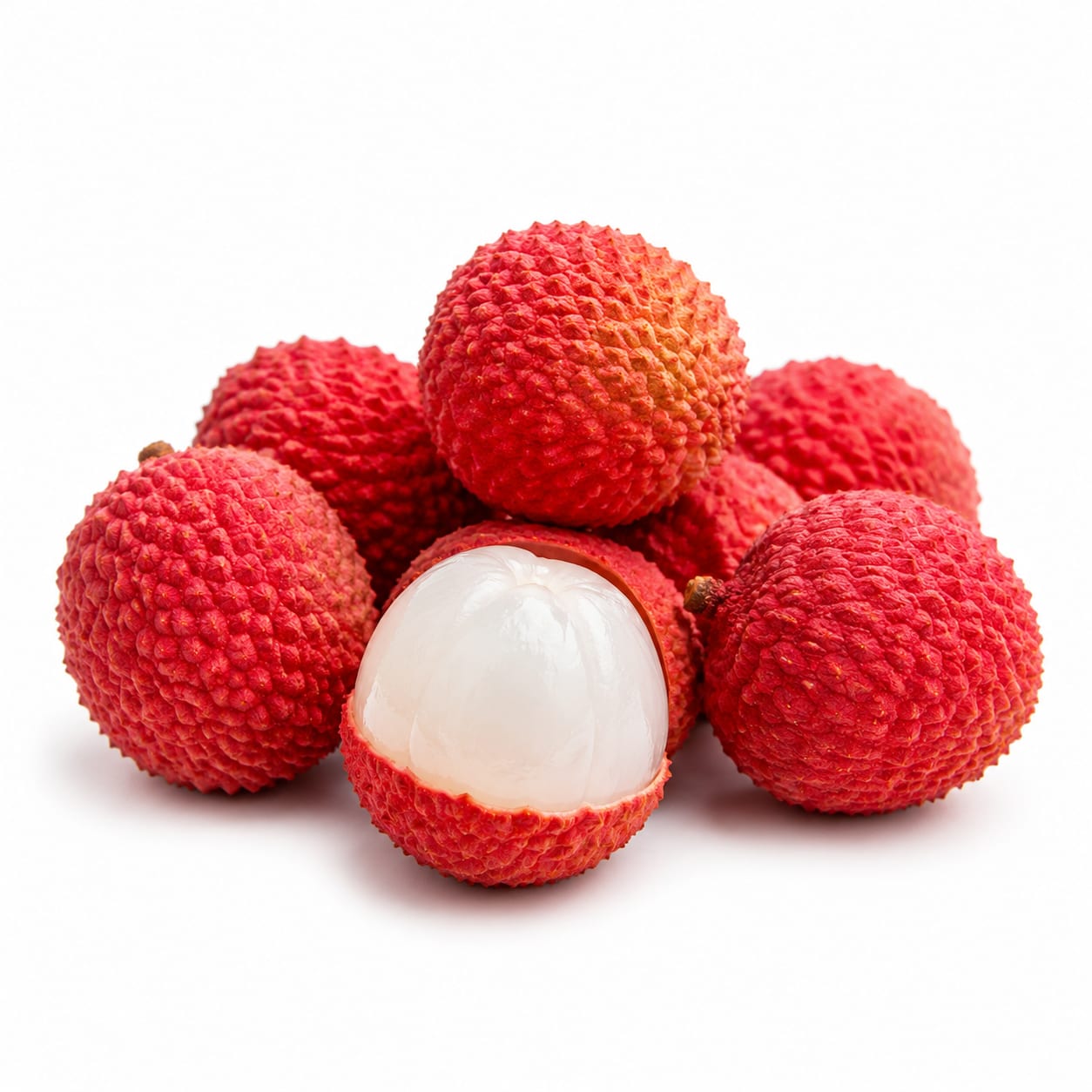
Lychee
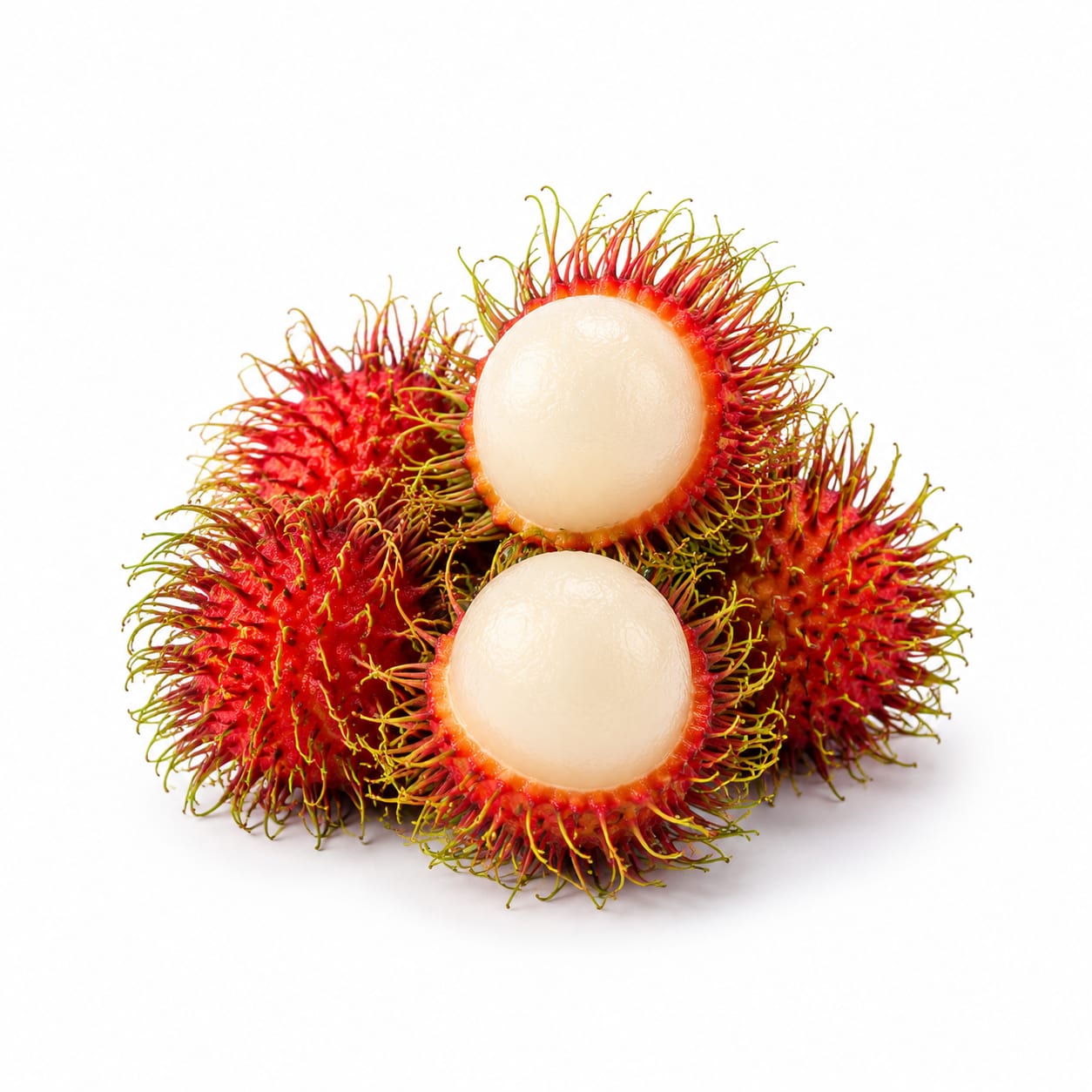
Rambutan
Rambutan edges ahead with more fiber, better mineral content, and none of the toxicity concerns that haunt unripe lychee. But lychee wins on availability and offers a more intense floral sweetness.
Rambutan scores higher mainly due to its superior fiber content, better mineral profile, and absence of hypoglycin toxicity risk. Lychee stays competitive with stronger availability and a more concentrated vitamin C hit, but the safety gap matters.
Lychee is easier to find and tastes more intensely sweet, but Rambutan is safer for children and more gut-friendly thanks to higher fiber.
At a glance
Executive summary
Overall
Rambutan
Healthier
Rambutan
More practical
Lychee
Daily use
Rambutan
Key comparison lenses
Sugar impact and blood sugar safety
Both fruits are high in natural sugars, making glycemic response a top concern for daily consumption decisions
Toxicity and food safety
Lychee carries a documented hypoglycin risk, especially for children and fasting individuals, which is a rare but serious safety distinction
Nutritional density comparison
These fruits look similar but differ meaningfully in fiber, minerals, and vitamin content per serving
Availability and practical eating
Lychee is far easier to find in Western markets, affecting real-world choice
Taste experience and satisfaction
Both are treat-like tropical fruits; subtle flavor differences affect which one people reach for again
Best choice for
Lychee
- Quick tropical sweetness cravings
- People who want wider grocery store availability
- Those who prefer a more delicate, floral flavor
Rambutan
- Families with young children
- People prioritizing digestive regularity
- Those who want a slightly more filling snack
Least suitable for
Lychee
- Children eating on an empty stomach
- People managing blood sugar carefully
- Anyone sensitive to high-sugar fruits
Rambutan
- Those who cannot find it locally
- People who dislike slightly tangy undertones
- Anyone wanting the most calorie-light option
Deep comparison
Dimension by dimension
Each lens scores both foods and breaks down who each option suits.
- Dimension 1 · Priority 92Rambutan
Sugar Load and Blood Sugar Impact
Lychee · 38Rambutan · 45Both fruits are sugar-dense, but lychee hits slightly harder and faster with more sugar per 100g and less fiber to slow absorption.
Tradeoff
Lychee delivers a sweeter, more satisfying burst but at the cost of a sharper blood sugar spike. Rambutan's extra fiber softens the blow modestly.
Why it matters
Neither fruit is ideal for tight glucose control, but the difference matters if you are snacking between meals or managing prediabetes.
Real-world impact
Eating a handful of lychee on an empty stomach can leave you jittery then sluggish within an hour. Rambutan is slightly steadier energy.
Lychee
- Post-workout quick carb replenishment
Better for
- Fasting windows
- Prediabetic eating patterns
Worse for
Rambutan
- Afternoon snacking without the crash
- More stable energy between meals
Better for
- Anyone needing rapid glucose replenishment
Worse for
- Dimension 2 · Priority 85Rambutan
Fiber and Digestive Health
Lychee · 35Rambutan · 58Rambutan delivers roughly twice the fiber of lychee, making it noticeably more gut-friendly and filling.
Tradeoff
You sacrifice some of lychee's delicate texture for a fruit that actually contributes meaningfully to daily fiber goals.
Why it matters
Most people fall short on fiber. A tropical snack that helps close that gap is quietly valuable.
Real-world impact
A rambutan snack keeps you satisfied longer. Lychee disappears fast and you may reach for more food sooner.
Lychee
- Light dessert after a heavy meal
Better for
- Anyone needing satiety from fruit
Worse for
Rambutan
- Standalone snack between meals
- Supporting regular digestion
Better for
- Those wanting the lightest possible treat
Worse for
- Dimension 3 · Priority 88Rambutan
Safety and Toxicity Risk
Lychee · 45Rambutan · 85Unripe lychee contains hypoglycin A, which has caused serious illness and deaths in children, particularly when eaten fasting. Rambutan carries no comparable risk.
Tradeoff
Ripe lychee is generally safe for adults, but the margin is thinner and the risk profile is worse for vulnerable groups.
Why it matters
This is not theoretical. Outbreaks of acute encephalitis syndrome linked to lychee consumption have been documented in India and Bangladesh, primarily in malnourished children.
Real-world impact
If you have kids who might snack on fruit before dinner, rambutan is the safer choice. With lychee, you need to ensure it is fully ripe and eaten with food.
Lychee
- Adults eating ripe fruit as part of a meal
Better for
- Children, especially undernourished
- Fasting or skipped-meal scenarios
Worse for
Rambutan
- Households with children
- Anyone eating fruit on an empty stomach
Better for
- Dimension 4 · Priority 75Rambutan
Vitamin and Mineral Density
Lychee · 55Rambutan · 65Lychee packs more vitamin C per serving, but rambutan delivers more copper, iron, and manganese, giving it a broader mineral edge.
Tradeoff
If immune support is your priority, lychee's vitamin C is compelling. For overall micronutrient breadth, rambutan covers more bases.
Why it matters
Vitamin C is easy to get from many sources. Copper and manganese are harder to find in fruit, making rambutan more nutritionally unique.
Real-world impact
A serving of lychee covers most of your vitamin C for the day. Rambutan gives you a little of several minerals you might otherwise miss.
Lychee
- Immune support during cold season
- Vitamin C supplementation from food
Better for
- Those already getting plenty of vitamin C
Worse for
Rambutan
- Trace mineral intake
- More balanced micronutrient profile
Better for
- Anyone specifically targeting vitamin C
Worse for
- Dimension 5 · Priority 70Lychee
Availability and Convenience
Lychee · 72Rambutan · 45Lychee is far more available in Western grocery stores, canned options, and even frozen. Rambutan remains a specialty item in many regions.
Tradeoff
You can actually find and buy lychee regularly. Rambutan may require Asian markets or online ordering, limiting spontaneous enjoyment.
Why it matters
The healthiest fruit means nothing if you cannot access it. Practical availability shapes real dietary patterns.
Real-world impact
Most people can grab canned or fresh lychee at a standard supermarket. Rambutan often requires a dedicated trip to an international market.
Lychee
- Weekly grocery shoppers at standard stores
- People who want reliable access year-round
Better for
Rambutan
- Those near Asian markets
- Adventurous eaters seeking variety
Better for
- Anyone without specialty market access
- Meal planners needing consistent ingredients
Worse for
- Dimension 6 · Priority 60It depends
Antioxidant Profile
Lychee · 62Rambutan · 60Lychee is rich in oligonol and flavonoids. Rambutan offers strong ellagic acid and tannins. Both are antioxidant powerhouses with different strengths.
Tradeoff
Neither clearly dominates. Lychee's oligonol may support circulation, while rambutan's ellagic acid has anti-inflammatory potential.
Why it matters
Antioxidant diversity matters more than quantity from a single source. Both fruits contribute meaningfully to a varied diet.
Real-world impact
Rotating between both fruits gives you a wider antioxidant spectrum than eating only one.
Lychee
- Cardiovascular antioxidant support
Better for
Rambutan
- Anti-inflammatory antioxidant intake
Better for
Timeline
Health impact over time
Short-term
Hours to days
Lychee
- Quick energy burst from high sugar content
- Possible blood sugar spike if eaten alone on empty stomach
- Refreshing hydration from high water content
Rambutan
- More sustained energy thanks to extra fiber
- Gentler blood sugar response compared to lychee
- Mildly filling, reducing urge to overeat
Long-term
Months to years
Lychee
- Excellent vitamin C support for skin and immunity
- Risk of hypoglycin exposure if unripe lychee is consumed repeatedly, especially in children
- Antioxidant benefits for circulation and cellular health
Rambutan
- Better digestive regularity from consistent fiber intake
- Trace mineral support for bone and blood health
- Anti-inflammatory compounds that may support chronic disease prevention
Risk profile
Safety & processing
Both fruits are whole, unprocessed foods when fresh. Canned lychee often comes in heavy syrup, which significantly increases sugar intake, so always check labels. Fresh or frozen versions of both are the cleanest options.
Lychee
Hypoglycin A toxicity from unripe fruit
highUnripe lychee contains hypoglycin A, which inhibits fatty acid oxidation and can cause severe hypoglycemia, especially in malnourished children. Documented outbreaks in India and Bangladesh have resulted in encephalopathy and deaths.
High sugar load on empty stomach
mediumEating lychee fasting can cause reactive hypoglycemia in sensitive individuals, compounding the hypoglycin risk.
Sulfur dioxide in canned versions
lowSome canned lychee products use sulfur dioxide as a preservative, which can trigger reactions in sensitive people.
Rambutan
Pesticide residue on skin
lowThe hairy skin can trap pesticide residues. Washing thoroughly before peeling is advisable, though the edible flesh is generally protected.
Allergic reactions in sensitive individuals
lowRare but possible cross-reactivity in people allergic to other Sapindaceae fruits or latex.
Who wins for whom
Audience fit
Same foods, different winners depending on your goal.
children
RambutanThe hypoglycin risk in unripe lychee is a serious concern for children. Rambutan carries no comparable toxicity risk and is equally fun to eat.
daily consumption
RambutanRambutan's broader nutrient profile, better fiber, and safer toxicity profile make it more suitable as a regular part of your diet.
diabetes
RambutanRambutan's extra fiber slows sugar absorption modestly. Both require strict portion control, but rambutan is the gentler choice for glucose management.
elderly
RambutanRambutan's fiber supports digestive regularity, which becomes more important with age. The mineral content also supports bone health.
muscle gain
It dependsNeither fruit is a protein source. Both offer quick carbs post-workout, but lychee's faster sugar absorption may slightly edge out for immediate glycogen replenishment.
weight loss
RambutanRambutan's higher fiber content provides more satiety per calorie, making it easier to stop at a reasonable portion.
Your move
Decision guide
Choose Lychee
- You want a more intense, floral sweetness
- Rambutan is unavailable in your area
- You are an adult eating ripe fruit as part of a meal
- You specifically want a vitamin C boost
Choose Rambutan
- You have children who might snack on fruit freely
- You want a more filling, fiber-rich tropical treat
- You are managing blood sugar or weight
- You value a broader mineral intake from fruit
Either works if
- You just want a delicious tropical fruit experience
- You are rotating fruits for antioxidant diversity
- You are eating them as part of a balanced meal
Avoid both if
- You are on a strict low-sugar or ketogenic diet
- You have fructose intolerance or malabsorption
- You are managing severe diabetes without portion control
Final recommendation
Rambutan is the smarter everyday choice thanks to its fiber, mineral content, and clean safety profile. But if lychee is what you can find, enjoy it in moderation, make sure it is fully ripe, and never eat it on an empty stomach, especially for kids. Both fruits are treats to savor, not staples to binge.
Practical
Consumer tips
- 1
Always choose fully ripe lychee with vibrant red skin. Green or partially green lychee has higher hypoglycin levels.
- 2
Never let children snack on unripe lychee, especially if they have not eaten a proper meal beforehand.
- 3
Canned lychee in syrup can contain twice the sugar of fresh. Opt for fresh, frozen, or canned in water.
- 4
When peeling rambutan, cut around the equator with a knife and twist the shell off to avoid squeezing the flesh.
- 5
Both fruits spoil quickly at room temperature. Refrigerate and consume within three to five days of purchase.
- 6
Freezing both fruits works well for smoothies and extends shelf life by months without significant nutrient loss.
- 7
If buying rambutan, look for bright red or yellow-red skin with green-tipped spines. Dull or dark spines indicate overripeness.