
Nutrition comparison
Lychee vs Strawberries: Sugar, Nutrition, and Which to Eat Daily
Lychee has 3x more sugar than strawberries. Compare nutrition, health impact, and practicality to find which fruit fits your daily diet better.
Overall winner · Strawberries
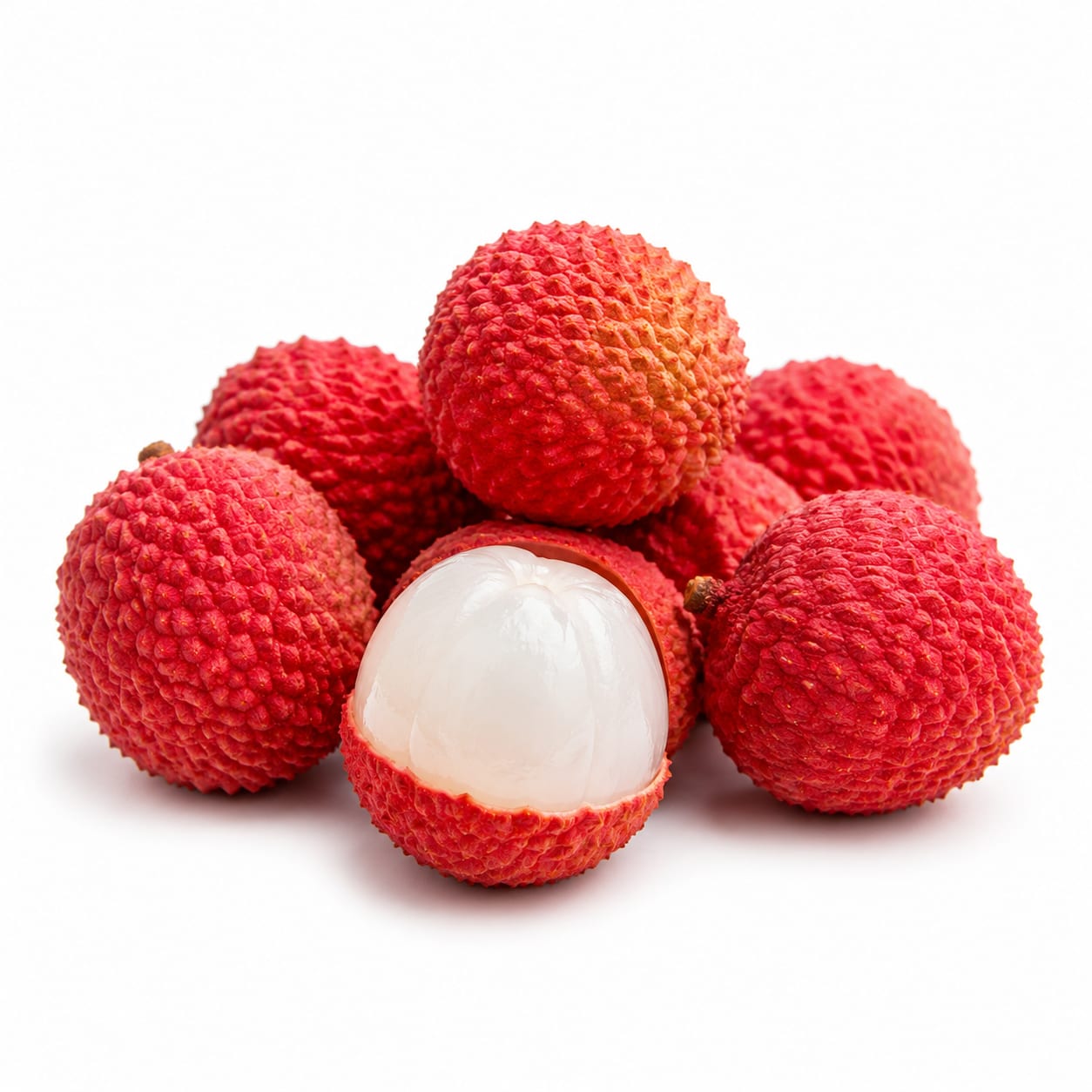
Lychee
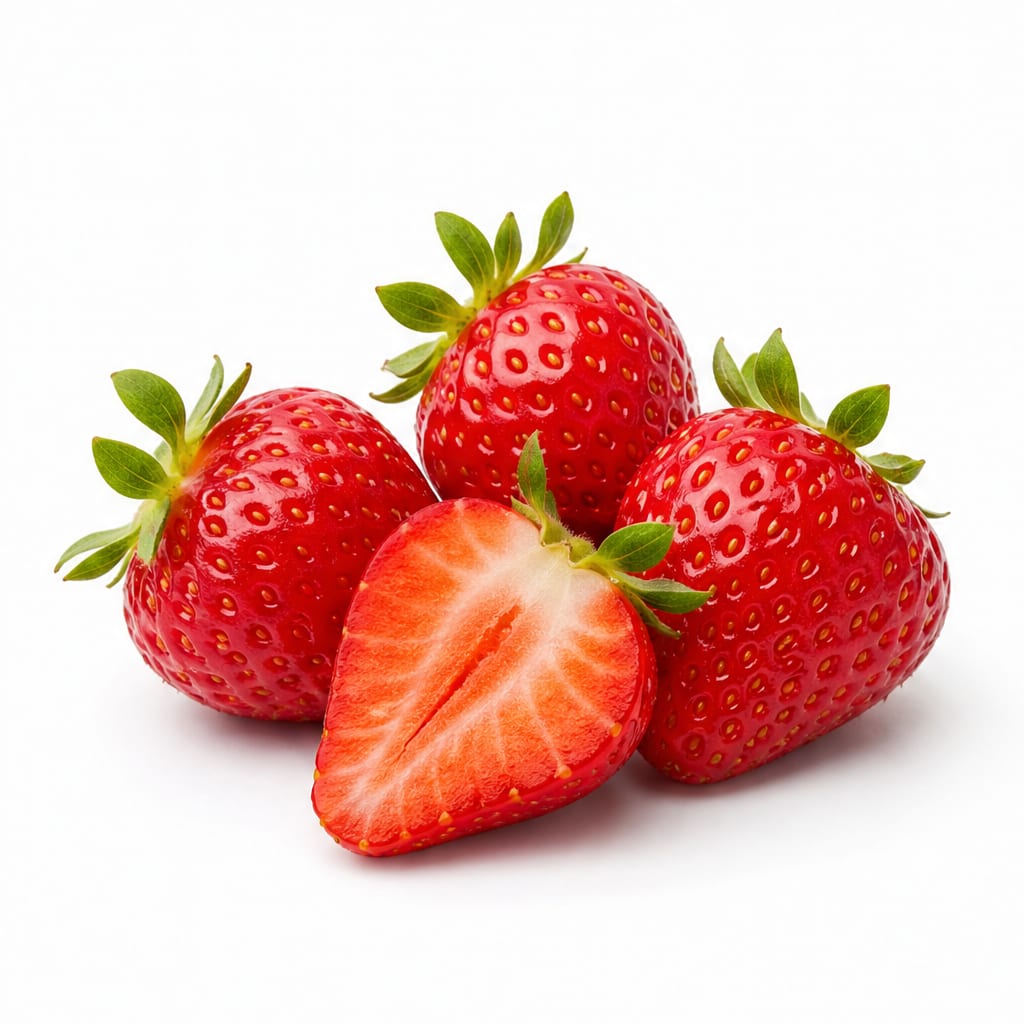
Strawberries
Strawberries win for daily eating — far less sugar, more fiber, and easier to find year-round. Lychee is a delicious occasional treat but too sugary to be a regular fruit.
Strawberries score significantly higher due to lower sugar, higher fiber, broader nutrient profile, and better everyday practicality. Lychee is not unhealthy but its sugar density and limited availability make it a weaker daily choice.
Lychee delivers a tropical flavor burst and slightly more vitamin C per gram, but strawberries give you steadier energy, better fullness, and a fraction of the sugar.
At a glance
Executive summary
Overall
Strawberries
Healthier
Strawberries
More practical
Strawberries
Daily use
Strawberries
Key comparison lenses
sugar and blood spike comparison
Lychee has roughly 3x the sugar of strawberries, making blood sugar impact the single most important differentiator
everyday snack viability
Strawberries are a daily staple fruit; lychee is more of a seasonal treat, so practical eating patterns matter
weight management friendliness
Calorie and sugar density differ significantly, directly affecting satiety and overeating risk
antioxidant diversity
Strawberries offer broader antioxidant protection while lychee has concentrated vitamin C but less variety
pesticide and safety concerns
Strawberries rank high on pesticide residue lists; lychee has rare but serious toxicity concerns in certain populations
Best choice for
Lychee
- Tropical fruit lovers wanting occasional variety
- Those seeking a vitamin C boost in smaller portions
- People who struggle to eat enough calories and need energy-dense fruit
Strawberries
- Daily fruit eaters watching their sugar intake
- Weight-conscious snackers who want volume without calories
- Anyone managing blood sugar or insulin sensitivity
Least suitable for
Lychee
- People with diabetes or prediabetes
- Anyone following a low-sugar or keto-style diet
- Frequent snackers who struggle with portion control
Strawberries
- Those with severe strawberry allergies
- People strictly avoiding conventional produce due to pesticide concerns and unable to find organic options
Deep comparison
Dimension by dimension
Each lens scores both foods and breaks down who each option suits.
- Dimension 1 · Priority 95Strawberries
sugar_and_blood_stability
Lychee · 35Strawberries · 85Lychee packs roughly 15g of sugar per 100g versus about 5g in strawberries — a dramatic difference that directly affects energy crashes and cravings.
Tradeoff
You get a sweeter, more indulgent bite with lychee, but the blood sugar spike and subsequent dip can leave you hungrier sooner.
Why it matters
Steady blood sugar means fewer afternoon energy crashes, less cravings, and better long-term metabolic health.
Real-world impact
A bowl of strawberries feels light and satisfying. A bowl of lychee can feel like dessert — because sugar-wise, it basically is.
Lychee
- Quick energy before intense exercise
- Recovering from low blood sugar episodes
Better for
- Late-night snacking — sugar too close to bedtime
- Anyone counting carbs carefully
Worse for
Strawberries
- Sustained afternoon energy without crashes
- Managing prediabetes or insulin resistance
- Reducing sugar cravings throughout the day
Better for
- Situations where you need fast carbohydrate energy
Worse for
- Dimension 2 · Priority 82Strawberries
fiber_and_satiety
Lychee · 40Strawberries · 78Strawberries provide about 2g of fiber per 100g while lychee offers only 1.3g — and with strawberries you can eat more volume for fewer calories, amplifying fullness.
Tradeoff
Lychee feels more calorie-dense per bite but leaves you less full overall. Strawberries take up more plate space and keep you satisfied longer.
Why it matters
Fiber slows sugar absorption and signals fullness to your brain — both critical for not overeating.
Real-world impact
You can eat a generous cup of strawberries for under 50 calories and feel genuinely satisfied. The same calories in lychee is a tiny portion that disappears fast.
Lychee
- Small calorie-dense snacks when appetite is low
Better for
- Mindless eating situations — easy to overconsume
Worse for
Strawberries
- Weight loss diets where volume eating helps
- Mid-morning snacks that need to hold you until lunch
Better for
- Not applicable — strawberries are rarely a fiber concern
Worse for
- Dimension 3 · Priority 78Strawberries
antioxidant_and_nutrient_diversity
Lychee · 62Strawberries · 82Lychee has slightly more vitamin C per 100g, but strawberries deliver a wider range of antioxidants including anthocyanins, ellagic acid, and manganese.
Tradeoff
Lychee is a strong single-nutrient contributor (vitamin C), while strawberries offer broader cellular protection across multiple pathways.
Why it matters
Diverse antioxidants protect different tissues and systems — heart, brain, skin — rather than just supporting immunity.
Real-world impact
Eating strawberries regularly is like taking a multi-vitamin for your cells. Lychee is more like a concentrated vitamin C shot.
Lychee
- Short-term immune support during cold season
Better for
- Situations requiring broad antioxidant coverage
Worse for
Strawberries
- Long-term anti-inflammatory protection
- Skin health from diverse polyphenols
- Heart health support from anthocyanins
Better for
- Not a significant weakness — strawberries are nutrient-dense overall
Worse for
- Dimension 4 · Priority 80Strawberries
practicality_and_availability
Lychee · 35Strawberries · 88Strawberries are available year-round in most grocery stores. Fresh lychee has a short season and is harder to find, while canned lychee often comes in heavy syrup.
Tradeoff
Lychee offers a unique exotic experience but requires effort to source fresh. Strawberries are always there when you need them.
Why it matters
The healthiest fruit is the one you actually eat consistently. Accessibility drives long-term habits.
Real-world impact
You can grab strawberries any week of the year. Finding good lychee might mean specialty stores, farmers markets, or settling for syrup-soaked canned versions.
Lychee
- Special occasions and dinner party desserts
- Exploring new flavors and cultural cuisines
Better for
- Spontaneous snack needs — rarely available on demand
Worse for
Strawberries
- Weekly meal prep and grocery routines
- Office snacks and on-the-go eating
- Budget-conscious households
Better for
- Moments when you want something truly exotic and special
Worse for
- Dimension 5 · Priority 70It depends
safety_and_contamination
Lychee · 65Strawberries · 60Strawberries consistently rank on the Dirty Dozen list for pesticide residues. Lychee has rare but serious toxicity concerns for undernourished children and when eaten unripe.
Tradeoff
Strawberries pose a chronic low-level pesticide risk solvable by buying organic. Lychee poses an acute risk in specific vulnerable populations that cannot be washed away.
Why it matters
Different risk profiles matter for different households — families with young children should be aware of both.
Real-world impact
Washing strawberries thoroughly or choosing organic largely addresses their concern. Lychee safety depends on ripeness and the nutritional status of the person eating it.
Lychee
- Adults with good overall nutrition eating ripe fruit
Better for
- Malnourished children — hypoglycin in unripe lychee has caused encephalitis outbreaks
- Regions where lychee quality control is inconsistent
Worse for
Strawberries
- Families who can access organic produce
- Anyone wanting more control over residue risks through washing
Better for
- Budget-limited households unable to afford organic strawberries
Worse for
Timeline
Health impact over time
Short-term
Hours to days
Lychee
- Quick energy boost from high natural sugar content
- Possible blood sugar spike followed by a crash within 1-2 hours
- Refreshing hydration from high water content
Strawberries
- Steady, sustained energy without significant blood sugar swings
- Mild appetite suppression from fiber and water volume
- Quick vitamin C absorption supporting immediate immune function
Long-term
Months to years
Lychee
- Regular high sugar intake from frequent lychee consumption may contribute to insulin resistance over time
- Good vitamin C support for collagen and immunity if portions are controlled
- Potential risk for undernourished children in lychee-growing regions if unripe fruit is consumed
Strawberries
- Consistent antioxidant intake supports heart and brain health over decades
- Lower sugar load helps maintain metabolic flexibility and healthy weight
- Anthocyanins from regular strawberry consumption linked to reduced cardiovascular risk
Risk profile
Safety & processing
Both fruits are whole foods in their natural state. The main concern is canned lychee, which is often packed in heavy syrup — effectively doubling or tripling the sugar content. Fresh or frozen versions of both fruits are clean choices.
Lychee
Hypoglycin toxicity from unripe lychee
highUnripe lychee contains hypoglycin A, which has been linked to acute encephalitis in malnourished children, particularly in South Asia. Adults eating ripe lychee in normal amounts are not at risk.
Sulfur dioxide in dried or canned lychee
mediumSome preserved lychee products use sulfites as preservatives, which can trigger reactions in sensitive individuals, especially those with asthma.
Strawberries
Pesticide residue on conventional strawberries
mediumStrawberries consistently rank in the top 3 of the EWG Dirty Dozen list. Washing helps but does not eliminate all residues. Organic options significantly reduce this risk.
Mold and spoilage
lowStrawberries spoil quickly and can develop mold within days. Moldy strawberries should be discarded entirely, not just trimmed, due to mycotoxin spread.
Who wins for whom
Audience fit
Same foods, different winners depending on your goal.
children
StrawberriesStrawberries are safer for children due to lower sugar content and no hypoglycin risk. Choose organic when possible to minimize pesticide exposure.
daily consumption
StrawberriesStrawberries are easier to find, easier to portion, and gentler on blood sugar — all qualities that support sustainable daily habits.
diabetes
StrawberriesStrawberries have roughly one-third the sugar of lychee and more fiber to slow absorption, making them far gentler on blood glucose levels.
elderly
StrawberriesLower sugar, more fiber, and broader antioxidant protection make strawberries a better fit for metabolic and cardiovascular health in older adults.
muscle gain
It dependsNeither fruit is a meaningful protein source. Lychee's slightly higher carb content could offer marginally more post-workout glycogen replenishment, but the difference is negligible.
weight loss
StrawberriesStrawberries offer more food volume per calorie, less sugar, and more fiber — all of which support feeling full while staying in a calorie deficit.
Your move
Decision guide
Choose Lychee
- You want a special tropical treat for a dessert or occasion
- You are active and need quick-digesting carbs before or after exercise
- You have no blood sugar concerns and eat fruit in moderation naturally
Choose Strawberries
- You eat fruit daily and want the lowest sugar option
- You are managing weight, blood sugar, or metabolic health
- You want a versatile fruit for breakfasts, snacks, salads, and smoothies
- You value year-round availability and consistent quality
Either works if
- You simply want whole-fruit vitamin C and hydration
- You enjoy rotating different fruits for variety and pleasure
- You have no specific health restrictions and eat reasonable portions
Avoid both if
- You have a severe fructose intolerance or FODMAP sensitivity
- You are on a strict very-low-carb or ketogenic diet and cannot spare the carbs
Final recommendation
Make strawberries your everyday fruit — they are the smarter daily habit. Save lychee for moments when you want something special and tropical. If you do enjoy lychee regularly, keep portions to 5-6 fruits per sitting to avoid sugar overload, and always choose fully ripe fruit.
Practical
Consumer tips
- 1
If buying conventional strawberries, soak them in a baking soda solution (1 tablespoon per 2 cups water) for 12-15 minutes to reduce pesticide residues more effectively than water alone.
- 2
Avoid canned lychee in heavy syrup — it can contain 30g+ of added sugar per serving. Look for lychee canned in its own juice or buy fresh/frozen.
- 3
Freeze strawberries at peak ripeness for smoothies and oatmeal year-round — they retain most of their nutrients when frozen quickly.
- 4
When buying fresh lychee, choose fruits with intact red-pink shells. Brown or cracked shells indicate overripeness or poor storage.
- 5
Pair either fruit with a protein or fat source — like Greek yogurt or a handful of nuts — to blunt the blood sugar response and stay full longer.