
Vegetable
Luffa
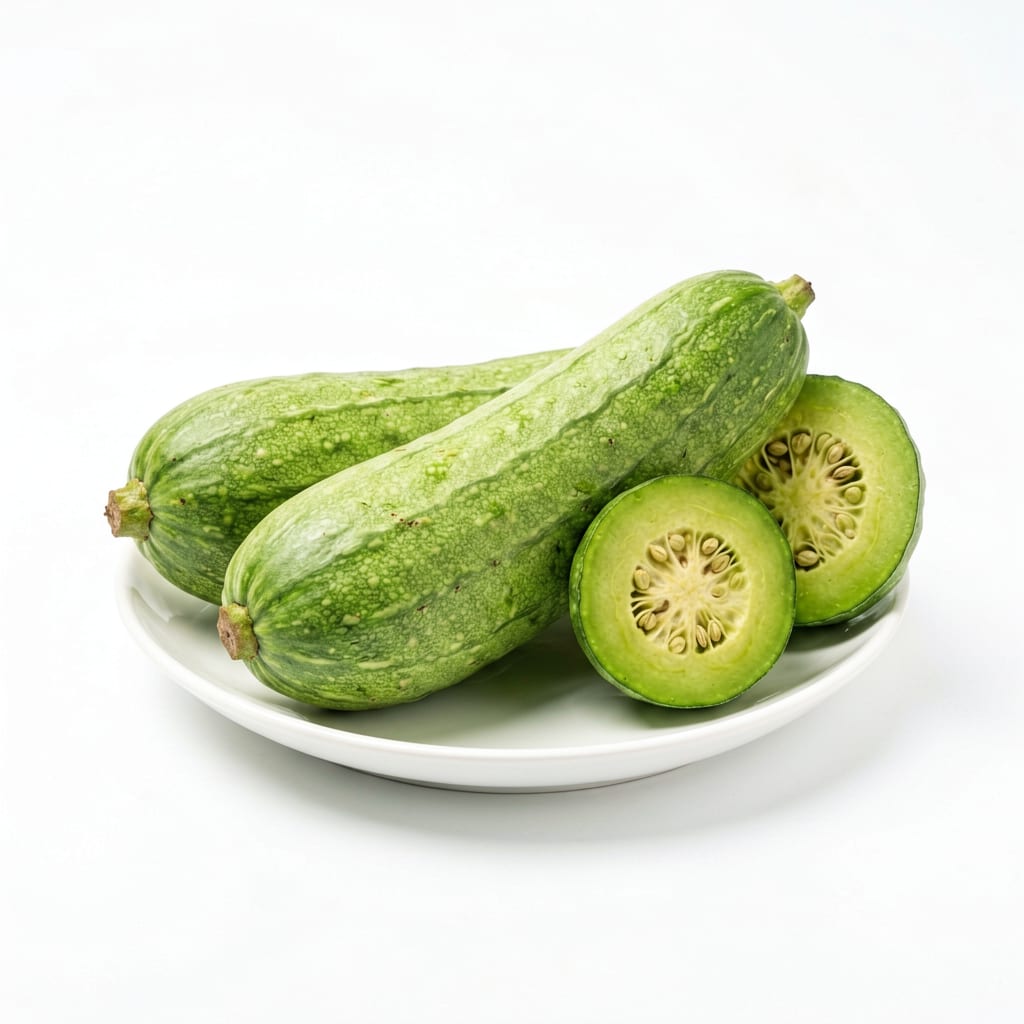
Luffa is a low-calorie, high-water gourd eaten as a vegetable when young, known for becoming a fibrous sponge when mature.
Luffa, also known as loofah or sponge gourd, is a tropical vine fruit eaten as a vegetable in its immature stage, prized for its mild flavor and high water content.
high-volume low-calorie vegetable
Typical serving · 100g
Common varieties · ridge gourd, smooth gourd, sponge gourd, angled luffa, cylindrical luffa
Overall context score across nutrition, safety, and diet fit
At a glance
Quick facts
Simple indicators based on nutrition, processing, and diet fit.
The story
What makes it unique
Luffa is a fast-digesting, high-water, low-calorie gourd with minimal macronutrients. Its mild fiber content supports bowel regularity without causing bloating. It has a very low glycemic index and provides high volume for minimal energy.
Varieties: ridge gourd · smooth gourd · sponge gourd · angled luffa · cylindrical luffa
Per 100g
Nutrition breakdown
Macro balance and key metrics at a glance.
Energy
Density 0.20 kcal/g
Protein
Carbs
Fat
Fiber
Sugar
2 g
Sodium
3 mg
Potassium
130 mg
Glycemic index
15
Glycemic load
1
Water content
94%
Standout compounds
Nutrient highlights
Vitamin C
moderatesupports immune function and skin health
Dietary Fiber
moderatepromotes regular digestion and gut motility
Potassium
lowhelps regulate blood pressure and fluid balance
Vitamin A
lowimportant for vision and immune health
Wellness map
Health scores & processing
NOVA processing scale
minimally processed · Whole food
Fresh luffa is a whole, unprocessed vegetable. Dried luffa sponges are also minimally processed but are not consumed.
Diet compatibility
- Weight loss
- Muscle gain
- Diabetes
- Gut health
- Low carb
- High protein
- Heart health
Relative standing
Food rankings
Qualitative ranks compared to similar whole foods.
- Satietymoderate
- Blood sugarexcellent
- Nutrient densitymoderate
- Fitness fuelpoor
- Processing qualityexcellent
Eat with confidence
Food safety profile
Luffa is generally safe to eat. As a ground-growing gourd, it may have pesticide residue on the skin. Washing thoroughly is recommended. Avoid eating mature, dried luffa intended for scrubbing.
Evidence confidence 85%
- Pesticidesmoderate
- Antibioticslow
- Heavy metalslow
- Contaminationlow
Watch for
- pesticide residue
Safer choices
Organic luffa to avoid pesticide exposure
Prep tips
Peel the tough outer skin and wash thoroughly. Slice and cook to eliminate any slight bitterness and ensure digestibility.
None significant for human consumption when young.
Deep dive
Health analysis
How this food may fit different goals and preparation choices.
Weight loss
Extremely low energy density allows large portion sizes with minimal caloric intake, promoting fullness through volume.
Blood sugar
Negligible impact on blood glucose due to low carbohydrate and sugar content, making it safe for diabetics.
Fitness & energy
Not a viable fuel source for high-intensity exercise due to near-zero calorie and carbohydrate density.
Gut health
Provides gentle insoluble fiber that supports regular bowel movements without heavy fermentation or bloating.
Processing quality
Whole, unprocessed vegetable with no additives or refined ingredients.
Food safety
Low risk overall. Peeling and cooking reduce potential pesticide exposure and improve digestibility.
Common mistakes
Overcooking makes it mushy and waterlogged. Eating mature luffa is too fibrous and unpalatable.
Best preparation
Stir-frying, adding to soups, or sautéing with light seasoning to preserve texture and avoid sogginess.
Practical guide
Best use cases
When and how this food fits real eating patterns.
high-volume low-calorie eating
Fill your plate with large portions of cooked luffa to feel full without exceeding daily calorie limits.
low-carb stir-fries
Use luffa as a low-carb base in Asian-style stir-fries, absorbing savory sauces while keeping the meal light.
hydrating vegetable soup
Add luffa to broths and soups to increase meal volume and hydration without adding significant calories.
Balance sheet
Pros & cons
Upsides
- Extremely low in calories
- Very low glycemic impact
- High water content promotes hydration
- Versatile mild flavor absorbs seasonings well
- Unprocessed whole food
Trade-offs
- Very low in protein and healthy fats
- Not a significant source of vitamins compared to leafy greens
- Can become mushy if overcooked
- Mature gourds are too fibrous to eat
Fit check
Who is it for?
Great match
- calorie-restricted diets
- diabetic meal plans
- high-volume eating strategies
Consider alternatives
- muscle building
- endurance athletic fuel
- strict ketogenic diets needing high fat
Side by side
How it compares
Open the full head-to-head analysis for nutrition, safety, and practical tradeoffs.
This food
Luffa
VS90% alike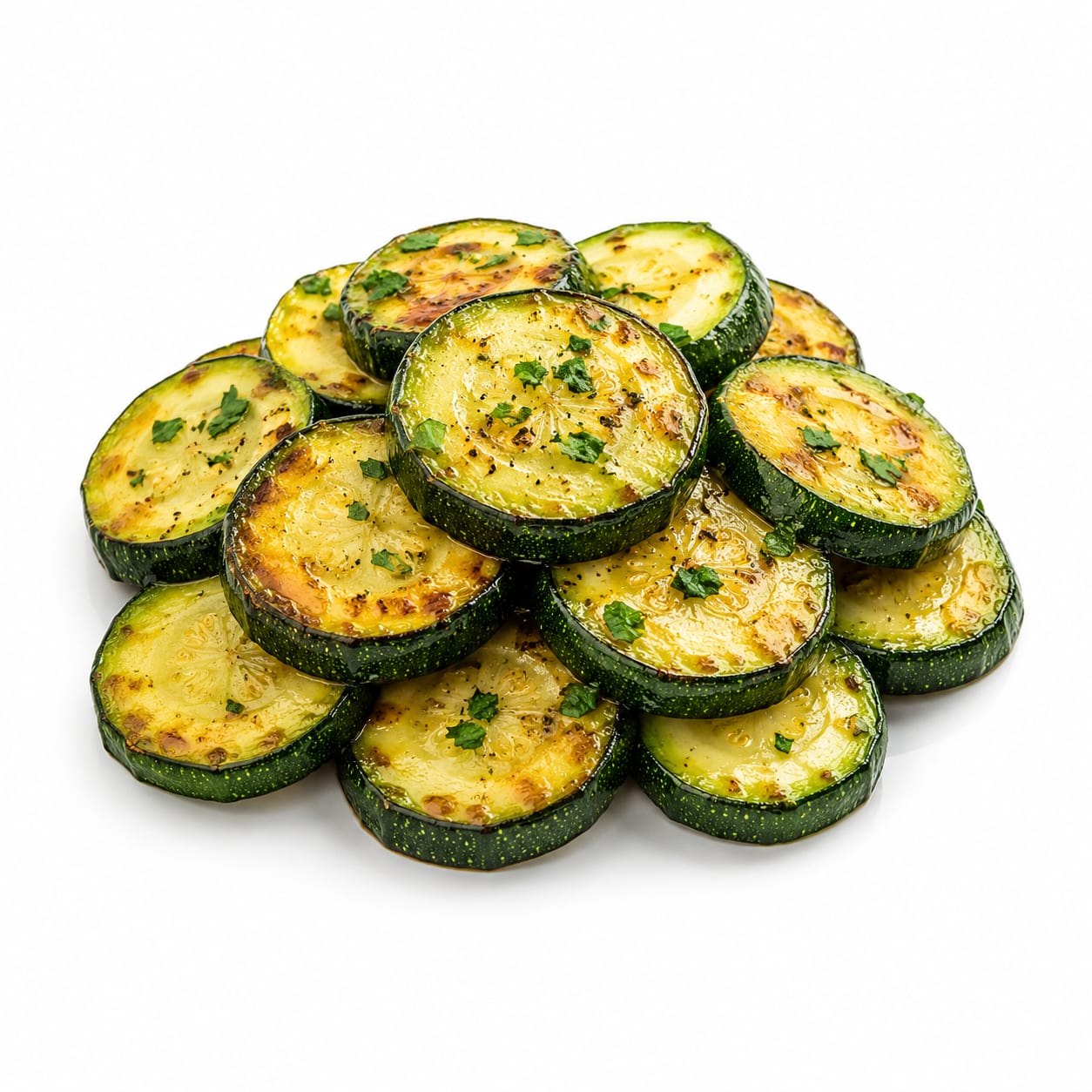
Compare with
Zucchini
Luffa and zucchini are nearly identical in calories and macronutrients, though zucchini is more widely available and versatile in Western cooking.
Luffa and zucchini are nutritionally almost identical, both offering low calories and mild flavor, though zucchini is easier to find.
This food
Luffa
VS85% alike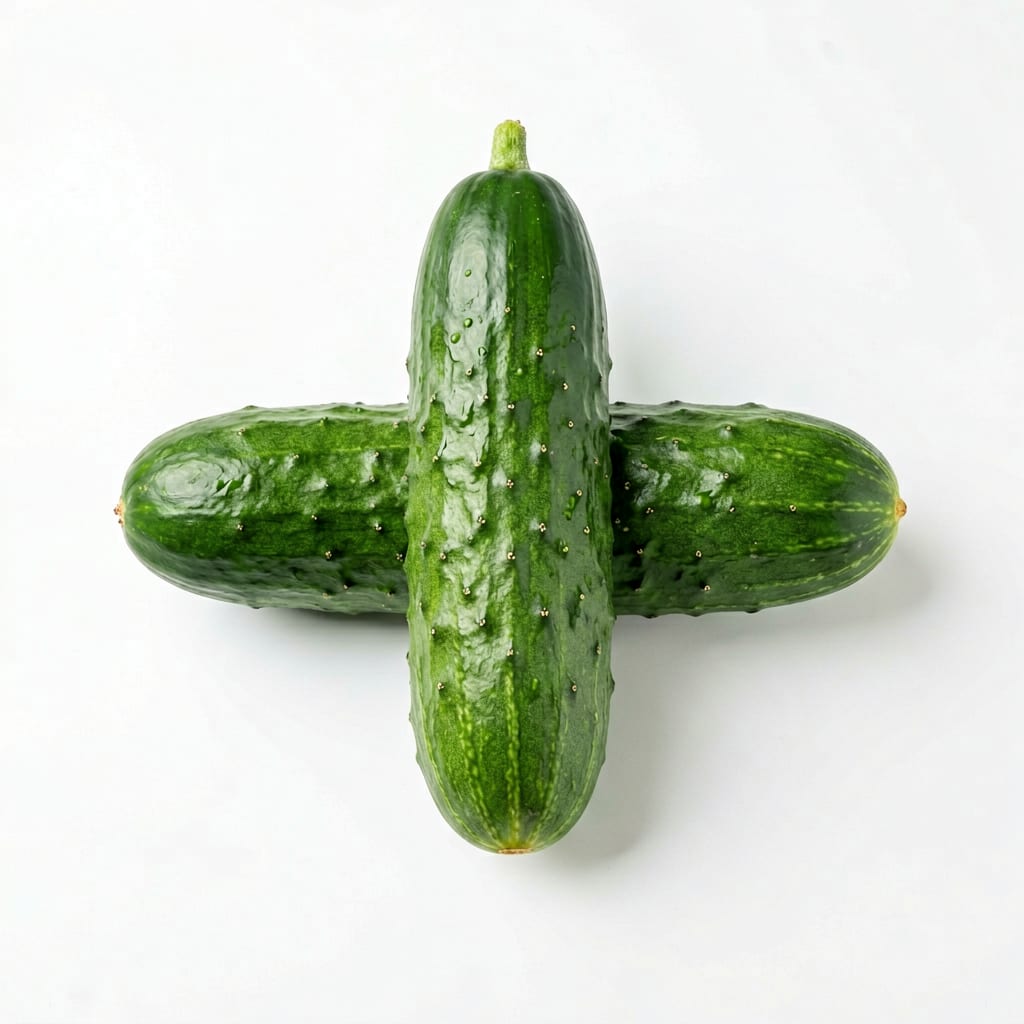
Compare with
Cucumber
Cucumber is typically eaten raw in salads, while luffa is cooked. Luffa has slightly more fiber per serving.
Cucumber is a raw salad staple, while luffa is a cooked vegetable with slightly more fiber, but both are ultra-low in calories.
This food
Luffa
VS95% alike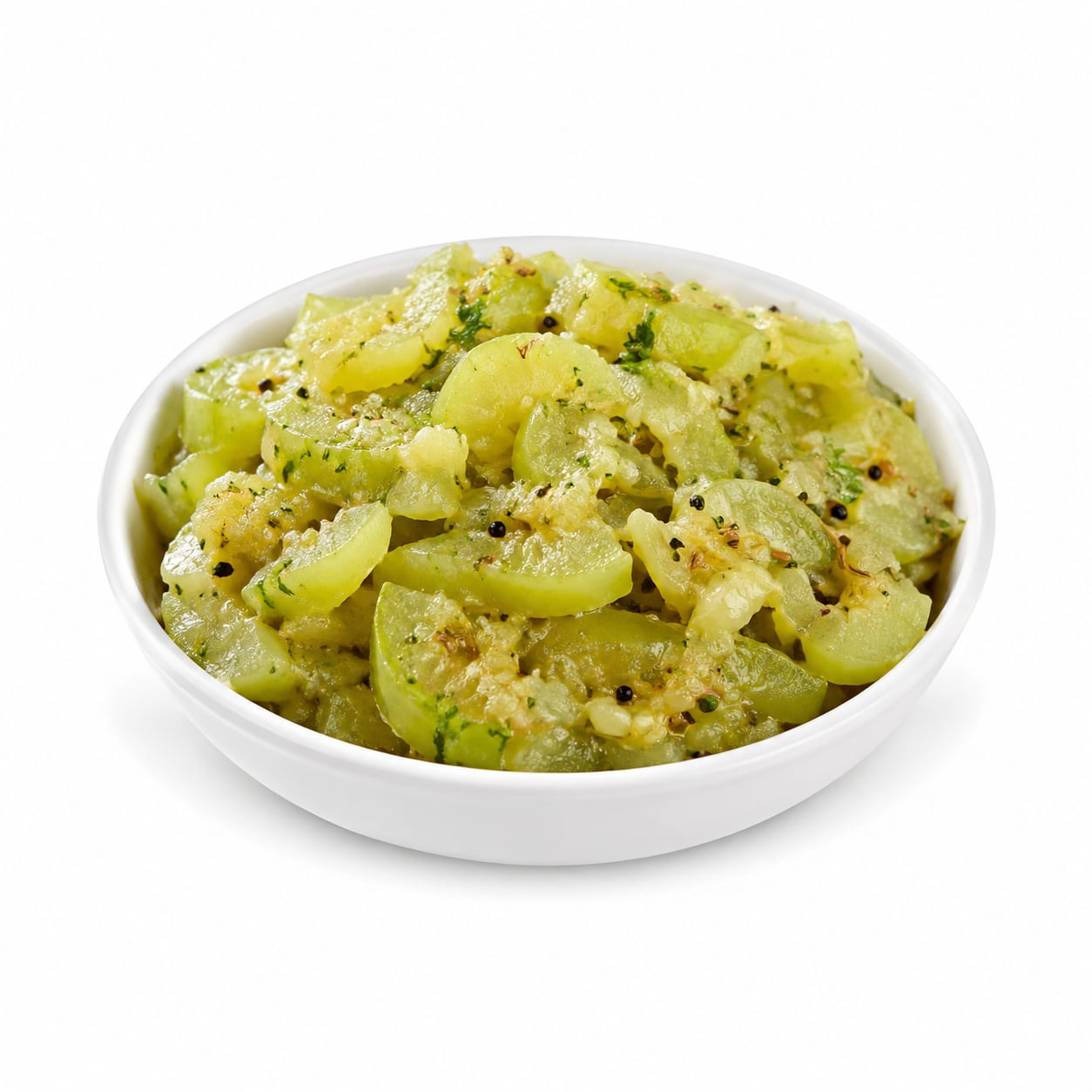
Compare with
Bottle Gourd
Both are high-water, low-calorie gourds used similarly in Asian cooking. They are nutritionally almost indistinguishable.
Luffa and bottle gourd are nutritionally identical high-water vegetables, often used interchangeably in stews and stir-fries.
This food
Luffa
VS80% alike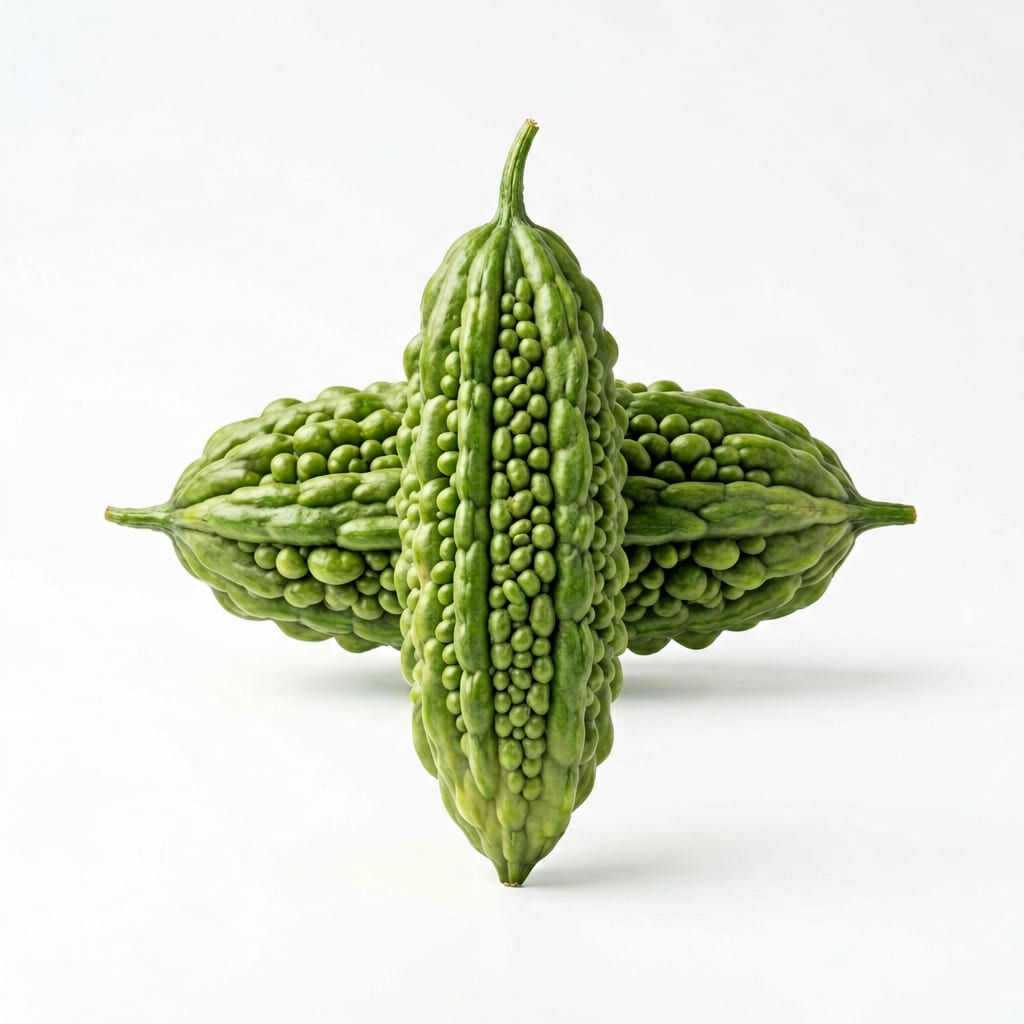
Compare with
Bitter Melon
Bitter melon has notable blood sugar-lowering compounds that luffa lacks, but luffa has a much milder, more palatable flavor.
Bitter melon is better for active blood sugar control, while luffa is better for those who prefer a mild, non-bitter taste.
This food
Luffa
VS70% alike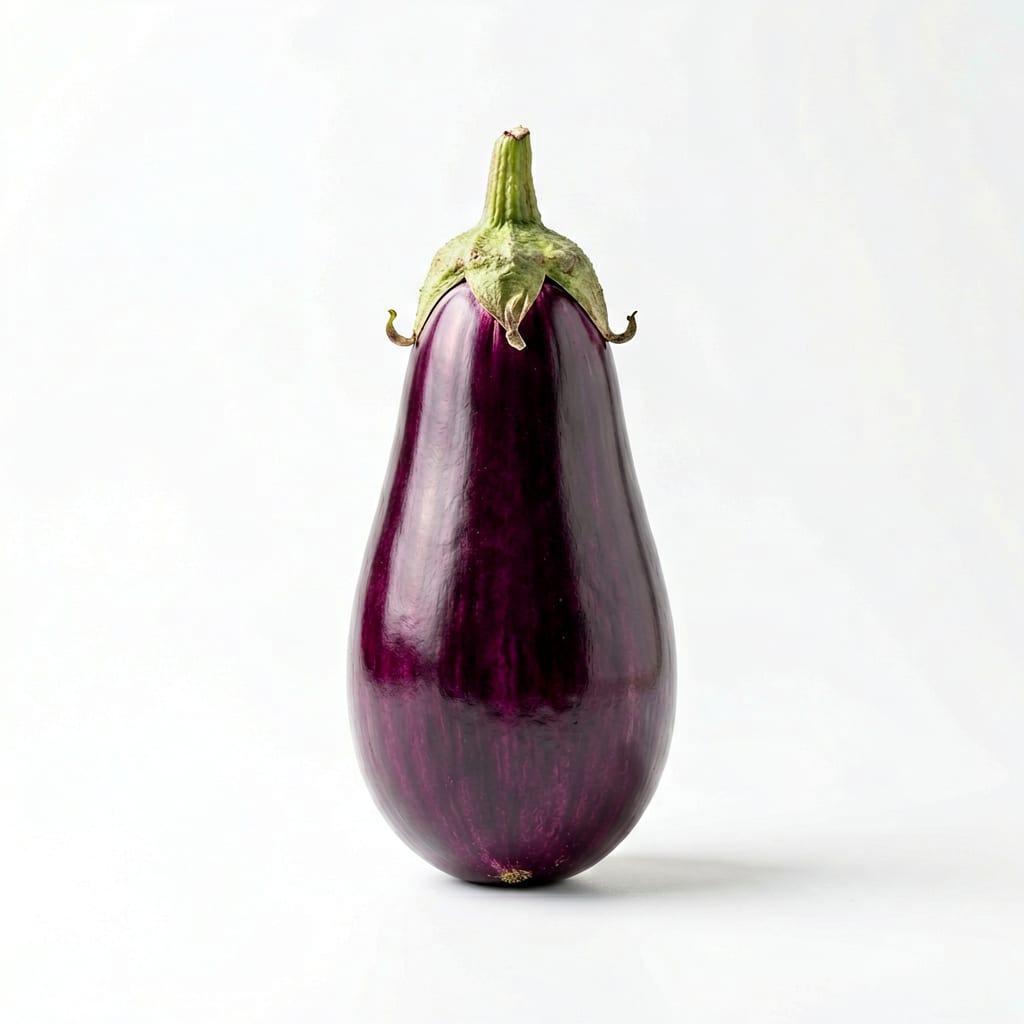
Compare with
Eggplant
Luffa is significantly lower in calories and carbs than eggplant, though eggplant provides more volume and fiber per serving.
Luffa is much lower in calories and carbs than eggplant, making it better for weight loss, though eggplant is more filling.
This food
Luffa
VS65% alike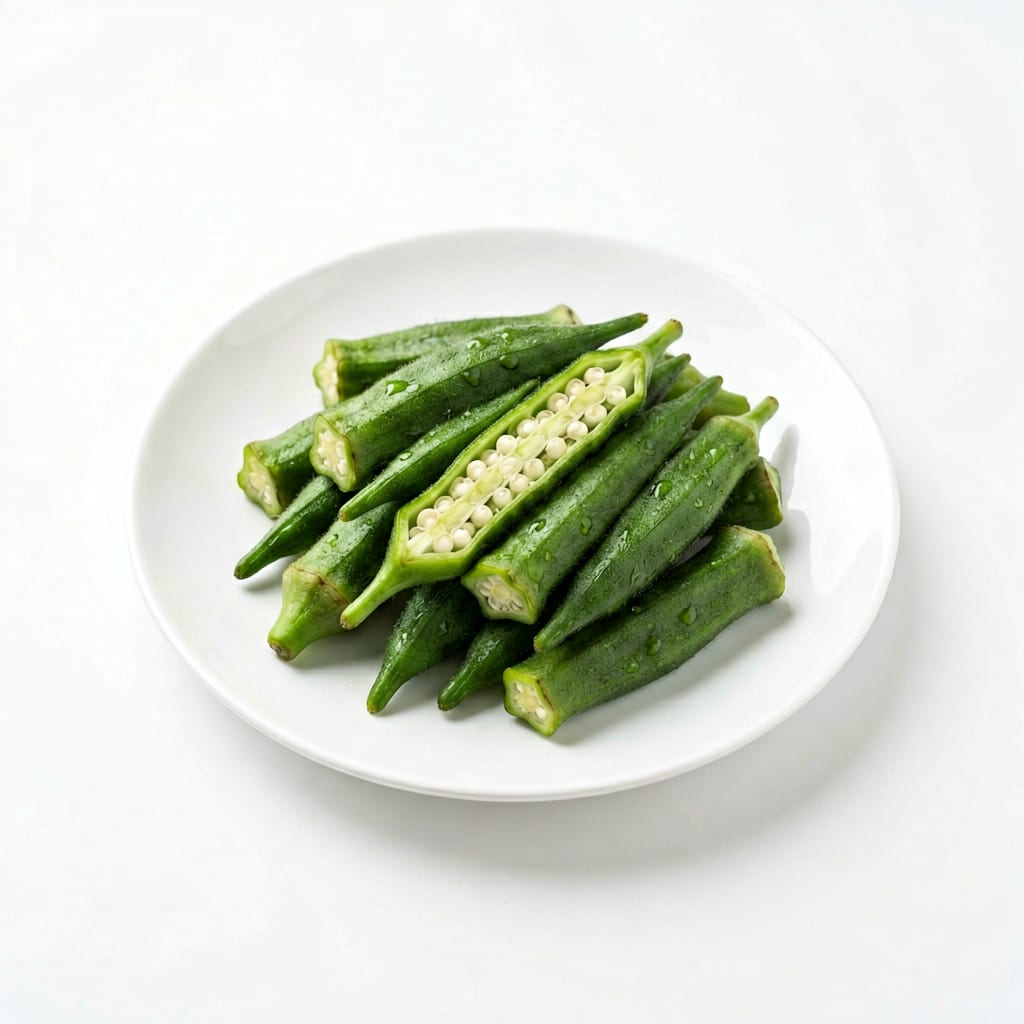
Compare with
Okra
Okra is richer in fiber and vitamins than luffa, but luffa is lower in calories and lacks okra's slimy texture when cooked.
Okra provides more fiber and nutrients, but luffa is lower in calories and lacks the sticky texture some dislike in okra.
This food
Luffa
VS75% alike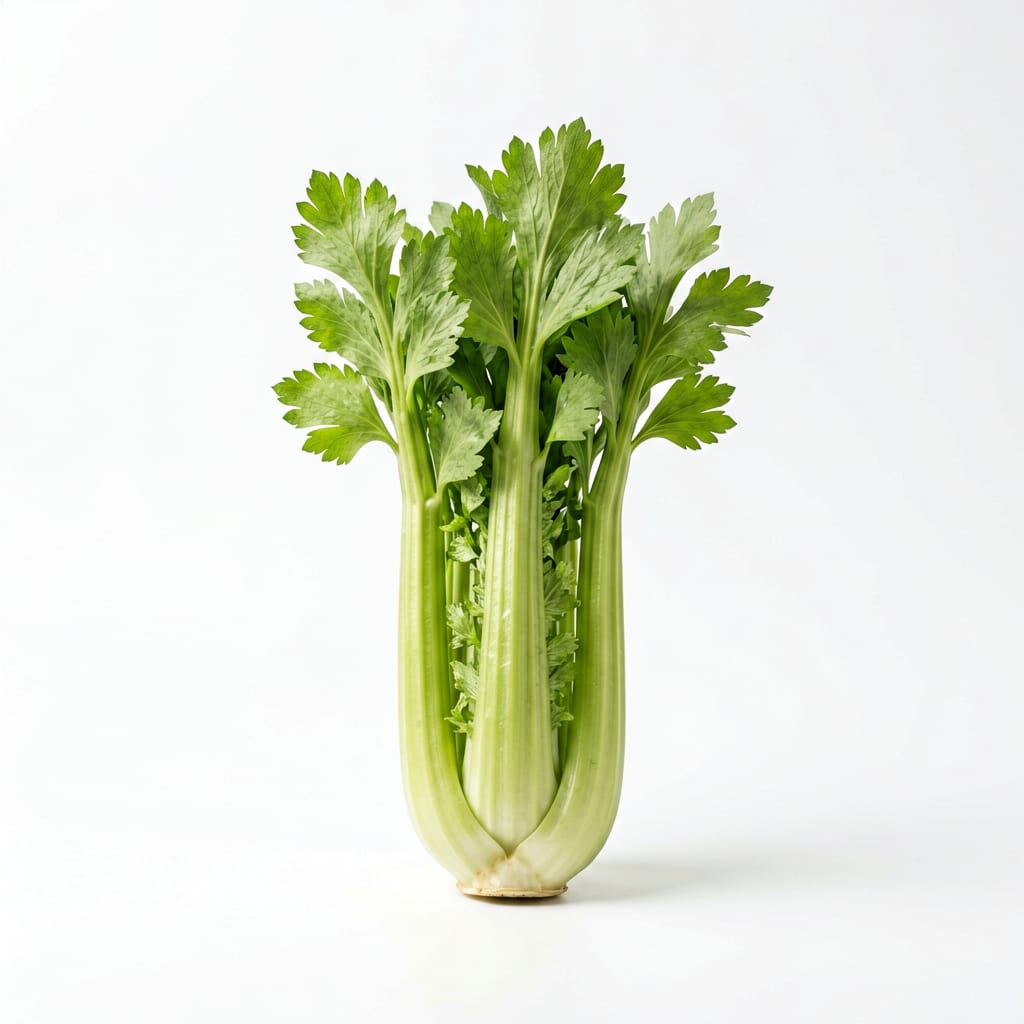
Compare with
Celery
Both are ultra-low calorie, high-water foods. Celery is a raw snack staple, while luffa is a cooked vegetable.
Celery and luffa are both ultra-low-calorie foods, but celery is eaten raw for snacking while luffa is cooked in meals.
This food
Luffa
VS55% alike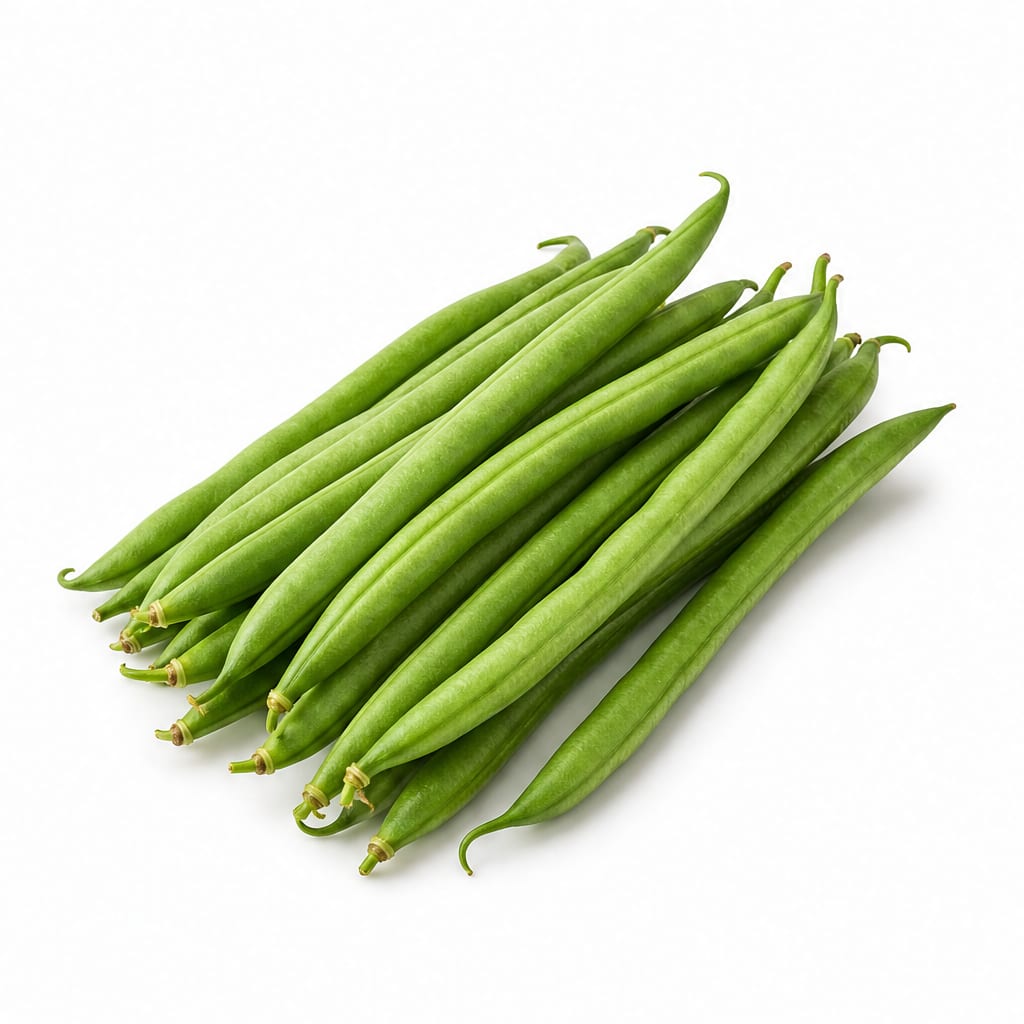
Compare with
Green Beans
Green beans offer more protein and fiber, making them better for satiety, but luffa is much lower in calories and carbs.
Green beans are more filling and slightly higher in protein, but luffa is superior for strict calorie and carb restriction.
This food
Luffa
VS60% alike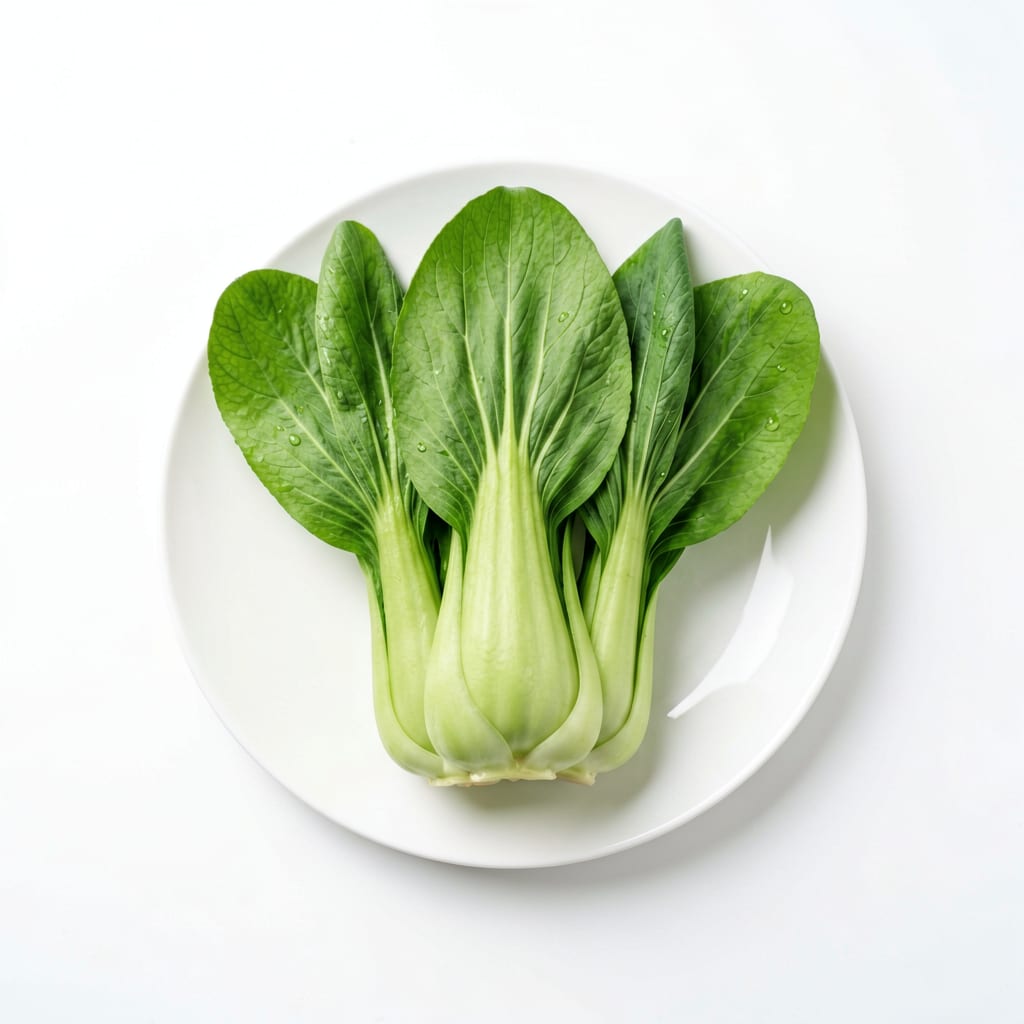
Compare with
Bok Choy
Bok choy provides far more Vitamin A and calcium, while luffa offers a slightly firmer texture in stir-fries. Both are very low calorie.
Bok choy is much richer in vitamins A and C, while luffa provides a firmer, crunchier bite in cooked dishes.
This food
Luffa
VS65% alike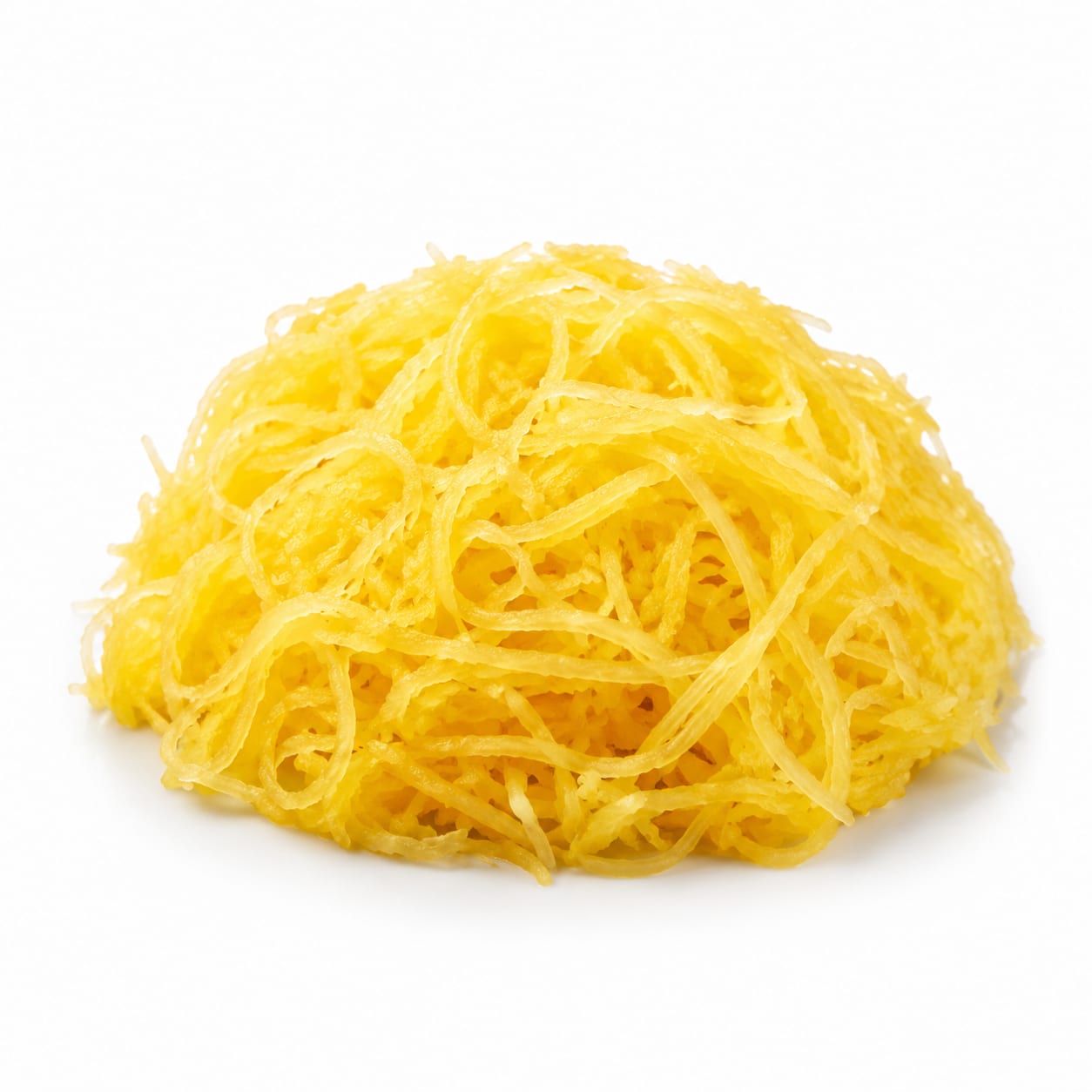
Compare with
Spaghetti Squash
Luffa is lower in calories and carbohydrates than spaghetti squash, but spaghetti squash provides more fiber and a unique pasta substitute texture.
Luffa is lower in calories and carbs than spaghetti squash, but spaghetti squash offers more fiber and a noodle-like texture.
Common questions
FAQ
Answers aligned with how people search for this food.
Is luffa edible or just a sponge?
Young, green luffa is entirely edible and eaten as a vegetable. Only the mature, dried gourd is used as a scrubbing sponge.
What does luffa taste like?
Luffa has a mild, slightly sweet flavor similar to zucchini or cucumber. It absorbs the flavors of the dishes it is cooked in.
Is luffa good for weight loss?
Yes, luffa is excellent for weight loss because it is extremely low in calories and high in water, allowing you to eat a large volume with minimal caloric intake.
How do you cook luffa?
Peel the skin, slice the flesh, and stir-fry, sauté, or add it to soups. Cook it briefly to maintain a slight crunch and avoid a mushy texture.
Can diabetics eat luffa?
Yes, luffa has a very low glycemic index and load, meaning it will not spike blood sugar levels. It is a safe carbohydrate choice for diabetics.
Is luffa high in carbs?
No, luffa is a low-carb vegetable with only about 4.5 grams of carbohydrates per 100 grams, much of which is fiber and water.
What is the difference between luffa and ridge gourd?
Ridge gourd is a specific variety of luffa (angled luffa) characterized by ridges along its skin. Both are prepared and eaten similarly.
Can you eat luffa raw?
While not toxic raw, luffa is usually cooked to improve its digestibility, soften its firm texture, and remove any slight bitterness.
Transparency
Data confidence
Estimated confidence for nutrition data, interpretation, safety notes, and comparisons.
Nutrition data
Health analysis
Food safety
Comparisons