
Nutrition comparison
Luffa vs Okra: Which Vegetable Is Healthier for You?
Compare luffa and okra nutrition, health benefits, and culinary uses. Find out which is better for blood sugar, digestion, and daily meals based on real nutritional tradeoffs.
Overall winner · Okra
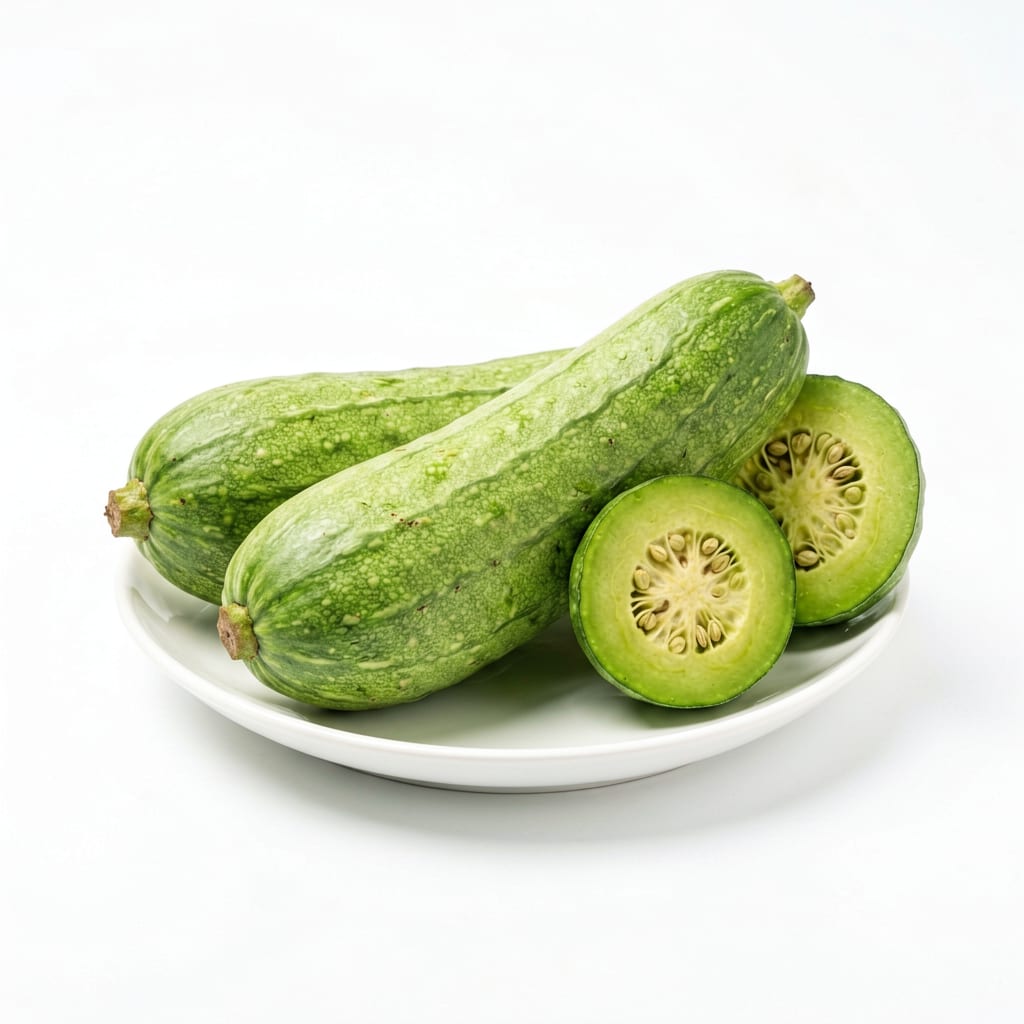
Luffa
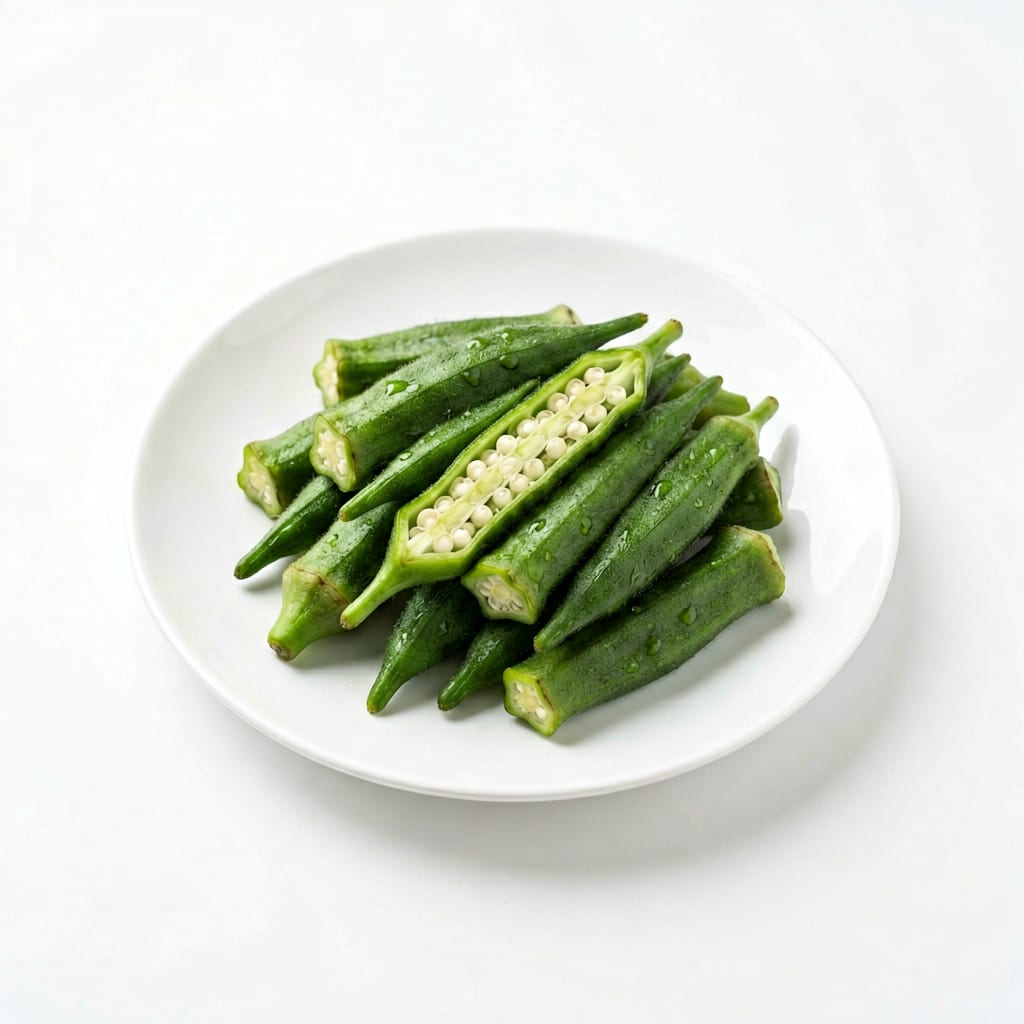
Okra
Okra delivers more nutrition per bite and has stronger evidence for blood sugar benefits, but luffa wins for texture-sensitive eaters who dislike slime.
Okra scores notably higher due to superior vitamin K, folate, and antioxidant content, plus stronger evidence for blood sugar benefits. Luffa remains a solid choice but is nutritionally lighter and less studied.
Okra packs more vitamins and proven metabolic benefits, while luffa offers a cleaner texture and milder flavor that absorbs seasonings beautifully.
At a glance
Executive summary
Overall
Okra
Healthier
Okra
More practical
Okra
Daily use
Okra
Key comparison lenses
digestive health and gut comfort
Both vegetables are prized for gut-soothing properties but through different mechanisms — okra's mucilage vs luffa's gentle fiber
blood sugar management
Okra is widely used in traditional medicine for blood sugar control, making this a key decision factor
culinary texture and enjoyment
Okra's signature slime is a dealbreaker for some and a benefit for others; luffa offers a neutral alternative
nutrient density per calorie
Both are low-calorie vegetables but differ significantly in vitamin and mineral content
availability and everyday practicality
Okra is globally accessible; luffa can be harder to find depending on location
Best choice for
Luffa
- People who cannot stand okra's slimy texture
- Those wanting a neutral vegetable base for flavorful sauces
- Light detox-style meals needing gentle fiber
- Anyone seeking a very mild-tasting vegetable
Okra
- People managing blood sugar concerns
- Those wanting maximum nutrition per calorie
- Anyone prioritizing gut health and digestive regularity
- Pregnant women needing folate-rich foods
Least suitable for
Luffa
- Those seeking high vitamin K for bone health
- People wanting proven blood sugar support
- Anyone in regions where luffa is unavailable
- Those needing nutrient-dense options on a restricted diet
Okra
- Texture-sensitive eaters who find slime unappealing
- People preparing dry stir-fries where slime ruins the dish
- Anyone unfamiliar with cooking techniques to reduce slime
Deep comparison
Dimension by dimension
Each lens scores both foods and breaks down who each option suits.
- Dimension 1 · Priority 92Okra
blood sugar stability
Luffa · 55Okra · 85Okra has a long history in traditional diabetes management and contains soluble fiber that slows glucose absorption. Luffa is gentle on blood sugar but lacks the same evidence base.
Tradeoff
Okra's mucilage actively helps slow sugar absorption; luffa simply does not spike blood sugar without offering the same protective effect.
Why it matters
For anyone watching blood sugar — prediabetics, diabetics, or energy-crash sufferers — okra provides a functional advantage beyond basic nutrition.
Real-world impact
Eating okra regularly with meals can lead to steadier afternoon energy and fewer sugar cravings. Luffa will not hurt, but it will not actively help the same way.
Luffa
- Those who want a blood-sugar-neutral vegetable without texture issues
Better for
- Those specifically seeking glucose-lowering food support
Worse for
Okra
- Prediabetics seeking food-based glucose support
- Anyone wanting steadier energy after meals
- People following traditional remedies for blood sugar
Better for
- People who cannot tolerate the texture long enough to eat it regularly
Worse for
- Dimension 2 · Priority 88Okra
vitamin and mineral density
Luffa · 50Okra · 82Okra is significantly richer in vitamin K, folate, vitamin C, and magnesium. Luffa provides modest amounts of vitamin C and some minerals but is nutritionally thinner overall.
Tradeoff
A serving of okra covers a meaningful portion of daily vitamin K and folate needs. Luffa provides hydration and light fiber but fewer micronutrients per bite.
Why it matters
Vitamin K supports bone health and blood clotting. Folate is critical during pregnancy. These are not minor differences — they compound over time.
Real-world impact
Regular okra eaters get a meaningful folate and vitamin K boost that supports bone density and cardiovascular health. Luffa eaters need to source these nutrients elsewhere.
Luffa
- Those already getting plenty of vitamin K from leafy greens
- Anyone wanting a low-intensity vegetable side
Better for
- Those relying on a few vegetables as primary nutrient sources
Worse for
Okra
- Pregnant women needing folate
- Older adults concerned about bone density
- Anyone eating limited calories who needs nutrient density
Better for
- People on blood thinners who must limit vitamin K intake
Worse for
- Dimension 3 · Priority 85Okra
digestive comfort and gut health
Luffa · 68Okra · 82Both support digestion, but through different paths. Okra's mucilage coats and soothes the gut lining while feeding beneficial bacteria. Luffa provides gentle insoluble fiber that adds bulk to stool.
Tradeoff
Okra actively soothes inflamed digestive tracts with its mucilage coating. Luffa sweeps through gently but without the same healing properties.
Why it matters
For people with IBS, acid reflux, or sensitive stomachs, okra's coating effect can feel noticeably comforting. Luffa is gentle but more passive.
Real-world impact
A bowl of okra soup can feel like a warm hug for an upset stomach. Luffa is pleasant and easy to digest but will not provide that same soothing sensation.
Luffa
- Those who want regular bowel movements without any slime
- People with mild constipation who prefer neutral-tasting fiber
Better for
- Those wanting active gut-soothing properties
Worse for
Okra
- Anyone with inflamed or sensitive digestion
- People seeking prebiotic fiber for gut bacteria
- Those recovering from stomach illness
Better for
- People whose IBS is triggered by mucilaginous textures
Worse for
- Dimension 4 · Priority 82Luffa
culinary enjoyment and texture
Luffa · 80Okra · 58Luffa has a clean, spongy texture that absorbs flavors beautifully and never gets slimy. Okra's signature mucilage is beloved in some cultures but is a common dealbreaker.
Tradeoff
Luffa is the safer bet for pleasing everyone at the table. Okra rewards those who know how to cook it but punishes those who do not.
Why it matters
If you will not eat a vegetable because of its texture, its nutritional benefits become irrelevant. Enjoyment drives consistency.
Real-world impact
Luffa stir-fries disappear quickly at potlucks because the texture is universally approachable. Okra dishes either get devoured or left untouched depending on the crowd.
Luffa
- Picky eaters and texture-sensitive individuals
- Cooking for mixed crowds with unknown preferences
- Dry stir-fries and dishes where slime would be problematic
Better for
- Dishes where natural thickening would be helpful
Worse for
Okra
- Gumbo, stews, and soups where natural thickening is desired
- Those who grew up enjoying okra and love the texture
- Slow-cooked dishes where mucilage becomes an asset
Better for
- Quick dry sautés and crispy preparations
- Serving to guests who have expressed texture aversions
Worse for
- Dimension 5 · Priority 78Okra
antioxidant and anti-inflammatory potential
Luffa · 48Okra · 76Okra contains notable amounts of polyphenols, flavonoids, and vitamin C that fight oxidative stress. Luffa has mild antioxidant content but is not a significant source.
Tradeoff
Okra contributes meaningfully to your daily antioxidant intake. Luffa is essentially neutral — it will not hurt, but it will not move the needle.
Why it matters
Chronic inflammation drives aging, joint pain, and disease risk. Small daily antioxidant contributions from vegetables like okra add up over years.
Real-world impact
Regular okra consumption as part of a vegetable-rich diet supports long-term inflammation management. Luffa relies entirely on other foods in your diet for this benefit.
Luffa
- Those already eating a high-antioxidant diet with berries and leafy greens
Better for
- Those counting on this vegetable for antioxidant support
Worse for
Okra
- Anyone wanting to maximize anti-inflammatory food intake
- People with inflammatory conditions seeking dietary support
- Older adults focused on longevity nutrition
Better for
- People who only eat okra fried, which destroys most antioxidants
Worse for
- Dimension 6 · Priority 72Okra
availability and convenience
Luffa · 45Okra · 78Okra is available in most grocery stores worldwide, including frozen. Luffa is primarily found in Asian markets and specialty stores, limiting everyday access.
Tradeoff
Okra is easy to find year-round in multiple forms. Luffa requires effort to source and may not be available at all in many regions.
Why it matters
The healthiest vegetable is the one you can actually buy and eat regularly. Availability directly impacts consistency.
Real-world impact
You can grab okra at nearly any supermarket on any day. Finding fresh luffa might mean a special trip to an Asian grocery — if one exists nearby.
Luffa
- Those living near Asian markets with reliable supply
- People growing their own luffa at home
Better for
- Anyone without access to Asian grocery stores
- People who need to meal prep from standard supermarket runs
Worse for
Okra
- Anyone shopping at regular grocery stores
- People who want frozen vegetable options for convenience
- Those living in areas without specialty markets
Better for
- Those in regions where okra is uncommon, such as some Northern European countries
Worse for
Timeline
Health impact over time
Short-term
Hours to days
Luffa
- Light, hydrated feeling after eating due to high water content
- Gentle promotion of bowel regularity without urgency
- Minimal digestive discomfort even on sensitive stomachs
- Very low satiety — you may feel hungry again soon after
Okra
- Noticeable gut-soothing effect, especially in soup form
- Improved fullness from soluble fiber and mucilage
- Potential texture aversion in unprepared cooks leading to food waste
- Quick blood sugar stabilization when eaten with carb-heavy meals
Long-term
Months to years
Luffa
- Consistent gentle fiber intake supporting regular digestion
- Minimal contribution to micronutrient stores — needs dietary pairing
- Possible improved hydration habits when consumed in soups
- Low risk of any adverse effects from long-term consumption
Okra
- Stronger bone density support from consistent vitamin K intake
- Better blood sugar management over months and years
- Enhanced gut microbiome diversity from prebiotic mucilage
- Meaningful folate accumulation supporting cellular repair and heart health
Risk profile
Safety & processing
Both luffa and okra are whole, unprocessed vegetables typically sold fresh or frozen without additives. Neither carries processing concerns when purchased in their natural state.
Luffa
Bitter variety toxicity
mediumSome wild luffa varieties produce extremely bitter cucurbitacins that can cause nausea, vomiting, and diarrhea. Always source cultivated varieties and discard any that taste unusually bitter.
Pesticide residue on skin
lowLuffa's ridged skin can trap pesticide residue. Peeling or washing thoroughly under running water reduces this risk significantly.
Okra
Oxalate content
lowOkra contains moderate oxalates. People with a history of calcium oxalate kidney stones should moderate intake, though cooking reduces oxalate levels somewhat.
Pesticide residue
lowOkra appears on occasional pesticide watch lists. Choosing organic or washing thoroughly is prudent, especially for children.
Who wins for whom
Audience fit
Same foods, different winners depending on your goal.
children
LuffaLuffa's mild, non-slimy texture is far more kid-friendly. Okra's mucilage is one of the most commonly rejected textures by children.
daily consumption
OkraOkra delivers more consistent nutritional value when eaten daily. Its vitamin K, folate, and fiber contributions compound meaningfully over time.
diabetes
OkraOkra's mucilage slows glucose absorption and has traditional use in blood sugar management. The evidence is stronger and more consistent than for luffa.
elderly
OkraOkra's vitamin K supports bone density, folate aids cellular repair, and the soft texture when cooked is easy to chew. The gut-soothing properties also help with age-related digestive slowdown.
muscle gain
It dependsNeither vegetable is a meaningful protein source. Both serve as side dishes for protein-rich meals. Okra provides slightly more magnesium, which supports muscle function.
weight loss
OkraOkra's soluble fiber creates more lasting fullness per calorie, making it easier to eat less overall. Luffa is very low-calorie but less satiating.
Your move
Decision guide
Choose Luffa
- You or your family members cannot stand okra's slimy texture
- You want a neutral vegetable that absorbs the flavors of any dish
- You are cooking dry stir-fries, curries, or light soups
- You have access to fresh luffa and want to explore Asian cooking
- You need a gentle vegetable for a sensitive stomach without mucilage
Choose Okra
- You are managing blood sugar or have prediabetes
- You want maximum nutrition per calorie from your vegetables
- You are pregnant or planning pregnancy and need folate
- You enjoy or do not mind the texture, especially in stews and gumbo
- You want a vegetable that actively supports gut health
Either works if
- You are simply trying to eat more vegetables and both are available
- You rotate vegetables weekly for dietary diversity
- You are cooking a mixed vegetable dish where both could blend in
- You have no specific health concerns and enjoy both textures
Avoid both if
- You are on a strict vitamin K restriction due to blood thinner medication — okra is high in K, and you should consult your doctor
- You have severe oxalate sensitivity and kidney stone history — okra is moderate in oxalates
- You cannot source either vegetable reliably in your area
Final recommendation
Make okra your default if you tolerate the texture — it simply delivers more health value per serving. Keep luffa in rotation for texture variety, kid-friendly meals, and dishes where slime would ruin the experience. The best approach is using both: okra for nutrient-dense soups and stews, luffa for clean stir-fries and light sides.
Practical
Consumer tips
- 1
Reduce okra slime by cooking with acid (lemon juice, vinegar, tomatoes) or by quick high-heat methods like roasting and grilling
- 2
Choose small, firm okra pods — larger ones become woody and more mucilaginous
- 3
Peel luffa's tough ridged skin before cooking for better texture, or look for smooth luffa varieties
- 4
Freeze okra whole on a sheet tray before bagging — it retains nutrients well and is perfect for soups later
- 5
Never eat luffa that tastes extremely bitter — this indicates toxic cucurbitacins; cultivated varieties should taste mild and slightly sweet
- 6
Pair luffa with bold seasonings like garlic, ginger, and soy sauce since it absorbs flavor like a sponge
- 7
Add okra to tomato-based dishes — the acidity cuts slime while the mucilage naturally thickens the sauce