
Nutrition comparison
Luffa vs Zucchini: Nutrition, Taste, and Which is Better
Comparing Luffa and Zucchini? Discover the nutritional differences, culinary uses, and health benefits to find out which gourd is right for your meal.
Overall winner · Zucchini
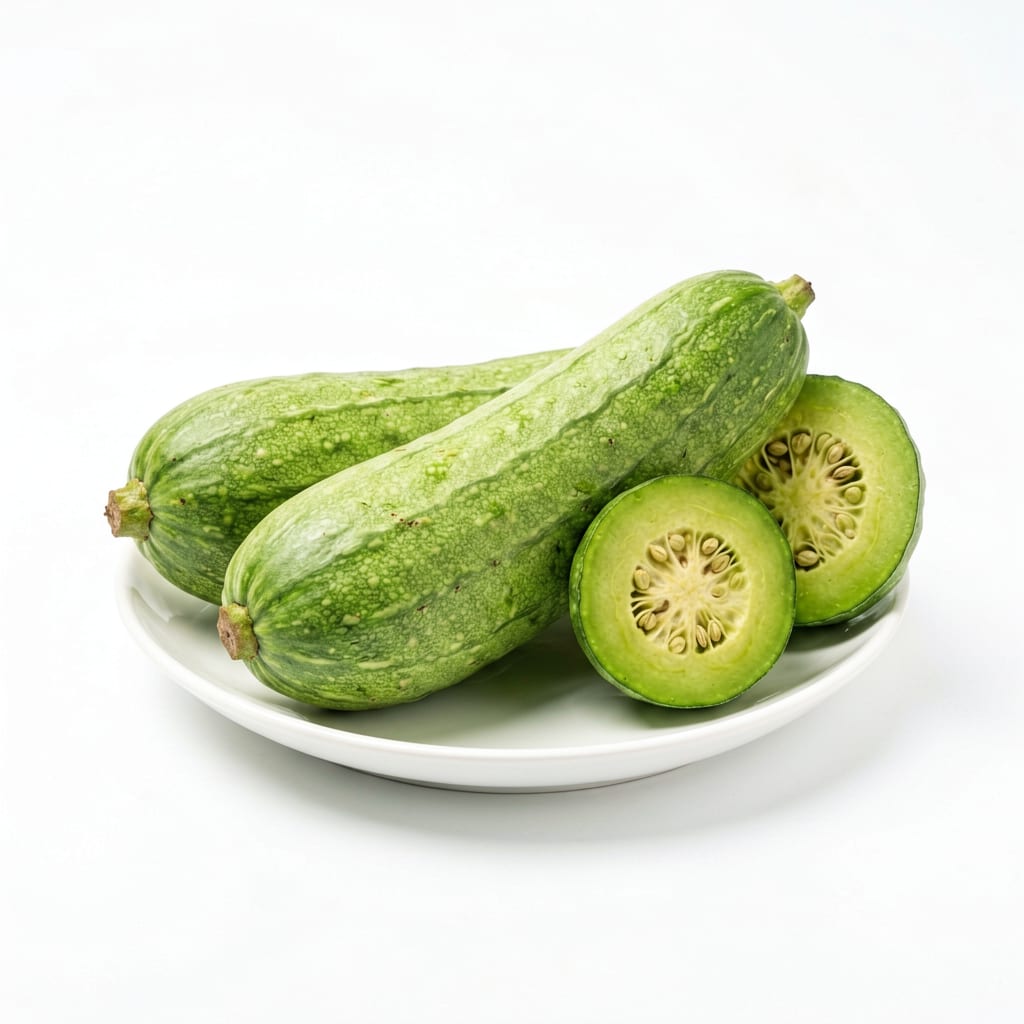
Luffa
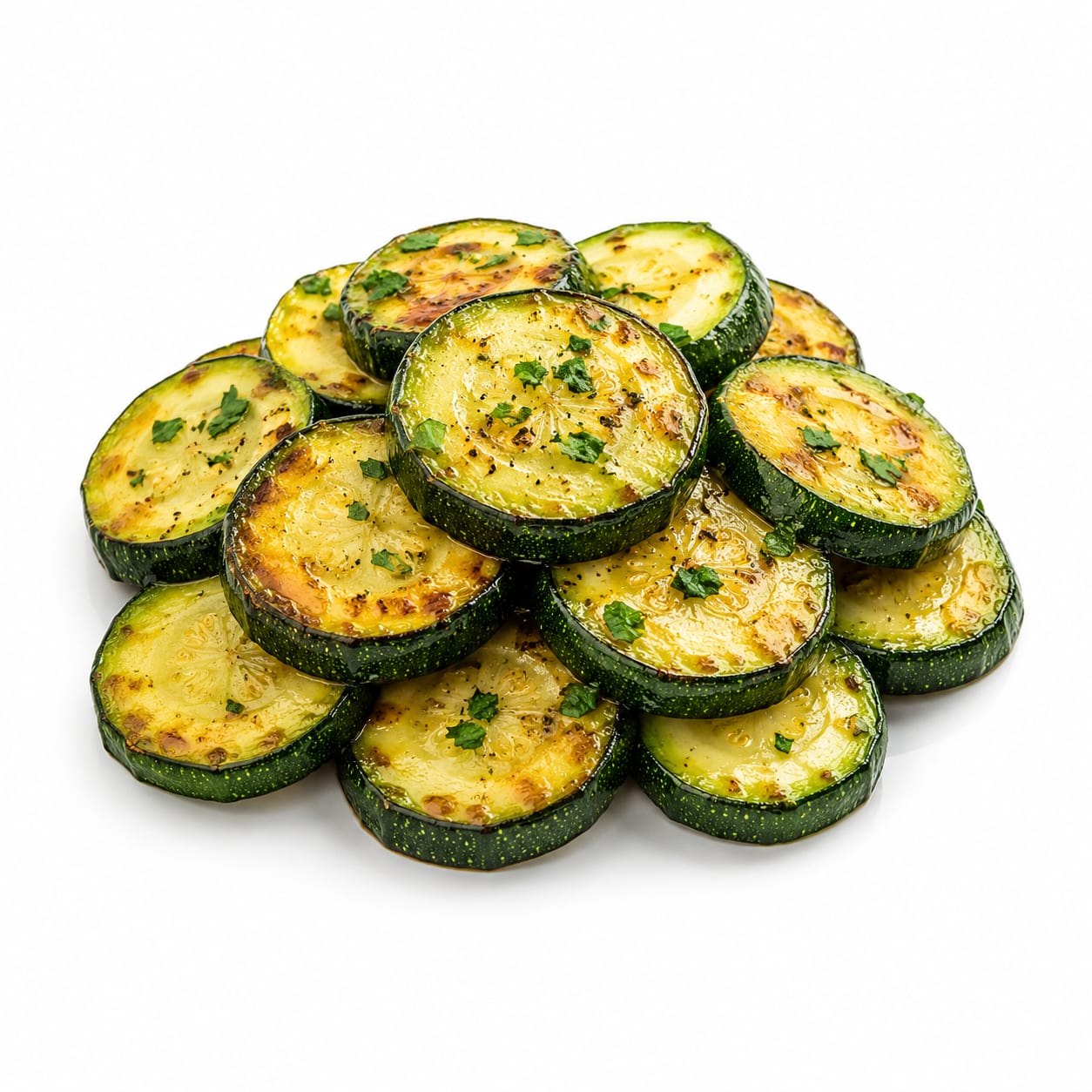
Zucchini
Zucchini wins for everyday nutrition, versatility, and accessibility, but Luffa offers a uniquely delicate, broth-absorbing texture for specific dishes.
Zucchini scores higher due to its superior availability, richer micronutrient profile, and unmatched culinary flexibility. Luffa is a delightful specialty vegetable but lacks the everyday practicality and broad nutritional edge of Zucchini.
Zucchini provides broader culinary uses and more vitamins, while Luffa delivers a melt-in-your-mouth spongy texture that soaks up flavors beautifully in soups.
At a glance
Executive summary
Overall
Zucchini
Healthier
Zucchini
More practical
Zucchini
Daily use
Zucchini
Key comparison lenses
Culinary versatility and recipe adaptation
Zucchini is a kitchen staple with many uses, while Luffa has a specific texture best suited for certain cooking methods.
Nutritional density and vitamin profile
Users want to know which gourd offers more vitamins and minerals per serving for daily health.
Accessibility and everyday practicality
Zucchini is available in any grocery store, whereas fresh Luffa is often restricted to specialty or Asian markets.
Weight loss and calorie density
Both are extremely low in calories, but their fiber and water content affect fullness differently.
Best choice for
Luffa
- Traditional Asian soups and stir-fries
- Maximizing food volume for almost zero calories
- Enjoying a delicate, sponge-like texture that soaks up rich broths
Zucchini
- Everyday meal prep and versatile cooking
- Boosting vitamin A and potassium intake
- Making low-carb pasta alternatives like zoodles
Least suitable for
Luffa
- Raw salads or dishes requiring crunch
- Quick grocery runs at standard supermarkets
- Baking or structural dishes like fritters
Zucchini
- Authentic Asian recipes requiring a soft, broth-soaking sponge texture
Deep comparison
Dimension by dimension
Each lens scores both foods and breaks down who each option suits.
- Dimension 1 · Priority 85Zucchini
Nutritional Density
Luffa · 60Zucchini · 82Zucchini packs more vitamin A, potassium, and slightly more fiber per calorie than Luffa.
Tradeoff
Luffa is incredibly light and hydrating, but Zucchini offers more actual nourishment per bite.
Why it matters
Better nutritional density helps you meet daily vitamin needs without eating large volumes.
Real-world impact
Eating Zucchini supports eye health and blood pressure regulation more effectively than Luffa.
Luffa
- Staying extremely light on the stomach
- Hydrating meals in hot weather
Better for
- Falling short on fat-soluble vitamins
- Providing minimal protein or substantive energy
Worse for
Zucchini
- Meeting daily potassium and vitamin A needs
- Getting more fiber to stay regular
Better for
- Being slightly denser if you need an ultra-light digestive load
Worse for
- Dimension 2 · Priority 90Zucchini
Culinary Versatility
Luffa · 45Zucchini · 95Zucchini can be eaten raw, spiralized, baked, or grilled, while Luffa breaks down quickly and is best cooked in moist heat.
Tradeoff
Luffa turns beautifully soft and spongy in soups, but it turns to mush if you try to roast or fry it like Zucchini.
Why it matters
A versatile vegetable makes meal prep easier and prevents diet boredom.
Real-world impact
You can use Zucchini in everything from morning muffins to evening noodle bowls, whereas Luffa is limited to specific cooked dishes.
Luffa
- Creating soft, comforting textures in winter soups
- Absorbing intense flavor profiles like garlic and soy sauce
Better for
- Failing completely in raw applications
- Losing structural integrity when grilled or roasted
Worse for
Zucchini
- Making raw vegetable platters and salads
- Creating low-carb pasta substitutes
- Baking into breads and fritters
Better for
- Feeling too firm or watery if not salted and drained properly
Worse for
- Dimension 3 · Priority 80Zucchini
Accessibility and Practicality
Luffa · 30Zucchini · 98Zucchini is a universal grocery staple, while fresh Luffa is often only found in Asian markets or specialty stores.
Tradeoff
Luffa is a fun specialty ingredient to hunt down, but Zucchini is always available and budget-friendly.
Why it matters
You can only eat what you can consistently find and afford.
Real-world impact
You can grab Zucchini anywhere on a Tuesday evening, but finding fresh Luffa requires a dedicated trip to a specialty market.
Luffa
- Exploring new culinary traditions and Asian recipes
Better for
- Difficult to source for most Western home cooks
- Often sold overripe or dried out in standard stores
Worse for
Zucchini
- Easy, year-round availability
- Budget-friendly weekly grocery shopping
Better for
- Lack of cultural novelty for adventurous eaters
Worse for
- Dimension 4 · Priority 75Zucchini
Satiety and Weight Management
Luffa · 65Zucchini · 78Both are extremely low in calories, but Zucchini has slightly more fiber to keep you feeling full longer.
Tradeoff
Luffa fills your stomach with water weight, while Zucchini offers a bit more structural fiber that digests slower.
Why it matters
Fiber-rich foods prevent snacking between meals better than water-heavy foods alone.
Real-world impact
A Zucchini side dish will keep you satisfied for an extra hour or two compared to Luffa, which digests very quickly.
Luffa
- Feeling physically full on almost zero calories
- Very light eating after a heavy day
Better for
- Hunger returning quickly after eating
- Providing very little lasting energy
Worse for
Zucchini
- Sustained fullness between meals
- Better blood sugar stabilization
Better for
- Slightly higher calorie load, though still minimal
Worse for
Timeline
Health impact over time
Short-term
Hours to days
Luffa
- Extremely light feeling in the stomach
- High hydration from water content
- Quick digestion with minimal bloating
Zucchini
- Mild fullness from fiber content
- Gentle digestive regularity
- Steady, light energy without crashes
Long-term
Months to years
Luffa
- Supports a low-calorie dietary pattern
- May fall short on diverse vitamins if used as a primary vegetable
- Contributes to overall hydration
Zucchini
- Supports eye health from consistent vitamin A intake
- Helps maintain healthy blood pressure due to potassium
- Sustained digestive health from regular fiber intake
Risk profile
Safety & processing
Both Luffa and Zucchini are whole, natural vegetables typically sold fresh without any additives or processing.
Luffa
Cucurbitacin toxicity
mediumLike many gourds, Luffa can produce bitter-tasting cucurbitacins if stressed during growth, which can cause severe digestive upset. Always discard bitter-tasting Luffa.
Zucchini
Cucurbitacin toxicity
lowCommercial Zucchini is bred to remove cucurbitacins, but rare cases of bitter Zucchini causing stomach issues still occur. Avoid eating extremely bitter Zucchini.
Who wins for whom
Audience fit
Same foods, different winners depending on your goal.
children
ZucchiniZucchini has a milder, sweeter taste and can be hidden in baked goods or made into fun noodles, making it far more kid-friendly.
daily consumption
ZucchiniZucchini is easy to find, highly versatile, and offers a broader nutritional profile for consistent daily use.
diabetes
ZucchiniThe higher fiber content in Zucchini slows down sugar absorption, leading to steadier blood sugar levels.
elderly
ZucchiniZucchini is easier to chew when lightly cooked and provides more essential nutrients like potassium for heart health.
muscle gain
ZucchiniZucchini provides marginally more carbohydrates and potassium, which help with workout recovery and electrolyte balance.
weight loss
ZucchiniZucchini has slightly more fiber to keep you full, making it easier to stick to a calorie deficit without hunger.
Your move
Decision guide
Choose Luffa
- You are cooking an Asian soup or stir-fry and want that authentic, broth-absorbing texture
- You find fresh Luffa at a specialty market and want a fun, culinary adventure
- You need an incredibly light, hydrating meal for a hot day
Choose Zucchini
- You need a reliable, versatile vegetable for weekly meal prep
- You want to make low-carb pasta or bake healthy muffins
- You are looking for maximum nutrition on a budget
Either works if
- You just need a low-calorie vegetable to bulk up a meal
- You want something gentle on the digestive system
- You are trying to increase your daily vegetable intake
Avoid both if
- You are looking for a high-protein food to fuel muscle recovery
- You need a calorie-dense food to gain weight
Final recommendation
Keep Zucchini as your everyday workhorse for its nutrition, versatility, and easy access. Treat Luffa as a delightful specialty ingredient to seek out when you are making Asian-inspired soups and crave its unique, spongy comfort.
Practical
Consumer tips
- 1
If your Luffa or Zucchini tastes unusually bitter, do not eat it; bitterness in gourds signals toxic cucurbitacins.
- 2
Salt Zucchini slices and let them sit for 10 minutes before cooking to draw out excess water and prevent soggy dishes.
- 3
Peel Luffa lightly before cooking; the skin can be tough and fibrous even when young.
- 4
Store both vegetables in the crisper drawer of your fridge, but use Luffa within a few days as it spoils faster than Zucchini.