
Nutrition comparison
Luffa vs Spaghetti Squash: Which Low-Carb Vegetable Wins?
Compare Luffa and Spaghetti Squash for nutrition, texture, and safety. Discover which gourd is the better pasta substitute and which one absorbs flavors best.
Overall winner · Spaghetti Squash
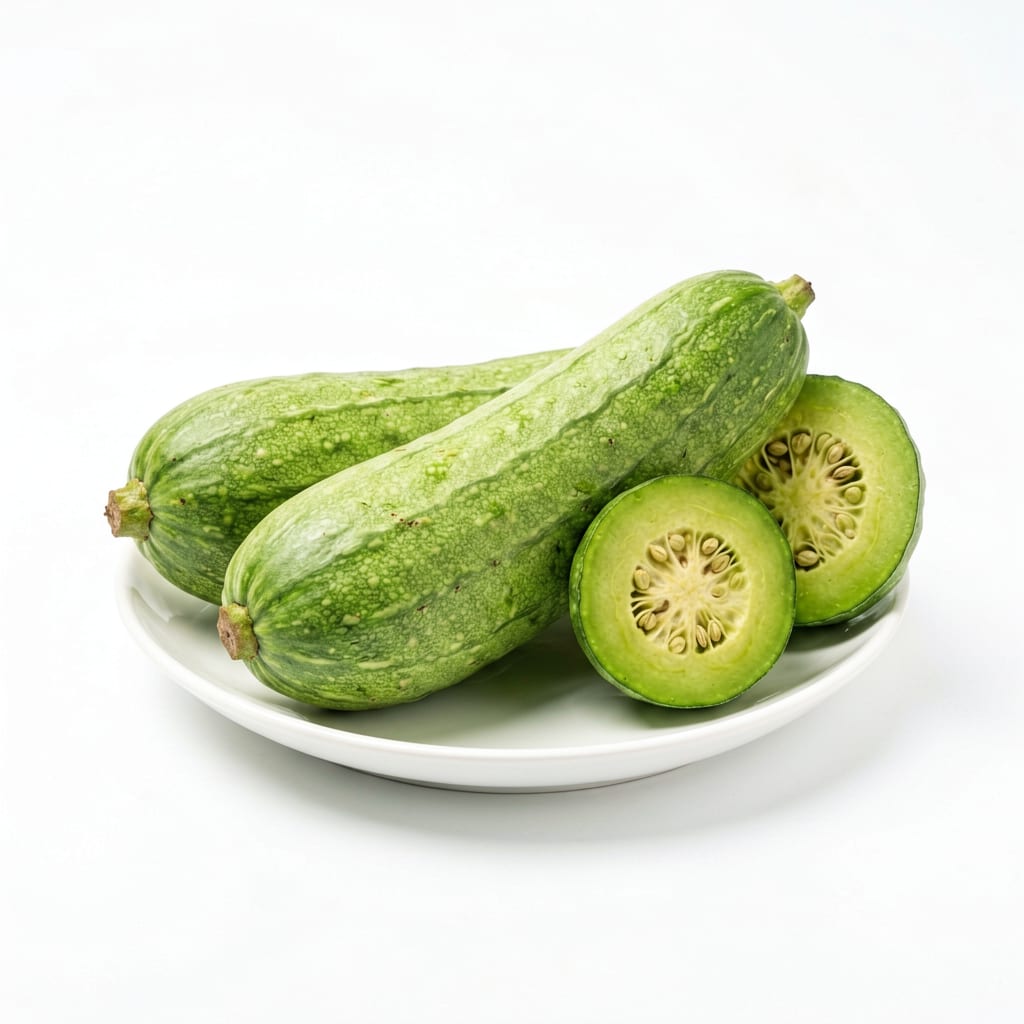
Luffa
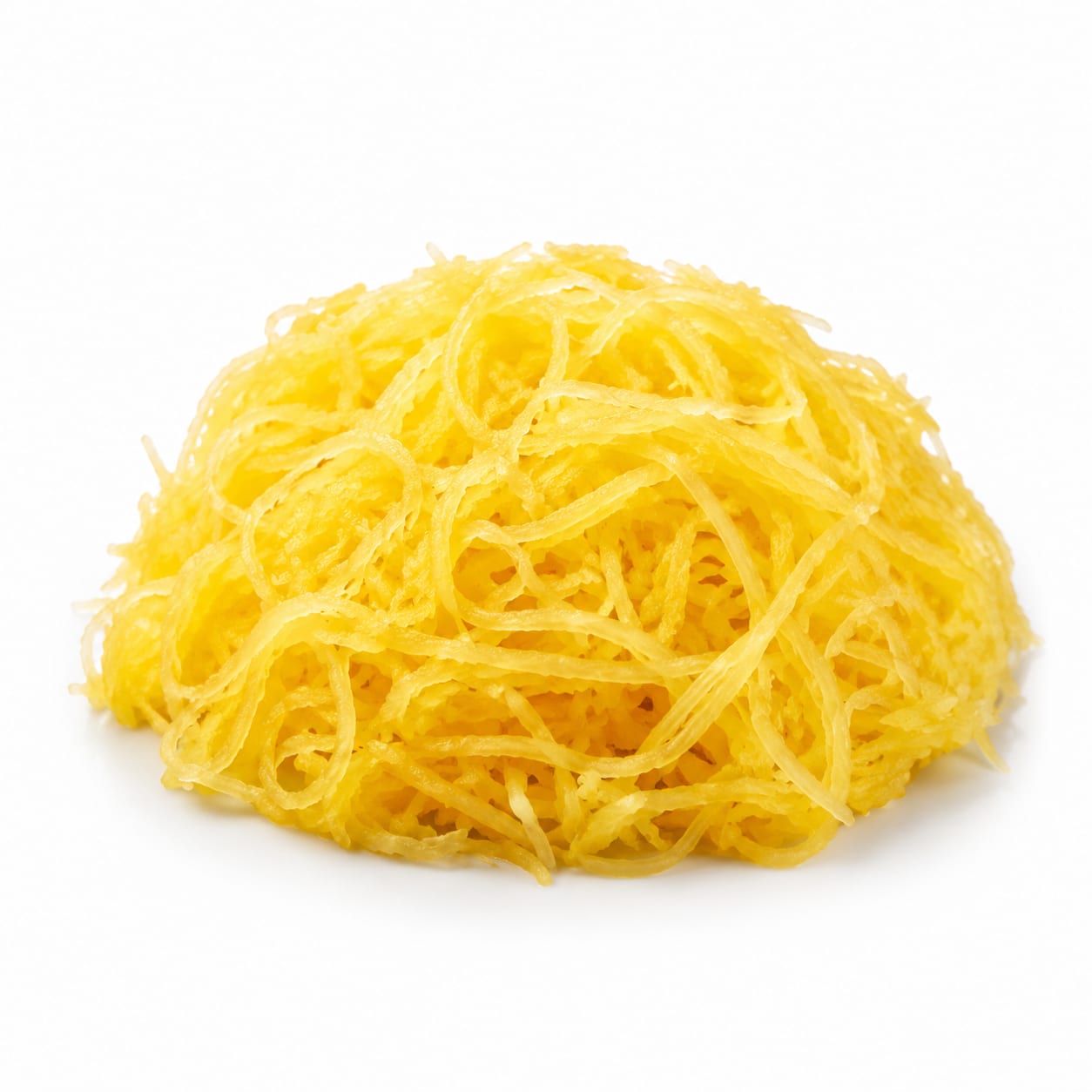
Spaghetti Squash
Spaghetti Squash wins for its unmatched pasta-mimicking texture and higher Vitamin A content, but Luffa offers a superior flavor-absorbing sponge quality for soups and stir-fries.
Spaghetti Squash scores higher due to its broader culinary appeal as a low-carb staple and its beta-carotene content. Luffa is excellent but limited by availability and a specific safety caveat regarding bitterness.
You trade the satisfying, strand-like bite of Spaghetti Squash for the soft, sauce-soaking brilliance of Luffa.
At a glance
Executive summary
Overall
Spaghetti Squash
Healthier
Spaghetti Squash
More practical
Spaghetti Squash
Daily use
Spaghetti Squash
Key comparison lenses
low carb pasta substitute
Spaghetti squash is famous for mimicking pasta, while Luffa offers a completely different texture experience
nutritional density and vitamins
Users want to know which gourd provides more micronutrients per calorie
culinary versatility and flavor absorption
Luffa acts like a sponge for flavors, whereas Spaghetti Squash provides a standalone base
food safety and toxicity risks
Bitter Luffa can contain toxic cucurbitacins, a unique safety concern not shared by Spaghetti Squash
Best choice for
Luffa
- People cooking Asian-style soups or stir-fries
- Anyone wanting a soft, easy-to-chew vegetable
- Cooks looking for a flavor sponge to soak up rich broths
Spaghetti Squash
- People seeking a low-carb pasta alternative
- Anyone wanting to boost their Vitamin A intake
- Families looking for a fun, kid-friendly vegetable texture
Least suitable for
Luffa
- People looking for a firm, al dente pasta substitute
- Anyone unfamiliar with identifying and avoiding bitter gourds
- Western grocery shoppers with limited access to Asian markets
Spaghetti Squash
- Those wanting a soft, melt-in-the-mouth texture
- People who dislike the slightly sweet, squash-like flavor
- Anyone needing a vegetable that readily absorbs heavy sauces
Deep comparison
Dimension by dimension
Each lens scores both foods and breaks down who each option suits.
- Dimension 1 · Priority 95Spaghetti Squash
Low-Carb Pasta Substitution
Luffa · 25Spaghetti Squash · 95Spaghetti Squash naturally shreds into pasta-like strands, while Luffa turns soft and spongy when cooked.
Tradeoff
You give up the satisfying 'noodle' pull of Spaghetti Squash if you choose Luffa, gaining a softer mouthfeel instead.
Why it matters
For anyone cutting carbs or gluten, finding a convincing pasta replacement is a game-changer for meal satisfaction.
Real-world impact
Spaghetti Squash lets you twirl your dinner with a fork; Luffa just falls apart into soft chunks.
Luffa
- Thickening stews naturally
- Absorbing heavy meat sauces
Better for
- Meals requiring distinct noodle shapes
Worse for
Spaghetti Squash
- Twirling with marinara
- Replacing spaghetti under meatballs
Better for
- Dishes requiring a soft, uniform texture
Worse for
- Dimension 2 · Priority 80Spaghetti Squash
Nutritional Density
Luffa · 55Spaghetti Squash · 80Spaghetti Squash provides significantly more Vitamin A and antioxidants, while Luffa is slightly lower in overall micronutrients.
Tradeoff
Luffa is incredibly light and low in calories, but Spaghetti Squash offers more eye-health supporting beta-carotene.
Why it matters
Eating vegetables isn't just about cutting calories; it's about getting the most vitamins per bite.
Real-world impact
Choosing Spaghetti Squash gives your body a noticeable boost of Vitamin A, supporting better night vision and skin health.
Luffa
- Extremely low-calorie dieting
Better for
- Correcting Vitamin A deficiencies
Worse for
Spaghetti Squash
- Boosting immune function
- Improving skin health
Better for
- Strict calorie restriction
Worse for
- Dimension 3 · Priority 75Luffa
Flavor Absorption and Culinary Role
Luffa · 90Spaghetti Squash · 60Luffa acts like a culinary sponge, soaking up broths and sauces beautifully, whereas Spaghetti Squash maintains its own mild, slightly sweet flavor.
Tradeoff
Luffa disappears into the flavor of the dish, while Spaghetti Squash stands apart as a distinct base ingredient.
Why it matters
A vegetable that absorbs flavors can elevate simple broths into deeply satisfying meals.
Real-world impact
Luffa in a miso soup tastes like rich umami broth; Spaghetti Squash under pesto tastes like squash with pesto.
Luffa
- Rich coconut curries
- Deep savory bone broths
- One-pot stew applications
Better for
- Dishes where the vegetable should remain distinct
Worse for
Spaghetti Squash
- Standing up to heavy ragùs
- Acting as a neutral bed for proteins
Better for
- Flavor-forward liquid dishes
Worse for
- Dimension 4 · Priority 70Spaghetti Squash
Food Safety and Toxicity
Luffa · 55Spaghetti Squash · 95Luffa can occasionally contain toxic cucurbitacins if it tastes bitter, while Spaghetti Squash is virtually always safe to eat.
Tradeoff
You must taste-test Luffa for bitterness before cooking, adding a small safety step that Spaghetti Squash doesn't require.
Why it matters
Consuming bitter gourds from the cucurbit family can cause severe digestive distress and toxicity.
Real-world impact
A bite of bitter Luffa can ruin your evening with stomach cramps, a risk you simply don't face with Spaghetti Squash.
Luffa
- Traditional recipes where bitterness is managed
Better for
- Unpredictable grocery store purchases
Worse for
Spaghetti Squash
- Worry-free cooking
- Feeding children safely
Better for
Timeline
Health impact over time
Short-term
Hours to days
Luffa
- Provides a very light, easily digestible meal
- Risk of stomach cramps if the gourd is unusually bitter
Spaghetti Squash
- Offers a filling, voluminous meal without heavy calories
- Provides steady energy without a sugar crash
Long-term
Months to years
Luffa
- Supports gentle digestion due to soft fiber
- Contributes to hydration when cooked in broths
Spaghetti Squash
- Supports eye health and immune function via consistent Vitamin A intake
- Helps maintain healthy weight through high-volume, low-calorie eating
Risk profile
Safety & processing
Both Luffa and Spaghetti Squash are whole, natural vegetables with zero artificial additives when purchased fresh.
Luffa
Cucurbitacin Toxicity
highOccasionally, Luffa can develop high levels of cucurbitacins, making it extremely bitter and potentially toxic, causing vomiting and diarrhea. Always taste a tiny raw sliver before cooking; if bitter, discard immediately.
Spaghetti Squash
Standard Produce Contamination
lowLike all fresh produce, the rind can harbor soil bacteria, but the inner flesh is safe once cooked.
Who wins for whom
Audience fit
Same foods, different winners depending on your goal.
children
Spaghetti SquashKids find the spaghetti-like strands fun to eat, whereas Luffa's soft, spongy texture can be off-putting to picky eaters.
daily consumption
Spaghetti SquashSpaghetti Squash is easier to find, safer to prep without bitterness checks, and more versatile for everyday Western meals.
diabetes
Spaghetti SquashSpaghetti Squash provides a convincing pasta replacement that helps manage blood sugar without feeling like a sacrifice.
elderly
LuffaLuffa's exceptionally soft texture when cooked requires minimal chewing, making it ideal for those with dental issues or swallowing difficulties.
muscle gain
It dependsNeither is a significant protein source, but both serve as excellent low-calorie carb alternatives to pair with high-protein mains.
weight loss
Spaghetti SquashSpaghetti Squash provides more volume and a satisfying chew, making it easier to stick to a calorie deficit without feeling deprived.
Your move
Decision guide
Choose Luffa
- You are cooking Asian soups, curries, or stir-fries
- You want a vegetable that acts as a flavor sponge
- You or someone you cook for has difficulty chewing harder vegetables
Choose Spaghetti Squash
- You miss pasta and want a low-carb alternative
- You want to increase your Vitamin A intake effortlessly
- You are meal-prepping a large batch of food for the week
Either works if
- You just need a low-calorie vegetable side dish
- You are looking to add more whole-food fiber to your dinner
Avoid both if
- You are looking for a high-protein food to build muscle
Final recommendation
Keep Spaghetti Squash in your regular rotation for a satisfying, pasta-like base, but seek out Luffa when you are making rich broths or Asian-inspired dishes where its unique sauce-absorbing magic can truly shine.
Practical
Consumer tips
- 1
Always taste a tiny sliver of raw Luffa before cooking; if it is bitter, throw it away to avoid toxicity
- 2
Prick Spaghetti Squash with a fork before microwaving or baking to prevent it from exploding in the oven
- 3
Do not overcook Luffa or it will turn to mush; a quick sauté or brief simmer is all it needs
- 4
Cut Spaghetti Squash in half and roast face-down for deeper, caramelized flavor and perfectly tender strands