
Nutrition comparison
Luffa vs Bok Choy: Which Vegetable Is Actually Better for You?
Luffa and Bok Choy are both low-calorie Asian vegetables, but Bok Choy delivers dramatically more vitamins, calcium, and cancer-fighting compounds. See the full comparison.
Overall winner · Bok Choy
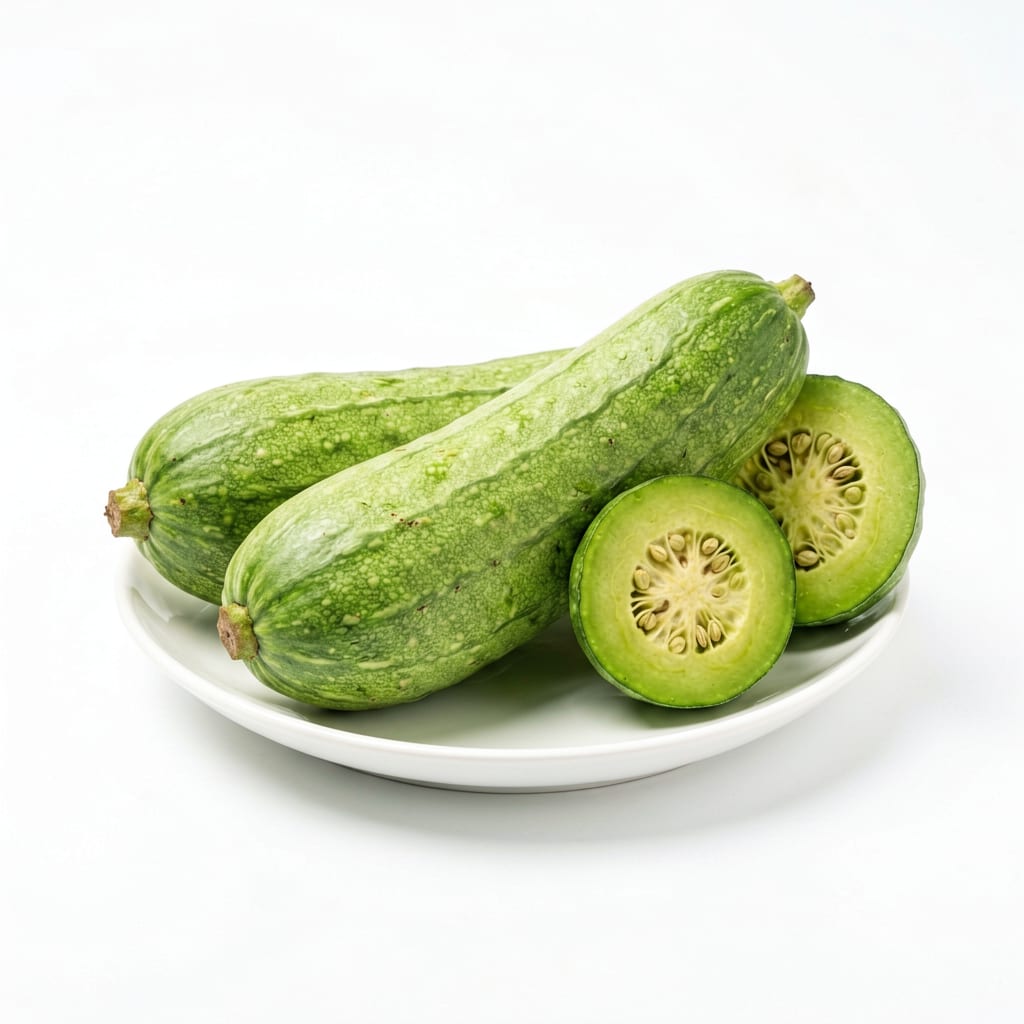
Luffa
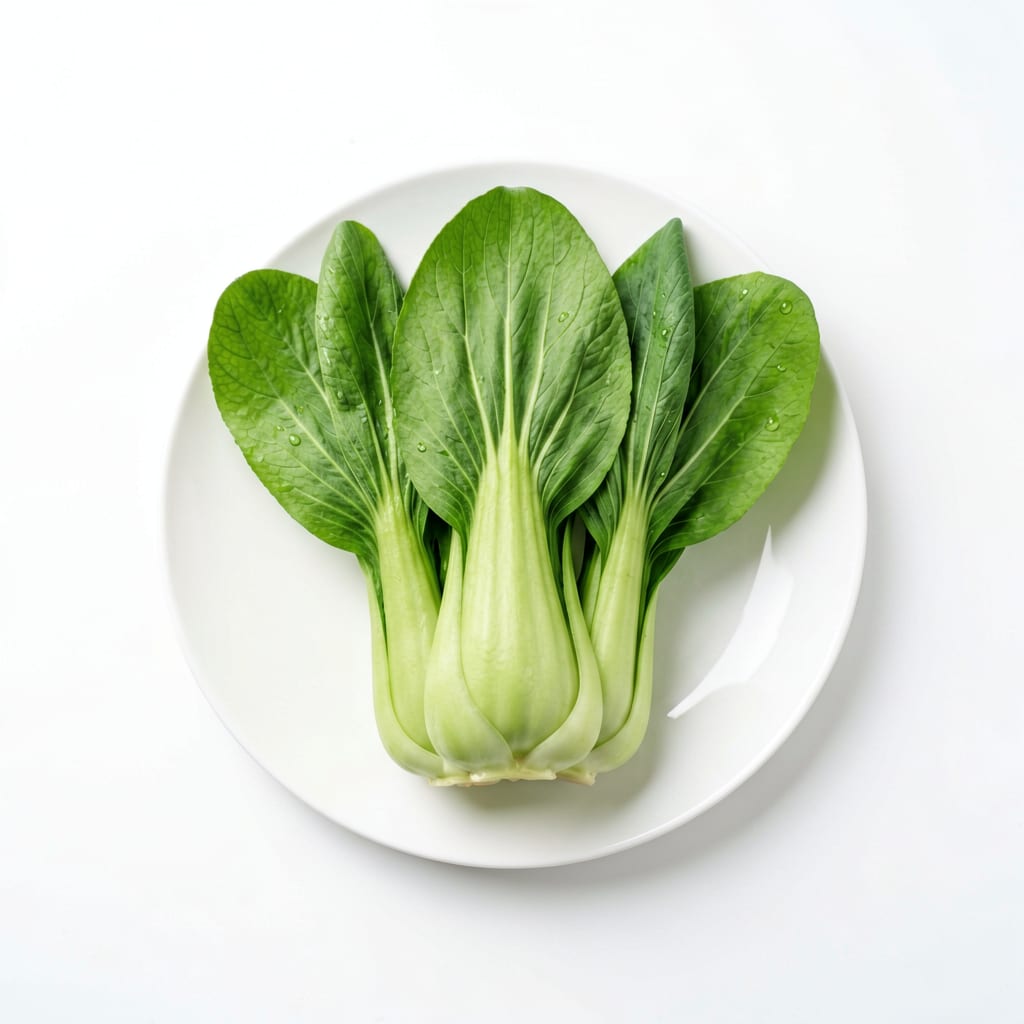
Bok Choy
Bok Choy is the clear nutritional winner, offering far more vitamins, minerals, and disease-fighting compounds per calorie. Luffa is pleasant and hydrating but nutritionally thin.
Bok Choy outscores Luffa by a wide margin because the nutritional gap is substantial. Luffa is not unhealthy — it is simply very low in nutrients relative to Bok Choy's impressive vitamin and mineral profile.
Luffa provides a unique mild, spongy texture that absorbs flavors beautifully, but sacrifices nearly all the micronutrient density that Bok Choy delivers effortlessly.
At a glance
Executive summary
Overall
Bok Choy
Healthier
Bok Choy
More practical
Bok Choy
Daily use
Bok Choy
Key comparison lenses
nutrient density comparison
Bok Choy is dramatically more nutrient-dense than Luffa, making this the most consequential difference for daily food choices
vitamin and mineral adequacy
Bok Choy provides substantially more vitamins and minerals, which matters for those relying on vegetables as key nutrient sources
vegetable selection for asian cooking
Both are staple vegetables in Asian cuisine but serve very different culinary roles
low calorie volume eating
Both are extremely low in calories, so users may be choosing between them for weight management
digestive and gut health
Both offer digestive benefits but through different mechanisms — fiber versus cruciferous compounds
Best choice for
Luffa
- Those seeking a gentle, easy-to-digest vegetable during stomach upset
- People wanting a low-flavor carrier for rich sauces and broths
- Anyone tired of cruciferous vegetables and needing variety
- Cooks making traditional Southeast Asian dishes where Luffa is essential
Bok Choy
- Anyone prioritizing nutrient density per calorie
- People needing more vitamin K, vitamin A, or calcium from food sources
- Those focused on cancer-preventive eating patterns
- Families wanting a versatile everyday vegetable
Least suitable for
Luffa
- People relying on vegetables as their primary nutrient source
- Those who need significant vitamin or mineral intake from meals
- Anyone unfamiliar with its preparation — it can turn mushy if overcooked
Bok Choy
- People on blood thinners who must limit vitamin K intake
- Those with severe thyroid issues who are sensitive to cruciferous vegetables raw
- Anyone who strongly dislikes cabbage-family flavors
Deep comparison
Dimension by dimension
Each lens scores both foods and breaks down who each option suits.
- Dimension 1 · Priority 95Bok Choy
nutrient_density
Luffa · 22Bok Choy · 88Bok Choy delivers significantly more vitamins A, C, K, folate, and calcium per calorie. Luffa is mostly water with trace nutrients.
Tradeoff
Luffa is lighter and less filling of its own accord, but you get almost no nutritional return for the volume you eat.
Why it matters
If vegetables are a major part of your diet, choosing nutrient-poor options regularly can leave gaps in your micronutrient intake over time.
Real-world impact
A single cup of Bok Choy covers over half your daily vitamin K and vitamin A needs. A cup of Luffa covers almost none of anything.
Luffa
- Those who eat a varied diet and already get plenty of nutrients elsewhere
Better for
- People with marginal nutrient intake who need every vegetable to count
Worse for
Bok Choy
- Anyone who relies on vegetables as a primary nutrient source
- People eating lower-calorie diets who need maximum nutrition per bite
Better for
- Those on strict vitamin K restriction due to blood-thinning medication
Worse for
- Dimension 2 · Priority 85Bok Choy
antioxidant_and_disease_fighting_compounds
Luffa · 18Bok Choy · 85Bok Choy contains glucosinolates and isothiocyanates — compounds linked to reduced cancer risk. Luffa has minimal antioxidant content.
Tradeoff
You give up meaningful long-term disease protection when you choose Luffa over cruciferous vegetables like Bok Choy.
Why it matters
Cruciferous vegetables are among the most consistently cancer-protective food groups in nutritional research.
Real-world impact
Regular Bok Choy consumption is associated with lower rates of several cancers in population studies. Luffa has no comparable evidence.
Luffa
- Those who already eat plenty of cruciferous vegetables and want variety
Better for
- Those counting on their vegetable intake for cancer-preventive benefits
Worse for
Bok Choy
- Anyone with family history of cancer wanting dietary prevention strategies
- People who do not regularly eat other cruciferous vegetables
Better for
- People with thyroid conditions who are sensitive to raw cruciferous compounds
Worse for
- Dimension 3 · Priority 70Luffa
digestive_tolerance_and_gentleness
Luffa · 82Bok Choy · 58Luffa is extremely gentle on the digestive system — soft, bland, and easy to tolerate. Bok Choy can cause gas or bloating in sensitive people, especially raw.
Tradeoff
Luffa is the safer choice when your stomach is upset, but you sacrifice the fiber and prebiotic benefits that Bok Choy provides when well-tolerated.
Why it matters
For people with IBS, post-surgical recovery, or sensitive digestion, vegetable tolerance matters more than nutrient density in the short term.
Real-world impact
After a stomach bug, Luffa soup feels soothing and easy. Raw Bok Choy in a salad could trigger bloating for the same person.
Luffa
- People recovering from gastrointestinal illness
- Those with IBS or sensitive digestion
- Anyone needing bland, easy-to-digest foods temporarily
Better for
- Anyone needing substantial fiber intake to support regular bowel movements
Worse for
Bok Choy
- People with healthy digestion who benefit from prebiotic fiber
- Those wanting to support gut microbiome diversity
Better for
- People prone to gas and bloating from cruciferous vegetables
Worse for
- Dimension 4 · Priority 72Bok Choy
culinary_versatility
Luffa · 45Bok Choy · 82Bok Choy works raw in salads, pickled, stir-fried, in soups, and grilled. Luffa is limited to cooked preparations and turns mushy easily.
Tradeoff
Luffa has a unique sponge-like quality that absorbs sauces beautifully, but it demands careful cooking and offers fewer preparation options.
Why it matters
Vegetables you can prepare in multiple ways are easier to eat regularly without getting bored.
Real-world impact
You can toss Bok Choy into a stir-fry, a soup, or a salad on any given day. Luffa really only shines in soups and braises.
Luffa
- Cooks making traditional congee or Southeast Asian soups where Luffa is classic
- Those wanting a neutral vegetable that absorbs bold flavors
Better for
- Those who dislike mushy textures when vegetables are overcooked
Worse for
Bok Choy
- Meal preppers who want one vegetable that works across many dishes
- Anyone who enjoys raw vegetable preparations
Better for
- People who find cruciferous flavors too strong or bitter
Worse for
- Dimension 5 · Priority 60It depends
hydration_and_low_calorie_density
Luffa · 80Bok Choy · 78Both are extremely low in calories and high in water content. Luffa is slightly more watery; Bok Choy is slightly more filling due to its crunch and fiber.
Tradeoff
Luffa gives you more water volume per calorie but less satiety. Bok Choy gives you slightly more substance per serving.
Why it matters
For volume eaters trying to lose weight, both are excellent choices, but the one that keeps you fuller longer is usually the better pick.
Real-world impact
A large bowl of either vegetable costs you under 20 calories. Bok Choy will keep you satisfied slightly longer because of its fiber and texture.
Luffa
- Those who want maximum food volume with minimal calories
- People eating mostly for hydration in hot climates
Better for
- People who find very watery vegetables leave them hungry again quickly
Worse for
Bok Choy
- Volume eaters who also want satiety and nutrient return
- Those who find watery vegetables unsatisfying on their own
Better for
- Those who need to strictly limit vitamin K intake
Worse for
- Dimension 6 · Priority 68Bok Choy
calcium_and_bone_support
Luffa · 15Bok Choy · 80Bok Choy is a surprisingly good plant source of calcium with decent bioavailability. Luffa provides negligible calcium.
Tradeoff
If you are dairy-free and relying on vegetables for calcium, Bok Choy is genuinely useful. Luffa offers nothing meaningful here.
Why it matters
Many people underestimate how much calcium certain leafy and cruciferous vegetables provide, especially those avoiding dairy.
Real-world impact
Two cups of cooked Bok Choy provide roughly 15-20% of daily calcium needs. Luffa provides essentially zero.
Luffa
- Not applicable — Luffa is not a meaningful calcium source for any population
Better for
- Anyone who assumes all green vegetables provide meaningful calcium
Worse for
Bok Choy
- Dairy-free individuals needing plant-based calcium
- Older adults concerned about bone density
- Vegans who need to strategically source calcium from vegetables
Better for
- Not applicable — Bok Choy's calcium content is a pure advantage
Worse for
Timeline
Health impact over time
Short-term
Hours to days
Luffa
- Very gentle on the stomach — unlikely to cause any digestive discomfort
- Provides hydration but minimal satiety — you may feel hungry again soon
- Virtually no blood sugar impact due to extremely low carbohydrate content
Bok Choy
- Can cause mild gas or bloating in cruciferous-sensitive individuals, especially when raw
- Provides noticeable satiety from fiber and water content combined
- Vitamin K content can temporarily affect blood clotting lab values if intake changes dramatically
Long-term
Months to years
Luffa
- Regular consumption alone would not provide enough micronutrients to support optimal health
- May help maintain hydration habits in hot climates
- No known adverse long-term effects, but no strong protective benefits either
Bok Choy
- Consistent intake associated with lower cancer risk in large population studies
- Supports bone density through calcium and vitamin K over decades
- Cruciferous compound intake linked to reduced inflammation and cardiovascular protection
- Thyroid effects are minimal when cooked and consumed in normal portions
Risk profile
Safety & processing
Both Luffa and Bok Choy are whole, unprocessed vegetables typically sold fresh. Neither carries meaningful processing concerns when purchased as raw produce.
Luffa
pesticide_residue
mediumLuffa's spongy texture can trap pesticide residues more than smoother vegetables. Thorough washing and peeling are recommended, especially for non-organic sources.
overmaturity_toxicity
lowOverripe Luffa develops bitter compounds and can cause digestive upset. Always select young, tender specimens and avoid any that taste noticeably bitter.
Bok Choy
pesticide_residue
mediumBok Choy frequently appears on EWG's Dirty Dozen list for leafy greens. Organic or thoroughly washed conventional is advisable.
thyroid_disruption_from_raw_consumption
lowRaw Bok Choy contains goitrogens that can interfere with thyroid function in very large amounts. Cooking largely neutralizes this concern.
foodborne_illness
lowLike all leafy greens, Bok Choy can carry bacteria on its surfaces. Proper washing before consumption is important.
Who wins for whom
Audience fit
Same foods, different winners depending on your goal.
children
Bok ChoyChildren benefit more from nutrient-dense vegetables. Bok Choy provides calcium, vitamin A, and folate that growing bodies need. Luffa is safe but nutritionally empty for kids.
daily consumption
Bok ChoyBok Choy can be eaten daily with strong nutritional benefit. Luffa is safe daily but provides very little nutritional return for the habit.
diabetes
Bok ChoyBoth have minimal blood sugar impact, but Bok Choy's superior nutrient profile and fiber content better support overall metabolic health long-term.
elderly
Bok ChoyBok Choy's calcium and vitamin K support bone health, which is critical for older adults. Luffa's gentleness is nice but does not address elderly nutritional priorities.
muscle gain
It dependsNeither is a meaningful protein source. Both serve as low-calorie vegetable sides alongside protein-rich foods. Bok Choy's calcium content slightly supports muscle function.
weight loss
Bok ChoyBoth are extremely low in calories, but Bok Choy provides more satiety and far more nutrients per calorie, making it the smarter choice when every bite needs to count.
Your move
Decision guide
Choose Luffa
- You are recovering from stomach illness and need the gentlest possible vegetable
- You are making a traditional Asian soup or congee where Luffa's texture is essential
- You already eat a nutrient-rich diet and want culinary variety without concern for vitamin content
- You find cruciferous vegetables difficult to digest and need a break from them
Choose Bok Choy
- You want maximum nutrition from every vegetable serving you eat
- You are dairy-free and need plant-based calcium sources
- You want cancer-preventive compounds in your regular diet
- You need a versatile vegetable that works in salads, stir-fries, soups, and more
- You are feeding a family and need nutrient-dense options children can learn to enjoy
Either works if
- You simply want a low-calorie vegetable side dish and already have strong nutrient intake from other foods
- You are making a stir-fry and both would work well with your other ingredients
Avoid both if
- You are on a strict vitamin K restriction and cannot manage intake from green vegetables
- You have a known allergy to Cucurbitaceae family (Luffa) or Brassica family (Bok Choy)
Final recommendation
Make Bok Choy your everyday vegetable. It delivers far more nutrition, disease protection, and culinary flexibility per calorie. Save Luffa for when you specifically want its unique texture or need a gentle, easy-to-tolerate option during digestive recovery. Eating Bok Choy regularly is an investment in long-term health. Eating Luffa regularly is pleasant but nutritionally forgettable.
Practical
Consumer tips
- 1
Choose Bok Choy with firm white stems and vibrant green leaves — yellowing means it is past its prime
- 2
Store Bok Choy in a loosely closed bag in the crisper drawer; it keeps for about 5-7 days
- 3
Select young, firm Luffa without soft spots or browning — older specimens become bitter and fibrous
- 4
Peel Luffa before cooking to remove the tough outer skin and reduce pesticide residue
- 5
Wash both vegetables thoroughly, especially if conventionally grown — both can carry significant pesticide residue
- 6
Cook Bok Choy briefly to preserve its vitamin C content while neutralizing goitrogens — a quick stir-fry or steam is ideal
- 7
If Bok Choy causes bloating, try cooking it instead of eating it raw — heat breaks down the gas-producing compounds
- 8
Add Luffa to soups at the last few minutes of cooking to preserve its delicate texture and prevent mushiness