
Nutrition comparison
Luffa vs Eggplant: Which Vegetable Is Healthier for You?
Compare luffa and eggplant nutrition, digestion impact, and cooking behavior. Find out which low-calorie vegetable fits your health goals and dietary needs.
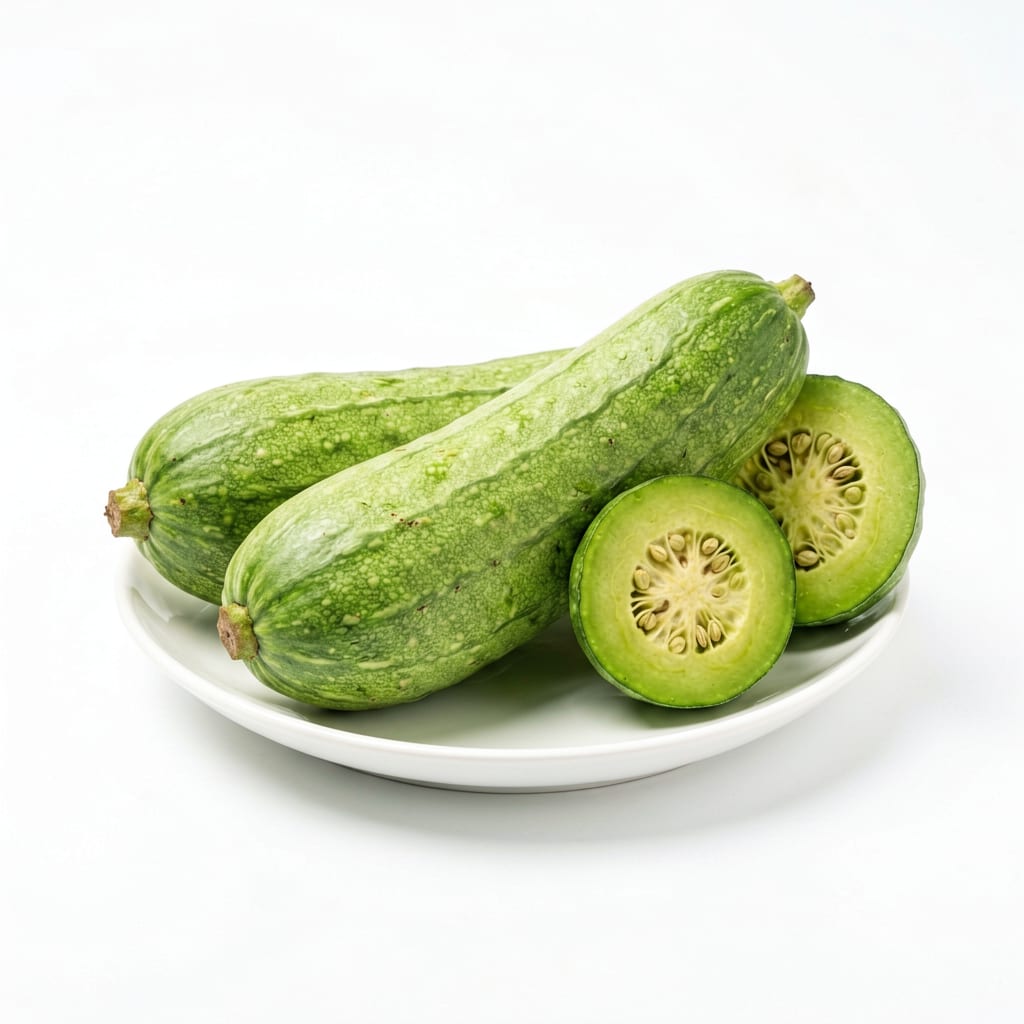
Luffa
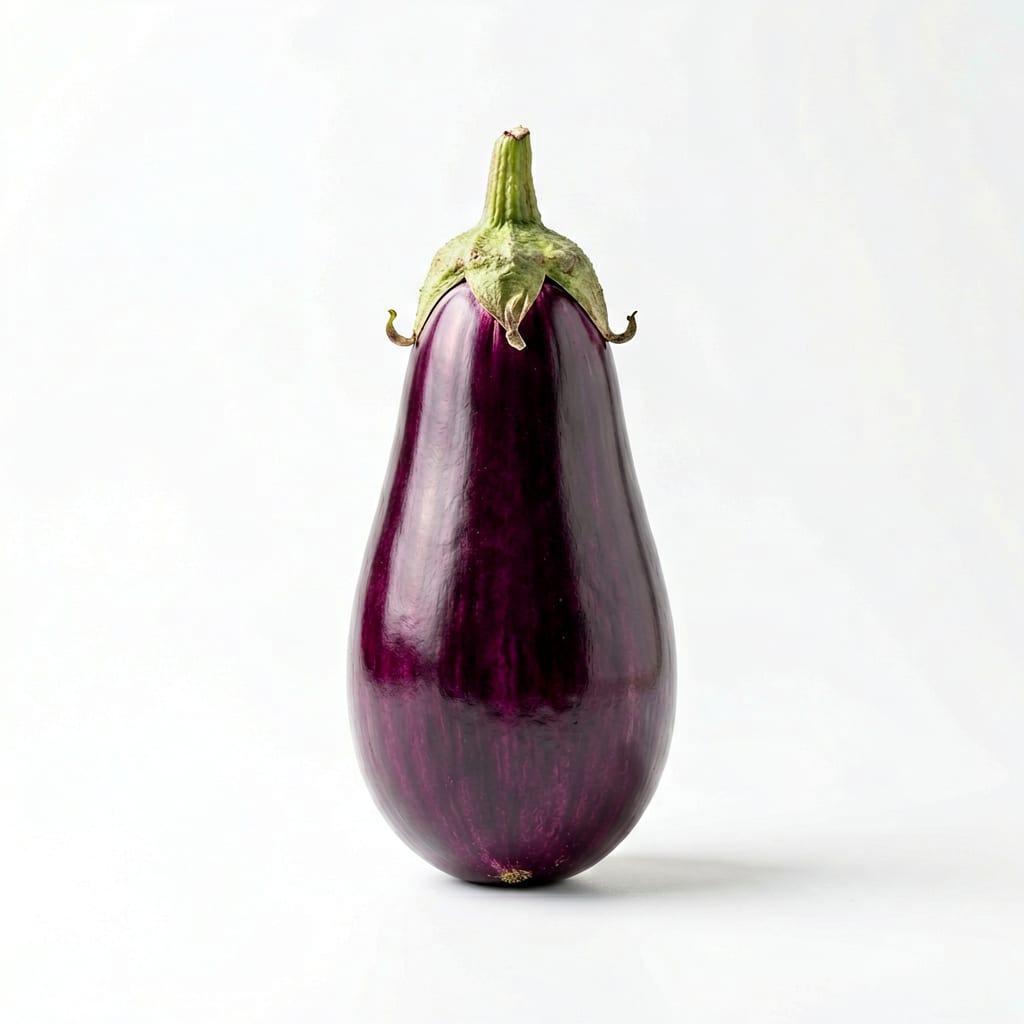
Eggplant
Eggplant wins on antioxidants and culinary versatility, but luffa is gentler on digestion and stays low-calorie when cooked.
Eggplant scores higher due to stronger antioxidant content, more fiber, and wider availability. Luffa remains competitive for digestive comfort and low oil absorption, but its niche status and lower nutrient density pull it down.
Eggplant offers more nutrients and fiber but absorbs oil heavily and triggers nightshade sensitivity; luffa is lighter and safer for sensitive stomachs but harder to find and less nutrient-dense.
At a glance
Executive summary
Overall
It depends
Healthier
It depends
More practical
Eggplant
Daily use
Eggplant
Key comparison lenses
nutritional density and antioxidants
Both are low-calorie vegetables but differ significantly in antioxidant profile, with eggplant offering nasunin and chlorogenic acid
digestive comfort and sensitivity
Eggplant is a nightshade which triggers sensitivity in some people, while luffa is gentle and traditionally used for digestive soothing
culinary versatility and availability
Eggplant is globally available and versatile; luffa is niche and primarily found in Asian markets
weight management and satiety
Both are low-calorie but differ in fiber content and how they behave when cooked, affecting fullness
cooking behavior and oil absorption
Eggplant acts like a sponge for oil which can dramatically increase calorie intake, while luffa stays light
Best choice for
Luffa
- People with nightshade sensitivity or autoimmune conditions
- Those seeking a cooling, digestion-friendly vegetable
- Anyone watching oil intake since luffa does not absorb fat
- Traditional Asian cuisine enthusiasts
Eggplant
- People wanting more antioxidants and polyphenols
- Those who need more dietary fiber
- Home cooks wanting versatile meal options
- Anyone following Mediterranean or Middle Eastern diets
Least suitable for
Luffa
- People who want readily available grocery staples
- Those seeking high nutrient density per serving
- Anyone unfamiliar with cooking gourds
Eggplant
- People with nightshade sensitivity or arthritis flares
- Those prone to heartburn or GERD from acidic foods
- Anyone trying to minimize oil consumption who pan-fries
Deep comparison
Dimension by dimension
Each lens scores both foods and breaks down who each option suits.
- Dimension 1 · Priority 90Eggplant
antioxidant_and_polyphenol_content
Luffa · 35Eggplant · 82Eggplant delivers significantly more antioxidants, especially nasunin in its purple skin and chlorogenic acid.
Tradeoff
You get more cell-protective compounds with eggplant, but must eat the skin to get them.
Why it matters
Antioxidants help reduce inflammation and protect against chronic disease over time.
Real-world impact
Regularly eating eggplant with the skin on contributes to long-term heart and brain health more than luffa can match.
Luffa
- Minimal antioxidant contribution to daily intake
Worse for
Eggplant
- Long-term anti-inflammatory benefits
- Brain health protection from nasunin
- Cardiovascular support from chlorogenic acid
Better for
- Dimension 2 · Priority 85Eggplant
fiber_and_satiety
Luffa · 45Eggplant · 72Eggplant provides more fiber per serving, especially when the skin is consumed, leading to better fullness.
Tradeoff
More fiber means better satiety and gut health with eggplant, but luffa feels lighter in the stomach.
Why it matters
Fiber keeps you full longer and supports healthy digestion and blood sugar stability.
Real-world impact
An eggplant-based meal will keep you satisfied longer than a luffa-based one, reducing between-meal snacking.
Luffa
- Lighter feeling after meals
- Better for people who feel bloated with high-fiber meals
Better for
- Less satiety per serving
- May leave you hungry sooner
Worse for
Eggplant
- Longer-lasting fullness
- Better blood sugar control
- Improved gut health over time
Better for
- Dimension 3 · Priority 83Luffa
digestive_tolerance_and_sensitivity
Luffa · 88Eggplant · 52Luffa is gentle, cooling, and traditionally used to soothe digestion; eggplant can irritate sensitive systems.
Tradeoff
Luffa is safer for sensitive stomachs and autoimmune conditions, but offers less nutritional reward.
Why it matters
Nightshade vegetables like eggplant trigger inflammation and digestive discomfort in a meaningful minority of people.
Real-world impact
If you have joint pain, IBS, or autoimmune issues, luffa is the safer bet for regular consumption.
Luffa
- Gentle on sensitive stomachs
- No nightshade compounds
- Traditional use for liver and digestive support
Better for
Eggplant
- Solanine may trigger joint pain in sensitive individuals
- Can worsen heartburn or GERD
- Nightshade link to autoimmune flares
Worse for
- Dimension 4 · Priority 80Luffa
cooking_behavior_and_calorie_control
Luffa · 85Eggplant · 48Luffa stays low-calorie regardless of cooking method; eggplant absorbs oil like a sponge, silently increasing calories.
Tradeoff
Luffa gives you more predictable calorie counts, while eggplant requires careful cooking technique to stay light.
Why it matters
Oil absorption can double or triple the calorie content of eggplant dishes without you realizing it.
Real-world impact
A pan-fried eggplant dish can easily exceed 300 calories per serving from oil alone, while luffa stir-fried stays under 100.
Luffa
- Predictable low calorie count after cooking
- No oil sponge effect
- Quick cooking time
Better for
Eggplant
- Grilling or roasting without oil works well
- Baba ganoush is a creamy low-cal option when prepared correctly
Better for
- Deep-fried or pan-fried eggplant becomes calorie-dense
- Restaurant eggplant dishes are often oil-heavy
Worse for
- Dimension 5 · Priority 76Eggplant
availability_and_culinary_versatility
Luffa · 30Eggplant · 90Eggplant is available year-round in virtually every grocery store and stars in countless global recipes.
Tradeoff
Eggplant is far easier to find and cook with, but luffa offers unique textures for Asian dishes.
Why it matters
A vegetable you can actually find and know how to cook will always beat one that requires specialty shopping.
Real-world impact
You can meal-plan around eggplant confidently; luffa requires an Asian grocery store and specific recipe knowledge.
Luffa
- Unique texture for Asian soups and stir-fries
- Traditional medicinal cuisine applications
Better for
- Hard to find outside Asian markets
- Limited recipe resources in Western cooking
- Short shelf life when fresh
Worse for
Eggplant
- Available in any supermarket
- Works in Mediterranean, Asian, Indian, and Middle Eastern dishes
- Grilling, roasting, stewing, and mashing all work
- Well-documented recipes everywhere
Better for
- Dimension 6 · Priority 70Eggplant
mineral_and_vitamin_content
Luffa · 40Eggplant · 62Neither vegetable is a nutritional powerhouse, but eggplant edges ahead with more potassium and vitamin B6.
Tradeoff
Both are primarily water and fiber; do not rely on either as a significant nutrient source.
Why it matters
If you are choosing between these two for health benefits, neither will move the needle dramatically on vitamins.
Real-world impact
Eggplant contributes slightly more to your daily potassium needs, which helps with blood pressure regulation.
Luffa
- Contains some vitamin C and small amounts of iron
Better for
- Very low overall micronutrient contribution
Worse for
Eggplant
- More potassium per serving
- Small amounts of vitamin B6 and vitamin K
- Manganese contribution from skin
Better for
Timeline
Health impact over time
Short-term
Hours to days
Luffa
- Light, comfortable feeling after eating
- Mild diuretic effect may reduce bloating
- Very low risk of digestive upset
Eggplant
- Can cause heartburn in prone individuals
- Oil-heavy preparations may cause sluggishness
- Fiber content supports regular digestion
Long-term
Months to years
Luffa
- Consistent gentle digestive support
- Low cumulative calorie intake supports weight maintenance
- Minimal antioxidant contribution for disease prevention
Eggplant
- Regular antioxidant intake supports heart and brain health
- Fiber contributes to reduced cholesterol over time
- Nightshade compounds may aggravate autoimmune conditions with frequent consumption
Risk profile
Safety & processing
Both luffa and eggplant are whole, minimally processed vegetables typically sold fresh. Neither carries significant additive concerns in their natural form.
Luffa
Bitter varieties causing digestive distress
mediumSome luffa varieties develop cucurbitacins when overripe or stressed, causing intense bitterness and stomach upset. Always taste-test raw for extreme bitterness before cooking.
Confusion with inedible mature sponge gourd
lowMature luffa becomes fibrous and inedible. Only young, tender luffa should be consumed as a vegetable.
Eggplant
Nightshade sensitivity and solanine exposure
mediumEggplant contains solanine which can trigger joint pain, inflammation, and digestive issues in sensitive individuals. Symptoms are dose-dependent and vary widely.
Oxalate content
lowEggplant contains moderate oxalates which may be a concern for people prone to kidney stones.
Allergic reactions in rare cases
lowSome individuals experience oral allergy syndrome or skin reactions from eggplant, particularly those allergic to grass pollens.
Who wins for whom
Audience fit
Same foods, different winners depending on your goal.
children
EggplantEggplant is more familiar, easier to find, and can be prepared in kid-friendly ways like baba ganoush or roasted sticks.
daily consumption
EggplantEggplant's broader nutrient profile and easier availability make it more sustainable as a daily vegetable choice for most people.
diabetes
EggplantEggplant's higher fiber content slows glucose absorption more effectively, providing steadier blood sugar response.
elderly
LuffaLuffa is softer, easier to chew and digest, and avoids nightshade compounds that may worsen joint issues common in older adults.
muscle gain
It dependsNeither vegetable provides meaningful protein; both serve only as side dishes for muscle-building meals.
weight loss
LuffaLuffa's resistance to oil absorption makes it easier to keep meals genuinely low-calorie, while eggplant dishes often hide significant fat content.
Your move
Decision guide
Choose Luffa
- You have nightshade sensitivity, autoimmune issues, or joint pain
- You want a vegetable that stays truly low-calorie when cooked
- You experience bloating or heartburn from eggplant
- You enjoy Asian cooking and have access to fresh luffa
- You prefer light, refreshing meals over rich ones
Choose Eggplant
- You want more antioxidants and anti-inflammatory compounds
- You need more fiber for digestion or blood sugar management
- You cook Mediterranean, Indian, or Middle Eastern cuisine
- You have no nightshade sensitivity and want maximum nutrition
- You value availability and recipe variety
Either works if
- You simply want a low-calorie vegetable side dish
- You are rotating vegetables for dietary diversity
- Neither is a staple in your diet and you just want variety
Avoid both if
- You need protein-dense or calorie-dense foods for weight gain
- You are looking for significant vitamin or mineral contributions
- You have severe FODMAP sensitivities to certain vegetables
Final recommendation
For most people, eggplant is the more practical and nutritious choice, especially if you tolerate nightshades well. Choose luffa when digestive gentleness or strict calorie control matters more than nutrient density. Both deserve a place in a diverse vegetable rotation.
Practical
Consumer tips
- 1
If cooking eggplant, salt slices and let them sit for 20 minutes to reduce oil absorption and bitterness.
- 2
Always select young, firm luffa with smooth skin — avoid any that feel spongy or smell bitter.
- 3
Keep eggplant skin on when cooking to preserve nasunin and fiber benefits.
- 4
Luffa cooks fast — overcooking makes it mushy. Aim for 3-5 minutes in a stir-fry.
- 5
If nightshades bother you, luffa is an excellent eggplant substitute in Asian soups and curries.
- 6
Roast or grill eggplant instead of frying to keep calories reasonable while maintaining flavor.