
Nutrition comparison
Luffa vs Green Beans: Nutrition, Digestion, and Which Is Better for You
Compare luffa and green beans side by side. Learn which vegetable wins for nutrition, digestion, weight loss, and daily use, plus safety tips for both.
Overall winner · Green Beans
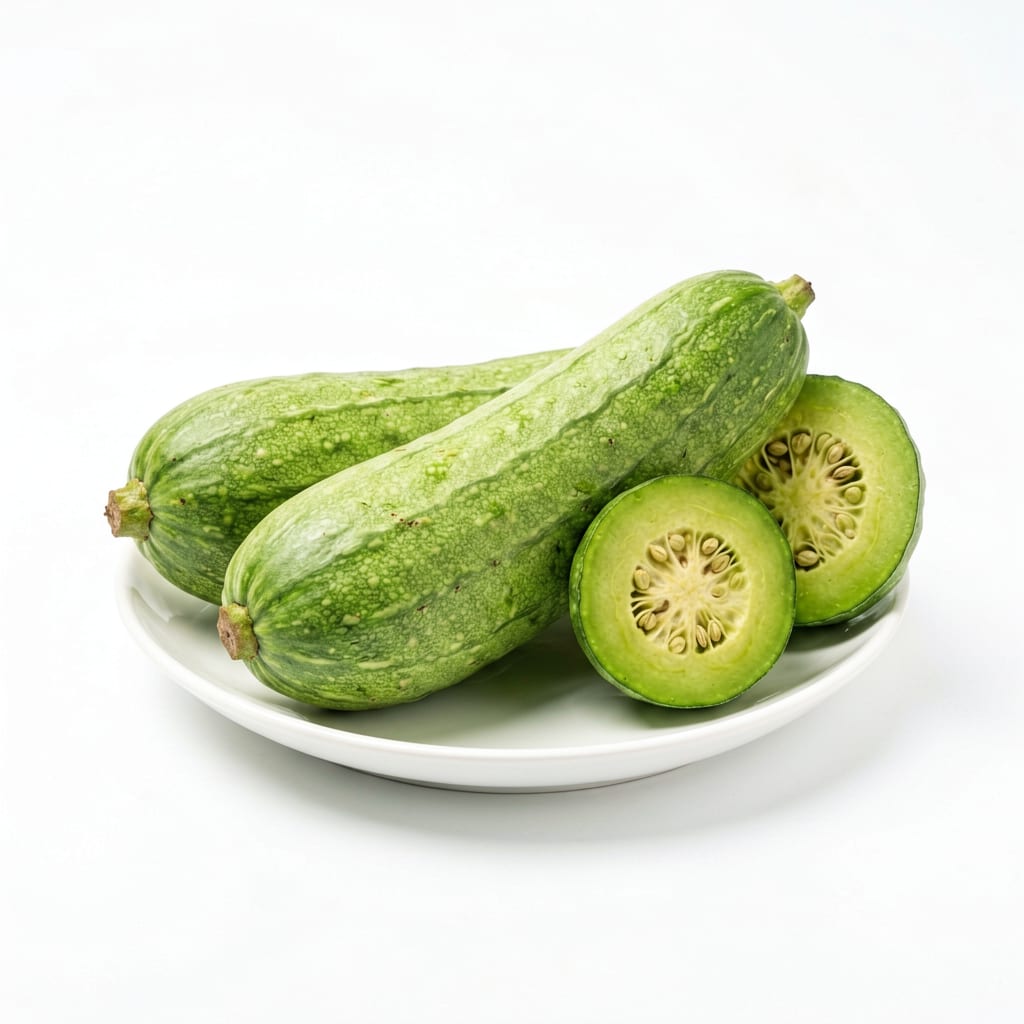
Luffa
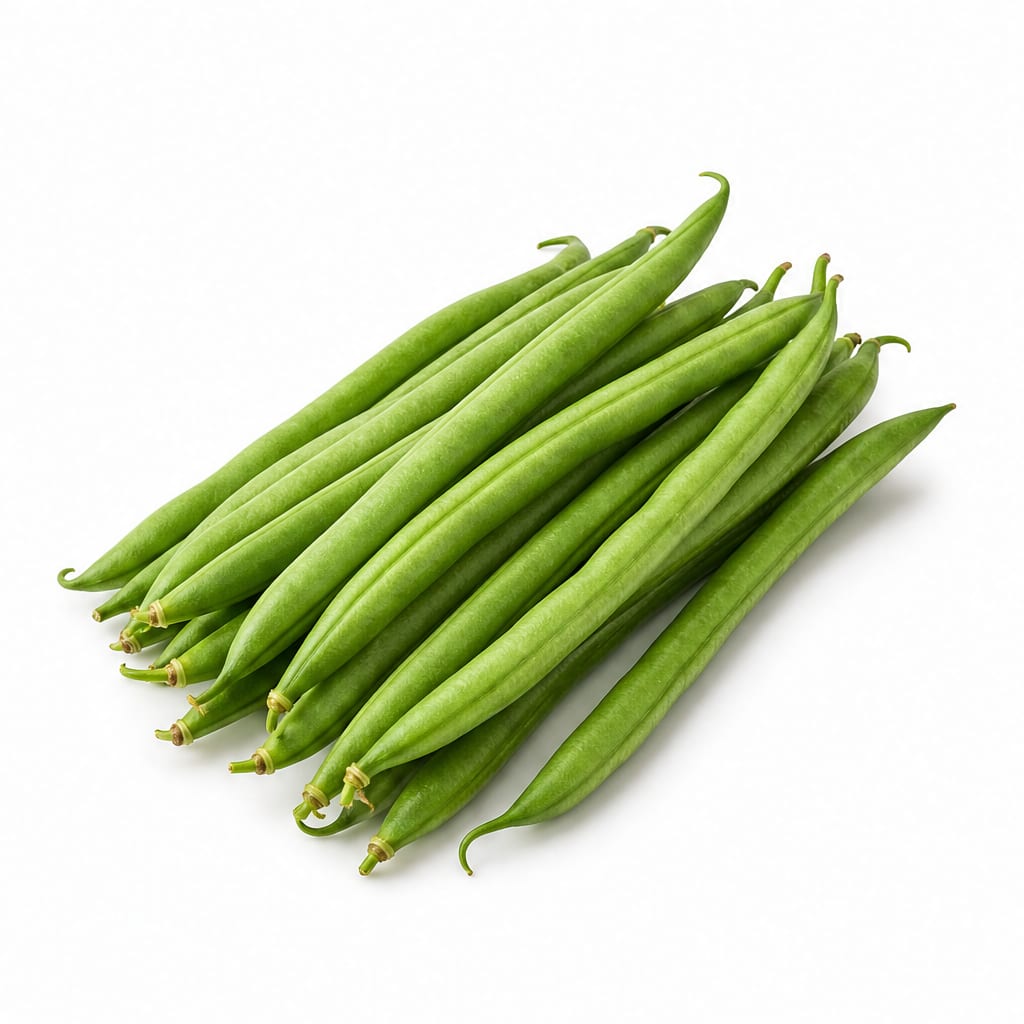
Green Beans
Green beans deliver more nutrition per bite and are far easier to find, but luffa offers a uniquely light, digestive-friendly option for those who can source it.
Green beans score notably higher due to superior nutritional density, wider availability, and more established safety profile. Luffa remains a solid choice for specific digestive needs but falls behind as an everyday staple.
Green beans win on nutritional density and availability; luffa wins on being gentler on the stomach and lower in calories.
At a glance
Executive summary
Overall
Green Beans
Healthier
Green Beans
More practical
Green Beans
Daily use
Green Beans
Key comparison lenses
nutritional density
Both are low-calorie vegetables but differ significantly in vitamin and mineral content per serving
everyday practicality
Green beans are widely available year-round; luffa requires specialty stores and seasonal access
digestive comfort
Luffa is traditionally valued for gentle digestion while green beans can cause bloating in sensitive people
weight management
Both are extremely low calorie but satiety and cooking methods differ substantially
safety and toxicity
Bitter luffa can contain dangerous cucurbitacins; raw green beans have lectin concerns
Best choice for
Luffa
- People with sensitive digestion who find green beans bloating
- Those seeking an ultra-low-calorie vegetable for volume eating
- Anyone managing constipation with a gentle, high-water vegetable
- Home cooks exploring Asian cuisine traditions
Green Beans
- Anyone prioritizing maximum vitamins and minerals per serving
- Families needing an affordable, widely available vegetable
- Meal preppers who want a vegetable that stores and reheats well
- People focused on heart and bone health through diet
Least suitable for
Luffa
- Anyone without access to Asian grocery stores
- People who need nutrient-dense foods in a calorie-restricted diet
- Those unfamiliar with identifying bitter vs safe luffa varieties
- Meal preppers needing long-lasting refrigerator staples
Green Beans
- People with significant legume sensitivity or IBS triggers
- Anyone prone to bloating from oligosaccharides and fiber
- Those who dislike the stringy texture of certain green bean varieties
Deep comparison
Dimension by dimension
Each lens scores both foods and breaks down who each option suits.
- Dimension 1 · Priority 92Green Beans
Nutritional Density
Luffa · 40Green Beans · 82Green beans pack significantly more vitamins K, C, A, folate, and manganese per serving than luffa, which is mostly water with trace nutrients.
Tradeoff
Luffa fills you up with fewer calories but delivers less nutritional value per bite; green beans require slightly more calories but reward you with substantially more micronutrients.
Why it matters
If you eat limited calories, every bite needs to count nutritionally. Green beans make each calorie work harder.
Real-world impact
A cup of green beans covers roughly 25% of your daily vitamin K and 15% of vitamin C. Luffa covers under 5% of most vitamins per cup.
Luffa
- Ultra-low-calorie volume eating
- Light meals where you want minimal caloric load
Better for
- Reliance on luffa as a significant nutrient source
- Using it as your primary green vegetable
Worse for
Green Beans
- Meeting daily vitamin needs efficiently
- Getting more nutrition from limited food intake
Better for
- Strict calorie minimization below all else
Worse for
- Dimension 2 · Priority 85Green Beans
Fiber and Satiety
Luffa · 45Green Beans · 78Green beans provide roughly 4g of fiber per cup compared to luffa's 1-2g, making them noticeably more filling and better for blood sugar stability.
Tradeoff
Luffa's lower fiber makes it easier on sensitive stomachs but less satisfying; green beans keep you fuller longer but may cause gas in some people.
Why it matters
Fiber is the difference between a vegetable that tides you over and one you forget you ate within an hour.
Real-world impact
A green bean side dish at lunch can help you avoid the 3pm snack attack. Luffa alone likely will not.
Luffa
- Those with IBS or fiber sensitivity
- Recovery meals after digestive upset
Better for
- Appetite control as a standalone vegetable
- Managing cravings throughout the day
Worse for
Green Beans
- Sustained fullness between meals
- Blood sugar management through slower digestion
Better for
- Evening meals for people prone to nighttime bloating
Worse for
- Dimension 3 · Priority 78Luffa
Digestive Tolerance
Luffa · 85Green Beans · 55Luffa is one of the gentlest vegetables you can eat, traditionally used to soothe digestion. Green beans contain oligosaccharides that commonly cause gas and bloating.
Tradeoff
Choosing luffa means choosing comfort over nutrition; choosing green beans means accepting potential bloating for better nutrient intake.
Why it matters
For people with IBS, sensitive stomachs, or post-illness recovery, the gentlest option often wins regardless of vitamin content.
Real-world impact
After a stomach bug or during a flare-up, luffa soup feels soothing. Green beans might make you uncomfortably gassy.
Luffa
- Post-illness digestive recovery
- IBS-friendly meal plans
- Gentle detox-style eating days
Better for
- Feeding gut bacteria that thrive on diverse fiber
Worse for
Green Beans
- Healthy guts that handle fiber well
- Building long-term gut microbiome diversity
Better for
- Sensitive digestion days
- Meals before social events where bloating is unwanted
Worse for
- Dimension 4 · Priority 85Green Beans
Availability and Convenience
Luffa · 25Green Beans · 92Green beans are available in virtually every grocery store year-round, frozen or fresh. Luffa requires Asian markets, seasonal timing, and often costs more.
Tradeoff
Green beans are the reliable everyday choice; luffa is a specialty ingredient that requires effort and planning to source.
Why it matters
The healthiest vegetable is the one you actually buy and eat consistently. Availability often trumps theoretical nutrition.
Real-world impact
You can grab green beans at any supermarket on any day. Finding fresh luffa might mean a 30-minute drive to a specialty store that may not have it in stock.
Luffa
- Those living near well-stocked Asian markets
- Cooking traditional Asian recipes where luffa is standard
Better for
- Spontaneous weeknight cooking
- Rural or small-town living without specialty markets
Worse for
Green Beans
- Weekly grocery runs at standard stores
- Meal prep that depends on reliable ingredient access
- Budget-conscious households
Better for
- Culinary exploration of diverse Asian cuisines
Worse for
- Dimension 5 · Priority 70Green Beans
Safety and Toxicity Risks
Luffa · 50Green Beans · 72Bitter luffa contains cucurbitacins that can cause serious illness, and consumers may not know how to identify dangerous varieties. Green beans' main risk is lectins in raw form, easily neutralized by cooking.
Tradeoff
Green beans have a well-understood, easily managed safety protocol: cook them. Luffa requires more knowledge to consume safely.
Why it matters
A vegetable that can make you sick if you pick the wrong one adds stress to grocery shopping that most people do not need.
Real-world impact
If your luffa tastes bitter, you should stop eating it immediately. Green beans just need a few minutes of cooking to be completely safe.
Luffa
- Experienced cooks who know how to select safe luffa
Better for
- Anyone unfamiliar with bitter luffa warning signs
- Raw tasting while cooking
Worse for
Green Beans
- Beginners who want straightforward food safety
- Households with children who might sample raw vegetables
Better for
- Raw salad preparations without blanching
Worse for
- Dimension 6 · Priority 72Green Beans
Culinary Versatility
Luffa · 50Green Beans · 80Green beans work in salads, stir-fries, casseroles, soups, and as a standalone side. Luffa is more limited, best suited for soups and stir-fries where its spongy texture absorbs flavors.
Tradeoff
Green beans adapt to nearly any cuisine or cooking method; luffa shines in specific dishes but feels out of place in others.
Why it matters
A versatile vegetable reduces meal planning fatigue and increases the chance you actually use what you buy.
Real-world impact
Green beans can anchor a week of different meals. Luffa works beautifully in a soup but you probably will not want it three days in a row.
Luffa
- Asian soups and stir-fries where its texture is prized
- Dishes where you want a vegetable that absorbs broth flavors
Better for
- Raw applications like salads or crudités
- Western-style roasting or grilling
Worse for
Green Beans
- Meal rotation across multiple cuisines
- Holiday sides, salads, and snack preparations
Better for
- Traditional Asian recipes specifically calling for luffa
Worse for
Timeline
Health impact over time
Short-term
Hours to days
Luffa
- Very gentle on the stomach, unlikely to cause bloating or discomfort
- Low satiety may leave you hungry sooner than expected
- Mild diuretic effect can feel cleansing but may increase urination
- Bitter specimens can cause nausea, vomiting, or diarrhea within hours
Green Beans
- Noticeable fullness after a standard serving due to fiber content
- Possible gas or bloating within a few hours, especially if you are not used to fiber
- Steadier blood sugar after meals when paired with carbs
- Raw consumption can cause nausea or vomiting from lectins
Long-term
Months to years
Luffa
- Consistent use as a primary vegetable may lead to insufficient vitamin intake
- Traditional medicine links luffa to liver support, though evidence is limited
- Low fiber intake long-term may not support optimal gut microbiome diversity
- Hydration benefits from high water content support kidney function
Green Beans
- Regular consumption supports bone health through consistent vitamin K intake
- Fiber contributes to lower cholesterol and improved gut health over months
- Antioxidant intake from carotenoids and flavonoids supports cellular health
- Long-term reduced risk of cardiovascular issues linked to consistent vegetable fiber intake
Risk profile
Safety & processing
Both luffa and green beans are whole, minimally processed vegetables typically sold fresh or frozen without additives. Neither raises processing concerns when purchased in their natural state.
Luffa
Cucurbitacin toxicity from bitter varieties
highBitter luffa contains cucurbitacins which can cause severe gastrointestinal distress, vomiting, and in rare cases hospitalization. If it tastes bitter, discard it immediately.
Pesticide residue on imported varieties
mediumImported luffa may carry higher pesticide residues depending on country of origin and agricultural standards. Washing thoroughly is essential.
Misidentification with inedible gourd species
mediumConsumers unfamiliar with luffa may confuse it with ornamental or wild gourds that are not food-safe. Buy from reputable vendors.
Green Beans
Lectin toxicity from raw or undercooked beans
mediumRaw green beans contain phytohemagglutinin which can cause nausea, vomiting, and diarrhea. Cooking for even a few minutes destroys the lectin completely.
Pesticide residue
lowGreen beans appear on the EWG's Dirty Dozen list some years. Choosing organic reduces exposure, but conventional is safe when washed.
Canning-related concerns
lowCanned green beans may contain added sodium and BPA from can linings. Frozen is a cleaner alternative with similar convenience.
Who wins for whom
Audience fit
Same foods, different winners depending on your goal.
children
Green BeansGreen beans are familiar, widely available, and easy to prepare safely. Luffa's toxicity risk with bitter varieties and unfamiliar texture make it a less practical choice for kids.
daily consumption
Green BeansGreen beans offer reliable nutrition, easy access, and straightforward preparation. Luffa's availability challenges and safety knowledge requirements make daily use impractical for most people.
diabetes
Green BeansGreen beans' higher fiber content slows glucose absorption more effectively. Their lower glycemic impact and better satiety help with portion control and blood sugar stability.
elderly
LuffaLuffa's soft texture when cooked and gentle digestibility suit aging digestive systems better. Elderly individuals often struggle with gas from green beans and appreciate easier-to-chew foods.
muscle gain
Green BeansNeither vegetable is a protein source, but green beans offer slightly more protein and more micronutrients that support recovery and muscle function.
weight loss
Green BeansGreen beans provide more fiber and satiety per serving, making it easier to eat less overall. Luffa's low calories sound ideal but its lack of filling power may lead to overeating later.
Your move
Decision guide
Choose Luffa
- You have access to fresh, safe luffa and know how to select it
- Your digestion is sensitive and green beans cause uncomfortable bloating
- You are cooking Asian soups or stir-fries where luffa's texture is traditional
- You want the lightest possible vegetable for a cleansing-style meal
Choose Green Beans
- You want maximum nutrition from your vegetable servings
- You need a reliable vegetable available at any grocery store
- You are meal prepping for the week and need something that stores well
- You are feeding a family and want a familiar, kid-friendly option
- You are managing blood sugar, cholesterol, or bone health through diet
Either works if
- You simply want a low-calorie vegetable side dish and both are available
- You are making a stir-fry and either would work as a green addition
- You are focusing on whole food variety and rotating vegetables weekly
Avoid both if
- You have a known allergy to gourds or legumes respectively
- You are seeking a significant protein source from your vegetables
- You need a calorie-dense food for weight gain purposes
Final recommendation
Make green beans your everyday vegetable for their nutritional reliability and convenience. Add luffa when you find it fresh at a trusted market and want something gentle and different. Think of green beans as your daily driver and luffa as an occasional guest that brings something special to the table.
Practical
Consumer tips
- 1
If your luffa tastes even slightly bitter, stop eating it immediately. Bitterness signals cucurbitacins which are genuinely toxic.
- 2
Always cook green beans before eating. Even brief blanching eliminates lectin concerns completely.
- 3
For the best luffa, choose young, firm specimens with smooth skin. Avoid any that feel soft or look discolored.
- 4
Frozen green beans retain nearly all the nutrients of fresh and are available year-round at lower cost.
- 5
If luffa is hard to find fresh, look for it in Chinese or Southeast Asian grocery stores, especially in summer months.
- 6
Pair either vegetable with a healthy fat like olive oil to absorb their fat-soluble vitamins more effectively.
- 7
If green beans cause bloating, try smaller portions and gradually increase over weeks to let your gut adapt.