
Nutrition comparison
Luffa vs Cucumber: Nutrition, Health Benefits, and Which to Choose
Compare luffa and cucumber side by side. Luffa offers more iron, fiber, and blood sugar support, while cucumber wins on hydration and convenience. Find out which fits your goals.
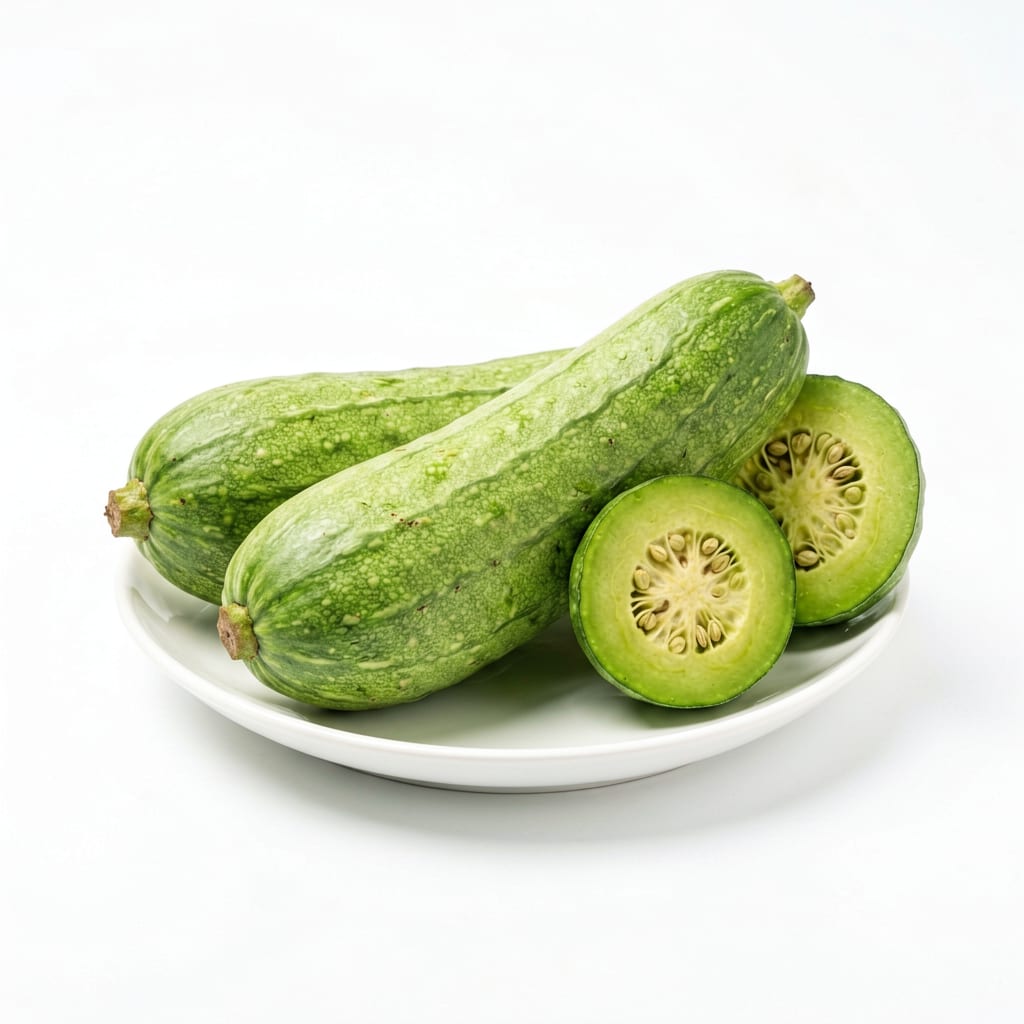
Luffa
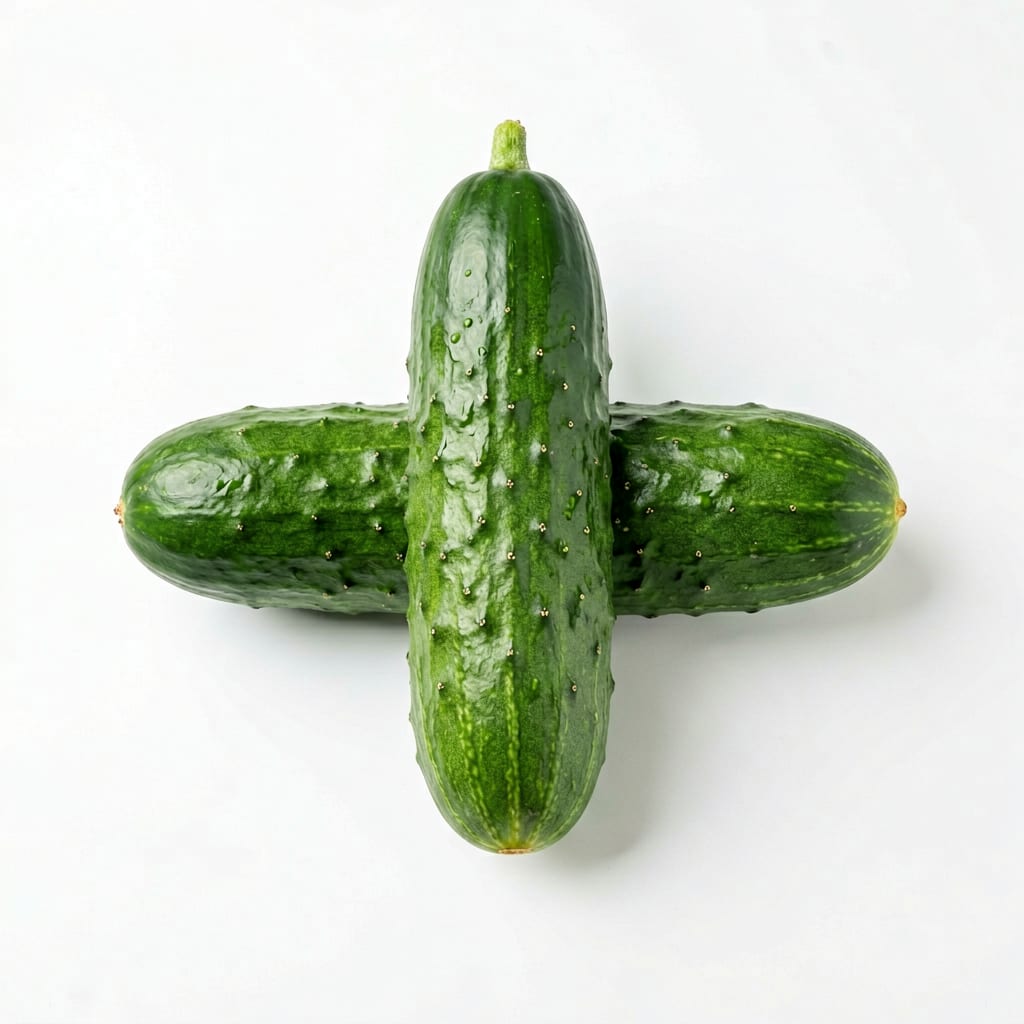
Cucumber
Luffa wins on nutrition and blood sugar benefits; cucumber wins on convenience, hydration, and everyday ease.
Luffa scores higher for nutrient density and therapeutic value, but cucumber's unmatched convenience and hydration keep it close. The gap reflects that luffa's advantages require more effort to access.
More nutrients and therapeutic potential in luffa versus the effortless availability and superior hydration of cucumber.
At a glance
Executive summary
Overall
It depends
Healthier
Luffa
More practical
Cucumber
Daily use
Cucumber
Key comparison lenses
nutrient density per calorie
Both foods are extremely low-calorie, so the real question is which delivers more nutrition per bite
digestive and gut benefits
Both are traditional digestive aids in Asian cuisines, but with different fiber profiles and gut effects
blood sugar management
Luffa has traditional use for blood sugar support, making this a key differentiator
everyday practicality and accessibility
Cucumber is universally available; luffa requires specialty stores and more prep knowledge
hydration and light eating
Both are cooling, water-rich foods popular in hot climates, but cucumber is the hydration champion
Best choice for
Luffa
- People managing blood sugar concerns
- Those seeking more iron and vitamin C from vegetables
- Anyone wanting traditional digestive support
- Cooking stir-fries and soups where texture matters
Cucumber
- People prioritizing hydration in hot weather
- Anyone needing a grab-and-go raw snack
- Those who want zero-prep vegetable options
- Salad lovers and meal preppers
Least suitable for
Luffa
- People without access to Asian or specialty grocery stores
- Anyone unfamiliar with preparing gourds
- Those who dislike slightly spongy or slimy textures
Cucumber
- People looking for meaningful nutrient intake from vegetables
- Those wanting sustained satiety from a snack
- Anyone needing iron or significant vitamins from their produce
Deep comparison
Dimension by dimension
Each lens scores both foods and breaks down who each option suits.
- Dimension 1 · Priority 92Luffa
Nutrient Density
Luffa · 72Cucumber · 38Luffa delivers noticeably more vitamin C, iron, and fiber per calorie than cucumber, which is mostly water.
Tradeoff
You get more nutrition from luffa but have to cook it, while cucumber can be eaten raw with zero effort.
Why it matters
If you eat vegetables partly for their vitamin and mineral content, cucumber offers very little per serving compared to luffa.
Real-world impact
A serving of luffa contributes meaningfully toward your daily iron and vitamin C; cucumber barely moves the needle on any nutrient.
Luffa
- Preventing mild iron deficiency
- Boosting vitamin C intake alongside meals
- Getting more from each calorie you eat
Better for
- Raw snacking — must be cooked to be palatable and safe
Worse for
Cucumber
- Pure hydration without worrying about nutrient balance
- Eating something light that won't feel heavy before activities
Better for
- Anyone relying on vegetables as a significant nutrient source
Worse for
- Dimension 2 · Priority 80Cucumber
Hydration Value
Luffa · 60Cucumber · 95Cucumber is roughly 96% water, making it one of the most hydrating foods you can eat. Luffa is moist but significantly less water-dense.
Tradeoff
Cucumber is essentially flavored water with crunch; luffa trades some hydration for more substance and nutrition.
Why it matters
In hot weather or after exercise, cucumber replenishes fluids faster and more enjoyably raw.
Real-world impact
Eating a cucumber on a summer afternoon feels genuinely refreshing. Luffa needs cooking, which eliminates the immediate cooling effect.
Luffa
- Soups and broths where you want the vegetable to absorb and hold liquid
Better for
- Quick raw hydration — not practical
Worse for
Cucumber
- Post-workout refreshment
- Hot weather snacking
- Replacing sugary drinks with a water-rich food
Better for
- Cooked dishes where water release dilutes flavor
Worse for
- Dimension 3 · Priority 82Luffa
Blood Sugar Support
Luffa · 78Cucumber · 55Luffa has traditional use in Asian medicine for blood sugar management and contains more fiber to slow glucose absorption. Cucumber is safe but passive on this front.
Tradeoff
Luffa actively helps steady blood sugar through fiber and bioactive compounds; cucumber simply does not spike it because it lacks carbs entirely.
Why it matters
If you are prediabetic or monitoring glucose, luffa offers a functional food advantage beyond basic low-carb status.
Real-world impact
Adding luffa to a meal may help blunt the blood sugar rise from rice or noodles. Cucumber will not hurt, but it will not actively help either.
Luffa
- Prediabetic individuals seeking functional food support
- Meals built around refined carbs that need a fiber buffer
Better for
- Strict keto — luffa has slightly more carbs than cucumber
Worse for
Cucumber
- Very low-carb diets where even small carb amounts matter
Better for
- Anyone hoping their vegetable choice actively improves glucose control
Worse for
- Dimension 4 · Priority 78Luffa
Digestive Comfort
Luffa · 75Cucumber · 65Luffa's higher fiber content supports regularity and gut health more effectively. Cucumber is gentle but provides minimal fiber.
Tradeoff
Luffa is better for promoting healthy digestion over time, but cucumber is easier on sensitive stomachs in the moment.
Why it matters
If constipation or sluggish digestion is your concern, luffa does more work. If you have a delicate stomach, cucumber is safer.
Real-world impact
Regular luffa consumption can help keep things moving. Cucumber is unlikely to cause any digestive upset but also unlikely to improve transit.
Luffa
- Occasional constipation relief through dietary fiber
- Supporting gut microbiome diversity
Better for
- People with IBS who react to certain fibers
Worse for
Cucumber
- Sensitive stomachs that react to fiber
- Recovery from stomach illness when you need gentle foods
Better for
- Chronic constipation — simply not enough fiber to help
Worse for
- Dimension 5 · Priority 88Cucumber
Everyday Convenience
Luffa · 30Cucumber · 92Cucumber can be washed and eaten immediately. Luffa requires peeling, cooking, and often de-sliming, plus it is harder to find.
Tradeoff
Cucumber is the ultimate low-effort vegetable. Luffa demands time, knowledge, and access to specialty stores.
Why it matters
The best vegetable for your health is the one you actually eat regularly. Convenience often wins over marginal nutritional advantages.
Real-world impact
You can slice a cucumber in 30 seconds for lunch. Luffa requires a grocery trip to an Asian market, peeling, and at least 10 minutes of cooking.
Luffa
- Weekend cooking when you have time to prepare proper dishes
- Cultural or traditional recipes where luffa is essential
Better for
- Anyone with limited cooking time or facilities
Worse for
Cucumber
- Busy weeknights
- Office lunches and on-the-go snacking
- Meal prep that needs to be fast
Better for
- Cooked dishes where cucumber's texture collapses
Worse for
- Dimension 6 · Priority 72It depends
Culinary Versatility
Luffa · 60Cucumber · 70Cucumber works raw and cooked across many cuisines. Luffa excels in specific Asian dishes but has limited range outside that context.
Tradeoff
Cucumber fits anywhere from salads to smoothies to pickles. Luffa shines in stir-fries and soups but feels out of place in most Western recipes.
Why it matters
If you cook Asian food regularly, luffa is a star ingredient. Otherwise, cucumber adapts to whatever you are making.
Real-world impact
Cucumber goes in sandwiches, salads, tzatziki, and infused water. Luffa goes in stir-fries, miso soup, and curries — and that is about it for most home cooks.
Luffa
- Asian stir-fries and soups where its texture absorbs flavors beautifully
- Traditional recipes that call for it specifically
Better for
- Raw dishes — texture is unpleasant uncooked
- Western-style recipes where it feels out of place
Worse for
Cucumber
- Raw applications like salads and snacks
- Global cuisine adaptation from Mediterranean to Japanese
- Pickling and fermenting
Better for
- Hot dishes where its crunch disappears and it becomes watery
Worse for
Timeline
Health impact over time
Short-term
Hours to days
Luffa
- Provides a satisfying cooked vegetable portion that feels more filling than cucumber
- Fiber helps stabilize post-meal blood sugar when eaten with carbohydrates
- Slight diuretic effect may reduce bloating for some people
Cucumber
- Immediate hydration boost, especially in hot weather or after exercise
- Very gentle on the stomach — unlikely to cause any digestive discomfort
- Crunchy texture can satisfy the urge to snack without heavy calories
Long-term
Months to years
Luffa
- Consistent fiber intake supports gut health and regularity over time
- Iron and vitamin C content may help prevent mild deficiency with regular consumption
- Traditional blood sugar support could benefit metabolic health when part of a balanced diet
Cucumber
- Excellent for maintaining hydration habits long-term, especially for people who do not drink enough water
- Very low calorie intake supports weight maintenance but will not address nutrient gaps
- Minimal risk of any adverse effects even with daily consumption
Risk profile
Safety & processing
Both luffa and cucumber are whole, unprocessed vegetables when purchased fresh. Neither typically carries additives in their raw form. The main concern is pesticide residue on cucumber skins, which is manageable by peeling or choosing organic.
Luffa
Bitter variety toxicity
mediumSome luffa varieties develop extreme bitterness from cucurbitacins, which can cause nausea, vomiting, and diarrhea. If your luffa tastes unusually bitter, discard it immediately.
Improper identification
mediumWild luffa lookalikes can be toxic. Always purchase from reputable markets rather than foraging unless you are expert-trained.
Pesticide residue
lowLess regulated than cucumber in some markets. Wash thoroughly and peel when possible.
Cucumber
Pesticide residue on skin
mediumCucumber consistently ranks on EWG's Dirty Dozen list for pesticide residue. Peeling or buying organic significantly reduces exposure.
Cucurbitacin sensitivity
lowSome people experience burping or mild digestive discomfort from cucurbitacins in cucumber skin. Burpless varieties minimize this.
Who wins for whom
Audience fit
Same foods, different winners depending on your goal.
children
CucumberCucumber's mild crunch and familiar taste are far more kid-friendly than luffa's spongy cooked texture.
daily consumption
CucumberCucumber's convenience, universal availability, and near-zero risk of adverse effects make it the easier daily habit.
diabetes
LuffaLuffa's fiber content and traditional blood sugar support give it a functional edge, though both are safe low-glycemic choices.
elderly
LuffaLuffa's soft cooked texture is easier to chew for dental issues, and its iron content addresses a common elderly deficiency.
muscle gain
It dependsNeither food contributes meaningful protein or calories for muscle building. Both serve only as side vegetables in a muscle-gain diet.
weight loss
CucumberBoth are extremely low calorie, but cucumber's grab-and-go nature makes it easier to eat consistently as a snack replacement.
Your move
Decision guide
Choose Luffa
- You cook Asian dishes regularly and want a nutrient-dense vegetable for stir-fries and soups
- You are managing blood sugar and want a functional food that actively helps
- You need more iron and vitamin C from your vegetable intake
- You enjoy exploring traditional ingredients with therapeutic reputations
Choose Cucumber
- You want a no-cook snack you can eat every day without thinking
- Hydration is your priority, especially in hot weather
- You need a vegetable that works in salads, sandwiches, and smoothies
- You have limited access to specialty grocery stores
Either works if
- You simply want a low-calorie vegetable side and both are available
- You are trying to increase overall vegetable variety in your diet
Avoid both if
- You need calorie-dense or protein-rich foods to meet daily nutritional targets
- You are looking for a single vegetable to serve as a nutritional cornerstone
Final recommendation
Keep cucumber as your daily staple for its effortless convenience and hydration, but add luffa when you cook Asian meals and want something more nutritionally substantial. They complement each other rather than compete — cucumber for raw snacking, luffa for cooked nourishment.
Practical
Consumer tips
- 1
If your luffa tastes very bitter, do not eat it — extreme bitterness signals dangerous cucurbitacin levels
- 2
Peel cucumbers or buy organic to reduce pesticide exposure, since they rank high on residue lists
- 3
Luffa pairs naturally with garlic, ginger, and soy sauce — keep the flavor profile simple and it shines
- 4
Add luffa to soup at the last minute to preserve its texture; overcooking makes it mushy
- 5
For cucumber, try salt-slicing: sprinkle salt on slices and let them sit 10 minutes, then pat dry for better crunch and flavor
- 6
If you cannot find fresh luffa, frozen is acceptable for soups but loses texture for stir-fries