
Nutrition comparison
Luffa vs Celery: Nutrition, Safety, and Which Low-Calorie Vegetable to Choose
Compare luffa and celery side by side on nutrients, fiber, safety, and practicality. Find out which low-calorie vegetable fits your diet and lifestyle better.
Overall winner · Celery
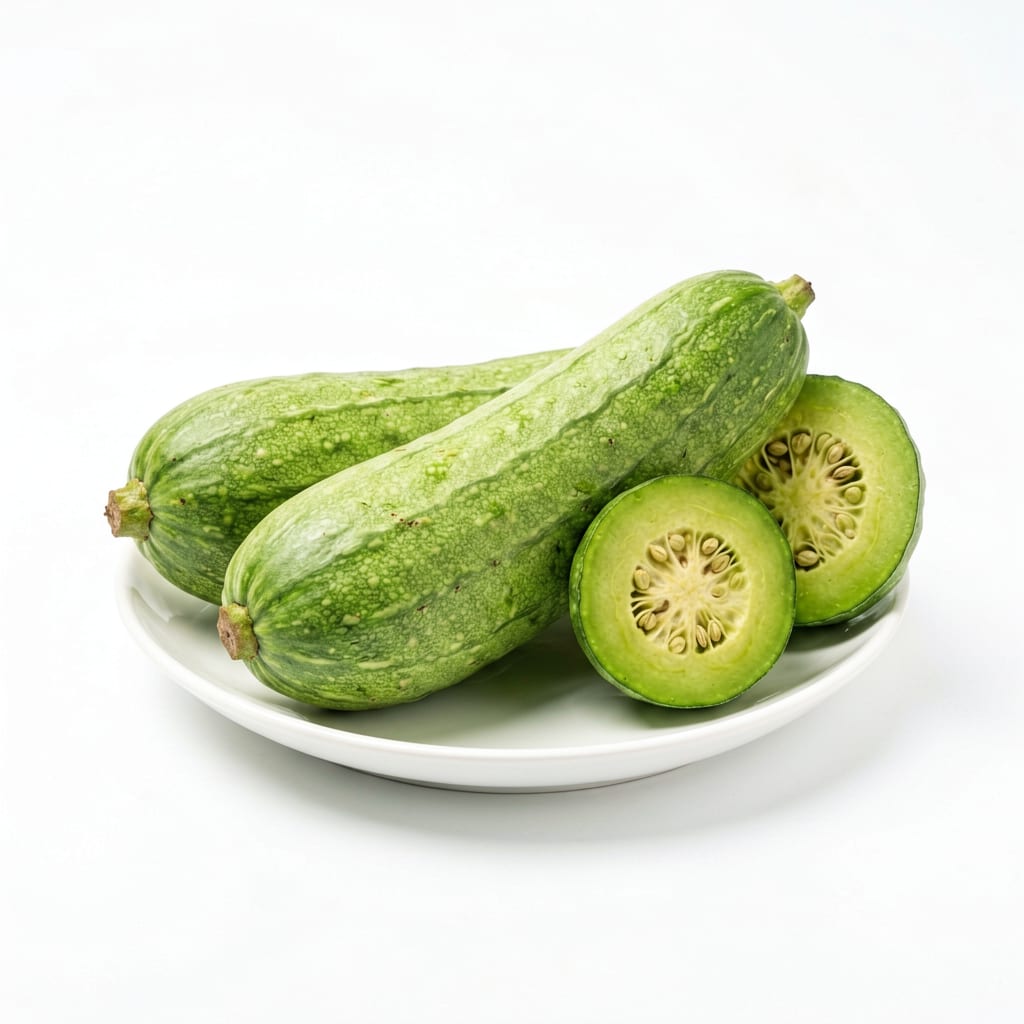
Luffa
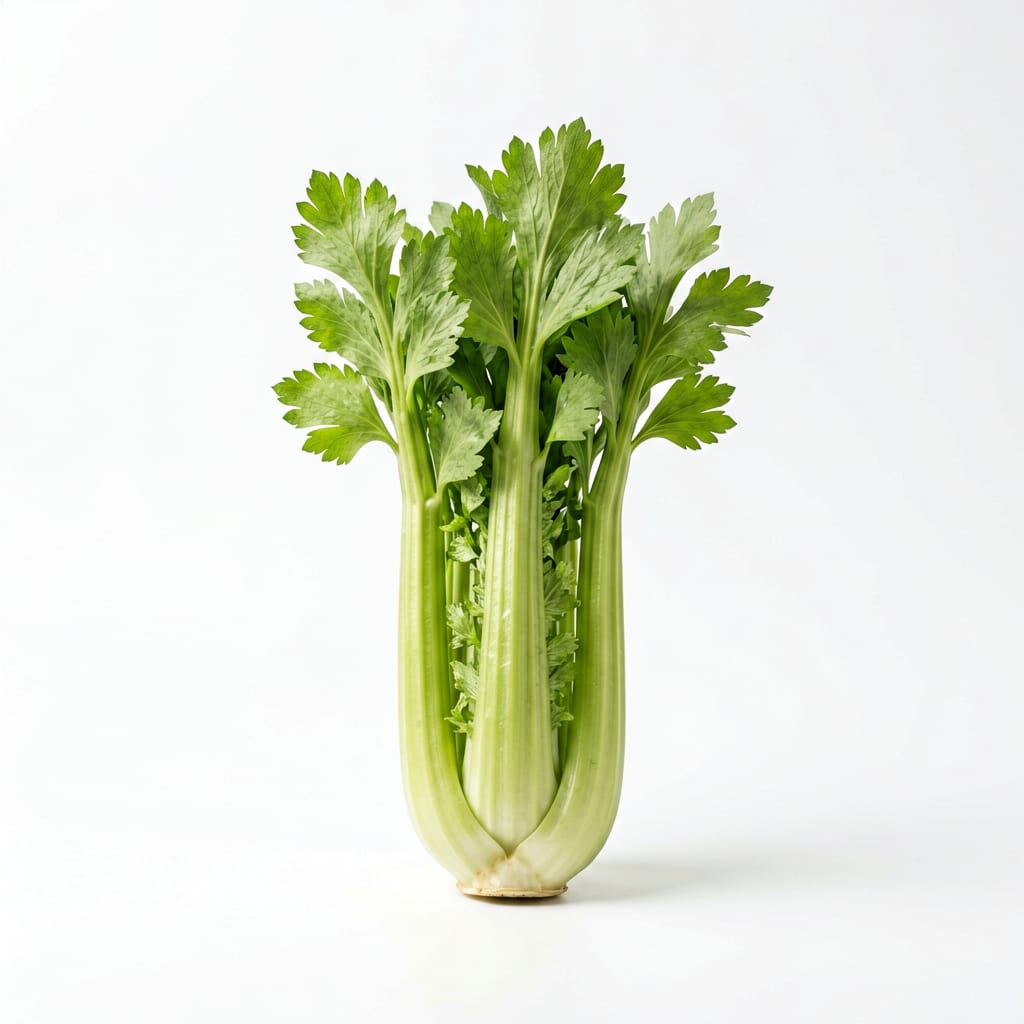
Celery
Celery wins for everyday nutrition and accessibility, but luffa offers unique digestive benefits and a different culinary experience when you can find it.
Celery scores higher due to superior nutrient density, universal availability, and stronger evidence base. Luffa remains a solid choice when accessible but loses points for scarcity, preparation complexity, and bitterness toxicity concerns.
Celery delivers more consistent nutrients and is always available; luffa provides a softer texture and gentle laxative effect but is harder to source and has a bitterness toxicity risk.
At a glance
Executive summary
Overall
Celery
Healthier
Celery
More practical
Celery
Daily use
Celery
Key comparison lenses
Low-calorie snacking and weight management
Both foods are extremely low in calories, making them popular for weight-conscious eaters deciding between them
Nutrient density per calorie
With such low calorie counts, the real question is which delivers more vitamins and minerals per bite
Hydration and water content
Both are heavily water-based vegetables, so users want to know if one offers more beyond just water
Digestive health and fiber
Both are used for digestion support, but their fiber profiles differ meaningfully
Availability and everyday practicality
Celery is a grocery staple worldwide while luffa requires specialty stores, heavily impacting real-world choices
Best choice for
Luffa
- People seeking gentle natural laxative effects
- Those wanting a soft-textured low-calorie cooked vegetable
- Anyone exploring Asian cuisine traditions
- People avoiding high-sodium vegetables
Celery
- Everyday snackers wanting crunch and convenience
- Anyone prioritizing vitamin K and antioxidant intake
- People who need a readily available grocery staple
- Those managing inflammation through diet
Least suitable for
Luffa
- People without access to Asian grocery stores
- Anyone unfamiliar with identifying safe versus bitter luffa varieties
- Those wanting a raw crunchy snack
Celery
- People on strict low-sodium diets who eat large volumes
- Those with celery allergy or birch pollen sensitivity
- Anyone concerned about pesticide exposure who cannot afford organic
Deep comparison
Dimension by dimension
Each lens scores both foods and breaks down who each option suits.
- Dimension 1 · Priority 90Celery
Nutrient Density
Luffa · 45Celery · 68Celery packs more vitamins and minerals per calorie, especially vitamin K, folate, and potassium. Luffa is not nutrient-poor but offers less per serving.
Tradeoff
Luffa contains some vitamin C and modest minerals, but celery provides a broader micronutrient profile with stronger clinical evidence behind its key nutrients.
Why it matters
When eating very low-calorie foods, every bite needs to count nutritionally. Celery delivers more per crunch.
Real-world impact
A cup of celery covers roughly 15% of daily vitamin K needs; luffa covers less than 5% of any single vitamin requirement.
Luffa
- People who want mild vitamin C from a cooked vegetable
Better for
- Anyone counting on significant vitamin intake from this food alone
Worse for
Celery
- Anyone tracking micronutrient intake
- People who rely on vegetables as a primary vitamin K source
- Those wanting measurable nutritional impact from low-calorie foods
Better for
- People who eat enormous quantities and need to watch cumulative sodium
Worse for
- Dimension 2 · Priority 85It depends
Fiber and Digestive Health
Luffa · 65Celery · 62Luffa has a gentle laxative reputation and softer fiber that soothes the gut. Celery offers more total fiber with a satisfying crunch that slows eating pace.
Tradeoff
Luffa is traditionally used for constipation relief and is easier on sensitive stomachs when cooked. Celery provides more insoluble fiber but can bother those with IBS.
Why it matters
Fiber type matters as much as amount. Soluble, gentle fiber helps sensitive digestion; rougher fiber helps regularity and satiety differently.
Real-world impact
Cooked luffa feels comforting and easy to digest after a heavy meal. Raw celery sticks keep you chewing longer and feeling fuller between meals.
Luffa
- People with constipation seeking a gentle natural remedy
- Those with sensitive digestion who find raw vegetables irritating
- Anyone recovering from stomach illness needing soft plant foods
Better for
- People wanting significant fiber numbers per serving
Worse for
Celery
- People wanting to increase daily fiber intake consistently
- Those who benefit from the satiety of crunchy high-fiber snacking
- Anyone building a high-fiber diet from common grocery items
Better for
- Those with IBS who react to stringy or rough insoluble fiber
Worse for
- Dimension 3 · Priority 82Celery
Antioxidant and Anti-inflammatory Value
Luffa · 40Celery · 72Celery contains apigenin and luteolin, two well-studied flavonoids with anti-inflammatory properties. Luffa has antioxidants but far less research validating their effects.
Tradeoff
Celery's antioxidant profile is backed by human studies showing benefits for inflammation markers. Luffa's antioxidant content is real but less characterized and less proven.
Why it matters
Chronic inflammation drives many long-term health issues. Choosing vegetables with proven anti-inflammatory compounds adds up over years.
Real-world impact
Regular celery consumption is associated with lower inflammatory markers in population studies. Luffa may help, but the evidence is mostly traditional rather than clinical.
Luffa
- Those who value traditional medicine approaches even without strong clinical data
Better for
- Anyone seeking clinically proven anti-inflammatory vegetable choices
Worse for
Celery
- Anyone managing chronic inflammation through diet
- People wanting evidence-backed antioxidant benefits
- Those at risk for inflammatory conditions wanting preventive foods
Better for
- People who only eat small amounts and need more concentrated antioxidant sources
Worse for
- Dimension 4 · Priority 78Celery
Availability and Practicality
Luffa · 25Celery · 95Celery is available in virtually every grocery store worldwide year-round. Luffa requires Asian markets or specialty produce sections and is seasonal in many regions.
Tradeoff
The best vegetable nutritionally means little if you cannot buy it. Celery's universal availability makes it the realistic daily choice for most people.
Why it matters
Consistency beats perfection. A vegetable you can actually buy and eat regularly outperforms a theoretically superior one that sits on a wish list.
Real-world impact
You can grab celery at any corner store for a quick snack. Finding luffa might require a special trip across town and often costs more per pound.
Luffa
- People living near well-stocked Asian grocery stores
- Home gardeners in warm climates who can grow their own
Better for
- Anyone in rural areas or food deserts
- People who need to plan meals around what is immediately available
Worse for
Celery
- Busy people who need reliable grocery access
- Anyone meal prepping with standard supermarket ingredients
- People in regions without specialty produce markets
Better for
- Those bored with common vegetables wanting culinary variety
Worse for
- Dimension 5 · Priority 70Celery
Culinary Versatility
Luffa · 45Celery · 78Celery works raw, cooked, juiced, and as an aromatic base in countless recipes. Luffa is almost always cooked and fits primarily Asian-style dishes.
Tradeoff
Celery adapts to salads, soups, stir-fries, snacks, and juices. Luffa excels in specific cooked preparations but has a narrower range.
Why it matters
Versatility determines how often a food actually gets eaten. More ways to use it means more consistent intake.
Real-world impact
Celery can be your morning juice, lunch snack, and dinner soup base all on the same day. Luffa is typically a single-dish ingredient for dinner.
Luffa
- Home cooks wanting to explore traditional Asian recipes
- People who enjoy soft, absorbent textures in stews and curries
Better for
- Those wanting a grab-and-go raw vegetable
Worse for
Celery
- Anyone who wants one vegetable that works across all meals
- People who enjoy raw snacking
- Juicing enthusiasts
Better for
- People tired of celery's familiar flavor wanting new tastes
Worse for
- Dimension 6 · Priority 75Celery
Safety and Contamination Risk
Luffa · 50Celery · 65Both have safety considerations. Luffa can develop dangerous cucurbitacins causing bitterness and toxicity. Celery ranks high for pesticide residues but is safe when washed or bought organic.
Tradeoff
Bitter luffa can cause serious gastrointestinal toxicity and should never be eaten. Celery's pesticide risk is manageable with proper sourcing and washing.
Why it matters
A food that can make you sick from a single bad piece creates real anxiety. Celery's risks are more predictable and controllable.
Real-world impact
If your luffa tastes unusually bitter, you must discard it immediately to avoid nausea and vomiting. Celery just needs a good wash or organic sourcing.
Luffa
- People who grow their own and can harvest young, sweet fruit reliably
Better for
- Inexperienced cooks who cannot identify safe versus bitter fruit
- Anyone sourcing from unfamiliar vendors
Worse for
Celery
- Anyone wanting predictable food safety
- People willing to buy organic to eliminate pesticide concerns
Better for
- People who cannot afford organic and worry about pesticide load
Worse for
Timeline
Health impact over time
Short-term
Hours to days
Luffa
- Gentle laxative effect within hours of eating cooked luffa
- Light, comfortable fullness without heaviness
- Risk of nausea and vomiting if bitter varieties are consumed
Celery
- Quick hydration from high water content
- Satisfying crunch that slows eating and improves satiety signaling
- Possible mouth tingling or allergic reaction in sensitive individuals
Long-term
Months to years
Luffa
- Traditional use suggests improved regularity and gut comfort over time
- Modest vitamin C intake supports immune function with consistent consumption
- Potential antioxidant benefits remain plausible but unproven in long-term studies
Celery
- Consistent vitamin K intake supports bone density and blood clotting function
- Apigenin consumption linked to lower inflammatory markers in population research
- Regular fiber intake promotes cardiovascular and digestive health over years
Risk profile
Safety & processing
Both luffa and celery are whole, minimally processed vegetables typically eaten close to their natural state. Neither carries meaningful additive concerns when purchased fresh.
Luffa
Cucurbitacin toxicity from bitter varieties
highSome luffa develop cucurbitacins that cause intense bitterness, nausea, vomiting, and diarrhea. Any unusually bitter luffa should be discarded immediately and not eaten.
Contamination from agricultural water
mediumAs with any fresh produce, luffa can carry surface contaminants from irrigation water. Thorough washing before cooking is essential.
Celery
Pesticide residue exposure
mediumCelery consistently appears on the Environmental Working Group's Dirty Dozen list due to high pesticide residue detection. Buying organic significantly reduces this concern.
Allergic reactions in sensitive individuals
lowCelery allergy is one of the more common vegetable allergies, especially in Europe. It can cause oral allergy syndrome or, rarely, anaphylaxis in highly sensitive people.
Who wins for whom
Audience fit
Same foods, different winners depending on your goal.
children
CeleryCelery sticks with peanut butter or hummus are a kid-friendly classic. Luffa's texture and preparation requirements make it less practical for children, and the bitterness risk adds concern.
daily consumption
CeleryCelery's availability, versatility, and safety profile make it a reliable daily staple. Luffa works well when accessible but is harder to maintain as a consistent daily habit.
diabetes
CeleryCelery has a glycemic index near zero and provides fiber that slows glucose absorption from other foods. Luffa is also safe for blood sugar but offers less fiber benefit.
elderly
LuffaCooked luffa is soft and easy to chew, making it gentler for aging teeth and sensitive digestion. Celery's stringy texture can be challenging for some older adults to manage comfortably.
muscle gain
It dependsNeither food meaningfully supports muscle gain. Both are essentially hydration and micronutrient sources that complement a protein-rich diet but contribute negligible protein themselves.
weight loss
CeleryBoth are extremely low in calories, but celery's crunch and higher fiber content provide more satiety per calorie, making it easier to stick with a calorie deficit.
Your move
Decision guide
Choose Luffa
- You have access to fresh, sweet luffa from a trusted source
- You want a gentle natural remedy for occasional constipation
- You enjoy cooking Asian dishes and want authentic texture
- You prefer soft cooked vegetables over raw crunchy ones
- You are monitoring sodium and want a virtually sodium-free option
Choose Celery
- You want a reliable everyday vegetable available at any store
- You are building an anti-inflammatory eating pattern
- You enjoy raw snacking and need convenient low-calorie options
- You want measurable vitamin K and folate intake from vegetables
- You need one versatile ingredient that works across all meals
Either works if
- You simply want a hydrating, low-calorie vegetable side dish
- You are trying to increase overall vegetable variety in your diet
- Both are available and you want to rotate for dietary diversity
Avoid both if
- You need significant protein or calorie intake from your vegetables
- You are looking for a single vegetable to meet most nutritional needs
- You have severe oral allergy syndrome to multiple raw vegetables
Final recommendation
Keep celery as your daily staple for its proven nutrients, convenience, and versatility. Add luffa when you find it fresh and sweet for digestive comfort and culinary variety. Think of celery as your reliable workhorse and luffa as an occasional specialty that brings something different to the table.
Practical
Consumer tips
- 1
Always taste-test a tiny piece of raw luffa before cooking. If it tastes bitter, throw the whole fruit away immediately.
- 2
Buy organic celery when possible to avoid pesticide residues, or wash conventional celery thoroughly under running water.
- 3
Peel luffa before cooking to reduce bitterness risk and improve texture in stir-fries and soups.
- 4
Store celery wrapped in aluminum foil in the crisper drawer to keep it crisp for over two weeks.
- 5
Use luffa within two days of purchase as it deteriorates faster than celery.
- 6
If you have birch pollen allergy, cook celery before eating to reduce oral allergy symptoms.
- 7
Pair celery with hummus, guacamole, or nut butter to turn a low-calorie snack into something more satisfying.
- 8
Grow luffa at home in warm climates for a reliable, safe supply if you enjoy it regularly.