
Nutrition comparison
Luffa vs Bottle Gourd: Which Gourd Is Safer and Healthier for Daily Cooking?
Compare Luffa and Bottle Gourd nutrition, safety, fiber, and cooking uses. Learn why Luffa may be the safer everyday choice and when Bottle Gourd still wins.
Overall winner · Luffa
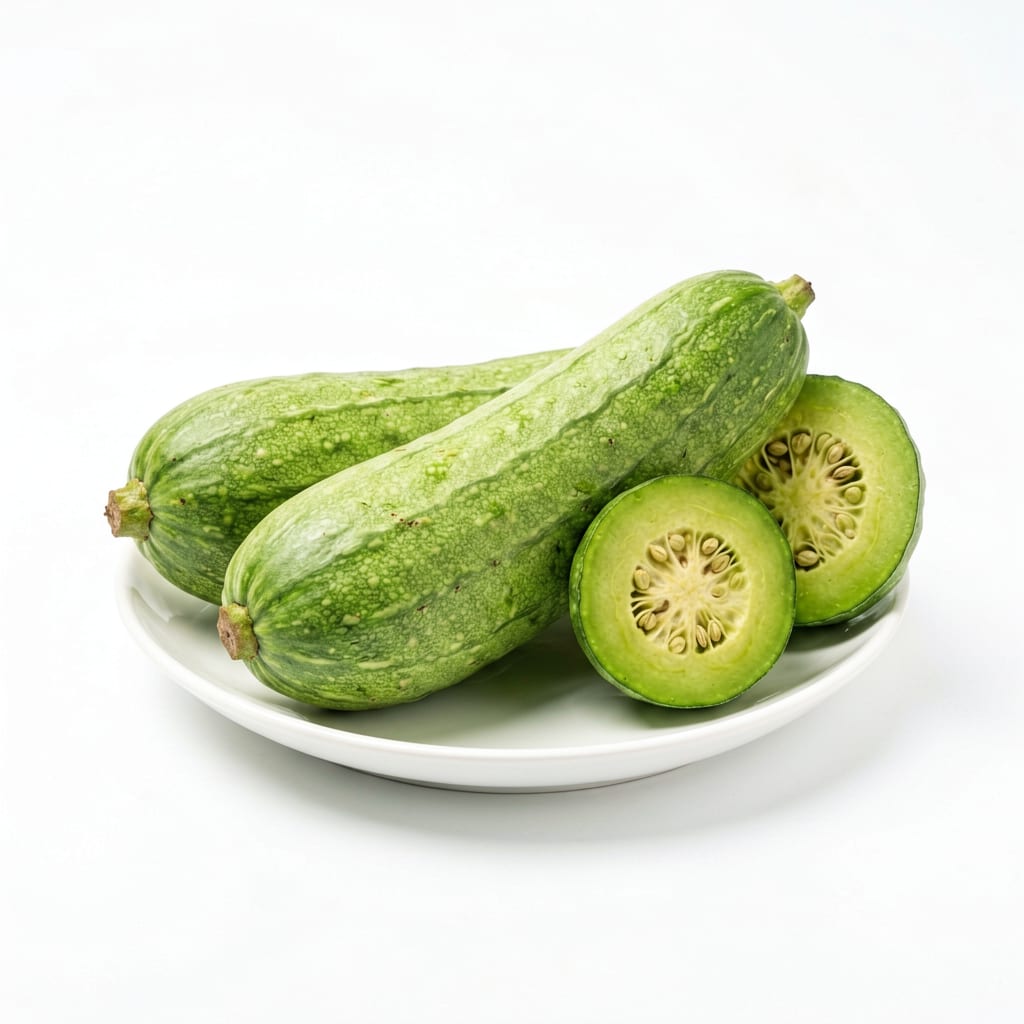
Luffa
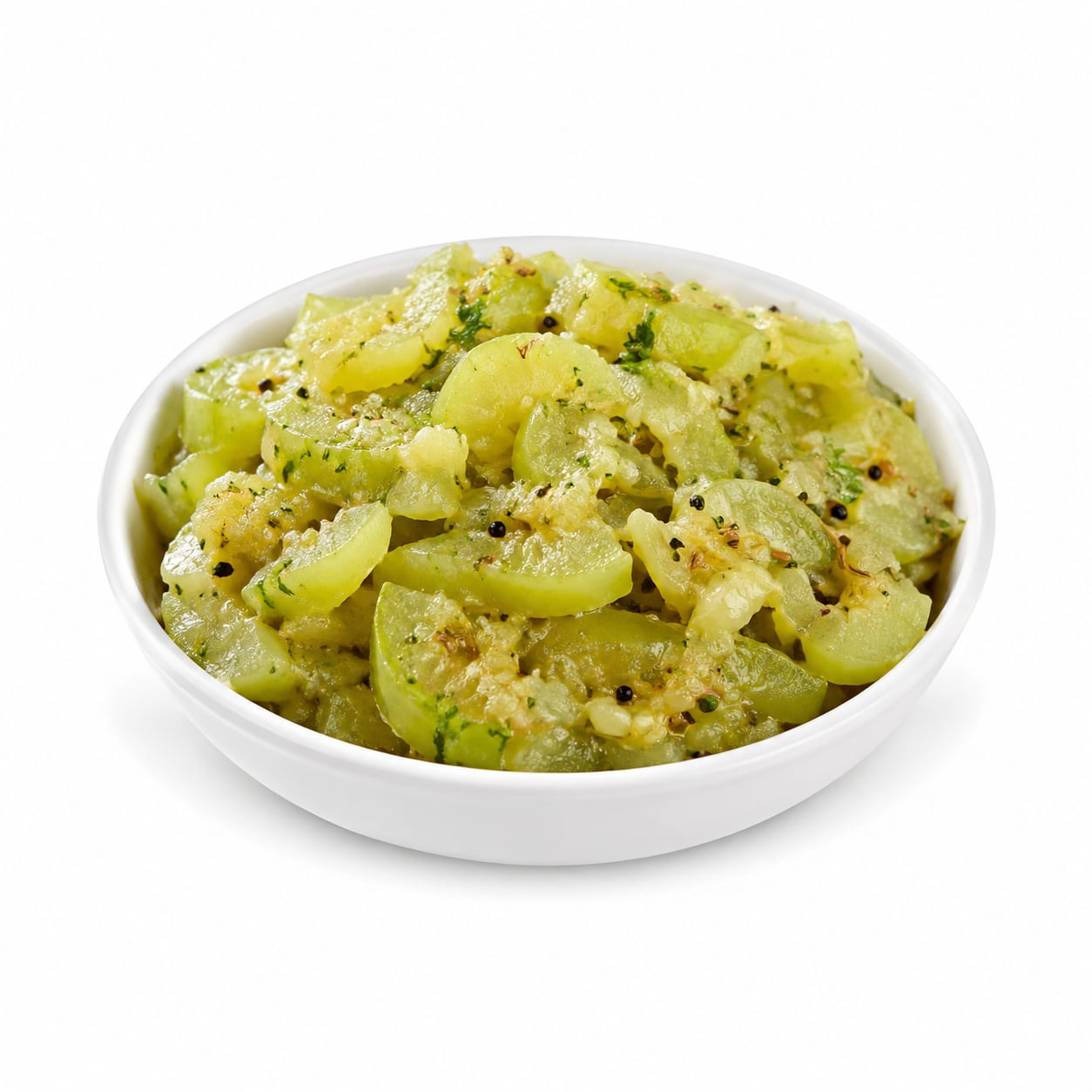
Bottle Gourd
Luffa edges ahead due to better fiber content and significantly lower toxicity risk, though both are excellent light vegetables for daily cooking.
Luffa scores higher primarily on safety and fiber content. Bottle gourd loses ground on the documented toxicity risk with bitter specimens and lower fiber density. The gap is moderate because both are nutritionally similar low-calorie vegetables.
Bottle gourd is slightly more hydrating and traditional for certain dishes, but carries a rare but serious bitterness-toxicity risk that Luffa largely avoids.
At a glance
Executive summary
Overall
Luffa
Healthier
Luffa
More practical
Luffa
Daily use
Luffa
Key comparison lenses
safety and toxicity risk
Bitter bottle gourd has documented cases of severe toxicity and hospitalizations, making this the single most critical differentiator
digestive health and light eating
Both are traditional gut-soothing vegetables used across Asian cuisines, often chosen specifically for digestive comfort
weight management and calorie density
Both are extremely low-calorie vegetables commonly used in weight-loss diets across South and East Asia
blood sugar friendly eating
Both are staples in diabetic-friendly meal plans due to minimal carbohydrate load
everyday cooking versatility
Users choosing between these want to know which fits more easily into weekly meal rotation
Best choice for
Luffa
- People who want a safer everyday gourd without bitterness checks
- Those seeking more fiber per serving for gut regularity
- Anyone new to cooking gourds who wants a forgiving ingredient
Bottle Gourd
- Traditional South Asian recipes where lauki is culturally expected
- People following Ayurvedic dietary practices that specifically call for bottle gourd
- Those wanting the lowest possible calorie vegetable for extreme calorie restriction
Least suitable for
Luffa
- People who find the texture too spongy or fibrous
- Traditional recipes that specifically require bottle gourd's softer consistency
Bottle Gourd
- Anyone unaware of the bitterness toxicity risk
- Households with children who might not detect or report bitter taste
- People with sensitive stomachs who are more affected by cucurbitacins
Deep comparison
Dimension by dimension
Each lens scores both foods and breaks down who each option suits.
- Dimension 1 · Priority 95Luffa
safety_and_toxicity
Luffa · 88Bottle Gourd · 52Bitter bottle gourd contains cucurbitacins that have caused hospitalizations and even deaths. Luffa has minimal toxicity concerns by comparison.
Tradeoff
Bottle gourd's long culinary tradition comes with a real, documented safety asterisk that Luffa largely sidesteps.
Why it matters
One bad bitter bottle gourd can cause vomiting, diarrhea, and ulcers within hours. This is not theoretical — cases are reported regularly in South Asia.
Real-world impact
If you cook bottle gourd, you must taste a raw piece first and discard the entire vegetable if bitter. Luffa rarely requires this precaution.
Luffa
- Worry-free weekly cooking
- Households with kids or elderly who might not notice bitterness
- People who batch-cook and store vegetables without tasting first
Better for
Bottle Gourd
- Careless preparation without bitterness testing
- Large-batch cooking where one bitter gourd contaminates an entire dish
- People with compromised digestion who are more sensitive to cucurbitacins
Worse for
- Dimension 2 · Priority 85Luffa
fiber_and_digestive_health
Luffa · 78Bottle Gourd · 58Luffa provides roughly 3-4 times more fiber per serving than bottle gourd, making it significantly better for gut regularity and satiety.
Tradeoff
Bottle gourd's softer texture and lower fiber make it easier to eat in larger quantities, but you get less digestive benefit per bite.
Why it matters
Fiber is what makes a low-calorie vegetable actually filling. Without it, you are mostly eating water with trace nutrients.
Real-world impact
A Luffa stir-fry keeps you satisfied longer. A bottle gourd curry feels lighter and disappears from your stomach faster.
Luffa
- Constipation relief
- Building meals that actually hold you between lunch and dinner
- Supporting healthy gut bacteria through prebiotic fiber
Better for
- Anyone currently on a low-fiber diet for acute digestive issues
Worse for
Bottle Gourd
- Post-illness recovery when you need very gentle, low-residue food
- People with IBD flares who need minimal fiber temporarily
Better for
- Reliance on it for fullness without adding other fiber sources
- Expecting significant gut-health benefits from fiber alone
Worse for
- Dimension 3 · Priority 80Bottle Gourd
calorie_density_and_weight_loss
Luffa · 72Bottle Gourd · 80Bottle gourd is slightly lower in calories per serving, making it the marginally better choice for aggressive calorie restriction.
Tradeoff
The calorie difference is small — roughly 6 calories per 100g — and Luffa's extra fiber may reduce overall calorie intake through better satiety.
Why it matters
For strict calorie counting, every calorie matters. But fiber-driven fullness often matters more for sustainable weight loss.
Real-world impact
If you are doing a very low-calorie diet, bottle gourd lets you eat slightly more volume. If you are doing a sustainable lifestyle change, Luffa keeps you fuller.
Luffa
- Sustainable weight loss where satiety prevents snacking
- Replacing higher-calorie foods without feeling deprived
Better for
Bottle Gourd
- Very low-calorie diet protocols under medical supervision
- Soup-based diets where maximum volume per calorie matters
Better for
- Eating large portions without adding protein or fat, leading to hunger rebounds
Worse for
- Dimension 4 · Priority 70Bottle Gourd
hydration_and_cooling_effect
Luffa · 70Bottle Gourd · 78Both are over 90% water, but bottle gourd is traditionally regarded as more cooling and hydrating in Ayurvedic and Chinese medicine.
Tradeoff
The hydration difference is marginal in practice, but bottle gourd's cultural reputation as a summer cooling food gives it practical significance for many households.
Why it matters
In hot climates, these vegetables serve a real functional role beyond nutrition — they help people stay cool and hydrated through food.
Real-world impact
A glass of bottle gourd juice on a hot day is a genuine tradition for a reason. Luffa works too, but the cultural practice around bottle gourd is stronger.
Luffa
- Light cooking where you want some texture alongside hydration
Better for
Bottle Gourd
- Summer cooling drinks and juices
- Breaking a fast with something ultra-light and hydrating
- Traditional remedies for heat-related discomfort
Better for
- Dimension 5 · Priority 65It depends
culinary_versatility_and_ease
Luffa · 72Bottle Gourd · 72Luffa holds texture better in stir-fries and soups. Bottle gourd breaks down more, making it better for purees and dal-like preparations.
Tradeoff
Your cooking style determines the winner here, not the vegetable itself.
Why it matters
A vegetable you enjoy cooking with gets eaten more often than a nutritionally superior one that sits in the fridge.
Real-world impact
Luffa shines in Chinese-style stir-fries with garlic and soy. Bottle gourd shines in Indian lauki chana dal. Neither substitutes perfectly for the other.
Luffa
- Stir-fries where you want some bite and texture
- Clear soups where the vegetable should stay intact
- Quick 10-minute weeknight cooking
Better for
- Dishes requiring the vegetable to melt into the sauce
Worse for
Bottle Gourd
- Pureed soups and curries where softness is desired
- Traditional South Asian recipes built around lauki
- Baby food and soft diets requiring smooth consistency
Better for
- Any preparation where you want distinct vegetable pieces with texture
Worse for
Timeline
Health impact over time
Short-term
Hours to days
Luffa
- Mild digestive comfort from fiber and high water content
- Low blood sugar impact — safe for diabetics at any meal
- Unlikely to cause any adverse reaction even in sensitive individuals
Bottle Gourd
- Strong hydration effect, especially as juice
- Very gentle on the stomach when non-bitter
- Risk of severe gastrointestinal distress if bitter — nausea, vomiting, diarrhea within 30 minutes to 2 hours
Long-term
Months to years
Luffa
- Consistent fiber intake supports healthy cholesterol and blood sugar over time
- Regular consumption may improve bowel regularity significantly
- No known long-term toxicity concerns with normal consumption
Bottle Gourd
- Excellent for weight maintenance when consumed regularly as part of a balanced diet
- Traditional use suggests blood pressure benefits, though evidence is limited
- Long-term safety is excellent only if bitterness testing is consistently practiced — one bad episode can cause lasting gastrointestinal damage
Risk profile
Safety & processing
Both are whole, natural vegetables typically sold fresh. Neither carries processing concerns. The only real difference is that bottle gourd is sometimes sold as packaged juice, which may have additives — always check labels on bottled lauki juice.
Luffa
Mild cucurbitacin presence in very rare specimens
lowExtremely uncommon. Luffa is generally safe without bitterness testing, though any unusually bitter specimen should be discarded as a precaution.
Pesticide residue on skin
lowLike all gourds, Luffa can carry pesticide residue. Peeling reduces this significantly.
Bottle Gourd
Cucurbitacin toxicity from bitter varieties
highWell-documented risk. Bitter bottle gourd contains toxic cucurbitacins that cause severe gastrointestinal symptoms, hypotension, and in rare cases, death. Always taste a small raw piece before cooking — if bitter, discard entirely.
Improper storage leading to spoilage
mediumBottle gourd spoils faster than Luffa in humid conditions. Spoiled gourd can develop harmful bacteria and should not be consumed even if cooked.
Adulterated commercial lauki juice
mediumPackaged bottle gourd juice may contain added sugar, preservatives, or bitter extract. Fresh preparation with a tested gourd is always safer.
Who wins for whom
Audience fit
Same foods, different winners depending on your goal.
children
LuffaChildren may not reliably detect or report bitterness in bottle gourd, making Luffa the safer choice for family meals.
daily consumption
LuffaDaily use favors the vegetable with lower safety risk and better fiber, both of which point to Luffa.
diabetes
LuffaLuffa's higher fiber slows glucose absorption more effectively, though both are excellent low-glycemic choices.
elderly
Bottle GourdBottle gourd's softer texture when cooked is easier to chew and digest for elderly with dental or digestive concerns, provided bitterness is tested.
muscle gain
It dependsNeither is relevant for muscle gain — both are extremely low in protein. Choose based on what side dish you prefer with your protein source.
weight loss
LuffaLuffa's higher fiber content provides better satiety per calorie, which matters more for sustainable weight loss than the small calorie difference.
Your move
Decision guide
Choose Luffa
- You want a set-it-and-forget-it vegetable without safety worries
- Fiber and gut health are a priority for you
- You cook Chinese or Southeast Asian styles more often
- You have kids and want one less thing to worry about
Choose Bottle Gourd
- You are cooking traditional South Asian recipes that specifically call for lauki
- You want the softest possible texture for purees, soups, or baby food
- You follow Ayurvedic dietary practices that prescribe bottle gourd
- You reliably test for bitterness before every cook and are comfortable with the precaution
Either works if
- You just need a light, hydrating vegetable for a side dish
- Blood sugar management is your main concern — both work well
- You are meal-prepping and will add either to a protein-forward bowl
Avoid both if
- You need substantial calories or protein from your vegetables
- You are looking for flavor complexity — both are deliberately mild
- You dislike the texture of cooked gourds in general
Final recommendation
For most people, Luffa is the smarter everyday choice — more fiber, fewer safety concerns, and better texture retention in cooking. Keep bottle gourd for the traditional dishes where nothing else substitutes, but always taste-test for bitterness before cooking. If you eat gourds multiple times a week, make Luffa your default and bottle gourd your occasional guest.
Practical
Consumer tips
- 1
Always peel both vegetables — the skin concentrates pesticides and can be tough
- 2
For bottle gourd: cut a small piece, taste it raw. If even slightly bitter, throw the whole thing away. No exceptions.
- 3
Luffa oxidizes quickly after cutting — cook within 15 minutes or soak in lightly salted water
- 4
Both vegetables shrink dramatically when cooked. Buy more than you think you need.
- 5
Avoid bottle gourd with soft spots or wrinkled skin — these are spoilage signs
- 6
Luffa that feels firm and heavy for its size will have better texture and fewer seeds
- 7
If making bottle gourd juice, never blend the skin and always test bitterness first
- 8
Both pair well with garlic, ginger, and light soy or turmeric-based seasonings