
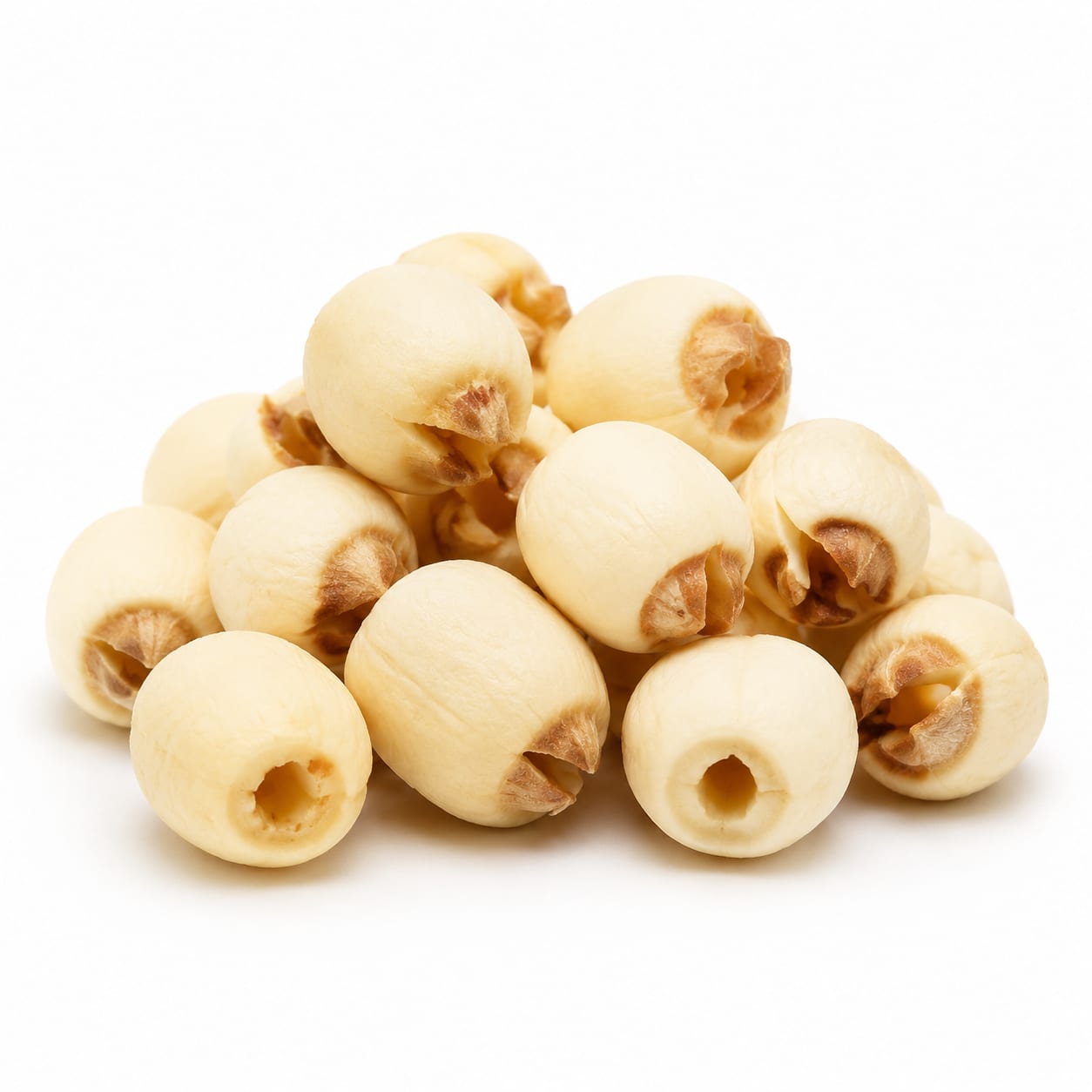
Aquatic Fruit / Seed
Lotus Fruit
A starchy, low-fat aquatic seed-fruit from the sacred lotus plant, prized in Asian cuisine for its mild flavor and blood sugar-friendly carbs.
The edible seed of the sacred lotus plant (Nelumbo nucifera), widely consumed in Asian cuisine as a fresh, dried, or paste ingredient. It has a mild, slightly sweet flavor and a starchy texture similar to chestnuts.
starchy low-fat aquatic seed-fruit
Typical serving · 100g
Common varieties · fresh lotus seeds, dried lotus seeds, canned lotus seeds, peeled lotus seeds, lotus seed paste
Overall context score across nutrition, safety, and diet fit
At a glance
Quick facts
Simple indicators based on nutrition, processing, and diet fit.
The story
What makes it unique
Lotus seeds are the fruit of the aquatic Nelumbo nucifera plant. They contain moderate carbohydrates with a low glycemic index, digest slowly due to starch-protein complexes, and provide moderate satiety. The macronutrient profile is dominated by complex carbohydrates with low fat and moderate protein. Fresh seeds are minimally processed, while dried forms undergo dehydration.
Varieties: fresh lotus seeds · dried lotus seeds · canned lotus seeds · peeled lotus seeds · lotus seed paste
Per 100g
Nutrition breakdown
Macro balance and key metrics at a glance.
Energy
Density 0.89 kcal/g
Protein
Carbs
Fat
Fiber
Sugar
1.5 g
Sodium
1 mg
Potassium
367 mg
Glycemic index
35
Glycemic load
6
Water content
77%
Standout compounds
Nutrient highlights
Potassium
moderateSupports healthy blood pressure and fluid balance
Resistant Starch
moderateFeeds beneficial gut bacteria and moderates blood sugar response
Protein
moderateProvides plant-based amino acids for tissue maintenance
B Vitamins
lowSupports energy metabolism and nervous system function
Lotus Alkaloids
lowExhibit calming and anti-inflammatory properties in traditional use
Wellness map
Health scores & processing
NOVA processing scale
minimally processed · Whole food
Fresh lotus seeds are harvested directly from the seed pod with minimal processing. Dried and canned varieties undergo dehydration or thermal preservation but remain recognizable as whole foods.
Diet compatibility
- Weight loss
- Muscle gain
- Diabetes
- Gut health
- Low carb
- High protein
- Heart health
Relative standing
Food rankings
Qualitative ranks compared to similar whole foods.
- Satietygood
- Blood sugarexcellent
- Nutrient densitymoderate
- Fitness fuelmoderate
- Processing qualityexcellent
Eat with confidence
Food safety profile
Lotus fruit is generally safe when sourced from reputable farms with clean water. The primary concern is heavy metal accumulation from contaminated aquatic sediments. Cooking eliminates most microbial risks associated with raw aquatic plants.
Evidence confidence 72%
- Pesticidesmoderate
- Antibioticslow
- Heavy metalsmoderate
- Contaminationlow
Watch for
- heavy metals from water sediment
- agricultural runoff residues
- parasitic organisms in raw aquatic environments
Safer choices
Organically farmed lotus from verified clean water sources. Pre-cooked or commercially packaged seeds undergo quality controls.
Prep tips
Rinse fresh seeds thoroughly under running water. Remove the green embryo inside the seed as it is bitter and can cause nausea in large amounts. Cook before consumption to eliminate potential aquatic parasites.
Lotus grows in aquatic sediments that may accumulate heavy metals like lead and cadmium from polluted waterways. Sourcing from clean water farms reduces this risk significantly.
Deep dive
Health analysis
How this food may fit different goals and preparation choices.
Weight loss
Low energy density at 0.89 calories per gram makes lotus seeds a filling option for calorie-controlled diets. The starch content provides substance without excessive calories.
Blood sugar
Low glycemic index of 35 and glycemic load of 6 produce a slow, steady rise in blood sugar. The resistant starch content further moderates glucose response, making it suitable for diabetic meal plans.
Fitness & energy
Provides slow-release carbohydrates suitable for endurance activities but lacks the rapid energy needed for high-intensity training. Moderate protein content is insufficient as a primary recovery food.
Gut health
Contains modest amounts of dietary fiber and resistant starch that feed beneficial gut bacteria. Not a high-fiber food, so it should complement other fiber sources rather than serve as a primary source.
Processing quality
Fresh lotus seeds are a whole food with minimal processing. Dried versions retain most nutrients but lose vitamin C. Canned varieties may contain added sodium or preservatives.
Food safety
Aquatic cultivation environment means heavy metal exposure is the primary concern. Sourcing from clean, tested waterways is important. Cooking neutralizes microbial risks common to raw aquatic plants.
Common mistakes
Eating the green embryo inside the seed causes bitterness and potential nausea. Confusing fresh lotus seeds with candied or syrup-preserved versions that are high in added sugar. Assuming all preparations are low-calorie when paste forms contain added sugar and fat.
Best preparation
Boiling or steaming preserves nutrients while ensuring safety. Simmering in soups enhances digestibility. Remove the green germ before cooking for better taste and to avoid alkaloid consumption.
Practical guide
Best use cases
When and how this food fits real eating patterns.
Blood sugar-friendly starch source
Replaces higher-glycemic carbs like white rice or potatoes in meals for people managing diabetes or insulin resistance.
Low-calorie soup ingredient
Adds substance and texture to Asian soups with minimal caloric impact, increasing meal volume for weight management.
Post-dinner light snack
The mild flavor and slow-digesting carbohydrates make boiled lotus seeds a satisfying evening snack that does not spike blood sugar before sleep.
Traditional medicinal cooking
Used in Chinese herbal soups combining lotus seeds with ingredients like red dates and goji berries for wellness-focused meals.
Balance sheet
Pros & cons
Upsides
- Low glycemic index supports stable blood sugar
- Low energy density aids calorie control
- Good potassium content for blood pressure management
- Minimally processed when consumed fresh
- Versatile ingredient in soups and desserts
- Contains resistant starch that benefits gut bacteria
- Naturally low in sodium and fat
Trade-offs
- Not suitable for strict low-carb or keto diets
- Moderate fiber content is insufficient as a primary fiber source
- Heavy metal risk from contaminated aquatic environments
- Green embryo must be removed to avoid bitterness and alkaloid effects
- Dried and paste forms are significantly more calorie-dense
- Not widely available outside Asian markets
- Low protein content limits muscle-building utility
Fit check
Who is it for?
Great match
- blood sugar management
- low-calorie meal volume
- traditional Asian cooking
- moderate-carb diets
- post-dinner light snacking
- heart-healthy eating patterns
Consider alternatives
- strict ketogenic diets
- high-protein diets
- athletes needing fast energy
- people with severe heavy metal sensitivity concerns
- those seeking high-fiber food sources
Side by side
How it compares
Open the full head-to-head analysis for nutrition, safety, and practical tradeoffs.
This food
Lotus Fruit
VS88% alike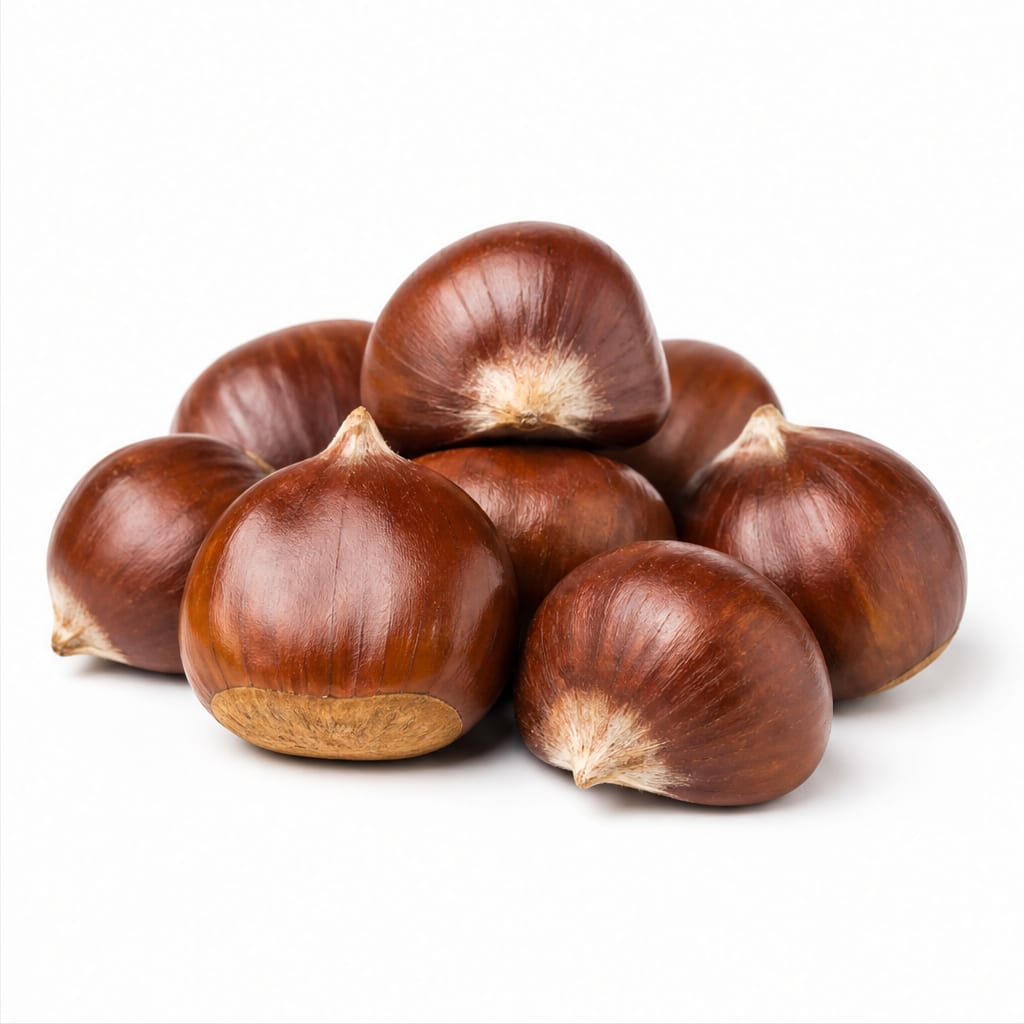
Compare with
Chestnuts
Chestnuts are higher in calories and vitamin C, while lotus seeds offer more protein and a lower glycemic index.
Lotus seeds beat chestnuts for weight loss and blood sugar control with fewer calories and a lower glycemic index, but chestnuts provide more fiber and vitamin C.
This food
Lotus Fruit
VS82% alike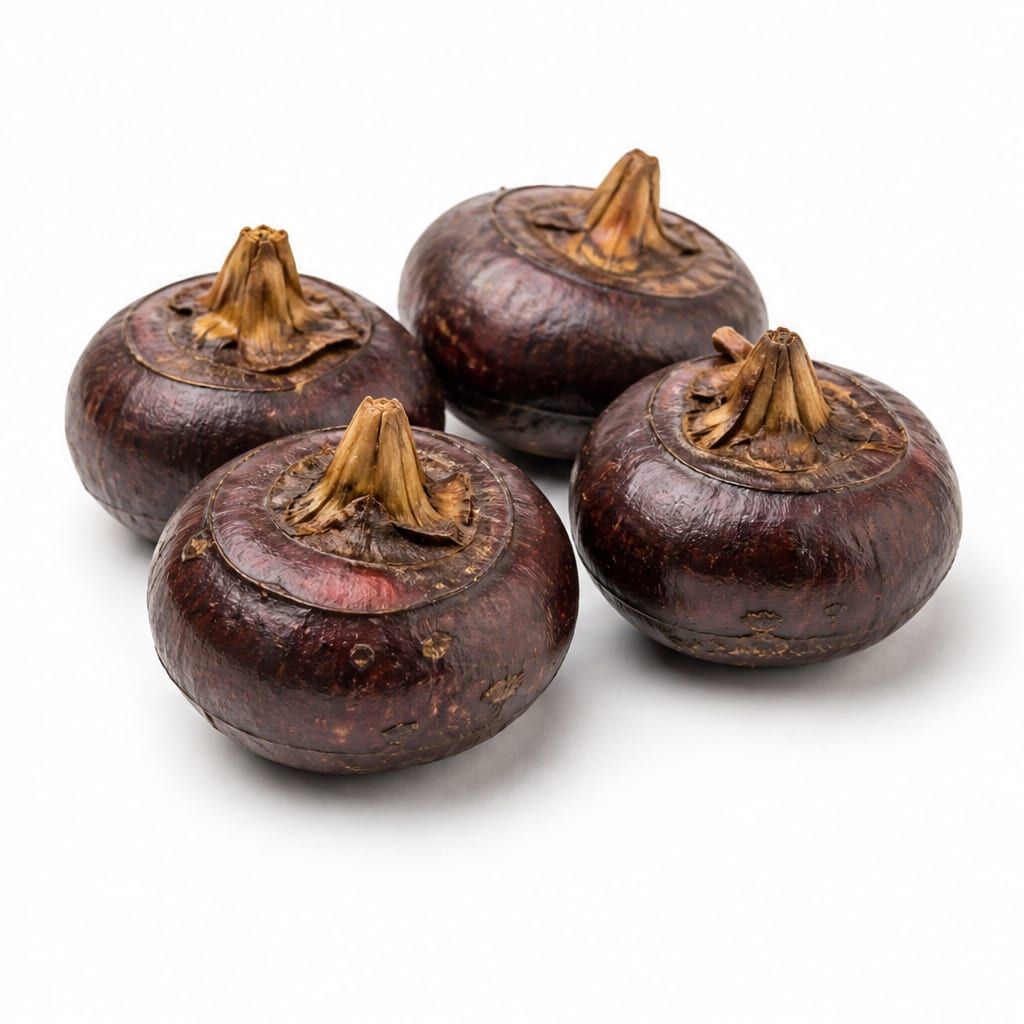
Compare with
Water Chestnuts
Water chestnuts are crunchier and lower in calories, while lotus seeds provide more protein and potassium.
Water chestnuts are lower in calories for strict dieting, but lotus seeds offer better blood sugar control and more protein for sustained energy.
This food
Lotus Fruit
VS75% alike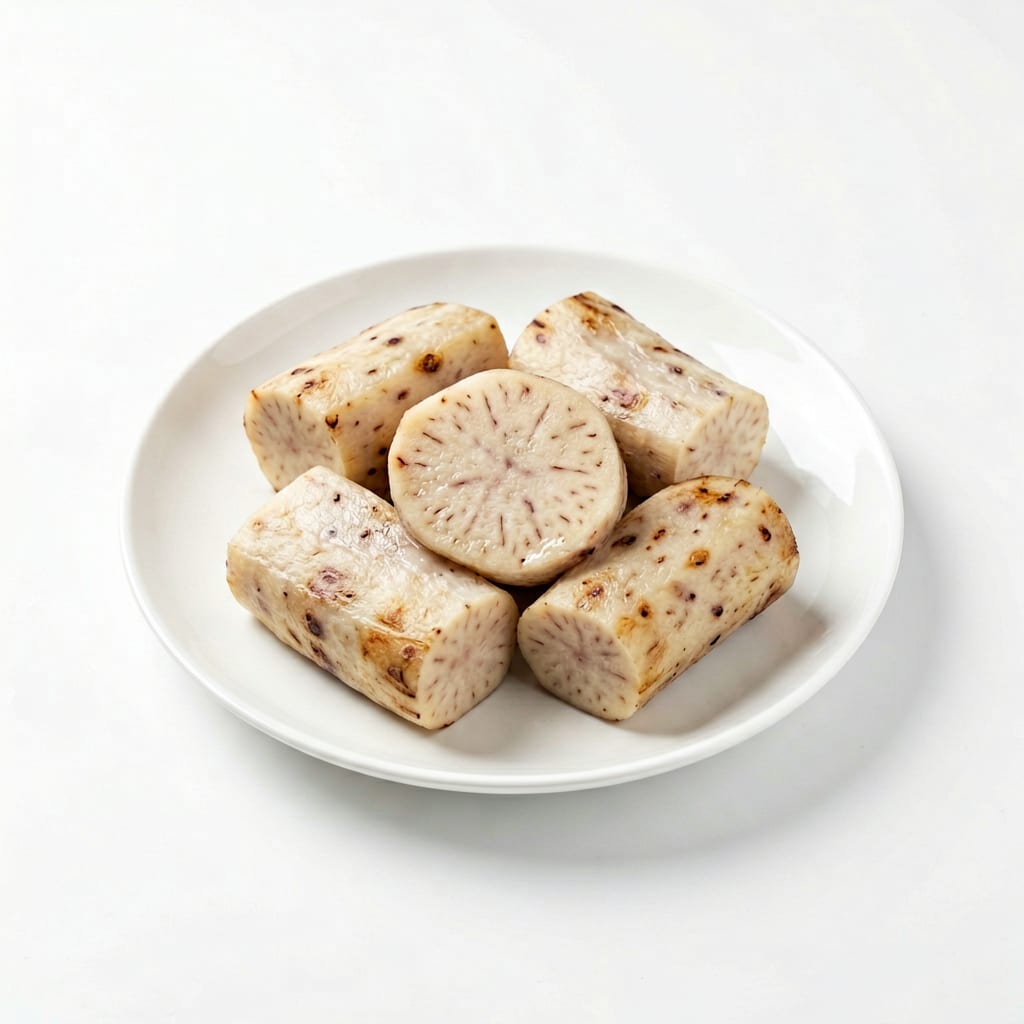
Compare with
Taro
Taro is higher in fiber and calories, while lotus seeds are lower in calories and easier to portion control.
Lotus seeds are better for weight loss and blood sugar with fewer calories and a lower GI, while taro provides more fiber and sustained energy for active people.
This food
Lotus Fruit
VS70% alike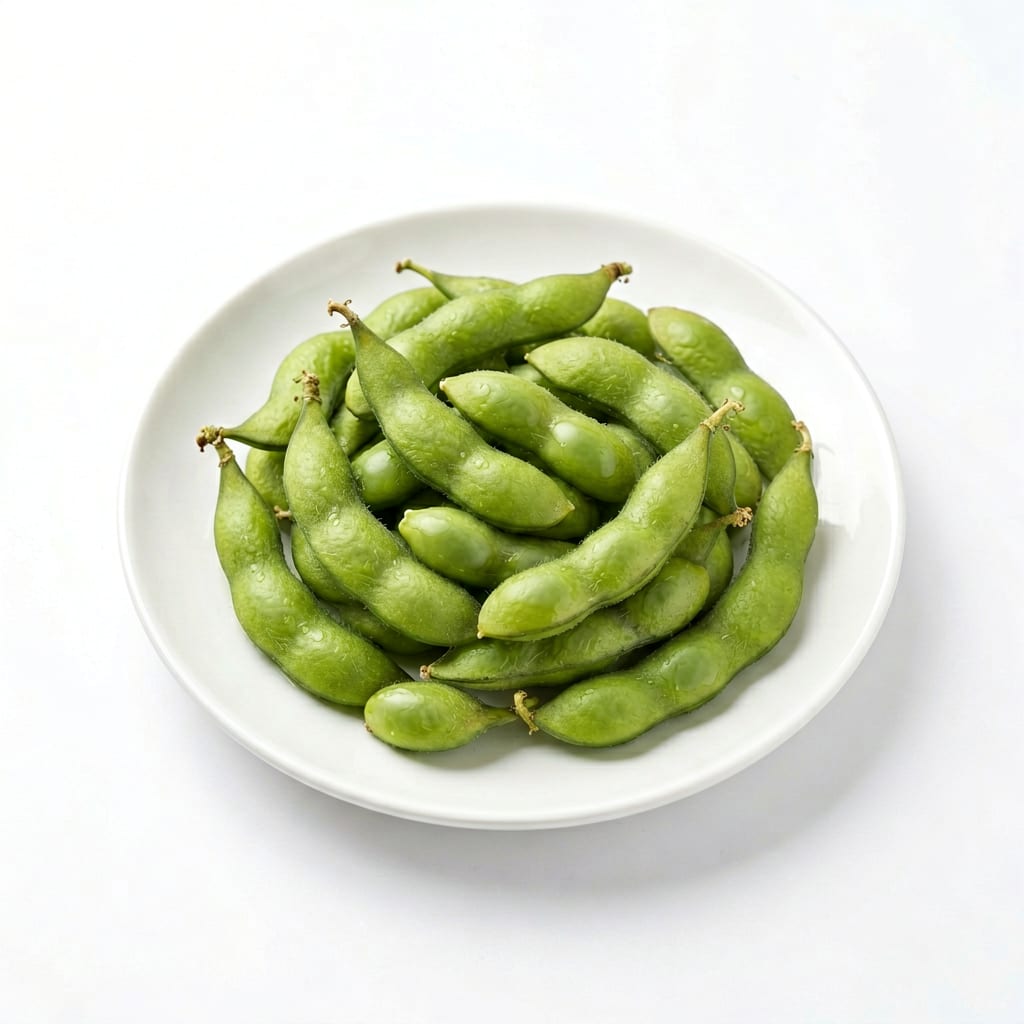
Compare with
Edamame
Edamame is much higher in protein and fiber, while lotus seeds are lower in calories and fat.
Edamame wins for protein and fitness recovery, but lotus seeds are lower in calories and fat for those focused on weight loss.
This food
Lotus Fruit
VS68% alike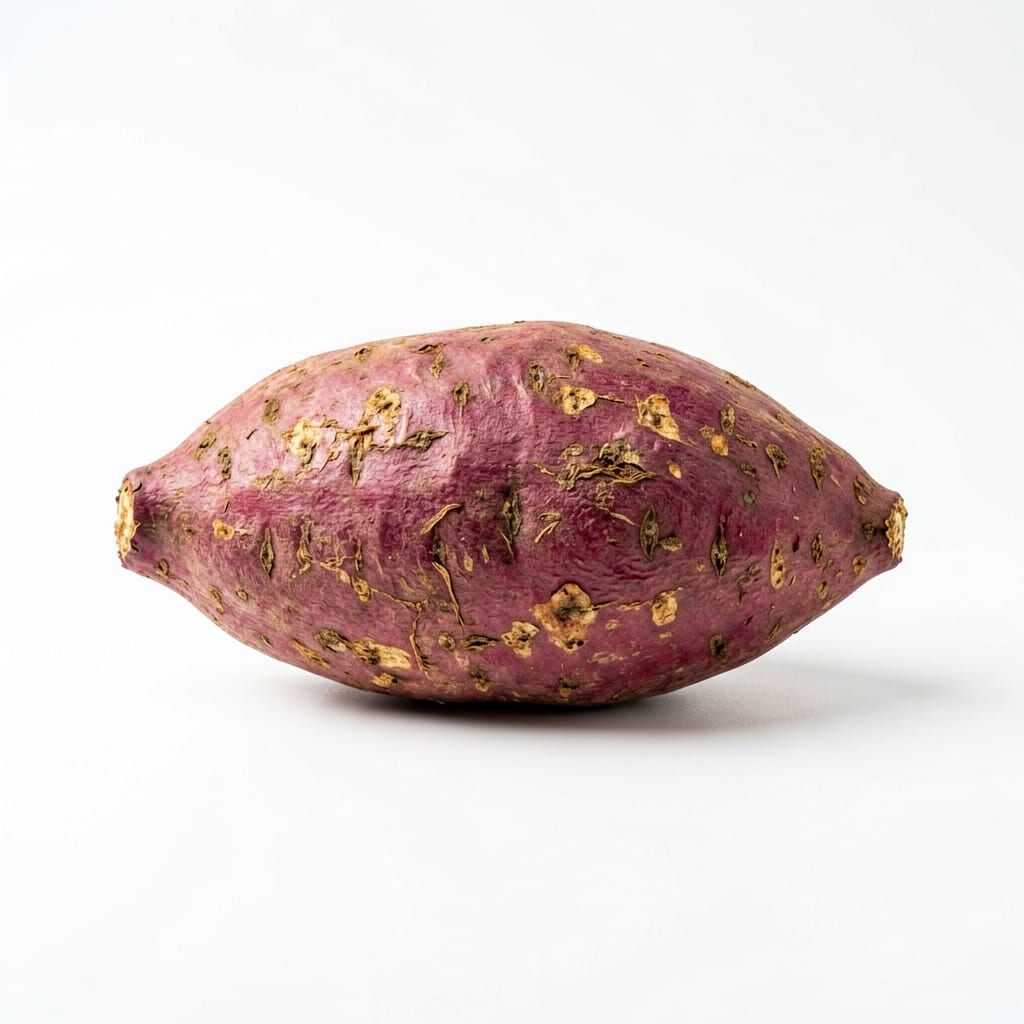
Compare with
Sweet Potato
Sweet potatoes are richer in vitamin A and fiber, while lotus seeds are lower in calories and carbohydrates.
Lotus seeds are lower in calories and carbs for weight loss, while sweet potatoes provide more fiber, vitamin A, and energy for workouts.
This food
Lotus Fruit
VS65% alike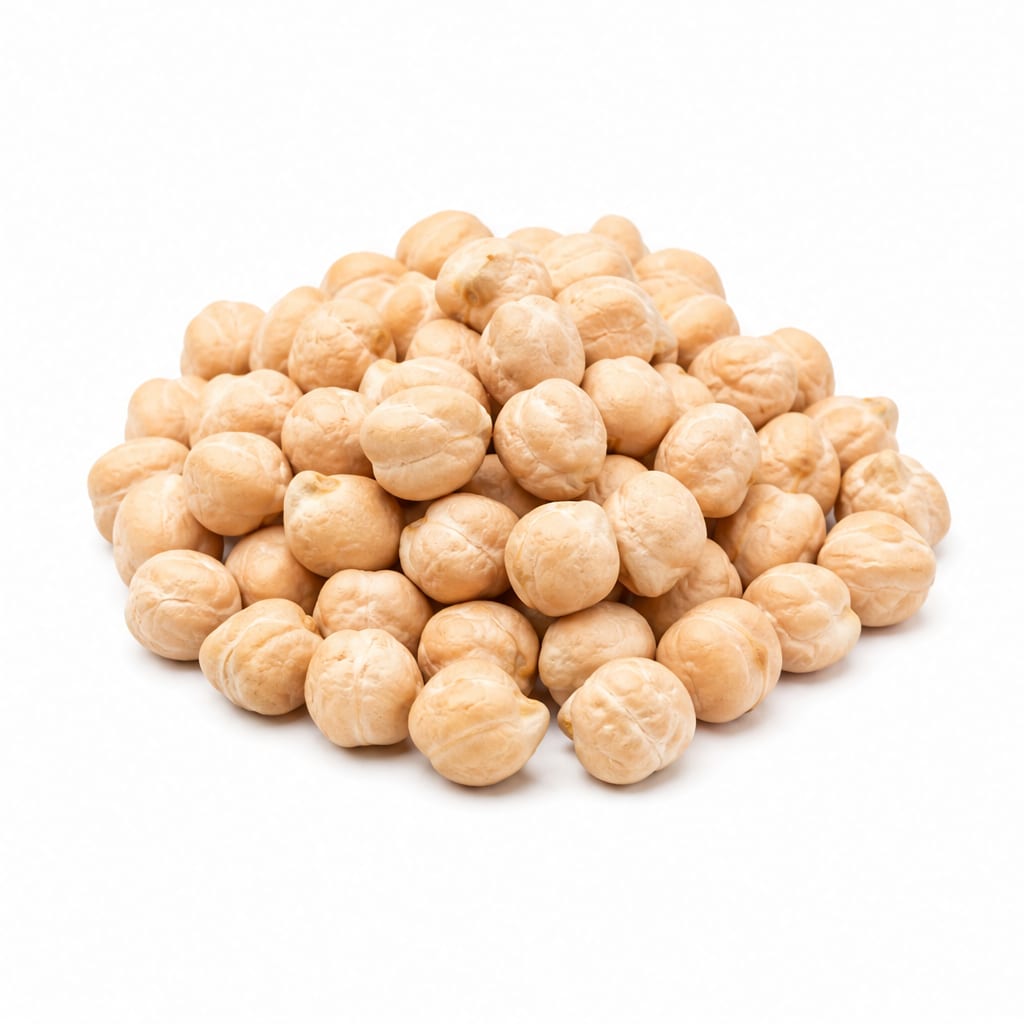
Compare with
Chickpeas
Chickpeas are significantly higher in protein and fiber, while lotus seeds are lower in calories and fat.
Chickpeas deliver more protein and fiber for satiety and fitness, but lotus seeds are the lighter choice for calorie-controlled diets.
This food
Lotus Fruit
VS63% alike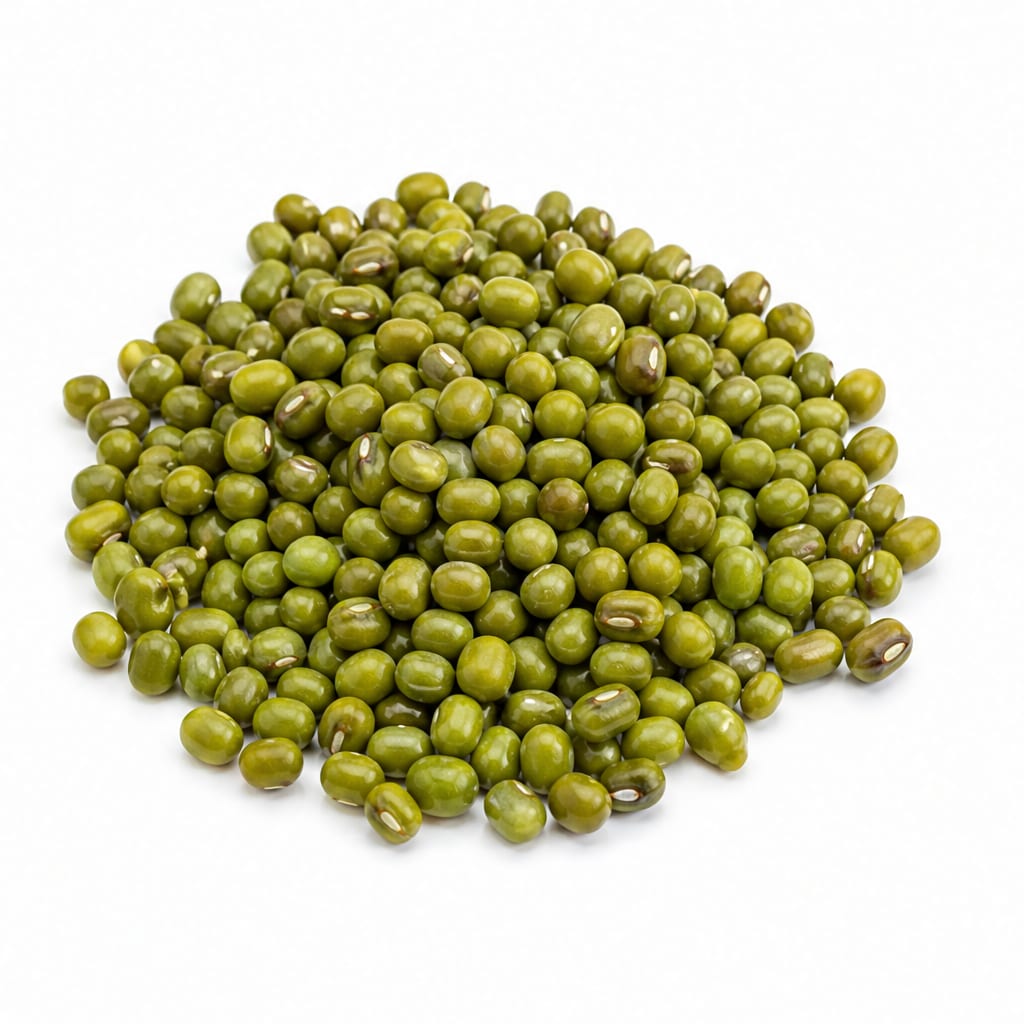
Compare with
Mung Beans
Mung beans are higher in protein and fiber, while lotus seeds are lower in calories and faster to prepare when fresh.
Mung beans offer more protein and fiber for fullness, while lotus seeds provide a lighter, lower-calorie option for blood sugar management.
This food
Lotus Fruit
VS60% alike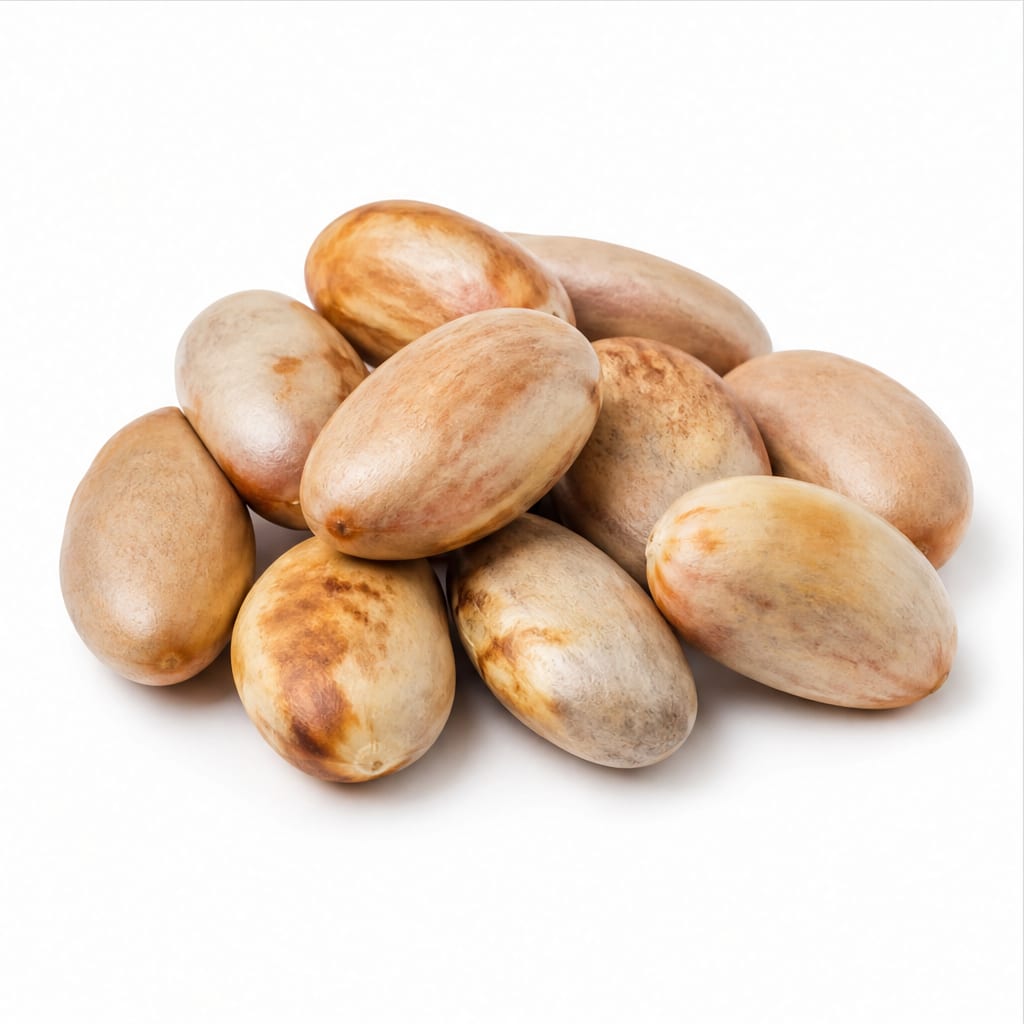
Compare with
Jackfruit Seeds
Jackfruit seeds are higher in protein and calories, while lotus seeds are lower in calories and more suitable for strict dieting.
Lotus seeds are the better choice for weight loss and blood sugar control, while jackfruit seeds provide more calories and protein for energy needs.
This food
Lotus Fruit
VS55% alike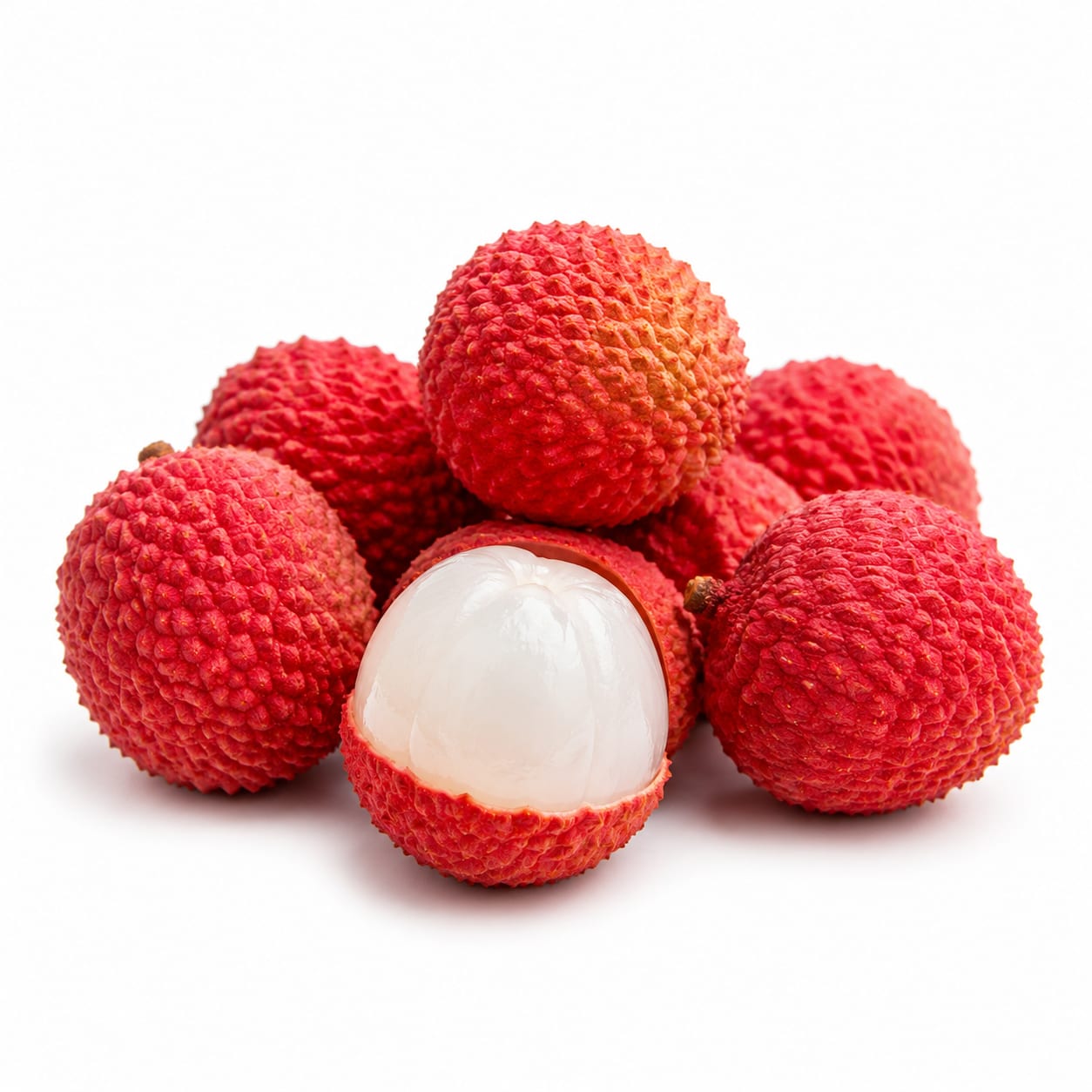
Compare with
Lychee
Lychee is high in sugar and vitamin C, while lotus seeds are low in sugar and rich in complex carbohydrates.
Lotus seeds are far better for blood sugar and weight management with minimal sugar, while lychee is a high-sugar fruit best enjoyed in moderation.
This food
Lotus Fruit
VS52% alike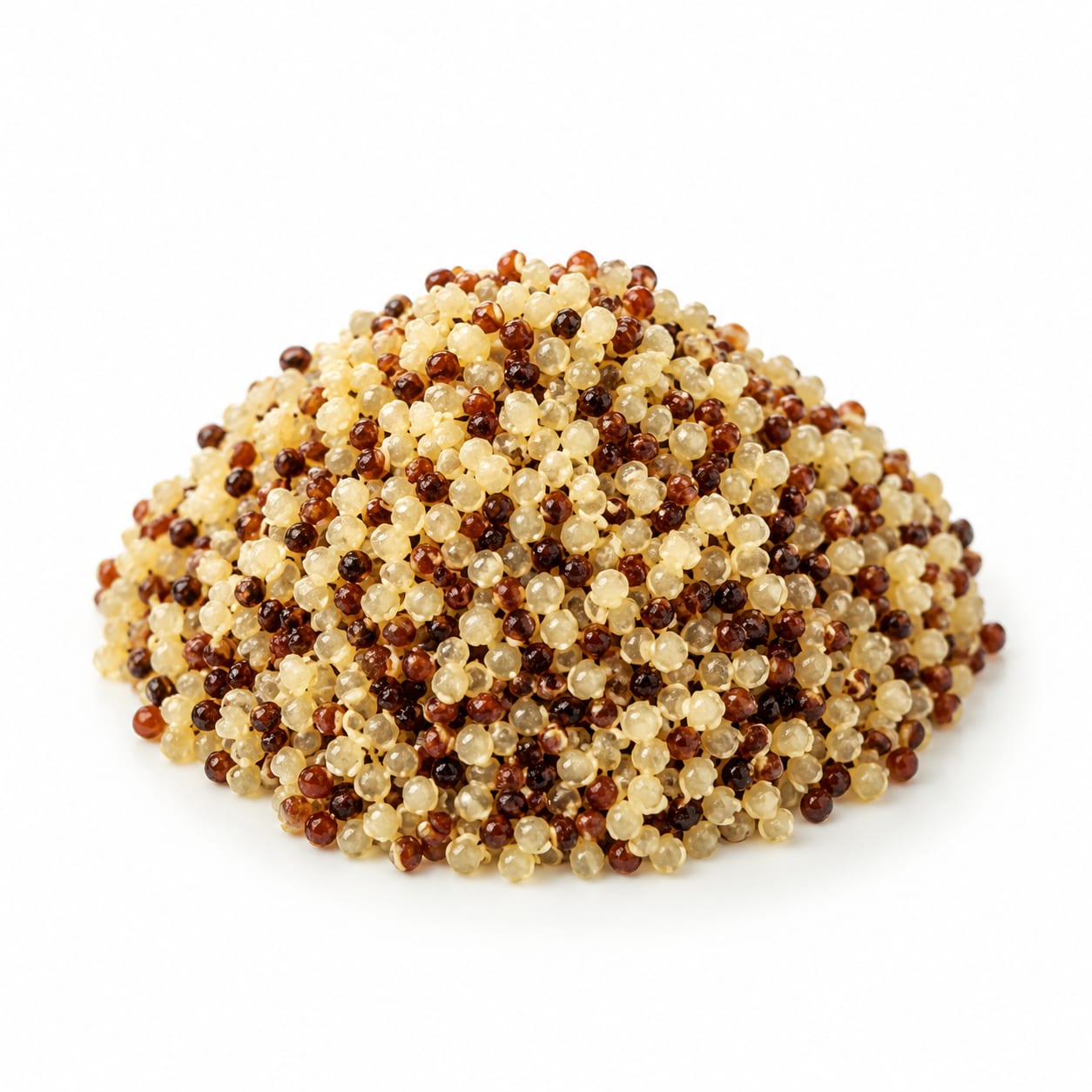
Compare with
Quinoa
Quinoa is a complete protein with higher fiber, while lotus seeds are lower in calories and fat.
Quinoa is the clear winner for protein and fitness nutrition, but lotus seeds offer fewer calories and a lower glycemic impact for weight-conscious eaters.
Common questions
FAQ
Answers aligned with how people search for this food.
Are lotus seeds good for weight loss?
Yes, fresh lotus seeds are good for weight loss due to their low energy density of 0.89 calories per gram. They provide filling complex carbohydrates with minimal fat, helping control hunger on calorie-restricted diets.
Can diabetics eat lotus seeds?
Yes, lotus seeds have a low glycemic index of 35 and a glycemic load of 6, meaning they cause a slow and moderate rise in blood sugar. The resistant starch content further helps stabilize glucose levels, making them a blood sugar-friendly carbohydrate choice.
What is the green embryo inside lotus seeds?
The green germ inside lotus seeds is called lian xin. It is bitter and contains alkaloids that can cause drowsiness or nausea in large amounts. It is usually removed before cooking but is separately brewed as a calming tea in traditional Chinese medicine.
Can you eat raw lotus seeds?
Fresh lotus seeds can technically be eaten raw, but cooking is recommended to eliminate potential aquatic parasites and improve digestibility. Raw seeds may also be harder to digest due to their resistant starch content.
Are lotus seeds keto friendly?
No, lotus seeds are not keto friendly. With 18.2g of carbohydrates per 100g serving, they exceed the strict carb limits required for ketosis. They are better suited for moderate-carb or low-glycemic eating approaches.
How do lotus seeds compare to chestnuts?
Both have similar starchy textures, but lotus seeds are lower in calories (89 vs 131 per 100g fresh), higher in protein (4.1g vs 2g), and have a lower glycemic index. Chestnuts are higher in vitamin C and fiber.
Do lotus seeds contain heavy metals?
Lotus plants grow in aquatic sediment, which can accumulate heavy metals like lead and cadmium in contaminated waterways. Sourcing from clean, tested farms significantly reduces this risk. Commercial suppliers typically test for contaminants.
What does lotus fruit taste like?
Lotus seeds have a mild, slightly sweet flavor with a starchy, chestnut-like texture. Fresh seeds are tender and slightly crunchy, while cooked seeds become soft and creamy, absorbing the flavors of soups and dishes they are cooked in.
Is lotus seed paste healthy?
Lotus seed paste used in mooncakes and pastries is much less healthy than whole lotus seeds. It typically contains added sugar and oil, significantly increasing calories and reducing the blood sugar benefits of the whole seed.
How many lotus seeds should you eat per day?
A typical serving is about 100g of fresh seeds (roughly 15-20 seeds), providing 89 calories. This amount fits well within a balanced diet. Dried seeds are more calorie-dense at approximately 332 calories per 100g, so portion sizes should be smaller.
Transparency
Data confidence
Estimated confidence for nutrition data, interpretation, safety notes, and comparisons.
Nutrition data
Health analysis
Food safety
Comparisons