
Nutrition comparison
Lotus Fruit vs Sweet Potato: Nutrition, Blood Sugar, and Which to Choose
Compare lotus fruit and sweet potato side by side. Discover which is better for blood sugar, weight loss, daily nutrition, and practical eating. Expert analysis with real-world tradeoffs.
Overall winner · Sweet Potato
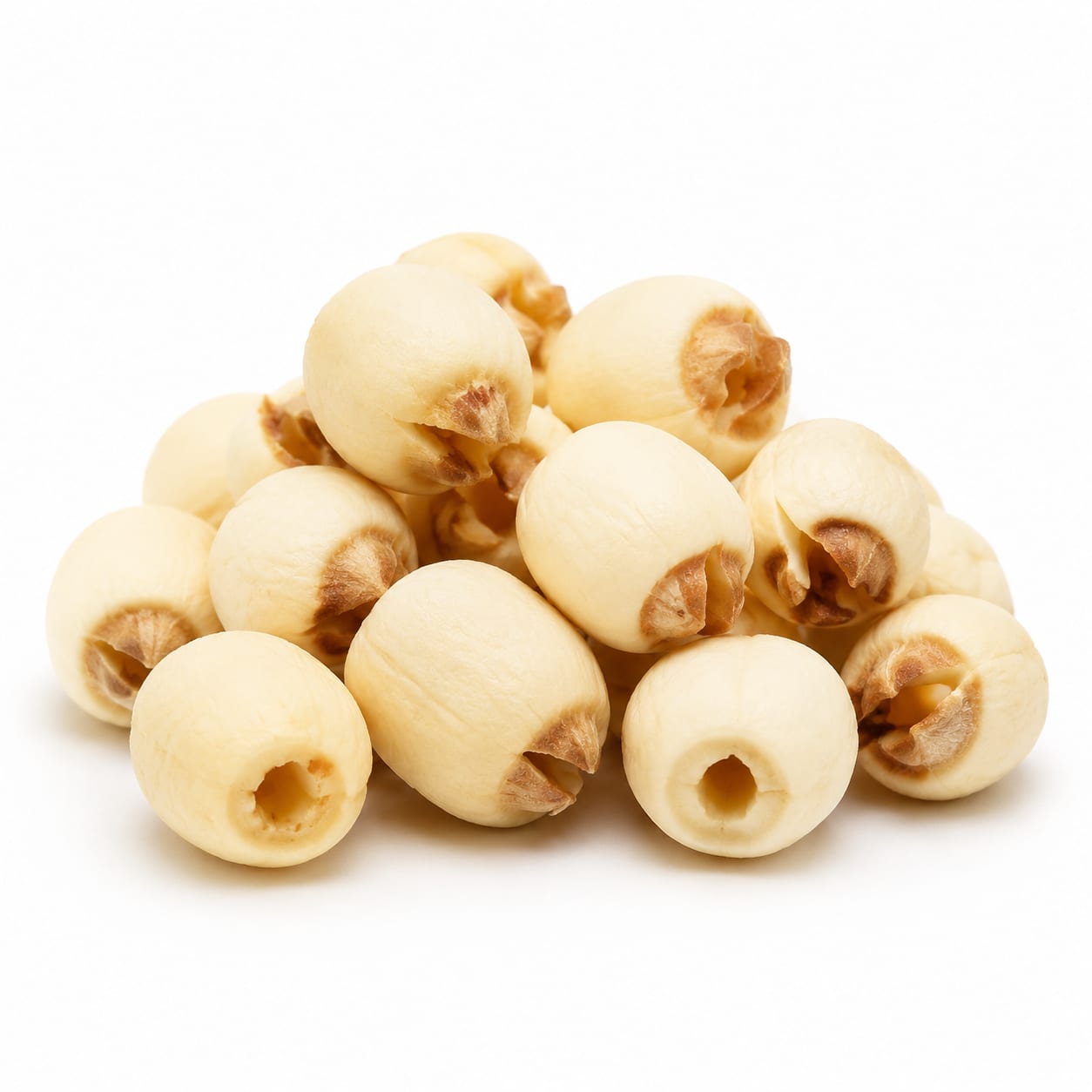
Lotus Fruit
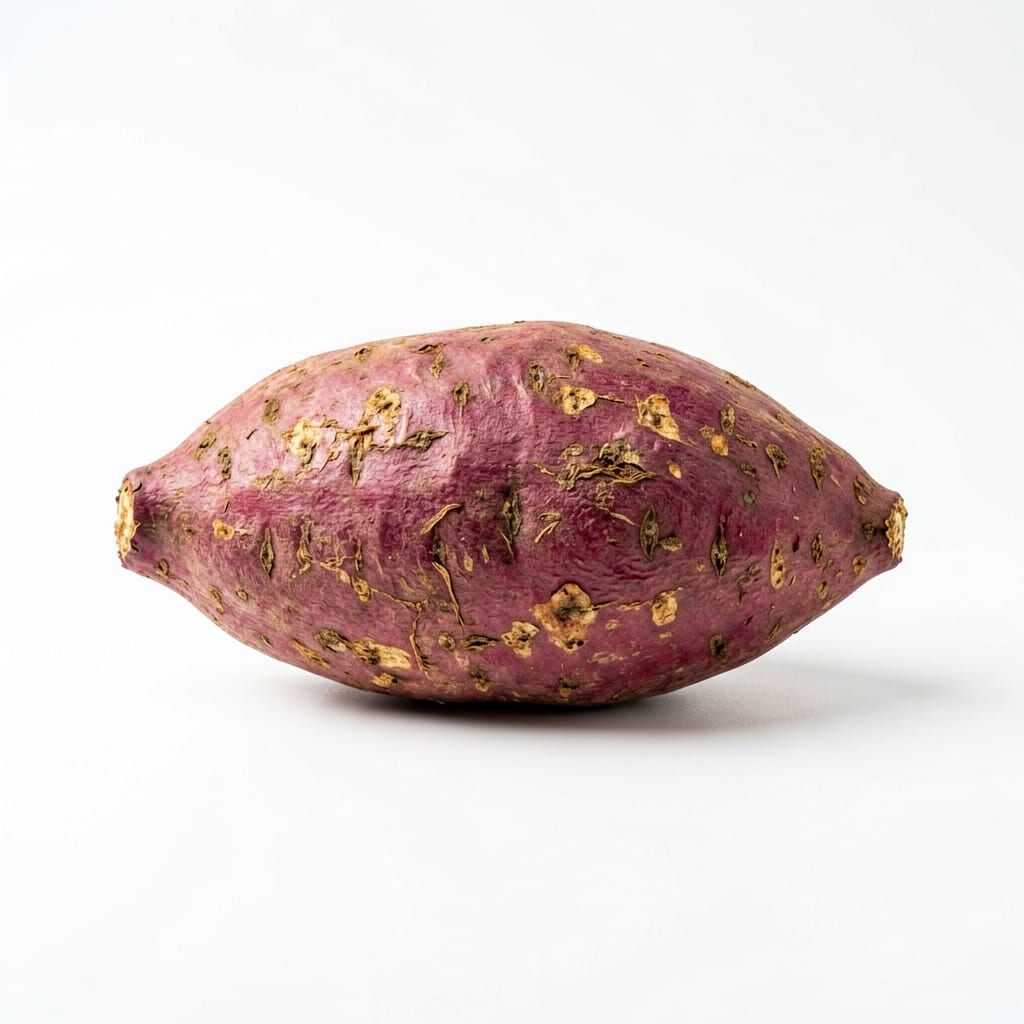
Sweet Potato
Sweet potato wins for everyday nutrition, satiety, and practicality. Lotus fruit offers a lighter, lower-glycemic alternative with unique traditional benefits but cannot match sweet potato's vitamin density or filling power.
Sweet potato scores significantly higher due to superior vitamin content, fiber, satiety, and everyday practicality. Lotus fruit remains valuable for specific contexts like blood sugar management and low-calorie eating, but its niche availability and lower nutritional breadth limit its overall score.
Sweet potato gives you more fuel, more vitamins, and more fullness. Lotus fruit gives you steadier blood sugar, fewer calories, and traditional medicinal properties.
At a glance
Executive summary
Overall
Sweet Potato
Healthier
Sweet Potato
More practical
Sweet Potato
Daily use
Sweet Potato
Key comparison lenses
carbohydrate quality and blood sugar management
Both are carb-dense plant foods but differ sharply in glycemic impact and starch complexity
everyday nutritional value and satiety
Sweet potato is a staple carb source while lotus fruit is more niche, making daily utility a key question
vitamin and mineral density
Sweet potato delivers massive vitamin A while lotus fruit offers unique minerals like manganese and phosphorus
practicality and accessibility
Sweet potato is universally available and easy to prepare; lotus fruit requires specialty sourcing and preparation knowledge
traditional and medicinal value
Lotus fruit carries significant traditional medicine relevance that sweet potato lacks
Best choice for
Lotus Fruit
- People managing blood sugar who want a carb-like experience without the spike
- Those seeking low-calorie volume eating
- Anyone interested in traditional Asian medicinal foods
- People wanting a light snack that won't cause afternoon energy crashes
Sweet Potato
- Active people needing sustained energy and real satiety
- Anyone looking to boost vitamin A intake naturally
- Families wanting an affordable, kid-friendly nutritious staple
- Athletes and exercisers needing quality carbohydrates for recovery
Least suitable for
Lotus Fruit
- People who need calorie-dense fuel for physical labor or training
- Those unfamiliar with lotus fruit preparation and sourcing
- Anyone seeking maximum vitamin A or beta-carotene intake
- Budget-conscious shoppers in regions where lotus is imported and expensive
Sweet Potato
- People on strict low-carb or keto diets
- Those with severe blood sugar sensitivity who need minimal glycemic load
- Anyone watching calorie density closely during weight loss plateaus
Deep comparison
Dimension by dimension
Each lens scores both foods and breaks down who each option suits.
- Dimension 1 · Priority 95Sweet Potato
vitamin and mineral density
Lotus Fruit · 45Sweet Potato · 90Sweet potato dominates with exceptional vitamin A content, providing over 400% of daily needs per serving. Lotus fruit offers decent manganese and phosphorus but cannot compete in overall micronutrient breadth.
Tradeoff
You gain massive vitamin A and potassium with sweet potato but lose the unique mineral profile and traditional compounds found in lotus fruit.
Why it matters
Vitamin A deficiency is one of the most common nutrient gaps globally. Sweet potato practically solves this in a single serving.
Real-world impact
Eating sweet potato regularly supports eye health, immune function, and skin. Lotus fruit provides modest mineral support but won't move the needle on major nutrient gaps.
Lotus Fruit
- Supplementing manganese and phosphorus intake
- Adding mineral variety to an already nutrient-rich diet
Better for
- Anyone relying on a single staple for broad vitamin coverage
Worse for
Sweet Potato
- Correcting vitamin A deficiency
- Boosting potassium intake for blood pressure management
- Supporting immune health through beta-carotene
- Pregnant women needing folate and vitamin A
Better for
- Those already exceeding vitamin A intake from other orange vegetables
Worse for
- Dimension 2 · Priority 90Lotus Fruit
blood sugar stability
Lotus Fruit · 78Sweet Potato · 55Lotus fruit has a notably lower glycemic impact than sweet potato, making it the safer choice for blood sugar management. Sweet potato, while moderate on the glycemic index, still raises glucose more significantly.
Tradeoff
Choosing lotus fruit steadies blood sugar but sacrifices the satisfying fullness and energy that sweet potato's complex carbs provide.
Why it matters
For people with insulin resistance, prediabetes, or diabetes, the difference between a low and moderate glycemic food matters daily.
Real-world impact
Lotus fruit won't give you that post-meal energy dip. Sweet potato might, especially if eaten in large portions without protein or fat to slow absorption.
Lotus Fruit
- People with diabetes or prediabetes
- Those prone to afternoon energy crashes after carb-heavy meals
- Anyone monitoring glycemic load carefully
Better for
- Situations where you need quick energy replenishment
Worse for
Sweet Potato
- Athletes who actually need faster glucose replenishment post-workout
Better for
- Sedentary individuals eating large portions late at night
Worse for
- Dimension 3 · Priority 88Sweet Potato
satiety and fullness
Lotus Fruit · 50Sweet Potato · 85Sweet potato is substantially more filling due to its fiber content, calorie density, and starch complexity. Lotus fruit feels light, which can be either an advantage or a limitation depending on your goals.
Tradeoff
Sweet potato keeps you full for hours but may feel heavy. Lotus fruit feels light and clean but may leave you hungry again sooner.
Why it matters
Satiety is the single biggest factor in whether a food actually helps you eat less overall or just leaves you snacking again in 90 minutes.
Real-world impact
A medium sweet potato at lunch can carry you to dinner. A serving of lotus fruit will likely need accompaniment to prevent hunger.
Lotus Fruit
- Light eaters who prefer small, frequent meals
- Anyone wanting a low-calorie snack before bed
Better for
- People who need one meal to sustain them for 4-5 hours
Worse for
Sweet Potato
- People trying to reduce overall calorie intake through better satiety
- Workers who need one meal to last a long shift
- Anyone prone to overeating when meals feel insubstantial
Better for
- Those who feel uncomfortably full after heavy meals
Worse for
- Dimension 4 · Priority 82Sweet Potato
fiber content and digestive health
Lotus Fruit · 48Sweet Potato · 80Sweet potato provides significantly more fiber per serving, supporting gut health and regularity. Lotus fruit contains some fiber but not enough to be a meaningful digestive ally on its own.
Tradeoff
Sweet potato actively supports your gut microbiome. Lotus fruit is gentle on digestion but doesn't contribute much fiber.
Why it matters
Most people fall far short of daily fiber recommendations. Every high-fiber food choice matters for long-term digestive and metabolic health.
Real-world impact
Regular sweet potato consumption helps with regularity and gut health. Lotus fruit won't hurt digestion but won't actively improve it either.
Lotus Fruit
- People with sensitive digestion who need gentle, low-residue foods
Better for
- People relying on it as a primary fiber source
Worse for
Sweet Potato
- Anyone struggling to hit 25-30g fiber daily
- People managing constipation through diet
- Those building a gut-friendly eating pattern
Better for
- Individuals with acute digestive flare-ups requiring low-fiber temporary diets
Worse for
- Dimension 5 · Priority 85Sweet Potato
practicality and accessibility
Lotus Fruit · 30Sweet Potato · 92Sweet potato is available in virtually every grocery store worldwide, affordable, and simple to prepare. Lotus fruit requires specialty stores, specific preparation knowledge, and is often sold dried rather than fresh.
Tradeoff
Sweet potato is effortless to incorporate into any lifestyle. Lotus fruit demands effort to source, prepare, and learn to enjoy.
Why it matters
The healthiest food in the world is useless if you cannot find it, afford it, or prepare it easily.
Real-world impact
You can bake a sweet potato in 45 minutes with zero skill. Lotus fruit may require soaking, boiling, and removing bitter cores before it becomes edible.
Lotus Fruit
- Home cooks experienced with Asian ingredients
- People living near Asian specialty markets
Better for
- Rural areas with no specialty food access
- People new to cooking who need foolproof ingredients
Worse for
Sweet Potato
- Busy families needing quick weeknight sides
- Budget-conscious shoppers
- Anyone living in areas without specialty grocery access
- Meal preppers who want reliable, easy batch cooking
Better for
- Situations where you specifically want a unique or novel ingredient
Worse for
- Dimension 6 · Priority 70Lotus Fruit
traditional and medicinal value
Lotus Fruit · 85Sweet Potato · 40Lotus fruit holds deep significance in Traditional Chinese Medicine, valued for calming properties, kidney support, and anti-aging compounds. Sweet potato has nutritional value but minimal medicinal tradition.
Tradeoff
Lotus fruit offers potential therapeutic benefits beyond basic nutrition. Sweet potato is purely a nutritional powerhouse without medicinal context.
Why it matters
For people who value food-as-medicine approaches, lotus fruit provides something sweet potato cannot replicate.
Real-world impact
Regular lotus fruit consumption may support sleep quality and reduce anxiety according to traditional practice, though clinical evidence remains limited.
Lotus Fruit
- People following TCM dietary principles
- Those seeking calming, anti-anxiety food choices
- Anyone interested in adaptogenic and functional eating
Better for
- Those who only trust clinically validated health claims
Worse for
Sweet Potato
- People who prioritize evidence-based nutrition over traditional medicine
Better for
- Anyone specifically seeking calming or medicinal food properties
Worse for
Timeline
Health impact over time
Short-term
Hours to days
Lotus Fruit
- Gentle on blood sugar with minimal post-meal crash
- Light feeling in the stomach, unlikely to cause bloating
- May promote a calming effect due to traditional nervine properties
Sweet Potato
- Noticeable energy boost from complex carbohydrates
- Strong satiety that reduces hunger for 3-4 hours
- Possible mild blood sugar rise depending on portion and preparation method
Long-term
Months to years
Lotus Fruit
- Consistent low-glycemic eating may support insulin sensitivity
- Unique antioxidants like nelumbine may offer cellular protection
- Insufficient as a standalone staple due to low calorie and fiber content
Sweet Potato
- Sustained beta-carotene intake supports eye health and immune resilience
- High fiber intake promotes gut microbiome diversity and colon health
- Potassium-rich diet pattern supports healthy blood pressure long-term
Risk profile
Safety & processing
Both foods are whole, minimally processed plant foods in their natural state. However, lotus fruit is commonly sold dried or canned, which introduces some processing. Fresh sweet potato requires no processing at all before cooking.
Lotus Fruit
Bitter core toxicity
lowThe green embryonic core inside lotus seeds can be quite bitter and contains alkaloids. Most commercial products remove this, but fresh preparation requires manual removal.
Sulfite residues in dried products
mediumMany commercially dried lotus seeds are treated with sulfites as preservatives, which can trigger reactions in sensitive individuals.
Contamination in canned products
lowCanned lotus seeds may contain added sodium and preservatives. Fresh or properly dried versions are preferable.
Sweet Potato
Oxalate content
lowSweet potatoes contain moderate oxalates, which may concern people with a history of calcium oxalate kidney stones.
Mold and spoilage
mediumSweet potatoes are prone to fungal growth when stored improperly. Never eat sweet potatoes showing black spots or mold, as some fungi produce liver-damaging toxins.
Pesticide residue on conventionally grown
lowRoot vegetables generally have lower pesticide exposure than leafy greens, but peeling reduces any surface residue further.
Who wins for whom
Audience fit
Same foods, different winners depending on your goal.
children
Sweet PotatoSweet potato is naturally sweet, easy to mash, rich in growth-supporting vitamin A, and universally accepted by kids. Lotus fruit is unfamiliar, harder to prepare, and offers less nutritional support for developing bodies.
daily consumption
Sweet PotatoSweet potato works as a daily staple carb source with broad nutritional coverage. Lotus fruit is better as an occasional addition rather than a dietary foundation.
diabetes
Lotus FruitLotus fruit has a meaningfully lower glycemic impact, making it the safer choice for blood sugar management. Sweet potato can work in moderation but requires more careful portion control.
elderly
Sweet PotatoSweet potato's soft texture when cooked, high fiber for regularity, and exceptional vitamin A for immune support make it ideal for older adults. Lotus fruit is also gentle but less nutritionally comprehensive.
muscle gain
Sweet PotatoSweet potato delivers more calories, more carbohydrates for glycogen replenishment, and more potassium for muscle function, making it far more useful around training.
weight loss
Lotus FruitLotus fruit provides significantly fewer calories per serving while still offering a carb-like eating experience, making it easier to maintain a calorie deficit without feeling deprived of starchy foods.
Your move
Decision guide
Choose Lotus Fruit
- You are managing blood sugar and want a starchy food experience without the glycemic spike
- You eat small, frequent meals and prefer lighter portions
- You have access to quality lotus fruit and know how to prepare it
- You value traditional medicinal food properties and calming effects
- You are in a calorie deficit and need volume without density
Choose Sweet Potato
- You need a reliable, filling, affordable staple carbohydrate
- You want to boost vitamin A and potassium intake effortlessly
- You are active and need sustained energy from quality carbs
- You are feeding a family and need kid-friendly nutrition
- You want maximum nutritional return per dollar spent
Either works if
- You are building a diverse diet and want both as complementary carb sources
- You rotate between lighter and heavier eating days
- You enjoy exploring different cultural food traditions
Avoid both if
- You are on a strict ketogenic or very-low-carb diet
- You have specific allergies or intolerances to either food
- You are seeking a primary protein source, as neither delivers meaningful protein
Final recommendation
Make sweet potato your everyday carb staple and treat lotus fruit as a valuable specialty addition. Sweet potato gives you more nutrition, more fullness, and more practicality for daily life. Lotus fruit earns its place when blood sugar management is your top priority or when you want its traditional calming properties. The ideal approach is using both: sweet potato as the foundation, lotus fruit as the refinement.
Practical
Consumer tips
- 1
If buying dried lotus seeds, check for sulfite-free options, especially if you have asthma or sulfite sensitivity
- 2
Soak dried lotus seeds for several hours and remove the bitter green core before cooking for the best flavor and texture
- 3
Bake or steam sweet potatoes rather than boiling to preserve water-soluble vitamins and enhance natural sweetness
- 4
Pair sweet potato with a fat source like olive oil or avocado to dramatically improve beta-carotene absorption
- 5
Cool cooked sweet potato before eating to increase resistant starch content, which lowers glycemic impact and feeds gut bacteria
- 6
Store sweet potatoes in a cool, dark, dry place and never in the refrigerator, which alters texture and flavor
- 7
If new to lotus fruit, try it in soups first where the mild flavor blends naturally with other ingredients