
Nutrition comparison
Lotus Fruit vs Jackfruit Seeds: Nutrition, Safety, and Best Uses
Comparing Lotus Fruit and Jackfruit Seeds? Discover the key nutritional differences, safety concerns, and which unique seed fits your health goals best.
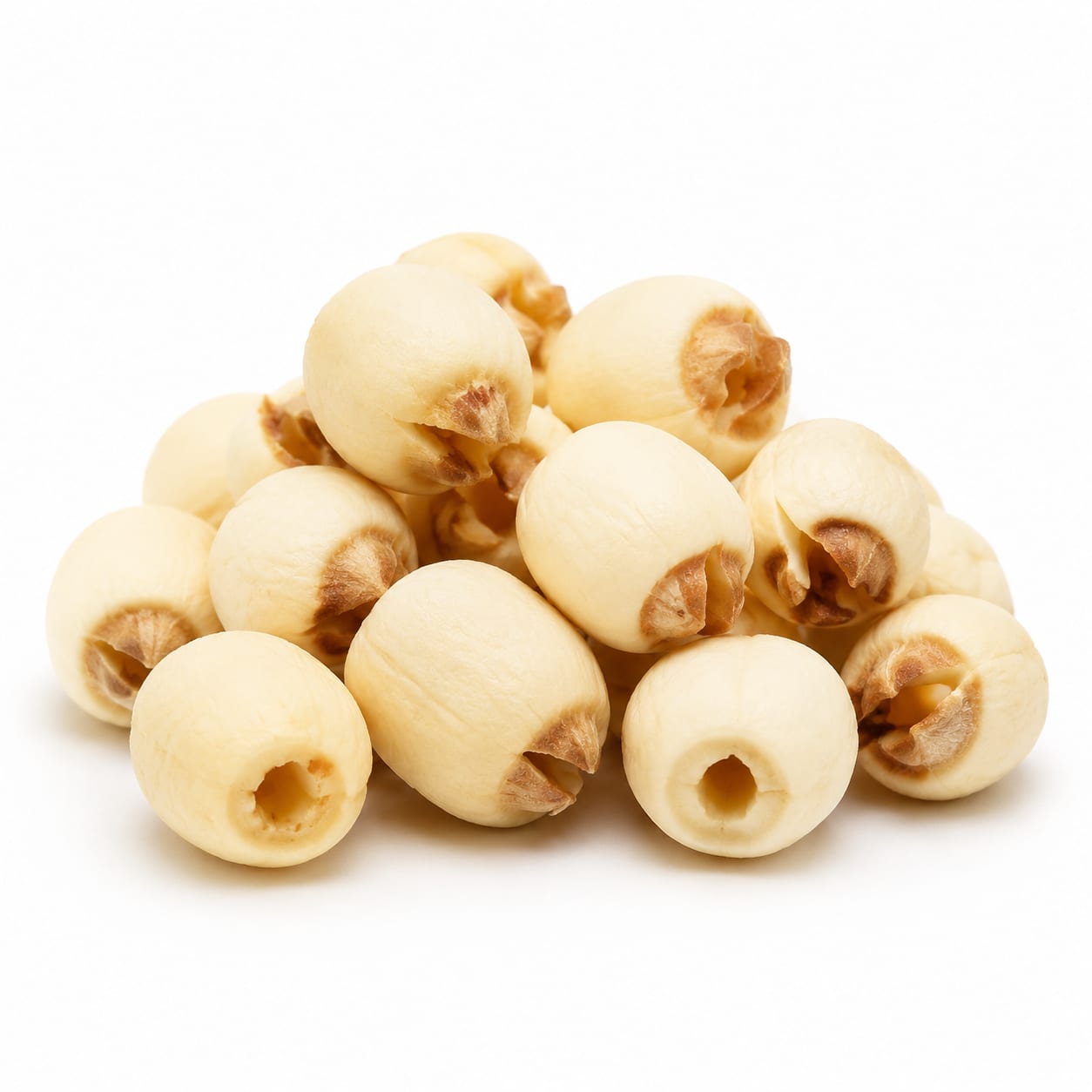
Lotus Fruit
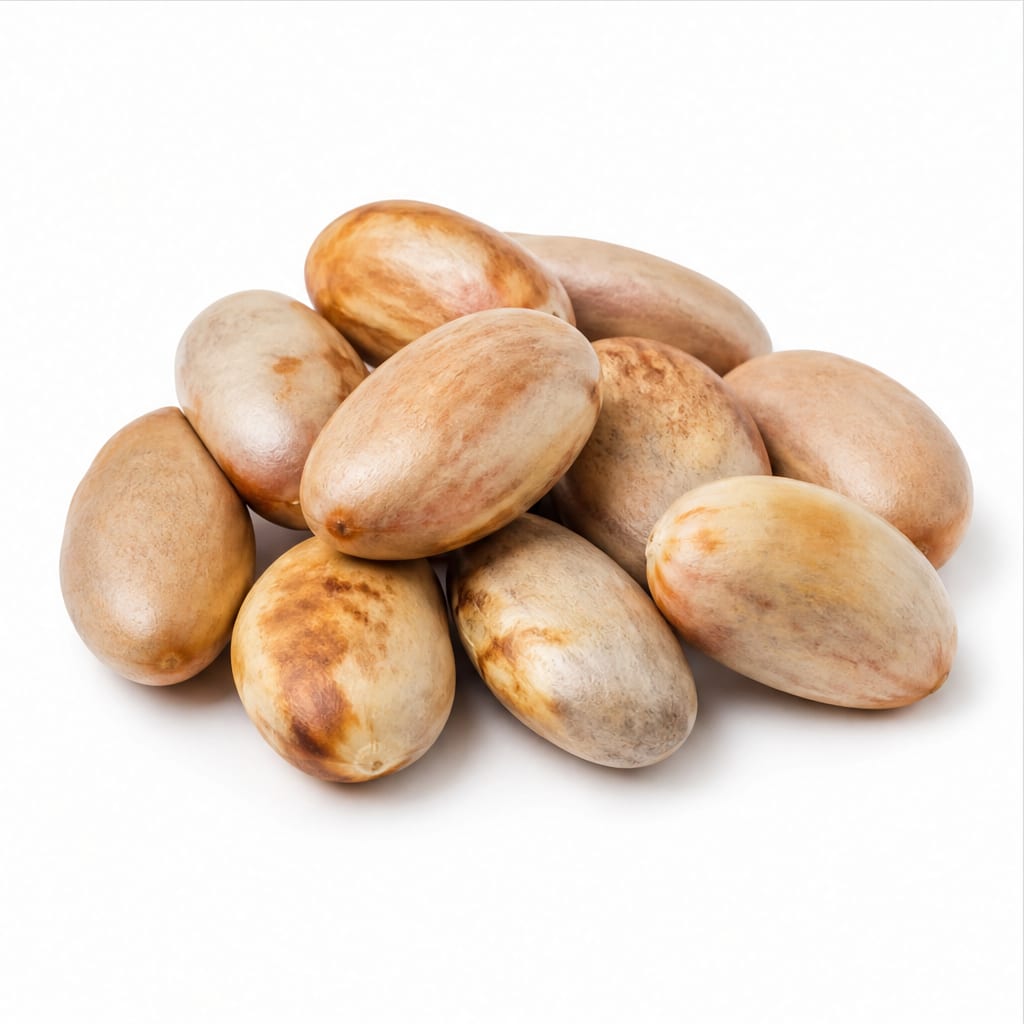
Jackfruit Seeds
Lotus Fruit (seeds) offers a lighter, low-glycemic, ready-to-eat snack, while Jackfruit Seeds provide a denser, fiber-rich side dish that requires thorough cooking.
Lotus Fruit scores slightly higher due to its superior convenience, lower glycemic impact, and higher protein-to-calorie ratio. Jackfruit Seeds remain highly nutritious but lose points for mandatory prep time and potential digestive heaviness.
Convenience and blood sugar stability from Lotus Fruit versus higher resistant starch and gut-feeding fiber from Jackfruit Seeds.
At a glance
Executive summary
Overall
It depends
Healthier
It depends
More practical
Lotus Fruit
Daily use
Lotus Fruit
Key comparison lenses
Alternative starch and carb sources
Both foods serve as unique, plant-based carbohydrate sources, often sought by those avoiding grains or standard tubers.
Preparation safety and convenience
Jackfruit Seeds require specific cooking to be safe, while Lotus Fruit (seeds) are often eaten ready-to-roast, making prep a major differentiator.
Digestive tolerance and gut health
Users exploring these foods often want to know how they feel in the stomach and their impact on the gut microbiome.
Best choice for
Lotus Fruit
- People managing blood sugar spikes
- Those needing a quick, light afternoon snack
- Anyone seeking a calming evening treat without heavy digestion
Jackfruit Seeds
- People looking to boost gut microbiome diversity
- Those wanting a filling, potato-like carb substitute in meals
- Anyone already breaking down a whole jackfruit and wanting zero waste
Least suitable for
Lotus Fruit
- Those looking for a high-fiber, heavy carb to fuel intense physical labor
- People who dislike dry, mildly flavored snacks
Jackfruit Seeds
- Anyone unwilling to properly cook them before eating
- People with severe bloating or IBS who are sensitive to resistant starch
Deep comparison
Dimension by dimension
Each lens scores both foods and breaks down who each option suits.
- Dimension 1 · Priority 88Lotus Fruit
Macronutrient Balance & Protein
Lotus Fruit · 85Jackfruit Seeds · 70Lotus Fruit delivers more protein per calorie, making it a more balanced snack for steady energy.
Tradeoff
You get more muscle-supporting protein from Lotus Fruit, but Jackfruit Seeds offer a denser, more substantial calorie load if you need pure energy.
Why it matters
Protein slows down carb absorption, preventing the energy crashes that often follow starchy snacks.
Real-world impact
Eating Lotus Fruit as a snack keeps you satisfied without feeling heavy, whereas Jackfruit Seeds feel more like a mini-meal.
Lotus Fruit
- Post-workout light recovery
- Balancing blood sugar with carbs
Better for
- Recovering from intense weightlifting
Worse for
Jackfruit Seeds
- Sustained energy for long hikes
- Bulking up calorie intake
Better for
- Low-calorie dieting
Worse for
- Dimension 2 · Priority 90Jackfruit Seeds
Digestive Health & Fiber
Lotus Fruit · 68Jackfruit Seeds · 88Jackfruit Seeds are rich in resistant starch and dietary fiber, feeding beneficial gut bacteria far more effectively.
Tradeoff
Jackfruit Seeds are excellent for long-term gut health but can cause immediate bloating if your stomach isn't used to resistant starch. Lotus Fruit is much gentler on the stomach.
Why it matters
Resistant starch acts like soluble fiber, lowering colon cancer risk and improving insulin sensitivity over time.
Real-world impact
Jackfruit Seeds keep you regular and feed your microbiome, but they might make you gassy if you eat a large portion on an empty stomach.
Lotus Fruit
- Sensitive stomachs
- Eating right before bed
Better for
- Fixing chronic low fiber intake
Worse for
Jackfruit Seeds
- Improving gut flora diversity
- Relieving occasional constipation
Better for
- Managing active IBS flare-ups
Worse for
- Dimension 3 · Priority 92Lotus Fruit
Blood Sugar Stability
Lotus Fruit · 86Jackfruit Seeds · 72Lotus Fruit has a lower glycemic index, providing a slower, steadier release of energy.
Tradeoff
Lotus Fruit is safer for avoiding sugar crashes, while Jackfruit Seeds' dense starch can cause a quicker blood sugar rise if eaten in large quantities.
Why it matters
Avoiding blood sugar spikes helps control cravings and prevents the afternoon energy slump.
Real-world impact
You can eat Lotus Fruit as a mid-morning snack without crashing at your desk, whereas Jackfruit Seeds are better paired with fiber-rich veggies or proteins to blunt the spike.
Lotus Fruit
- Diabetics seeking safe carbs
- Curbing afternoon sugar cravings
Better for
- Quick energy recovery after fasting
Worse for
Jackfruit Seeds
- Replenishing carbs after heavy exertion
Better for
- Uncontrolled type 2 diabetes
Worse for
- Dimension 4 · Priority 85Lotus Fruit
Convenience & Practicality
Lotus Fruit · 92Jackfruit Seeds · 45Lotus Fruit (often sold as dried makhana) is a grab-and-go pantry staple. Jackfruit Seeds require peeling and mandatory cooking.
Tradeoff
Lotus Fruit saves time and effort, while Jackfruit Seeds demand prep work but reward you with a hearty, potato-like texture.
Why it matters
If a food is hard to prepare, you are less likely to eat it regularly, no matter how healthy it is.
Real-world impact
You can toss Lotus Fruit in a bag for a road trip. Jackfruit Seeds require you to boil or roast them for 20-30 minutes before they are safe and edible.
Lotus Fruit
- Busy professionals
- Travel-friendly snacking
Better for
- Creating a hearty, filling dinner base
Worse for
Jackfruit Seeds
- Weekend meal prep
- Adding substance to slow-cooked stews
Better for
- Quick snacking
- Last-minute meal additions
Worse for
Timeline
Health impact over time
Short-term
Hours to days
Lotus Fruit
- Provides light, steady energy without a heavy feeling
- Acts as a comforting, easily digestible snack
- Mildly calming due to natural alkaloids in the lotus embryo
Jackfruit Seeds
- Highly filling, can easily replace potatoes or grains in a meal
- May cause gas or bloating if eaten in large amounts or undercooked
- Provides a dense, satisfying chew when properly roasted or boiled
Long-term
Months to years
Lotus Fruit
- Supports stable blood sugar and insulin sensitivity
- Traditional use suggests benefits for sleep quality and anxiety reduction
- Maintains lean body mass due to higher protein content
Jackfruit Seeds
- Significantly improves gut microbiome composition via resistant starch
- Supports regular bowel movements and colon health
- Helps lower overall cholesterol when replacing refined carbs
Risk profile
Safety & processing
Both foods are whole-food ingredients. Lotus Fruit is typically dried or roasted, while Jackfruit Seeds are consumed fresh from the fruit but must be cooked. Neither typically contains artificial additives unless pre-packaged with flavorings.
Lotus Fruit
Choking hazard for small children
mediumDried Lotus Fruit (makhana) can be dry and hard; ensure small children chew it properly or avoid it.
Jackfruit Seeds
Anti-nutrient toxicity from raw consumption
highRaw Jackfruit Seeds contain trypsin inhibitors and lectins that disrupt protein digestion and can cause severe gastrointestinal distress. They must be thoroughly boiled or roasted before eating.
Rapid spoilage
mediumFresh Jackfruit Seeds spoil quickly once removed from the fruit. They should be used within a few days or frozen.
Who wins for whom
Audience fit
Same foods, different winners depending on your goal.
children
Lotus FruitWhen popped or lightly roasted, Lotus Fruit is easy to chew, mild in flavor, and safer. Jackfruit Seeds require careful cooking and pose a higher choking risk if not mashed.
daily consumption
Lotus FruitThe grab-and-go convenience and easy digestion of Lotus Fruit make it far more practical for daily use than the labor-intensive Jackfruit Seeds.
diabetes
Lotus FruitLotus Fruit has a lower glycemic index and is less likely to cause rapid blood sugar spikes compared to the dense starch in Jackfruit Seeds.
elderly
Lotus FruitLotus Fruit is gentle on the digestive system and easy to chew, whereas Jackfruit Seeds can be tough and may provoke bloating in sensitive digestive tracts.
muscle gain
Lotus FruitLotus Fruit provides a more favorable protein-to-carb ratio, which is essential for muscle repair and growth.
weight loss
Lotus FruitLotus Fruit is lower in calories and higher in protein per serving, making it easier to control portions and stay within a calorie deficit.
Your move
Decision guide
Choose Lotus Fruit
- You want a quick, low-calorie snack that won't spike your blood sugar
- You need something gentle on the stomach before bed
- You are looking for a convenient, shelf-stable pantry item
Choose Jackfruit Seeds
- You want to improve your gut health with resistant starch
- You are cooking a curry or stew and need a hearty, potato-like substitute
- You have fresh jackfruit and want to utilize the entire fruit to avoid waste
Either works if
- You are looking for gluten-free, plant-based carbohydrate sources
- You want to rotate different fiber types in your diet for microbiome diversity
Avoid both if
- You are on a strict very-low-carb or keto diet, as both are carb-dominant
- You have severe seed allergies and have never tried either food before
Final recommendation
Choose Lotus Fruit for a convenient, daily snack that stabilizes blood sugar and provides light protein. Opt for Jackfruit Seeds when you have the time to cook them properly and want a filling, gut-friendly carb to replace potatoes in a meal.
Practical
Consumer tips
- 1
Never eat Jackfruit Seeds raw; always boil for 20 minutes or roast thoroughly to neutralize anti-nutrients.
- 2
Dry roast Lotus Fruit (makhana) in a pan with a dash of ghee and spices for a crispy, satisfying snack in under 5 minutes.
- 3
Store fresh Jackfruit Seeds in an airtight container in the fridge and use within 3-4 days, or freeze them for later use.
- 4
Remove the thin white outer skin of boiled Jackfruit Seeds before eating for a creamier, sweeter taste.