
Nutrition comparison
Lotus Seeds vs Chestnuts: Nutrition, Taste, and Which to Choose
Comparing lotus seeds and chestnuts on protein, blood sugar impact, convenience, and health benefits. Find out which traditional snack fits your goals better.
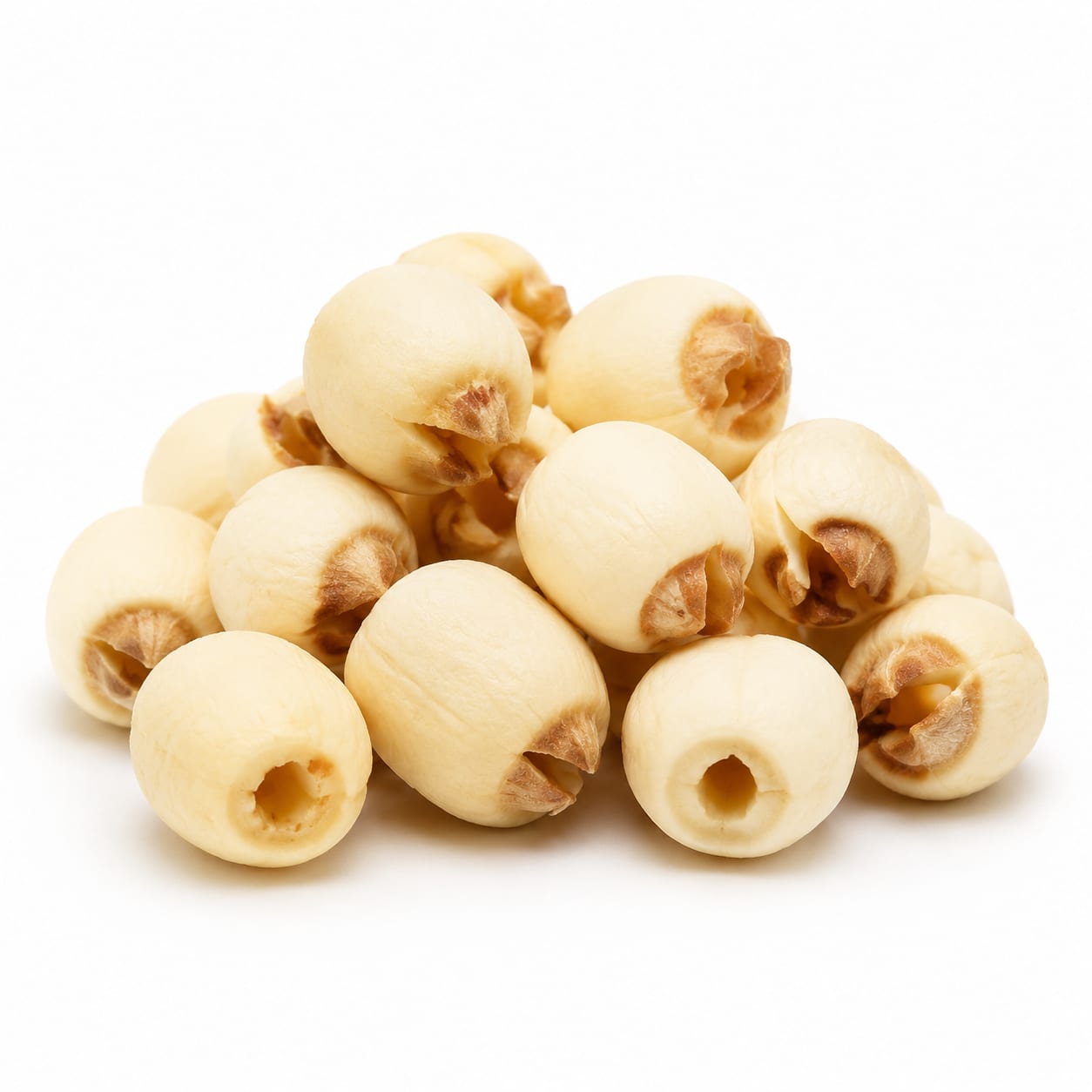
Lotus Fruit
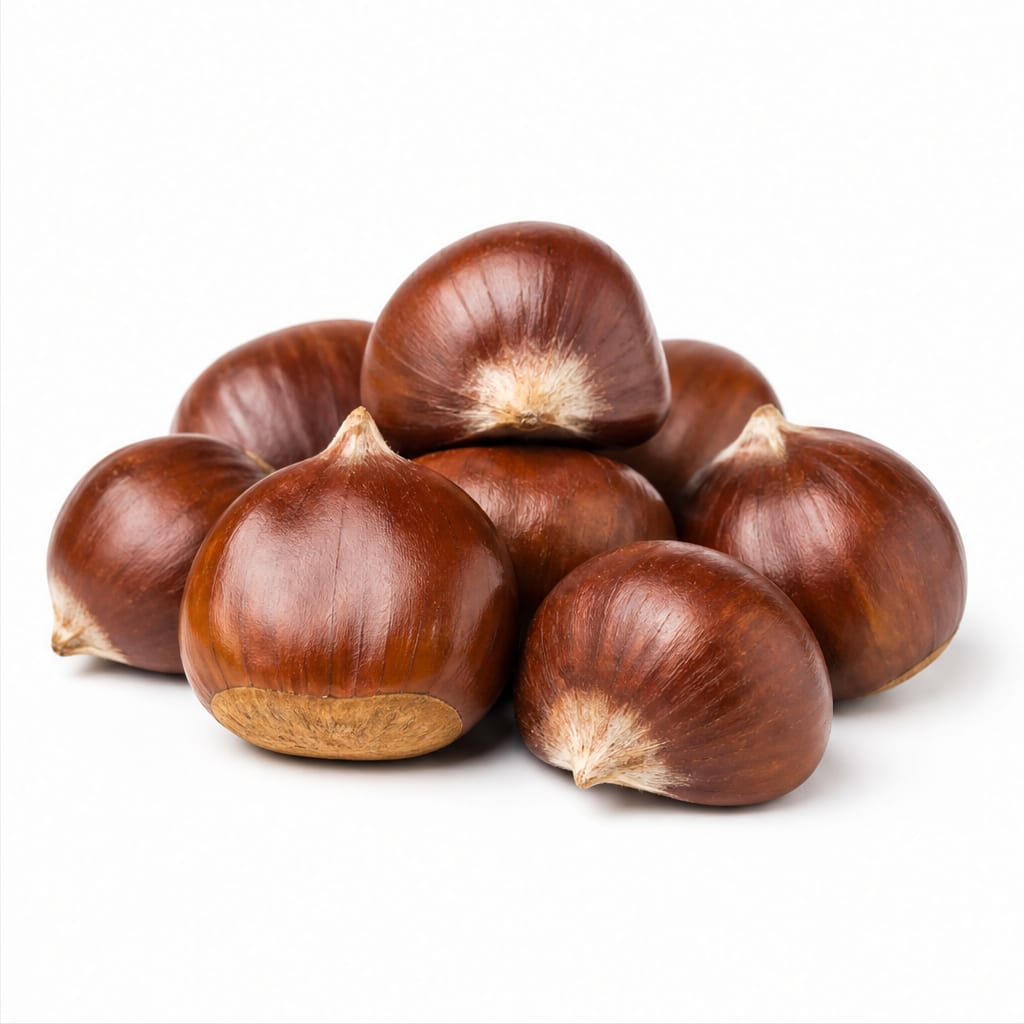
Chestnuts
Lotus seeds deliver more protein and minerals per bite, while chestnuts offer comforting starchiness and broader accessibility. Your pick depends on whether you prioritize nutrient density or everyday practicality.
Lotus seeds win on nutritional density, especially protein and minerals, but chestnuts close the gap through convenience, broader appeal, and vitamin C content. The narrow margin reflects that neither is clearly dominant—context determines the winner.
Lotus seeds are nutritionally superior but harder to find and prepare; chestnuts are convenient and comforting but carb-heavy with less protein.
At a glance
Executive summary
Overall
It depends
Healthier
Lotus Fruit
More practical
Chestnuts
Daily use
Chestnuts
Key comparison lenses
starch-based snacking with traditional roots
Both foods are low-fat, starch-rich traditional snacks that occupy a unusual niche between nuts and grains
blood sugar and energy management
Both deliver carbohydrates but with different glycemic profiles and fiber content, making this a key differentiator
mineral density and micronutrient value
Lotus seeds offer notably more protein and certain minerals, while chestnuts provide vitamin C and folate
practical availability and preparation
Chestnuts are globally accessible and familiar; lotus seeds require specialty stores and more preparation knowledge
traditional and medicinal significance
Both carry deep cultural meaning in Asian cuisine, but lotus seeds have stronger medicinal associations
Best choice for
Lotus Fruit
- People seeking plant protein and mineral density
- Those managing blood sugar who want lower glycemic load
- Anyone interested in traditional Asian medicinal foods
- People looking for calming, sleep-supportive evening snacks
Chestnuts
- Active people needing starchy energy for workouts
- Families wanting a comforting, shareable winter snack
- Those new to traditional Asian foods who want an accessible entry point
- Anyone craving a warm, satisfying carb without excessive fat
Least suitable for
Lotus Fruit
- People with very limited access to Asian grocery stores
- Those wanting a quick grab-and-go snack
- Anyone unfamiliar with preparing lotus seeds who may find the process frustrating
Chestnuts
- People strictly limiting carbohydrates
- Those with tree nut allergies who should consult an allergist
- Anyone seeking high-protein plant snacks
Deep comparison
Dimension by dimension
Each lens scores both foods and breaks down who each option suits.
- Dimension 1 · Priority 90Lotus Fruit
Protein and Muscle Support
Lotus Fruit · 78Chestnuts · 42Lotus seeds contain roughly 2-3 times more protein than chestnuts per serving, making them a far better plant protein source.
Tradeoff
Chestnuts trade protein for starchy energy; lotus seeds trade convenience for higher protein content.
Why it matters
If you rely on plant foods for protein, lotus seeds meaningfully contribute to daily targets while chestnuts barely move the needle.
Real-world impact
A handful of lotus seeds after exercise supports recovery better than chestnuts, which function more like a carb reload.
Lotus Fruit
- Post-workout plant protein
- Vegetarians tracking protein intake
- Older adults preserving muscle mass
Better for
- Those wanting immediate quick energy from carbs
Worse for
Chestnuts
- Endurance athletes refueling glycogen
- People who find high-protein snacks unappealing
Better for
- Anyone counting protein grams toward a daily goal
Worse for
- Dimension 2 · Priority 88Lotus Fruit
Blood Sugar Stability
Lotus Fruit · 74Chestnuts · 55Lotus seeds have a lower glycemic impact thanks to more protein and fiber relative to carbs. Chestnuts are starchier and can raise blood sugar faster.
Tradeoff
Chestnuts provide quicker energy but at the cost of steadier glucose; lotus seeds keep things more stable but feel less energizing immediately.
Why it matters
For anyone watching blood sugar—whether diabetic, prediabetic, or just avoiding afternoon crashes—this difference matters daily.
Real-world impact
Eating chestnuts on an empty stomach may cause a quicker spike and dip compared to lotus seeds, which digest more gradually.
Lotus Fruit
- People with insulin resistance or diabetes
- Those prone to energy crashes after carb-heavy snacks
- Anyone pairing snacks with sedentary desk work
Better for
- Situations demanding immediate carbohydrate replenishment
Worse for
Chestnuts
- Hikers and skiers needing fast fuel in cold weather
- Athletes mid-endurance event
Better for
- Late-night snacking when blood sugar stability matters for sleep
Worse for
- Dimension 3 · Priority 85Lotus Fruit
Vitamin and Mineral Density
Lotus Fruit · 80Chestnuts · 65Lotus seeds are richer in manganese, magnesium, phosphorus, and potassium. Chestnuts stand out for vitamin C and folate but trail on most minerals.
Tradeoff
Chestnuts offer rare vitamin C for a nut-like food; lotus seeds provide broader mineral coverage that supports bones, nerves, and metabolism.
Why it matters
Mineral deficiencies are common and cumulative. Lotus seeds quietly deliver more of what most people lack.
Real-world impact
Regular lotus seed consumption supports bone density and nerve function more effectively; chestnuts help more with immune support and tissue repair via vitamin C.
Lotus Fruit
- Women concerned about bone health
- People with magnesium-poor diets
- Anyone recovering from stress-related mineral depletion
Better for
- Those specifically seeking vitamin C from whole food sources
Worse for
Chestnuts
- People with low fruit intake who need vitamin C from non-citrus sources
- Pregnant women benefiting from extra folate
Better for
- Anyone relying on this food as a primary mineral contributor
Worse for
- Dimension 4 · Priority 82Lotus Fruit
Satiety and Fullness
Lotus Fruit · 76Chestnuts · 62The higher protein and fiber in lotus seeds keep you fuller longer. Chestnuts digest faster due to their starchy dominance.
Tradeoff
Chestnuts feel more immediately satisfying in the moment (warm, starchy comfort), but lotus seeds prevent hunger from returning sooner.
Why it matters
A snack that keeps you full for 3 hours versus 90 minutes changes how much you eat the rest of the day.
Real-world impact
Lotus seeds as an afternoon snack reduce the urge to graze before dinner; chestnuts may leave you reaching for something else within an hour.
Lotus Fruit
- People trying to reduce between-meal snacking
- Anyone using snacks to bridge long gaps between meals
Better for
- Moments when light eating is preferred over sustained fullness
Worse for
Chestnuts
- Those wanting a light pre-dinner appetizer that won't ruin appetite
- Social snacking where overfilling is undesirable
Better for
- Weight management where snacking frequency must be controlled
Worse for
- Dimension 5 · Priority 80Chestnuts
Convenience and Accessibility
Lotus Fruit · 35Chestnuts · 75Chestnuts are available in most grocery stores seasonally and require simple roasting. Lotus seeds demand specialty shopping and more preparation knowledge.
Tradeoff
You gain nutritional superiority with lotus seeds but pay for it in effort and availability; chestnuts are easy to find and enjoy.
Why it matters
The healthiest food only works if you actually eat it. Accessibility often determines consistency more than nutrition facts.
Real-world impact
Chestnuts can be impulse-bought and roasted same evening; lotus seeds require planning, soaking, and often online ordering.
Lotus Fruit
- People who already shop at Asian markets regularly
- Meal preppers who batch-cook snacks on weekends
Better for
- Busy parents with no time for specialty shopping
- Anyone living far from Asian grocery stores
Worse for
Chestnuts
- Spontaneous shoppers who cook on impulse
- Rural dwellers without specialty store access
- People new to cooking who want simple preparation
Better for
- Those in tropical climates where chestnuts are rarely stocked
Worse for
- Dimension 6 · Priority 72It depends
Emotional and Cultural Satisfaction
Lotus Fruit · 70Chestnuts · 72Both carry deep cultural warmth—lotus seeds in Chinese desserts and soups, chestnuts in European winter traditions. The winner depends on your heritage and food memories.
Tradeoff
Lotus seeds evoke medicinal comfort and ceremony; chestnuts evoke fireside warmth and holiday nostalgia. Different emotional profiles, equally valid.
Why it matters
Food is emotional. The snack that feels like home is the one you will actually eat consistently.
Real-world impact
A Chinese grandmother's lotus seed soup and a Parisian street vendor's roasted chestnuts both deliver comfort that no nutrition score can capture.
Lotus Fruit
- People with Chinese or Southeast Asian food heritage
- Those seeking calming, ritualistic food preparation
Better for
- Those with no cultural connection who find the flavor unfamiliar
Worse for
Chestnuts
- People with European or Korean food traditions
- Anyone who associates roasting with coziness and celebration
Better for
- People in hot climates where warm starchy snacks feel unappealing
Worse for
Timeline
Health impact over time
Short-term
Hours to days
Lotus Fruit
- Steadier energy with less blood sugar rollercoaster
- Mild calming effect traditionally associated with lotus seed consumption
- Moderate fullness that reduces urge to overeat
Chestnuts
- Quick satisfying warmth and starchy comfort
- Noticeable blood sugar rise that provides immediate energy but may cause a dip later
- Vitamin C boost supporting short-term immune function
Long-term
Months to years
Lotus Fruit
- Better mineral status supporting bone and nerve health over years
- Lower glycemic load contributing to more stable metabolic health
- Traditional use suggests calming properties that may support sleep quality long-term
Chestnuts
- Consistent vitamin C and folate intake supporting cardiovascular and immune health
- Starchy carb habit that may require portion awareness to avoid gradual weight gain
- Antioxidant content from ellagic acid contributing to long-term cellular protection
Risk profile
Safety & processing
Both foods are whole, minimally processed options when purchased in their natural form. Dried lotus seeds and raw chestnuts are about as clean as snacking gets. Watch for pre-sweetened lotus seed pastes or candied chestnuts, which add significant sugar.
Lotus Fruit
Potential bitterness from immature seeds
lowSome lotus seeds contain a green embryo that tastes bitter and is traditionally removed. This is a flavor issue, not a safety concern.
Sulfur dioxide in commercially dried products
mediumSome dried lotus seeds are treated with sulfites as preservatives. Sulfite-sensitive individuals should check labels or soak thoroughly before use.
Chestnuts
Mold contamination
mediumChestnuts are prone to mold growth if stored improperly, and certain molds can produce harmful toxins. Freshness matters more than with most nuts.
Tree nut allergy cross-reactivity
highThough botanically a fruit, chestnuts can trigger reactions in people with tree nut allergies. Anyone with nut allergies should confirm safety with an allergist before trying chestnuts.
Who wins for whom
Audience fit
Same foods, different winners depending on your goal.
children
ChestnutsChestnuts are sweeter, softer when roasted, and more kid-friendly. Lotus seeds have a milder, slightly bitter edge that many children resist.
daily consumption
ChestnutsChestnuts are easier to source, simpler to prepare, and more versatile in everyday cooking. Consistency beats nutritional perfection for daily habits.
diabetes
Lotus FruitLower glycemic load and higher protein-to-carb ratio make lotus seeds gentler on blood sugar. Chestnuts' starchiness can cause sharper glucose elevations.
elderly
Lotus FruitHigher mineral content supports bone density, and the traditional calming properties may benefit sleep—both concerns that increase with age. Softer preparation methods make chewing manageable.
muscle gain
Lotus FruitLotus seeds provide meaningfully more protein, which directly supports muscle repair and growth. Chestnuts contribute mostly carbohydrates.
weight loss
Lotus FruitHigher protein and fiber per calorie keep hunger at bay longer, reducing overall daily intake more effectively than chestnuts' starchy profile.
Your move
Decision guide
Choose Lotus Fruit
- You prioritize nutrient density over convenience
- You have access to Asian grocery stores or are comfortable ordering online
- You want a snack that supports blood sugar stability and keeps you full
- You are drawn to traditional Chinese medicinal food culture
- You need more plant protein in your diet
Choose Chestnuts
- You want a comforting, easy-to-prepare snack for cold weather
- Accessibility and simplicity matter more than marginal nutritional gains
- You enjoy cooking and eating seasonally
- You need pre-workout or endurance fuel from clean starches
- You are sharing food with children or picky eaters
Either works if
- You want a low-fat alternative to typical nuts like almonds or cashews
- You are exploring traditional Asian or European food heritage
- You need a whole-food snack that avoids ultra-processing
Avoid both if
- You are strictly limiting carbohydrates for ketogenic or very-low-carb diets
- You have severe nut or seed allergies without allergist clearance
- You need a high-protein snack and would be better served by edamame, Greek yogurt, or legumes
Final recommendation
For most people, chestnuts are the more practical daily choice because you will actually find and eat them consistently. But if you have access to lotus seeds and value nutritional precision—especially for blood sugar management or mineral intake—they are quietly superior. The best choice is the one you will prepare and enjoy regularly.
Practical
Consumer tips
- 1
If buying dried lotus seeds, soak them for several hours and remove the green embryo inside for milder flavor.
- 2
Roast chestnuts with a scored X on the shell to prevent exploding and make peeling easier.
- 3
Avoid candied or syrup-soaked versions of either food—they transform a healthy snack into a sugar bomb.
- 4
Store chestnuts in the refrigerator and use within a week or two; they spoil faster than other nuts due to high moisture content.
- 5
Lotus seeds freeze well after cooking—make a large batch and portion for convenient use in soups or porridge.
- 6
If sulfite sensitivity is a concern, rinse dried lotus seeds thoroughly and look for unsulfured brands.