
Nutrition comparison
Lotus Fruit vs Lychee: Which Tropical Fruit Is Healthier?
Compare lotus fruit and lychee on sugar content, safety, nutrition, and daily usability. Discover why lotus fruit may be the smarter everyday choice while lychee is best in moderation.
Overall winner · Lotus Fruit
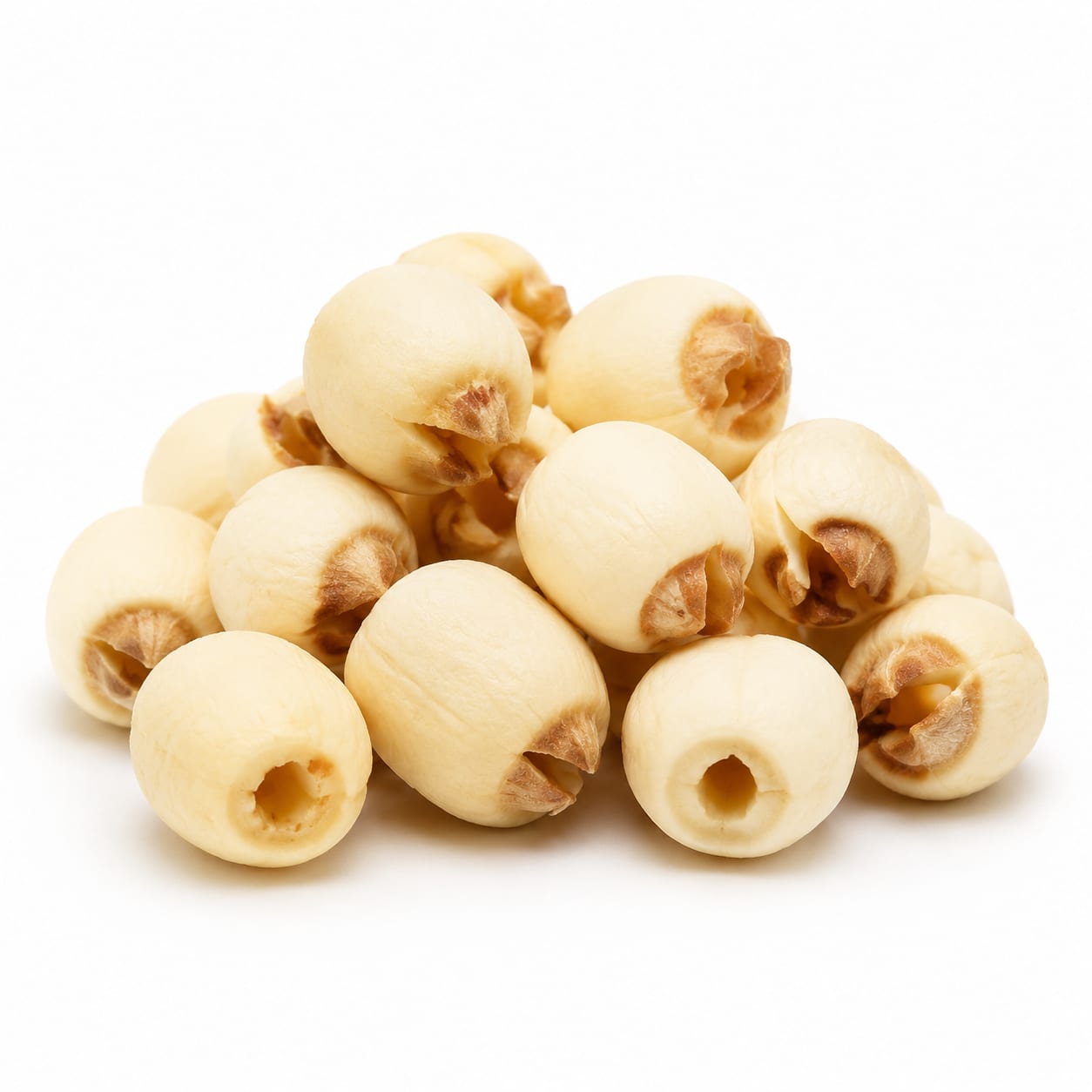
Lotus Fruit
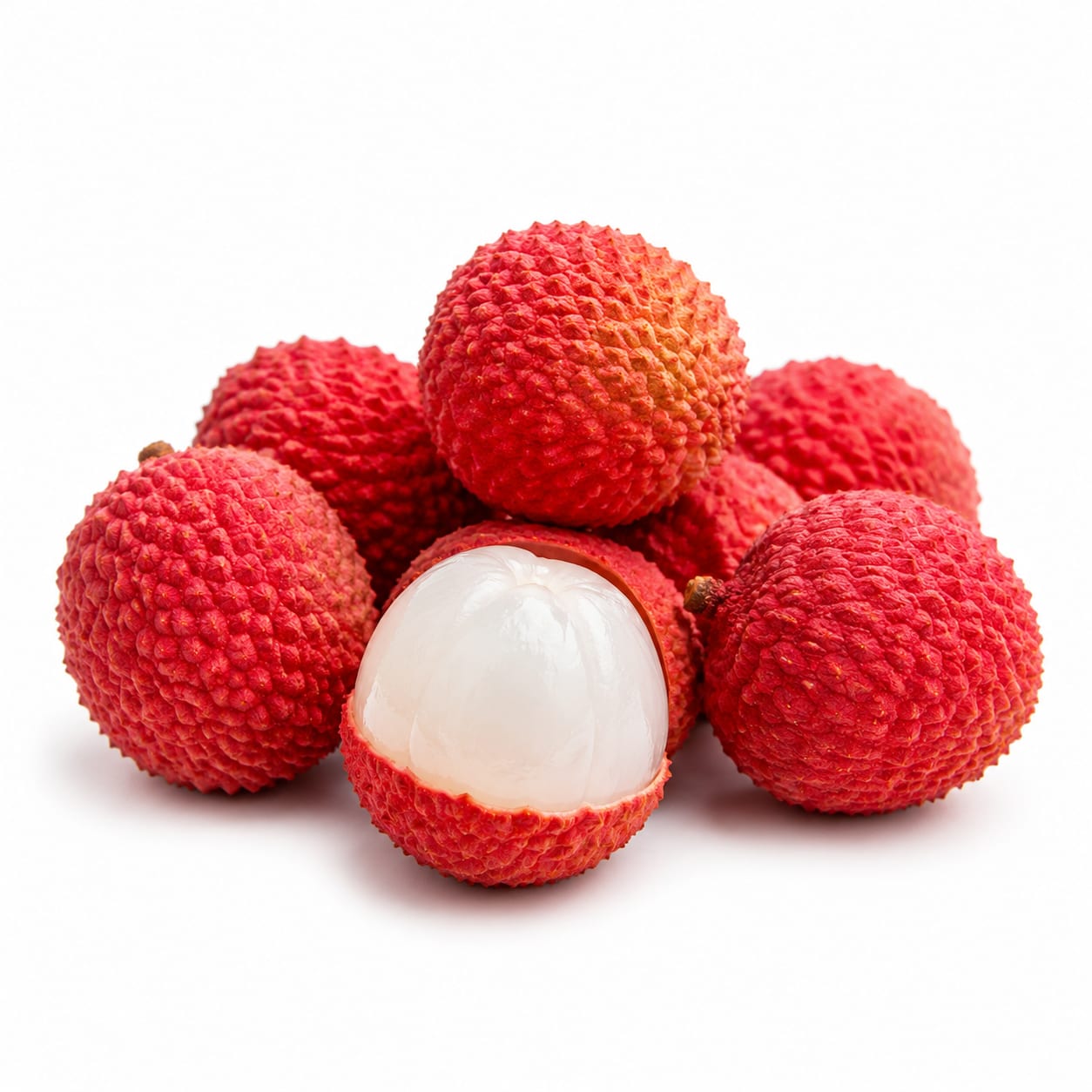
Lychee
Lotus fruit wins on nutritional balance and safety, while lychee offers a more enjoyable eating experience but carries hidden risks if overconsumed.
Lotus fruit scores higher due to better sugar control, stronger safety profile, and medicinal value. Lychee loses ground on sugar load and documented toxicity risk, though it wins on taste and vitamin C content.
Lychee delivers sweet tropical satisfaction but at a sugar and safety cost; lotus fruit is the steadier, safer choice with less excitement on the palate.
At a glance
Executive summary
Overall
Lotus Fruit
Healthier
Lotus Fruit
More practical
Lychee
Daily use
Lotus Fruit
Key comparison lenses
sugar content and blood sugar
Lychee is notably high in sugar while lotus fruit is much lower, making glycemic impact a central concern
safety and toxicity
Lychee carries a documented risk of hypoglycin toxicity especially for children and fasting individuals, a rare but serious concern
nutrient density per calorie
Both are traditional Asian foods but differ significantly in micronutrient profiles and caloric value
traditional medicinal value
Lotus fruit has deep roots in traditional medicine for calming and reproductive health, while lychee is primarily a pleasure fruit
everyday eating practicality
Availability, preparation, and shelf life differ considerably between these two foods
Best choice for
Lotus Fruit
- People managing blood sugar or diabetes
- Those seeking a calming, low-sugar snack
- Anyone eating fruit regularly throughout the day
- Individuals concerned about metabolic health
- Traditional medicine users seeking therapeutic benefits
Lychee
- Occasional tropical fruit enjoyment
- Vitamin C boost in small portions
- Special occasions and dessert pairings
- People wanting an antioxidant-rich treat
Least suitable for
Lotus Fruit
- People wanting a sweet, satisfying dessert fruit
- Those unfamiliar with its subtle flavor profile
- Anyone seeking quick energy from natural sugars
Lychee
- Children eating on an empty stomach
- People with diabetes or insulin resistance
- Anyone prone to overeating sweet fruits
- Fasting individuals or those with low blood sugar
Deep comparison
Dimension by dimension
Each lens scores both foods and breaks down who each option suits.
- Dimension 1 · Priority 92Lotus Fruit
sugar_and_blood_sugar_impact
Lotus Fruit · 82Lychee · 38Lotus fruit has dramatically less sugar and a gentler effect on blood sugar compared to lychee's rapid sugar hit.
Tradeoff
Lychee satisfies sweet cravings but can spike blood sugar quickly; lotus fruit keeps things steady but won't satisfy a sweet tooth.
Why it matters
For anyone watching blood sugar, this difference is the most important factor between these two foods.
Real-world impact
Eating a handful of lychee can feel like eating candy in terms of blood sugar response, while lotus fruit feels more like a mild, grounding snack.
Lotus Fruit
- Steady energy without crashes
- Diabetes-friendly snacking
- Late-night eating without regret
Better for
- Anyone wanting a sweet treat experience
Worse for
Lychee
- Quick pre-workout energy
- Satisfying a dessert craving naturally
Better for
- Afternoon energy crashes
- Blood sugar management
- Fasting windows
Worse for
- Dimension 2 · Priority 88Lotus Fruit
safety_and_toxicity
Lotus Fruit · 90Lychee · 52Lychee contains hypoglycin A which can cause dangerous drops in blood sugar, especially in malnourished children or fasting adults. Lotus fruit has no documented toxicity concerns.
Tradeoff
Lychee is safe in moderate amounts for well-nourished adults, but the risk profile is real and documented. Lotus fruit carries essentially no toxicity risk.
Why it matters
This is a rare but serious safety distinction that most consumers are unaware of when reaching for lychee.
Real-world impact
Outbreaks of lychee-associated encephalitis in children have been documented in India and Vietnam, linked to eating lychee on empty stomachs.
Lotus Fruit
- Children's snacks
- Fasting individuals
- Worry-free consumption at any time
Better for
- No significant safety downside
Worse for
Lychee
- Well-fed adults eating moderate portions after meals
Better for
- Empty-stomach consumption
- Children without adequate meals
- Overconsumption in a single sitting
Worse for
- Dimension 3 · Priority 78Lychee
vitamin_and_mineral_density
Lotus Fruit · 65Lychee · 74Lychee delivers impressive vitamin C and copper, while lotus fruit offers more protein, potassium, and magnesium per serving.
Tradeoff
Lychee wins on immune-supporting vitamin C; lotus fruit wins on minerals that support muscle function and calm the nervous system.
Why it matters
The micronutrient profiles serve different purposes, so the better choice depends on what your diet is missing.
Real-world impact
A serving of lychee covers most of your daily vitamin C needs, while lotus fruit is better for replenishing electrolytes after sweating.
Lotus Fruit
- Post-exercise mineral replenishment
- Nervous system support
- Plant-based protein supplementation
Better for
- Vitamin C content is modest
Worse for
Lychee
- Immune system support
- Skin health and collagen production
- Iron absorption enhancement
Better for
- Mineral diversity is narrower
Worse for
- Dimension 4 · Priority 74It depends
antioxidant_and_anti_inflammatory_value
Lotus Fruit · 72Lychee · 70Both foods offer meaningful antioxidants through different compounds. Lotus fruit provides flavonoids and alkaloids with calming properties; lychee delivers oligonol, a unique polyphenol.
Tradeoff
Lotus fruit leans anti-inflammatory and calming; lychee leans toward skin and circulation benefits. Neither dominates the other.
Why it matters
Both contribute to long-term health through different pathways, making them complementary rather than competitive.
Real-world impact
Regular lotus fruit consumption may help with stress and inflammation, while lychee's oligonol may support skin elasticity and blood flow.
Lotus Fruit
- Chronic inflammation management
- Stress-related oxidative damage
- Calming and sleep support
Better for
- Less research on unique polyphenol benefits
Worse for
Lychee
- Skin aging defense
- Circulatory health
- UV damage protection
Better for
- Sugar content partially offsets antioxidant gains
Worse for
- Dimension 5 · Priority 70Lotus Fruit
satiety_and_craving_control
Lotus Fruit · 76Lychee · 48Lotus fruit's protein and fiber content makes it more filling and less likely to trigger overeating. Lychee's sweetness can open the floodgates for more sugar cravings.
Tradeoff
You'll likely stop eating lotus fruit naturally; lychee's deliciousness makes portion control a real challenge.
Why it matters
Foods that self-regulate intake are easier to maintain long-term without counting or restricting.
Real-world impact
It's easy to eat 15 lychees without thinking, which can mean 30+ grams of sugar. Lotus fruit naturally limits itself.
Lotus Fruit
- Weight management
- Mindful snacking
- Reducing sugar cravings over time
Better for
- Less hedonic pleasure
Worse for
Lychee
- Enjoyment and satisfaction in small portions
Better for
- Trigger food for sugar cravings
- Easy to overconsume
- Guilt after overeating
Worse for
- Dimension 6 · Priority 65Lychee
practicality_and_accessibility
Lotus Fruit · 50Lychee · 72Fresh lychee is more widely available in supermarkets globally. Lotus fruit is typically found dried or canned in specialty Asian markets.
Tradeoff
Lychee is easier to find and enjoy fresh; lotus fruit requires more effort to source and often comes processed.
Why it matters
The best food nutritionally means little if you can't consistently access it.
Real-world impact
Most people can grab fresh lychee seasonally at mainstream grocery stores, while lotus fruit often requires a trip to an Asian market or online order.
Lotus Fruit
- Long shelf life when dried
- Year-round availability in preserved forms
Better for
- Harder to find fresh
- Often requires cooking or soaking
Worse for
Lychee
- Fresh seasonal availability
- Wider retail distribution
- Ready-to-eat convenience
Better for
- Short fresh season
- Perishable once peeled
Worse for
Timeline
Health impact over time
Short-term
Hours to days
Lotus Fruit
- Mild, steady energy without spikes
- Gentle digestive support from fiber
- Calming effect consistent with traditional use
Lychee
- Quick energy boost from natural sugars
- Immediate vitamin C infusion
- Potential blood sugar spike if eaten on empty stomach
- Risk of discomfort if overeaten due to high sugar load
Long-term
Months to years
Lotus Fruit
- Consistent mineral intake supports bone and nerve health
- Anti-inflammatory compounds may reduce chronic disease risk
- Low sugar intake supports metabolic health over decades
- Traditional use suggests reproductive and kidney benefits
Lychee
- Vitamin C and oligonol support skin and vascular health
- High regular sugar intake may undermine metabolic health
- Antioxidant benefits are real but offset if overconsumed
- Rare but serious risk for vulnerable populations with chronic heavy consumption
Risk profile
Safety & processing
Both foods are naturally whole foods when fresh. However, lotus fruit is more commonly sold dried or canned, which may involve sulfites or added sugar in syrup. Fresh lychee is typically unprocessed, though canned lychee often comes in heavy syrup.
Lotus Fruit
Sulfite residue in dried products
lowSome dried lotus products use sulfur dioxide as a preservative, which can affect sensitive individuals. Check labels if you have sulfite sensitivity.
Contamination in canned versions
lowCanned lotus fruit may contain BPA from can linings or added sodium. Choose glass-jarred or dried versions when possible.
Lychee
Hypoglycin A toxicity
highUnripe lychee contains hypoglycin A and MCPG, which inhibit fatty acid oxidation and can cause severe hypoglycemia. Documented outbreaks of acute encephalitis in malnourished children in India and Vietnam. Always eat ripe lychee and never on an empty stomach.
Pesticide residue
mediumLychee's thin skin offers limited protection against pesticide exposure. Washing is essential, and organic options are preferable when available.
High sugar overconsumption
mediumEasy to overeat due to sweet taste, leading to excessive sugar intake that can contribute to metabolic issues over time.
Who wins for whom
Audience fit
Same foods, different winners depending on your goal.
children
Lotus FruitLychee's hypoglycin risk is most dangerous for children, especially those who are undernourished or eating on empty stomachs. Lotus fruit is the safer option.
daily consumption
Lotus FruitSafety, low sugar, and steady nutrition make lotus fruit sustainable for daily use. Lychee is best enjoyed as an occasional treat.
diabetes
Lotus FruitSignificantly lower sugar content and gentler blood sugar impact make lotus fruit the clear choice for glucose management.
elderly
Lotus FruitLower sugar, calming properties, and mineral content support aging bodies better. Lychee's sugar load and safety concerns are less suitable for older adults.
muscle gain
Lotus FruitLotus fruit provides modest protein content and mineral support that benefits muscle recovery, while lychee offers little protein.
weight loss
Lotus FruitLower sugar, more protein and fiber, and natural portion control make lotus fruit easier to fit into a calorie-conscious eating plan.
Your move
Decision guide
Choose Lotus Fruit
- You want a low-sugar snack you can eat daily without worry
- Blood sugar management is a priority for you
- You're looking for calming, mineral-rich food with traditional health benefits
- You're feeding children and want a safer fruit option
- You prefer foods that naturally limit overeating
Choose Lychee
- You want a delicious tropical treat for occasional enjoyment
- You're seeking a vitamin C boost and can control portions
- You're eating after a full meal and want something sweet
- You value the unique antioxidant properties of oligonol
- Fresh seasonal fruit experience matters to you
Either works if
- You want antioxidant-rich whole foods in your diet
- You enjoy exploring traditional Asian ingredients
- You're looking for natural alternatives to processed sweets
Avoid both if
- You have severe allergies to either fruit family
- You're on a strict very-low-carb diet and can't accommodate any fruit sugar
Final recommendation
Make lotus fruit your regular go-to and treat lychee as a special occasion fruit. The safety and metabolic advantages of lotus fruit make it the smarter daily choice, while lychee's pleasure and vitamin C are best enjoyed in mindful moderation after a meal.
Practical
Consumer tips
- 1
Always eat lychee ripe and after a meal, never on an empty stomach, especially for children
- 2
Limit lychee to 6-8 fruits per sitting to keep sugar intake reasonable
- 3
Choose dried lotus fruit without added sulfites when possible
- 4
If buying canned lotus fruit, opt for versions in water rather than syrup
- 5
Wash fresh lychee thoroughly to reduce pesticide residue on the peel
- 6
Store fresh lychee in the refrigerator and consume within a few days of peeling
- 7
Dried lotus fruit can be added to soups, congee, or tea for a nutritional boost
- 8
If you experience dizziness or nausea after eating lychee, stop immediately and eat something with carbohydrates