
Nutrition comparison
Lotus Fruit vs Taro: Nutrition, Safety, and Which Starch Is Better for You
Compare Lotus Fruit and Taro side by side. Discover which offers more protein, which is safer to prepare, which stabilizes blood sugar better, and which fits your health goals.
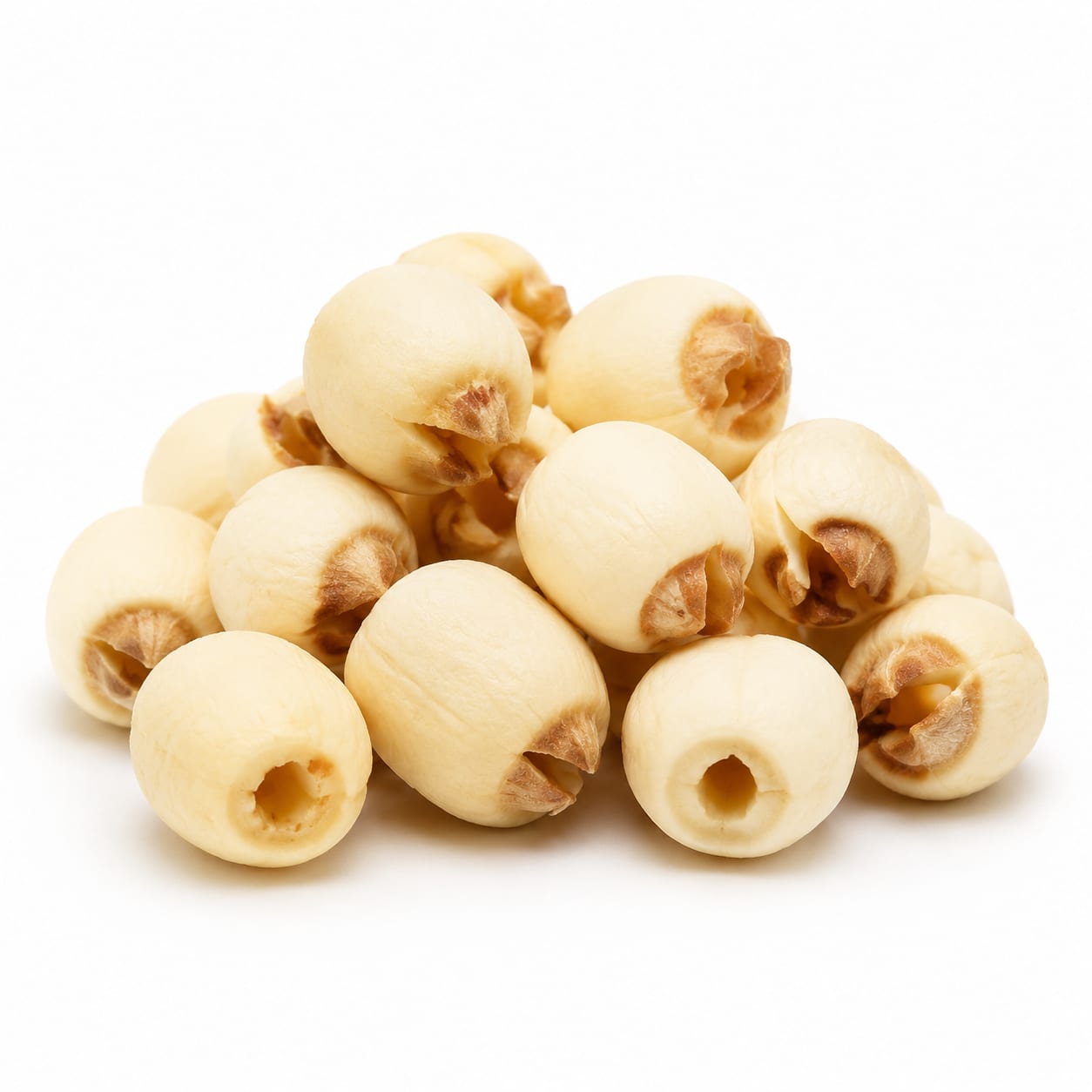
Lotus Fruit
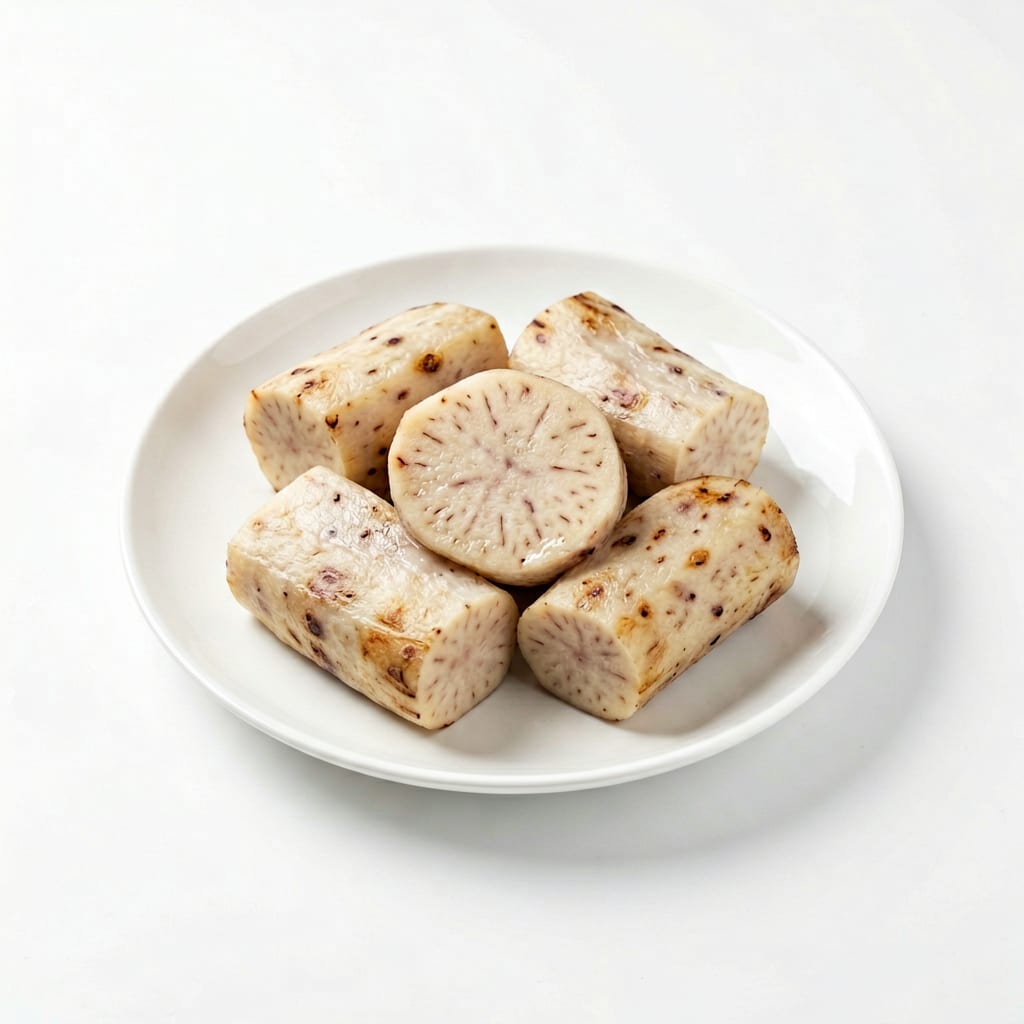
Taro
Taro wins as a daily energy staple with lower calories and better satiety per bite, while Lotus Fruit offers superior protein, richer micronutrients, and calming properties that make it a therapeutic choice.
Taro edges ahead slightly due to lower calorie density, better satiety-per-calorie, and versatility as a daily staple. Lotus Fruit scores well on protein and micronutrients but loses ground on practicality and portion flexibility.
Taro gives you more food volume for fewer calories but requires careful cooking; Lotus Fruit delivers more protein and unique medicinal benefits at higher calorie density.
At a glance
Executive summary
Overall
It depends
Healthier
It depends
More practical
Taro
Daily use
Taro
Key comparison lenses
starchy staple comparison for Asian cuisine
Both are traditional Asian carbohydrate sources often used in soups, desserts, and savory dishes
blood sugar management
Users comparing starchy foods often care about glycemic impact and energy stability
safety and preparation requirements
Taro has serious raw-toxicity concerns that demand attention in any comparison
weight management suitability
Calorie density differs significantly between these two foods
digestive comfort and gut health
Both foods have notable fiber profiles and traditional digestive uses
Best choice for
Lotus Fruit
- People seeking plant-based protein from a starchy food
- Those wanting traditional calming and sleep-supportive properties
- Anyone looking for nutrient-dense small portions
- Individuals managing diarrhea or digestive upset traditionally
Taro
- People wanting a filling low-calorie carb staple
- Those who eat large portions and need volume satisfaction
- Anyone needing steady long-lasting energy
- Families seeking an affordable everyday starch
Least suitable for
Lotus Fruit
- People strictly limiting calorie intake who eat large portions
- Those unfamiliar with preparation who might skip proper cooking
- Anyone needing a high-volume filling meal base
Taro
- People who might accidentally consume it raw or undercooked
- Those with oxalate-sensitive kidney conditions
- Anyone seeking significant protein from their starch source
Deep comparison
Dimension by dimension
Each lens scores both foods and breaks down who each option suits.
- Dimension 1 · Priority 90Taro
calorie density and portion control
Lotus Fruit · 55Taro · 82Taro delivers roughly one-third the calories per 100g compared to Lotus Fruit, making it far easier to eat satisfying portions without overconsuming calories.
Tradeoff
Lotus Fruit packs more nutrition per gram but you get far less food on your plate for the same calorie budget.
Why it matters
If you eat until physically full, Taro lets you do that with less caloric cost. Lotus Fruit requires more mindful portioning.
Real-world impact
A large bowl of taro soup feels filling without breaking your calorie budget. The same bowl loaded with lotus seeds could quietly deliver double the calories.
Lotus Fruit
- Compact nutrition when you need calories efficiently
- Backpacking or travel where weight matters more than volume
Better for
- Mindless snacking leads to easy calorie overshoot
- Large-portion meals where calories add up fast
Worse for
Taro
- Weight loss diets where volume satisfaction matters
- Anyone who eats large portions and tracks calories
Better for
- Situations requiring calorie-dense fuel in small amounts
Worse for
- Dimension 2 · Priority 88Taro
blood sugar stability
Lotus Fruit · 62Taro · 76Taro contains resistant starch that slows glucose absorption, giving it a gentler blood sugar curve. Lotus Fruit has moderate glycemic impact depending on preparation.
Tradeoff
Taro's resistant starch acts like fiber in your gut, feeding beneficial bacteria while softening glucose spikes. Lotus Fruit lacks this advantage but still beats refined carbs.
Why it matters
Steadier blood sugar means fewer afternoon energy crashes and less cravings an hour after eating.
Real-world impact
A taro-based breakfast keeps you running smoothly until lunch. Lotus Fruit works fine but you may feel hunger sooner if eaten alone.
Lotus Fruit
- Smaller portions where glycemic load stays manageable
Better for
- Large servings can spike blood sugar more noticeably
Worse for
Taro
- Diabetics seeking gentler post-meal glucose responses
- Pre-workout meals needing sustained energy release
- Anyone prone to energy crashes after starchy foods
Better for
- Overcooking taro into mush can raise its glycemic index
Worse for
- Dimension 3 · Priority 85Lotus Fruit
protein and micronutrient density
Lotus Fruit · 84Taro · 52Lotus Fruit delivers significantly more protein per serving along with higher concentrations of magnesium, phosphorus, and potassium. Taro is comparatively nutrient-thin beyond its starch content.
Tradeoff
You choose Lotus Fruit when nutrient density per bite matters more than filling your stomach. Taro feeds your energy needs but contributes less to your daily micronutrient targets.
Why it matters
If your diet lacks protein or key minerals, Lotus Fruit helps close those gaps in a way Taro simply cannot.
Real-world impact
Adding lotus seeds to a vegetarian meal provides meaningful protein support. Taro adds calories and satisfaction but almost no protein contribution.
Lotus Fruit
- Vegetarians needing plant protein from carb sources
- Anyone with marginal magnesium or phosphorus intake
- Small eaters who need nutrient density in limited portions
Better for
- Should not be relied on as a primary protein source despite being better than Taro
Worse for
Taro
- Meals where protein comes from other components anyway
Better for
- Meals lacking other protein sources will feel incomplete nutritionally
Worse for
- Dimension 4 · Priority 85Lotus Fruit
safety and preparation requirements
Lotus Fruit · 80Taro · 48Taro contains calcium oxalate crystals that cause severe mouth and throat irritation if consumed raw or undercooked. Lotus Fruit has no such acute toxicity risk.
Tradeoff
Taro demands respect and proper preparation every single time. Lotus Fruit is far more forgiving and safer for inexperienced cooks.
Why it matters
One raw bite of taro can cause burning, swelling, and throat distress lasting hours. This is not a minor concern for households with children or careless cooks.
Real-world impact
Peeling raw taro with bare hands can cause skin irritation. Skipping the cooking step even briefly turns a meal into a painful experience. Lotus Fruit carries no such risk.
Lotus Fruit
- Households with children who might sample ingredients
- Inexperienced cooks who may cut corners on preparation
- Meal prep scenarios where consistency and safety matter
Better for
- Bitter lotus seeds from immature pods can cause mild stomach upset
Worse for
Taro
- Experienced cooks who always properly prepare it anyway
Better for
- Raw or undercooked consumption causes immediate pain
- Peeling without gloves irritates skin
- Kidney patients must consider oxalate load even when cooked
Worse for
- Dimension 5 · Priority 78Lotus Fruit
digestive health and traditional medicinal value
Lotus Fruit · 83Taro · 68Lotus Fruit has centuries of use in traditional medicine for calming the mind, supporting sleep, and reducing diarrhea. Taro's resistant starch feeds gut bacteria but lacks therapeutic reputation.
Tradeoff
Taro supports gut health mechanically through resistant starch. Lotus Fruit offers both gut support and documented calming properties that affect how you feel beyond digestion.
Why it matters
If stress, poor sleep, or nervous digestion are part of your life, Lotus Fruit works double duty as food and gentle remedy.
Real-world impact
A bowl of lotus seed soup before bed can help you wind down. Taro soup is comforting but carries no specific calming effect.
Lotus Fruit
- Evening meals where calming properties support sleep
- People with stress-related digestive complaints
- Traditional medicine users seeking holistic food benefits
Better for
- The bitter embryo inside some seeds can cause nausea if not removed
Worse for
Taro
- Prebiotic support for gut microbiome diversity
- Constipation-prone individuals needing gentle fiber
Better for
- Insufficiently cooked taro causes gastrointestinal distress
Worse for
- Dimension 6 · Priority 75Taro
versatility and everyday practicality
Lotus Fruit · 60Taro · 78Taro integrates easily into savory dishes, soups, desserts, and snacks across many cuisines. Lotus Fruit has a narrower culinary range, appearing mostly in soups and sweet desserts.
Tradeoff
Taro adapts to almost any meal format. Lotus Fruit shines in specific traditional dishes but feels out of place in most Western-style cooking.
Why it matters
A food you can cook many ways gets eaten more often and wasted less. Versatility drives long-term dietary adherence.
Real-world impact
You can mash taro, fry it, boil it, or bake it into chips. Lotus Fruit mostly lands in soups and sweet porridges, limiting how often you reach for it.
Lotus Fruit
- Traditional Asian dessert and soup recipes
- Snack form as roasted lotus seeds
Better for
- Limited appeal outside traditional recipe contexts
- Harder to find in regular grocery stores
Worse for
Taro
- Weeknight dinners needing a flexible carb base
- Meal prep where one ingredient serves multiple recipes
- Fusion cooking that blends cuisines
Better for
- Requires peeling and thorough cooking every time
Worse for
Timeline
Health impact over time
Short-term
Hours to days
Lotus Fruit
- Provides steady energy with moderate glycemic rise
- Mild calming effect noticeable within an hour of consumption
- Good satiety from protein and fiber combination but smaller portions may feel insufficient
Taro
- Sustained energy release with minimal crash due to resistant starch
- High fullness factor per calorie consumed
- Risk of mouth and throat burning if undercooked even slightly
Long-term
Months to years
Lotus Fruit
- Magnesium and phosphorus support bone density over time
- Regular consumption may improve sleep quality through mild sedative compounds
- Calorie density requires portion awareness to avoid gradual weight gain
Taro
- Resistant starch feeds beneficial gut bacteria, supporting microbiome diversity
- Low calorie density aids sustainable weight management when replacing denser carbs
- Oxalate content requires monitoring for those prone to kidney stones
Risk profile
Safety & processing
Both foods are whole, minimally processed plant foods typically sold in their natural state. Dried lotus seeds and raw taro roots both contain nothing artificial. The main concern is that some commercially sold lotus seeds may be sulfur-fumigated for preservation, and packaged taro products like chips can carry added oils and sodium.
Lotus Fruit
Sulfur dioxide residue from fumigation
lowSome dried lotus seeds are treated with sulfur dioxide to preserve color. Rinsing and cooking reduces exposure. Look for unsulfured varieties if sensitive.
Bitter embryo causing nausea
lowThe green embryo inside lotus seeds tastes bitter and can cause mild stomach discomfort. Many commercial seeds have this removed, but check before cooking.
Taro
Calcium oxalate toxicity from raw or undercooked consumption
highRaw taro contains needle-like calcium oxalate crystals that cause immediate burning, swelling, and throat irritation. Thorough boiling or steaming destroys these crystals. Never eat taro raw.
Skin irritation during peeling
mediumHandling raw taro with bare hands can cause itching and tingling. Wear gloves or peel under running water to minimize contact.
Oxalate load for kidney stone formers
mediumEven properly cooked taro retains some oxalates. Individuals with a history of calcium oxalate kidney stones should moderate intake and ensure adequate hydration.
Who wins for whom
Audience fit
Same foods, different winners depending on your goal.
children
Lotus FruitLotus Fruit carries no acute toxicity risk. Taro's raw-danger profile makes it risky in households where children might sample ingredients before cooking.
daily consumption
TaroTaro's versatility, lower calorie density, and ability to serve as a dietary staple make it more sustainable for everyday use across varied meals.
diabetes
TaroTaro's resistant starch slows glucose absorption, producing gentler blood sugar responses. Both are superior to refined carbs, but Taro offers better glycemic control.
elderly
It dependsTaro's soft texture when cooked suits elderly with chewing difficulties, and its resistant starch supports gut health. Lotus Fruit's calming properties and higher mineral content support bone health and sleep. Choose based on individual priority.
muscle gain
Lotus FruitLotus Fruit provides significantly more protein per serving, though neither food is a primary muscle-building source. Lotus Fruit slightly better supports protein needs in a starchy food.
weight loss
TaroTaro's low calorie density means you can eat satisfying portions while staying within calorie limits. Lotus Fruit's higher calorie density requires stricter portion control.
Your move
Decision guide
Choose Lotus Fruit
- You want a nutrient-dense food with meaningful protein content
- Calming and sleep-supportive properties appeal to you
- You prepare traditional Asian soups and desserts regularly
- Safety and ease of preparation matter more than volume
- You need compact nutrition for hiking or travel
Choose Taro
- You want a filling low-calorie carb for weight management
- Steady energy without crashes is your priority
- You cook varied meals and need a versatile starch base
- You are comfortable with proper preparation techniques
- Gut health and prebiotic fiber matter to you
Either works if
- You want a whole-food alternative to refined carbohydrates
- Traditional Asian ingredients fit your cooking style
- You are looking for gentle digestion-friendly starches
- Both are available and you enjoy rotating between them
Avoid both if
- You need a high-protein food as your primary protein source
- You have severe oxalate restrictions for kidney health
- You want a convenience food requiring no preparation
- Neither fits your cultural cooking traditions or taste preferences
Final recommendation
Keep both in your rotation. Use Taro as your everyday energy staple where volume and satisfaction matter. Reach for Lotus Fruit when you want denser nutrition, a calming evening meal, or a protein boost from your carb source. Never skip proper taro cooking, and remove bitter lotus embryos before eating. Both are excellent whole-food choices that outperform refined starches by a wide margin.
Practical
Consumer tips
- 1
Always boil or steam taro thoroughly until completely soft. If any tingling sensation occurs while tasting, it needs more cooking.
- 2
Wear gloves when peeling raw taro, or peel it under running water to minimize skin contact with oxalate crystals.
- 3
Check dried lotus seeds for a green embryo inside. Remove it before cooking to avoid bitterness and mild stomach upset.
- 4
Rinse dried lotus seeds well before cooking to remove potential sulfur dioxide residue from fumigation.
- 5
Roasted lotus seeds make an excellent portable snack with more protein than most trail mixes.
- 6
Taro can be mashed like potatoes, cubed into soups, sliced and baked into chips, or steamed as a side dish.
- 7
Store taro in a cool dry place and use within a week. Refrigeration can cause it to spoil faster.
- 8
Both foods freeze well after cooking, making them convenient for batch meal prep.