
Nutrition comparison
Lotus Fruit vs Chickpeas: Nutrition, Digestion, and Which to Choose
Compare lotus fruit and chickpeas for protein, digestion, blood sugar, and daily use. Learn which plant food fits your health goals and when each one wins.
Overall winner · Chickpeas
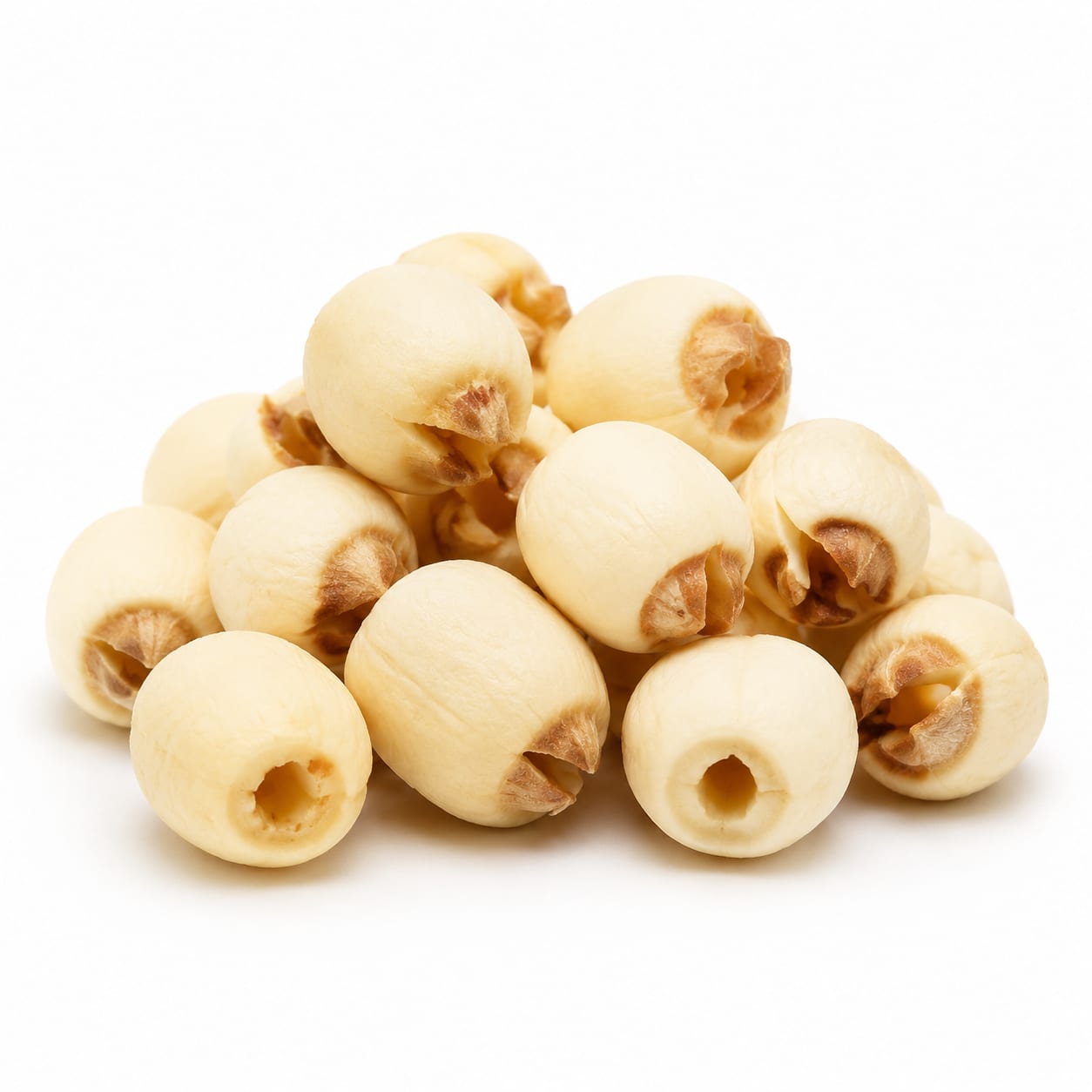
Lotus Fruit
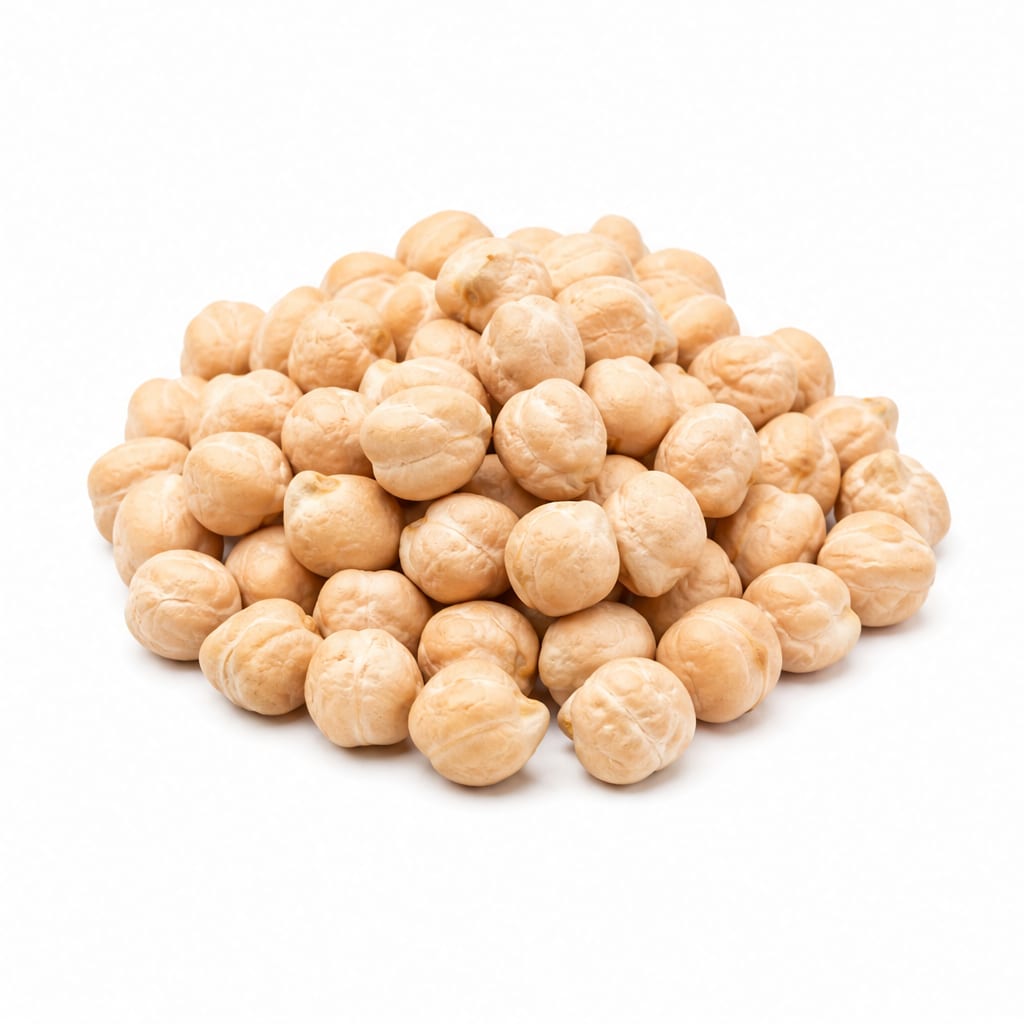
Chickpeas
Chickpeas win on protein, fiber, and everyday practicality. Lotus fruit offers unique calming properties and easier digestion but cannot match chickpeas as a nutritional workhorse.
Chickpeas score substantially higher due to superior protein, fiber, iron, and folate content plus unmatched availability and versatility. Lotus fruit earns points for digestibility and unique calming compounds but falls behind as a primary nutrition source.
Chickpeas deliver superior macros and availability but may cause bloating. Lotus fruit is gentler on the stomach and has sedative properties but provides less protein and is harder to find.
At a glance
Executive summary
Overall
Chickpeas
Healthier
Chickpeas
More practical
Chickpeas
Daily use
Chickpeas
Key comparison lenses
plant-based protein source selection
Both foods are valued as plant protein sources, but chickpeas deliver significantly more protein per serving
digestive tolerance and comfort
Chickpeas are notorious for causing gas while lotus seeds are traditionally used to soothe digestion
blood sugar management
Both have low glycemic impact but through different mechanisms worth understanding
traditional vs mainstream nutrition
Lotus fruit carries centuries of Eastern medicinal use while chickpeas are a global dietary staple
practical availability and cooking convenience
Chickpeas are everywhere and easy to use; lotus fruit requires specialty shopping and preparation knowledge
Best choice for
Lotus Fruit
- People with sensitive digestion who react poorly to beans
- Those seeking traditional calming or sleep-supporting foods
- Anyone avoiding high-fiber gas-producing legumes
- People exploring Eastern medicinal food traditions
Chickpeas
- Anyone needing reliable plant-based protein
- Meal preppers looking for versatile batch-cook ingredients
- Budget-conscious eaters wanting maximum nutrition per dollar
- Athletes and active people refueling after training
Least suitable for
Lotus Fruit
- People who need high protein intake from plant sources
- Those without access to Asian specialty markets
- Anyone unfamiliar with preparing traditional lotus-based dishes
Chickpeas
- People with severe legume intolerance or IBS triggers
- Those on low-fiber diets for acute digestive conditions
- Anyone who experiences significant bloating from beans
Deep comparison
Dimension by dimension
Each lens scores both foods and breaks down who each option suits.
- Dimension 1 · Priority 95Chickpeas
Protein Content and Quality
Lotus Fruit · 45Chickpeas · 82Chickpeas provide roughly 19g protein per 100g dried versus lotus seeds at around 17g, but chickpeas offer more complete amino acid coverage and are typically eaten in larger quantities.
Tradeoff
Lotus fruit has respectable protein for a seed but is rarely consumed in amounts large enough to matter as a primary protein source.
Why it matters
If you rely on plant foods for protein, chickpeas are far more dependable as a daily staple.
Real-world impact
A cup of chickpeas in a salad delivers about 15g protein. You would need to eat a very large portion of lotus seeds to match that.
Lotus Fruit
- Light snacking with moderate protein
Better for
- Meeting high daily protein targets
Worse for
Chickpeas
- Post-workout recovery meals
- Building plant-based bowls with solid protein
- Replacing meat in main dishes
Better for
- Eating right before intense activity if prone to bloating
Worse for
- Dimension 2 · Priority 88Lotus Fruit
Digestive Comfort and Tolerance
Lotus Fruit · 85Chickpeas · 50Lotus fruit is traditionally used to soothe the digestive tract and rarely causes gas. Chickpeas contain oligosaccharides that ferment in the gut and commonly cause bloating.
Tradeoff
Chickpeas feed beneficial gut bacteria through prebiotic fiber but the fermentation process causes discomfort for many. Lotus fruit is gentler but provides less prebiotic benefit.
Why it matters
If beans consistently make you uncomfortable, lotus fruit is a genuinely easier alternative that still offers plant nutrition.
Real-world impact
After a chickpea-heavy meal you might feel bloated for hours. Lotus seed soup feels light and settling by comparison.
Lotus Fruit
- People with IBS or sensitive stomachs
- Evening meals when you want to avoid heaviness
- Recovering from digestive upset
Better for
- Those who need strong prebiotic fiber intake
Worse for
Chickpeas
- Building a robust diverse microbiome over time
Better for
- Social situations where bloating is problematic
- Date nights or events after a bean-heavy lunch
Worse for
- Dimension 3 · Priority 82Chickpeas
Blood Sugar Stability
Lotus Fruit · 72Chickpeas · 80Both foods have low glycemic impact. Chickpeas edge ahead because their higher fiber and protein content creates a stronger blood sugar buffer.
Tradeoff
Lotus fruit has a gentle glycemic profile but less fiber per typical serving to slow glucose absorption compared to chickpeas.
Why it matters
For steady energy without crashes, both work well but chickpeas give you a bigger safety margin.
Real-world impact
A chickpea lunch keeps energy stable for hours. Lotus seeds as a snack are fine but less protective if eaten with carb-heavy meals.
Lotus Fruit
- Light low-glycemic snacking between meals
Better for
- Sole protein source in a carb-heavy meal
Worse for
Chickpeas
- Balancing high-carb meals with protein and fiber
- Diabetes-friendly main dishes
Better for
- Dimension 4 · Priority 72Lotus Fruit
Calming and Sleep Properties
Lotus Fruit · 90Chickpeas · 30Lotus seeds contain nuciferine and other alkaloids with documented sedative and anxiolytic properties. Chickpeas have no meaningful calming compounds.
Tradeoff
This is a rare category where lotus fruit clearly and uniquely outperforms most foods including chickpeas.
Why it matters
If sleep quality or anxiety management is a priority, lotus fruit functions as both food and gentle remedy.
Real-world impact
Traditional lotus seed soup before bed can genuinely help you wind down. Chickpeas at dinner are just dinner.
Lotus Fruit
- Evening snacks to support sleep
- Anxious periods when calming foods help
- Traditional remedy approaches to restlessness
Better for
Chickpeas
- Anyone specifically seeking food-based sleep support
Worse for
- Dimension 5 · Priority 75Chickpeas
Mineral Density
Lotus Fruit · 62Chickpeas · 80Chickpeas deliver more iron, folate, and zinc per serving. Lotus seeds are rich in potassium and magnesium but fall short on iron which many plant-based eaters need most.
Tradeoff
Lotus fruit has an interesting mineral profile but chickpeas cover the minerals people are most commonly deficient in.
Why it matters
Iron and folate deficiencies are widespread. Chickpeas help address these directly.
Real-world impact
Regular chickpea consumption can meaningfully move the needle on iron intake. Lotus seeds are a supplement to that, not a replacement.
Lotus Fruit
- Potassium replenishment after sweating
- Magnesium support for muscle relaxation
Better for
- Addressing iron deficiency
Worse for
Chickpeas
- Preventing iron deficiency on plant-based diets
- Folate needs during pregnancy planning
- Zinc intake for immune support
Better for
- Dimension 6 · Priority 78Chickpeas
Availability and Convenience
Lotus Fruit · 30Chickpeas · 90Chickpeas are in every grocery store, available canned and ready to eat. Lotus fruit requires specialty Asian markets and preparation knowledge.
Tradeoff
You can decide to eat chickpeas on any given day and have them within minutes. Lotus fruit requires planning and sourcing.
Why it matters
The best nutritious food is the one you can actually access and prepare consistently.
Real-world impact
Canned chickpeas are a 60-second addition to any meal. Dried lotus seeds need soaking and cooking before use.
Lotus Fruit
- Those with access to well-stocked Asian markets
- People who enjoy traditional cooking projects
Better for
- Spontaneous meal decisions
- Rural areas with limited shopping options
Worse for
Chickpeas
- Busy weeknight cooking
- Travel and portable meal prep
- Anyone without specialty grocery access
Better for
Timeline
Health impact over time
Short-term
Hours to days
Lotus Fruit
- Light satisfying feeling without heaviness
- Potential mild sedation and relaxation
- Unlikely to cause gas or bloating
- Moderate sustained energy without spikes
Chickpeas
- Noticeable fullness and satiety lasting hours
- Possible gas and bloating within 30-90 minutes
- Steady blood sugar after meals
- Comforting hearty meal satisfaction
Long-term
Months to years
Lotus Fruit
- Gentle digestive support with regular use
- Possible improved sleep quality from calming compounds
- Adequate but not outstanding nutritional contribution
- May help reduce mild anxiety patterns when consumed regularly
Chickpeas
- Improved gut microbiome diversity from prebiotic fiber
- Better iron and folate status over time
- Reduced cardiovascular risk markers from regular legume intake
- Potential for persistent bloating if gut never fully adapts
Risk profile
Safety & processing
Both foods are naturally whole and minimally processed when purchased in dried form. Canned chickpeas may contain added salt but are still relatively clean. Dried lotus seeds are about as natural as food gets.
Lotus Fruit
Potential alkaloid overconsumption
lowThe calming alkaloids in lotus seeds are beneficial in normal amounts but excessive daily consumption could theoretically cause excessive drowsiness. Moderate intake is safe.
Sourcing and quality uncertainty
mediumLotus seeds from unverified sources may have pesticide residue or improper drying. Buy from reputable Asian markets with good turnover.
Allergic reactions in sensitive individuals
lowRare but possible. First-time consumers should try a small amount to check for any unusual reactions.
Chickpeas
Lectin content in undercooked chickpeas
mediumRaw or undercooked chickpeas contain lectins that can cause nausea and digestive distress. Always cook thoroughly or use properly canned products.
BPA exposure from canned varieties
lowSome canned chickpeas use BPA-lined cans. Choose BPA-free brands or cook from dried to avoid this entirely.
Cross-contamination in processing facilities
lowChickpea flour and processed chickpea products may share facilities with major allergens. Whole dried or canned chickpeas are lower risk.
Who wins for whom
Audience fit
Same foods, different winners depending on your goal.
children
ChickpeasChickpeas in hummus or roasted form are kid-friendly and widely accepted. Lotus fruit is unfamiliar to most children and harder to introduce.
daily consumption
ChickpeasChickpeas are more nutritionally complete for daily use and far easier to incorporate into regular meals without special effort.
diabetes
ChickpeasThe combination of high fiber and protein in chickpeas creates stronger blood sugar stabilization. Both are low glycemic but chickpeas offer more protection per serving.
elderly
It dependsChickpeas provide iron and folate that elderly people often need but may cause uncomfortable bloating. Lotus fruit is easier to digest and its calming properties may support better sleep in older adults.
muscle gain
ChickpeasChickpeas deliver more protein in larger realistic serving sizes and pair well with other protein sources in muscle-building meals.
weight loss
ChickpeasChickpeas provide more satiety per calorie due to higher protein and fiber, making it easier to eat less overall. Lotus fruit is also low-calorie but less filling.
Your move
Decision guide
Choose Lotus Fruit
- You experience significant bloating or discomfort from beans and legumes
- Sleep quality is a priority and you want food-based calming support
- You have access to quality lotus seeds and enjoy traditional Asian cooking
- You want a light evening snack that will not sit heavy before bed
- You are exploring Eastern medicinal food traditions for anxiety or restlessness
Choose Chickpeas
- You need reliable affordable plant-based protein in your diet
- You want maximum nutrition per dollar spent
- You are meal prepping for the week and need versatile ingredients
- You are building balanced bowls, salads, or stews and need a protein anchor
- You have no trouble digesting beans and want their full prebiotic benefits
Either works if
- You want a low-glycemic plant food to stabilize blood sugar
- You are rotating diverse plant protein sources for gut health
- You enjoy both Eastern and Western food traditions
Avoid both if
- You have a specific allergy to either food
- You are on a very low-carb or keto diet as both contain significant carbohydrates
- You need animal-based complete protein for medical reasons
Final recommendation
Make chickpeas your daily plant protein staple and treat lotus fruit as a specialty addition for evenings when you want something calming and light. They serve different purposes and complement each other well. If chickpeas cause you persistent bloating even after gradual introduction, lotus fruit becomes a genuinely useful alternative rather than just a novelty.
Practical
Consumer tips
- 1
Introduce chickpeas gradually starting with small portions to let your gut adapt to the fiber and reduce bloating over time
- 2
Rinse canned chickpeas thoroughly to remove about 40% of the sodium and reduce gassiness from the aquafaba
- 3
Look for dried lotus seeds with the green bitter germ removed for easier cooking and milder flavor
- 4
Soak dried lotus seeds for at least 4 hours before cooking to soften them and reduce cooking time significantly
- 5
Try lotus seed soup with rock sugar as a traditional bedtime remedy if sleep is a concern
- 6
Roast chickpeas with spices for a crunchy portable snack that is far more satisfying than chips
- 7
If both foods appeal to you, use chickpeas at lunch for sustained energy and lotus seeds in the evening for their calming properties