
Nutrition comparison
Lotus Fruit vs Mung Beans: Nutrition, Digestion, and Which to Choose
Compare lotus fruit and mung beans side by side. Learn which is better for protein, digestion, blood sugar, and weight loss, plus practical tips for daily use.
Overall winner · Mung Beans
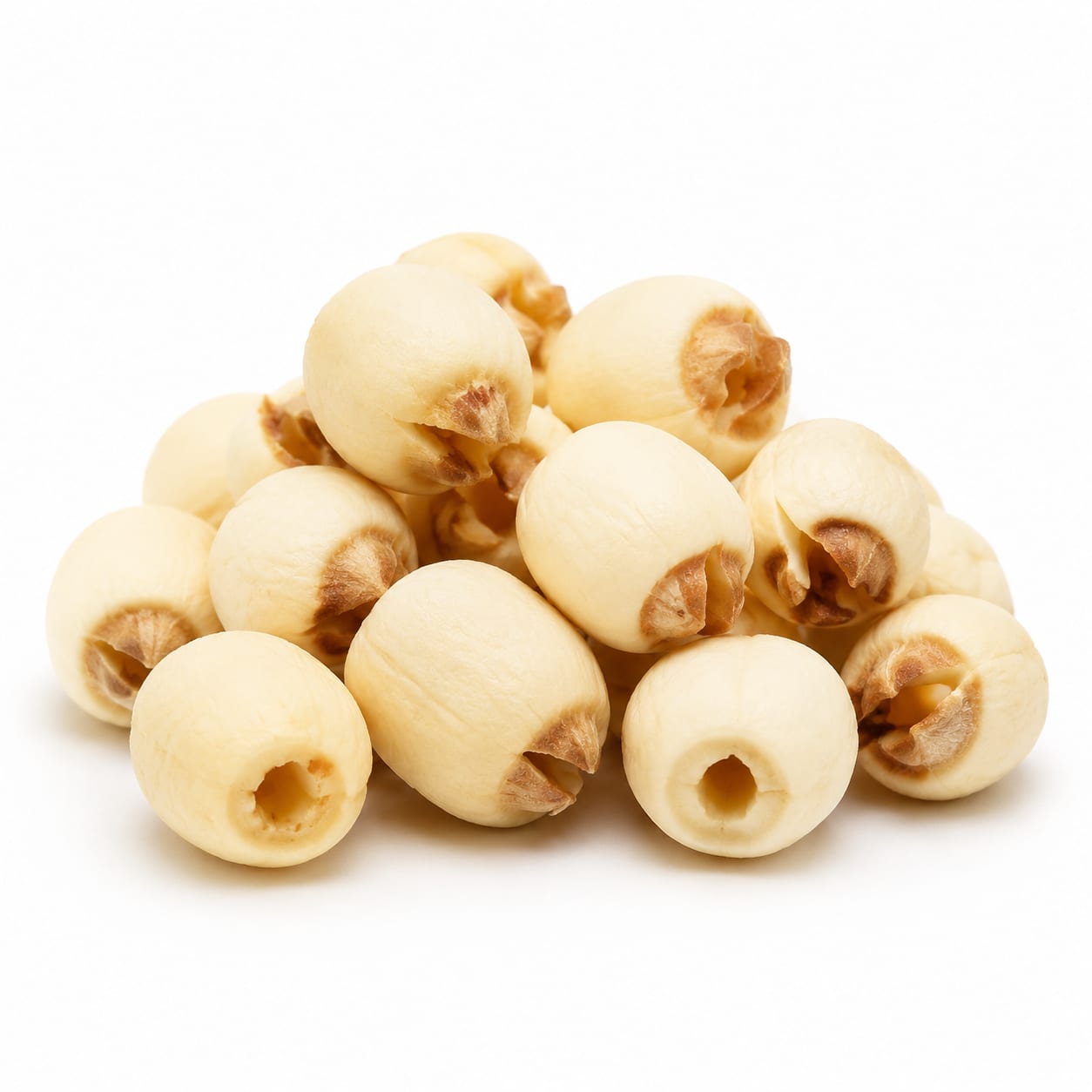
Lotus Fruit
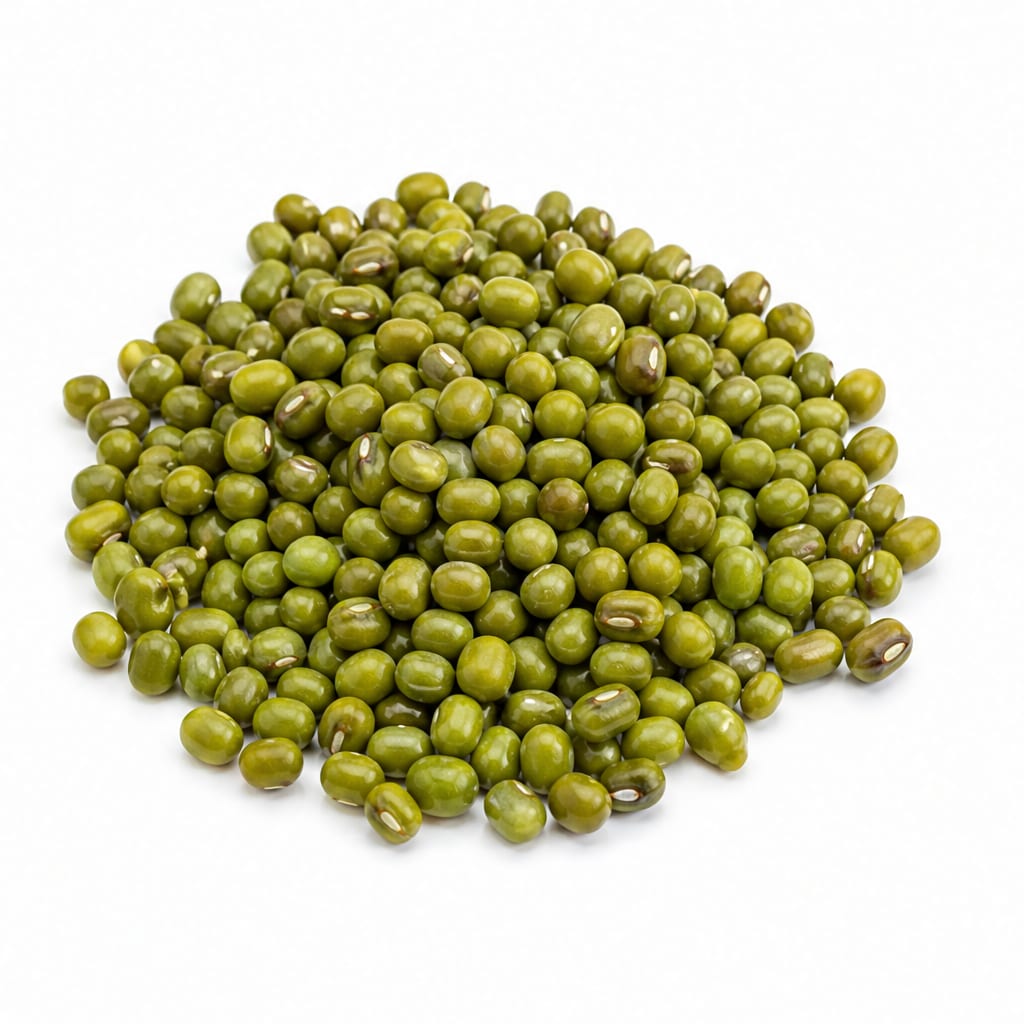
Mung Beans
Mung Beans win on nutrition density and protein, but Lotus Fruit is the gentler, lighter choice for sensitive stomachs and snacking.
Mung Beans score significantly higher due to superior protein, fiber, and mineral content. Lotus Fruit remains valuable for digestibility and lightness but lacks the nutritional substance to compete on overall health impact.
Mung Beans fill you up and fuel your body with protein and fiber, while Lotus Fruit offers a calm, easy-to-digest experience with far less caloric substance.
At a glance
Executive summary
Overall
Mung Beans
Healthier
Mung Beans
More practical
Mung Beans
Daily use
Mung Beans
Key comparison lenses
plant-based protein and satiety comparison
Mung Beans deliver substantial protein while Lotus Fruit provides minimal, making this the starkest difference for most users
digestive comfort and tolerance
Lotus Fruit is gentle and easy to digest while Mung Beans can cause bloating and gas, a common real-world concern
blood sugar management
Both foods have low glycemic impact but through different mechanisms, relevant for diabetic or insulin-resistant users
weight loss and calorie density
Lotus Fruit is lighter and lower in calories while Mung Beans are more filling, creating a meaningful tradeoff
traditional and medicinal food choice
Both carry deep cultural and medicinal significance in Asian traditions, which may influence user preference
Best choice for
Lotus Fruit
- People with sensitive digestion or IBS who need gentle foods
- Light snackers wanting something low-calorie and comforting
- Those seeking a calming evening food without heaviness
- Anyone avoiding legume-related bloating
Mung Beans
- Plant-based eaters needing reliable protein sources
- Anyone focused on blood sugar stability and sustained energy
- Meal preppers wanting a versatile, affordable staple
- Active people needing muscle-supporting nutrition
Least suitable for
Lotus Fruit
- Athletes or highly active people needing substantial protein
- Anyone relying on a single food for satiety and energy
- People who find lotus seeds difficult to source affordably
Mung Beans
- People with severe legume intolerance or FODMAP sensitivity
- Those wanting a light, low-calorie snack food
- Anyone who experiences uncomfortable gas from beans
Deep comparison
Dimension by dimension
Each lens scores both foods and breaks down who each option suits.
- Dimension 1 · Priority 95Mung Beans
Protein & Satiety
Lotus Fruit · 25Mung Beans · 88Mung Beans deliver roughly 7g of protein per cooked cup while Lotus Fruit provides only trace amounts. This gap makes Mung Beans far more filling and useful as a meal base.
Tradeoff
You gain lasting fullness with Mung Beans but accept a heavier meal. Lotus Fruit keeps things light but will not keep you satisfied for long.
Why it matters
Protein is the single biggest driver of satiety. Without it, you are more likely to snack again within an hour or two.
Real-world impact
A Mung Bean bowl at lunch can carry you to dinner. A Lotus Fruit snack at noon will likely leave you hungry again by 2pm.
Lotus Fruit
- Light afternoon snacking without feeling stuffed
- Evening eating when you want something gentle before bed
Better for
- Trying to hit daily protein targets
- Using as a primary energy source
Worse for
Mung Beans
- Post-workout recovery meals
- Main dish protein for plant-based diets
- Busy days when you need one meal to sustain you for hours
Better for
- Moments when you feel too full already
- Right before intense exercise when you need light digestion
Worse for
- Dimension 2 · Priority 85Mung Beans
Blood Sugar Stability
Lotus Fruit · 62Mung Beans · 82Both foods have a low glycemic index, but Mung Beans offer more fiber and protein to slow glucose absorption, giving them an edge for sustained energy.
Tradeoff
Mung Beans provide steadier blood sugar over hours. Lotus Fruit is gentle on blood sugar too but lacks the protein buffer that prevents later dips.
Why it matters
Stable blood sugar means fewer energy crashes, less cravings, and better mood throughout the day.
Real-world impact
Mung Beans at lunch mean no 3pm energy crash. Lotus Fruit will not cause a spike but also will not actively prevent the afternoon dip.
Lotus Fruit
- A light pre-bed snack that will not spike blood sugar
- Small portions alongside a balanced meal
Better for
- Relying on it alone to prevent blood sugar crashes
Worse for
Mung Beans
- Diabetic-friendly meal bases
- Sustained energy for long workdays
- Breaking a fast gently without glucose swings
Better for
- Very large portions can still cause digestive slowdown that affects glucose response timing
Worse for
- Dimension 3 · Priority 88Lotus Fruit
Digestive Comfort
Lotus Fruit · 85Mung Beans · 55Lotus Fruit is notably gentle on the stomach and traditionally used to soothe digestion. Mung Beans, while easier to digest than many legumes, still cause gas and bloating for some people.
Tradeoff
You get a calm stomach with Lotus Fruit but sacrifice the fiber and protein benefits that Mung Beans provide.
Why it matters
Digestive discomfort can undermine otherwise healthy food choices. A food that causes bloating may be nutritionally excellent but practically unsustainable.
Real-world impact
Lotus Fruit after a heavy meal feels calming and restorative. Mung Beans might leave you reaching for digestive aids or avoiding social situations.
Lotus Fruit
- People with IBS or sensitive digestion
- Recovery meals after stomach illness
- Late-night eating when digestion slows down
Better for
- Anyone needing high fiber intake for gut health regularity
Worse for
Mung Beans
- Building gut microbiome diversity through prebiotic fiber
- Regular eaters with no legume sensitivity
Better for
- Date nights or social events where bloating is uncomfortable
- People with FODMAP sensitivities
Worse for
- Dimension 4 · Priority 82Mung Beans
Nutrient Density
Lotus Fruit · 45Mung Beans · 84Mung Beans are packed with folate, magnesium, potassium, iron, and zinc. Lotus Fruit offers some manganese and B vitamins but cannot match the breadth of micronutrients.
Tradeoff
Mung Beans are like a daily multivitamin in food form. Lotus Fruit provides a few targeted nutrients but is not a nutritional powerhouse.
Why it matters
Nutrient-dense foods reduce the need for supplements and support long-term health without extra effort.
Real-world impact
Eating Mung Beans regularly can meaningfully improve folate and iron status. Lotus Fruit is a pleasant addition but will not move the needle on most nutrient gaps.
Lotus Fruit
- Targeted manganese and phosphorus intake
- Light supplementation alongside a varied diet
Better for
- Correcting nutrient deficiencies
- Serving as a dietary staple
Worse for
Mung Beans
- Pregnant women needing folate
- Vegans and vegetarians needing iron and zinc
- Anyone wanting maximum nutrition per calorie
Better for
- Situations calling for mineral restriction such as certain kidney conditions
Worse for
- Dimension 5 · Priority 72Mung Beans
Versatility & Convenience
Lotus Fruit · 48Mung Beans · 78Mung Beans can be sprouted, made into soup, cooked into curries, or ground into flour. Lotus Fruit is more niche, typically used in Asian desserts, soups, or eaten as a snack.
Tradeoff
Mung Beans fit into virtually any savory meal. Lotus Fruit has a more specific culinary role and can feel repetitive outside its traditional uses.
Why it matters
A food you can use in many ways is easier to eat regularly without getting bored.
Real-world impact
Mung Beans can show up in breakfast, lunch, and dinner across cuisines. Lotus Fruit is mostly a snack or dessert ingredient.
Lotus Fruit
- Quick snacking without preparation
- Traditional Asian dessert recipes
Better for
- Cooking diverse savory meals
- Finding recipes beyond traditional applications
Worse for
Mung Beans
- Meal prep across the week
- Adapting to different cuisines and flavor profiles
- Sprouting for fresh raw nutrition
Better for
- Instant no-cook snacking needs
Worse for
- Dimension 6 · Priority 70It depends
Calorie Density & Weight Management
Lotus Fruit · 72Mung Beans · 70Lotus Fruit is lower in calories per serving, making it easier to fit into a calorie deficit. Mung Beans are more calorie-dense but far more satiating, which can prevent overeating later.
Tradeoff
Lotus Fruit lets you eat more volume for fewer calories. Mung Beans cost more calories but make you less hungry afterward.
Why it matters
Weight management is about total intake and satisfaction. Low-calorie foods help with portion control, but high-satiety foods help with compliance.
Real-world impact
Grazing on Lotus Fruit all afternoon stays under 150 calories easily. One Mung Bean bowl at 350 calories might eliminate the urge to graze entirely.
Lotus Fruit
- Volume eaters who like to snack continuously
- Low-calorie diet phases
Better for
- Anyone who confuses low calorie with filling and ends up overeating later
Worse for
Mung Beans
- People who struggle with snacking and need meals that truly satisfy
- Intermittent fasting eaters breaking their fast
Better for
- Strict calorie counters who find legumes too energy-dense
Worse for
Timeline
Health impact over time
Short-term
Hours to days
Lotus Fruit
- Light, calm energy without heaviness
- Minimal digestive discomfort even in sensitive stomachs
- Unlikely to cause bloating or gas
- May not provide enough substance to prevent hunger within 1-2 hours
Mung Beans
- Noticeable fullness that lasts 3-4 hours
- Possible gas or bloating in the first few hours for sensitive individuals
- Steady energy without crashes
- Improved satiety reduces likelihood of reaching for unhealthy snacks
Long-term
Months to years
Lotus Fruit
- Consistent gentle digestion and gut comfort
- Traditional use suggests calming and anti-inflammatory benefits
- Risk of insufficient protein if relied on too heavily
- May support restful sleep when consumed in evening meals
Mung Beans
- Improved folate and iron status over time
- Better blood sugar regulation with regular consumption
- Stronger gut microbiome from prebiotic fiber
- Potential for persistent bloating if tolerance is never built up
Risk profile
Safety & processing
Both foods are whole, minimally processed options. Dried lotus seeds and dried mung beans are about as natural as food gets. Watch for packaged lotus seed snacks that add sugar or oil, and canned mung beans with added sodium.
Lotus Fruit
Added sugar in packaged snack forms
mediumMany commercially available lotus seed snacks are candied or fried, turning a healthy food into a sugar bomb. Always check ingredients.
Potential pesticide residue on conventionally grown lotus
lowLotus grows in aquatic environments that may accumulate agricultural runoff. Sourcing from clean water farms reduces this concern.
Mung Beans
Bacterial contamination on raw sprouts
highMung bean sprouts are a known vector for Salmonella and E. coli. Always cook sprouts thoroughly if you are immunocompromised or pregnant.
Anti-nutrient exposure from undercooked beans
mediumRaw or undercooked mung beans contain lectins and phytic acid that can reduce nutrient absorption and cause digestive distress. Proper cooking neutralizes these.
Who wins for whom
Audience fit
Same foods, different winners depending on your goal.
children
Mung BeansMung Beans offer growing bodies essential folate, iron, and protein. Lotus Fruit is safe but nutritionally thin for developmental needs.
daily consumption
Mung BeansMung Beans offer more nutritional return on daily investment. Lotus Fruit is pleasant but too light to serve as a dietary cornerstone.
diabetes
Mung BeansThe combination of fiber and protein in Mung Beans creates a slower, more controlled glucose response. Lotus Fruit is safe but less protective.
elderly
It dependsLotus Fruit is easier to digest for fragile digestive systems. Mung Beans provide more nutrition but may cause discomfort for seniors with slow digestion.
muscle gain
Mung BeansMung Beans provide meaningful plant protein that supports muscle repair and growth. Lotus Fruit lacks the protein content to contribute meaningfully.
weight loss
It dependsLotus Fruit suits volume snackers in a calorie deficit. Mung Beans suit people who need high satiety to prevent overeating. Pick based on your snacking style.
Your move
Decision guide
Choose Lotus Fruit
- You have a sensitive stomach and most foods cause discomfort
- You want a light, calming snack for evening or before bed
- You are already eating protein-rich meals and need a gentle between-meal option
- You enjoy traditional Asian desserts and want a whole-food ingredient
Choose Mung Beans
- You need affordable, reliable plant protein in your diet
- Blood sugar stability is a daily priority for you
- You want one versatile food that works across breakfast, lunch, and dinner
- You are building a plant-based pantry and need a staple legume
Either works if
- You want a low-glycemic food that will not spike blood sugar
- You enjoy Asian cuisine and want authentic whole-food ingredients
- You are looking for minimally processed foods with no artificial additives
Avoid both if
- You need a high-protein animal-based food for specific medical reasons
- You are on a very low-carb or ketogenic diet, as both contain carbohydrates
Final recommendation
Make Mung Beans your daily staple for protein, fiber, and blood sugar support. Add Lotus Fruit as a gentle snack or dessert when you want something light and calming. They complement each other well rather than competing.
Practical
Consumer tips
- 1
If buying packaged lotus seeds, check for added sugar and oil. Plain dried seeds are the healthy choice.
- 2
Soak mung beans for 6-8 hours before cooking to reduce anti-nutrients and improve digestibility.
- 3
If mung beans cause bloating, start with small portions and increase gradually. Your gut adapts over 1-2 weeks.
- 4
Avoid raw mung bean sprouts if you are pregnant or immunocompromised. Cook them thoroughly instead.
- 5
Lotus Fruit pairs beautifully with mild teas for a calming afternoon ritual that will not disrupt your energy.
- 6
Sprouted mung beans have higher vitamin C and are easier to digest than cooked whole beans.
- 7
Store both foods in airtight containers in a cool, dry place. Both have excellent shelf lives when kept dry.