
Nutrition comparison
Lotus Fruit vs Edamame: Which Healthy Snack Is Better for You?
Compare lotus fruit and edamame for protein, calories, satiety, and health benefits. Find out which plant-based snack fits your goals better.
Overall winner · Edamame
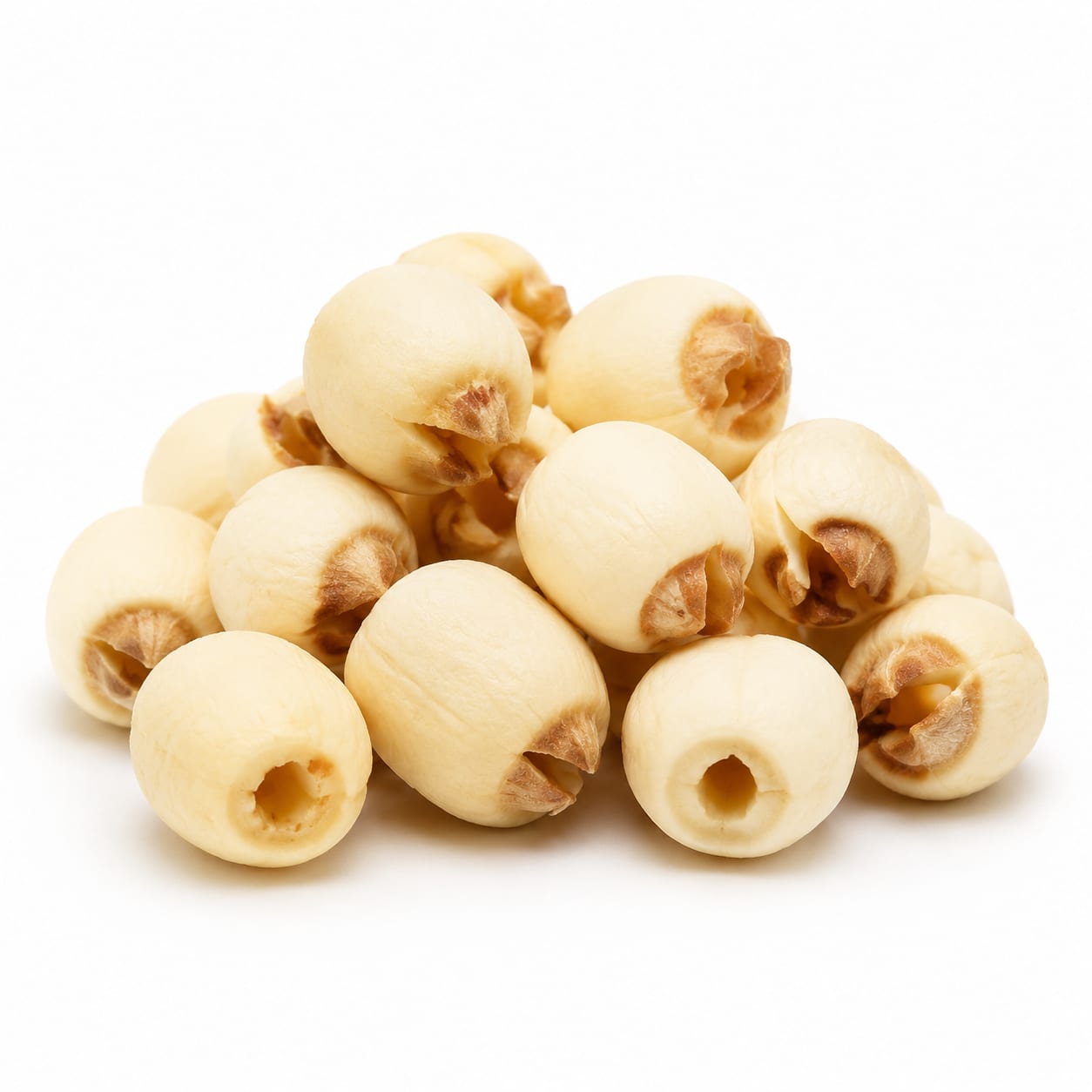
Lotus Fruit
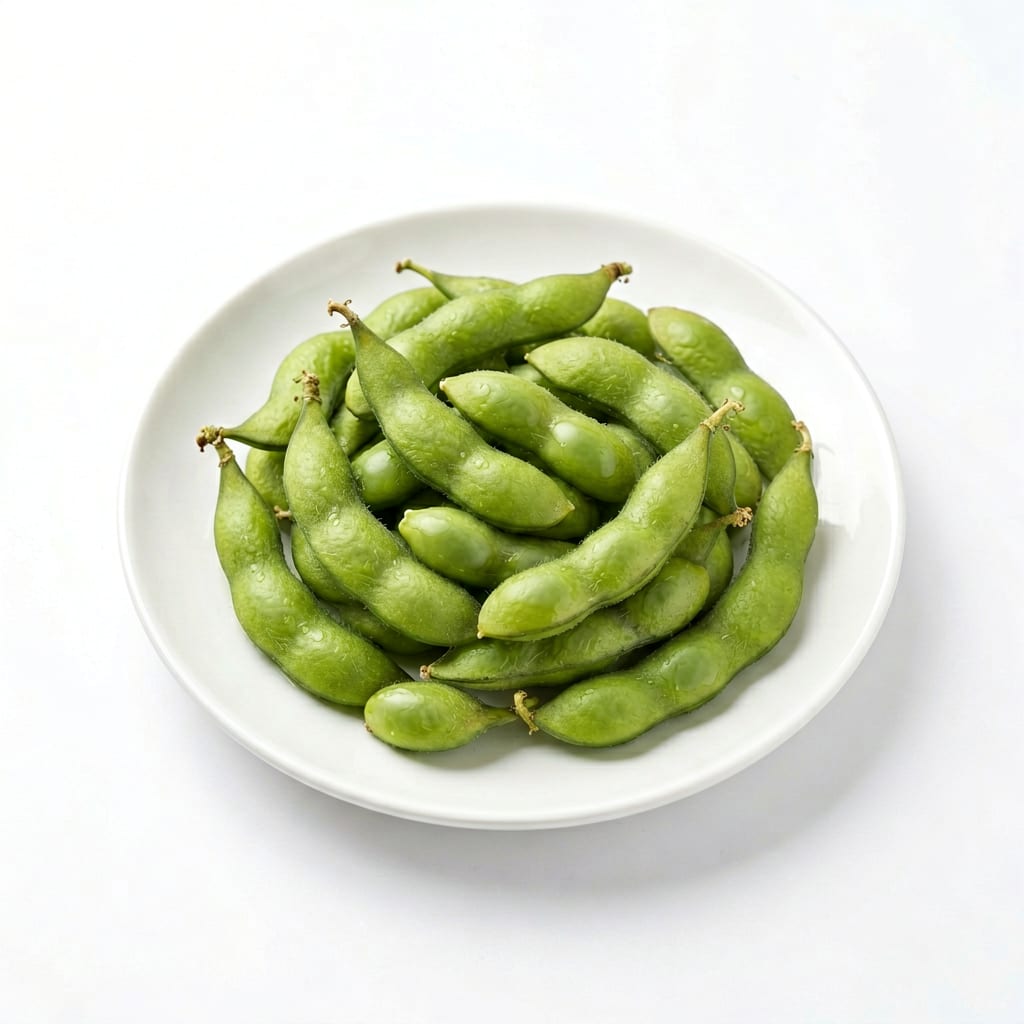
Edamame
Edamame delivers far more protein and sustained fullness, while lotus fruit offers a lighter, lower-calorie option with traditional wellness appeal.
Edamame scores notably higher due to its complete protein, superior satiety, and broader nutrient density. Lotus fruit remains valuable for specific contexts like low-calorie snacking and traditional wellness, but its weak protein content limits everyday nutritional utility.
You trade protein power and satiety for fewer calories and a gentler, more medicinal eating experience.
At a glance
Executive summary
Overall
Edamame
Healthier
Edamame
More practical
Edamame
Daily use
Edamame
Key comparison lenses
protein quality and plant-based protein sufficiency
Edamame is a rare complete plant protein while lotus fruit is protein-poor, making this the most nutritionally decisive difference
snack suitability and satiety
Both are eaten as snacks in Asian cuisine, so real-world snacking behavior and fullness matter greatly
blood sugar management
Both are traditional foods for health-conscious eaters who often care about glycemic impact
allergen and sensitivity concerns
Soy allergies and sensitivities are common, making edamame risky for some while lotus fruit is generally hypoallergenic
traditional and medicinal value
Lotus fruit carries significant traditional medicine heritage that may influence user choice beyond pure nutrition
Best choice for
Lotus Fruit
- Low-calorie snacking without feeling heavy
- People avoiding soy due to allergy or sensitivity
- Traditional medicine enthusiasts seeking calming foods
- Light evening eating when you want minimal digestive load
Edamame
- Post-workout recovery needing plant protein
- Sustained energy between meals
- Vegetarians and vegans filling protein gaps
- Anyone wanting a filling snack that prevents overeating later
Least suitable for
Lotus Fruit
- Athletes or anyone with high protein needs
- People wanting a snack that actually keeps them full
- Those unfamiliar with lotus preparation and sourcing
Edamame
- People with soy allergies or sensitivities
- Anyone avoiding phytoestrogens for hormonal reasons
- Those concerned about GMO soy sourcing
Deep comparison
Dimension by dimension
Each lens scores both foods and breaks down who each option suits.
- Dimension 1 · Priority 95Edamame
protein content and quality
Lotus Fruit · 25Edamame · 88Edamame provides roughly 11g of complete protein per 100g with all essential amino acids. Lotus fruit offers only 2-4g of incomplete protein in the same serving.
Tradeoff
Choosing lotus fruit means sacrificing most of your protein intake for that eating occasion, which matters if meals are protein-light anyway.
Why it matters
Protein is the main driver of fullness and muscle maintenance. A protein-poor snack can leave you hungry again within an hour.
Real-world impact
A bowl of edamame can replace a small meal. A serving of lotus fruit is more like a light palate cleanser.
Lotus Fruit
- Very low-calorie diets where protein comes from other meals
Better for
- Post-workout eating
- Breakfast replacement
- Growing teenagers needing protein
Worse for
Edamame
- Plant-based eaters needing reliable protein
- Active people recovering between meals
- Anyone trying to stay full for 3+ hours on a snack
Better for
- Soy-allergic individuals
- Evening snacking if soy causes digestive discomfort
Worse for
- Dimension 2 · Priority 88Edamame
satiety and fullness
Lotus Fruit · 35Edamame · 82Edamame keeps you full significantly longer thanks to its protein-fiber-fat combination. Lotus fruit is light and digests quickly.
Tradeoff
Lotus fruit feels refreshing and non-heavy, but you will likely be hungry again soon. Edamame feels substantial but may feel too filling before a meal.
Why it matters
A snack that does not satisfy often leads to more snacking, which defeats the purpose of choosing a healthy option.
Real-world impact
Edamame at 3pm can carry you to dinner. Lotus fruit at 3pm often means you are back in the kitchen by 4:30.
Lotus Fruit
- Right before a meal when you want something light
- Hot weather when heavy food feels unappealing
Better for
- Long work afternoons with no break
- Stress eating when you need real satisfaction
Worse for
Edamame
- Between-meal gap of 3+ hours
- After exercise when hunger peaks
- Replacing a less healthy vending machine choice
Better for
- Right before intense exercise when you want a light stomach
- Late night if heavy food disrupts your sleep
Worse for
- Dimension 3 · Priority 80Edamame
blood sugar stability
Lotus Fruit · 62Edamame · 85Both foods have low glycemic impact, but edamame's protein and fat slow digestion more effectively, creating steadier blood sugar.
Tradeoff
Lotus fruit will not spike blood sugar, but it also will not anchor it. Edamame actively stabilizes blood sugar for longer.
Why it matters
Steady blood sugar means fewer energy crashes and less cravings an hour later.
Real-world impact
If you are prediabetic or managing energy dips, edamame is the more reliable choice between meals.
Lotus Fruit
- Mild blood sugar support when paired with a protein source
- Light fasting-day eating
Better for
- Standalone blood sugar management
- Replacing a meal when diabetic
Worse for
Edamame
- Diabetes or insulin resistance management
- Preventing afternoon energy crashes
- Breaking a fast gently without sugar spikes
Better for
- Rare cases of soy interfering with thyroid medication absorption
Worse for
- Dimension 4 · Priority 75Lotus Fruit
caloric density and weight management
Lotus Fruit · 85Edamame · 68Lotus fruit is significantly lower in calories per serving, making it easier to fit into calorie-restricted eating. Edamame is moderately caloric due to its fat and protein content.
Tradeoff
Fewer calories means less fullness. You save calories with lotus fruit but may spend them elsewhere because you are still hungry.
Why it matters
For strict calorie counters, every calorie needs to work. Lotus fruit gives you volume without cost, but edamame gives you calories that earn their keep.
Real-world impact
If you are carefully tracking 1500 calories, lotus fruit saves room. If you eat intuitively, edamame prevents the grazing that adds more calories overall.
Lotus Fruit
- Strict calorie-counting diets
- Volume eating strategies
- Late-night snacking with minimal caloric impact
Better for
- Active people who need energy density
- Underweight individuals needing calories
Worse for
Edamame
- Intuitive eating where satiety prevents overconsumption
- Maintenance phases where calories are less restricted
Better for
- Very low-calorie diet phases
- Mindless snacking where calories add up quickly
Worse for
- Dimension 5 · Priority 68Lotus Fruit
traditional and medicinal value
Lotus Fruit · 88Edamame · 55Lotus fruit has centuries of use in Traditional Chinese Medicine for calming the mind, supporting sleep, and reducing anxiety. Edamame is valued nutritionally but lacks this medicinal heritage.
Tradeoff
You choose between evidence-based nutrition density and traditional holistic wellness philosophy.
Why it matters
For many people, food is more than macros. The calming, medicinal identity of lotus fruit has real psychological and possibly physiological effects.
Real-world impact
A warm lotus seed soup before bed feels intentionally calming in a way that edamame simply does not.
Lotus Fruit
- Evening wind-down routines
- Traditional medicine practices
- Anxiety and sleep support as part of a holistic approach
Better for
- Acute nutritional deficiencies needing immediate correction
Worse for
Edamame
- Sports nutrition and recovery
- Evidence-first nutritional planning
Better for
- Cultural or traditional eating philosophies where food is medicine
Worse for
- Dimension 6 · Priority 72Edamame
convenience and availability
Lotus Fruit · 38Edamame · 82Edamame is widely available frozen at any grocery store and ready in minutes. Lotus fruit requires specialty stores, more prep, or dried forms that differ in texture.
Tradeoff
Choosing lotus fruit means accepting lower convenience and potentially higher cost for a niche ingredient.
Why it matters
The healthiest food is the one you actually eat regularly. Hard-to-find foods tend to be eaten rarely regardless of their merits.
Real-world impact
Edamame can be a weekly staple. Lotus fruit is more of a specialty purchase for most people outside Asia.
Lotus Fruit
- Living near Asian specialty markets
- Enjoying cooking and ingredient exploration
- Using dried lotus seeds as a pantry staple
Better for
- Rural areas with limited specialty food access
- People who need grab-and-go options
Worse for
Edamame
- Busy weeknight meal prep
- Mainstream grocery shopping
- Office or travel snacking
Better for
- Areas where frozen food storage is limited
Worse for
- Dimension 7 · Priority 70Lotus Fruit
allergen and sensitivity profile
Lotus Fruit · 90Edamame · 45Lotus fruit is extremely hypoallergenic and rarely causes reactions. Soy is one of the top eight allergens and can cause issues ranging from mild digestive discomfort to severe allergic reactions.
Tradeoff
Edamame's nutritional advantages are completely irrelevant if your body cannot tolerate soy.
Why it matters
An estimated 0.5-1% of the population has soy allergy, and many more experience subclinical sensitivity like bloating or skin reactions.
Real-world impact
If soy makes you bloated or gives you hives, lotus fruit is the clear winner regardless of protein content.
Lotus Fruit
- Known soy allergy
- Digestive sensitivity to legumes
- Elimination diets testing for food sensitivities
Better for
- No significant allergen disadvantage
Worse for
Edamame
- People with no soy sensitivity
- Those who tolerate soy well and benefit from its nutrients
Better for
- Soy allergy sufferers
- People with histamine intolerance
- Those avoiding phytoestrogens during certain health conditions
Worse for
Timeline
Health impact over time
Short-term
Hours to days
Lotus Fruit
- Light, clean feeling in the stomach after eating
- Minimal energy crash risk due to low sugar and calorie content
- Quickly digested, which may mean hunger returns within an hour
- Mild calming effect traditionally associated with lotus consumption
Edamame
- Noticeable fullness lasting 2-3 hours after a decent serving
- Steady energy without spikes or crashes
- Possible mild bloating if you are not used to eating soy or legumes
- Slight warming effect from the protein digestion process
Long-term
Months to years
Lotus Fruit
- Consistent low-calorie snacking may support weight maintenance
- Traditional medicine suggests benefits for sleep quality and anxiety reduction
- Low protein intake from this food must be compensated elsewhere in diet
- Antioxidant compounds may support cellular health over time
Edamame
- Regular consumption supports muscle maintenance and metabolic health
- Isoflavones may offer bone health and cardiovascular benefits with consistent intake
- Soy phytoestrogens remain debated for hormone-sensitive conditions
- Improved satiety from regular edamame may reduce overall calorie intake by preventing junk snacking
Risk profile
Safety & processing
Both foods are whole, minimally processed options. Fresh lotus fruit is simply harvested and cooked. Edamame is young soybeans steamed or boiled, often sold frozen with no additives. Dried lotus seeds may contain sulfites as a preservative, so check labels if sensitive.
Lotus Fruit
Sulfite residue in dried lotus seeds
lowSome commercially dried lotus seeds are treated with sulfites. Check packaging if you are sulfite-sensitive.
Potential contamination in fresh lotus from water sources
mediumLotus grows in aquatic environments. Fresh lotus from polluted water may carry heavy metals or parasites. Source from trusted suppliers.
Edamame
Soy allergy reactions
highSoy is a major allergen. Reactions can range from hives and digestive distress to anaphylaxis in severe cases.
GMO soy exposure
mediumMost conventional soy in the US is genetically modified. Choose organic edamame to avoid GMO if that matters to you.
Phytoestrogen concerns for hormone-sensitive conditions
lowCurrent evidence suggests moderate soy intake is safe for most people, but those with estrogen-receptor-positive breast cancer should consult their doctor.
Who wins for whom
Audience fit
Same foods, different winners depending on your goal.
children
EdamameGrowing kids need protein, and edamame is a fun, finger-friendly food that delivers it. Lotus fruit is safe but nutritionally insufficient as a frequent snack for children.
daily consumption
EdamameEdamame provides consistent nutritional value as a daily staple. Lotus fruit is better as an occasional addition rather than a daily protein contributor.
diabetes
EdamameEdamame's protein and fiber combination stabilizes blood sugar more effectively and for longer. Both are safe choices, but edamame is more protective.
elderly
EdamameOlder adults need protein to prevent muscle loss, and edamame is easy to eat and digest. Lotus fruit's calming properties may complement evening meals but should not replace protein sources.
muscle gain
EdamameEdamame's complete protein directly supports muscle repair and growth. Lotus fruit contributes almost nothing toward muscle-building protein needs.
weight loss
It dependsLotus fruit wins for strict calorie counting, but edamame wins for preventing the overeating that actually derails weight loss. Choose based on whether you track calories or eat intuitively.
Your move
Decision guide
Choose Lotus Fruit
- You are allergic or sensitive to soy
- You want the lowest possible calorie snack
- You value traditional medicine and calming food rituals
- You already get plenty of protein from other meals
- You enjoy exploring less common ingredients and cooking traditions
Choose Edamame
- You need a reliable plant protein source
- You want a snack that actually keeps you full for hours
- You are active and need recovery nutrition
- You want something easy to find at any grocery store
- You are building a sustainable healthy eating routine
Either works if
- You want a whole-food snack instead of processed options
- You are looking for low-glycemic eating choices
- You enjoy Asian cuisine and want authentic ingredients
Avoid both if
- You need a high-protein snack and have soy allergies, since lotus fruit will not meet that need either
- You are looking for a convenience store grab-and-go option
- You have severe digestive issues with either lotus or soy
Final recommendation
Make edamame your everyday snack for protein and fullness, and keep lotus fruit as a calming evening treat or cultural specialty. If soy is off the table for you, lotus fruit is a fine light snack, but you will need to find protein elsewhere to avoid being hungry again shortly after eating.
Practical
Consumer tips
- 1
Choose organic edamame to avoid GMO soy and pesticide concerns
- 2
If buying dried lotus seeds, check for sulfite preservatives on the label
- 3
Steam or boil edamame with a pinch of sea salt for the simplest preparation
- 4
Lotus seeds can be added to soups and congee for a comforting, traditional meal
- 5
Keep frozen edamame on hand for an easy protein boost that takes 5 minutes to prepare
- 6
If lotus fruit is hard to find fresh, dried lotus seeds from Asian markets are a practical alternative
- 7
Pair lotus fruit with a protein source like nuts or yogurt to make it a more satisfying snack