
Nutrition comparison
Lotus Fruit vs Water Chestnuts: Nutrition, Taste, and Health Comparison
Compare lotus fruit and water chestnuts side by side. Discover which is better for weight loss, blood sugar, and daily nutrition with practical tradeoffs explained.
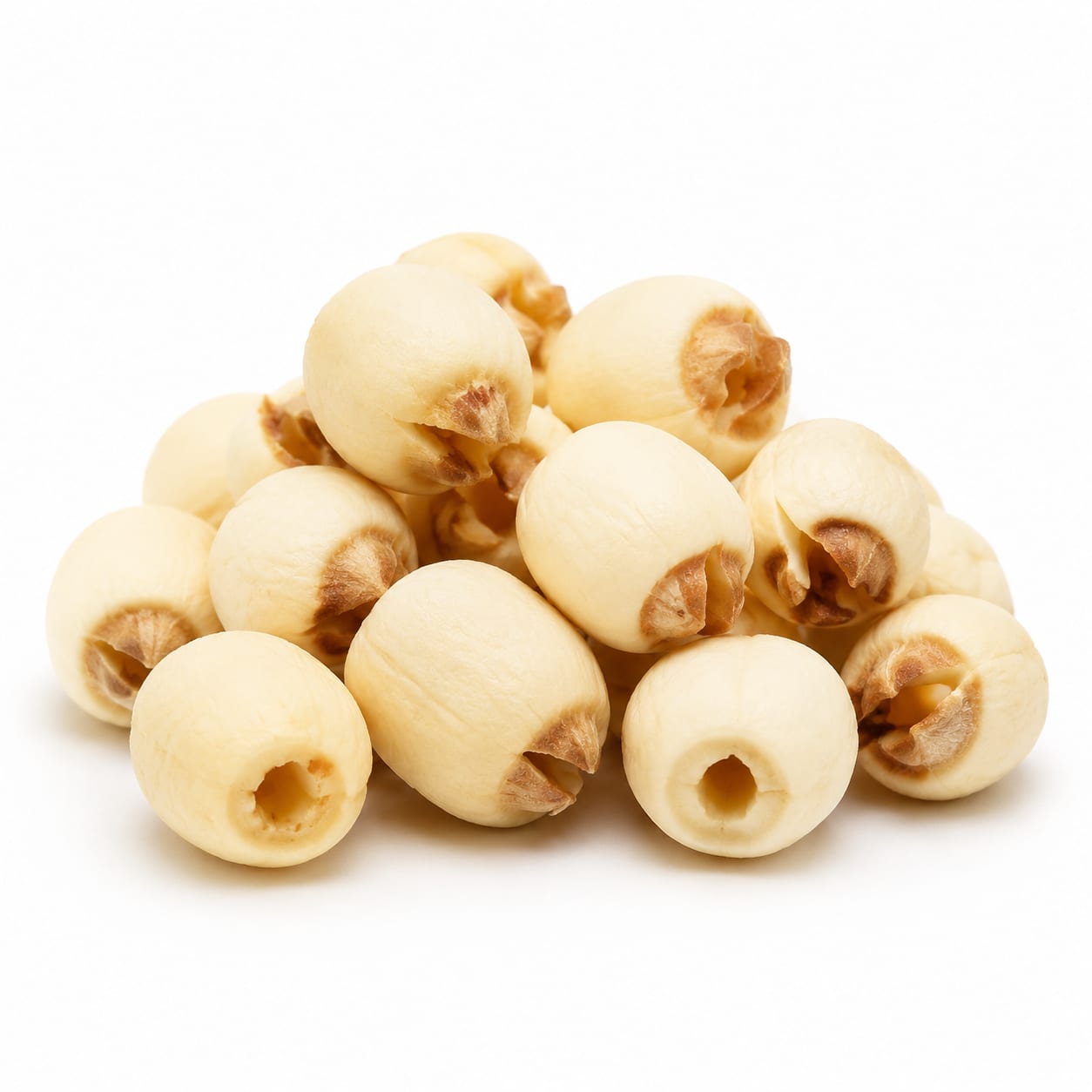
Lotus Fruit
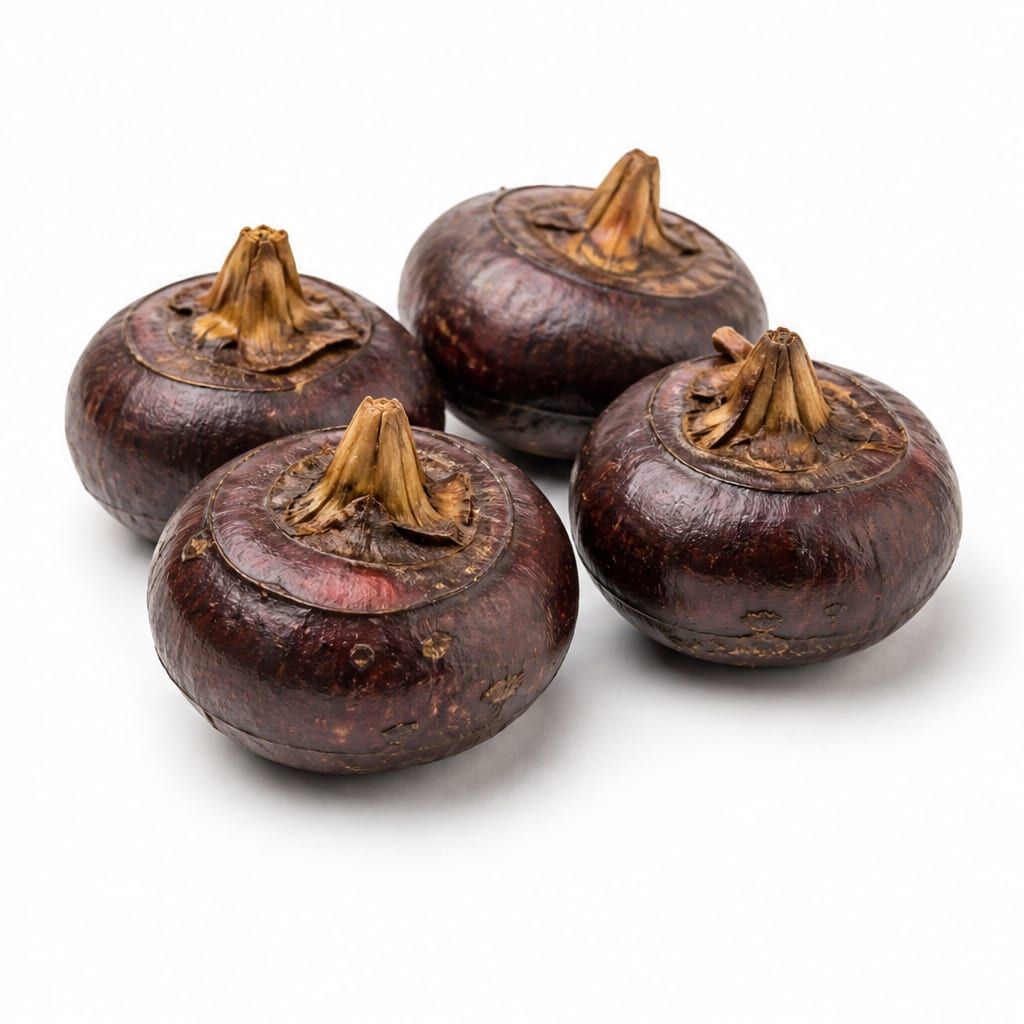
Water Chestnuts
Lotus fruit offers more protein and traditional wellness benefits, while water chestnuts deliver fewer calories and superior hydration with a satisfying crunch.
Water chestnuts edge ahead slightly due to lower calories, better availability, and culinary flexibility, but lotus fruit wins on protein and traditional medicinal value. The close scores reflect that each serves distinctly different purposes.
Nutritional substance and medicinal heritage versus lighter calories and culinary versatility.
At a glance
Executive summary
Overall
It depends
Healthier
Lotus Fruit
More practical
Water Chestnuts
Daily use
Water Chestnuts
Key comparison lenses
Low-calorie snacking and weight management
Both foods are naturally low in calories and often chosen as light snack options, making caloric efficiency a primary decision driver
Traditional and medicinal food choice
Lotus fruit carries significant traditional medicine heritage while water chestnuts are more of a culinary ingredient, creating a unique wellness vs cooking tradeoff
Processing and freshness concerns
Water chestnuts are frequently sold canned with preservatives, while lotus fruit is more often found dried or fresh, raising different processing questions
Blood sugar and diabetes-friendly eating
Both are moderate-carb foods with different glycemic profiles, relevant for anyone monitoring blood sugar
Mineral and micronutrient density
These foods have distinct mineral profiles that matter for daily nutritional contribution
Best choice for
Lotus Fruit
- People seeking calming, traditional food remedies
- Those wanting more protein from plant sources
- Anyone focused on digestive soothing properties
- Traditional Asian medicine practitioners
Water Chestnuts
- Weight-conscious snackers wanting crunch without calories
- People needing potassium for muscle recovery
- Anyone wanting a refreshing, hydrating food
- Cooks needing a versatile crisp texture ingredient
Least suitable for
Lotus Fruit
- People avoiding bitter or astringent flavors
- Those wanting a quick raw snack without preparation
- Anyone sensitive to alkaloid compounds
Water Chestnuts
- People strictly limiting canned foods
- Those wanting significant protein intake
- Anyone with sensitivity to high-potassium foods
Deep comparison
Dimension by dimension
Each lens scores both foods and breaks down who each option suits.
- Dimension 1 · Priority 90Water Chestnuts
Caloric Efficiency
Lotus Fruit · 60Water Chestnuts · 88Water chestnuts deliver significantly fewer calories per serving, making them easier to fit into calorie-controlled eating.
Tradeoff
Lotus fruit costs more calories but returns more protein and micronutrients per bite.
Why it matters
For anyone tracking intake, water chestnuts let you eat a satisfying volume without budget stress.
Real-world impact
A full cup of sliced water chestnuts runs roughly 60 calories versus about 100+ for lotus fruit, a meaningful difference when snacking daily.
Lotus Fruit
- Getting more nutrition per calorie spent
- Sustained energy from slightly higher carb content
Better for
- Quick snacking without calorie awareness
Worse for
Water Chestnuts
- Eating larger portions without guilt
- Fitting into strict calorie deficits
Better for
- Feeling satisfied on very low intake
Worse for
- Dimension 2 · Priority 85Lotus Fruit
Protein and Satiety
Lotus Fruit · 75Water Chestnuts · 40Lotus fruit contains notably more protein, which helps with fullness and muscle maintenance.
Tradeoff
Water chestnuts keep you light and refreshed but leave you hungry sooner.
Why it matters
Protein is the most satiating macronutrient, and lotus fruit provides a meaningful plant-based source.
Real-world impact
A serving of lotus fruit can take the edge off hunger for an hour or two longer than water chestnuts.
Lotus Fruit
- Bridging gaps between meals
- Supporting light muscle maintenance on plant-based diets
Better for
- Very low protein needs
Worse for
Water Chestnuts
- Light eating before heavy meals
- When you want minimal stomach load
Better for
- Post-workout recovery
- Long work shifts without meal breaks
Worse for
- Dimension 3 · Priority 78Water Chestnuts
Mineral Density
Lotus Fruit · 62Water Chestnuts · 80Water chestnuts are notably rich in potassium, while lotus fruit provides a broader but less concentrated mineral spread.
Tradeoff
Potassium specificity versus mineral diversity.
Why it matters
Potassium supports muscle function, blood pressure regulation, and hydration balance, areas many people fall short in.
Real-world impact
Eating water chestnuts after exercise helps replenish electrolytes more effectively than lotus fruit.
Lotus Fruit
- Broader trace mineral intake including manganese and magnesium
Better for
- Targeted potassium needs
Worse for
Water Chestnuts
- Post-exercise electrolyte replenishment
- Blood pressure support through potassium
Better for
- Diverse trace mineral requirements
Worse for
- Dimension 4 · Priority 82Lotus Fruit
Processing and Freshness
Lotus Fruit · 78Water Chestnuts · 55Lotus fruit is typically sold fresh or dried with minimal intervention, while water chestnuts are commonly canned with added sodium and preservatives.
Tradeoff
Convenience and year-round availability come at the cost of added sodium and lost crispness.
Why it matters
Canned water chestnuts often contain 200-300mg of sodium per serving, which adds up quickly.
Real-world impact
Choosing fresh water chestnuts eliminates this concern but they are harder to find and more perishable.
Lotus Fruit
- Minimal processing by default
- Longer shelf life when dried without additives
Better for
- Requires soaking or cooking from dried state
Worse for
Water Chestnuts
- Ready-to-use convenience in canned form
- Consistent availability regardless of season
Better for
- Sodium load from canning liquid
- Texture degradation in canned versions
Worse for
- Dimension 5 · Priority 76It depends
Blood Sugar Impact
Lotus Fruit · 65Water Chestnuts · 68Both foods have moderate carbohydrate content with relatively low glycemic impact, though water chestnuts have a slight edge due to their water content diluting carb density.
Tradeoff
Lotus fruit has more complex starches that digest slower, while water chestnuts have fewer carbs per volume but less fiber.
Why it matters
Neither food causes sharp spikes, making both reasonable for blood sugar management.
Real-world impact
Pairing either food with a protein source keeps blood sugar perfectly stable for hours.
Lotus Fruit
- Slower digestion from complex starches
- Traditional use for blood sugar support in Eastern medicine
Better for
- Larger servings can add up in carbs
Worse for
Water Chestnuts
- Lower carb density per serving
- Easier portion control for carb counting
Better for
- Less fiber to slow absorption
Worse for
- Dimension 6 · Priority 72Water Chestnuts
Culinary Versatility
Lotus Fruit · 55Water Chestnuts · 82Water chestnuts integrate easily into stir-fries, salads, and wraps, while lotus fruit is more niche and often limited to soups and desserts.
Tradeoff
Everyday cooking flexibility versus specialized traditional dishes.
Why it matters
A food you actually cook with regularly contributes more to your diet than one reserved for occasional recipes.
Real-world impact
Water chestnuts can appear in three meals a week without feeling repetitive; lotus fruit struggles past one or two.
Lotus Fruit
- Traditional dessert and medicinal soup recipes
- Unique flavor profile for adventurous cooking
Better for
- Quick weeknight meals
- Raw food preparations
Worse for
Water Chestnuts
- Stir-fries and Asian-inspired dishes
- Raw salads and fresh spring rolls
- Any dish needing satisfying crunch
Better for
- Traditional remedy recipes
- Sweet dishes and desserts
Worse for
Timeline
Health impact over time
Short-term
Hours to days
Lotus Fruit
- Mild calming effect due to natural alkaloids
- Moderate satiety from protein and starch content
- Slightly heavier feeling in the stomach compared to water chestnuts
Water Chestnuts
- Refreshing and hydrating due to high water content
- Quick but short-lived fullness from volume eating
- Crunch satisfaction that reduces cravings for chips or crackers
Long-term
Months to years
Lotus Fruit
- Consistent intake may support digestive comfort through traditional soothing properties
- Plant protein contributes to muscle maintenance in aging populations
- Alkaloid compounds may support mild stress reduction with regular consumption
Water Chestnuts
- Regular potassium intake supports cardiovascular health and blood pressure management
- Low calorie density helps maintain healthy weight when substituted for denser snacks
- Canned versions may contribute to excessive sodium intake if consumed frequently
Risk profile
Safety & processing
Lotus fruit typically reaches consumers as fresh pods or dried seeds with minimal intervention. Water chestnuts, while available fresh, are most commonly purchased canned with added sodium and sometimes preservatives. Fresh water chestnuts match lotus fruit in naturalness but require more effort to source and prepare.
Lotus Fruit
Alkaloid sensitivity
lowLotus fruit contains natural alkaloids that are generally safe but may cause mild digestive discomfort in sensitive individuals when consumed in large quantities
Contamination in fresh pods
lowFresh lotus pods grow in standing water, which can harbor bacteria if not properly cleaned before consumption
Water Chestnuts
Sodium from canning
mediumCanned water chestnuts typically contain 200-300mg sodium per serving, which becomes significant with regular consumption or for sodium-sensitive individuals
Bisphenol exposure from can linings
lowMost canned foods use BPA-lined containers, presenting a low but cumulative endocrine exposure risk over years of regular consumption
Parasitic contamination in fresh form
lowFresh water chestnuts grow in mud and can carry Fasciolopsis buski parasites if eaten raw without thorough washing and cooking
Who wins for whom
Audience fit
Same foods, different winners depending on your goal.
children
Water ChestnutsWater chestnuts have a fun crunch and mild flavor that appeals to kids, and they are easier to prepare as a quick snack. Lotus fruit can have a bitter edge that children often reject
daily consumption
Water ChestnutsWater chestnuts integrate more easily into everyday meals and have a lower cumulative sodium impact when sourced fresh. Canned versions should be rinsed and consumed in moderation
diabetes
It dependsBoth have moderate glycemic impact. Water chestnuts offer fewer carbs per serving, but lotus fruit has more fiber and complex starches. Pairing either with protein makes both safe choices
elderly
Lotus FruitLotus fruit provides more protein for muscle preservation and has traditional digestive-soothing properties that benefit aging digestive systems. The softer texture when cooked is also easier to chew
muscle gain
Lotus FruitLotus fruit contains meaningfully more protein per serving, which supports muscle maintenance even though neither food is a primary protein source
weight loss
Water ChestnutsWater chestnuts provide more volume and crunch per calorie, making them easier to incorporate into a calorie deficit without feeling deprived
Your move
Decision guide
Choose Lotus Fruit
- You value traditional food wisdom and calming properties
- You want more protein from plant-based sources
- You are preparing Asian soups, desserts, or medicinal dishes
- You prefer foods with minimal processing by default
- You need something that keeps you full longer between meals
Choose Water Chestnuts
- You want maximum crunch and refreshment for minimal calories
- You cook stir-fries or Asian-inspired meals regularly
- You need potassium support after exercise or for blood pressure
- You prefer foods that are easy to find and quick to prepare
- You are managing a calorie deficit and want volume eating
Either works if
- You want a low-glycemic plant food that will not spike blood sugar
- You are exploring Asian ingredients and want authentic options
- You need a break from heavy processed snacks
Avoid both if
- You have severe kidney issues requiring strict potassium limits
- You are looking for a primary protein source
- You need a convenience food that requires zero preparation
Final recommendation
Keep both in your rotation for different purposes. Use water chestnuts for everyday cooking and light snacking, and turn to lotus fruit when you want something more substantial with traditional wellness benefits. If you can only choose one, water chestnuts win on practicality and calorie efficiency, while lotus fruit wins on nutritional depth and medicinal heritage.
Practical
Consumer tips
- 1
If buying canned water chestnuts, rinse thoroughly under running water to remove up to 40% of the added sodium
- 2
Fresh water chestnuts are worth seeking out at Asian markets for dramatically better flavor, texture, and zero sodium
- 3
Dried lotus fruit should be soaked for at least 4 hours or overnight for the best texture and digestibility
- 4
Pair either food with a protein source like tofu or chicken to create a more complete and satisfying meal
- 5
Store fresh water chestnuts in water in the refrigerator and use within a week to maintain crispness
- 6
Avoid lotus fruit that looks excessively brown or smells fermented, as this indicates age or improper storage