
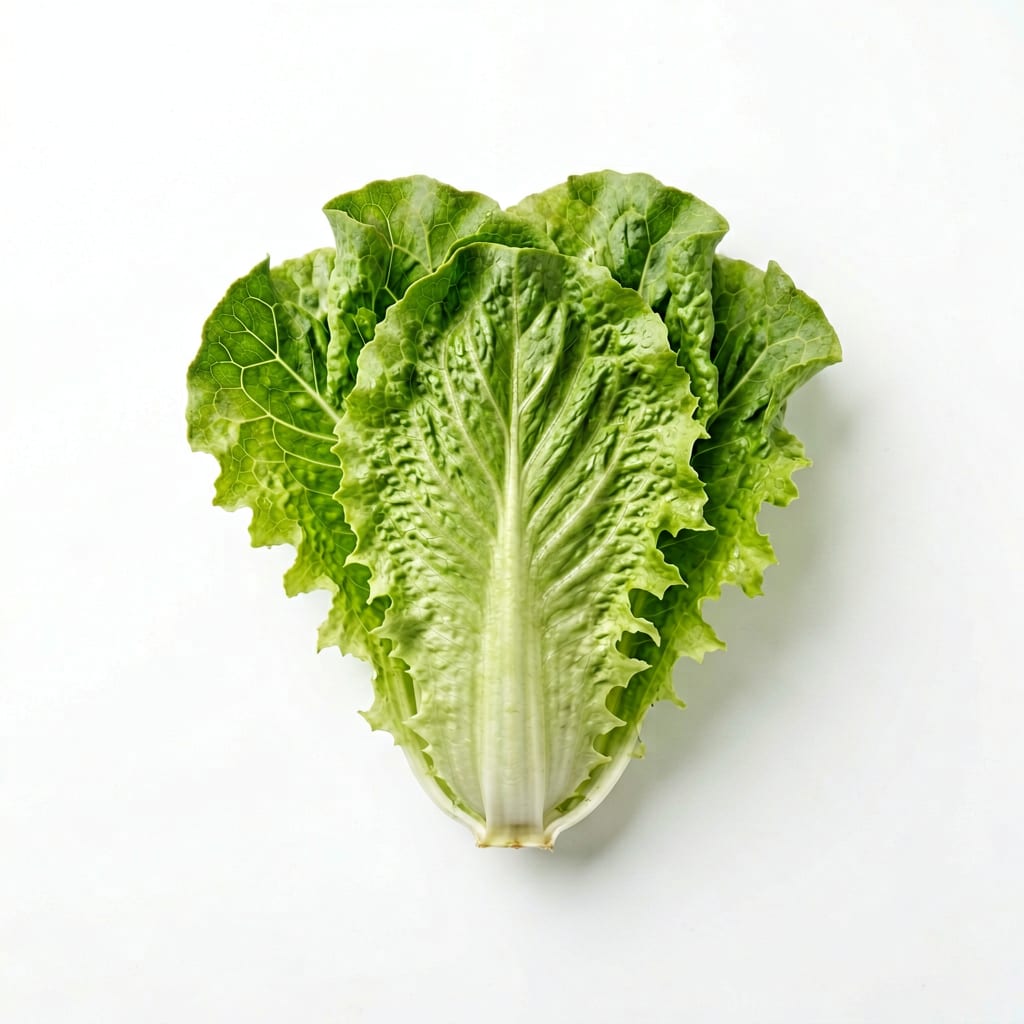
Leafy Green Vegetable
Lettuce
A low-calorie, water-rich leafy green primarily used as a high-volume salad base.
A crisp, water-rich leafy vegetable commonly used as a salad base, providing high volume and hydration with minimal calories.
high-volume low-calorie vegetable
Typical serving · 85g
Common varieties · romaine, iceberg, butterhead, leaf lettuce, bibb
Overall context score across nutrition, safety, and diet fit
At a glance
Quick facts
Simple indicators based on nutrition, processing, and diet fit.
The story
What makes it unique
Lettuce is over 95% water with a very low energy density. It digests quickly due to its high water and low fiber content, providing minimal sustained satiety compared to denser greens. Its macronutrient profile is negligible, but it offers small amounts of Vitamin K, Vitamin A, and folate, particularly in darker varieties like romaine.
Varieties: romaine · iceberg · butterhead · leaf lettuce · bibb
Per 100g
Nutrition breakdown
Macro balance and key metrics at a glance.
Energy
Density 0.15 kcal/g
Protein
Carbs
Fat
Fiber
Sugar
0.8 g
Sodium
28 mg
Potassium
194 mg
Glycemic index
15
Glycemic load
0
Water content
95%
Standout compounds
Nutrient highlights
Vitamin K
highEssential for blood clotting and bone metabolism
Vitamin A
moderateSupports vision, immune function, and skin health
Folate
moderateImportant for cell division and DNA synthesis
Water
highMaintains hydration and supports physical fullness
Wellness map
Health scores & processing
NOVA processing scale
minimally processed · Whole food
Raw lettuce is an unprocessed whole plant food, though packaged pre-washed varieties may involve light physical processing like cutting and washing.
Diet compatibility
- Weight loss
- Muscle gain
- Diabetes
- Gut health
- Low carb
- High protein
- Heart health
Relative standing
Food rankings
Qualitative ranks compared to similar whole foods.
- Satietymoderate
- Blood sugarexcellent
- Nutrient densitymoderate
- Fitness fuelpoor
- Processing qualityexcellent
Eat with confidence
Food safety profile
Lettuce is susceptible to bacterial contamination from soil and water. Washing thoroughly before consumption reduces risk, though pre-washed labels do not guarantee safety.
Evidence confidence 90%
- Pesticidesmoderate
- Antibioticslow
- Heavy metalslow
- Contaminationmoderate
Watch for
- E. coli
- Salmonella
- Listeria
Safer choices
Hydroponically grown lettuce or whole heads with outer leaves removed
Prep tips
Separate leaves and rinse under running water; avoid soaking to prevent cross-contamination.
Frequent recalls due to irrigation water contamination; leafy greens are a known vector for foodborne illness outbreaks.
Deep dive
Health analysis
How this food may fit different goals and preparation choices.
Weight loss
Extremely low energy density allows for large portion sizes, physically filling the stomach with minimal caloric intake.
Blood sugar
Negligible carbohydrate content results in virtually no impact on blood glucose levels.
Fitness & energy
Provides hydration but lacks the carbohydrates or protein needed for workout fuel or muscle recovery.
Gut health
The small amount of fiber contributes minimally to gut motility; it is mostly water and does not strongly feed the gut microbiome.
Processing quality
Typically consumed raw and unprocessed, preserving its natural water and micronutrient content.
Food safety
Leafy greens are a common source of foodborne illness; thorough washing and proper storage are essential.
Common mistakes
Relying on iceberg lettuce as a primary vegetable source, which offers little nutritional value compared to darker greens.
Best preparation
Raw in salads, used as a low-carb wrap substitute, or lightly added to sandwiches for crunch.
Practical guide
Best use cases
When and how this food fits real eating patterns.
Low-calorie meal bulk
Adding massive volume to meals without adding significant calories.
Low-carb wraps
Using large lettuce leaves as a substitute for tortillas or burger buns.
Hydration boost
Contributing to daily water intake through its 95% water content.
Balance sheet
Pros & cons
Upsides
- Very low in calories
- High water content promotes hydration
- Virtually no impact on blood sugar
- Provides crunch and volume to meals
- Good source of Vitamin K in darker varieties
Trade-offs
- Low in protein and healthy fats
- Does not provide sustained energy
- Susceptible to bacterial contamination
- Iceberg variety is nutritionally weak
- Highly perishable and wilts quickly
Fit check
Who is it for?
Great match
- weight loss diets
- high-volume eating
- keto and low-carb diets
- blood sugar management
Consider alternatives
- post-workout recovery
- muscle building
- survival situations requiring calorie density
- sole source of dietary fiber
Side by side
How it compares
Open the full head-to-head analysis for nutrition, safety, and practical tradeoffs.
This food
Lettuce
VS85% alike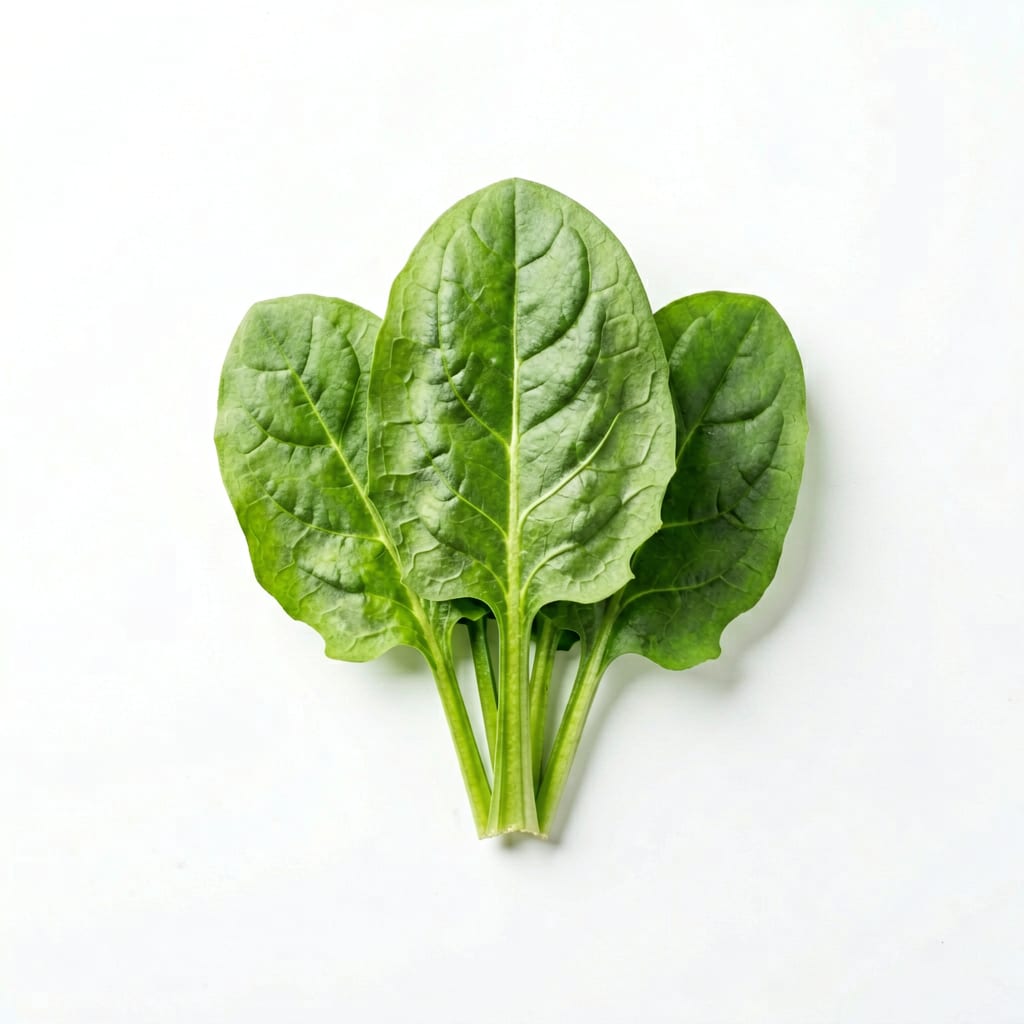
Compare with
Spinach
Spinach is denser in micronutrients like iron and magnesium, while lettuce provides more crunch and water volume.
Spinach offers more iron and vitamins, while lettuce provides a crisp, hydrating base with fewer calories per cup.
This food
Lettuce
VS75% alike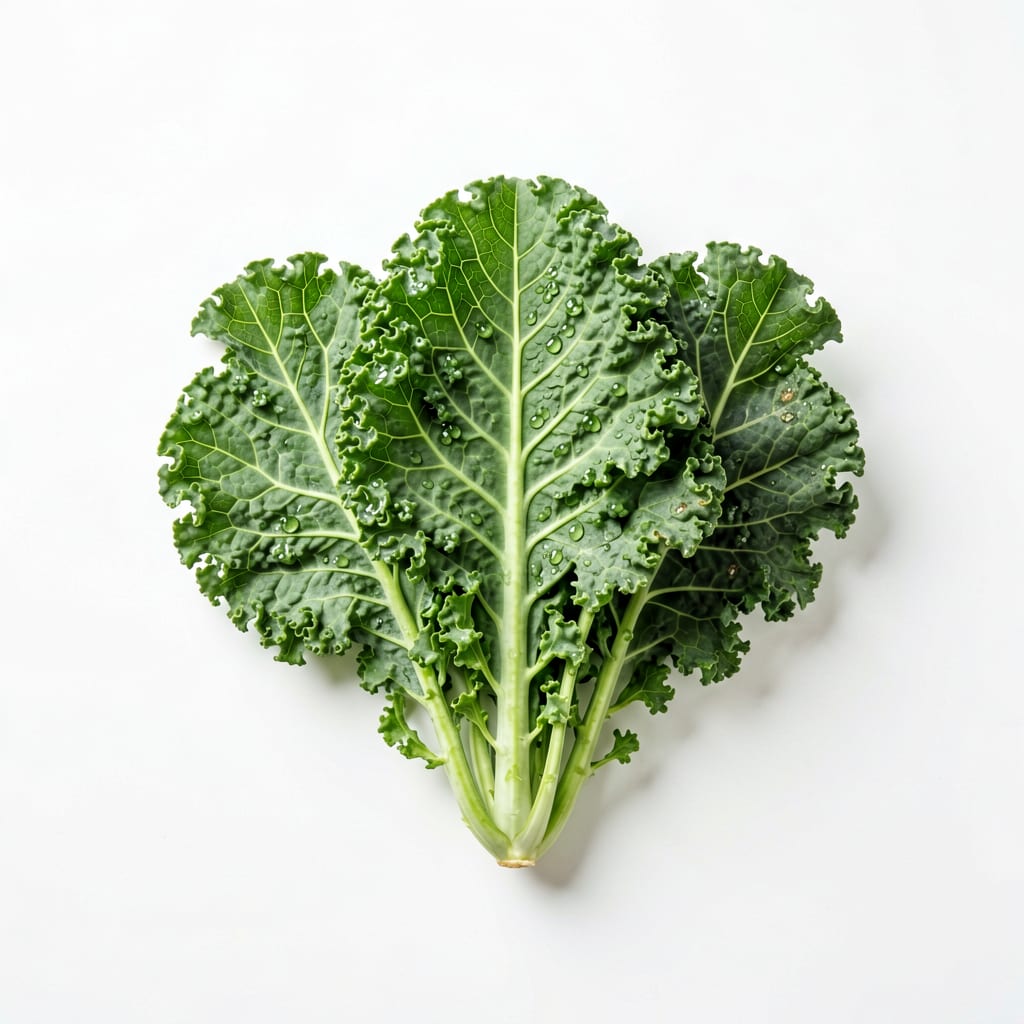
Compare with
Kale
Kale is a nutritional powerhouse with massive amounts of vitamins and fiber, whereas lettuce is mostly water and much lower in calories.
Kale provides significantly more fiber and vitamin C, while lettuce is much lower in calories and easier to eat in large volumes.
This food
Lettuce
VS80% alike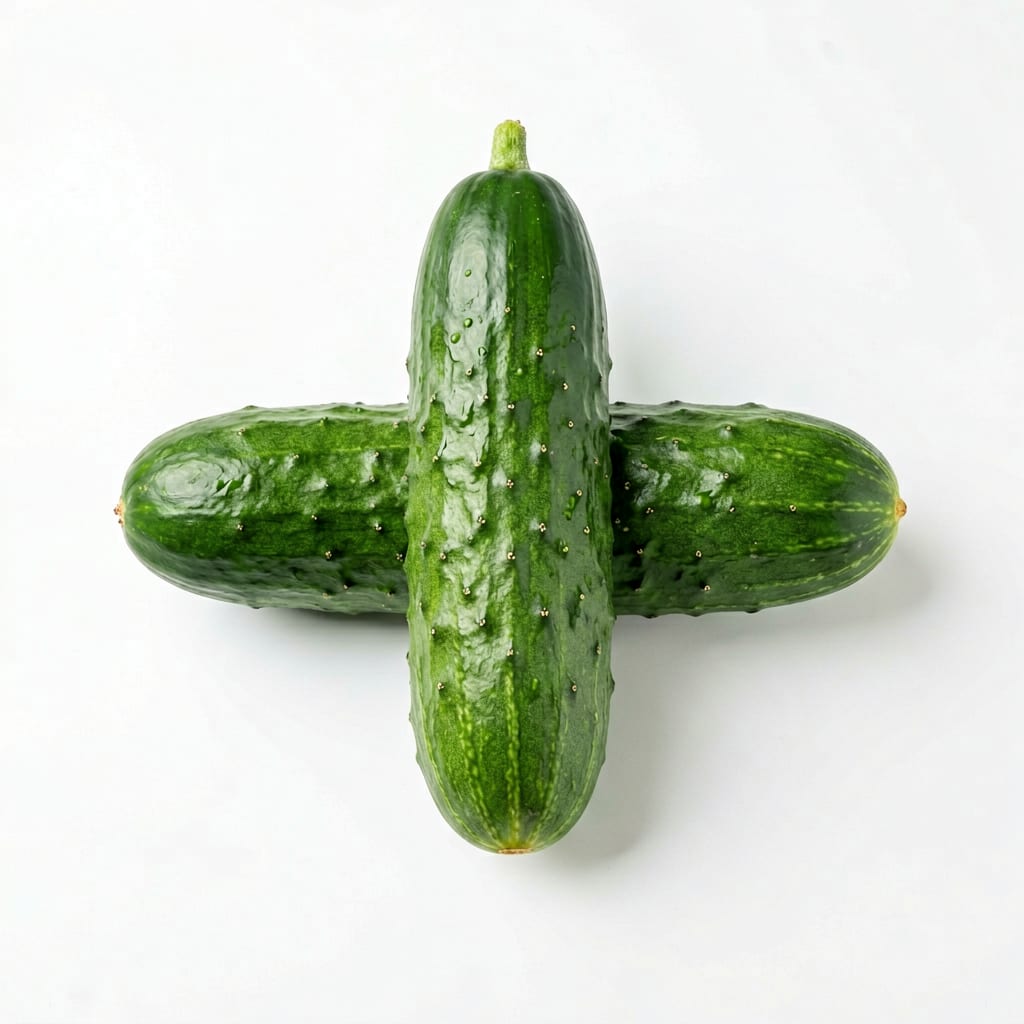
Compare with
Cucumber
Cucumber is slightly higher in calories but offers different textures; both are excellent for hydration and weight loss.
Cucumber and lettuce are both ultra-low-calorie hydration foods, but lettuce provides more vitamin K.
This food
Lettuce
VS80% alike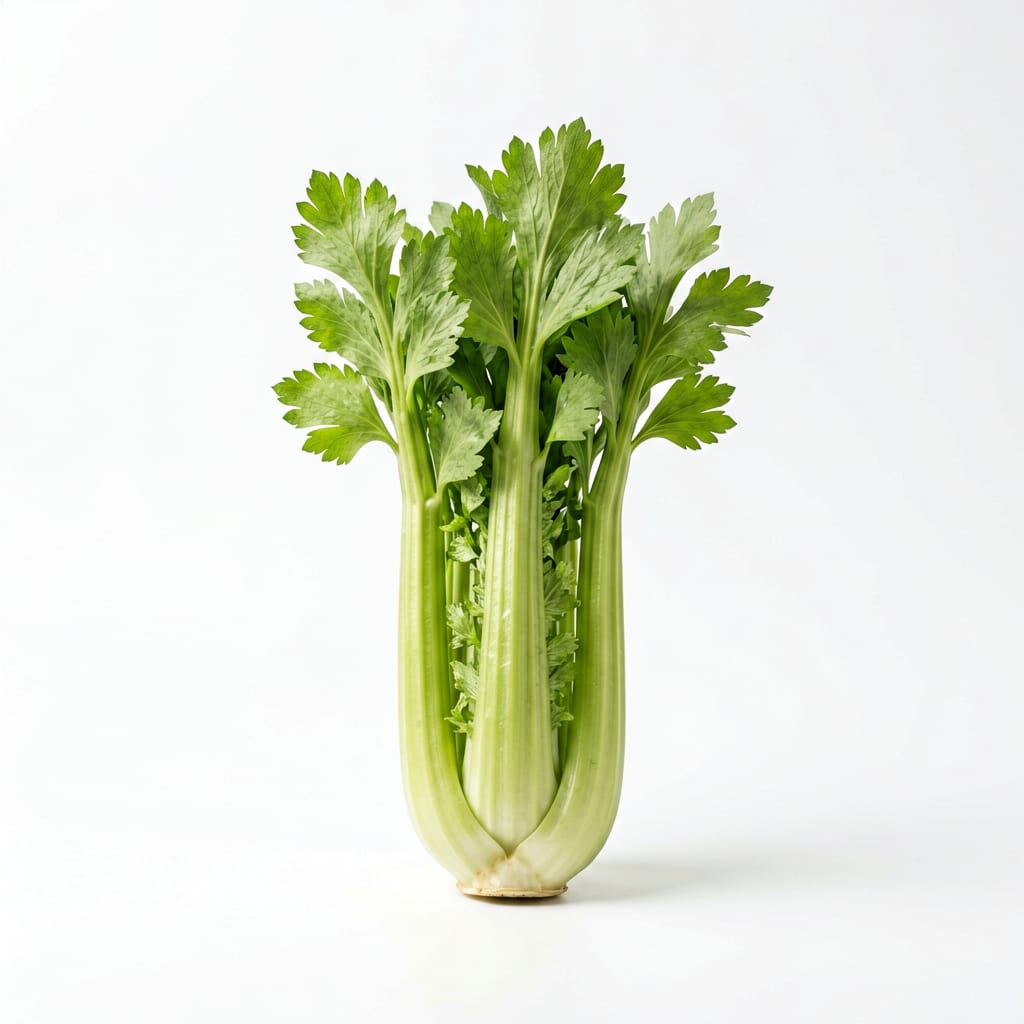
Compare with
Celery
Celery has slightly more fiber and a stronger flavor, while lettuce is better suited as a bulk salad base.
Celery offers more crunch and fiber per stalk, while lettuce is better for building a large, low-calorie meal base.
This food
Lettuce
VS95% alike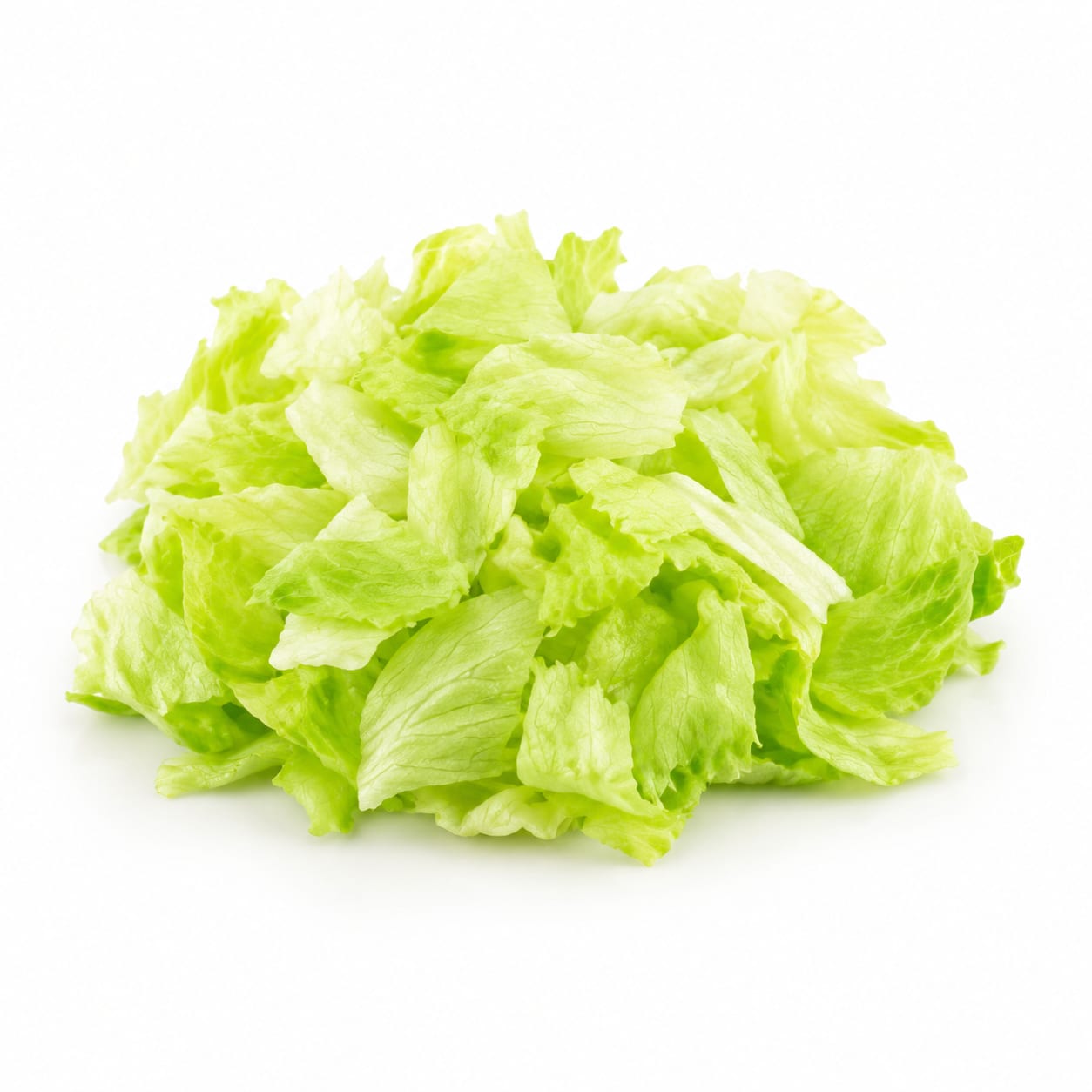
Compare with
Iceberg Lettuce
Romaine is darker and significantly richer in vitamins A and K, while iceberg is crunchier but mostly water.
Romaine lettuce is nutritionally superior with more vitamins, while iceberg provides maximum crunch but minimal nutrients.
This food
Lettuce
VS75% alike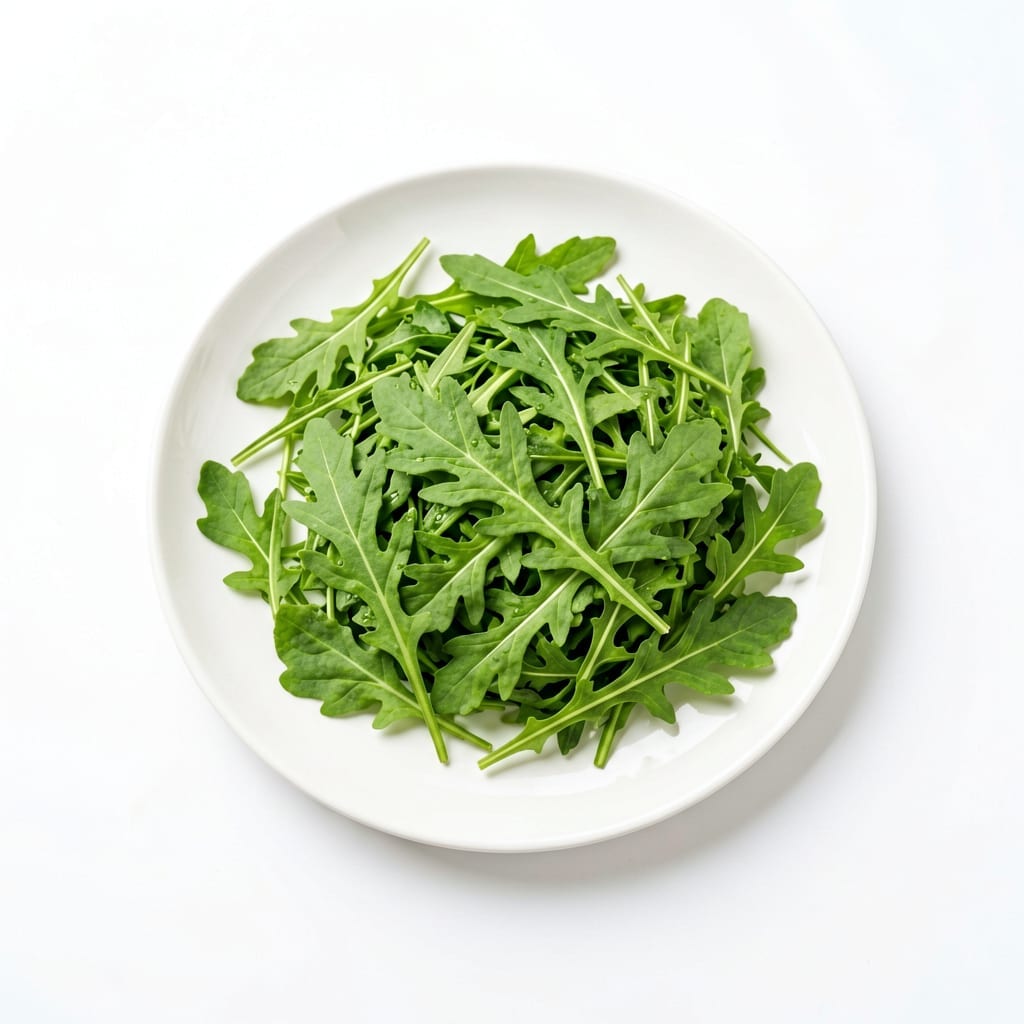
Compare with
Arugula
Arugula has a peppery flavor and more calcium, while lettuce is milder and better for bulk eating.
Arugula packs more flavor and calcium per bite, while lettuce provides a mild, high-volume base for meals.
This food
Lettuce
VS70% alike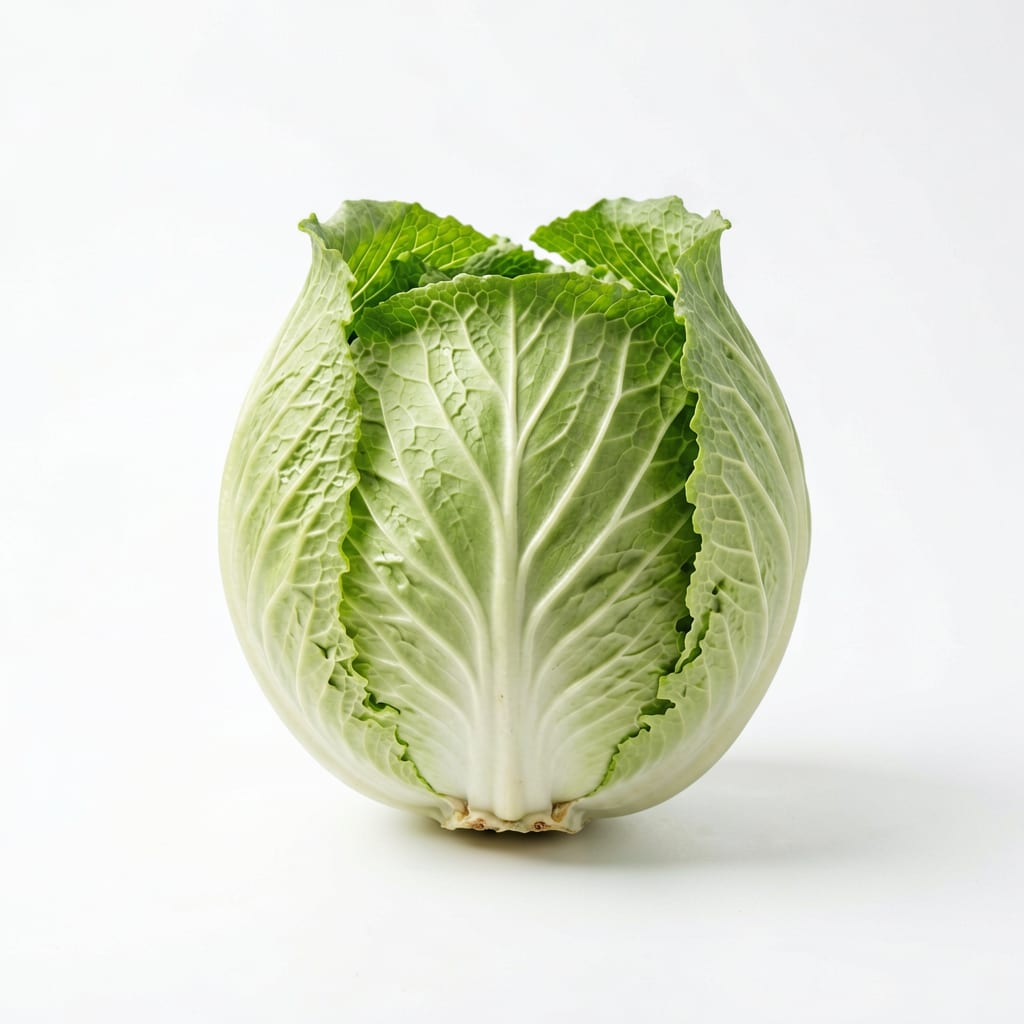
Compare with
Cabbage
Cabbage is denser, higher in fiber, and better for gut health, while lettuce is lighter and lower in calories.
Cabbage is higher in fiber and antioxidants, while lettuce is lower in calories and easier to eat raw in large amounts.
This food
Lettuce
VS70% alike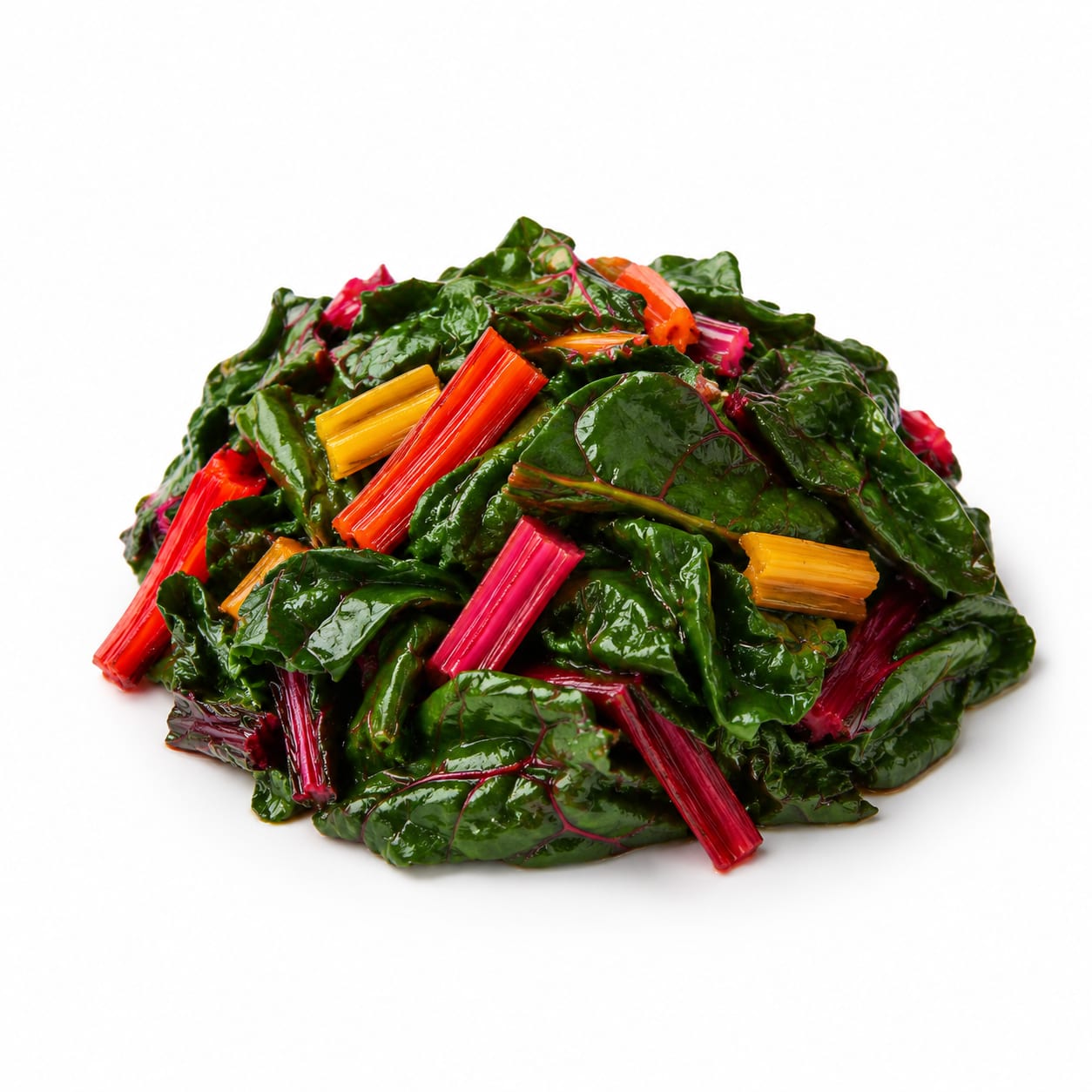
Compare with
Swiss Chard
Swiss chard is loaded with magnesium and vitamin K, while lettuce is much lower in calories and less bitter.
Swiss chard provides far more magnesium and vitamin K, but lettuce is a lighter, lower-calorie option for bulk eating.
This food
Lettuce
VS65% alike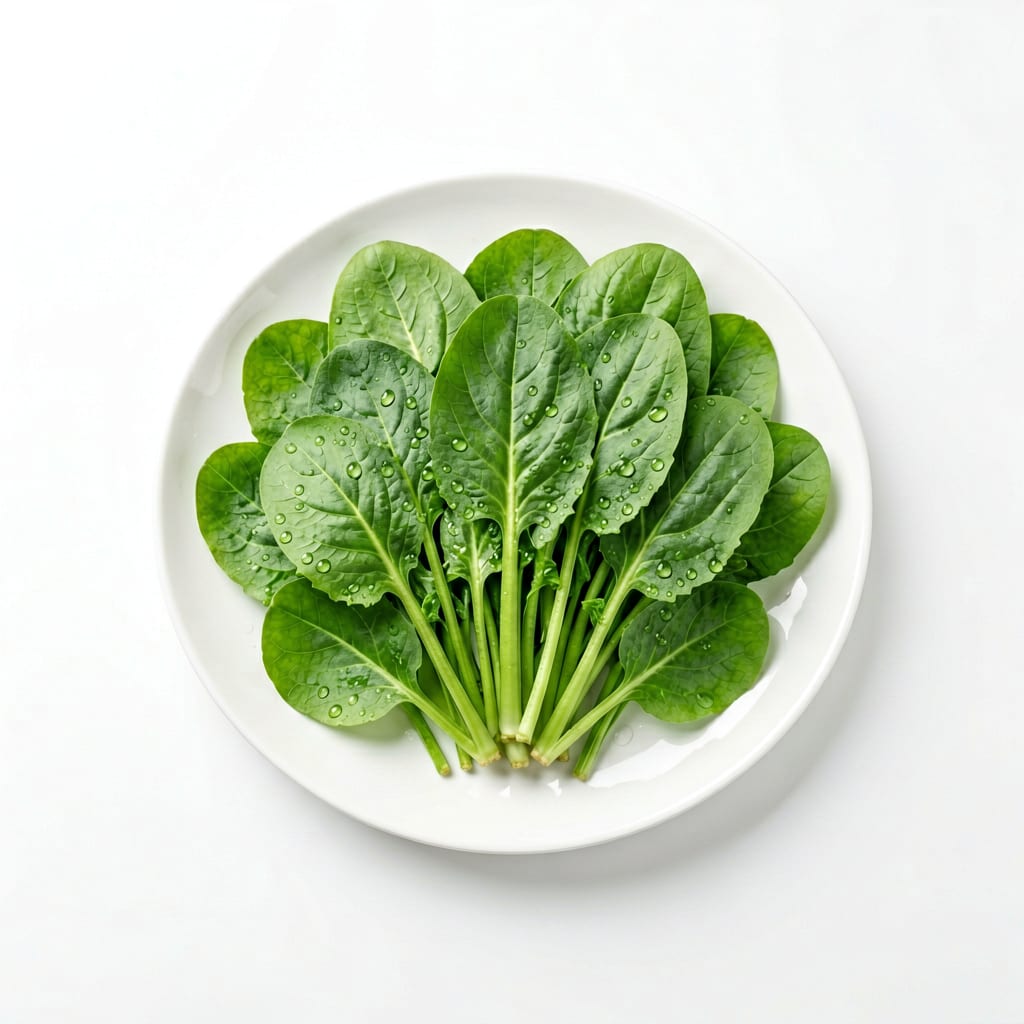
Compare with
Watercress
Watercress is a nutrient-dense powerhouse, while lettuce is primarily a low-calorie volume food.
Watercress is one of the most nutrient-dense foods available, whereas lettuce offers more volume for fewer calories.
This food
Lettuce
VS75% alike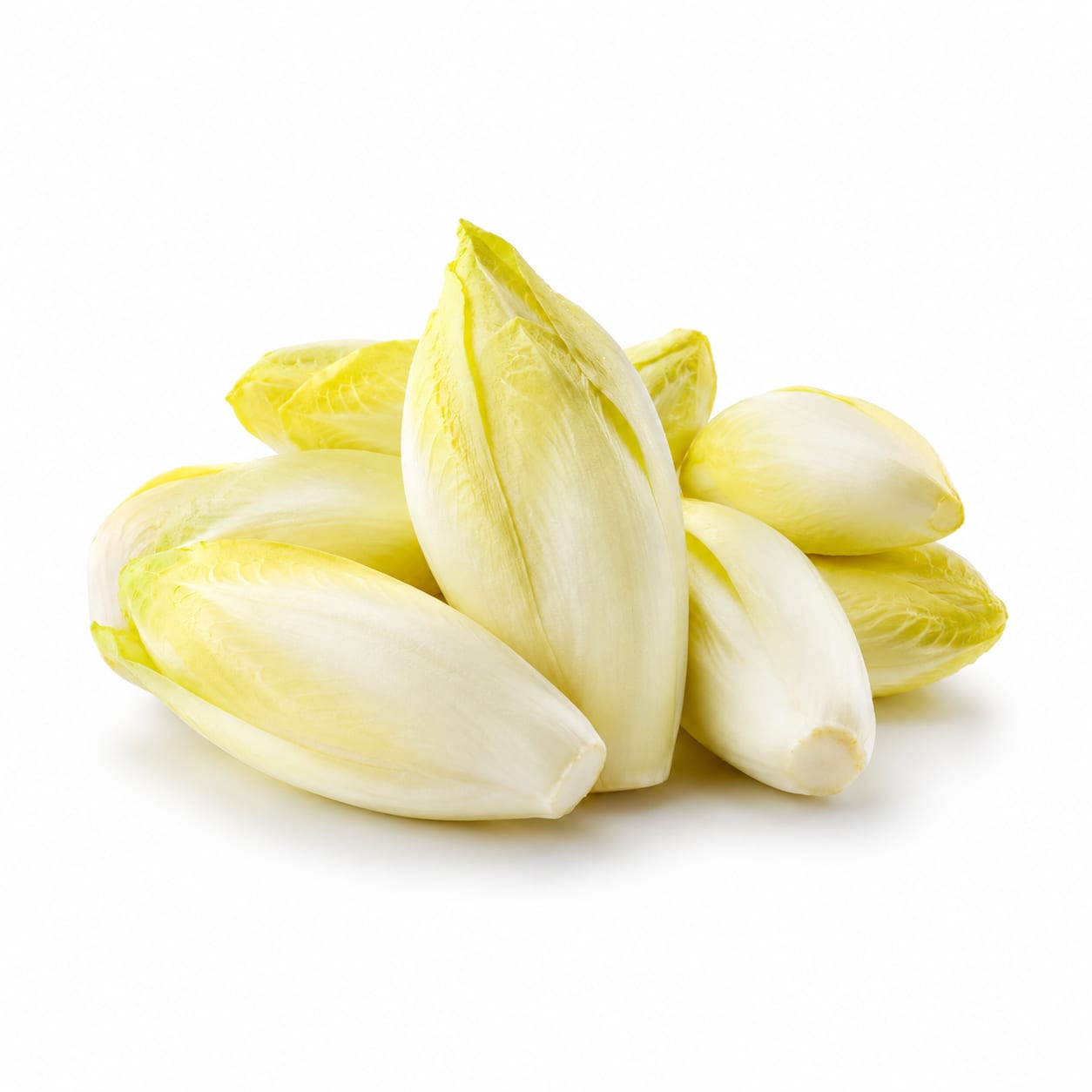
Compare with
Endive
Endive provides more fiber and a distinct bitter flavor, while lettuce is milder and better for large salads.
Endive offers more fiber and a unique crunch for appetizers, while lettuce is better for building large, low-calorie salads.
Common questions
FAQ
Answers aligned with how people search for this food.
Is lettuce good for weight loss?
Yes, its high water and fiber content provide volume and fullness with very few calories, making it ideal for weight loss.
How many calories are in a cup of lettuce?
There are only about 5 to 8 calories in one cup of shredded lettuce, depending on the variety.
Can diabetics eat lettuce?
Yes, lettuce has a glycemic index of around 15 and virtually zero glycemic load, making it completely safe for blood sugar management.
What is the healthiest type of lettuce?
Romaine and darker leaf lettuces are the healthiest, as they contain significantly more vitamins A, C, and K than iceberg lettuce.
Does lettuce have any nutritional value?
While mostly water, darker lettuces provide good amounts of vitamin K, vitamin A, and folate.
Is iceberg lettuce bad for you?
Iceberg lettuce is not bad for you, but it is less nutritious than other varieties and offers mostly water and crunch.
Can you eat lettuce on a keto diet?
Yes, lettuce is very low in net carbs, making it perfectly suitable for ketogenic diets.
Why does lettuce get recalled so often?
Lettuce is prone to bacterial contamination like E. coli from irrigation water, leading to frequent food safety recalls.
Transparency
Data confidence
Estimated confidence for nutrition data, interpretation, safety notes, and comparisons.
Nutrition data
Health analysis
Food safety
Comparisons