
Nutrition comparison
Lettuce vs Cucumber: Which Is Healthier for Weight Loss, Snacking, and Nutrition?
Compare lettuce and cucumber on nutrients, hydration, satiety, and practical use. Find out which is better for weight loss, digestion, and daily eating.
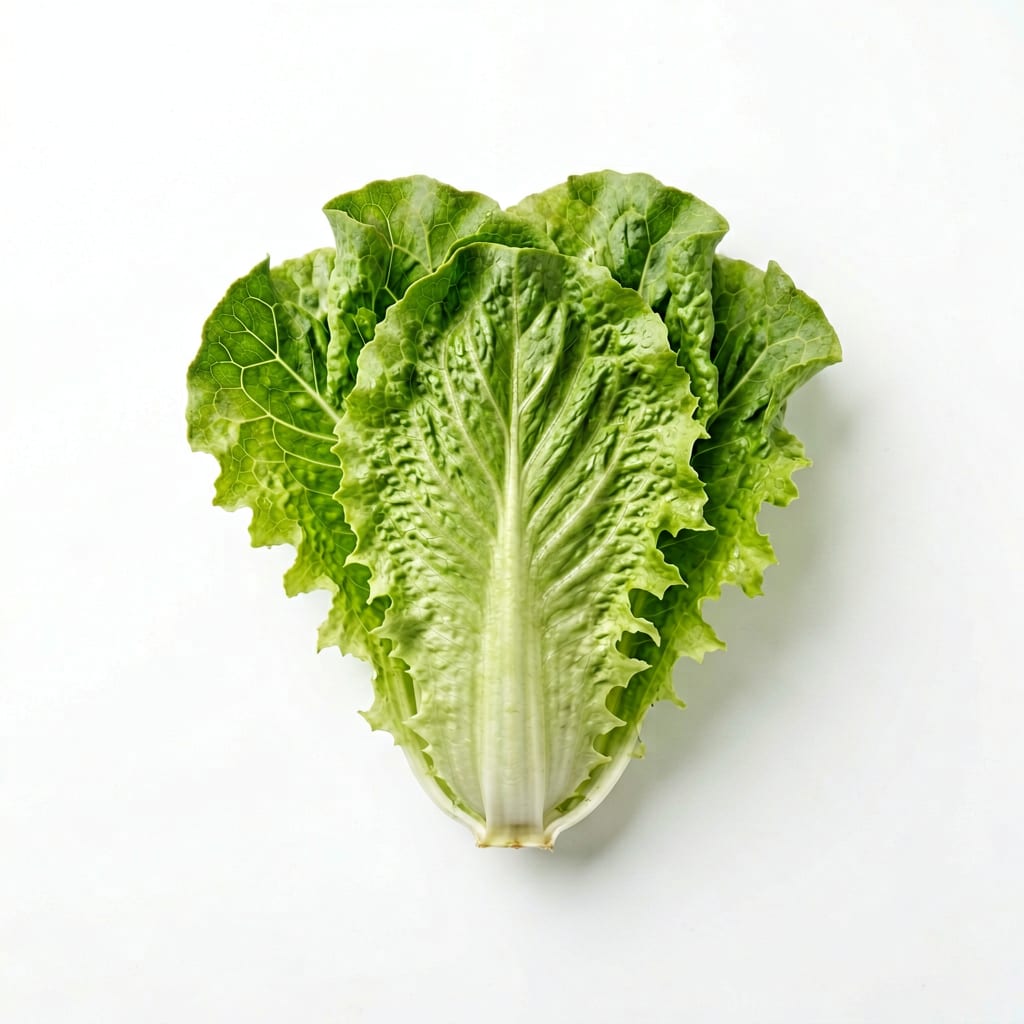
Lettuce
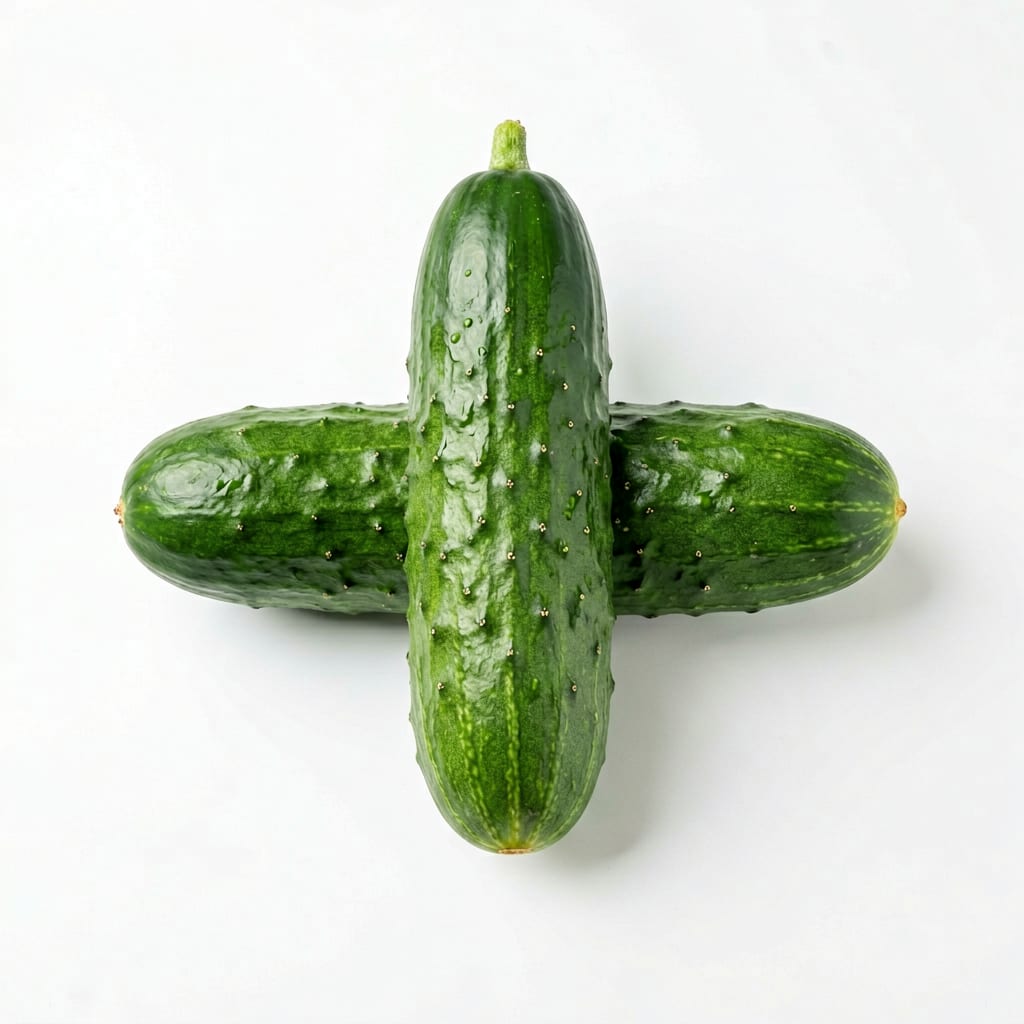
Cucumber
Cucumber is more versatile and satisfying as a standalone snack, while romaine-style lettuce delivers more vitamins per calorie. Neither is a nutritional powerhouse alone, but each shines in different roles.
Cucumber edges ahead slightly due to versatility, snackability, and marginally better satiety. Lettuce wins on micronutrient density, especially vitamin K and folate, but its culinary limitations and faster spoilage narrow the gap.
Lettuce gives you more micronutrients per serving; cucumber gives you more crunch, convenience, and culinary flexibility.
At a glance
Executive summary
Overall
It depends
Healthier
Lettuce
More practical
Cucumber
Daily use
Cucumber
Key comparison lenses
low-calorie snacking and weight loss
Both foods are go-to choices for calorie-conscious eaters, making their differences in satiety and practicality critical
hydration and water content
Both are over 95% water, so users want to know if one hydrates better or offers more beyond water
salad base selection
People commonly choose between these two as foundation ingredients for meals
nutrient density comparison
Users assume both are nutritionally similar but want clarity on which delivers more vitamins per bite
digestive comfort and gut friendliness
Some people experience bloating or sensitivity with raw vegetables, making tolerance a real concern
Best choice for
Lettuce
- Maximizing vitamin K and folate intake
- Building nutrient-dense salad bases
- Supporting bone health through vitamin K
- Adding bulk to meals with minimal calories
Cucumber
- Satisfying crunchy snack cravings
- Staying hydrated during hot weather
- Meal prep and on-the-go eating
- Adding to sandwiches, wraps, and infused water
Least suitable for
Lettuce
- Sustained energy or satiety needs
- Portable snacking without preparation
- Cooking applications
Cucumber
- Boosting vitamin intake significantly
- Addressing iron or folate deficiencies
- Heartier meal replacement components
Deep comparison
Dimension by dimension
Each lens scores both foods and breaks down who each option suits.
- Dimension 1 · Priority 88Lettuce
Nutrient Density
Lettuce · 72Cucumber · 48Lettuce, particularly romaine and leaf varieties, packs significantly more vitamin K, vitamin A, and folate per calorie than cucumber.
Tradeoff
You get more vitamins from lettuce, but the absolute amounts are still modest compared to darker greens like spinach or kale.
Why it matters
If you eat large salad volumes daily, lettuce nutrients accumulate meaningfully. For casual snacking, the difference is minor.
Real-world impact
A large romaine salad covers over 100% of daily vitamin K needs; cucumber barely makes a dent.
Lettuce
- Vitamin K for bone and blood health
- Folate for cell repair and pregnancy
- Beta-carotene for eye health (romaine)
Better for
- Iron and calcium are present but poorly absorbed
- Nutrient content varies wildly by variety
Worse for
Cucumber
- Silica content for skin and connective tissue
- Modest potassium for blood pressure
Better for
- Very low in most vitamins
- Minimal contribution to daily micronutrient targets
Worse for
- Dimension 2 · Priority 82Cucumber
Hydration and Refreshment
Lettuce · 75Cucumber · 85Both are extremely hydrating, but cucumber feels more refreshing and is commonly used in infused water and summer drinks.
Tradeoff
Cucumber's mild flavor and firmer texture make it more enjoyable as a hydrating snack; lettuce wilts and becomes unappetizing when warm.
Why it matters
In hot weather or after exercise, cucumber is more appealing and easier to eat in quantity for rehydration.
Real-world impact
Slicing a cucumber into water makes hydration feel like a treat. Warm lettuce in a lunch bag is just sad.
Lettuce
- High water content still contributes to hydration
- Easier to eat large volumes quickly in salad form
Better for
- Wilts quickly when not refrigerated
- Unappealing texture when warm
Worse for
Cucumber
- More refreshing eating experience
- Works in beverages and infused water
- Better texture when chilled
Better for
- Water content alone does not replace actual fluid intake
Worse for
- Dimension 3 · Priority 76Cucumber
Satiety and Fullness
Lettuce · 45Cucumber · 55Neither food is filling on its own, but cucumber's crunch and slightly firmer bite provide marginally more eating satisfaction.
Tradeoff
Both disappear from your stomach quickly. Cucumber's skin adds a bit of fiber and chewing resistance that lettuce lacks.
Why it matters
If you rely on these as snacks to tide you over, cucumber buys you maybe 15 more minutes of feeling satisfied.
Real-world impact
A cucumber spear with hummus actually feels like a snack. A pile of lettuce leaves feels like a prelude to real food.
Lettuce
- Large volume fills stomach temporarily
- Can bulk up meals visually
Better for
- Disappears from stomach within 30 minutes
- Almost zero protein or fat to trigger fullness signals
Worse for
Cucumber
- Crunch factor increases oral satisfaction
- Skin provides slightly more fiber
- Pairs better with dips and proteins for real satiety
Better for
- Still very low calorie and low fiber overall
- Cannot sustain energy on its own
Worse for
- Dimension 4 · Priority 80Cucumber
Versatility and Culinary Use
Lettuce · 40Cucumber · 78Cucumber works raw, pickled, in drinks, in cooked dishes, and as a standalone snack. Lettuce is almost exclusively a raw salad or sandwich ingredient.
Tradeoff
Lettuce does one thing well; cucumber does many things adequately. Pickling alone transforms cucumber into a completely different food.
Why it matters
More versatility means less food waste and more ways to enjoy it across meals and seasons.
Real-world impact
Cucumber can be breakfast (smoothie), lunch (salad), snack (with dip), dinner (tzatziki), and midnight (pickles). Lettuce is lunch and that's it.
Lettuce
- Excellent as a low-calorie wrap substitute
- Provides textural contrast in sandwiches
Better for
- Cooks down to almost nothing
- Limited to raw applications
- Wilts and becomes unusable quickly
Worse for
Cucumber
- Pickling extends shelf life and adds probiotics
- Works in cold soups like gazpacho
- Infuses water naturally
- Blends into smoothies without overpowering flavor
- Standalone snack without any preparation
Better for
- Cooking cucumber is uncommon and unappealing to many
- Can make dishes watery if not salted first
Worse for
- Dimension 5 · Priority 70Cucumber
Digestive Tolerance
Lettuce · 55Cucumber · 72Cucumber is generally easier on digestion for most people, though sensitive individuals may react to the skin or seeds.
Tradeoff
Lettuce can cause bloating in some people due to insoluble fiber and fructans, especially iceberg. Peeled cucumber is gentler.
Why it matters
If you have IBS or a sensitive gut, the wrong raw vegetable can mean hours of discomfort.
Real-world impact
Peeled cucumber is one of the safest vegetables for sensitive stomachs. A large salad can leave some people bloated for hours.
Lettuce
- Soft texture requires minimal chewing effort
- Butter lettuce varieties are very gentle
Better for
- Fructans in some varieties trigger IBS symptoms
- Iceberg can cause significant bloating
- Large volumes overwhelm sensitive systems
Worse for
Cucumber
- Peeled cucumber is extremely easy to digest
- Lower in fermentable fibers that cause gas
- Higher water content aids digestion flow
Better for
- Skin can be hard to break down
- Seeds bother some people
- Cucurbitacins in bitter varieties cause indigestion
Worse for
- Dimension 6 · Priority 65Cucumber
Shelf Life and Food Waste
Lettuce · 35Cucumber · 65Cucumber lasts noticeably longer in the fridge and shows clear signs when going bad. Lettuce wilts, browns, and turns slimy with frustrating speed.
Tradeoff
Lettuce's delicate structure means more waste if you do not use it within days. Cucumber gives you a week easily.
Why it matters
Food waste is money waste. If your produce dies before you eat it, the healthiest choice on paper means nothing.
Real-world impact
That bag of spring mix turns to slime by day three. That cucumber in the crisper still looks fine on day seven.
Lettuce
- Heads of lettuce last longer than bagged leaves
- Can be revived slightly with ice water soak
Better for
- Bagged lettuce spoils within 2-3 days
- Wilting makes it unappealing even when safe
- High waste rate compared to most vegetables
Worse for
Cucumber
- Stays crisp for 7-10 days refrigerated
- Pickling extends life by months
- Visual cues make spoilage easy to spot
Better for
- Once cut, deteriorates faster
- Stored near ethylene-producing fruits, yellows quickly
Worse for
Timeline
Health impact over time
Short-term
Hours to days
Lettuce
- Quick hydration from high water content
- Temporary stomach fullness from volume
- Possible bloating if eaten in large amounts, especially iceberg
Cucumber
- Refreshing hydration, particularly after exercise or heat exposure
- Mild blood pressure support from potassium
- Occasional burping or indigestion from cucurbitacins in some varieties
Long-term
Months to years
Lettuce
- Consistent vitamin K intake supports bone density over decades
- Folate contribution matters for pregnant women eating salads regularly
- Low calorie density helps maintain healthy weight when replacing higher-calorie foods
Cucumber
- Silica content may support skin elasticity and joint health with regular consumption
- Habitual cucumber snacking replaces higher-calorie processed snacks effectively
- Pickled cucumber consumption adds probiotic diversity to gut microbiome
Risk profile
Safety & processing
Both lettuce and cucumber are whole, unprocessed foods as typically purchased. The main concern is bagged pre-washed lettuce, which may use chlorine washes. Cucumber skins are sometimes waxed commercially, so peeling or choosing organic avoids that issue.
Lettuce
E. coli and Salmonella contamination
mediumLettuce has been linked to multiple foodborne illness outbreaks, particularly pre-washed bagged varieties. Contamination occurs in the field from water or handling.
Pesticide residue
mediumLettuce frequently appears on the EWG's Dirty Dozen list due to pesticide residues on conventionally grown varieties.
Cucumber
Pesticide residue on skin
mediumCucumber also appears on the Dirty Dozen list. Non-organic cucumbers often carry significant pesticide residue on the waxy skin.
Wax coating
lowConventional cucumbers are often coated with food-grade wax to retain moisture. While safe, it traps pesticides underneath and some consumers prefer to avoid it.
Who wins for whom
Audience fit
Same foods, different winners depending on your goal.
children
CucumberCucumber sticks are a kid-friendly snack with satisfying crunch. Lettuce is often rejected by children due to texture and bitterness in some varieties.
daily consumption
CucumberCucumber's longer shelf life, snack convenience, and culinary versatility make it easier to eat consistently without waste or boredom.
diabetes
It dependsBoth have negligible impact on blood sugar. Neither poses a risk. Choose based on personal preference and digestive tolerance.
elderly
CucumberPeeled cucumber is easier to chew and digest for aging teeth and sensitive digestive systems. Lettuce can be difficult to chew thoroughly.
muscle gain
It dependsNeither contributes meaningful protein or calories for muscle building. Both serve only as volume fillers alongside protein-rich foods.
weight loss
CucumberCucumber's crunch and snackability make it a more satisfying low-calorie replacement for chips and processed snacks. Lettuce is too flimsy to scratch that itch.
Your move
Decision guide
Choose Lettuce
- You eat large salads daily and want to maximize vitamin K and folate intake
- You use lettuce as a low-carb wrap replacement for sandwiches and tacos
- You prioritize nutrient density per calorie above all else
- You enjoy the texture of leafy greens in your meals
Choose Cucumber
- You want a crunchy snack that actually satisfies between meals
- You meal prep weekly and need produce that survives until Friday
- You enjoy pickling or want a probiotic food project
- You add vegetables to water, smoothies, or cold soups
- You have a sensitive stomach and need gentle raw vegetables
Either works if
- You simply need low-calorie volume to fill your plate
- Hydration is your main goal
- You pair them with protein and healthy fats for balanced meals
- Blood sugar management is your priority and both are safe options
Avoid both if
- You need calorie-dense foods due to unintentional weight loss or high energy needs
- You are looking for significant protein, fat, or sustained energy from vegetables
- You have severe oral allergy syndrome related to raw produce
Final recommendation
Keep both in your kitchen but assign them different jobs. Use romaine lettuce as your salad base for vitamin K and folate. Keep cucumbers for snacking, pickling, and adding crunch to meals. If you can only choose one, cucumber wins on practicality and daily usability — it simply finds its way into more meals without going bad first.
Practical
Consumer tips
- 1
Buy romaine or butter lettuce over iceberg for roughly 4x the vitamin content
- 2
Choose organic for both if possible — they are consistently on the Dirty Dozen list
- 3
Peel conventional cucumbers to avoid wax and trapped pesticide residue
- 4
Revive wilted lettuce by soaking in ice water for 15 minutes before use
- 5
Slice cucumbers and store in water in the fridge for an instant refreshing snack
- 6
Try fermented pickles over vinegar pickles for gut health benefits
- 7
Wash all lettuce thoroughly even if labeled pre-washed — contamination risk is real
- 8
Store lettuce with a paper towel in the bag to absorb moisture and extend life by a day or two