
Nutrition comparison
Lettuce vs Spinach: Which is Healthier?
Compare lettuce vs spinach for nutrition, weight loss, and health benefits. Learn the real differences, oxalate risks, and which green is best for your diet.
Overall winner · Spinach
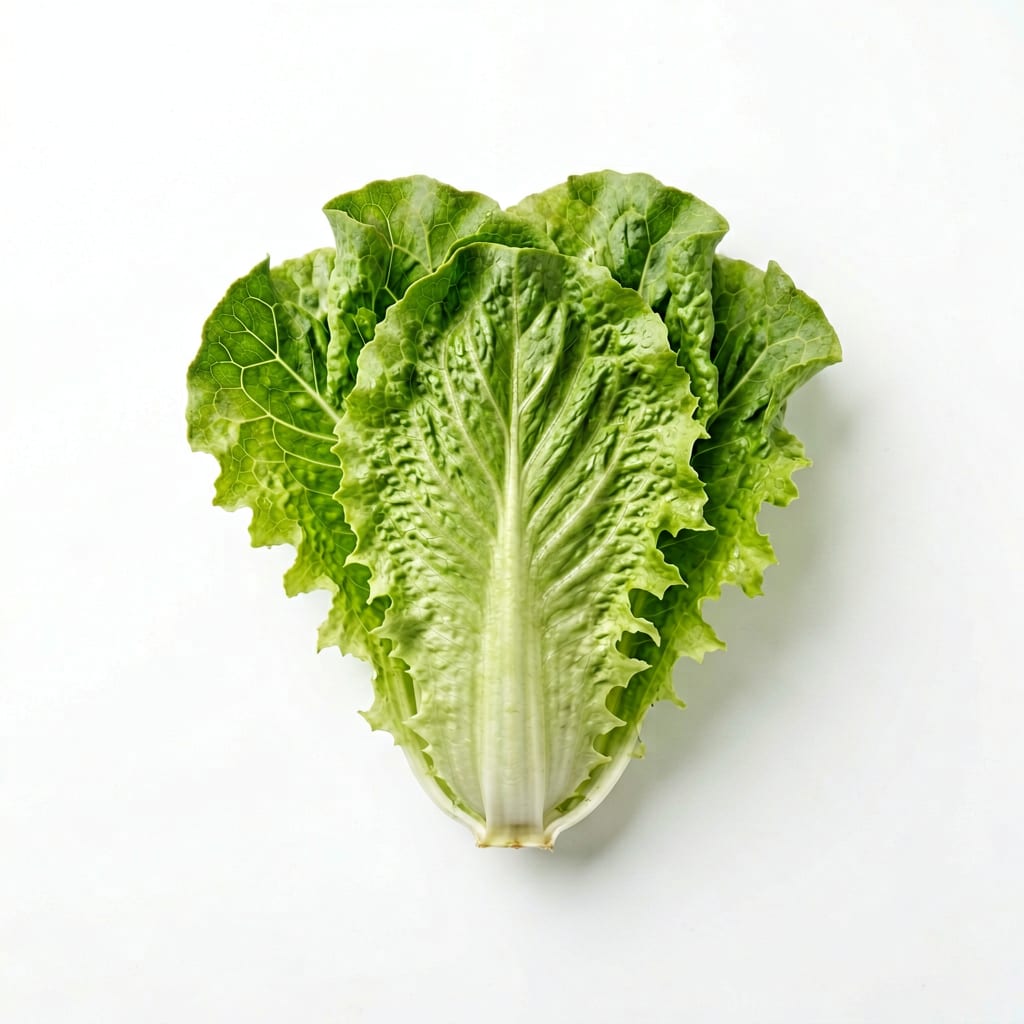
Lettuce
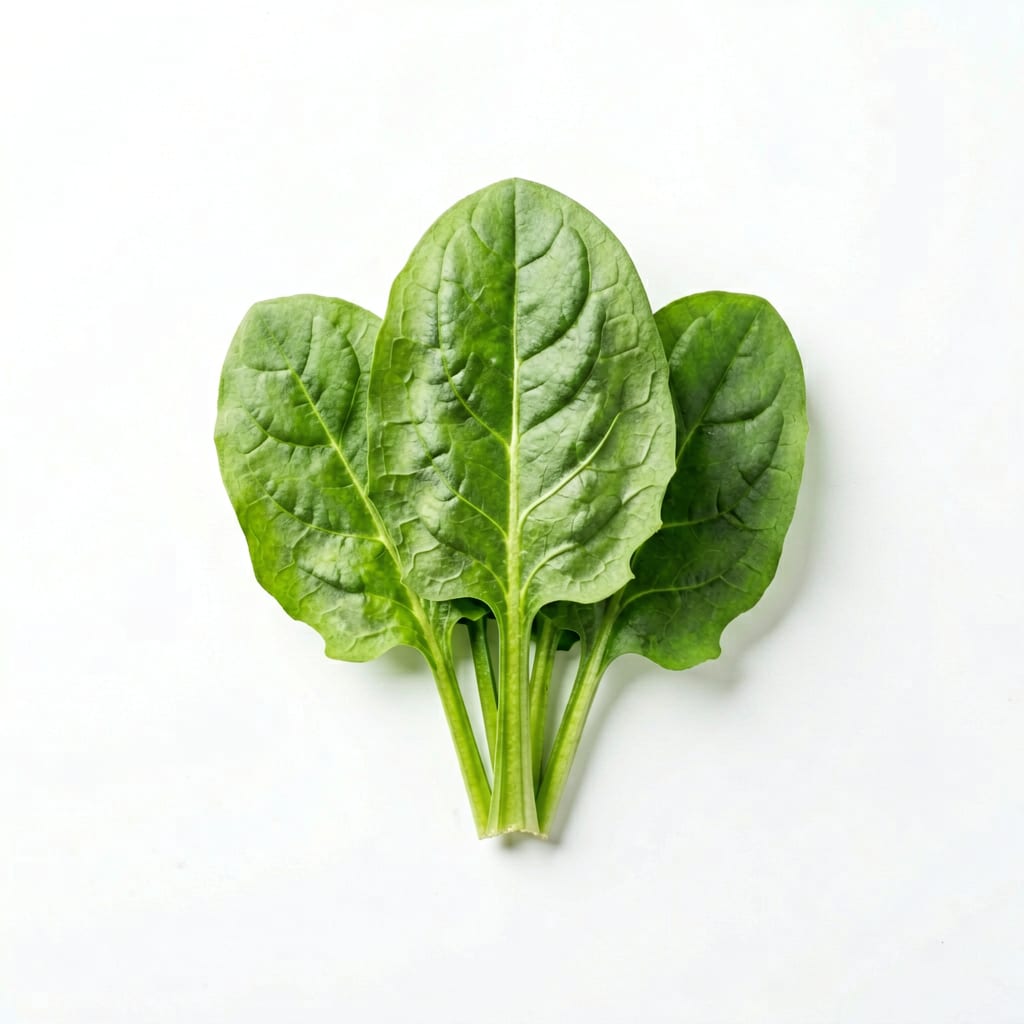
Spinach
Spinach is the nutritional heavyweight, delivering far more vitamins and minerals per bite, while lettuce offers refreshing crunch and hydration with minimal digestive concerns.
Spinach scores significantly higher due to its exceptional vitamin and mineral profile. Lettuce is pleasant and safe but contributes very little beyond hydration and bulk.
You trade the digestive safety and mild crunch of lettuce for the massive nutrient boost and slight oxalate risk of spinach.
At a glance
Executive summary
Overall
Spinach
Healthier
Spinach
More practical
Lettuce
Daily use
Spinach
Key comparison lenses
Nutrient density comparison
Spinach is famously nutrient-dense while lettuce is mostly water, making this the primary differentiator.
Kidney stone and oxalate risk
Spinach contains high oxalates which can cause issues for some people, whereas lettuce does not.
Salad base utility and volume
Both are used as salad foundations but offer very different eating experiences and satiety.
Cooking versatility
Spinach can be cooked down or blended, while lettuce is strictly eaten raw.
Best choice for
Lettuce
- People prone to kidney stones who must avoid oxalates
- Those wanting a ultra-light, hydrating salad base
- Anyone seeking a mild flavor that won't overpower other ingredients
Spinach
- Anyone needing an iron and folate boost
- People looking to maximize nutrient density per calorie
- Those who enjoy cooked greens or green smoothies
Least suitable for
Lettuce
- Those relying on their salad base for meaningful nutrition
- People needing to boost iron or magnesium intake
Spinach
- People with a history of calcium oxalate kidney stones
- Those who find the earthy flavor too overpowering in raw salads
Deep comparison
Dimension by dimension
Each lens scores both foods and breaks down who each option suits.
- Dimension 1 · Priority 95Spinach
Nutrient Density
Lettuce · 15Spinach · 95Spinach is a nutritional powerhouse compared to the mostly-water composition of lettuce.
Tradeoff
You get drastically more vitamins A, C, K, iron, and magnesium with spinach, but lettuce is far less likely to cause mineral absorption issues due to oxalates.
Why it matters
Eating nutrient-dense greens helps you meet daily vitamin requirements without taking supplements.
Real-world impact
A single cup of spinach covers your daily vitamin K needs, whereas you would need to eat massive amounts of lettuce to get the same benefit.
Lettuce
- Staying hydrated during a heatwave
- Getting full on minimal calories
Better for
- Preventing nutrient deficiencies
Worse for
Spinach
- Boosting iron levels naturally
- Supporting bone health with vitamin K
Better for
- Absorbing calcium due to oxalate binding
Worse for
- Dimension 2 · Priority 85Lettuce
Digestive Tolerance & Safety
Lettuce · 90Spinach · 55Lettuce is gentle on the digestive system, while spinach's oxalates can cause issues for sensitive individuals.
Tradeoff
Spinach brings more fiber and nutrients but carries a real risk for kidney stone sufferers; lettuce is incredibly safe but lacks fiber.
Why it matters
Digestive comfort and long-term kidney health are just as important as vitamin intake.
Real-world impact
If you have a history of kidney stones, a spinach-heavy diet could trigger a painful recurrence, while lettuce poses almost no such risk.
Lettuce
- Those with sensitive stomachs
- People prone to calcium oxalate kidney stones
Better for
- Feeling truly satiated after a meal
Worse for
Spinach
- Improving digestion with higher fiber
Better for
- Causing bloating or kidney stone issues in susceptible people
Worse for
- Dimension 3 · Priority 75Spinach
Versatility & Culinary Use
Lettuce · 40Spinach · 90Spinach works raw, cooked, or blended, whereas lettuce is strictly a raw, cold ingredient.
Tradeoff
Spinach shrinks down beautifully for cooking and blends seamlessly into smoothies, but lettuce turns slimy if heated.
Why it matters
A versatile green makes it much easier to hit your daily vegetable targets in different meals.
Real-world impact
You can toss a handful of spinach into a morning smoothie or evening soup, but lettuce only works in a lunch salad or sandwich.
Lettuce
- Building a crisp, refreshing salad
- Adding crunch to sandwiches and burgers
Better for
- Cooking applications
Worse for
Spinach
- Sneaking greens into smoothies for picky eaters
- Sautéing as a hot side dish
Better for
- Providing a satisfying crunch in wraps
Worse for
- Dimension 4 · Priority 60Spinach
Satiety & Fullness
Lettuce · 35Spinach · 75Spinach provides more lasting fullness due to its higher protein and fiber content.
Tradeoff
Lettuce takes up a lot of physical space in the stomach initially but digests quickly, leaving you hungry sooner.
Why it matters
Staying full longer helps prevent unnecessary snacking between meals.
Real-world impact
A spinach salad will keep you satisfied until your next meal, while a lettuce-heavy salad might leave you reaching for a snack an hour later.
Lettuce
- Eating a massive volume of food for very few calories
Better for
- Long-term appetite control
Worse for
Spinach
- Sustained energy and fullness
Better for
- Eating large volumes without feeling stuffed
Worse for
Timeline
Health impact over time
Short-term
Hours to days
Lettuce
- Provides immediate hydration due to high water content
- Offers a light, non-bloated feeling after eating
Spinach
- Can cause temporary stomach discomfort if eaten in large raw quantities
- Provides a quick boost of energy-stabilizing magnesium
Long-term
Months to years
Lettuce
- Helps maintain low caloric intake effortlessly
- Unlikely to contribute to kidney stones
Spinach
- Significantly reduces risk of iron-deficiency anemia
- Supports long-term bone density through high vitamin K
- May increase kidney stone risk if consumed excessively without calcium pairing
Risk profile
Safety & processing
Both lettuce and spinach are whole, minimally processed foods that are typically eaten fresh from the farm with no additives.
Lettuce
E. coli and Salmonella outbreaks
highLettuce, particularly romaine, is frequently recalled for bacterial contamination due to its growing conditions and high water content.
Spinach
Oxalate accumulation
mediumHigh oxalates can bind to calcium and contribute to kidney stone formation in susceptible individuals.
Bacterial contamination
highLike lettuce, raw spinach is also prone to E. coli outbreaks and requires thorough washing.
Who wins for whom
Audience fit
Same foods, different winners depending on your goal.
children
LettuceLettuce is milder in flavor, easier for kids to chew, and lacks the oxalate concerns important for developing bodies.
daily consumption
SpinachSpinach delivers far more daily nutritional value, though it should be rotated with other greens to avoid oxalate buildup.
diabetes
SpinachThe magnesium and fiber in spinach help stabilize blood sugar far better than the mostly-water composition of lettuce.
elderly
SpinachThe high vitamin K and iron in spinach are crucial for aging bones and blood health, provided they do not have kidney issues.
muscle gain
SpinachSpinach contains dietary nitrates that can improve exercise efficiency and offers slightly more protein per calorie.
weight loss
SpinachSpinach provides more nutrients and fiber per calorie, keeping you satisfied longer and preventing cravings.
Your move
Decision guide
Choose Lettuce
- You have a history of kidney stones
- You want a cheap, hydrating, and crunchy base for a heavy salad
- You find raw spinach too bitter or earthy tasting
Choose Spinach
- You want to maximize your vitamin and mineral intake
- You enjoy cooking greens or making green smoothies
- You need an iron boost in your diet
Either works if
- You just need a low-calorie vegetable to round out a meal
- You are washing and prepping a mixed green salad
Avoid both if
- You are on a strict vitamin K restriction for blood-thinning medication
Final recommendation
Choose spinach as your primary green to maximize health benefits, but mix in lettuce for crunch, volume, and to give your body a break from oxalates. Cooking spinach with a source of calcium helps bind the oxalates, making it safer and even more nutritious.
Practical
Consumer tips
- 1
Pair spinach with lemon juice; the vitamin C significantly boosts iron absorption.
- 2
If you have kidney stones but want spinach nutrients, boiling spinach and discarding the water removes much of the oxalates.
- 3
Always wash both greens thoroughly, even pre-washed packages, to reduce bacterial contamination risk.
- 4
Use lettuce for volume and spinach for nutrition in salads—a mix gives you the best of both worlds.
- 5
Store spinach with a paper towel in the bag to absorb moisture and keep it from getting slimy.