
Nutrition comparison
Lettuce vs Iceberg Lettuce: Nutrition, Crunch, and Which to Choose
Compare Lettuce vs Iceberg Lettuce — nutritional density, crunch, shelf life, cost, and which is better for salads, sandwiches, and daily health.
Overall winner · Lettuce
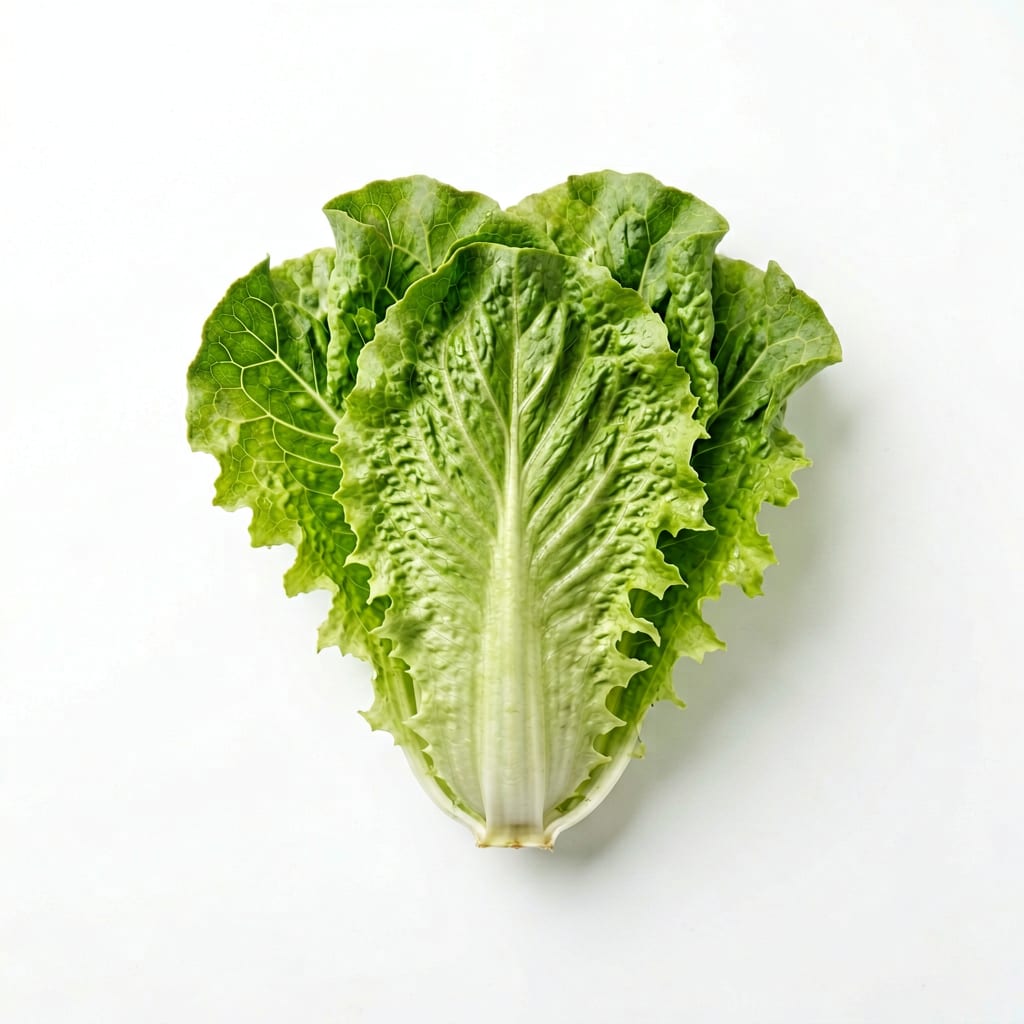
Lettuce
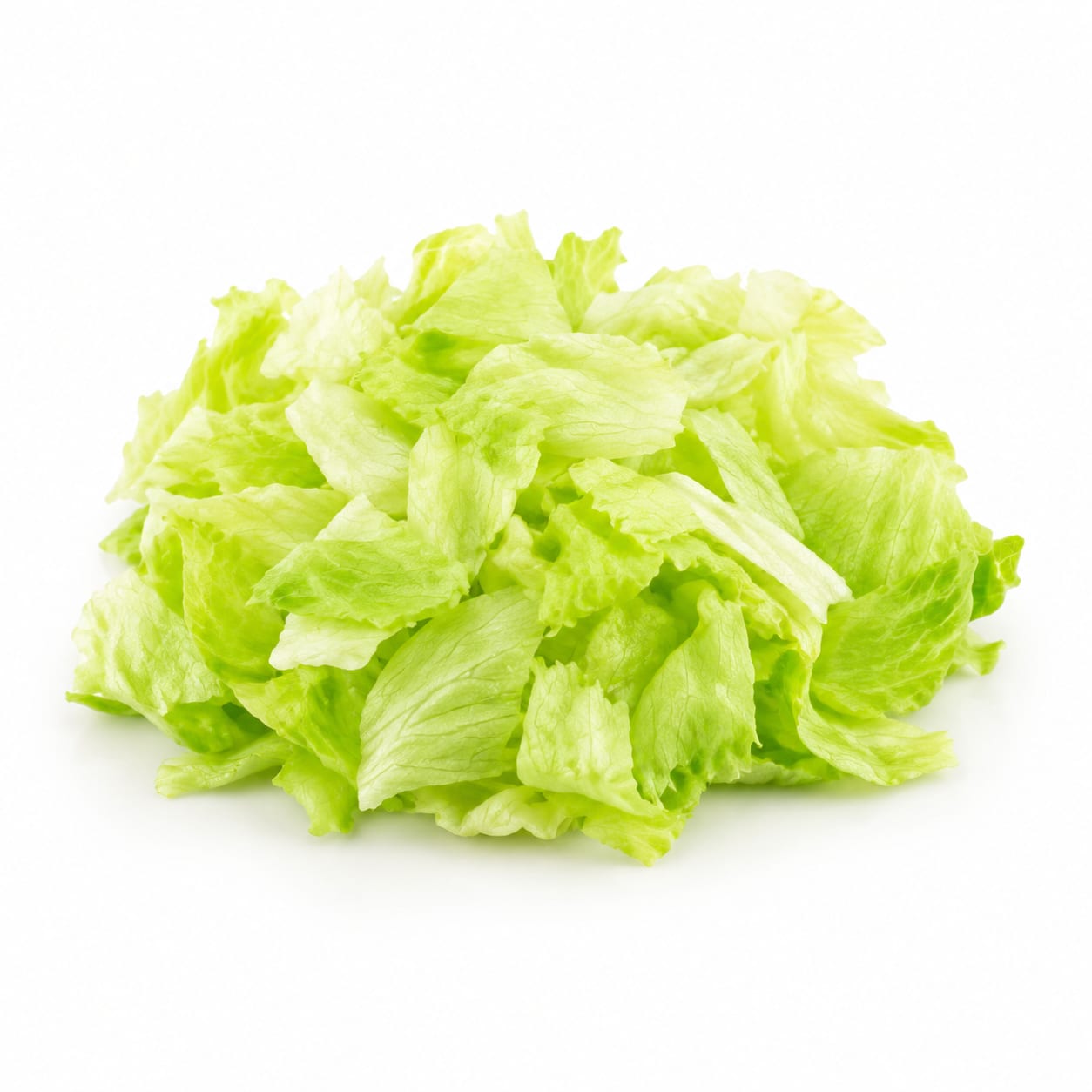
Iceberg Lettuce
Lettuce (especially darker varieties like romaine) delivers significantly more vitamins and minerals per bite, while Iceberg Lettuce wins on crunch, shelf life, and cost.
Lettuce scores notably higher because darker varieties provide substantially more vitamins A, K, folate, and antioxidants. Iceberg Lettuce is not unhealthy — it is simply less nutritionally rewarding per calorie, functioning more as a crunchy water source than a meaningful nutrient contributor.
Nutritional value versus crisp texture and affordability — you sacrifice vitamins for that satisfying snap.
At a glance
Executive summary
Overall
Lettuce
Healthier
Lettuce
More practical
Iceberg Lettuce
Daily use
Lettuce
Key comparison lenses
nutritional density comparison
The primary reason people choose between general lettuce and iceberg is nutrient content — iceberg is widely known as the least nutritious lettuce variety
salad base selection
Both are used as salad foundations, so texture, flavor, and satisfaction matter for daily meal choices
hydration and crunch preference
Iceberg delivers superior crunch and water content, which affects enjoyment and satiety differently
budget and accessibility
Iceberg is typically cheaper and more widely available, making it a practical staple
Best choice for
Lettuce
- Maximizing vitamin A, K, and folate intake
- Building nutrient-dense salads that actually fuel your body
- Supporting bone health and immune function
- Anyone needing more iron and antioxidants from greens
Iceberg Lettuce
- Adding refreshing crunch to sandwiches and burgers
- Feeding picky eaters who dislike bitter greens
- Stretching a grocery budget without sacrificing freshness
- Making wedge salads where crispness is the star
Least suitable for
Lettuce
- Dishes where a mild, watery crunch is essential
- Very tight budgets where cost per pound matters most
Iceberg Lettuce
- Anyone relying on salad as a meaningful nutrient source
- Meal prep focused on vitamin density and antioxidant intake
Deep comparison
Dimension by dimension
Each lens scores both foods and breaks down who each option suits.
- Dimension 1 · Priority 95Lettuce
Vitamin and Mineral Density
Lettuce · 88Iceberg Lettuce · 22Lettuce varieties like romaine contain 5-10x more vitamin A and significantly more vitamin K, folate, and iron than Iceberg Lettuce.
Tradeoff
Iceberg's pale leaves signal minimal chlorophyll and nutrient content — the very crunch people love comes from high water density, not nutrition.
Why it matters
If your salad is a primary vegetable source, Iceberg Lettuce barely moves the needle on daily vitamin needs.
Real-world impact
A large romaine salad covers most of your daily vitamin A; the same size Iceberg salad covers roughly 5%.
Lettuce
- Meeting daily vitamin A targets easily
- Boosting bone health through vitamin K
- Supporting pregnancy nutrition with folate
Better for
Iceberg Lettuce
- Preventing vitamin deficiencies through greens
- Getting meaningful antioxidant protection
Worse for
- Dimension 2 · Priority 65Iceberg Lettuce
Hydration and Refreshment
Lettuce · 60Iceberg Lettuce · 82Iceberg Lettuce is roughly 96% water, making it one of the most hydrating salad bases available.
Tradeoff
That water content creates the signature crispness but also dilutes every other nutrient per bite.
Why it matters
On hot days or when you want a light, refreshing meal, Iceberg feels more thirst-quenching and less heavy.
Real-world impact
A wedge salad with Iceberg feels like eating crisp, cold water — satisfying in a way denser greens cannot replicate.
Lettuce
- Matching that ultra-crisp, watery snap
Worse for
Iceberg Lettuce
- Staying hydrated in summer heat
- Creating light, refreshing meals that do not feel heavy
- Enjoying a satisfying crunch without density
Better for
- Dimension 3 · Priority 70Lettuce
Fiber Content and Satiety
Lettuce · 65Iceberg Lettuce · 35Darker lettuce varieties provide roughly double the fiber per serving compared to Iceberg Lettuce.
Tradeoff
Neither lettuce is a fiber powerhouse, but general lettuce at least contributes meaningfully toward daily targets.
Why it matters
Fiber helps you feel full longer and supports digestion — Iceberg's minimal fiber means you stay hungry sooner after eating it.
Real-world impact
A romaine-based salad keeps you satisfied for an extra hour or two; an Iceberg salad leaves you reaching for a snack faster.
Lettuce
- Feeling fuller after a salad-based meal
- Contributing to daily fiber goals meaningfully
Better for
Iceberg Lettuce
- Relying on salad alone for satiety
- Meeting fiber needs without adding other vegetables
Worse for
- Dimension 4 · Priority 55Iceberg Lettuce
Shelf Life and Storage
Lettuce · 45Iceberg Lettuce · 72Iceberg Lettuce's tight, compact head resists wilting longer than looser leaf lettuce varieties.
Tradeoff
Longer fridge life means less waste and fewer grocery trips, but you are preserving less nutritional value per leaf.
Why it matters
If produce often goes bad before you finish it, Iceberg is more forgiving and reduces food waste.
Real-world impact
Iceberg can look fresh after a week in the crisper; romaine starts wilting and browning by day four or five.
Lettuce
- Avoiding wilted, slimy greens by midweek
Worse for
Iceberg Lettuce
- Reducing food waste from spoilage
- Shopping less frequently while keeping greens on hand
- Meal prepping sandwiches over several days
Better for
- Dimension 5 · Priority 55Iceberg Lettuce
Cost and Accessibility
Lettuce · 50Iceberg Lettuce · 75Iceberg Lettuce is typically the cheapest lettuce option and is available virtually everywhere year-round.
Tradeoff
You spend less but get less nutritional return on every dollar — it is cheap calories, not cheap nutrition.
Why it matters
For budget-conscious households, Iceberg provides fresh vegetable texture at the lowest possible price point.
Real-world impact
Iceberg often costs half the price of romaine per pound, making it accessible when money is tight.
Lettuce
- Finding affordable greens in food deserts
Worse for
Iceberg Lettuce
- Feeding large families on a budget
- Getting fresh crunch into meals at minimal cost
- Finding lettuce in any grocery store, anywhere
Better for
- Dimension 6 · Priority 50Iceberg Lettuce
Flavor Versatility and Picky Eater Appeal
Lettuce · 48Iceberg Lettuce · 70Iceberg's neutral, slightly sweet flavor is universally palatable, while darker lettuces can taste bitter to sensitive palates.
Tradeoff
Mild flavor means broader acceptance but less culinary personality — it disappears into dishes rather than contributing taste.
Why it matters
Getting kids or picky adults to eat any greens is easier with Iceberg, even if the nutritional payoff is smaller.
Real-world impact
A child who refuses romaine will often eat Iceberg on a taco or burger without complaint.
Lettuce
- Adding slightly bitter complexity to salads
- Creating more interesting flavor profiles in dishes
Better for
- Serving greens to people who find dark lettuce bitter
Worse for
Iceberg Lettuce
- Introducing vegetables to reluctant eaters
- Adding crunch without altering the flavor of a dish
- Making salads for crowds with varied preferences
Better for
Timeline
Health impact over time
Short-term
Hours to days
Lettuce
- Provides noticeable vitamin A and K contribution in a single meal
- Supports steady digestion due to higher fiber content
- May feel slightly heavier in the stomach due to denser leaf structure
Iceberg Lettuce
- Delivers immediate refreshment and hydration from high water content
- Very gentle on the stomach — unlikely to cause any digestive discomfort
- Leaves you hungry again sooner due to minimal fiber and protein
Long-term
Months to years
Lettuce
- Consistent intake supports bone density through vitamin K
- Higher antioxidant exposure may reduce oxidative stress over time
- Better contribution to preventing folate deficiency
Iceberg Lettuce
- Long-term reliance without other vegetables risks nutrient shortfalls
- Hydration benefits are real but easily replaced by drinking water
- Minimal risk of harm — Iceberg is simply less helpful than alternatives
Risk profile
Safety & processing
Both lettuces are whole, raw, unprocessed vegetables. Neither contains additives, preservatives, or artificial ingredients. The naturalness comparison is essentially identical — the difference is what nature put inside each leaf.
Lettuce
E. coli and Salmonella contamination
mediumLeaf lettuce has more surface area and crevices where bacteria can hide. Romaine in particular has been linked to multiple foodborne illness outbreaks in recent years.
Pesticide residue
mediumDarker leafy greens tend to retain more pesticide residue on their larger, textured surfaces. Washing thoroughly helps but does not eliminate all residue.
Iceberg Lettuce
E. coli contamination
lowIceberg's tight head structure makes it harder for bacteria to penetrate deeply, though outer leaves can still carry contamination.
Pesticide residue
lowThe smooth, compact leaves and typically discarded outer layers reduce pesticide exposure compared to looser leaf varieties.
Who wins for whom
Audience fit
Same foods, different winners depending on your goal.
children
Iceberg LettuceIceberg's mild flavor and fun crunch make it the easiest entry point for kids who resist stronger-tasting greens.
daily consumption
LettuceDaily lettuce intake accumulates meaningful vitamin benefits over time, whereas daily Iceberg adds mostly water and crunch.
diabetes
LettuceLettuce's higher fiber content slows any glucose absorption slightly more, though both have negligible carbohydrate impact.
elderly
LettuceOlder adults benefit more from the vitamin K for bone health and folate for cognitive support that darker lettuce provides.
muscle gain
It dependsNeither lettuce provides meaningful protein or calories for muscle building. Both serve only as volume fillers alongside protein-rich foods.
weight loss
LettuceBoth are extremely low calorie, but Lettuce provides more fiber and nutrients per calorie, helping you feel satisfied while actually nourishing your body.
Your move
Decision guide
Choose Lettuce
- You want your salads to actually contribute vitamins and minerals to your day
- Bone health, immune support, or folate intake matters to you
- You enjoy or tolerate the slightly bitter, more complex flavor of darker greens
- You are building nutrient-dense meals and every ingredient should pull its weight
Choose Iceberg Lettuce
- Crunch and refreshment are your top priorities
- You are feeding picky eaters who reject darker greens
- Budget is tight and you need the cheapest fresh vegetable option
- You want a neutral base that lets dressings and toppings be the star
- You are making sandwiches, burgers, or tacos where crunch matters more than nutrition
Either works if
- You are using lettuce as a decorative garnish rather than a nutrient source
- You simply want something fresh and green on your plate
- Hydration and low calories are your only requirements
Avoid both if
- You need a significant source of protein, healthy fats, or complex carbohydrates
- You are looking for a single vegetable to meet most of your nutritional needs
- You want something that will keep you full for hours on its own
Final recommendation
Choose darker Lettuce varieties like romaine for daily salads where nutrition matters. Keep Iceberg Lettuce around for sandwiches, burgers, and hot-day crunch. If you can only pick one, Lettuce gives you more health value per bite — but mixing both gives you the best of both worlds.
Practical
Consumer tips
- 1
Mix romaine and Iceberg together in salads to get crunch and nutrition in the same bowl
- 2
Always discard the outermost leaves of any lettuce head — they carry the most pesticide residue and handling contamination
- 3
Wash all lettuce under running water, even pre-washed bags, to reduce bacterial risk
- 4
Store Iceberg whole and unsliced in the crisper drawer for maximum shelf life
- 5
If romaine wilts before you finish it, try buying smaller quantities more frequently or prepping it immediately into mason jar salads
- 6
Iceberg wedge salads are delicious, but add nutrient-dense toppings like tomatoes, eggs, or nuts to compensate for the base's nutritional gaps
- 7
Choose organic for darker lettuce varieties if pesticide exposure concerns you — the textured leaves hold more residue than Iceberg's smooth surface