
Nutrition comparison
Lettuce vs Arugula: Which Leafy Green Is Healthier?
Compare lettuce and arugula to discover which green is better for weight loss, nutrition, and flavor. Learn the key differences and health benefits of each.
Overall winner · Arugula
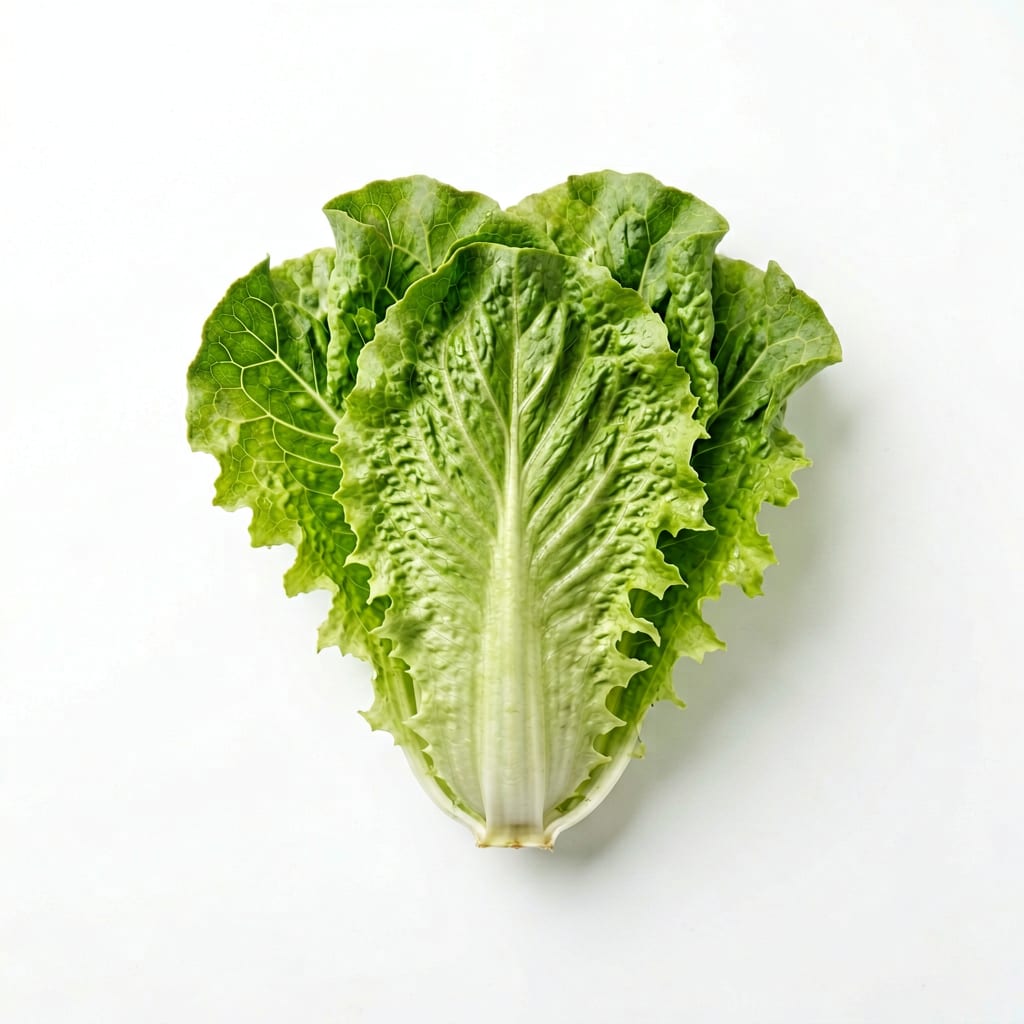
Lettuce
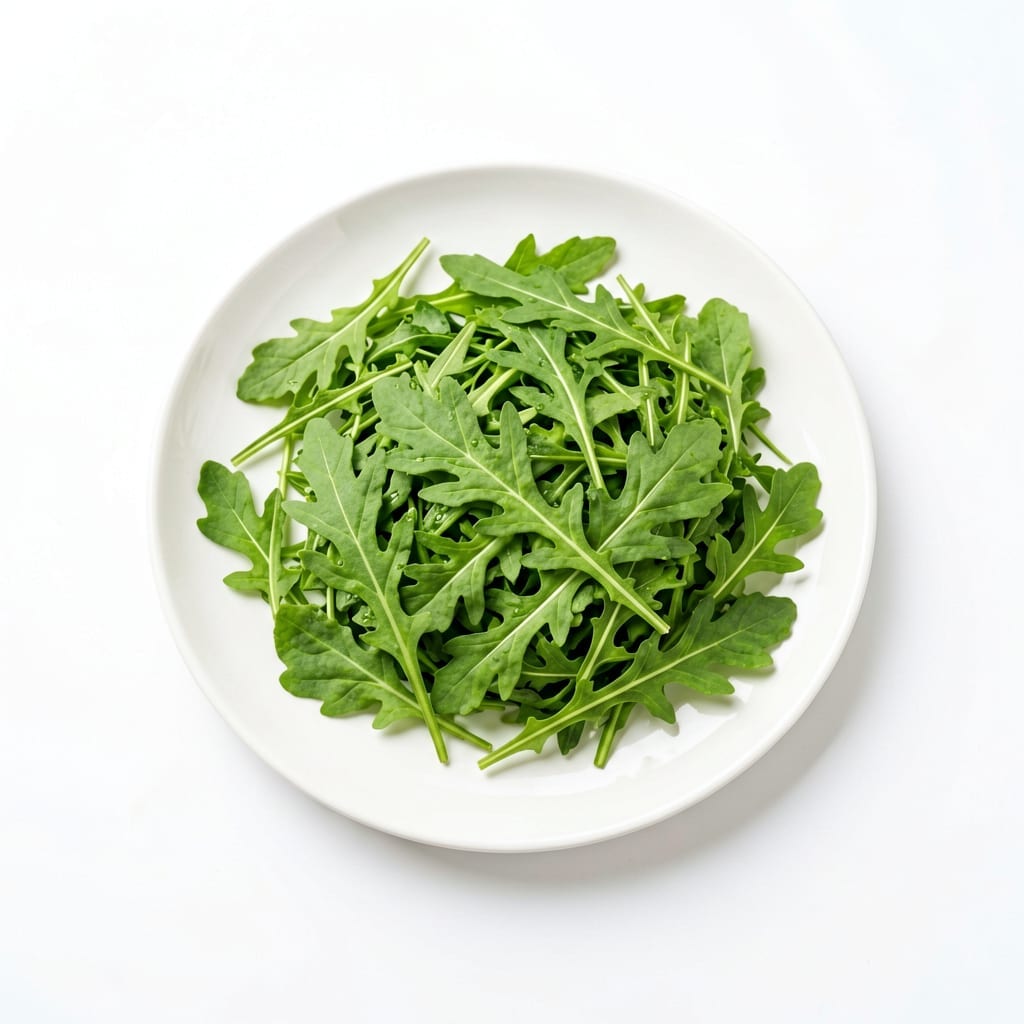
Arugula
Arugula delivers significantly more vitamins, minerals, and antioxidants per bite, while lettuce offers refreshing crunch and mild bulk for minimal calories.
Arugula scores substantially higher due to its superior nutritional profile and health-protective compounds. Lettuce remains relevant for its unmatched water content and mild versatility, but offers far less nourishment.
Mild, watery crunch and high volume versus intense peppery flavor and concentrated nutrition.
At a glance
Executive summary
Overall
Arugula
Healthier
Arugula
More practical
Lettuce
Daily use
Arugula
Key comparison lenses
Nutrient density comparison
Arugula is a cruciferous powerhouse while lettuce is mostly water, making vitamin and mineral content the primary differentiator.
Flavor and culinary use
Lettuce provides a neutral crunchy base, whereas arugula brings a distinct peppery bite that changes the entire profile of a dish.
Hydration and volume eating
Lettuce is ideal for eating massive portions with minimal calories, which is a common diet strategy.
Food safety and contamination
Leafy greens are frequent sources of foodborne illness, and lettuce has a notably high historical risk for E. coli outbreaks.
Best choice for
Lettuce
- People who want a neutral canvas for heavy dressings or toppings
- Anyone tracking calories who prefers eating large food volumes
- Those with sensitive palates or digestive systems who find bitter greens harsh
Arugula
- People looking to maximize nutrient intake without taking supplements
- Home cooks wanting a flavorful green that reduces the need for extra seasoning
- Anyone seeking anti-inflammatory and bone-supporting vitamins
Least suitable for
Lettuce
- Those relying on greens as a meaningful source of daily vitamins
- People wanting robust flavor from their salad base
Arugula
- People who dislike bitter or peppery flavors
- Those looking for a crisp, watery crunch in their sandwiches
Deep comparison
Dimension by dimension
Each lens scores both foods and breaks down who each option suits.
- Dimension 1 · Priority 95Arugula
Nutrient Density
Lettuce · 30Arugula · 92Arugula vastly outperforms lettuce in vitamins K, A, C, and folate.
Tradeoff
You get more calories and flavor from arugula, but the nutritional payoff per leaf is dramatically higher than lettuce.
Why it matters
Eating nutrient-dense greens helps support bone health, immunity, and cellular repair without needing supplements.
Real-world impact
A handful of arugula provides a noticeable chunk of your daily vitamin K needs, whereas lettuce barely makes a dent.
Lettuce
- Staying under strict calorie limits while eating large portions
Better for
- Preventing nutrient deficiencies
Worse for
Arugula
- Meeting daily vitamin requirements easily
- Supporting bone and blood health
Better for
- Eating massive bowls without consuming any meaningful calories
Worse for
- Dimension 2 · Priority 85It depends
Flavor and Culinary Versatility
Lettuce · 75Arugula · 80Lettuce is a mild, crunchy blank slate; arugula is a bold, peppery accent.
Tradeoff
Lettuce works everywhere without clashing, while arugula actively shapes the flavor profile of a dish.
Why it matters
The right green can either seamlessly carry other ingredients or elevate a dish with its own personality.
Real-world impact
Lettuce is perfect for a classic deli sandwich, while arugula turns a simple pizza or pasta into a gourmet experience.
Lettuce
- Making smoothies where you want zero green taste
- Building sandwiches that rely on other flavors
Better for
- Standing alone as a flavorful side dish
Worse for
Arugula
- Creating salads that need less dressing because the greens bring their own flavor
- Topping warm dishes where a peppery bite is desired
Better for
- Blending into fruit smoothies or mild dishes where pepperiness feels out of place
Worse for
- Dimension 3 · Priority 75Lettuce
Hydration and Satiety Volume
Lettuce · 90Arugula · 55Lettuce is over 95% water, offering massive physical volume for nearly zero calories.
Tradeoff
Lettuce physically fills your stomach with water, while arugula provides more lasting satiety through nutrients and fiber.
Why it matters
Volume eaters often prefer greens that let them eat large portions without breaking calorie banks.
Real-world impact
You can eat an entire head of lettuce for under 50 calories, feeling physically stuffed, whereas arugula satisfies more with less bulk.
Lettuce
- Volume eating for weight loss
- Staying hydrated on hot days
Better for
- Staying full for hours after eating
Worse for
Arugula
- Getting lasting fullness from actual nutrition rather than just water weight
Better for
- Eating a massive bowl of greens when you are extremely hungry
Worse for
- Dimension 4 · Priority 80Arugula
Antioxidant and Phytochemical Content
Lettuce · 25Arugula · 88As a cruciferous vegetable, arugula contains glucosinolates that lettuce completely lacks.
Tradeoff
Choosing arugula means ingesting compounds that actively support detoxification and fight inflammation, while lettuce offers little in this department.
Why it matters
Glucosinolates break down into compounds studied for their cancer-fighting and anti-inflammatory properties.
Real-world impact
Regularly eating arugula contributes to your body's cellular defense systems in a way lettuce simply cannot match.
Lettuce
- Avoiding any potential digestive irritation from bitter compounds
Better for
- Gaining protective phytochemicals from your salad
Worse for
Arugula
- Reducing chronic inflammation
- Supporting the body's natural detox pathways
Better for
- Those with thyroid issues who need to moderate cruciferous vegetable intake
Worse for
Timeline
Health impact over time
Short-term
Hours to days
Lettuce
- Provides immediate physical fullness due to high water content
- Very gentle on the stomach with almost no risk of digestive upset
Arugula
- Stimulates digestion through its bitter properties
- Provides a quick infusion of vitamins and nitrates that can support blood flow
Long-term
Months to years
Lettuce
- Helps maintain low calorie intake for weight management
- May leave a nutritional gap if relied on as the sole green vegetable
Arugula
- Supports bone density through high vitamin K levels
- Contributes to lower inflammation and better cellular health over time
Risk profile
Safety & processing
Both lettuce and arugula are whole, raw vegetables with virtually no processing unless purchased pre-washed in bags, which may use mild chlorinated washes.
Lettuce
E. coli and Salmonella contamination
highLettuce, especially romaine, has been linked to numerous large-scale foodborne illness outbreaks due to its growing conditions and high water content.
Arugula
Pesticide residue
mediumLeafy greens often retain pesticide residue on their surfaces, though arugula's smaller leaves are easier to wash thoroughly.
Who wins for whom
Audience fit
Same foods, different winners depending on your goal.
children
LettuceLettuce has a mild, sweet, and watery taste that is far more acceptable to kids than arugula's peppery bite.
daily consumption
ArugulaArugula delivers a consistent dose of health-protective compounds and essential vitamins that lettuce lacks.
diabetes
ArugulaArugula's higher magnesium and antioxidant content better supports insulin sensitivity and reduces oxidative stress.
elderly
ArugulaThe high vitamin K in arugula is crucial for bone health and blood clotting in older adults, offering more nutritional bang per bite.
muscle gain
ArugulaArugula provides nitrates that can improve blood flow and exercise performance, along with more vitamins to support recovery.
weight loss
LettuceLettuce allows for massive portion sizes with almost zero calories, making it easier to feel physically full while dieting.
Your move
Decision guide
Choose Lettuce
- You want a neutral, crunchy base for your favorite toppings
- You are a volume eater who loves giant salads
- You find bitter greens unpalatable
Choose Arugula
- You want to maximize your vitamin and antioxidant intake
- You enjoy bold, peppery flavors in your meals
- You are looking for a green that actively fights inflammation
Either works if
- You just need a quick green garnish for a meal
- You are mixing a large salad and want textural variety
Avoid both if
- You have a severe oral allergy syndrome triggered by raw leafy greens
Final recommendation
Use both together. A base of lettuce provides the satisfying crunch and volume, while a handful of arugula layered on top delivers the flavor and nutritional depth. This combination gives you the best of both worlds without compromise.
Practical
Consumer tips
- 1
Buy whole heads of lettuce instead of pre-cut bags to significantly lower your risk of foodborne illness.
- 2
Mix arugula into your lettuce salads to instantly upgrade the nutritional value without losing the crunch.
- 3
Wash arugula thoroughly to remove dirt and potential pesticide residue from the small leaves.
- 4
Add arugula at the very end of cooking or on top of warm dishes to preserve its delicate vitamins and peppery flavor.