
Nutrition comparison
Lettuce vs Swiss Chard: Which Green Is Actually Better for You?
Swiss Chard delivers dramatically more nutrients than lettuce, but which should you eat? Compare vitamin content, oxalate risks, cooking versatility, and real-world usability.
Overall winner · Swiss Chard
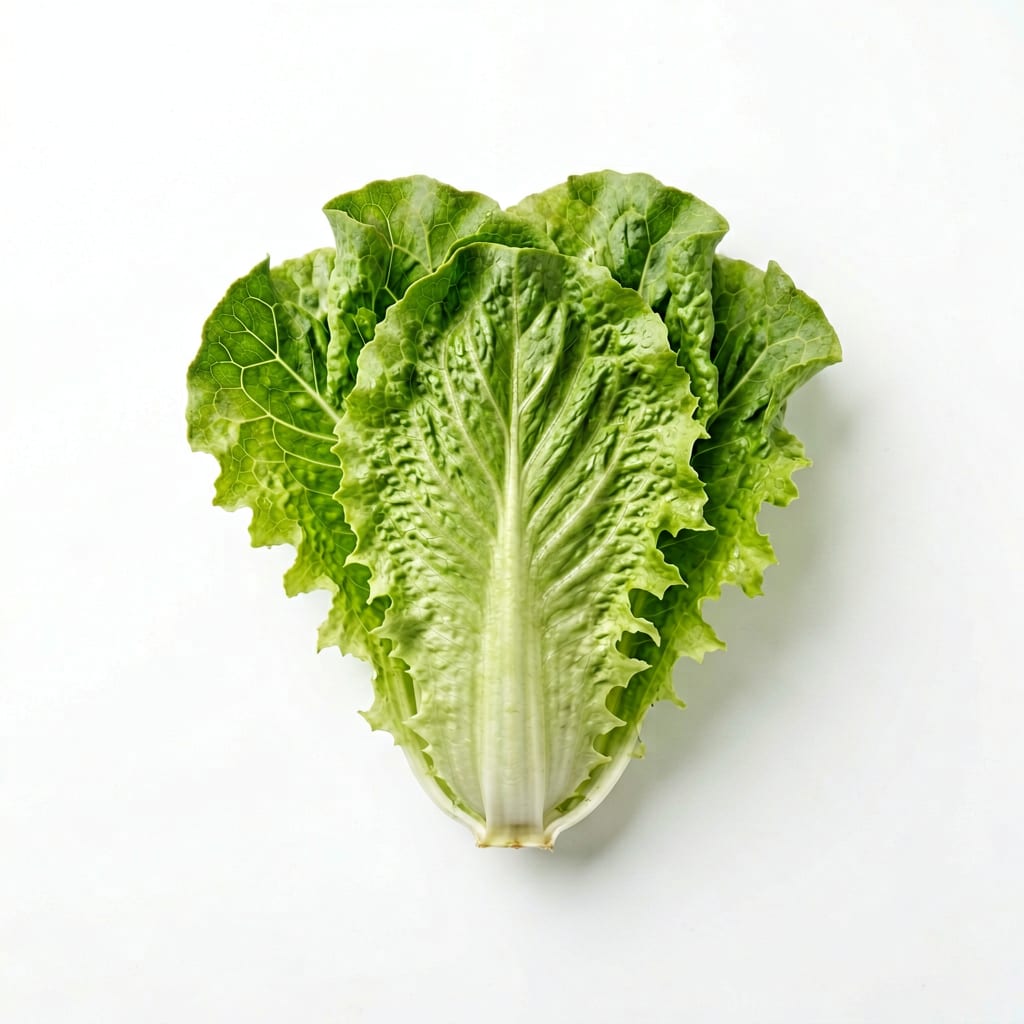
Lettuce
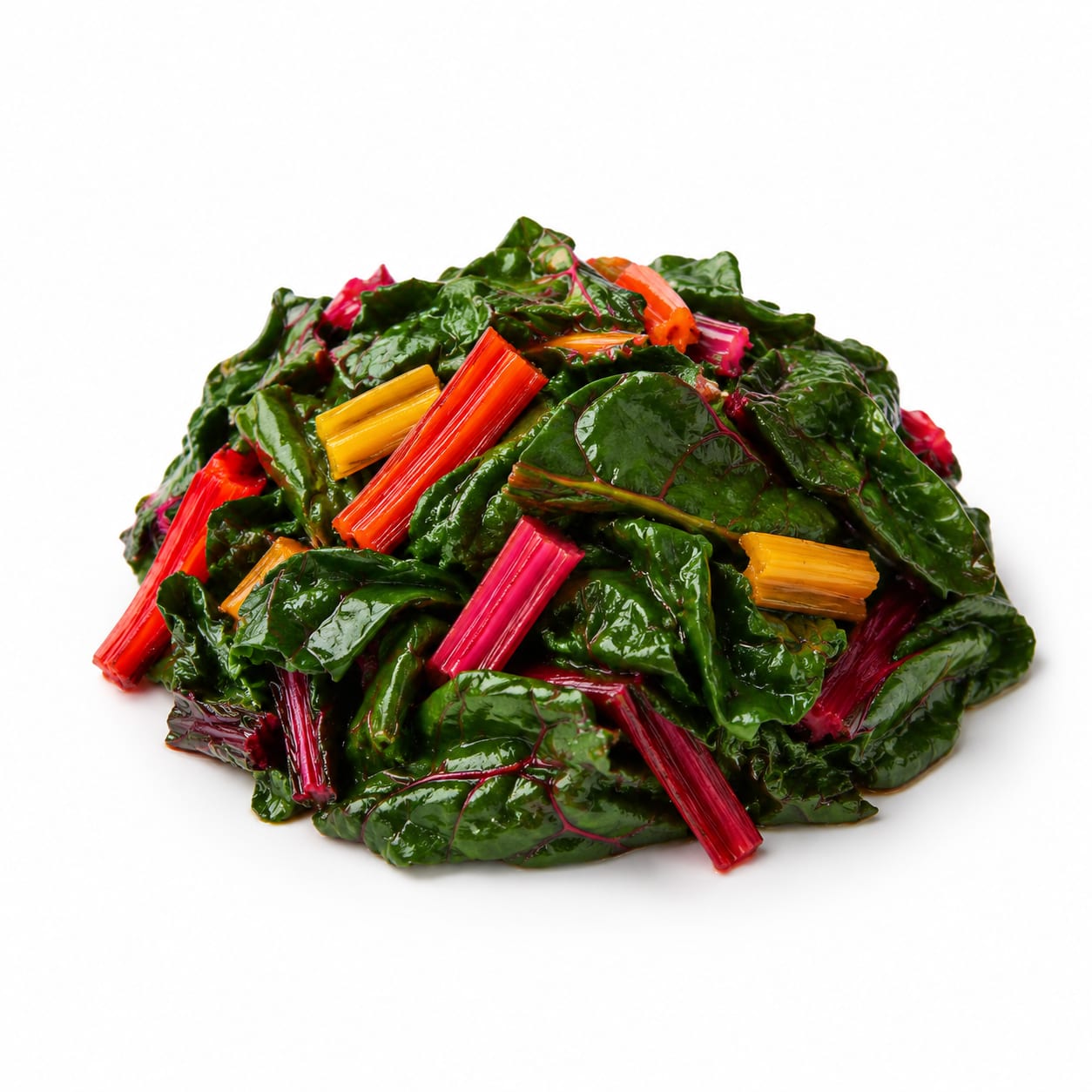
Swiss Chard
Swiss Chard delivers dramatically more nutrition per bite, but lettuce offers a lighter, more digestible experience for everyday salads.
Swiss Chard outscores lettuce significantly due to vastly superior nutrient density, but lettuce is not without merits — its mildness and digestibility keep it relevant for specific needs.
Nutritional power versus gentle familiarity — Swiss Chard feeds your body more, but lettuce is easier to eat in volume and gentler on sensitive stomachs.
At a glance
Executive summary
Overall
Swiss Chard
Healthier
Swiss Chard
More practical
Lettuce
Daily use
It depends
Key comparison lenses
nutrient density comparison
The gap in vitamin and mineral content between these two greens is massive and likely the primary reason someone is deciding between them
salad base selection
Both are commonly used as salad foundations but offer very different eating experiences
oxalate and kidney stone risk
Swiss Chard contains significant oxalates, a real concern for susceptible individuals that lettuce avoids entirely
cooking versatility
Swiss Chard can be cooked multiple ways while lettuce is almost exclusively eaten raw
digestive tolerance
Lettuce is gentler on sensitive stomachs while Swiss Chard's fiber and oxalates can challenge digestion
Best choice for
Lettuce
- People prone to kidney stones who must limit oxalates
- Those wanting a crisp, refreshing salad base with mild flavor
- Anyone with sensitive digestion who struggles with bitter greens
- Meal preppers who want a no-cook green that lasts in sandwiches
Swiss Chard
- Anyone seeking maximum vitamins and minerals from their greens
- People wanting to boost iron, magnesium, and vitamin K intake
- Home cooks who want a green that works sautéed, steamed, or in soups
- Those following nutrient-dense eating approaches like Mediterranean or Whole30
Least suitable for
Lettuce
- Anyone relying on greens as a significant nutrient source
- People with iron deficiency needing dietary iron sources
- Those wanting a cooked green side dish
Swiss Chard
- People with a history of calcium oxalate kidney stones
- Those who find bitter flavors unpleasant and avoid eating greens as a result
- Anyone on blood thinners who must monitor vitamin K intake carefully
Deep comparison
Dimension by dimension
Each lens scores both foods and breaks down who each option suits.
- Dimension 1 · Priority 95Swiss Chard
Nutrient Density
Lettuce · 15Swiss Chard · 92Swiss Chard is in a completely different nutritional league than lettuce.
Tradeoff
You get far more vitamins and minerals with Swiss Chard, but the stronger flavor means some people eat less of it overall.
Why it matters
If your greens are a primary nutrient source, lettuce barely registers while Swiss Chard delivers substantial vitamin K, A, magnesium, iron, and potassium.
Real-world impact
A single cup of cooked Swiss Chard provides over 300% of your daily vitamin K needs — lettuce would require enormous volumes to approach that.
Lettuce
- Staying under vitamin K limits if on blood thinners
Better for
- Relying on lettuce as a meaningful nutrient source
Worse for
Swiss Chard
- Boosting iron intake naturally
- Supporting bone health through vitamin K
- Getting more magnesium for muscle and nerve function
- Improving potassium intake for blood pressure management
Better for
- Managing vitamin K intake carefully around anticoagulant medications
Worse for
- Dimension 2 · Priority 70Lettuce
Digestive Tolerance
Lettuce · 82Swiss Chard · 48Lettuce is gentler on the digestive system; Swiss Chard's oxalates and fiber can cause issues for some people.
Tradeoff
Lettuce goes down easy for nearly everyone, while Swiss Chard can trigger discomfort in sensitive individuals despite being more nutritious.
Why it matters
If you have IBS, kidney stone history, or a sensitive gut, the oxalates in Swiss Chard are a real concern that nutrition labels do not show.
Real-world impact
Someone prone to kidney stones could eat lettuce freely but needs to limit or cook Swiss Chard to reduce oxalate exposure.
Lettuce
- Eating large volumes without digestive discomfort
- Kidney stone prevention diets
- Gentle fiber for sensitive digestive systems
Better for
- Providing enough fiber for optimal digestion
Worse for
Swiss Chard
- Supporting regular bowel movements with higher fiber
Better for
- Triggering kidney stone formation in susceptible people
- Causing bloating or gas in sensitive individuals
- Interfering with mineral absorption due to oxalates
Worse for
- Dimension 3 · Priority 75Swiss Chard
Versatility and Cooking
Lettuce · 30Swiss Chard · 85Swiss Chard works raw, sautéed, steamed, or in soups — lettuce is essentially a raw-only food.
Tradeoff
Swiss Chard gives you many more preparation options, but requires more cooking knowledge and effort.
Why it matters
If you want a green that can be a side dish, soup ingredient, or stir-in, Swiss Chard adapts. Lettuce wilts and becomes watery when cooked.
Real-world impact
A bunch of Swiss Chard can become a sautéed side on Monday, a soup addition on Wednesday, and a salad component on Friday — lettuce is a one-trick ingredient.
Lettuce
- Quick no-cook meal assembly
- Sandwiches and wraps where cooking is irrelevant
Better for
- Any cooked dish application
Worse for
Swiss Chard
- Sautéed side dishes with garlic and olive oil
- Adding to soups and stews for nutrition
- Steaming as a simple cooked green
- Using stems separately for texture in recipes
Better for
- Situations where you want zero prep time
Worse for
- Dimension 4 · Priority 65It depends
Flavor and Eating Experience
Lettuce · 70Swiss Chard · 60Lettuce is crisp, mild, and refreshing; Swiss Chard is earthy, slightly bitter, and hearty.
Tradeoff
Lettuce is easier to eat in large quantities because it is bland, while Swiss Chard's stronger flavor can be polarizing but more satisfying.
Why it matters
The best green nutritionally is useless if you do not actually want to eat it. Preference here is highly personal.
Real-world impact
A picky eater might consume three cups of lettuce but push away a half cup of Swiss Chard — net nutrition could favor lettuce in that scenario.
Lettuce
- Picky eaters who dislike bitter flavors
- Hot weather meals where crispness is refreshing
- Letting other ingredients dominate the flavor profile
Better for
- Anyone seeking bold flavor from their vegetables
Worse for
Swiss Chard
- Enjoying greens as a featured flavor, not just filler
- Pairing with rich ingredients like butter, garlic, or lemon
- Hearty meals where delicacy would feel out of place
Better for
- Those who find bitter greens unpleasant
- Light, refreshing salad experiences
Worse for
- Dimension 5 · Priority 60Swiss Chard
Satiety and Fullness
Lettuce · 25Swiss Chard · 72Swiss Chard is far more filling due to higher fiber and nutrient content.
Tradeoff
Lettuce barely registers on the fullness scale, which can be good or bad depending on your goals.
Why it matters
If you are using greens to help control appetite, Swiss Chard actually contributes. Lettuce is mostly water and passes through quickly.
Real-world impact
A Swiss Chard salad will keep you satisfied longer; a lettuce salad may leave you hungry again within an hour.
Lettuce
- Situations where you want light eating without feeling full
- Appetizer courses where fullness would ruin the main meal
Better for
- Using greens as a meaningful hunger management tool
Worse for
Swiss Chard
- Weight management through greater satiety
- Replacing higher-calorie foods with something filling
- Post-workout meals where satisfying hunger matters
Better for
- Light snacking where heaviness is unwanted
Worse for
- Dimension 6 · Priority 55It depends
Food Safety
Lettuce · 50Swiss Chard · 62Lettuce has a worse recall history for E. coli and salmonella, while Swiss Chard's main safety concern is oxalate content.
Tradeoff
Lettuce carries more foodborne illness risk from contamination outbreaks, but Swiss Chard poses a chemical risk for specific people.
Why it matters
Lettuce is one of the most frequently recalled vegetables for bacterial contamination. Swiss Chard has fewer outbreak concerns but oxalate risks for vulnerable individuals.
Real-world impact
If you have compromised immunity, lettuce requires more careful washing and sourcing. If you have kidney stone history, Swiss Chard requires portion awareness.
Lettuce
- People with kidney stone concerns
Better for
- Higher susceptibility to E. coli and salmonella outbreaks
- Requires more careful washing and sourcing
Worse for
Swiss Chard
- Lower risk of bacterial contamination outbreaks
- Fewer mass recall events
Better for
- Oxalate-related health risks for susceptible individuals
Worse for
Timeline
Health impact over time
Short-term
Hours to days
Lettuce
- Very low calorie intake — negligible energy contribution
- Light hydration from high water content
- Minimal digestive effort — easy on the stomach
Swiss Chard
- Noticeable fiber intake supporting digestion
- Potential mild bloating if you are unused to high-fiber greens
- Quick contribution to daily vitamin K and A targets
Long-term
Months to years
Lettuce
- Possible nutrient shortfalls if relied on as a primary green
- Very low risk of vitamin toxicity due to minimal content
- Consistent but minimal fiber contribution
Swiss Chard
- Substantially better bone health support from vitamin K
- Improved cardiovascular markers from magnesium and potassium
- Kidney stone risk increase for oxalate-sensitive individuals
- Better iron status over time, especially for plant-based eaters
Risk profile
Safety & processing
Both lettuce and Swiss Chard are whole, unprocessed vegetables sold fresh. Neither typically contains additives. The main concern for both is pesticide residue, which washing addresses reasonably well.
Lettuce
Bacterial contamination (E. coli, Salmonella)
mediumLettuce is one of the most common sources of produce-related foodborne illness outbreaks due to its growing conditions and consumption raw.
Pesticide residue
lowConventional lettuce can carry pesticide residue, but washing reduces exposure significantly. Organic options further minimize this.
Swiss Chard
Oxalate accumulation
mediumSwiss Chard contains high levels of oxalates, which can contribute to kidney stone formation in susceptible individuals and may interfere with mineral absorption.
Pesticide residue
lowSimilar to lettuce, conventional Swiss Chard may carry residue. Washing and choosing organic reduces this concern.
Who wins for whom
Audience fit
Same foods, different winners depending on your goal.
children
LettuceLettuce's mild flavor and crisp texture are more kid-friendly. Swiss Chard's bitterness often leads to rejection, reducing overall vegetable intake.
daily consumption
It dependsLettuce is easier to eat daily without digestive issues for most people, but Swiss Chard provides more nutritional benefit. Rotating both is ideal.
diabetes
Swiss ChardSwiss Chard's higher fiber and magnesium content supports better blood sugar regulation. Lettuce is neutral but contributes less actively.
elderly
Swiss ChardOlder adults benefit more from Swiss Chard's concentrated vitamin K for bone health and magnesium for muscle function, provided kidney stones are not a concern.
muscle gain
Swiss ChardNeither is a protein source, but Swiss Chard provides more magnesium and iron, which support muscle function and recovery.
weight loss
Swiss ChardSwiss Chard provides more satiety per calorie, making it easier to feel full on fewer calories. Lettuce is low-calorie but rarely satisfying enough to prevent overeating later.
Your move
Decision guide
Choose Lettuce
- You are prone to kidney stones and need a low-oxalate green
- You want a mild, crisp base for salads where other ingredients shine
- You have a sensitive stomach and find dark greens uncomfortable
- You are feeding children who reject bitter flavors
- You are on blood thinners and must limit vitamin K intake
Choose Swiss Chard
- You want maximum nutritional return from your vegetables
- You enjoy cooking and want a green that works beyond salads
- You are trying to boost iron, magnesium, or vitamin K intake
- You are managing blood pressure and want more potassium naturally
- You follow a nutrient-dense eating approach and want greens that earn their plate space
Either works if
- You want more vegetable variety in your diet — rotating both is better than choosing one
- You are building a salad and can mix them together for balance
- You are generally healthy without kidney stone concerns or medication interactions
Avoid both if
- You need a significant protein source — neither delivers meaningful protein
- You are looking for a calorie-dense energy food — both are very low calorie
Final recommendation
Eat Swiss Chard when nutrition matters most, and lettuce when comfort and ease matter more. The best approach is rotating both — use Swiss Chard as a cooked side or nutrient-dense salad component, and lettuce when you want something light, crisp, and effortless. If you have kidney stone history, lean toward lettuce. If you are otherwise healthy, Swiss Chard should be your primary green.
Practical
Consumer tips
- 1
Boiling Swiss Chard and discarding the water reduces oxalate content by up to 87% — useful if you are sensitive but still want the nutrients
- 2
Mix lettuce and Swiss Chard together in salads for a balance of mildness and nutrition
- 3
Swiss Chard stems are edible and delicious — sauté them separately like celery for less waste
- 4
Buy organic for both greens when possible — leafy vegetables consistently rank high for pesticide residue
- 5
Store lettuce with a paper towel in the bag to extend crispness; Swiss Chard keeps better with stems in water like a bouquet
- 6
If Swiss Chard tastes too bitter, try younger leaves or the variety called rainbow chard, which tends to be milder