
Nutrition comparison
Lettuce vs Celery: Which Low-Calorie Vegetable Is Better?
Compare Lettuce and Celery for weight loss, snacking, and nutrition. Discover the health benefits, digestive differences, and best uses for each vegetable.
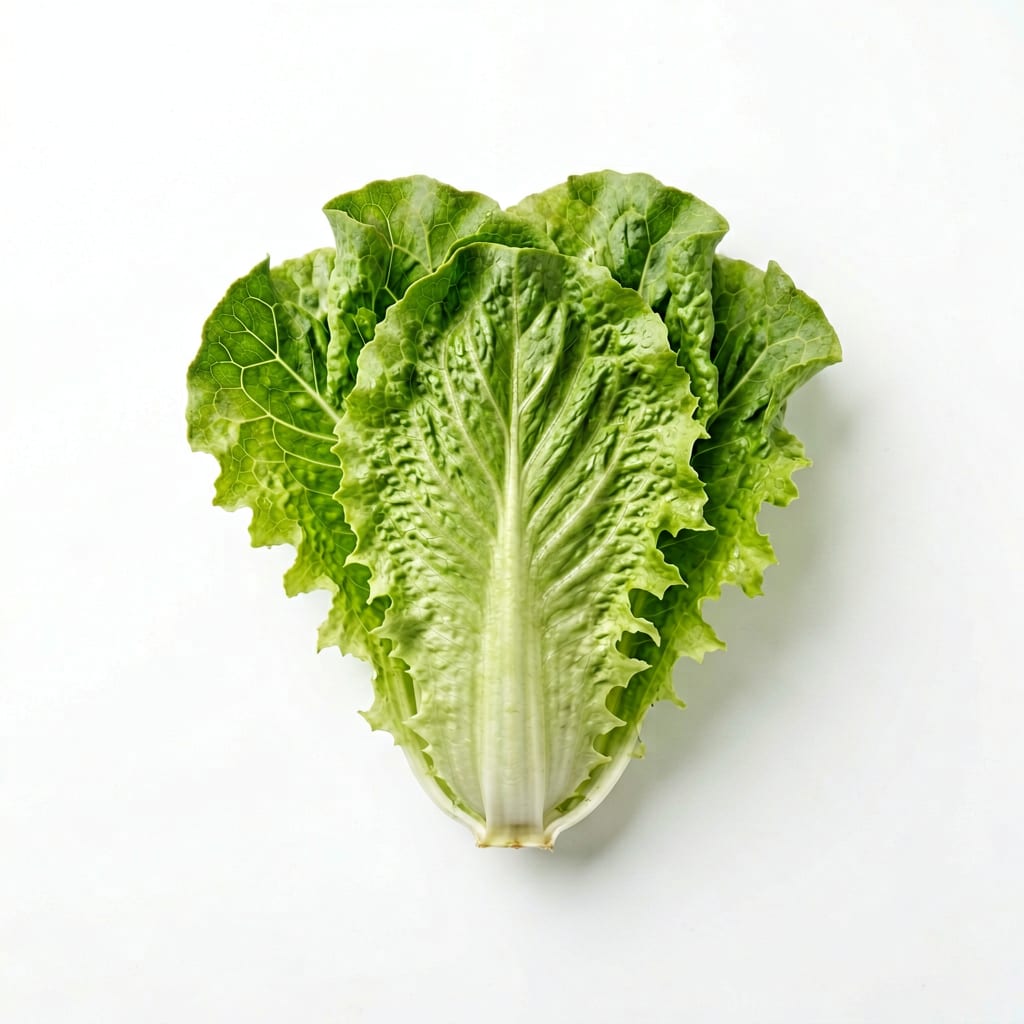
Lettuce
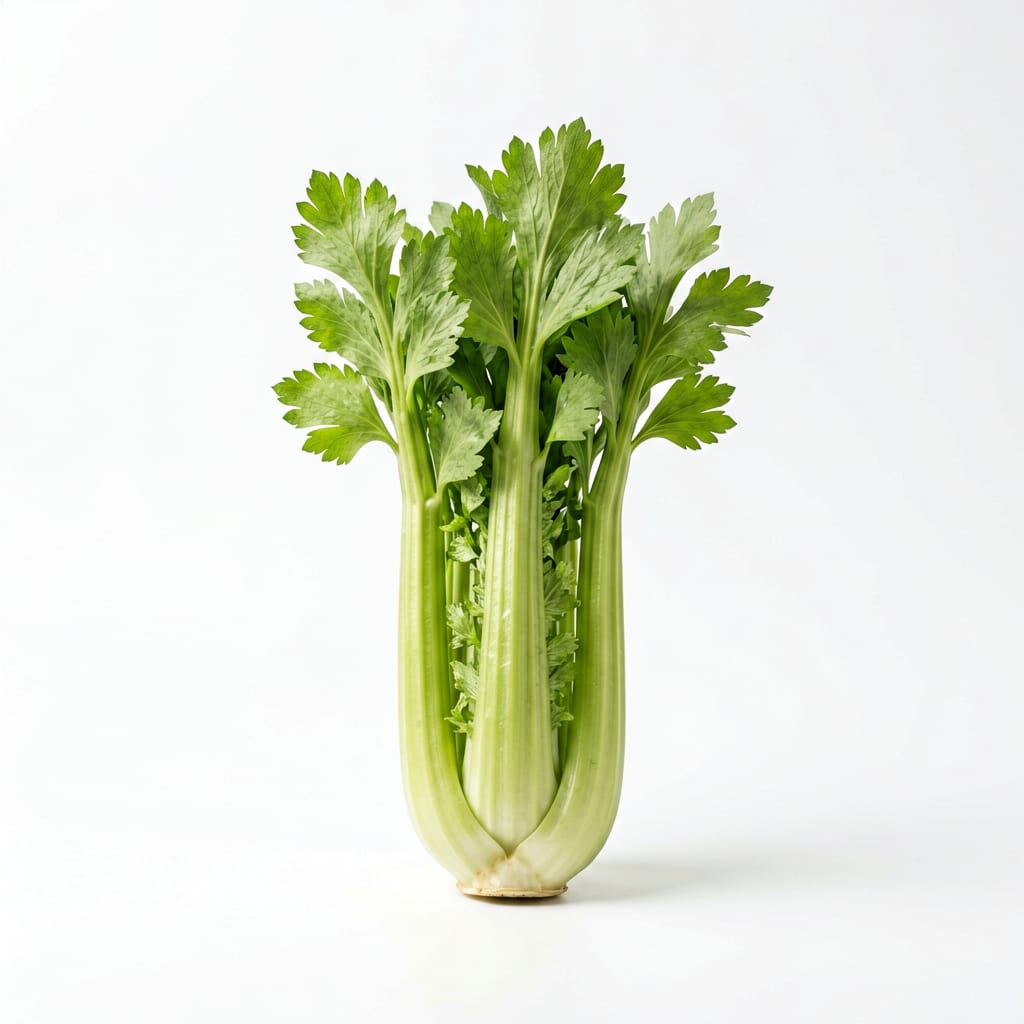
Celery
Celery is the better standalone snack with more functional compounds, while Lettuce is the superior base for volume eating and salads.
Celery scores slightly higher due to its unique anti-inflammatory compounds and more satisfying fiber structure, though both are fundamentally low-calorie hydration tools.
Crunch and phytonutrients versus soft bulk and easier digestion.
At a glance
Executive summary
Overall
It depends
Healthier
It depends
More practical
Celery
Daily use
It depends
Key comparison lenses
Low-calorie snacking and weight loss
Both are classic diet foods, but they serve very different snacking roles
Hydration and water content
Both are over 95% water, making them highly hydrating but low in energy
Digestive tolerance and gut health
Their different fiber structures affect digestion and satiety differently
Nutrient density per calorie
Users often assume these are nutritionally void, but they have distinct micronutrient profiles
Best choice for
Lettuce
- Building large, filling salads without excess calories
- People with sensitive stomachs who struggle with tough fiber
- Anyone needing a soft, hydrating food base
- Increasing meal volume without feeling heavy
Celery
- Snacking raw with dips like hummus or peanut butter
- Reducing inflammation via unique flavonoids
- Getting more functional fiber for gut motility
- Adding a satisfying crunch to meals
Least suitable for
Lettuce
- High-protein or energy-dense snacking
- Standalone raw snacking without dressing or toppings
- People seeking satisfying crunch
Celery
- People with severe IBS who react to stringy, insoluble fiber
- Those on low-sodium diets who are extremely salt-sensitive
- Individuals looking for soft, easy-to-chew foods
Deep comparison
Dimension by dimension
Each lens scores both foods and breaks down who each option suits.
- Dimension 1 · Priority 90Celery
Snackability and Satiety
Lettuce · 40Celery · 75Celery is a far more satisfying standalone snack due to its crunch and structural fiber.
Tradeoff
Lettuce is too soft and watery to eat alone, but works well to bulk up meals.
Why it matters
A snack that actually satisfies your urge to chew prevents overeating later.
Real-world impact
Reaching for Celery with peanut butter stops afternoon cravings; eating plain Lettuce leaves you hungry twenty minutes later.
Lettuce
- Creating large portions of mixed salads
Better for
- Satisfying a crunchy snack craving
Worse for
Celery
- Curbing the desire to crunch on chips
- Pairing with healthy dips for a balanced snack
Better for
- Providing a soft, comforting food base
Worse for
- Dimension 2 · Priority 85It depends
Micronutrient and Phytonutrient Density
Lettuce · 65Celery · 70Lettuce provides more bone-supporting Vitamin K, while Celery delivers unique anti-inflammatory flavonoids.
Tradeoff
Choose Lettuce for bone health and blood clotting; choose Celery for inflammation and cellular protection.
Why it matters
Even low-calorie foods can carry powerful functional compounds that impact long-term health.
Real-world impact
Eating Romaine Lettuce supports bone density, while regular Celery consumption helps calm systemic inflammation.
Lettuce
- Boosting Vitamin K intake
- Supporting vision with Vitamin A
Better for
- Providing unique antioxidant flavonoids
Worse for
Celery
- Reducing inflammation via apigenin and luteolin
- Supporting cardiovascular function
Better for
- Delivering substantial Vitamin K or A
Worse for
- Dimension 3 · Priority 80Lettuce
Digestive Tolerance
Lettuce · 80Celery · 55Lettuce is much gentler on the digestive tract, while Celery's stringy fibers can irritate sensitive guts.
Tradeoff
Celery pushes food through your system faster, but Lettuce is safer when your stomach is upset.
Why it matters
A food that causes bloating or discomfort undermines its nutritional benefits.
Real-world impact
A Lettuce salad sits lightly after a stressful day; raw Celery can cause bloating or gas if your digestion is already sensitive.
Lettuce
- Eating during IBS flare-ups
- Gentle hydration when feeling unwell
Better for
- Providing strong bowel-stimulating fiber
Worse for
Celery
- Relieving occasional constipation
- Feeding gut microbiome with insoluble fiber
Better for
- Comforting an irritated digestive tract
Worse for
- Dimension 4 · Priority 75It depends
Culinary Versatility
Lettuce · 70Celery · 70Lettuce dominates the salad bowl, while Celery owns the soup pot and dip tray.
Tradeoff
Lettuce is best raw and cold; Celery shines both raw and cooked into savory bases.
Why it matters
A food you actually enjoy preparing gets eaten more consistently.
Real-world impact
Lettuce makes a great wrap or salad base; Celery is essential for mirepoix in soups and stews.
Lettuce
- Low-carb sandwich wraps
- Refreshing cold dishes
Better for
- Cooking into warm recipes
Worse for
Celery
- Adding depth to cooked savory dishes
- Holding thick dips like hummus
Better for
- Acting as a bulk base for a main dish salad
Worse for
Timeline
Health impact over time
Short-term
Hours to days
Lettuce
- Provides rapid hydration
- Adds physical fullness without heaviness
- Very gentle on an upset stomach
Celery
- Provides rapid hydration
- Satisfies the urge to chew, reducing stress eating
- May cause mild bloating if eaten in large quantities quickly
Long-term
Months to years
Lettuce
- Supports bone health through consistent Vitamin K intake
- Helps maintain easy caloric deficit for weight management
- Promotes healthy vision from beta-carotene
Celery
- Lowers inflammatory markers over time due to flavonoids
- Supports regular bowel habits with structured fiber
- Contributes to steady blood pressure management
Risk profile
Safety & processing
Both Lettuce and Celery are whole, raw vegetables with virtually no processing required from farm to table.
Lettuce
Foodborne illness outbreaks
highLettuce is frequently linked to E. coli and Salmonella outbreaks due to its large surface area and close ground contact.
Pesticide residue
mediumLeafy greens often retain pesticide sprays on their broad surfaces, requiring thorough washing.
Celery
Pesticide residue
highCelery consistently ranks on the Dirty Dozen list for high pesticide residue; washing is non-negotiable.
Choking hazard
lowThe tough, stringy fibers can pose a choking risk for toddlers or the elderly if not properly sliced.
Who wins for whom
Audience fit
Same foods, different winners depending on your goal.
children
CeleryCelery sticks with peanut butter or cream cheese are a classic, appealing way to get kids to eat vegetables, provided strings are removed for toddlers.
daily consumption
CeleryCelery offers slightly more functional health benefits and is easier to incorporate as a daily snack or cooking staple.
diabetes
It dependsBoth have negligible impact on blood sugar, making them equally safe and beneficial for glucose management.
elderly
LettuceLettuce is much easier to chew and swallow, avoiding the dental issues that tough Celery strings can cause.
muscle gain
It dependsNeither provides meaningful protein or calories; both are largely irrelevant for muscle building unless used as vessels for protein-rich dips.
weight loss
It dependsLettuce is better for volume eating at meals, but Celery is better for preventing between-meal snacking disasters.
Your move
Decision guide
Choose Lettuce
- You want to build massive, low-calorie salads
- You have a sensitive stomach or IBS
- You need a soft, hydrating food that is easy to chew
- You are making lettuce wraps for a low-carb meal
Choose Celery
- You need a crunchy snack to replace chips
- You want to add depth to soups, stews, or stuffings
- You are looking for anti-inflammatory benefits
- You want a sturdy vehicle for hummus or nut butters
Either works if
- You just need hydration and a low-calorie crunch
- You are trying to increase your overall vegetable intake
- You are putting together a raw vegetable platter
Avoid both if
- You are desperately hungry and need sustained energy
- You are looking for a significant source of protein or healthy fats
- You need a calorie-dense food for weight gain
Final recommendation
Keep both in your kitchen, but use them differently. Rely on Lettuce to create volume and softness in your meals, and rely on Celery when you need a satisfying crunch or a nutrient-dense dip carrier.
Practical
Consumer tips
- 1
Always wash Celery thoroughly; its high pesticide ranking makes organic a smart buy if affordable
- 2
Peel the back of Celery stalks with a vegetable peeler to remove tough strings for easier chewing
- 3
Store Lettuce with a paper towel in a bag to absorb excess moisture and prevent slimy rotting
- 4
Revive limp Lettuce or Celery by soaking them in ice water for 30 minutes