
Nutrition comparison
Lettuce vs Watercress: Which Green Actually Feeds You?
Watercress ranks as the most nutrient-dense vegetable tested by the CDC while lettuce offers mostly water and crunch. See the full nutritional comparison, taste tradeoffs, and which to choose for your goals.
Overall winner · Watercress
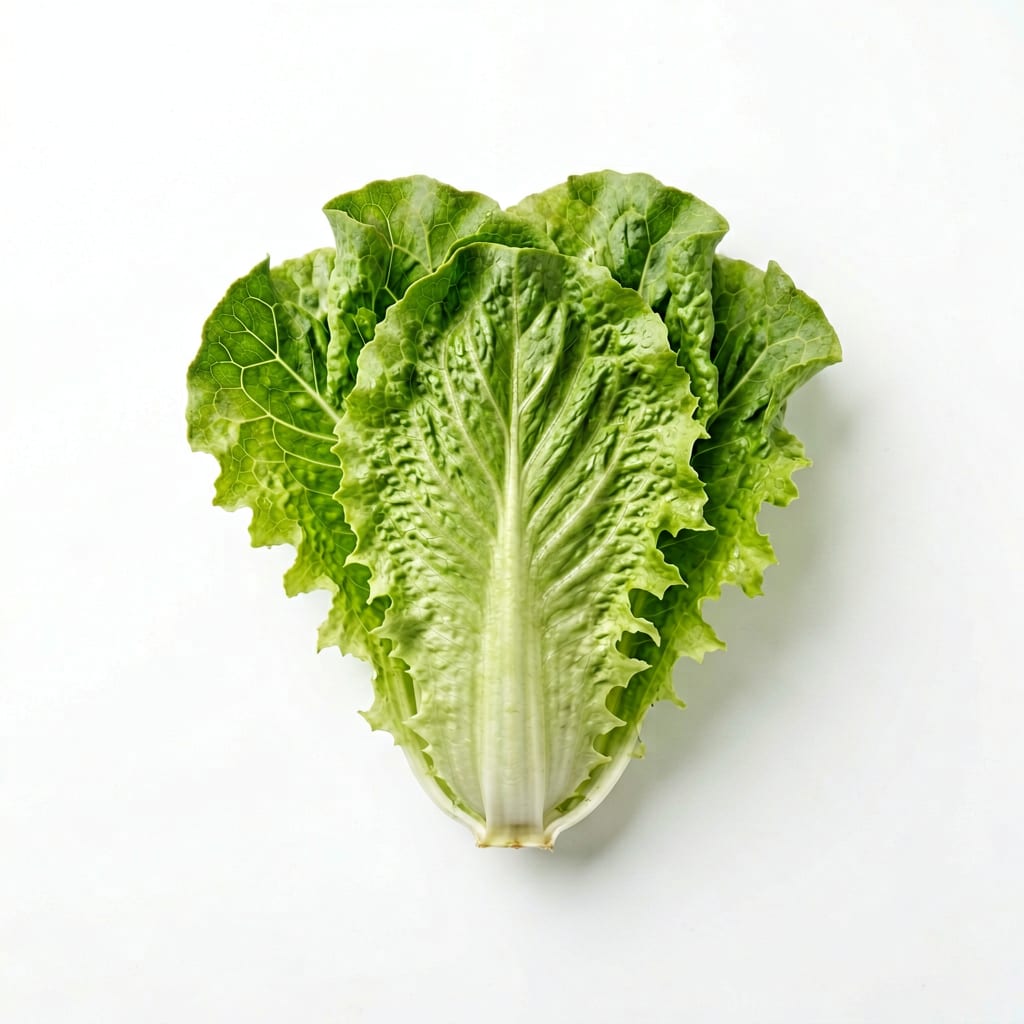
Lettuce
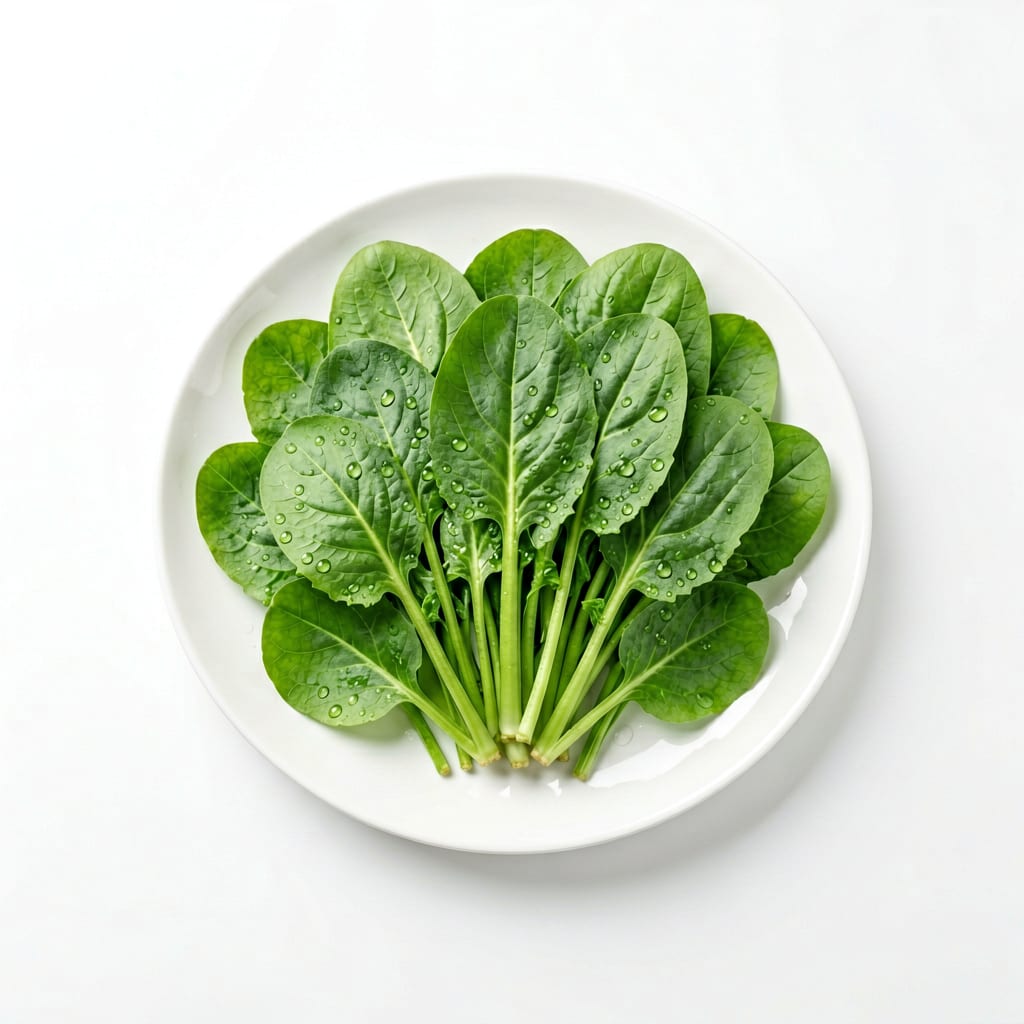
Watercress
Watercress obliterates lettuce on nutrition but loses on convenience, cost, and mild flavor appeal.
Watercress scores dramatically higher because its nutrient density is among the highest of any vegetable tested, while lettuce provides minimal nutrition beyond hydration and fiber. The gap narrows only when cost and convenience dominate the decision.
You trade easy availability and gentle taste for dramatically more vitamins, minerals, and cancer-fighting compounds.
At a glance
Executive summary
Overall
Watercress
Healthier
Watercress
More practical
Lettuce
Daily use
It depends
Key comparison lenses
nutrient density maximization
Watercress ranks #1 on the CDC's fruit and vegetable nutrient density index while lettuce is near the bottom — this is the defining contrast
salad base selection
Both are primarily used as salad greens, so users are actively choosing between them for the same culinary role
antioxidant and disease prevention
Watercress contains glucosinolates and phenethyl isothiocyanate linked to cancer-fighting properties that lettuce lacks entirely
budget and accessibility
Lettuce is cheap and everywhere; watercress is pricier and harder to find, making practicality a real factor
taste and palatability
Lettuce offers mild crunch that everyone accepts; watercress brings a peppery bite that divides opinion
Best choice for
Lettuce
- Budget-conscious meal preppers
- Picky eaters who dislike bitter or peppery greens
- Large families needing affordable bulk salad base
- People in areas with limited grocery access
Watercress
- Nutrition optimizers seeking maximum micronutrient density
- People focused on cancer prevention and longevity
- Anyone wanting iron and vitamin K from plant sources
- Culinary enthusiasts who enjoy peppery flavor
Least suitable for
Lettuce
- Anyone relying on greens as a meaningful nutrient source
- People needing iron or vitamin K from vegetables
- Those seeking anti-inflammatory benefits from salad
Watercress
- Very tight grocery budgets
- People who strongly dislike peppery or bitter flavors
- Rural areas without specialty produce access
Deep comparison
Dimension by dimension
Each lens scores both foods and breaks down who each option suits.
- Dimension 1 · Priority 95Watercress
Nutrient Density
Lettuce · 15Watercress · 98Watercress is the most nutrient-dense vegetable measured by the CDC; lettuce is one of the least.
Tradeoff
You get exponentially more vitamins and minerals per calorie with watercress, but you pay more and get less volume per dollar.
Why it matters
If your greens are your primary vegetable intake, choosing lettuce means you are mostly eating water with crunch.
Real-world impact
A cup of watercress delivers meaningful vitamin K, vitamin C, and iron. A cup of iceberg lettuce delivers almost nothing nutritionally.
Lettuce
- Hydration-focused eating in hot climates
- Situations where volume matters more than micronutrients
Better for
- Correcting vitamin deficiencies
- Building a nutrient-rich salad bowl
Worse for
Watercress
- Anyone trying to maximize nutrition per bite
- Plant-based eaters needing iron and calcium
- Pregnant women needing folate from food sources
Better for
- Situations requiring large cheap volumes of greens
Worse for
- Dimension 2 · Priority 85Watercress
Antioxidant and Disease-Fighting Power
Lettuce · 10Watercress · 92Watercress contains potent glucosinolates and isothiocyanates linked to cancer cell suppression; lettuce has negligible antioxidant activity.
Tradeoff
Watercress actively fights cellular damage while lettuce is essentially neutral — neither harmful nor helpful.
Why it matters
Chronic disease prevention accumulates over decades of daily food choices. This is where the gap between these two greens becomes consequential.
Real-world impact
Regular watercress consumption is associated with reduced DNA damage in white blood cells. Lettuce has no comparable evidence.
Lettuce
- No realistic scenario where lettuce wins on antioxidants
Better for
- Anyone seeking therapeutic benefits from greens
Worse for
Watercress
- Long-term cancer risk reduction
- Anti-inflammatory eating patterns
- Supporting cellular repair during stress or illness
Better for
- People on blood thinners who must limit vitamin K intake
Worse for
- Dimension 3 · Priority 70Lettuce
Taste Versatility and Palatability
Lettuce · 78Watercress · 55Lettuce is universally accepted with its mild crunch; watercress has a distinct peppery heat that not everyone enjoys.
Tradeoff
Lettuce disappears into any dish without complaint. Watercress demands attention and pairs best with specific flavors.
Why it matters
The healthiest green does nothing if it sits uneaten in your fridge. Palatability drives consistency.
Real-world impact
Kids and picky adults will eat lettuce without protest. Watercress often gets picked out of sandwiches or left on plates.
Lettuce
- Family meals with diverse taste preferences
- Neutral base that lets dressings and toppings shine
- Sandwiches where you want crunch without flavor competition
Better for
- Anyone wanting their greens to contribute actual flavor
Worse for
Watercress
- Elevating boring salads with built-in flavor
- Pairing with creamy or rich foods that benefit from peppery contrast
- Asian-inspired dishes where its bite complements other ingredients
Better for
- Mild-palate eaters and most children
- Delicate dishes where peppery heat overwhelms
Worse for
- Dimension 4 · Priority 75Lettuce
Cost and Accessibility
Lettuce · 90Watercress · 35Lettuce is cheap, available everywhere, and lasts days in the fridge. Watercress is pricier, harder to find, and wilts fast.
Tradeoff
Affordable and convenient versus premium and perishable. This is where lettuce genuinely wins for everyday practicality.
Why it matters
Nutrition only works if you can consistently buy and use the food. Accessibility barriers are real.
Real-world impact
A head of lettuce costs $1-2 and feeds a family. Watercress costs $3-5 for a small bunch that spoils within 2-3 days.
Lettuce
- Weekly grocery budgets under pressure
- One-stop shopping at standard supermarkets
- Meal prepping for several days ahead
Better for
- No real downside on cost or access
Worse for
Watercress
- Specialty grocers and farmers markets with fresh stock
- Smaller portions used as garnish or accent green
Better for
- Food deserts and rural communities
- Anyone who hates throwing away wilted greens
Worse for
- Dimension 5 · Priority 55Lettuce
Satiety and Fullness
Lettuce · 60Watercress · 50Lettuce provides more physical volume per calorie, creating a fuller plate. Watercress is denser in nutrients but lighter in bulk.
Tradeoff
More chewable volume with lettuce versus more nutritional substance with watercress but less physical fill.
Why it matters
For people using salads to manage portions, volume perception affects satisfaction.
Real-world impact
A large lettuce salad feels like a real meal. The same weight of watercress looks like a side garnish.
Lettuce
- Volume eaters who need visual plate fullness
- Large salads as a weight management strategy
Better for
- Feeling full but undernourished
Worse for
Watercress
- Nutrient-dense small portions for targeted nutrition
Better for
- Feeling like you barely ate anything
Worse for
- Dimension 6 · Priority 60Lettuce
Food Safety and Contamination Risk
Lettuce · 55Watercress · 45Both carry standard produce contamination risks, but watercress grows in water and has historically higher bacterial exposure potential.
Tradeoff
Lettuce has had high-profile E. coli outbreaks, but watercress's aquatic growing environment creates persistent low-level risk.
Why it matters
Leafy greens are a leading source of foodborne illness. Growing conditions and handling matter.
Real-world impact
Watercress traditionally grows in flowing water that can harbor bacteria and parasites if not commercially controlled. Lettuce risks come mainly from processing and handling.
Lettuce
- Lower baseline risk from growing environment
- More regulated large-scale production
Better for
- Major recall events from large-scale contamination
Worse for
Watercress
- Smaller scale production with more direct oversight when locally sourced
Better for
- Potential exposure to waterborne bacteria and liver flukes in some regions
- Shorter shelf life increases spoilage risk
Worse for
Timeline
Health impact over time
Short-term
Hours to days
Lettuce
- Provides hydration from high water content
- Adds satisfying crunch and volume to meals without calories
- Minimal digestive load — easy on sensitive stomachs
Watercress
- Delivers an immediate boost of vitamin K and vitamin C per serving
- The peppery compounds may mildly stimulate digestion
- Can contribute to feeling more energized from actual micronutrient intake
Long-term
Months to years
Lettuce
- Minimal contribution to disease prevention if relied on as primary green
- Consistent hydration and fiber support healthy digestion
- Risk of false nutritional security — eating salad but getting little benefit
Watercress
- Strong evidence for reduced cancer risk from glucosinolate compounds
- Supports bone density through exceptional vitamin K content
- Contributes to cardiovascular health via nitrates and antioxidants
- May help maintain skin health from concentrated vitamin C and beta-carotene
Risk profile
Safety & processing
Both are whole, unprocessed greens eaten raw. Neither carries additive concerns. The naturalness comparison is a tie — both are as close to farm-to-table as produce gets.
Lettuce
E. coli and Salmonella from contaminated irrigation water
mediumLettuce has been involved in multiple large-scale foodborne illness outbreaks, particularly romaine varieties. Pre-washed bagged lettuce carries additional handling risk.
Pesticide residue on conventional lettuce
mediumLettuce frequently appears on the EWG's Dirty Dozen list due to pesticide residues. Washing helps but does not remove all residues.
Watercress
Waterborne bacterial contamination from aquatic growing conditions
mediumWatercress grows in water, which can harbor bacteria. Commercially grown watercress is monitored, but risk is inherently higher than soil-grown greens.
Liver flukes in regions with untreated water sources
lowIn some parts of Asia and Africa, watercress from untreated water can carry Fasciola liver flukes. This is extremely rare with commercially sold watercress in developed countries.
Rapid spoilage leading to bacterial growth
mediumWatercress wilts and spoils quickly, sometimes within 2-3 days. Spoiled greens can harbor harmful bacteria if consumed past their prime.
Who wins for whom
Audience fit
Same foods, different winners depending on your goal.
children
LettuceMost children accept mild lettuce far more readily than peppery watercress. Getting kids to eat any green matters more than which green.
daily consumption
It dependsWatercress wins on nutrition but lettuce wins on affordability and access. The best daily green is the one you can consistently afford and actually eat.
diabetes
WatercressWatercress has more fiber and antioxidants that support blood vessel health. Both have negligible carbohydrate impact, but watercress offers protective phytochemicals against diabetic complications.
elderly
WatercressOlder adults benefit enormously from watercress's vitamin K for bone density, iron for energy, and antioxidants for cognitive and cardiovascular protection.
muscle gain
WatercressNeither is a protein source, but watercress provides iron and vitamin K that support oxygen transport and bone health during training.
weight loss
WatercressBoth are extremely low calorie, but watercress provides actual nutrition during caloric restriction, preventing deficiencies while lettuce offers empty volume.
Your move
Decision guide
Choose Lettuce
- Budget is the primary constraint
- You need a neutral-tasting green the whole family will eat
- You want a long-lasting salad base for weekly meal prep
- Watercress is not available at your local stores
- You use greens mainly as a vehicle for dressing and toppings
Choose Watercress
- Maximum nutrition per calorie is your priority
- You are building disease-prevention eating habits
- You enjoy or can learn to enjoy peppery flavors
- You can access it regularly and afford it
- You want your salad to actually contribute meaningful vitamins and minerals
Either works if
- You simply need a low-calorie crunchy green for texture
- Both are available and cost is not a factor
- You rotate greens anyway and want variety
Avoid both if
- You are on a vitamin K-restricted diet due to blood thinners like warfarin
- You have a known allergy to brassica vegetables (watercress specifically)
Final recommendation
Eat watercress whenever you can. It is one of the most nutrient-dense foods on the planet. Use lettuce when you need affordable volume, family-friendly mildness, or practical convenience. The ideal approach is mixing both — watercress for nutrition, lettuce for bulk and crunch.
Practical
Consumer tips
- 1
Mix watercress into lettuce-based salads to get nutritional benefits without overwhelming peppery taste
- 2
Add watercress at the very end of cooking or eat raw — heat destroys its key glucosinolate compounds
- 3
Store watercress like flowers: stems in water, loosely bagged in the fridge, and use within 2-3 days
- 4
Wash both greens thoroughly regardless of pre-washed labels — contamination risk is real for all leafy greens
- 5
Choose romaine over iceberg if you must pick lettuce — it has roughly 5-10 times more nutrients than iceberg
- 6
Freeze watercress that is about to spoil for use in smoothies or soups where texture no longer matters
- 7
Buy organic for both when possible — lettuce and watercress both carry meaningful pesticide residue risk