
Nutrition comparison
Lettuce vs Kale: Which Green Is Healthier?
Compare Lettuce vs Kale for nutrition, digestion, and weight loss. Find out which leafy green is better for your health goals and daily meals.
Overall winner · Kale
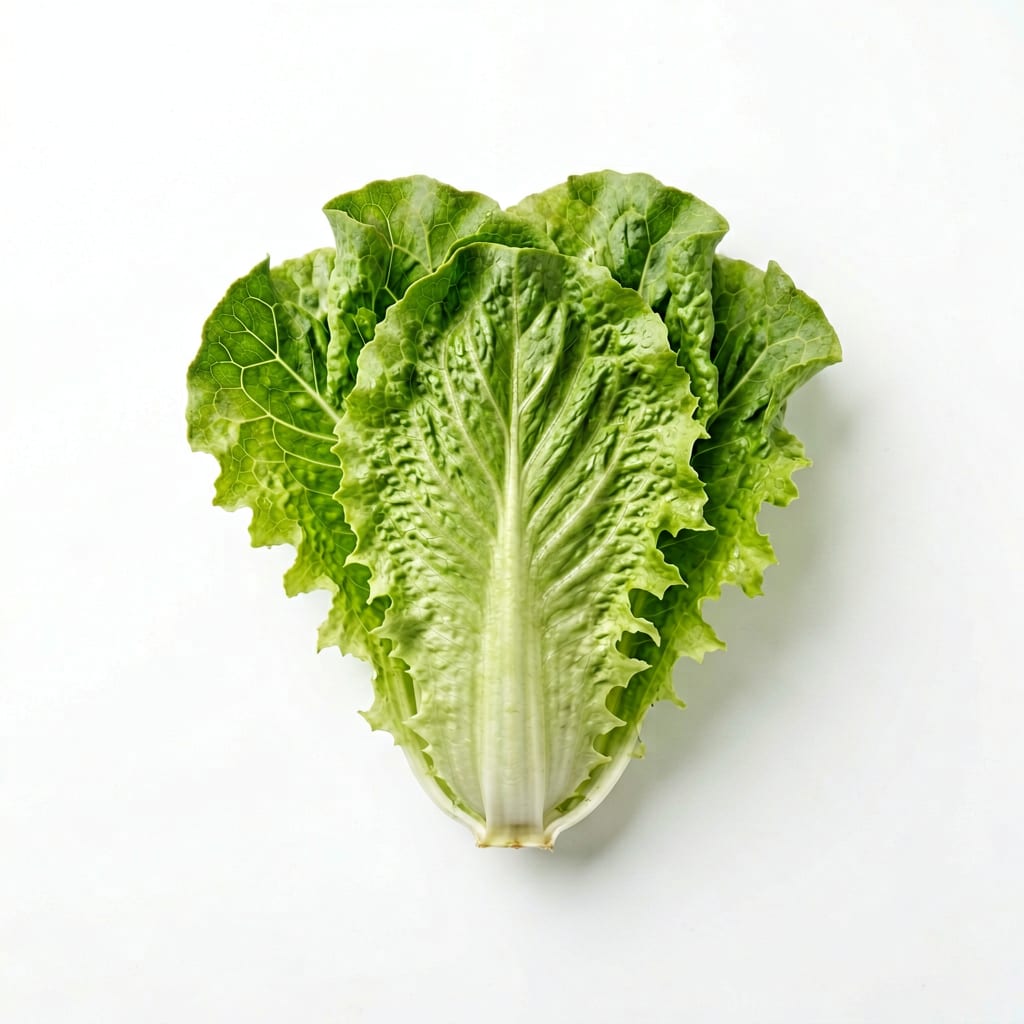
Lettuce
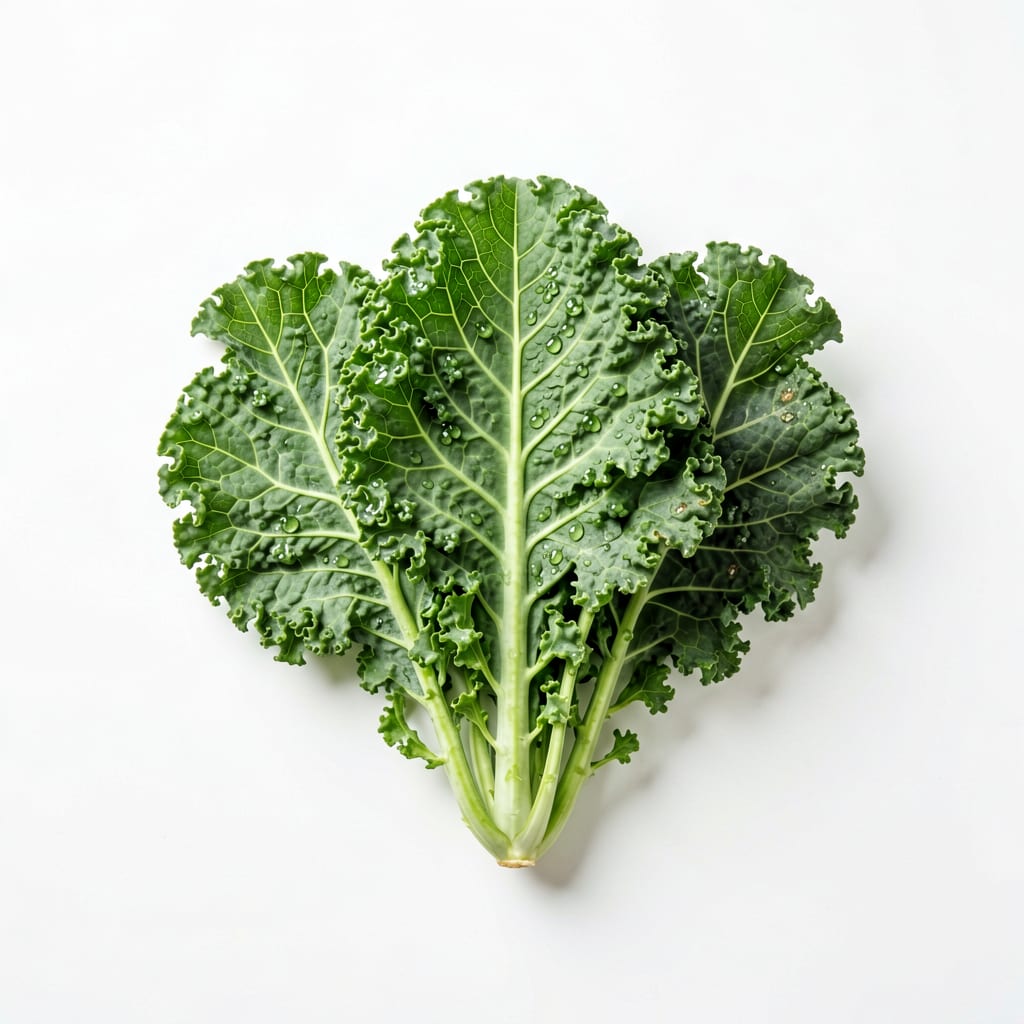
Kale
Kale vastly outperforms Lettuce in vitamins and minerals, but Lettuce is far gentler on digestion and easier to eat in large volumes.
Kale scores significantly higher due to its overwhelming micronutrient and fiber advantage, though Lettuce gains ground for its unmatched lightness and digestibility.
Nutritional powerhouse versus digestive comfort and eating ease.
At a glance
Executive summary
Overall
Kale
Healthier
Kale
More practical
Lettuce
Daily use
It depends
Key comparison lenses
Nutrient density and vitamin intake
Kale is famous for its vitamin payload, while Lettuce is mostly water, making this the starkest contrast between the two.
Digestive comfort and tolerance
Raw Kale is notoriously tough to break down and can cause bloating, whereas Lettuce is gentle and easy on the stomach.
Satiety and meal satisfaction
Kale's dense fiber keeps you full, while Lettuce digests quickly, leaving you hungry sooner.
Pesticide exposure and safety
Kale frequently lands on the Dirty Dozen list for pesticide residues, requiring careful sourcing.
Culinary versatility and ease of use
Lettuce is ready to eat instantly, while Kale often requires massaging, cooking, or chopping to be palatable.
Best choice for
Lettuce
- Sensitive stomachs and IBS
- Large volume eating without bloating
- Quick crisp texture in wraps and sandwiches
Kale
- Maximizing vitamin and antioxidant intake
- Meeting daily fiber goals
- Sustained energy and fullness between meals
Least suitable for
Lettuce
- Correcting nutrient deficiencies
- Staying full on a calorie deficit
Kale
- People with severe bloating or sensitive digestion
- Those who dislike bitter flavors or tough textures
Deep comparison
Dimension by dimension
Each lens scores both foods and breaks down who each option suits.
- Dimension 1 · Priority 95Kale
Nutrient Density
Lettuce · 35Kale · 98Kale is a micronutrient powerhouse, while Lettuce is mostly water.
Tradeoff
You get exponentially more vitamins A, C, and K per bite with Kale, but you miss the sheer hydration and lightness of Lettuce.
Why it matters
If you struggle to get enough greens in your diet, Kale does the heavy lifting; Lettuce requires you to eat massive volumes to get similar nutrients.
Real-world impact
A single cup of Kale covers your daily vitamin K needs, whereas Lettuce barely makes a dent in your vitamin requirements.
Lettuce
- Hydration
- Very low-calorie bulk
Better for
- Vitamin density
- Mineral intake
Worse for
Kale
- Boosting immunity
- Bone health
- Filling nutrient gaps
Better for
- Calorie restriction per volume
Worse for
- Dimension 2 · Priority 90Lettuce
Digestibility & Comfort
Lettuce · 92Kale · 55Lettuce is incredibly easy on the stomach, while raw Kale can be tough to break down.
Tradeoff
Kale's tough fiber is great for your gut microbiome but can cause bloating; Lettuce digests effortlessly with minimal discomfort.
Why it matters
For anyone with a sensitive stomach or IBS, raw Kale can trigger gas and cramping, making Lettuce the safer everyday base.
Real-world impact
Eating a large Kale salad might leave you feeling overly full or gassy, whereas a Lettuce salad feels light and refreshing right after eating.
Lettuce
- Post-workout light meals
- Sensitive digestion
- Evening meals
Better for
- Feeling sustained fullness
Worse for
Kale
- Feeding gut bacteria
- Promoting bowel regularity
Better for
- Avoiding bloating
- Quick digestion
Worse for
- Dimension 3 · Priority 85Kale
Satiety & Fullness
Lettuce · 40Kale · 85Kale's dense fiber structure keeps you full much longer than watery Lettuce.
Tradeoff
Kale provides lasting satiety that prevents snacking, while Lettuce leaves you hungry again shortly after.
Why it matters
If you rely on salads to carry you to the next meal, Kale's roughage physically fills your stomach and slows digestion.
Real-world impact
A Kale salad at lunch will likely keep you full until dinner, while a Lettuce salad might have you reaching for a snack by 3 PM.
Lettuce
- Light snacking before a heavy dinner
Better for
- Appetite control
- Meal satisfaction
Worse for
Kale
- Weight management
- Long workdays without breaks
Better for
- Feeling too heavy before physical activity
Worse for
- Dimension 4 · Priority 75Lettuce
Pesticide & Contamination Risk
Lettuce · 70Kale · 55Kale frequently appears on the Dirty Dozen list for pesticide residues, while Lettuce carries occasional foodborne illness risks.
Tradeoff
Kale's pesticide exposure risk is higher, but Lettuce has a history of E. coli outbreaks in commercial supply chains.
Why it matters
Washing helps, but Kale's textured leaves hold onto pesticides more stubbornly than smooth Lettuce leaves.
Real-world impact
Buying organic Kale is highly recommended, whereas Lettuce requires careful washing to avoid foodborne illness.
Lettuce
- Lower pesticide residue
- Easier to wash clean
Better for
- Contamination outbreaks in packaged greens
Worse for
Kale
- Less prone to mass E. coli recalls
Better for
- High pesticide residue risk
Worse for
Timeline
Health impact over time
Short-term
Hours to days
Lettuce
- Immediate hydration
- Light feeling in the stomach
- Quick digestion
Kale
- Noticeable fullness
- Potential bloating or gas if eaten raw
- Sustained energy
Long-term
Months to years
Lettuce
- Maintaining low calorie intake effortlessly
- Minimal risk of vitamin toxicity
Kale
- Improved bone density from Vitamin K
- Better heart health and inflammation control
- Potential thyroid issues if consumed in extreme excess raw
Risk profile
Safety & processing
Both Lettuce and Kale are whole, natural foods typically eaten fresh with no artificial additives.
Lettuce
Foodborne illness (E. coli, Salmonella)
mediumLettuce is frequently implicated in multi-state outbreaks due to processing and irrigation practices in commercial farming.
Kale
Pesticide residue
highKale is consistently ranked on the EWG's Dirty Dozen list, often showing residues of multiple pesticides that are hard to wash off.
Goitrogenic compounds
lowRaw Kale contains goitrogens that can interfere with thyroid function in susceptible individuals if eaten in massive amounts.
Who wins for whom
Audience fit
Same foods, different winners depending on your goal.
children
LettuceLettuce has a mild flavor and soft crunch that kids accept much more easily than bitter, tough Kale.
daily consumption
It dependsKale is better for daily nutrient targets, but Lettuce is safer for daily digestive comfort; rotating both is ideal.
diabetes
KaleKale's dense fiber stabilizes blood sugar much more effectively than Lettuce's high water content.
elderly
LettuceLettuce is easier to chew and gentler on aging digestive systems, making it a safer everyday choice.
muscle gain
It dependsNeither is a significant protein source, but Kale offers more vitamin C which aids in collagen synthesis and recovery.
weight loss
KaleKale's high fiber content keeps you fuller longer, reducing the urge to overeat later in the day.
Your move
Decision guide
Choose Lettuce
- You have a sensitive stomach or IBS
- You want a low-calorie base for large, hydrating salads
- You are making wraps or sandwiches that need a crisp, mild texture
- You are feeding picky children
Choose Kale
- You want to maximize your vitamin and mineral intake per bite
- You need a salad that will actually keep you full for hours
- You are making a cooked green dish like soups or stews
- You want to support bone and heart health long-term
Either works if
- You just need a green base for a meal and plan to get nutrients elsewhere
- You are blending them into a smoothie with strong-flavored fruits
Avoid both if
- You are on a strict low-fiber diet for a medical procedure
- You have severe oral allergy syndrome triggered by raw greens
Final recommendation
Use Kale when you need a nutritional punch and lasting fullness, but lean on Lettuce when you want digestive comfort, hydration, or a mild, crisp base. Mixing the two gives you the best of both worlds—Kale's nutrients with Lettuce's easy volume.
Practical
Consumer tips
- 1
Massage raw Kale with olive oil and salt for a few minutes to break down the tough fibers and reduce bitterness.
- 2
Buy organic Kale whenever possible to avoid high pesticide residues.
- 3
Use Lettuce as a hydrating wrap for tacos or burgers instead of carb-heavy buns.
- 4
If Kale causes bloating, try lightly sautéing or steaming it, which deactivates the toughest fibers and goitrogens.