
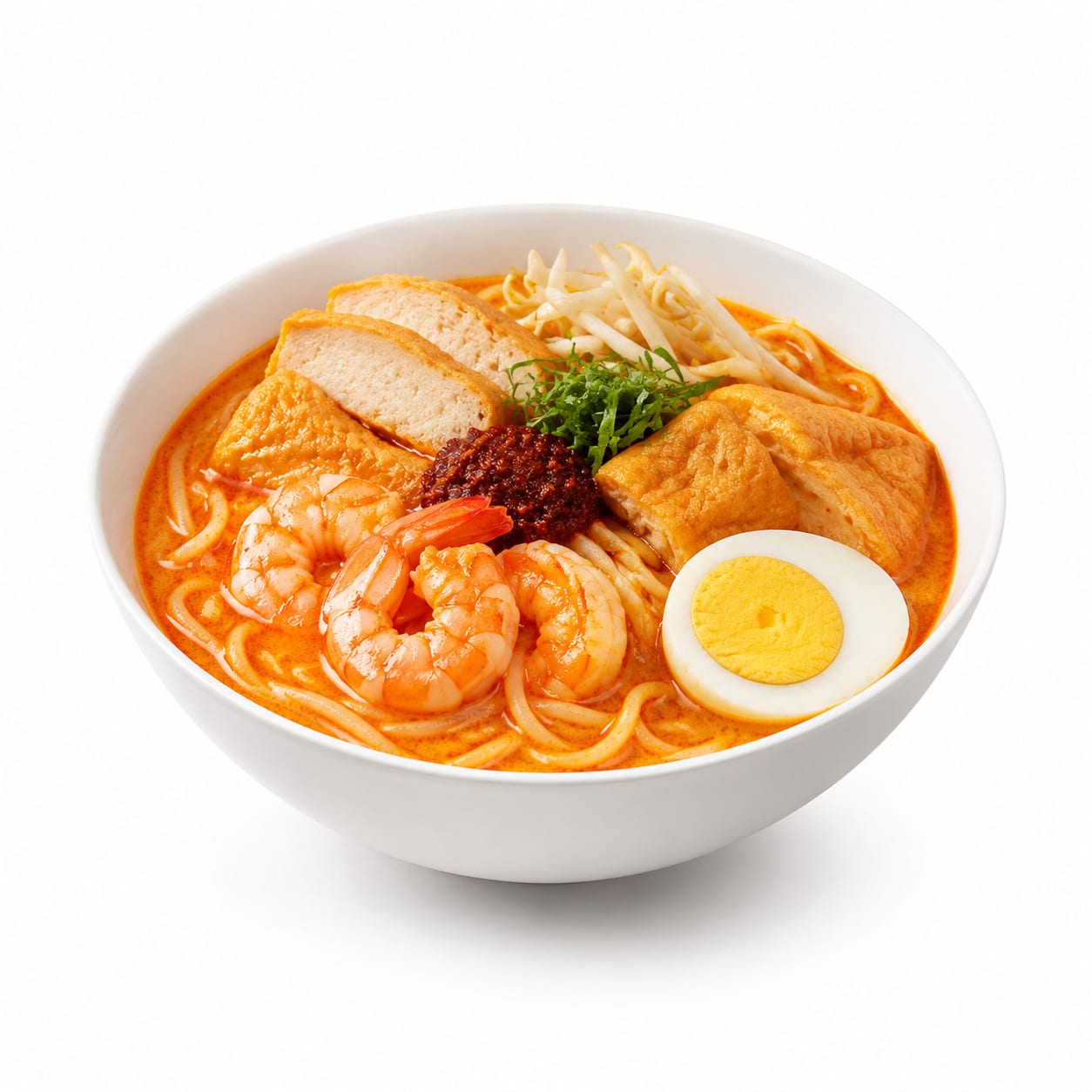
Noodle Soup
Laksa
A spicy, coconut milk-based Southeast Asian noodle soup with seafood or poultry.
A popular and spicy Southeast Asian noodle soup made with a rich coconut milk and curry paste broth, typically served with rice noodles, shrimp, chicken, tofu, and fresh herbs.
high-fat high-sodium comfort soup
Typical serving · 450g
Common varieties · Curry Laksa, Asam Laksa, Sarawak Laksa, Nyonya Laksa, Katong Laksa
Overall context score across nutrition, safety, and diet fit
At a glance
Quick facts
Simple indicators based on nutrition, processing, and diet fit.
The story
What makes it unique
Laksa is a high energy-dense food due to its coconut milk base, providing a macronutrient profile high in saturated fats and moderate in refined carbohydrates from rice noodles. Digestion speed is moderate, slowed by the fat content, but the refined noodles can cause a rapid glycemic response. Satiety is high due to the liquid volume, fat, and protein content, though the sodium and saturated fat levels are considerable. Processing varies from homemade fresh pastes to highly commercialized flavor enhancers.
Varieties: Curry Laksa · Asam Laksa · Sarawak Laksa · Nyonya Laksa · Katong Laksa
Per 100g
Nutrition breakdown
Macro balance and key metrics at a glance.
Energy
Density 1.25 kcal/g
Protein
Carbs
Fat
Fiber
Sugar
2 g
Sodium
550 mg
Potassium
160 mg
Glycemic index
58
Glycemic load
6
Water content
72%
Standout compounds
Nutrient highlights
Saturated Fat
highProvides rapid energy but can raise LDL cholesterol if consumed in excess
Sodium
highCritical for fluid balance but excessive amounts increase blood pressure risk
Protein
moderateSupports muscle repair from shrimp and chicken additions
Manganese
moderateSupports bone health and metabolism, derived from spices and coconut
Wellness map
Health scores & processing
NOVA processing scale
ultra-processed · Ultra-processed
Restaurant and pre-packaged laksa typically uses processed curry pastes, refined noodles, processed fish cakes, and flavor enhancers, placing it in the ultra-processed category despite whole food additions like shrimp.
Diet compatibility
- Weight loss
- Muscle gain
- Diabetes
- Gut health
- Low carb
- High protein
- Heart health
Relative standing
Food rankings
Qualitative ranks compared to similar whole foods.
- Satietygood
- Blood sugarpoor
- Nutrient densitypoor
- Fitness fuelmoderate
- Processing qualitypoor
Eat with confidence
Food safety profile
Laksa contains seafood which carries a moderate risk of bacterial contamination or allergen cross-contact. Shrimp may contain antibiotic residues depending on farming practices. The high sodium and coconut milk content can mask spoilage odors, making freshness assessment difficult.
Evidence confidence 85%
- Pesticideslow
- Antibioticsmoderate
- Heavy metalsmoderate
- Contaminationmoderate
Watch for
- vibrio
- shellfish allergens
- histamine
Safer choices
Homemade laksa using sustainably sourced shrimp and low-sodium broth
Prep tips
Ensure shrimp are thoroughly cooked and avoid leaving coconut broth at room temperature for extended periods. Consume immediately after cooking.
Seafood sourcing and coconut product freshness are primary regulatory concerns in commercial settings.
Deep dive
Health analysis
How this food may fit different goals and preparation choices.
Weight loss
The high energy density from coconut milk makes it easy to overconsume calories, hindering weight loss despite the satiating liquid volume.
Blood sugar
Refined rice noodles digest quickly, causing moderate blood sugar spikes, which are somewhat blunted by the high fat content but still problematic for diabetics.
Fitness & energy
Provides a mix of fast-digesting carbs and fats, but the high fat content can cause sluggishness if eaten too close to intense exercise.
Gut health
Spices like galangal and lemongrass have anti-inflammatory properties, but the high saturated fat and sodium can negatively impact gut microbiome balance over time.
Processing quality
Commercial versions rely heavily on processed curry pastes, MSG, and refined noodles, reducing the overall nutritional quality.
Food safety
Seafood and coconut milk are highly perishable; improper storage can lead to foodborne illness, particularly in street-food settings.
Common mistakes
Assuming all noodle soups are low in calories, drinking all the broth which contains the majority of the sodium and fat, and choosing processed fish cakes over whole proteins.
Best preparation
Making broth from scratch using fresh spices, using light coconut milk, adding extra vegetables, and reducing added sodium.
Practical guide
Best use cases
When and how this food fits real eating patterns.
Cold weather comfort meal
The rich, spicy broth provides intense warmth and comfort during colder months.
Post-workout calorie surplus
Useful for athletes in a bulking phase who need high calorie intake with a mix of carbs and protein.
Occasional cultural indulgence
Best enjoyed as an occasional treat rather than a daily staple due to its high fat and sodium content.
Balance sheet
Pros & cons
Upsides
- Highly satiating due to liquid volume, fat, and protein
- Contains anti-inflammatory spices like turmeric and ginger
- Provides a good balance of carbs and protein for energy
- Asam variety offers a low-fat alternative
Trade-offs
- Very high in saturated fat from coconut milk
- Extremely high sodium content from pastes and sauces
- Refined rice noodles spike blood sugar
- Often contains ultra-processed additions like fish cakes
Fit check
Who is it for?
Great match
- bulking phases
- occasional comfort food cravings
- cold weather meals
Consider alternatives
- low-sodium diets
- heart-healthy diets
- strict weight loss plans
- low-carb or keto diets
Side by side
How it compares
Open the full head-to-head analysis for nutrition, safety, and practical tradeoffs.
This food
Laksa
VS85% alike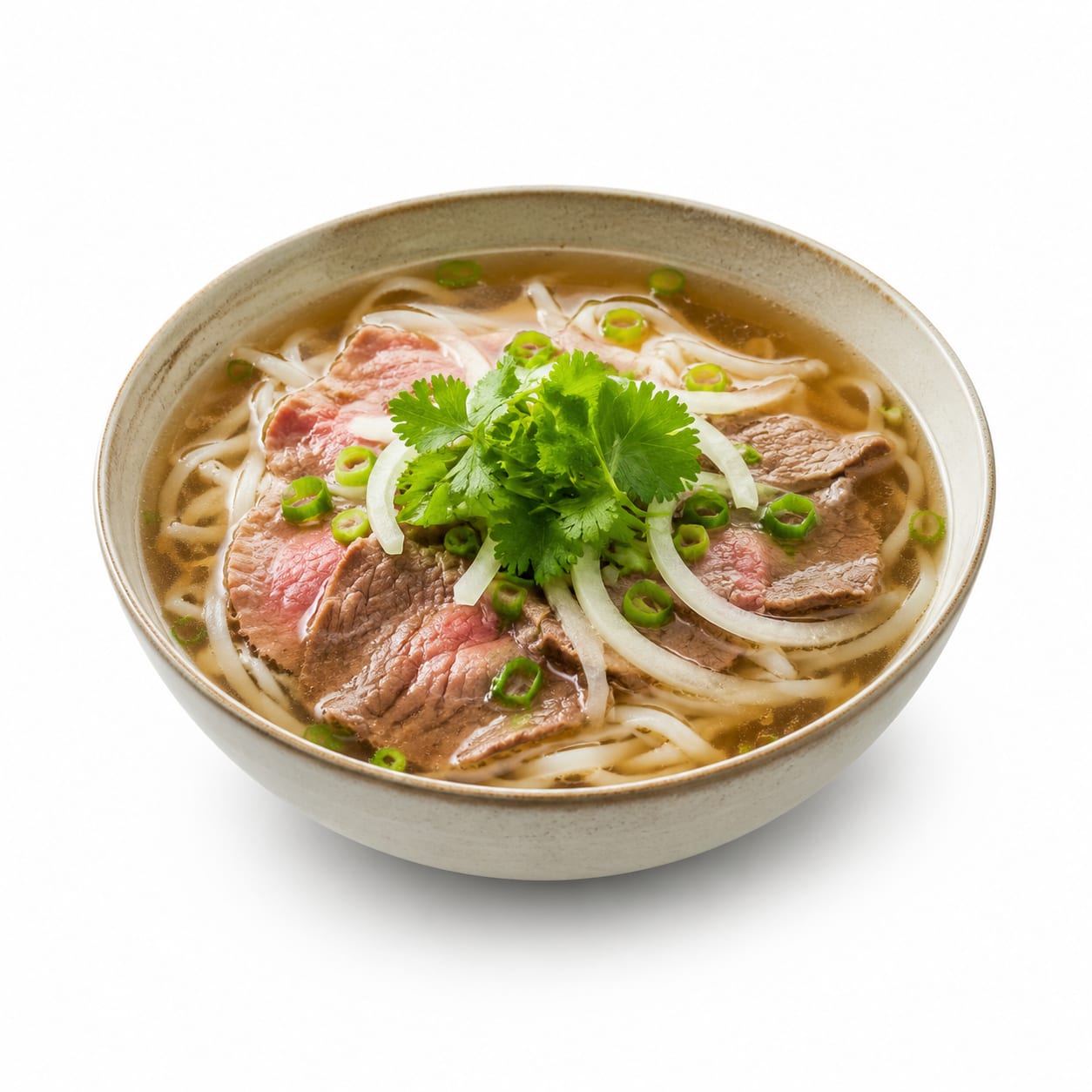
Compare with
Pho
Pho uses a clear bone broth making it much lower in fat and calories, while laksa uses a rich coconut milk base.
Pho is much lower in fat and calories due to its clear broth, making it better for weight loss, while laksa is higher in calories and saturated fat from coconut milk.
This food
Laksa
VS85% alike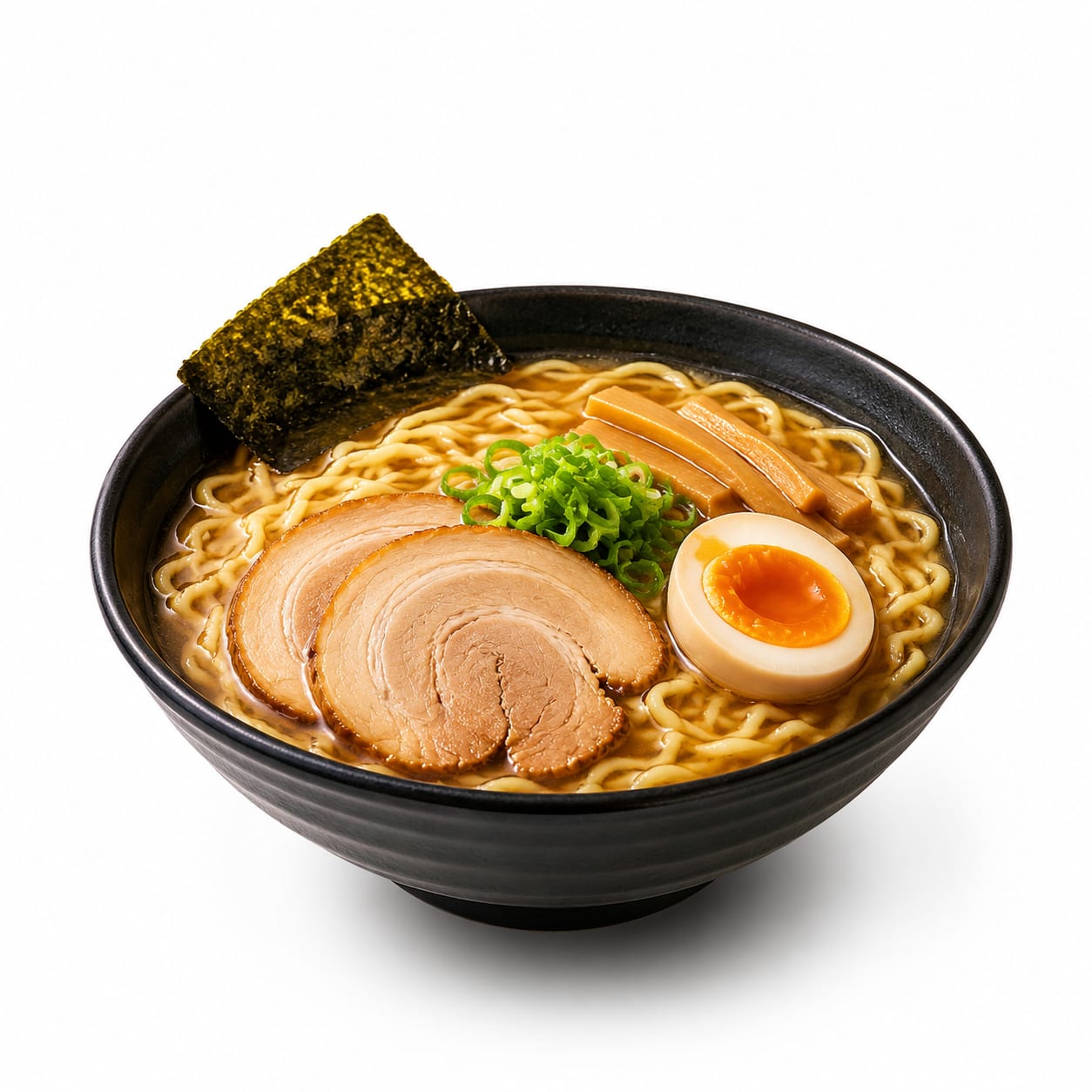
Compare with
Ramen
Ramen relies on pork or chicken bone broth and is high in sodium, while laksa relies on coconut milk and is high in saturated fat.
Ramen is high in sodium but lower in saturated fat than coconut-based laksa, making ramen slightly better for heart health, though both are heavy meals.
This food
Laksa
VS75% alike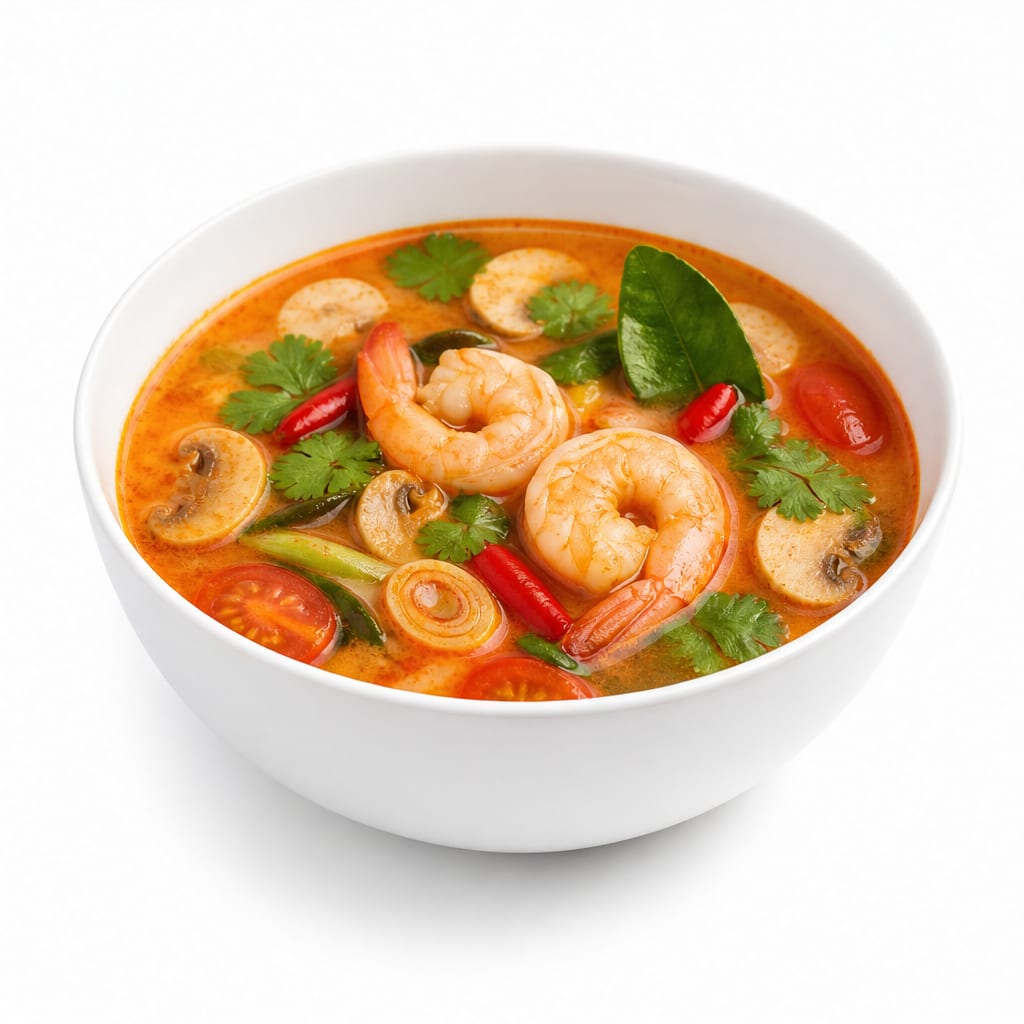
Compare with
Tom Yum Soup
Tom Yum is a clear, water-based broth making it very low in calories, whereas laksa is coconut-based and calorie-dense.
Tom Yum soup is a clear, low-calorie alternative to laksa, providing similar spicy and sour flavors without the high fat and calories of coconut milk.
This food
Laksa
VS70% alike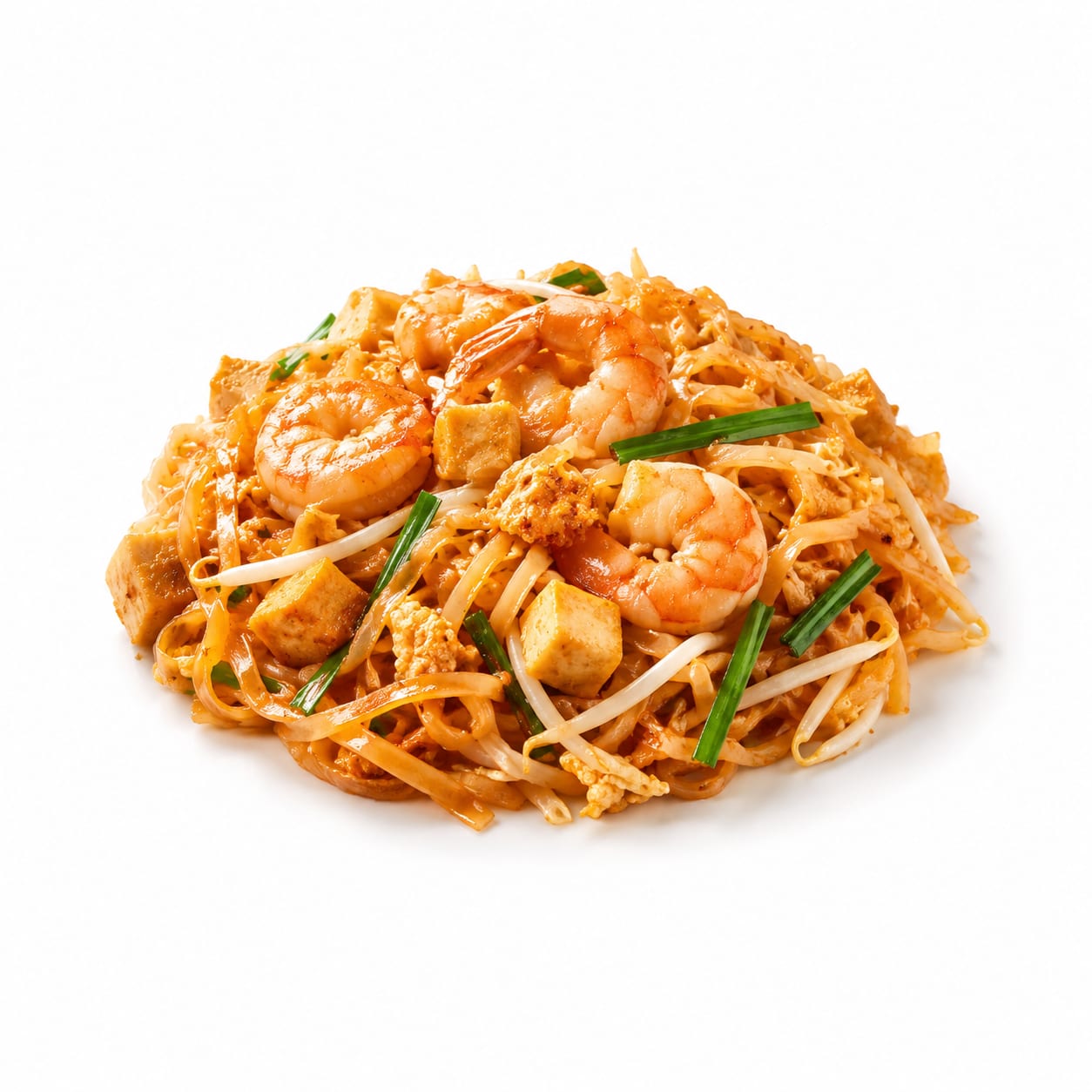
Compare with
Pad Thai
Pad Thai is stir-fried and lacks the heavy soup broth, but still contains significant calories from oil and peanuts.
Pad Thai is lower in saturated fat than laksa since it lacks the coconut milk broth, but both are high-calorie noodle dishes with refined carbs.
This food
Laksa
VS90% alike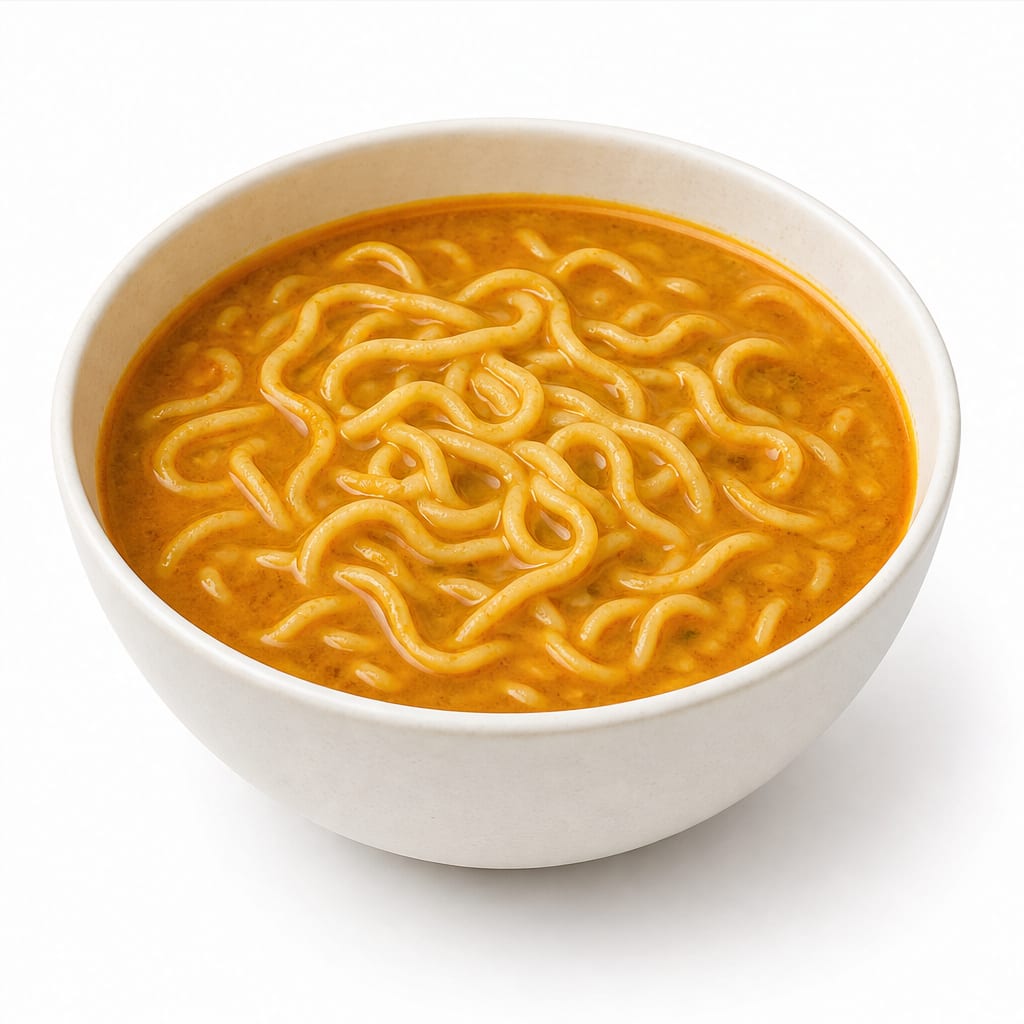
Compare with
Curry Noodle Soup
Generic curry noodle soups vary widely, but laksa typically features a distinct coconut-shrimp paste profile.
Standard curry noodle soup can be slightly lighter than laksa depending on the coconut milk used, but both are rich, calorie-dense meals.
This food
Laksa
VS65% alike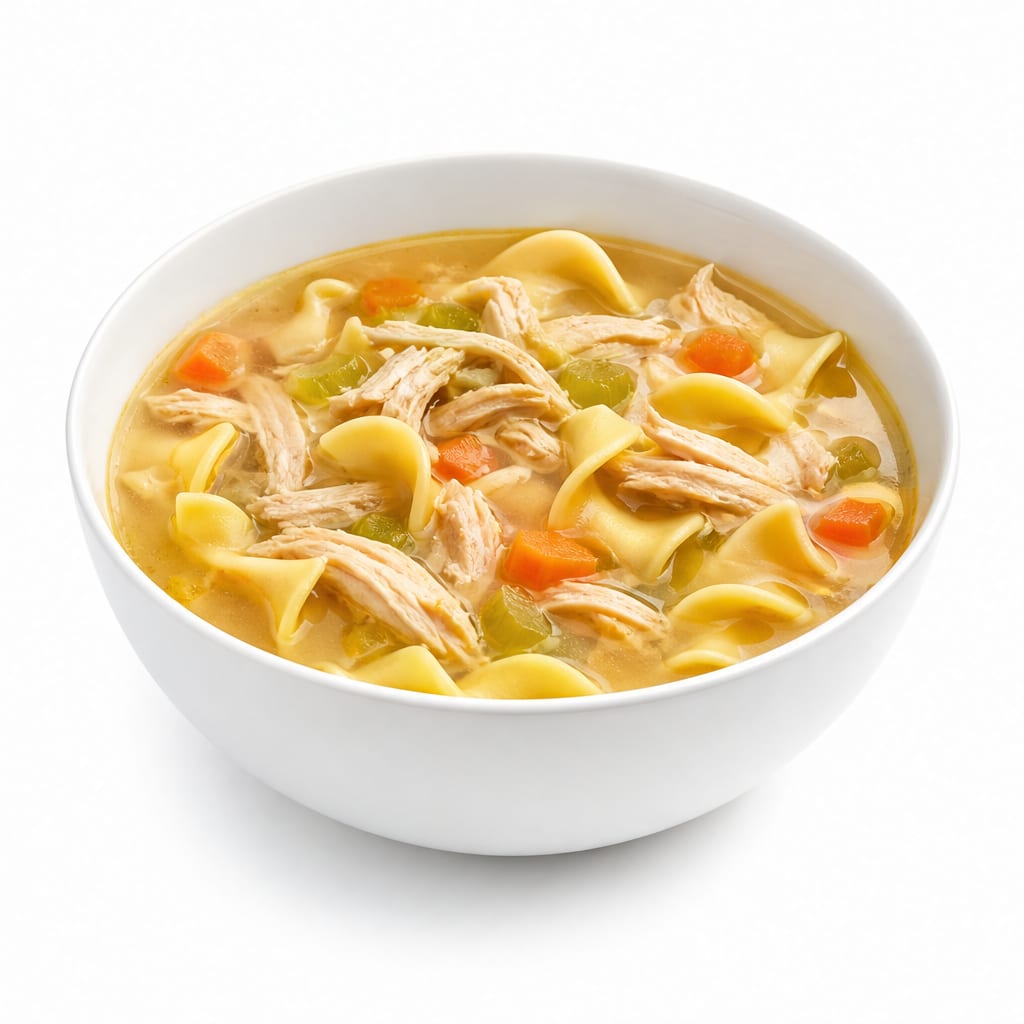
Compare with
Chicken Noodle Soup
Chicken noodle soup is broth-based and much lower in calories and fat compared to coconut-heavy laksa.
Chicken noodle soup is a low-fat, broth-based meal ideal for weight loss, whereas laksa is a heavy, high-fat alternative.
This food
Laksa
VS70% alike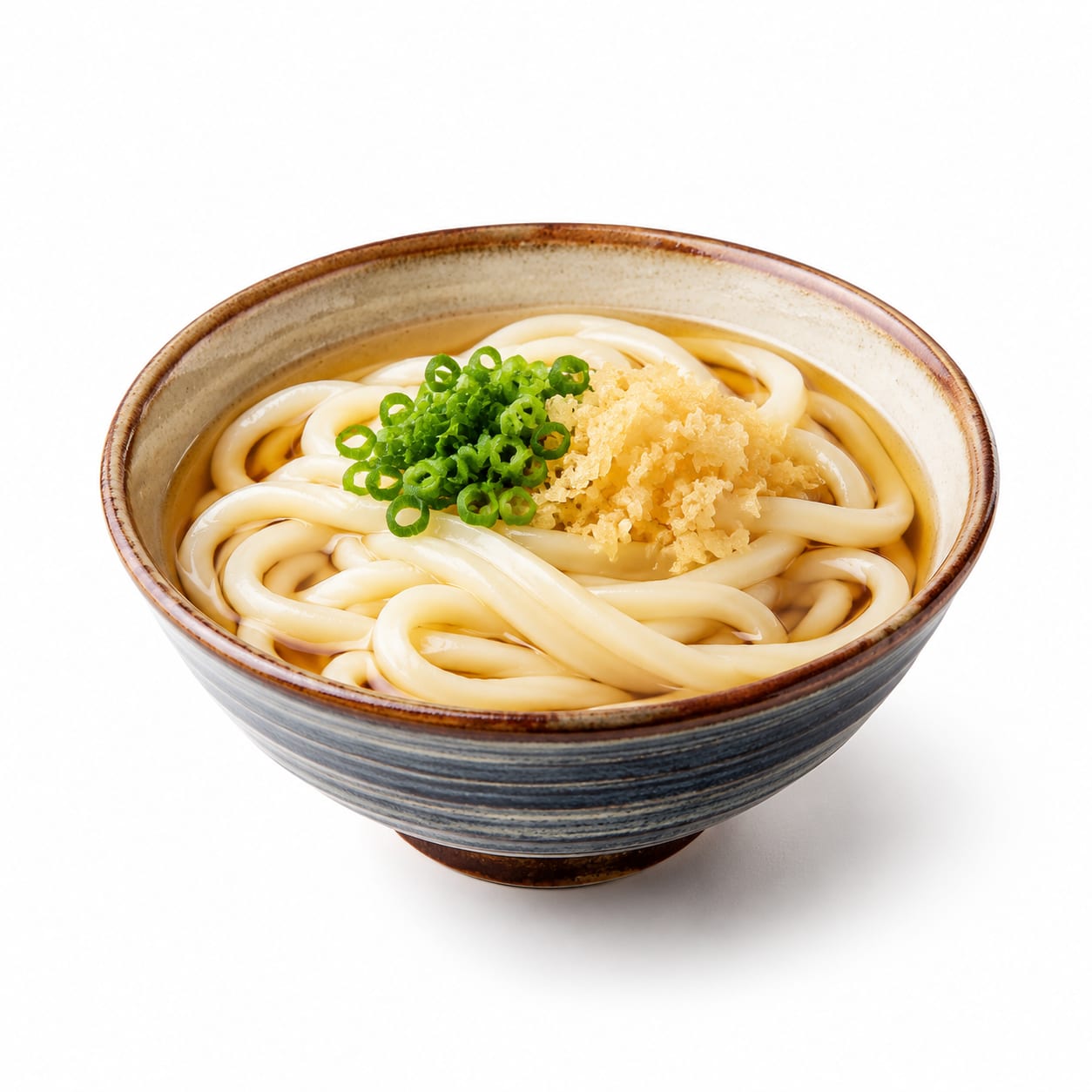
Compare with
Udon
Udon features a savory soy-dashi broth which is lower in fat but very high in sodium, while laksa is high in saturated fat.
Udon has a clear, lower-fat broth compared to the rich, high-fat coconut base of laksa, making udon a lighter choice for calorie control.
This food
Laksa
VS80% alike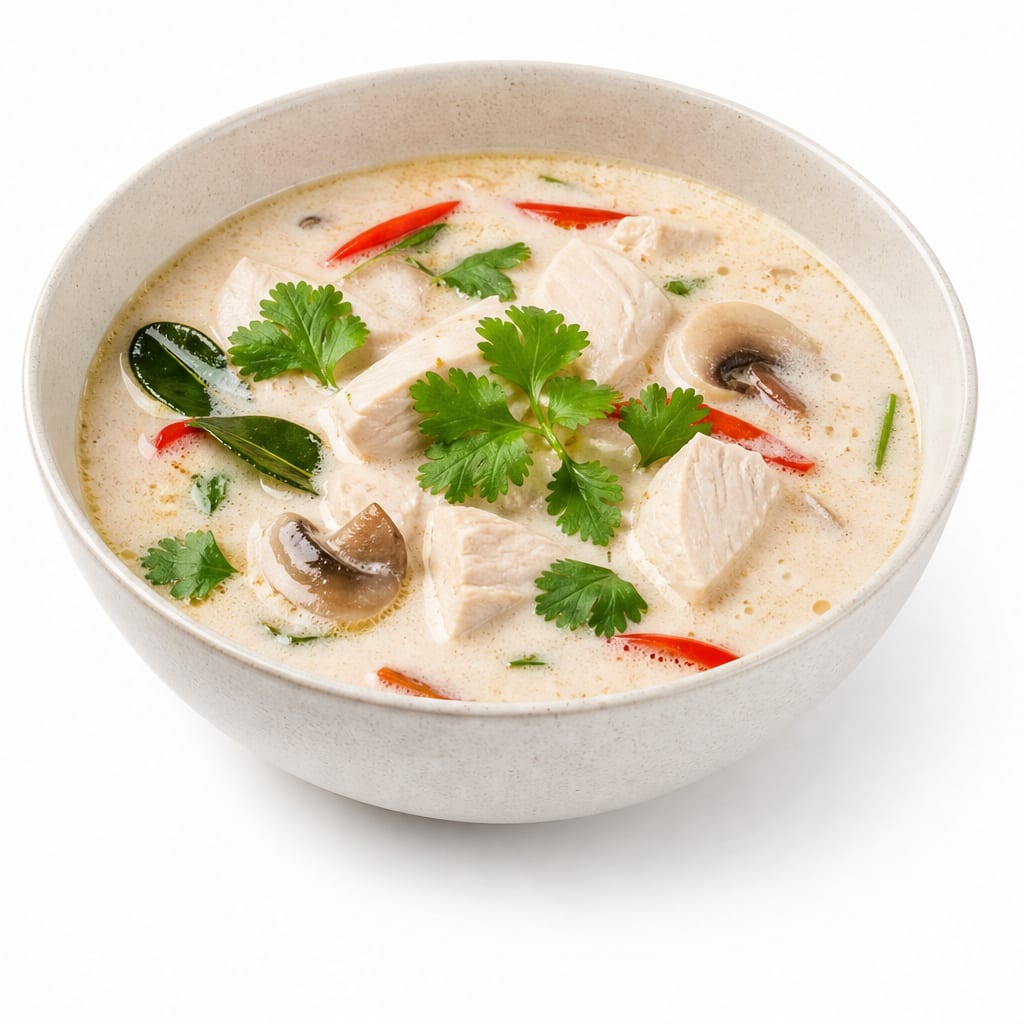
Compare with
Tom Kha Gai
Tom Kha Gai is similar in fat profile but often served without noodles, reducing its carbohydrate load compared to laksa.
Tom Kha Gai shares laksa's high saturated fat from coconut milk but usually lacks the heavy noodles, making it lower in carbs and calories.
This food
Laksa
VS75% alike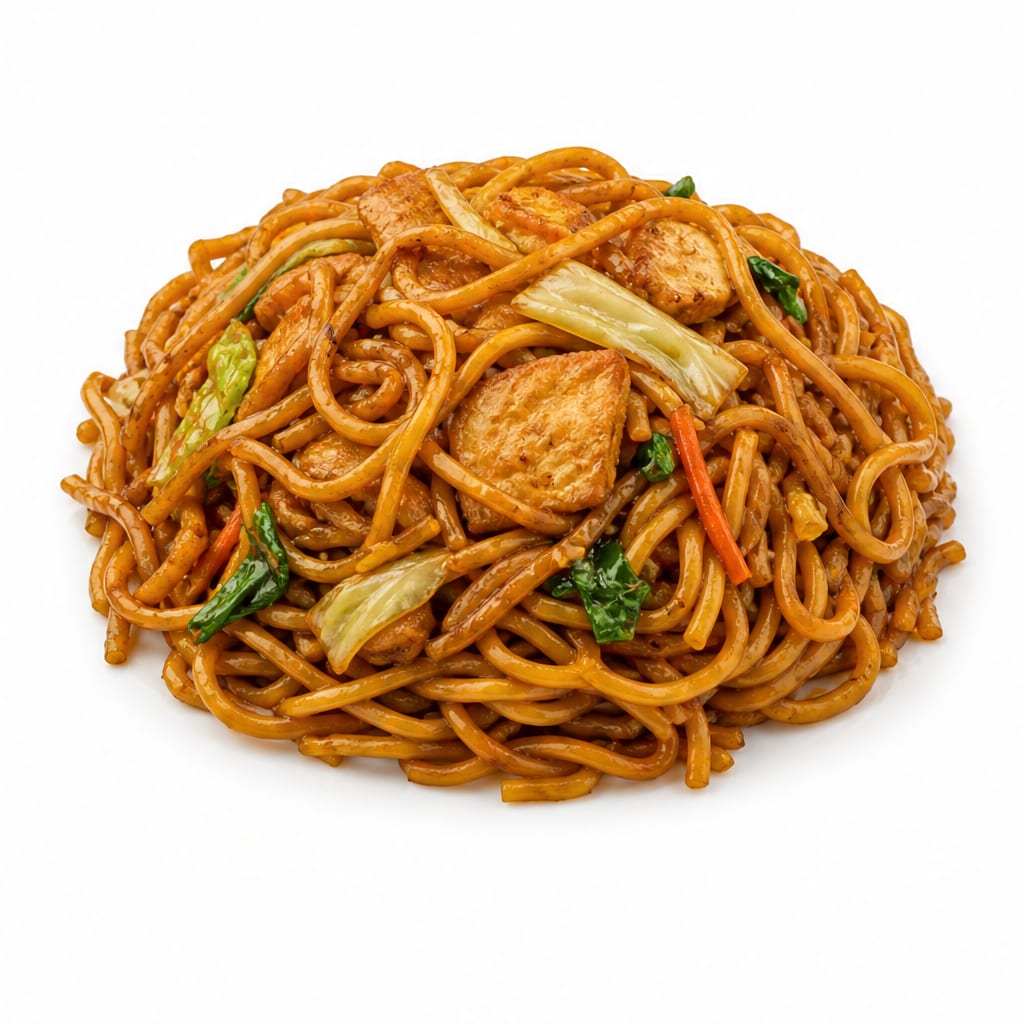
Compare with
Mee Goreng
Mee Goreng is stir-fried with sweet soy sauce, making it high in sugar and refined carbs, while laksa is higher in fat.
Mee Goreng is lower in fat than laksa but often higher in sugar from sweet soy sauce, making both poor choices for strict weight loss or blood sugar control.
This food
Laksa
VS60% alike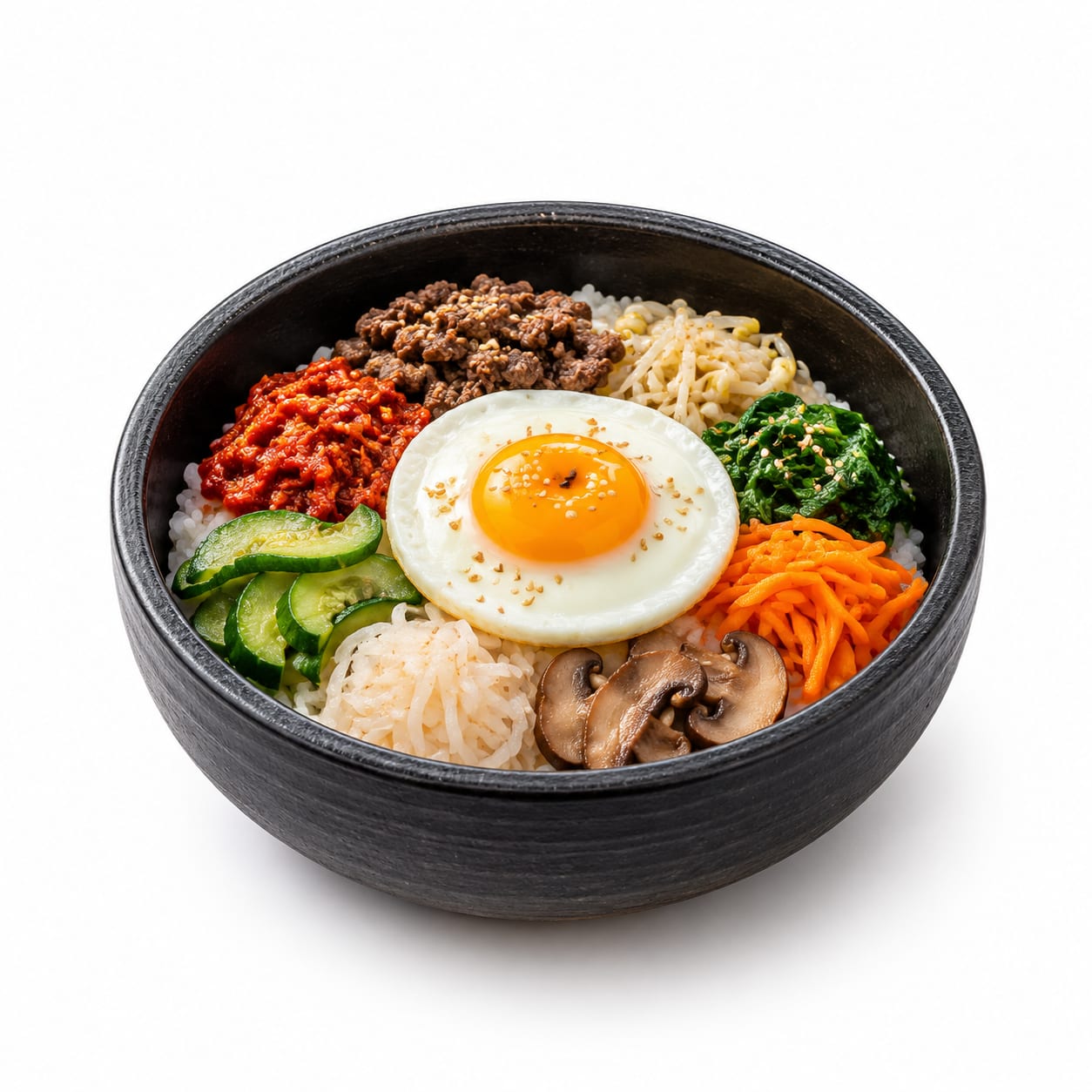
Compare with
Bibimbap
Bibimbap is rice-based with sesame oil and vegetables, offering a better micronutrient profile than the fat-heavy laksa broth.
Bibimbap provides more vegetables and healthier fats than laksa, which is weighed down by saturated coconut milk and refined noodles.
Common questions
FAQ
Answers aligned with how people search for this food.
Is laksa good for weight loss?
Laksa is generally not ideal for weight loss due to its high calorie and saturated fat content from coconut milk. A single bowl can contain 500-700 calories, making it easy to overconsume.
How many calories are in a bowl of laksa?
A standard restaurant bowl of curry laksa contains approximately 550 to 750 calories, largely depending on the amount of coconut milk and noodles used.
Can diabetics eat laksa?
Diabetics should be cautious with laksa. The refined rice noodles can spike blood sugar, and the high saturated fat from coconut milk may worsen insulin resistance over time. Asam laksa is a slightly better lower-fat option.
Is laksa high in cholesterol?
Laksa contains dietary cholesterol from shrimp and sometimes eggs, but the bigger concern for blood cholesterol is the high amount of saturated fat from the coconut milk base.
Which is healthier, laksa or pho?
Pho is generally healthier than curry laksa. Pho uses a clear bone broth with much lower fat and calorie density, whereas laksa uses a rich coconut milk base that significantly increases saturated fat and calories.
Is there a low-carb version of laksa?
Yes, you can make low-carb laksa by replacing rice noodles with zucchini noodles or shirataki noodles and using a sugar-free curry paste. The broth itself is relatively low in carbohydrates.
Why is laksa so high in sodium?
Laksa is high in sodium due to the curry paste, shrimp paste, fish sauce, and processed ingredients like fish cakes commonly used to build its intense flavor profile.
What is the healthiest type of laksa?
Asam laksa is typically the healthiest option. It uses a sour fish broth without coconut milk, resulting in significantly fewer calories and less saturated fat compared to curry laksa.
Transparency
Data confidence
Estimated confidence for nutrition data, interpretation, safety notes, and comparisons.
Nutrition data
Health analysis
Food safety
Comparisons