
Nutrition comparison
Laksa vs Pad Thai: Nutritional Comparison & Healthier Choice
Comparing Laksa and Pad Thai: discover which Southeast Asian noodle dish is better for weight loss, blood sugar, and daily eating. Learn the nutritional tradeoffs.
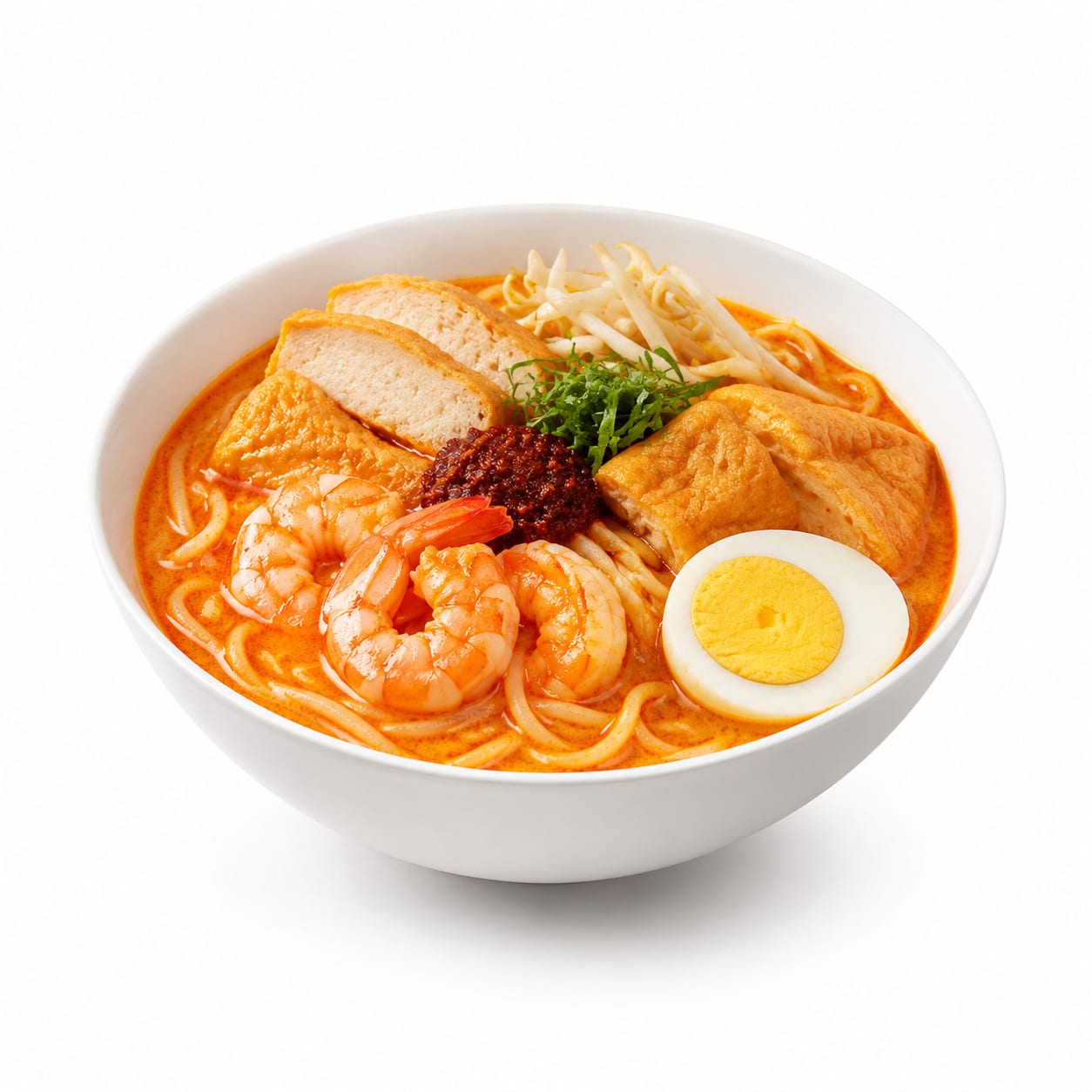
Laksa
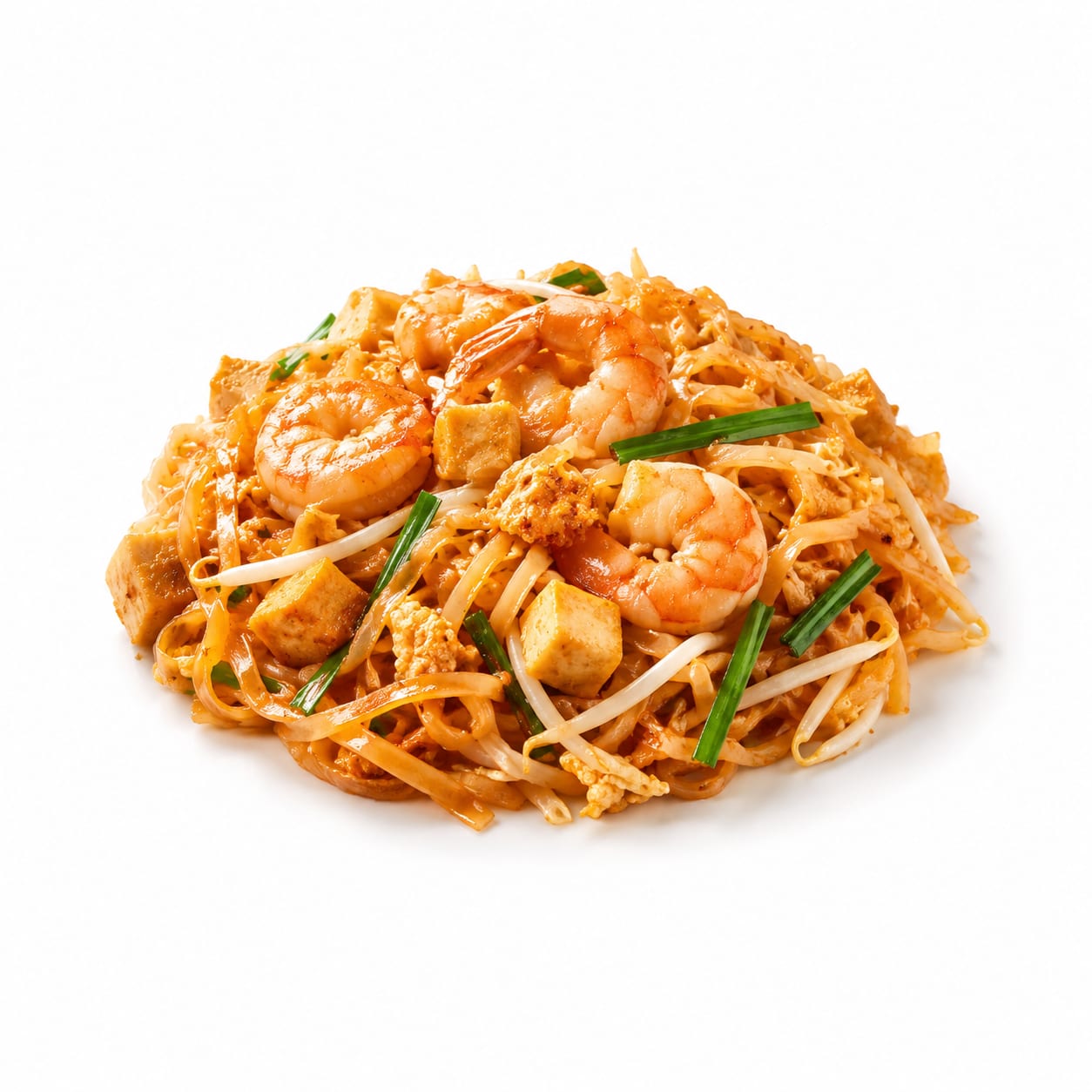
Pad Thai
Laksa offers a richer, fat-driven satiety while Pad Thai delivers a carb-heavy, quicker energy spike; both are restaurant indulgences rather than daily staples.
Both are indulgent restaurant dishes with high sodium and calorie density. Laksa scores slightly higher due to the satiating effect of coconut fat, while Pad Thai's higher sugar content slightly lowers its score.
Coconut milk's filling fats versus Pad Thai's faster-digesting carbs and sugars.
At a glance
Executive summary
Overall
It depends
Healthier
It depends
More practical
Pad Thai
Daily use
It depends
Key comparison lenses
Calorie density and satiety
Laksa's coconut milk broth makes it heavily filling, while Pad Thai's oil and rice noodles digest quickly.
Blood sugar impact
Pad Thai contains refined carbs and palm sugar leading to spikes, whereas Laksa's fat content slows glucose absorption.
Sodium and heart health
Both dishes are restaurant-level sodium bombs from shrimp paste and fish sauce, heavily impacting blood pressure.
Digestive tolerance
Laksa's intense spice and high coconut fat can trigger reflux, while Pad Thai is milder but contains common allergens.
Best choice for
Laksa
- Keto-adaptable eaters needing high fat
- People wanting long-lasting fullness
- Fans of spicy, warming meals
Pad Thai
- Carb-loaders needing quick energy
- Those preferring lighter-tasting noodles
- People avoiding coconut milk
Least suitable for
Laksa
- People with fat malabsorption issues
- Those strictly watching saturated fat
- People sensitive to spicy food
Pad Thai
- People managing blood sugar spikes
- Those on a low-carb diet
- People with severe peanut allergies
Deep comparison
Dimension by dimension
Each lens scores both foods and breaks down who each option suits.
- Dimension 1 · Priority 90Laksa
Calorie Density & Satiety
Laksa · 75Pad Thai · 60Laksa's coconut milk broth makes it heavier and more filling, while Pad Thai's oil and carbs digest faster.
Tradeoff
You feel fuller longer with Laksa, but at the cost of a higher saturated fat load.
Why it matters
Meals that keep you full prevent overeating later in the day.
Real-world impact
A bowl of Laksa at lunch usually prevents the 3 PM snack craving; Pad Thai might leave you hungry again by mid-afternoon.
Laksa
- Sustained energy
- Preventing late-day cravings
Better for
- Feeling overly stuffed
- Sluggishness after eating
Worse for
Pad Thai
- Lighter post-meal feeling
- Quick energy replenishment
Better for
- Getting hungry sooner
- Needing a snack later
Worse for
- Dimension 2 · Priority 85Laksa
Blood Sugar Stability
Laksa · 65Pad Thai · 40Pad Thai's rice noodles and palm sugar cause a faster blood sugar spike, whereas Laksa's fat and protein slow down glucose absorption.
Tradeoff
Laksa is gentler on blood sugar but harsher on your liver's fat processing; Pad Thai is the opposite.
Why it matters
Stable blood sugar means steadier energy and fewer cravings.
Real-world impact
Eating Pad Thai often leads to an afternoon energy crash, while Laksa provides a steadier, albeit heavy, energy curve.
Laksa
- Avoiding sugar crashes
- Steadier afternoon focus
Better for
- Fatigue from high-fat digestion
Worse for
Pad Thai
- Quick post-workout glycogen refill
Better for
- Energy crash
- Rebound sugar cravings
Worse for
- Dimension 3 · Priority 80It depends
Sodium & Heart Health
Laksa · 35Pad Thai · 35Both are sodium bombs. Laksa gets it from shrimp paste and broth; Pad Thai from fish sauce and soy sauce.
Tradeoff
Neither is heart-friendly, but the source of sodium varies slightly.
Why it matters
High sodium intake raises blood pressure and causes bloating.
Real-world impact
Expect noticeable water retention the next day after eating either dish.
Laksa
- Bloating from broth
- Blood pressure spikes
Worse for
Pad Thai
- Bloating from sauces
- Blood pressure spikes
Worse for
- Dimension 4 · Priority 75Pad Thai
Digestive Tolerance
Laksa · 45Pad Thai · 65Laksa's spice and high coconut fat can trigger heartburn or IBS symptoms, while Pad Thai is generally easier on the stomach unless you have a peanut allergy.
Tradeoff
Laksa's richness can upset sensitive stomachs, whereas Pad Thai is milder but contains common allergens.
Why it matters
Digestive discomfort ruins the rest of your day.
Real-world impact
Laksa can cause reflux if eaten too close to bedtime; Pad Thai is usually safer for a late dinner.
Laksa
- Heartburn risk
- Stomach upset from spice and fat
Worse for
Pad Thai
- Easier digestion
- Lower reflux risk
Better for
- Peanut allergy reactions
Worse for
Timeline
Health impact over time
Short-term
Hours to days
Laksa
- Immediate fullness
- Possible bloating from sodium
- Warmth from spices
Pad Thai
- Quick energy surge
- Sugar crash within hours
- Mild thirst from sodium
Long-term
Months to years
Laksa
- Increased LDL cholesterol if eaten frequently
- Potential weight gain from calorie density
Pad Thai
- Worsened insulin resistance from frequent sugar spikes
- Weight gain from refined carbs
Risk profile
Safety & processing
Both rely on processed sauces and pastes. Restaurant versions of both often contain MSG and preservatives, making them equally processed.
Laksa
Shellfish contamination
mediumShrimp in Laksa can spoil quickly if not kept at proper temperatures.
Histamine intolerance
lowFermented shrimp paste can trigger histamine responses in sensitive individuals.
Pad Thai
Peanut cross-contamination
highPad Thai uses peanuts extensively, making it dangerous for those with severe allergies.
Undercooked eggs
lowTraditional Pad Thai incorporates eggs that might not be fully cooked through.
Who wins for whom
Audience fit
Same foods, different winners depending on your goal.
children
Pad ThaiPad Thai's milder, sweeter flavor profile is usually more appealing and easier on a child's digestive system than Laksa's intense spice.
daily consumption
It dependsNeither is ideal for daily consumption due to high sodium and calorie density, but portion control makes either occasionally acceptable.
diabetes
LaksaLaksa's fat and protein slow down carbohydrate absorption, leading to a lower glycemic response than Pad Thai's sugary, refined-carb profile.
elderly
Pad ThaiPad Thai is softer and easier to chew, with a lighter flavor that appeals to aging palates, whereas Laksa can be too rich or spicy.
muscle gain
Pad ThaiPad Thai offers more readily available carbohydrates to replenish glycogen after a workout, though both lack optimal protein.
weight loss
LaksaThe high fat content in Laksa provides more satiety, potentially reducing overall calorie intake for the day compared to Pad Thai's carb-driven hunger cycle.
Your move
Decision guide
Choose Laksa
- You want to stay full for hours
- You are craving something spicy and comforting
- You want to avoid a blood sugar crash
Choose Pad Thai
- You need quick energy after a workout
- You prefer a lighter, sweeter noodle dish
- You have a sensitive stomach and want to avoid heavy spices
Either works if
- You are dining out and want a satisfying Southeast Asian noodle dish
- You are comfortable with a high-sodium meal
Avoid both if
- You are strictly monitoring sodium for blood pressure
- You are on a calorie-restricted diet
- You are avoiding refined carbohydrates and high saturated fat
Final recommendation
Choose Laksa when you need a deeply satisfying meal that will keep you full and energized without a sugar crash. Opt for Pad Thai when you want something lighter, sweeter, or need quick carbs after physical activity. For both, watch your portion size and drink plenty of water to handle the sodium.
Practical
Consumer tips
- 1
Ask for Laksa with less coconut milk or broth on the side to reduce calorie density.
- 2
Request Pad Thai with less sugar and extra lime to cut the sweetness and lower the glycemic impact.
- 3
Share a portion with a friend; restaurant sizes for both dishes are often double what a single person needs.
- 4
Drink extra water after eating either dish to flush out excess sodium and reduce next-day bloating.