
Nutrition comparison
Laksa vs Tom Kha Gai: Which Coconut Soup Is Healthier?
Compare Laksa and Tom Kha Gai nutrition, calories, saturated fat, and health benefits. Find out which Southeast Asian coconut soup is the smarter choice for weight loss, heart health, and daily eating.
Overall winner · Tom Kha Gai
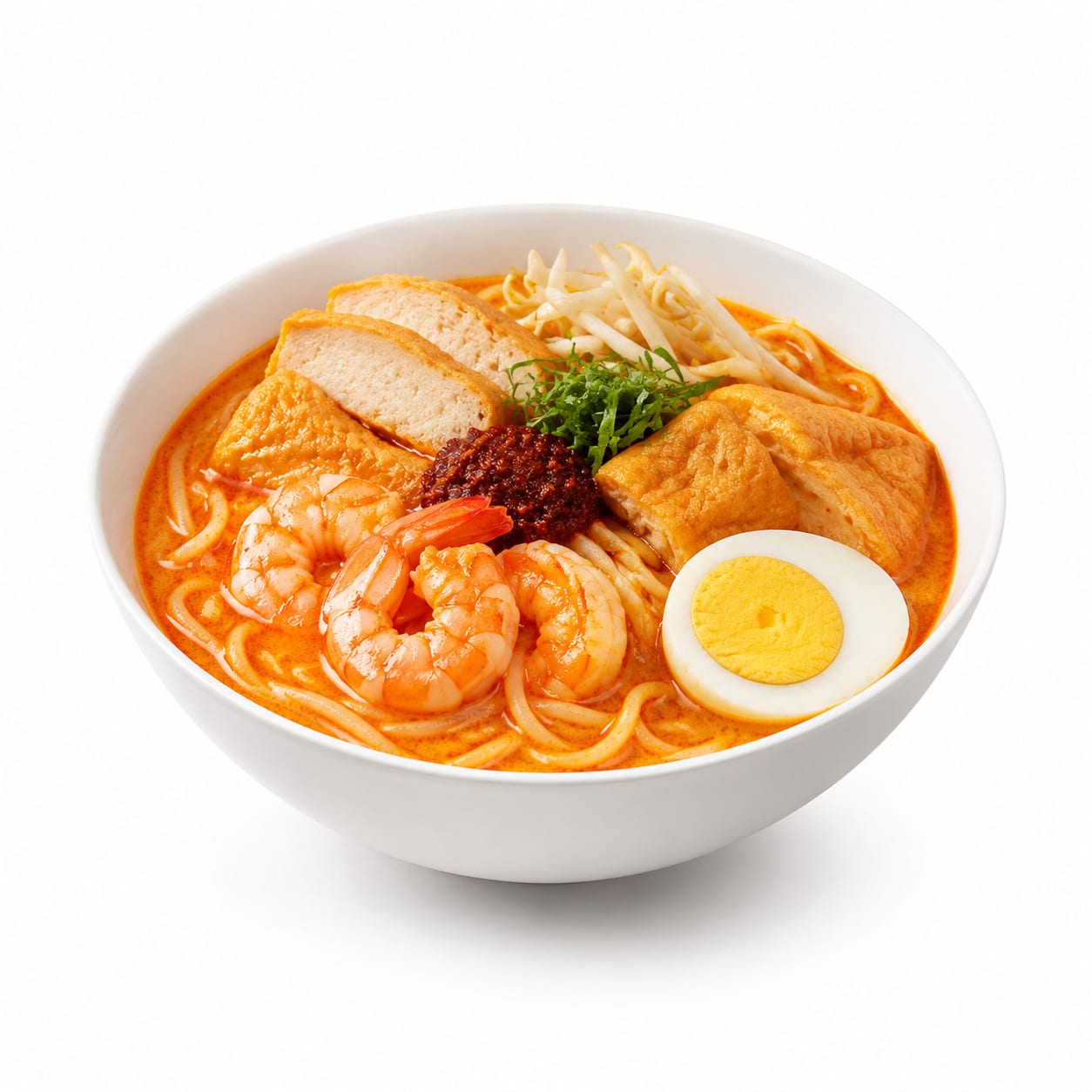
Laksa
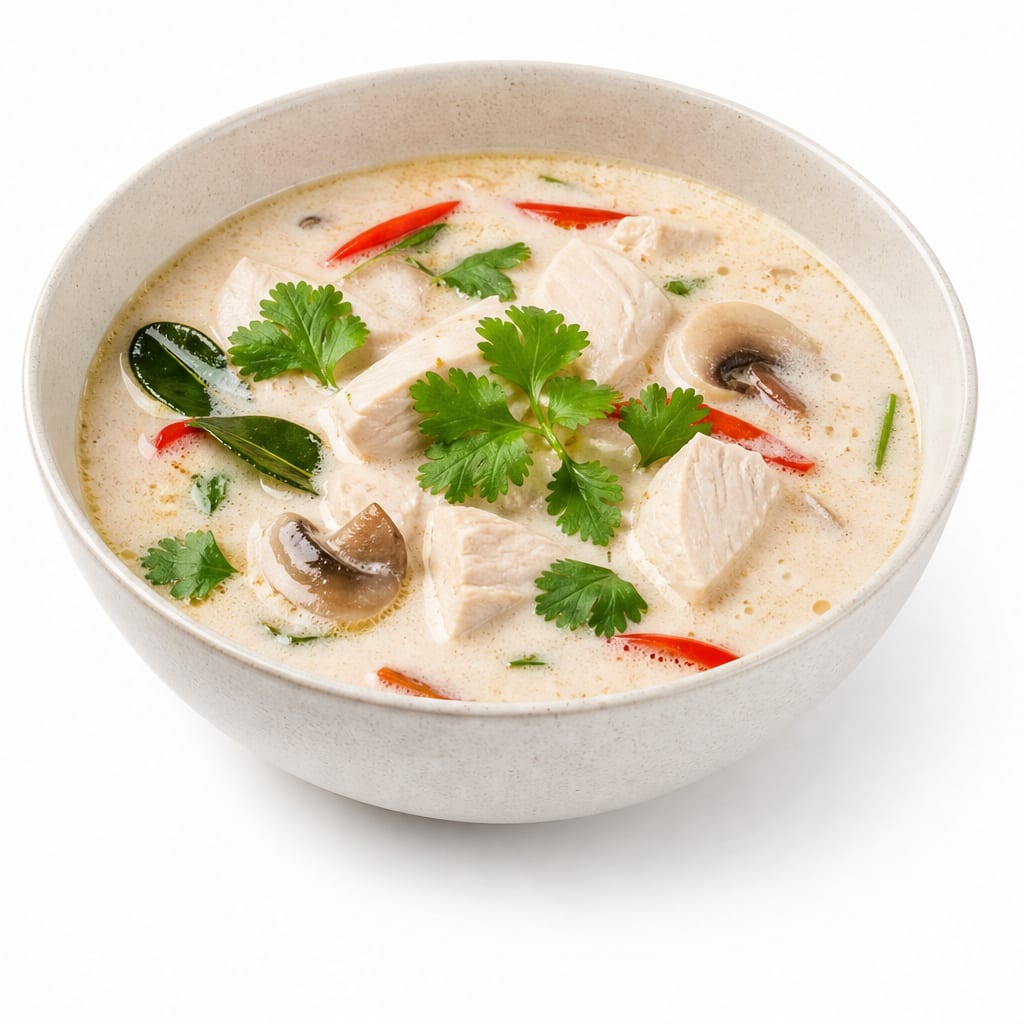
Tom Kha Gai
Tom Kha Gai edges out Laksa as the healthier everyday choice due to lower calorie density and stronger anti-inflammatory herb content, but Laksa wins on meal satisfaction and completeness.
Tom Kha Gai scores higher primarily due to lower calorie density and more concentrated anti-inflammatory herbs. Laksa loses ground on saturated fat and calorie load but remains competitive for satiety and meal completeness. The gap is moderate because both share the coconut milk base that limits either from being a top health choice.
Laksa fills you up as a full meal with noodles and varied proteins, while Tom Kha Gai delivers similar aromatic comfort with fewer calories and less saturated fat per serving.
At a glance
Executive summary
Overall
Tom Kha Gai
Healthier
Tom Kha Gai
More practical
Laksa
Daily use
Tom Kha Gai
Key comparison lenses
Which coconut-based Asian soup is healthier for regular consumption
Both are coconut milk-based soups, so users want to know which is the smarter everyday choice
Calorie and satiety tradeoff between a noodle soup and a broth soup
Laksa contains noodles making it a complete meal, while Tom Kha Gai is typically lighter
Saturated fat and heart health impact of coconut milk dishes
Both rely heavily on coconut milk, raising legitimate concerns about saturated fat intake
Anti-inflammatory and immune-supporting properties of Southeast Asian herbs
Both feature galangal, lemongrass, and turmeric relatives, but in different concentrations
Sodium load and blood pressure considerations
Both restaurant versions tend to be high in sodium, a real concern for regular consumption
Best choice for
Laksa
- Active individuals needing a filling post-workout meal
- People who want a one-bowl complete meal without side dishes
- Those seeking maximum satisfaction from a single dish
- Cold rainy days when you want deeply comforting, heavy warmth
Tom Kha Gai
- People managing weight who still want rich flavors
- Those with high blood pressure seeking lower-sodium options
- Anyone wanting anti-inflammatory benefits from galangal and lemongrass
- Lighter lunch eaters who feel sluggish after heavy meals
Least suitable for
Laksa
- People strictly limiting saturated fat or calories
- Those with high blood pressure sensitive to sodium
- Anyone wanting a light meal before physical activity
Tom Kha Gai
- People who need a complete meal in one bowl
- Very active individuals needing substantial calories
- Those who find light soups unsatisfying and end up snacking later
Deep comparison
Dimension by dimension
Each lens scores both foods and breaks down who each option suits.
- Dimension 1 · Priority 95Tom Kha Gai
Calorie Density and Weight Management
Laksa · 40Tom Kha Gai · 68A typical bowl of Laksa packs 500-700 calories thanks to noodles, coconut gravy, and multiple protein sources. Tom Kha Gai usually lands between 200-350 calories per bowl since it skips the carb-heavy noodles.
Tradeoff
Laksa replaces the need for any side dish, while Tom Kha Gai may leave you reaching for rice or another filler, potentially closing the calorie gap.
Why it matters
If you eat Asian soups regularly, the 200-400 calorie difference per meal adds up to significant weight change over months.
Real-world impact
Choosing Tom Kha Gai over Laksa twice a week could mean roughly 400-800 fewer calories weekly, which translates to about 6-12 pounds less weight gain per year if all else stays equal.
Laksa
- Those who skip meals and need concentrated calories
- Underweight individuals trying to gain
Better for
- Consistent calorie surplus leading to gradual weight gain
- Feeling overly full and sluggish afterward
Worse for
Tom Kha Gai
- Anyone tracking calories for weight loss
- People who prefer eating smaller portions more frequently
Better for
- Not enough calories to sustain energy if eaten alone
- Potential overeating later if unsatisfied
Worse for
- Dimension 2 · Priority 90Laksa
Satiety and Meal Completeness
Laksa · 82Tom Kha Gai · 55Laksa is a complete meal in a bowl: noodles for carbs, shrimp or chicken for protein, tofu puffs, and vegetables. Tom Kha Gai is typically a soup course that needs rice or other sides to feel like a full meal.
Tradeoff
Laksa's completeness comes with a heavy feeling that can slow you down. Tom Kha Gai's lightness is freeing but may not hold you for long.
Why it matters
A meal that doesn't satisfy leads to snacking, which often undoes any calorie savings from choosing the lighter option.
Real-world impact
After Laksa, you're likely done eating for 4-5 hours. After Tom Kha Gai alone, you might be hungry again in 2-3 hours and grab something less healthy.
Laksa
- Long work shifts without break opportunities
- Hikers and active people needing sustained energy
Better for
- Afternoon energy crashes from the heavy carb and fat load
- Difficulty being active immediately after eating
Worse for
Tom Kha Gai
- Multi-course meals where soup is just the start
- People who prefer grazing over heavy meals
Better for
- Hunger returning quickly without side dishes
- Needing to plan additional food, reducing convenience
Worse for
- Dimension 3 · Priority 85Tom Kha Gai
Anti-Inflammatory and Immune Benefits
Laksa · 55Tom Kha Gai · 78Tom Kha Gai features galangal, lemongrass, kaffir lime leaves, and shallots in higher concentration relative to the broth volume. Laksa contains similar aromatics but they're diluted across a larger, richer gravy with competing flavors.
Tradeoff
Laksa often includes turmeric in its curry paste, adding curcumin benefits that Tom Kha Gai lacks. But Tom Kha Gai's galangal content is typically more potent per spoonful.
Why it matters
Chronic inflammation drives most lifestyle diseases. Regular intake of anti-inflammatory herbs, even through food, provides cumulative benefits over years.
Real-world impact
Eating Tom Kha Gai regularly is like getting a mild daily dose of traditional Thai cold and inflammation remedy. Laksa offers some benefit but the heavier coconut base partially offsets it.
Laksa
- People who specifically want turmeric's curcumin benefits
- Those eating for joint support where turmeric is well-studied
Better for
- High saturated fat content can promote inflammation, counteracting herb benefits
- Larger portion sizes mean more coconut oil, which is pro-inflammatory in excess
Worse for
Tom Kha Gai
- Anyone fighting recurring colds or sinus congestion
- People seeking digestive soothing from galangal and lemongrass
Better for
- Missing curcumin unless turmeric is added separately
- Benefits are modest and should not replace medical anti-inflammatory treatment
Worse for
- Dimension 4 · Priority 85Tom Kha Gai
Saturated Fat and Heart Health
Laksa · 35Tom Kha Gai · 50Neither soup is heart-healthy by conventional standards. Laksa typically uses more coconut milk to create its thick gravy, while Tom Kha Gai uses less but still relies on it as the base. Both are high in saturated fat.
Tradeoff
Tom Kha Gai has less coconut milk per serving, but neither is a heart-smart choice if eaten frequently. The difference is one of degree, not kind.
Why it matters
Regular high saturated fat intake raises LDL cholesterol. If you eat these soups weekly, the cumulative effect on heart health is real.
Real-world impact
Swapping Laksa for Tom Kha Gai twice a week might reduce saturated fat intake by 10-15 grams weekly, which could meaningfully impact cholesterol over six months.
Laksa
- People on keto or low-carb diets who embrace saturated fat
- Those not concerned about cardiovascular risk
Better for
- Significant LDL cholesterol increase with regular consumption
- Combines saturated fat with refined carbs from noodles, a particularly unfavorable combo
Worse for
Tom Kha Gai
- Anyone with family history of heart disease
- People trying to moderate coconut milk consumption without giving it up
Better for
- Still a high saturated fat food that should not be daily fare
- Restaurant versions may use even more coconut milk than homemade
Worse for
- Dimension 5 · Priority 80Tom Kha Gai
Sodium and Blood Pressure Impact
Laksa · 30Tom Kha Gai · 45Both are sodium bombs at restaurants, but Laksa's additional seasonings from curry paste, shrimp paste, and fish sauce push it higher. A single bowl can contain 1500-2500mg of sodium.
Tradeoff
Tom Kha Gai is still too salty for sodium-sensitive people, but the lighter broth means slightly less salt per serving. Neither gets a passing grade here.
Why it matters
If you have blood pressure concerns, regularly eating either soup without modification is risky. One bowl can exceed half your daily sodium limit.
Real-world impact
After eating either soup, you might notice bloating and thirst. For hypertensive individuals, this can translate to measurable blood pressure spikes within hours.
Laksa
- People who sweat heavily and need sodium replenishment
- Those with naturally low blood pressure
Better for
- Rapid water retention and bloating after eating
- Dangerous for people on sodium-restricted diets
Worse for
Tom Kha Gai
- Anyone monitoring sodium for blood pressure management
- People who get headaches or bloating from salty meals
Better for
- Still exceeds recommended sodium per meal for sensitive individuals
- Restaurant versions are unpredictable and often worse than expected
Worse for
- Dimension 6 · Priority 75Tom Kha Gai
Blood Sugar Stability
Laksa · 38Tom Kha Gai · 62Laksa's rice noodles create a significant glycemic load on top of the fat content. Tom Kha Gai, without noodles, has minimal impact on blood sugar. The coconut milk in both slows absorption somewhat, but Laksa's carb load dominates.
Tradeoff
Laksa's fat content does moderate the noodle spike somewhat, creating a slower but prolonged blood sugar elevation. Tom Kha Gai keeps blood sugar flat but provides no glycogen replenishment for active people.
Why it matters
Blood sugar crashes after Laksa can trigger cravings and fatigue. Stable blood sugar from Tom Kha Gai means steadier energy but requires carb intake from other sources.
Real-world impact
After Laksa, you might feel sleepy within an hour, especially if you were already tired. After Tom Kha Gai with a small portion of rice, energy stays more even.
Laksa
- Athletes who need carb replenishment after intense exercise
- People doing physically demanding work who burn through glycogen quickly
Better for
- Post-meal blood sugar spike followed by a crash
- Can trigger cravings for more carbs later in the day
Worse for
Tom Kha Gai
- People with insulin resistance or prediabetes
- Anyone who gets afternoon energy crashes after carb-heavy lunches
Better for
- No post-workout recovery benefit without adding carbs
- May not fuel high-intensity activity if eaten pre-workout
Worse for
- Dimension 7 · Priority 70Tom Kha Gai
Digestive Comfort
Laksa · 45Tom Kha Gai · 70Tom Kha Gai's galangal and lemongrass are traditionally used to soothe digestion. Laksa's heavier ingredients, especially shrimp paste and richer coconut gravy, can be harder on sensitive stomachs.
Tradeoff
Laksa's spice level varies widely and can irritate sensitive digestive tracts. Tom Kha Gai is typically gentler, though both can cause issues if you're sensitive to coconut milk.
Why it matters
If you regularly feel bloated or uncomfortable after Asian soups, the specific choice matters more than you'd think.
Real-world impact
Tom Kha Gai is the soup you can eat when your stomach is slightly off. Laksa is the soup that might make a mildly upset stomach worse.
Laksa
- People with iron stomachs who never get digestive upset
- Those who find galangal too pungent
Better for
- Can trigger acid reflux due to fat content and spice
- Shrimp paste may cause gas in sensitive individuals
Worse for
Tom Kha Gai
- People prone to bloating or indigestion
- Anyone recovering from a stomach bug who needs gentle nutrition
Better for
- Coconut milk can still cause issues for those with fat malabsorption
- Chili content varies and may irritate some digestive conditions
Worse for
Timeline
Health impact over time
Short-term
Hours to days
Laksa
- Immediate feeling of fullness and satisfaction that lasts hours
- Potential bloating and water retention from high sodium
- Post-meal drowsiness from the combination of heavy carbs and fat
- Possible heartburn if you're prone to acid reflux
Tom Kha Gai
- Lighter feeling after eating with minimal food coma
- Mild throat and sinus clearing from galangal and lemongrass
- Thirst from sodium content, though less intense than Laksa
- Warming sensation without the heavy weighted feeling
Long-term
Months to years
Laksa
- Regular consumption likely raises LDL cholesterol due to high saturated fat intake
- Higher calorie density contributes to gradual weight gain if eaten frequently
- High sodium intake may increase blood pressure over time
- Turmeric in curry paste provides some anti-inflammatory and antioxidant benefit
Tom Kha Gai
- Moderate consumption fits better into a heart-conscious diet than Laksa
- Galangal and lemongrass intake supports immune function over time
- Lower calorie density helps with weight maintenance if eaten as a regular meal
- Still contributes to saturated fat intake, so frequency matters
Risk profile
Safety & processing
Both soups rely on paste bases that can contain preservatives and flavor enhancers, especially in restaurant or packaged versions. Laksa's curry paste and shrimp paste are more heavily processed components, while Tom Kha Gai's paste is typically simpler. Homemade versions of both can be quite natural, but what you get at restaurants often contains added MSG and stabilizers.
Laksa
Shellfish allergen exposure
highLaksa commonly contains shrimp, shrimp paste, and sometimes other shellfish. Cross-contamination is nearly guaranteed at restaurants.
Histamine from fermented shrimp paste
mediumBelacan and similar fermented shrimp pastes can trigger histamine reactions in sensitive people, causing headaches or flushing.
Foodborne illness from improperly stored coconut milk
mediumCoconut milk spoils quickly at room temperature. Street vendors with slow turnover may pose higher risk.
Tom Kha Gai
Chicken handling and undercooking
mediumChicken in coconut broth must reach safe temperature. Quick-cooking methods at busy restaurants sometimes cut corners.
Allergen exposure from shared equipment
lowThai kitchens often share woks and utensils across dishes containing shellfish, peanuts, and soy.
Coconut milk spoilage
mediumSame concern as Laksa. Coconut milk-based dishes require careful temperature control.
Who wins for whom
Audience fit
Same foods, different winners depending on your goal.
children
Tom Kha GaiTom Kha Gai is typically milder and easier for kids to eat. The lighter broth is less overwhelming, and you can control spice levels more easily.
daily consumption
Tom Kha GaiLower calorie density, less saturated fat per serving, and better blood sugar stability make Tom Kha Gai the more sustainable daily choice, though neither should truly be eaten every day.
diabetes
Tom Kha GaiWithout noodles, Tom Kha Gai has minimal glycemic impact. Laksa's rice noodles create a significant blood sugar spike even with the fat slowing absorption.
elderly
Tom Kha GaiThe lighter texture and digestive-soothing herbs make Tom Kha Gai more appropriate for aging digestive systems and smaller appetites.
muscle gain
LaksaLaksa provides more total protein from varied sources and the carbohydrates needed to support training and recovery.
weight loss
Tom Kha GaiTom Kha Gai has roughly half the calories per bowl and no carb-heavy noodles, making portion control easier and calorie tracking more predictable.
Your move
Decision guide
Choose Laksa
- You need a filling one-bowl meal and won't eat again for hours
- You're very active and burning through calories
- You're treating yourself and want maximum comfort and satisfaction
- You have no concerns about saturated fat, sodium, or calorie intake
Choose Tom Kha Gai
- You want the aromatic experience without the heavy aftermath
- You're watching your weight, blood pressure, or blood sugar
- You plan to eat other dishes alongside and want balance
- You feel sluggish after heavy meals and prefer lighter eating
Either works if
- You're eating at a restaurant and both are made fresh with quality ingredients
- You have no specific health restrictions and just want a satisfying meal
- You're sharing with others and can eat smaller portions of either
Avoid both if
- You have a coconut allergy or severe intolerance
- You're on a strict low-sodium diet and cannot control preparation
- You have severe cholesterol issues and need to minimize saturated fat completely
Final recommendation
For most people eating Southeast Asian soups a few times a month, Tom Kha Gai is the smarter default. It delivers the coconut comfort and herbal benefits with less caloric and cardiovascular baggage. Save Laksa for when you genuinely need the full-meal experience or are treating yourself. If you love Laksa, consider asking for less gravy and more vegetables to narrow the health gap.
Practical
Consumer tips
- 1
Ask for Tom Kha Gai with extra vegetables and a side of brown rice to make it a complete, balanced meal
- 2
When ordering Laksa, request half the noodles and extra bean sprouts to cut calories while keeping satisfaction
- 3
Both soups can be made at home with light coconut milk, cutting saturated fat by 60-70% with minimal flavor loss
- 4
Drink extra water after either soup to help flush sodium and reduce bloating
- 5
Avoid adding extra fish sauce or chili flakes at the table, as restaurant versions are already seasoned heavily
- 6
If you have high blood pressure, ask if the kitchen can prepare a lower-sodium version, many will accommodate
- 7
For Laksa, choosing the asam (tamarind-based) version over curry laksa reduces coconut milk significantly while adding beneficial tamarind antioxidants