
Nutrition comparison
Laksa vs Tom Yum Soup: Which Southeast Asian Soup Is Healthier?
Compare Laksa and Tom Yum Soup on calories, fat, satiety, and health impact. Find out which spicy Asian soup fits your diet and when to choose each.
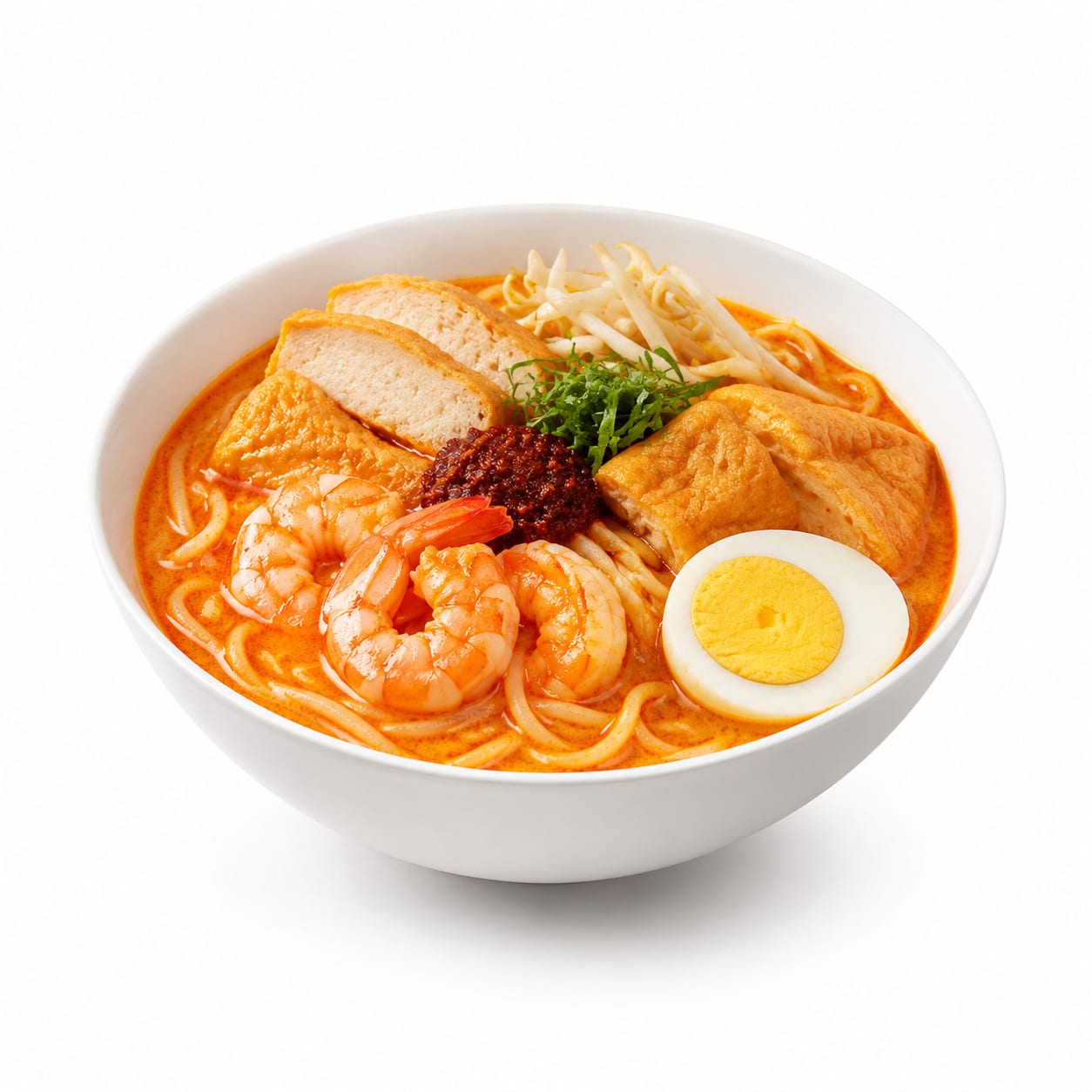
Laksa
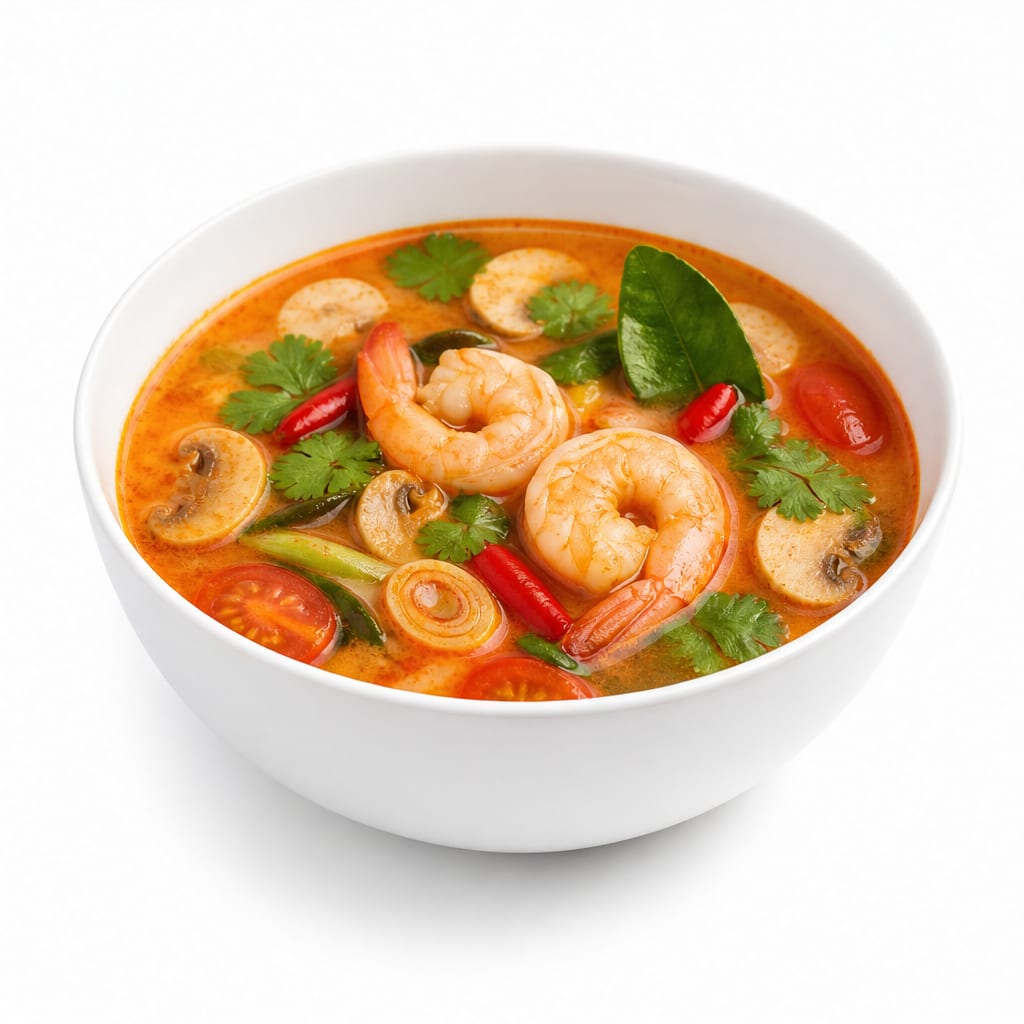
Tom Yum Soup
Tom Yum is the lighter, lower-calorie choice that's easier on daily health goals, while Laksa is the richer, more satisfying meal that fills you up but comes with a heavier nutritional cost.
Tom Yum scores higher overall due to its lower calorie density, lighter saturated fat load, and easier fit into daily healthy eating. Laksa earns points for satiety and meal completeness but loses ground on heart health and weight management suitability.
Creamy satisfaction versus light freshness—Laksa delivers comfort and fullness at the expense of calories and saturated fat, while Tom Yum keeps things lean but may leave you hungry sooner.
At a glance
Executive summary
Overall
It depends
Healthier
Tom Yum Soup
More practical
Laksa
Daily use
Tom Yum Soup
Key comparison lenses
calorie and weight management
Laksa's coconut milk base makes it dramatically more calorie-dense than the clear-broth Tom Yum, making this the most impactful daily decision factor
satiety vs lightness tradeoff
Laksa fills you up as a complete meal while Tom Yum leaves room for other dishes, fundamentally changing how each fits into a meal plan
heart health and saturated fat
Coconut milk in Laksa delivers significant saturated fat, raising legitimate cardiovascular concerns for regular consumption
comfort food vs cleansing eating
These soups represent opposite eating philosophies—rich indulgence versus light invigoration—and people choose them for very different emotional reasons
sodium and hydration impact
Both Southeast Asian soups are sodium-heavy, but the sources and hydration effects differ meaningfully
Best choice for
Laksa
- People needing a filling single-bowl meal
- Those recovering from illness who need calorie-dense nourishment
- Anyone craving rich, comforting flavors on a cold day
- Active individuals who can afford the extra calories
Tom Yum Soup
- Anyone watching their weight or calorie intake
- People managing heart health or cholesterol concerns
- Those who prefer lighter meals that don't cause afternoon sluggishness
- Diners wanting a flavorful starter rather than a heavy main
Least suitable for
Laksa
- People on low-calorie or low-fat diets
- Anyone with lactose intolerance or coconut sensitivity
- Those managing high cholesterol or heart disease risk
- People prone to acid reflux from rich, spicy foods
Tom Yum Soup
- People who need a filling, standalone meal
- Those sensitive to very sour or intensely spicy foods
- Anyone on a low-sodium diet who cannot adjust seasoning
- People seeking creamy, comforting textures
Deep comparison
Dimension by dimension
Each lens scores both foods and breaks down who each option suits.
- Dimension 1 · Priority 92Tom Yum Soup
calorie_density_and_weight_impact
Laksa · 35Tom Yum Soup · 82A typical bowl of Laksa packs 500-800 calories thanks to coconut milk and noodles, while Tom Yum sits around 100-200 calories for a similar serving.
Tradeoff
Laksa replaces an entire meal; Tom Yum is more of a course. Choosing Tom Yum for weight control means you'll likely need additional food to feel satisfied.
Why it matters
If you eat soup regularly, the calorie gap compounds fast. Three Laksa bowls a week versus three Tom Yum bowls could mean a difference of over 1,500 calories weekly.
Real-world impact
Ordering Tom Yum instead of Laksa at lunch could save you a 500-calorie hit—roughly equivalent to skipping a slice of cheesecake.
Laksa
- Days when you need one bowl to fuel you for hours
- Post-hike or post-workout recovery meals
Better for
- Sedentary office lunches that leave you sluggish
- Anyone tracking calories closely
Worse for
Tom Yum Soup
- Weight loss phases where every calorie matters
- Days with multiple eating occasions planned
Better for
- Situations where you need lasting energy for hours
- Athletes in caloric surplus phases
Worse for
- Dimension 2 · Priority 88Laksa
satiety_and_meal_completeness
Laksa · 85Tom Yum Soup · 45Laksa is a complete meal with noodles, protein, and fat that keeps you full for hours. Tom Yum is a light soup that most people pair with rice or other dishes.
Tradeoff
Laksa's filling nature comes from calorie density, not smarter nutrition. Tom Yum's lightness is honest—you simply need to add healthy sides to make it a meal.
Why it matters
A soup that doesn't fill you up leads to snacking later. But a soup that overfills you leads to food comas and regret. Both have real daily consequences.
Real-world impact
After a Laksa lunch, you're likely set until dinner. After Tom Yum alone, you're probably rummaging for snacks by 3 PM.
Laksa
- Busy days with no time for snacking
- Situations where one meal needs to carry you
Better for
- Hot humid days when heavy food feels oppressive
- Anyone prone to post-meal food comas
Worse for
Tom Yum Soup
- Multi-course dinners where pacing matters
- People who prefer grazing over heavy meals
Better for
- Long work shifts without snack access
- Growing teenagers who need sustained energy
Worse for
- Dimension 3 · Priority 85Tom Yum Soup
heart_health_and_fat_profile
Laksa · 38Tom Yum Soup · 72Laksa's coconut milk delivers 15-25 grams of saturated fat per bowl, while Tom Yum's clear broth has minimal fat unless you order the creamy version.
Tradeoff
Coconut saturated fat behaves differently than animal saturated fat, but it still raises LDL cholesterol. Tom Yum avoids this issue entirely in its classic form.
Why it matters
If heart health is on your radar, regular Laksa consumption is a legitimate concern. Occasional indulgence is fine, but weekly habit matters.
Real-world impact
Someone eating Laksa twice weekly could be getting 40-50 grams of saturated fat from soup alone—well above the recommended daily limit of 13 grams.
Laksa
- People on keto or high-fat low-carb diets
- Those with no cardiovascular risk factors who eat it occasionally
Better for
- Regular consumption for heart-conscious eaters
- Anyone already exceeding saturated fat limits from other meals
Worse for
Tom Yum Soup
- Anyone with family history of heart disease
- People managing high cholesterol
Better for
- People who need higher fat intake for satiety or medical reasons
Worse for
- Dimension 4 · Priority 78It depends
digestive_tolerance_and_comfort
Laksa · 55Tom Yum Soup · 60Laksa's richness can trigger reflux and bloating in sensitive people, while Tom Yum's intense sourness and spice can irritate ulcers and sensitive stomachs.
Tradeoff
Neither soup is gentle on digestion. They just attack different vulnerabilities—richness versus acidity.
Why it matters
If you have any digestive sensitivity, both soups are potential triggers. Knowing your personal weak spot determines which is worse for you.
Real-world impact
Acid reflux sufferers may struggle with Tom Yum's lime and chili. Gallbladder issues make Laksa's fat content a problem. Neither is a safe bet for sensitive stomachs.
Laksa
- People sensitive to acidic foods but who tolerate fat well
- Those who find rich foods comforting during illness recovery
Better for
- Anyone with gallbladder issues or fat malabsorption
- People prone to bloating after rich meals
Worse for
Tom Yum Soup
- People who tolerate sour and spicy but struggle with heavy, greasy foods
- Those who feel lighter eating broth-based meals
Better for
- Anyone with gastric ulcers or acid reflux
- People with irritable bowel syndrome sensitive to spice
Worse for
- Dimension 5 · Priority 72Tom Yum Soup
anti_inflammatory_and_immune_benefits
Laksa · 62Tom Yum Soup · 78Both soups feature turmeric, lemongrass, and galangal, but Tom Yum delivers these anti-inflammatory ingredients without the saturated fat that can promote inflammation.
Tradeoff
Laksa has the same healing spices but packages them with pro-inflammatory saturated fat. Tom Yum gives you the benefits with fewer counterproductive additions.
Why it matters
The net anti-inflammatory effect matters more than individual spice content. A soup can't be truly anti-inflammatory if its base promotes inflammation.
Real-world impact
If you're eating Southeast Asian food specifically for anti-inflammatory benefits, Tom Yum gives you a cleaner delivery system for those compounds.
Laksa
- Situations where the extra calories support recovery from illness
- People whose diets are otherwise very low in saturated fat
Better for
- Regular consumption by people with inflammatory conditions
- Those already eating a high-saturated-fat diet
Worse for
Tom Yum Soup
- Anyone managing chronic inflammation or autoimmune conditions
- People seeking the clearest immune-boosting benefit from their meal
Better for
- Situations where the body needs caloric density for healing
Worse for
- Dimension 6 · Priority 70It depends
sodium_load_and_hydration
Laksa · 40Tom Yum Soup · 42Both soups are sodium bombs, typically delivering 1,500-2,500mg per bowl. Neither wins here—it's a matter of which sodium source bothers you less.
Tradeoff
Laksa's sodium comes from paste and broth with some hydration from coconut milk. Tom Yum's sodium comes from fish sauce and broth with more water content.
Why it matters
If you have blood pressure concerns, both soups are problematic. This is not a differentiator but a shared weakness worth acknowledging.
Real-world impact
Either soup can deliver nearly a full day's sodium in one bowl. If you're salt-sensitive, neither should be a regular choice without modification.
Laksa
- People who tolerate sodium well and stay well-hydrated
Better for
- Anyone with hypertension or sodium sensitivity
- People who eat processed foods frequently and already exceed sodium limits
Worse for
Tom Yum Soup
- People who tolerate sodium well and prefer water-rich foods
Better for
- Anyone with hypertension or sodium sensitivity
- People prone to bloating from high-salt meals
Worse for
Timeline
Health impact over time
Short-term
Hours to days
Laksa
- Strong satiety that can prevent between-meal snacking
- Possible post-meal sluggishness from high fat and calorie load
- Potential heartburn or reflux from rich, spicy coconut broth
- Warmth and comfort that can feel emotionally satisfying
Tom Yum Soup
- Light, energized feeling without heaviness after eating
- Possible throat or stomach irritation from intense sourness and spice
- Sweating and perceived metabolic boost from chili heat
- Likely hunger returning within 1-2 hours if eaten alone
Long-term
Months to years
Laksa
- Regular consumption may raise LDL cholesterol due to saturated fat intake
- Higher calorie habit could contribute to gradual weight gain if not offset
- Spice compounds may offer protective anti-inflammatory and antioxidant benefits
- Possible increased cardiovascular risk if eaten multiple times per week
Tom Yum Soup
- Lower calorie habit supports easier weight maintenance over time
- Anti-inflammatory spices may contribute to reduced chronic disease risk
- High sodium intake could contribute to blood pressure elevation if consumed frequently
- Lighter meal pattern may support better energy levels and metabolic health
Risk profile
Safety & processing
Tom Yum is typically made from scratch with fresh herbs, spices, and simple broth. Laksa relies on pre-made laksa paste, which often contains added oils, preservatives, and flavor enhancers. Restaurant versions of both can include MSG, but Laksa's paste base introduces more processed elements by default.
Laksa
Coconut milk spoilage
mediumCoconut milk can spoil quickly at room temperature. Improperly stored or day-old Laksa carries food poisoning risk.
Seafood contamination in shrimp-based versions
mediumShrimp in Laksa can harbor bacteria if not cooked thoroughly or if sourced from contaminated waters.
Paste additive exposure
lowCommercial laksa pastes may contain preservatives like sodium benzoate and artificial flavor enhancers.
Tom Yum Soup
Raw herb and vegetable contamination
mediumFresh herbs like cilantro and lemongrass garnishes can carry bacteria if not washed properly.
Seafood contamination in shrimp versions
mediumTom Yum Goong relies on shrimp, which carries the same seafood contamination risks as Laksa's shrimp.
High acidity and enamel erosion
lowFrequent consumption of highly acidic Tom Yum broth could contribute to tooth enamel wear over time.
Who wins for whom
Audience fit
Same foods, different winners depending on your goal.
children
LaksaLaksa's creamy, milder spice profile and noodle texture appeals more to kids. Tom Yum's intense sourness and heat is often too aggressive for young palates.
daily consumption
Tom Yum SoupTom Yum's lower calorie and saturated fat profile makes it sustainable as a regular meal choice. Laksa is better reserved for occasional enjoyment.
diabetes
Tom Yum SoupTom Yum has minimal carbohydrates and no noodles, avoiding blood sugar spikes. Laksa's rice noodles can raise blood glucose significantly.
elderly
Tom Yum SoupTom Yum's lighter calorie load and softer impact on digestion make it more appropriate for older adults, provided sodium is managed.
muscle gain
LaksaLaksa provides more calories, protein from shrimp and chicken, and carbohydrates from noodles—making it more useful for someone in a building phase who needs fuel.
weight loss
Tom Yum SoupTom Yum's clear broth delivers bold flavor at a fraction of Laksa's calories, making it far easier to fit into a calorie deficit without feeling deprived of taste.
Your move
Decision guide
Choose Laksa
- You need one bowl to serve as a complete, filling meal
- It's a cold or rainy day and you want maximum comfort
- You're physically active and can handle the extra calories
- You're sharing a Southeast Asian feast and this is your indulgent pick
Choose Tom Yum Soup
- You're watching your weight, heart health, or daily calorie intake
- You want bold flavor without the heavy aftermath
- You're having a multi-course meal and want a light soup course
- You eat Southeast Asian food frequently and need a healthier default
Either works if
- You're dining out occasionally and neither will make or break your health
- You want anti-inflammatory benefits from Southeast Asian spices
- You're not sensitive to sodium, spice, or fat
Avoid both if
- You have severe sodium restrictions due to hypertension or kidney disease
- You're experiencing active digestive flare-ups from either fat or acid
- You have shellfish allergies and cannot confirm ingredients
Final recommendation
Make Tom Yum your default Southeast Asian soup for regular meals and save Laksa for when you genuinely want the richer experience. This gives you the best of both worlds—daily health discipline with occasional indulgence that actually feels special.
Practical
Consumer tips
- 1
Ask for Tom Yum Nam Sai (clear broth) instead of Nam Khon (creamy) to keep it even lighter
- 2
Request less coconut milk in Laksa or ask for half-diluted broth to cut calories significantly
- 3
Order Laksa with extra vegetables and less noodles to improve its nutritional profile
- 4
Drink plenty of water after either soup to help manage the sodium load
- 5
Make Tom Yum at home where you can control fish sauce quantity and sodium levels
- 6
If choosing Laksa, consider it your main meal rather than adding sides to avoid calorie stacking
- 7
Ask restaurants to serve chili and spice on the side so you can adjust heat to your tolerance