
Nutrition comparison
Laksa vs Ramen: Which Noodle Soup is Healthier?
Compare Laksa vs Ramen to see which is better for weight loss, protein, and heart health. Discover the nutritional tradeoffs between these popular noodle soups.
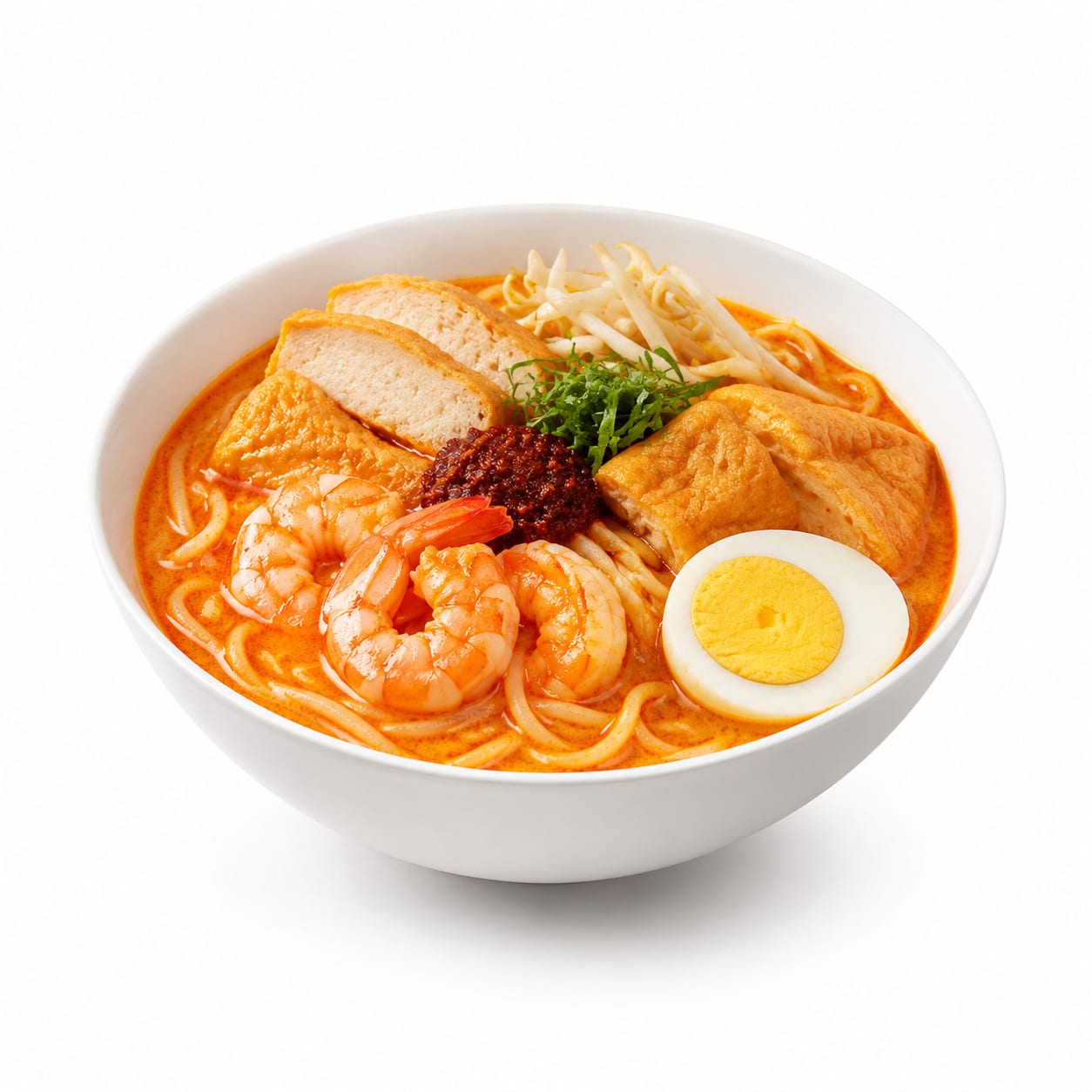
Laksa
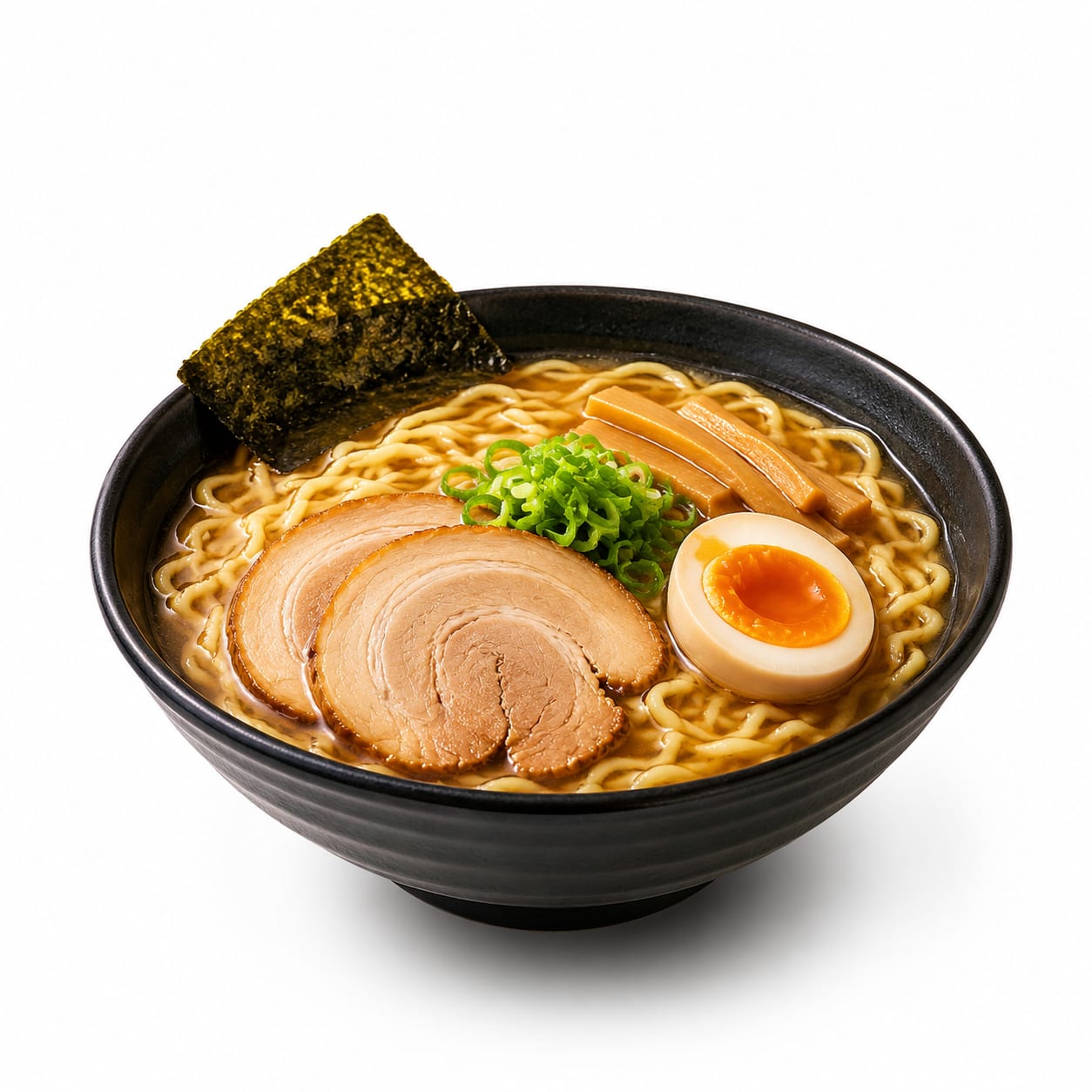
Ramen
Laksa offers more spice and plant-based fat from coconut milk, while Ramen delivers richer animal protein and collagen but with extreme sodium.
Laksa edges out slightly due to fresher herb garnishes and less punishing sodium levels, but both are indulgent, high-calorie bowls where nutritional drawbacks are significant.
Coconut milk's saturated fat in Laksa versus Ramen's massive sodium and cholesterol load.
At a glance
Executive summary
Overall
It depends
Healthier
It depends
More practical
It depends
Daily use
It depends
Key comparison lenses
Sodium and cardiovascular strain
Both Laksa and Ramen are notorious for extreme sodium levels, making blood pressure management the primary health concern.
Saturated fat sources and heart health
Laksa's coconut milk versus Ramen's pork bone broth presents a key tradeoff between plant-based and animal-based saturated fats.
Protein quality and muscle maintenance
Ramen's egg and pork toppings offer superior protein compared to Laksa's shrimp and tofu puffs, impacting satiety and muscle synthesis.
Spice and metabolic effect
Laksa's intense chili heat offers metabolic and digestive benefits that Ramen's milder umami profile lacks.
Best choice for
Laksa
- People wanting Laksa's spicy metabolism boost
- Those avoiding pork or red meat
- Dairy-free eaters looking for creamy Laksa
Ramen
- Athletes needing Ramen's high-quality protein
- People wanting Ramen's collagen-rich bone broth
- Those who prefer Ramen's milder, umami flavors
Least suitable for
Laksa
- People with GERD triggered by Laksa's spice
- Those on a strict low-fat diet
- People managing high cholesterol from coconut milk
Ramen
- People with hypertension sensitive to Ramen's sodium
- Those avoiding pork or shellfish
- People on a low-cholesterol diet
Deep comparison
Dimension by dimension
Each lens scores both foods and breaks down who each option suits.
- Dimension 1 · Priority 95Laksa
Sodium & Blood Pressure
Laksa · 35Ramen · 25Ramen's tare (seasoning base) pushes sodium to extreme levels, often exceeding daily limits in one bowl, while Laksa's spice paste is also salty but typically less punishing.
Tradeoff
You trade slightly lower sodium in Laksa for higher saturated fat from coconut milk.
Why it matters
High sodium causes immediate water retention and raises long-term blood pressure risks.
Real-world impact
Eating Ramen often means waking up parched and bloated the next morning; Laksa is also salty but usually less dehydrating.
Laksa
- Managing blood pressure with Laksa instead of Ramen
- Avoiding severe morning-after bloating
Better for
- People on strict low-sodium diets who still find Laksa too salty
Worse for
Ramen
- Those who order lower-sodium Shio Ramen
Better for
- People with hypertension eating full-sodium Ramen
- Those prone to water retention from Ramen
Worse for
- Dimension 2 · Priority 90It depends
Fat Profile & Heart Health
Laksa · 30Ramen · 35Laksa relies on coconut milk, delivering a heavy dose of plant-based saturated fat, while Ramen features animal fat from pork or chicken, which carries cholesterol but less saturated fat per serving.
Tradeoff
Plant-based saturated fat in Laksa versus animal-based fat and cholesterol in Ramen.
Why it matters
Both fats can impact cardiovascular health, but coconut fat spikes LDL cholesterol more predictably.
Real-world impact
Laksa feels heavier and richer in a creamy way, while Ramen feels heavier in a greasy, coating way.
Laksa
- Dairy-free diets using Laksa
- Vegan versions of Laksa
Better for
- People managing high cholesterol from Laksa's coconut milk
- Low-fat diets
Worse for
Ramen
- Lower saturated fat diets choosing lean Ramen
- Keto-style eating with Ramen
Better for
- Those avoiding pork in Ramen
- People with gout from Ramen's purine-rich bone broth
Worse for
- Dimension 3 · Priority 85Ramen
Protein Quality & Satiety
Laksa · 55Ramen · 80Ramen's chashu pork and soft-boiled egg provide complete, high-quality protein with all essential amino acids, whereas Laksa relies more on shrimp and tofu puffs.
Tradeoff
You get superior muscle-building protein in Ramen, but with more cholesterol and animal fat.
Why it matters
High-quality protein keeps you full longer and supports muscle maintenance.
Real-world impact
Ramen feels more like a full meal that sustains you for hours, while Laksa's carb-heavy profile might leave you hungry again sooner.
Laksa
- Pescatarians eating Laksa
- Those avoiding red meat in Laksa
Better for
- Bodybuilders needing more protein than Laksa offers
- People wanting long-lasting fullness from Ramen
Worse for
Ramen
- Athletes and lifters eating Ramen
- Teens needing Ramen's protein for growth
Better for
- Vegetarians avoiding Ramen
- People avoiding pork in Ramen
Worse for
- Dimension 4 · Priority 75Laksa
Micronutrients & Freshness
Laksa · 70Ramen · 45Laksa is loaded with fresh herbs, bean sprouts, and lime juice, offering vitamin C and antioxidants, while Ramen toppings are mostly preserved or cooked.
Tradeoff
Laksa gives you fresh vegetable micronutrients, while Ramen offers more mineral-rich bone broth.
Why it matters
Fresh herbs and vegetables reduce inflammation and aid digestion.
Real-world impact
Laksa feels lighter and more vibrant despite the heavy broth, while Ramen feels deeply comforting but less refreshing.
Laksa
- Boosting immunity with Laksa's vitamin C
- Getting fresh vegetables in Laksa
Better for
- Those who dislike Laksa's fresh herbs or sprouts
Worse for
Ramen
- Getting minerals like calcium from Ramen's bone broth
Better for
- People needing vitamin C missing from Ramen
- Those wanting a fresh, light meal instead of Ramen
Worse for
- Dimension 5 · Priority 70Laksa
Spice & Digestion
Laksa · 85Ramen · 40Laksa's chili and spice paste can boost metabolism and clear sinuses, whereas Ramen is typically milder and relies on umami rather than heat.
Tradeoff
Metabolism-boosting heat in Laksa versus gentle, stomach-soothing warmth in Ramen.
Why it matters
Capsaicin from chilies can slightly increase calorie burn and reduce appetite.
Real-world impact
Laksa makes you sweat and can curb overeating, while Ramen is easy to eat a massive bowl of without realizing it.
Laksa
- Clearing congestion with Laksa
- Slight metabolic boost from Laksa
- Naturally limiting portion size with Laksa's heat
Better for
- People with IBS or GERD triggered by Laksa
- Those who cannot tolerate Laksa's heat
Worse for
Ramen
- Sensitive stomachs preferring Ramen
- People with acid reflux or GERD avoiding Laksa
- Children who dislike Laksa's spice
Better for
- People wanting a metabolism boost missing in Ramen
- Those who find Ramen's mild flavor boring
Worse for
Timeline
Health impact over time
Short-term
Hours to days
Laksa
- Sweating and sinus clearing from Laksa's spice
- Heavy fullness from Laksa's coconut milk
- Mild stomach warming from Laksa
Ramen
- Extreme thirst from Ramen's sodium
- Deep comfort and satisfaction from Ramen
- Bloating and water retention from Ramen
Long-term
Months to years
Laksa
- Potential LDL cholesterol increase from frequent Laksa consumption
- Better metabolic signaling from Laksa's spices
Ramen
- Increased hypertension risk from chronic Ramen consumption
- Higher cardiovascular risk from frequent Ramen pork fat
Risk profile
Safety & processing
Both rely on processed components—Laksa on spice pastes and Ramen on tare and alkaline noodles—but homemade versions of either can be much more natural.
Laksa
Seafood spoilage
mediumShrimp and seafood in Laksa can spoil quickly if not kept at proper temperatures, leading to food poisoning.
Coconut milk rancidity
lowCoconut milk can separate or spoil if left out, though it is usually cooked thoroughly in Laksa preparation.
Ramen
Sodium overload strain
highA single bowl of Ramen can exceed 2000mg of sodium, posing acute risks for those with heart conditions.
Pork undercooking
lowChashu in Ramen is usually slow-cooked for hours, but improper handling can pose parasite or bacterial risks.
Who wins for whom
Audience fit
Same foods, different winners depending on your goal.
children
RamenRamen's milder, non-spicy broths are much more kid-friendly than Laksa's intense heat.
daily consumption
It dependsNeither Laksa nor Ramen should be eaten daily due to high sodium and fat, but a lighter, noodle-heavy version of either could be modified for regular use.
diabetes
It dependsBoth Laksa and Ramen are carbohydrate-heavy from noodles and risky for blood sugar; neither is a good choice without significant modifications.
elderly
RamenRamen is softer and easier to chew, though the sodium is a serious concern; Laksa's spice can aggravate older digestive systems.
muscle gain
RamenRamen's chashu pork and egg offer far more complete, high-quality protein for muscle repair than Laksa.
weight loss
LaksaLaksa's spice can slightly boost metabolism and naturally limit overeating compared to Ramen's easy-to-slurp sodium bomb.
Your move
Decision guide
Choose Laksa
- You want Laksa's spicy, metabolism-boosting meal
- You prefer Laksa's seafood and plant-based fats over Ramen's pork
- You crave Laksa's fresh herbs and tangier flavor
Choose Ramen
- You need Ramen's high-quality protein after a workout
- You want Ramen's deep, comforting umami without the heat
- You are eating with kids who prefer Ramen
Either works if
- You are craving a rich, satisfying noodle soup like Laksa or Ramen
- You want an indulgent comfort meal on a cold day
Avoid both if
- You are on a strict low-sodium or low-carb diet incompatible with Laksa or Ramen
- You have severe hypertension or heart disease
- You are trying to lose significant weight
Final recommendation
Choose Laksa for a spicy, fresher experience with seafood and coconut, or Ramen for a protein-packed, deeply savory comfort meal. Both are indulgent, so enjoy them as occasional treats rather than daily staples.
Practical
Consumer tips
- 1
Ask for Laksa with less coconut milk to cut saturated fat.
- 2
Order Ramen with less broth to reduce sodium intake significantly.
- 3
Add extra vegetables or bean sprouts to Laksa or Ramen to increase fiber and fullness.
- 4
Drink plenty of water after eating Laksa or Ramen to combat sodium-induced dehydration.
- 5
Share a bowl of Laksa or Ramen or take half home to manage the massive portion sizes.