
Nutrition comparison
Laksa vs Curry Noodle Soup: Which Is Healthier and What Are the Real Tradeoffs?
Compare Laksa and Curry Noodle Soup on calories, sodium, fat, allergens, and everyday practicality. Find out which noodle soup fits your health goals and how often you should really eat each one.
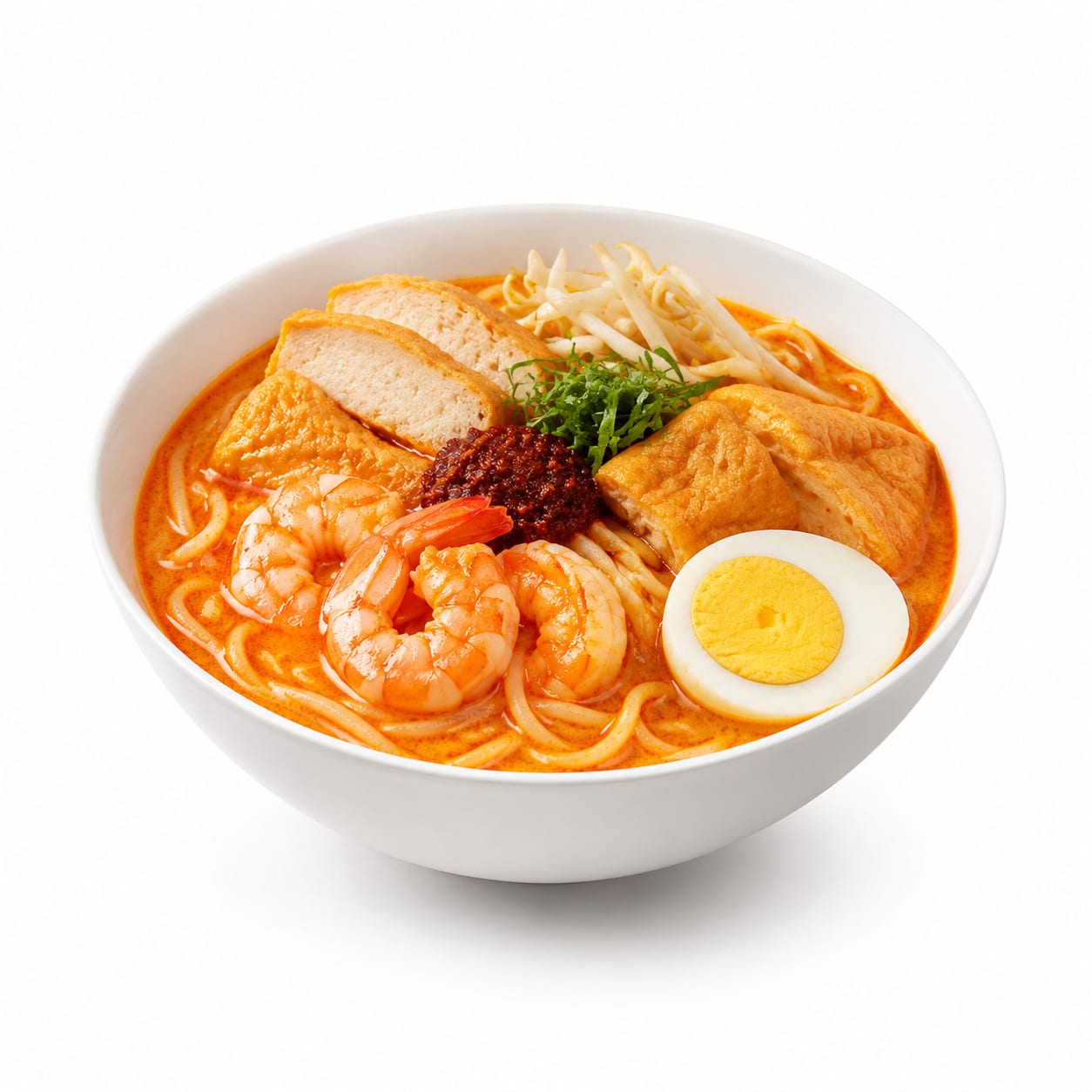
Laksa
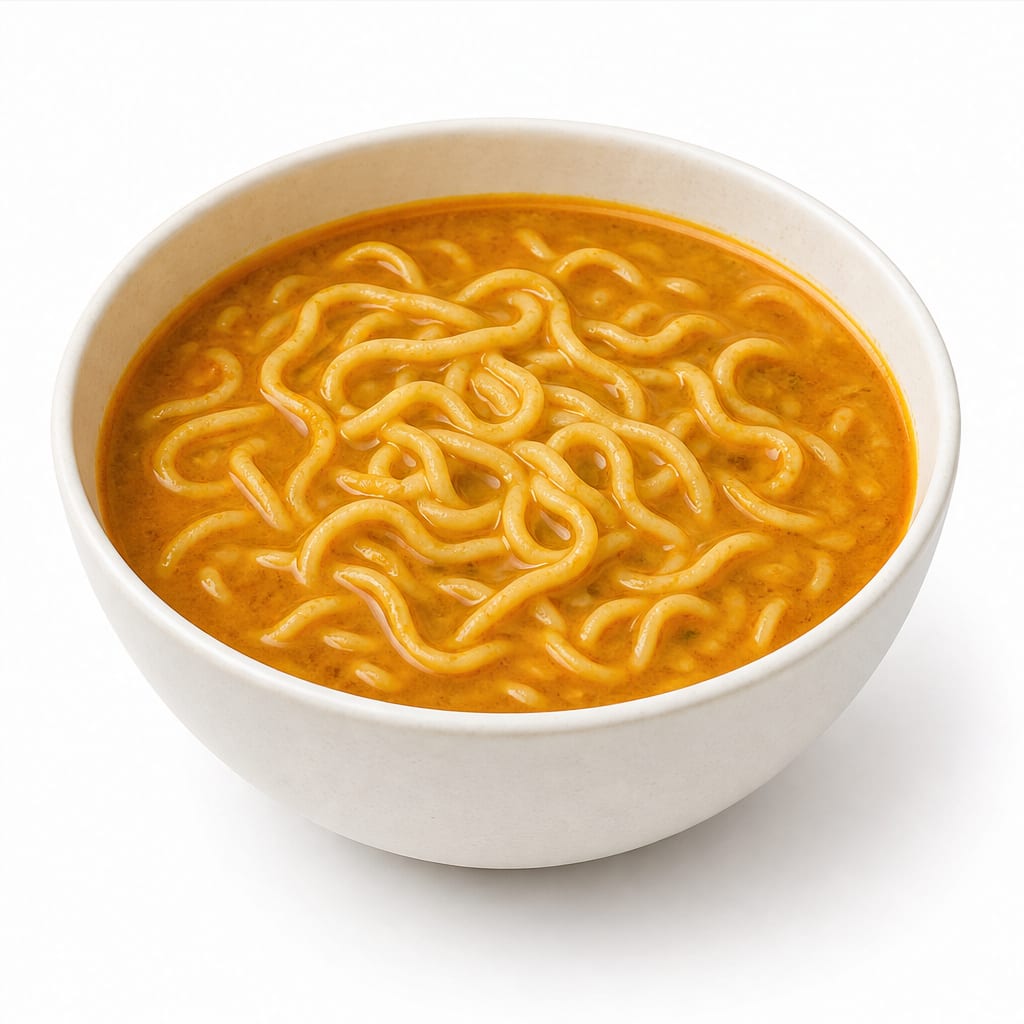
Curry Noodle Soup
Curry Noodle Soup is generally lighter and more flexible for regular eating, while Laksa delivers a more indulgent, flavor-packed experience that's best enjoyed occasionally.
Curry Noodle Soup scores higher mainly due to lighter calorie density and greater recipe flexibility. Laksa scores lower because its richness makes it harder to incorporate into a balanced diet regularly. Both lose points for high sodium.
Laksa offers deeper satisfaction and richer flavor but comes with significantly more calories, fat, and sodium. Curry Noodle Soup is easier to fit into a balanced weekly routine but may feel less special.
At a glance
Executive summary
Overall
It depends
Healthier
Curry Noodle Soup
More practical
Curry Noodle Soup
Daily use
Curry Noodle Soup
Key comparison lenses
calorie and fat comparison
Both dishes rely heavily on coconut milk, but Laksa tends to be significantly richer and more calorie-dense
sodium load assessment
Both are broth-based Asian soups with high sodium from paste, stock, and seasonings
digestive comfort
Rich coconut curries can cause heaviness or reflux, especially in large portions
allergen safety
Laksa commonly contains shrimp paste and shellfish, making it riskier for allergies
everyday versus occasional eating
Users often wonder which of these comforting noodle soups can be eaten more regularly without health consequences
Best choice for
Laksa
- Comfort-seeking meals when you want maximum flavor impact
- Cold or rainy days when you crave something rich and warming
- Special occasion dining or weekend treats
- Those who find lighter soups unsatisfying and need richness to feel full
Curry Noodle Soup
- Weekday lunches where you want warmth without heaviness
- People managing calorie intake who still want bold flavors
- Those who prefer customizable bowls with more vegetable options
- Anyone eating Asian noodle soups multiple times per week
Least suitable for
Laksa
- People watching their weight or tracking calories closely
- Those with shellfish allergies or sensitivities
- Anyone managing high blood pressure or sodium-restricted diets
- People prone to acid reflux after rich meals
Curry Noodle Soup
- Those seeking the most authentic or intense Southeast Asian flavor experience
- Diners who find lighter broths unsatisfying
- Occasions where indulgence and richness are the whole point
Deep comparison
Dimension by dimension
Each lens scores both foods and breaks down who each option suits.
- Dimension 1 · Priority 93Curry Noodle Soup
calorie_density_and_satiety
Laksa · 35Curry Noodle Soup · 58Laksa can easily exceed 600-800 calories per bowl due to thick coconut gravy, while Curry Noodle Soup often lands between 350-550 calories with a lighter broth.
Tradeoff
Laksa keeps you fuller for longer because of its fat content, but that same richness makes portion control difficult and frequent consumption risky for weight management.
Why it matters
A bowl of Laksa can represent half your daily calorie needs, whereas Curry Noodle Soup leaves room for other meals without feeling deprived.
Real-world impact
After Laksa, you may feel sluggish and skip being active. After Curry Noodle Soup, you're more likely to still have energy for an afternoon walk or evening workout.
Laksa
- Long lasting fullness from high fat content
- Less likely to feel hungry again within two hours
Better for
- Easy to overconsume calories without realizing
- Heavy feeling that can kill afternoon productivity
Worse for
Curry Noodle Soup
- Easier to stay within daily calorie targets
- Less post-meal food coma
- More room in your budget for a side salad or fruit
Better for
- May feel less satisfying if you're used to richer meals
- Could trigger snacking sooner after eating
Worse for
- Dimension 2 · Priority 88It depends
sodium_and_blood_pressure_impact
Laksa · 28Curry Noodle Soup · 38Both dishes are sodium landmines, but Laksa's concentrated paste and shrimp paste push it slightly higher. Curry Noodle Soup can vary more based on preparation.
Tradeoff
Neither is a good choice for sodium-sensitive individuals. The difference is marginal enough that preparation matters more than the dish itself.
Why it matters
A single bowl of either can deliver 1500-2500mg of sodium, which is most or all of your daily recommended limit.
Real-world impact
After either soup, you might notice bloating, thirst, and water retention the next day. This is especially noticeable if you eat them regularly.
Laksa
- More consistent recipe means you know what you're getting
Better for
- Shrimp paste adds concentrated sodium on top of already salty broth
- Harder to modify traditional recipes to reduce sodium
Worse for
Curry Noodle Soup
- More recipe variation means some versions are significantly lower in sodium
- Easier to request low-sodium preparation at restaurants
Better for
- Inconsistent sodium levels make it harder to track intake
- Some restaurant versions are just as salty as Laksa
Worse for
- Dimension 3 · Priority 82Curry Noodle Soup
fat_quality_and_heart_health
Laksa · 32Curry Noodle Soup · 52Laksa uses significantly more coconut milk, delivering high saturated fat. Curry Noodle Soup often uses less coconut milk or substitutes with lighter broths.
Tradeoff
Coconut milk provides richness and MCTs, but the saturated fat load in Laksa is concerning for regular consumption. Curry Noodle Soup offers more room for heart-friendly preparation.
Why it matters
Regular high saturated fat intake from coconut milk can raise LDL cholesterol over time, even though the full picture around coconut fat remains debated.
Real-world impact
Eating Laksa multiple times weekly could contribute to rising cholesterol numbers at your next checkup. Curry Noodle Soup a few times a week is less likely to move the needle.
Laksa
- Coconut MCTs may offer modest metabolic benefits
- Fat slows digestion and stabilizes blood sugar after the meal
Better for
- High saturated fat content is a concern for heart health with frequent consumption
- Can contribute to elevated cholesterol over time
Worse for
Curry Noodle Soup
- Lower saturated fat per serving
- More flexibility to use leaner broth bases
- Easier on the cardiovascular system with regular consumption
Better for
- Some versions still rely heavily on coconut milk
- Lighter versions may feel thin and less satisfying
Worse for
- Dimension 4 · Priority 78Curry Noodle Soup
allergen_and_safety_profile
Laksa · 30Curry Noodle Soup · 55Laksa almost always contains shrimp paste and often includes shellfish, making it risky for allergies. Curry Noodle Soup has more variation and can often be made without common allergens.
Tradeoff
Laksa's signature flavor depends on shrimp paste, which is non-negotiable in authentic versions. Curry Noodle Soup can be adapted more easily for dietary restrictions.
Why it matters
Shellfish allergies can be severe and life-threatening. Even trace shrimp paste can trigger reactions in sensitive individuals.
Real-world impact
If you have a shellfish allergy, Laksa is essentially off-limits. Curry Noodle Soup can usually be ordered or made safely with simple modifications.
Laksa
- Predictable allergen profile means you know what to avoid
Better for
- Shrimp paste is a hidden allergen that many people don't expect
- Cross-contamination risk is high in restaurants that prepare Laksa
- Nearly impossible to find authentic versions without shellfish
Worse for
Curry Noodle Soup
- Fewer mandatory allergens in the base recipe
- Easier to find or prepare allergy-friendly versions
- More options for vegetarian and vegan adaptations
Better for
- Allergen content varies wildly by recipe and restaurant
- Some versions contain peanuts, soy, or shellfish depending on style
Worse for
- Dimension 5 · Priority 75Laksa
flavor_satisfaction_and_craving_control
Laksa · 88Curry Noodle Soup · 65Laksa delivers an intense, layered flavor experience that deeply satisfies cravings. Curry Noodle Soup is flavorful but generally more subdued and less memorable.
Tradeoff
That incredible flavor comes at a nutritional cost. Laksa is the kind of dish you crave specifically because of its richness, which makes moderation harder.
Why it matters
Food satisfaction matters for long-term dietary adherence. A meal that truly satisfies prevents mindless snacking later.
Real-world impact
Laksa tends to fully satisfy a craving in one bowl. Curry Noodle Soup might leave you thinking about food again an hour later.
Laksa
- Complex flavor profile is deeply satisfying
- Less likely to trigger cravings for other foods afterward
- Feels like a complete, indulgent experience
Better for
- The richness can trigger cravings for more heavy foods
- Hard to stop at one bowl when the flavor is so rewarding
Worse for
Curry Noodle Soup
- Lighter flavor is more appropriate for frequent consumption
- Less likely to trigger cravings for rich foods if you're trying to eat lighter overall
Better for
- May not fully satisfy when you're craving something rich
- Could lead to compensatory snacking
Worse for
- Dimension 6 · Priority 70Curry Noodle Soup
nutritional_balance_and_ingredients
Laksa · 38Curry Noodle Soup · 55Curry Noodle Soup typically includes more vegetables and offers better protein-to-calorie ratios. Laksa's nutritional profile is dominated by fat from coconut milk.
Tradeoff
Laksa provides some protein from shrimp or chicken, but the calorie-to-nutrient ratio is poor. Curry Noodle Soup can be built with more vegetables and leaner proteins.
Why it matters
Getting adequate protein and fiber from meals helps with satiety, muscle maintenance, and blood sugar control beyond just the immediate meal.
Real-world impact
A Curry Noodle Soup with added vegetables and tofu or chicken gives you a more balanced plate. Laksa is mostly noodles in rich gravy with less room for nutritional upgrades.
Laksa
- Shrimp provides some iodine and selenium
- Spices like turmeric and galangal offer anti-inflammatory compounds
Better for
- Vegetables are often minimal compared to broth and noodles
- High calorie count relative to actual nutrients delivered
Worse for
Curry Noodle Soup
- More vegetable content in typical preparations
- Better protein-to-calorie ratio possible
- Easier to add nutrient-dense ingredients without disrupting the dish
Better for
- Nutritional quality varies enormously by preparation
- Some versions are mostly noodles with minimal protein or vegetables
Worse for
Timeline
Health impact over time
Short-term
Hours to days
Laksa
- Post-meal heaviness and potential sluggishness from high fat content
- Noticeable bloating and water retention from sodium
- Possible acid reflux or heartburn due to richness and spice
- Strong thirst for several hours after eating
Curry Noodle Soup
- Mild fullness without excessive heaviness in lighter versions
- Moderate bloating depending on sodium content
- Less likely to cause reflux than Laksa but still possible with spicy versions
- Thirst and mild water retention from sodium
Long-term
Months to years
Laksa
- Weight gain risk if consumed more than once per week due to calorie density
- Potential LDL cholesterol increase from regular high saturated fat intake
- Blood pressure concerns from frequent high sodium consumption
- Possible development of cravings for rich, high-fat foods
Curry Noodle Soup
- More sustainable for weekly consumption without significant weight impact
- Lower cardiovascular risk with moderate consumption
- Still poses blood pressure concerns if sodium is not managed
- Easier to maintain as part of a varied diet without developing rigid cravings
Risk profile
Safety & processing
Both dishes rely on pre-made pastes that can contain preservatives, flavor enhancers, and added sodium. Restaurant versions of both often include MSG and commercial soup bases. Homemade versions of either can be much cleaner, but Curry Noodle Soup is slightly easier to prepare from scratch with whole ingredients.
Laksa
Shellfish cross-contamination
highShrimp paste is integral to Laksa, making it dangerous for anyone with shellfish allergies. Even small amounts can trigger severe reactions.
Coconut milk spoilage
mediumCoconut milk-based broths spoil faster at room temperature than clear broths, increasing foodborne illness risk if not handled properly.
Histamine content
lowFermented shrimp paste can be high in histamine, which may trigger reactions in histamine-sensitive individuals.
Curry Noodle Soup
Variable allergen exposure
mediumIngredients vary widely by recipe. Peanuts, soy, shellfish, and dairy can appear depending on the style, making it harder to predict allergens.
MSG sensitivity
lowRestaurant versions commonly use MSG, which can cause headaches or flushing in sensitive individuals, though this is generally not dangerous.
Undercooked proteins
lowIf chicken or shrimp is added to hot broth without sufficient cooking time, there is a minor risk of foodborne illness.
Who wins for whom
Audience fit
Same foods, different winners depending on your goal.
children
Curry Noodle SoupCurry Noodle Soup can be made milder and with fewer allergens, making it more appropriate for kids. Laksa's shrimp paste and intense spice are harder to adapt for young palates.
daily consumption
Curry Noodle SoupCurry Noodle Soup is more sustainable as a regular meal due to lighter calorie and fat content. Laksa should be limited to once per week at most.
diabetes
Curry Noodle SoupLaksa's higher fat content slows sugar absorption, but the overall carbohydrate and calorie load is heavier. Curry Noodle Soup with more vegetables and less coconut milk creates a gentler blood sugar response overall.
elderly
Curry Noodle SoupLower calorie density and easier digestibility make Curry Noodle Soup more suitable for older adults. Laksa's richness can be harder on aging digestive systems and cardiovascular health.
muscle gain
It dependsNeither is ideal for muscle gain. Laksa provides slightly more calories which helps with bulking, but Curry Noodle Soup offers better protein-to-calorie ratios if portioned correctly.
weight loss
Curry Noodle SoupCurry Noodle Soup typically delivers 200-300 fewer calories per bowl, making it easier to fit into a calorie deficit while still feeling like a real meal.
Your move
Decision guide
Choose Laksa
- You're celebrating or treating yourself and want maximum flavor impact
- It's a cold, miserable day and nothing but the richest soup will do
- You have no shellfish allergies and your cholesterol is in a healthy range
- You eat this type of food rarely and want the most memorable option
Choose Curry Noodle Soup
- You want a warming noodle soup more than once per week
- You're managing your weight, blood pressure, or cholesterol
- You have shellfish allergies or cook for someone who does
- You prefer a lighter meal that won't kill your afternoon energy
- You want something you can easily customize with extra vegetables or lean protein
Either works if
- You're at a hawker center and both look good — just pick what you're craving
- Neither is a regular part of your diet, so the occasional indulgence is fine either way
- You're sharing with someone and can split both
Avoid both if
- You're on a strict low-sodium diet — both are sodium bombs
- You have severe digestive issues triggered by spicy or rich foods
- You're tracking macros closely and need precise control over ingredients
Final recommendation
Make Curry Noodle Soup your regular go-to and save Laksa for when you truly want to indulge. If you love Laksa, enjoy it once a week at most and balance the rest of your day with lighter, lower-sodium meals. For either dish, ask for less noodle and more vegetables to improve the nutritional profile without sacrificing the experience.
Practical
Consumer tips
- 1
Ask for half the noodles and double the vegetables in either soup to instantly improve the nutritional balance
- 2
Drink plenty of water after eating either dish to help flush excess sodium
- 3
If making at home, use low-sodium broth and reduce the paste by half — you'll barely notice the flavor difference
- 4
For Laksa, try using light coconut milk instead of full-fat to cut calories and saturated fat significantly
- 5
Order either soup with extra protein like tofu or chicken to improve satiety without adding much fat
- 6
Avoid drinking the entire broth — most of the sodium and fat lives in the liquid
- 7
If you have high blood pressure, limit either dish to once per week and avoid other high-sodium foods that day
- 8
Check if the restaurant offers a smaller portion — many Asian eateries serve enormous bowls that are meant to be shared