
Nutrition comparison
Laksa vs Mee Goreng: Which Southeast Asian Noodle Dish Is Healthier?
Compare Laksa and Mee Goreng nutrition including calories, fat, sodium, and blood sugar impact. Find out which hawker favorite better fits your health goals.
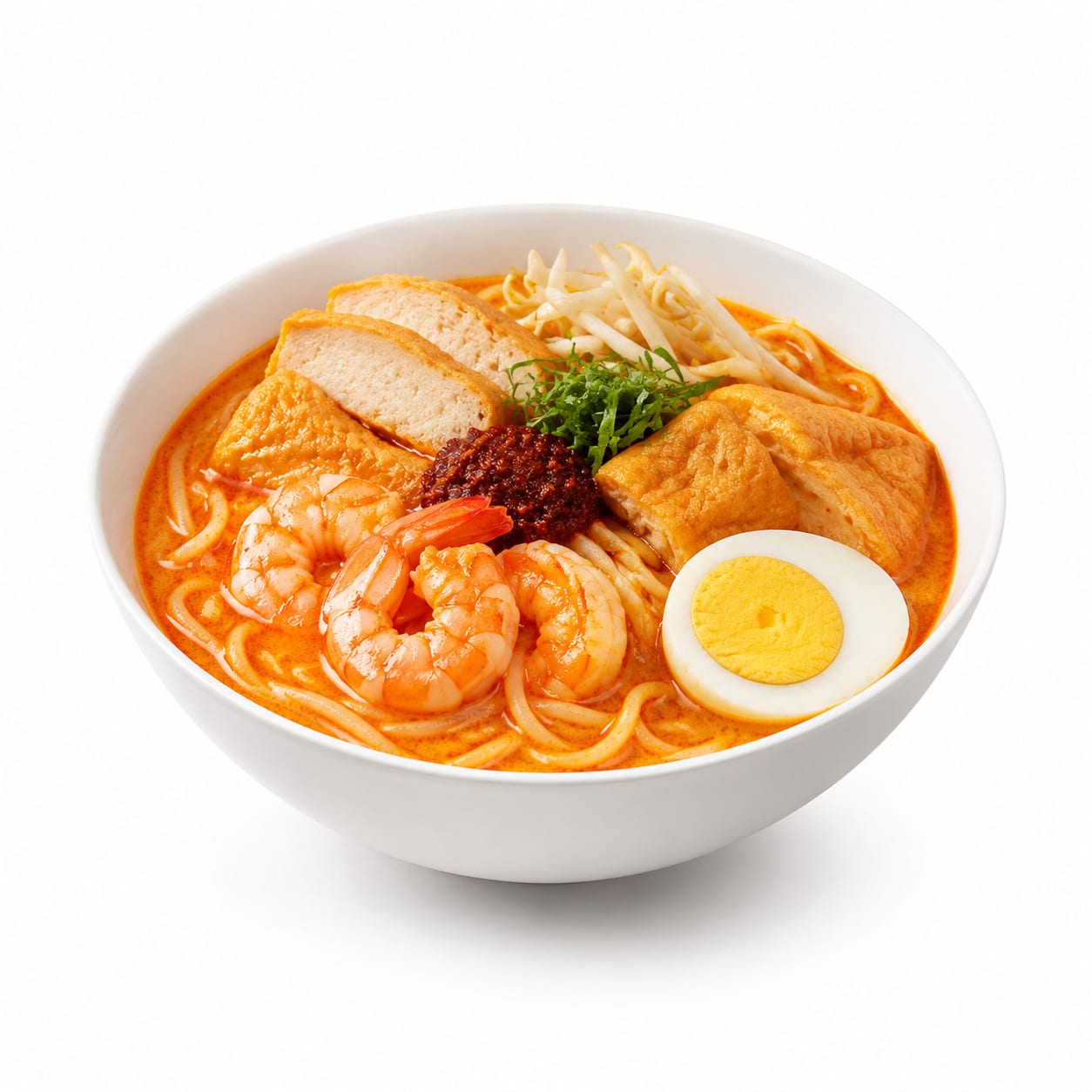
Laksa
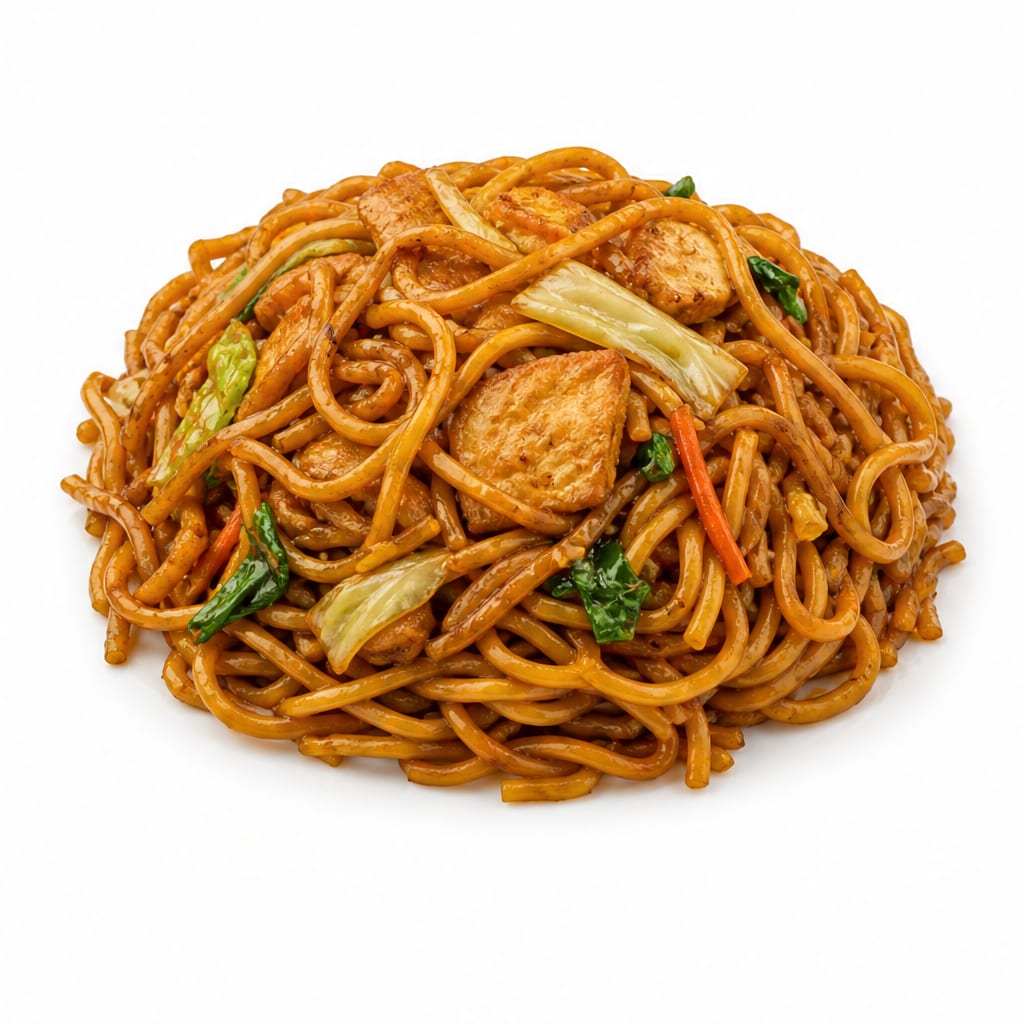
Mee Goreng
Laksa wins on satiety and anti-inflammatory spices but loses badly on saturated fat. Mee Goreng wins on portion control potential but loses on sugar and blood sugar spikes.
Both are indulgent hawker dishes not designed for daily health optimization. Mee Goreng scores slightly higher due to lower saturated fat and more flexible portion control, but the margin is thin because its sugar content and glycemic impact are significant downsides.
Coconut cream richness and fullness versus lighter but sweeter stir-fried carbs
At a glance
Executive summary
Overall
It depends
Healthier
It depends
More practical
Mee Goreng
Daily use
Mee Goreng
Key comparison lenses
Calorie and fat comparison between coconut broth and stir-fried noodles
Laksa's coconut milk base creates a dramatically different fat profile compared to Mee Goreng's oil-based stir-fry, making this the most impactful nutritional difference
Sodium load from broth versus sauce
Both dishes are notoriously high in sodium but from different sources, affecting blood pressure risk and hydration differently
Blood sugar impact of rice noodles versus wheat noodles with sweet soy
Mee Goreng's kecap manis and wheat noodles create a sharper glycemic spike, while Laksa's fat content slows sugar absorption
Satiety and meal satisfaction differences
Soup-based Laksa often feels more filling per calorie, while Mee Goreng's dry format can lead to faster second-helping temptation
Practical hawker dining tradeoffs
Both are quintessential Southeast Asian street foods, so real-world eating frequency and portion control matter enormously
Best choice for
Laksa
- People wanting a filling single meal that prevents snacking for hours
- Those who benefit from anti-inflammatory spices like turmeric and galangal
- Anyone craving comfort food on a cold or rainy day
- People who eat slowly and stop when full
Mee Goreng
- People who prefer dry noodles over soup
- Those watching saturated fat intake closely
- Anyone needing a quicker eat-on-the-go option
- People who can control portions with shared dishes
Least suitable for
Laksa
- People with high cholesterol or heart disease risk
- Anyone on a calorie-restricted diet
- Those with coconut allergies
- People sensitive to high sodium intake
Mee Goreng
- People managing diabetes or insulin resistance
- Those avoiding refined wheat and added sugars
- Anyone prone to afternoon energy crashes after carb-heavy meals
- People who find dry noodles unsatisfying and overeat
Deep comparison
Dimension by dimension
Each lens scores both foods and breaks down who each option suits.
- Dimension 1 · Priority 95Mee Goreng
Saturated Fat and Heart Health
Laksa · 25Mee Goreng · 55Laksa's coconut milk delivers a massive saturated fat hit that dwarfs Mee Goreng's stir-fry oil.
Tradeoff
Laksa's fat slows sugar absorption but raises cardiovascular risk with frequent consumption
Why it matters
A single bowl of Laksa can contain 20-30g of saturated fat, approaching or exceeding a full day's recommended limit
Real-world impact
Regular Laksa eaters may see elevated LDL cholesterol within months, while Mee Goreng's fat load is more manageable
Laksa
- Slower digestion from high fat content prevents sugar spikes
- Coconut fat provides medium-chain triglycerides with some metabolic benefits
Better for
- Can exceed daily saturated fat limit in one bowl
- Regular consumption raises cardiovascular disease risk meaningfully
Worse for
Mee Goreng
- Significantly less saturated fat per serving
- Stir-fry oil can be adjusted more easily at home
Better for
- Oil absorption in stir-fried noodles can still be substantial
- Hawker versions often use more oil than home cooking
Worse for
- Dimension 2 · Priority 88Laksa
Blood Sugar Stability
Laksa · 50Mee Goreng · 35Laksa's fat and protein buffer the glycemic impact of rice noodles better than Mee Goreng's sweet sauce on wheat noodles.
Tradeoff
Laksa causes a slower blood sugar rise but heavier digestive load; Mee Goreng causes a sharper spike but feels lighter initially
Why it matters
The kecap manis in Mee Goreng adds significant sugar on top of refined wheat noodles, creating a double glycemic hit
Real-world impact
Mee Goreng eaters often feel an energy crash 90 minutes later, while Laksa eaters feel heavy but stable
Laksa
- Coconut fat slows gastric emptying and glucose absorption
- Rice noodles have slightly lower glycemic index than wheat noodles
- Protein from shrimp and tofu further stabilizes blood sugar
Better for
- Large portions still deliver substantial carbs overall
- Post-meal sluggishness can feel like a sugar crash even when blood sugar is stable
Worse for
Mee Goreng
- Less total carbohydrate per typical serving
- Easier to eat a smaller portion if self-disciplined
Better for
- Kecap manis adds concentrated sugar on top of refined carbs
- Wheat noodles digest faster than rice noodles
- Sharp blood sugar spike followed by crash is common
Worse for
- Dimension 3 · Priority 85Mee Goreng
Sodium and Hydration
Laksa · 30Mee Goreng · 40Both are sodium bombs, but Laksa's broth pushes salt intake even higher than Mee Goreng's sauce coating.
Tradeoff
Laksa's liquid format adds hydration but also more dissolved sodium; Mee Goreng has less sodium but offers no hydration benefit
Why it matters
A full bowl of Laksa broth can contain 2000-3000mg of sodium, exceeding daily limits before finishing the meal
Real-world impact
Laksa eaters often feel bloated and thirsty afterward; Mee Goreng eaters may not realize how much sodium they consumed until later
Laksa
- Broth provides hydration that dry noodles cannot
- You can reduce sodium by drinking less broth
Better for
- Broth is a stealth sodium delivery system
- Sipping soup adds hundreds of milligrams of sodium beyond what the noodles contain
Worse for
Mee Goreng
- Slightly lower total sodium per typical serving
- No hidden sodium in broth you might sip unconsciously
Better for
- Still far exceeds healthy sodium limits
- Dry format means you may eat faster and consume more before feeling full
Worse for
- Dimension 4 · Priority 80Laksa
Satiety and Fullness
Laksa · 75Mee Goreng · 50Laksa's combination of liquid volume, fat, and protein makes it substantially more filling per serving.
Tradeoff
Laksa keeps you full longer but may leave you feeling uncomfortably heavy; Mee Goreng digests faster but hunger returns sooner
Why it matters
A meal that prevents snacking for 4-5 hours has real metabolic value even if it is calorie-dense
Real-world impact
Laksa at lunch often prevents the 3pm snack attack; Mee Goreng at lunch often requires a tea-time top-up
Laksa
- Soup volume stretches the stomach and triggers fullness signals
- High fat and protein content delays gastric emptying
- One bowl typically satisfies for 4-5 hours
Better for
- Can feel uncomfortably heavy in hot weather
- Post-meal drowsiness is common due to digestive load
Worse for
Mee Goreng
- Lighter feeling immediately after eating
- Less likely to cause food coma in the short term
Better for
- Hunger returns within 2-3 hours for many people
- Dry noodles are easier to overeat before fullness registers
Worse for
- Dimension 5 · Priority 70Laksa
Anti-Inflammatory Potential
Laksa · 60Mee Goreng · 35Laksa's spice paste delivers genuine anti-inflammatory compounds that Mee Goreng's sweeter flavor profile lacks.
Tradeoff
Laksa's turmeric and galangal provide real benefits, but the saturated fat partially counteracts them; Mee Goreng has fewer anti-inflammatory spices and more sugar
Why it matters
Chronic inflammation drives most lifestyle diseases, and small dietary anti-inflammatory inputs compound over years
Real-world impact
Regular Laksa eaters get a meaningful dose of curcumin and other protective compounds, though not enough to offset daily consumption risks
Laksa
- Turmeric provides well-studied curcumin with anti-inflammatory effects
- Galangal and lemongrass have documented antioxidant properties
- Chili compounds may boost metabolism modestly
Better for
- High saturated fat intake is itself pro-inflammatory
- Net anti-inflammatory effect is debatable given the fat load
Worse for
Mee Goreng
- Less saturated fat means less pro-inflammatory fat intake
- Tomato content provides some lycopene
Better for
- Added sugar from kecap manis promotes inflammation
- Fewer protective spice compounds overall
Worse for
- Dimension 6 · Priority 75Mee Goreng
Portion Control and Flexibility
Laksa · 40Mee Goreng · 65Mee Goreng is easier to portion and share, while Laksa comes as a fixed bowl that is hard to modify.
Tradeoff
Mee Goreng's shareability helps with portion control but makes it easy to overeat socially; Laksa's fixed portion is harder to reduce but also harder to accidentally double
Why it matters
In real hawker contexts, the ability to eat less without waste matters for weight management
Real-world impact
Splitting Mee Goreng with a friend is normal and easy; asking for half a Laksa is awkward and rarely offered
Laksa
- Fixed bowl size prevents accidental second servings
- Broth can be left behind to reduce calories and sodium
Better for
- Difficult to customize at hawker stalls
- Full bowl is the default and expected serving
- Leaving food feels wasteful to many people
Worse for
Mee Goreng
- Easy to share and split portions
- Home versions allow precise control over oil and sugar
- Can be cooked with less sauce more easily
Better for
- Social eating often leads to ordering more than needed
- Large plates at some stalls encourage overeating
Worse for
Timeline
Health impact over time
Short-term
Hours to days
Laksa
- Immediate feeling of fullness and satisfaction lasting 4-5 hours
- Possible post-meal drowsiness due to heavy digestive load
- Thirst from high sodium content in broth
- Warmth and comfort from spicy soup on cold days
Mee Goreng
- Quick energy surge from refined carbs and sugar
- Likely energy crash 90-120 minutes after eating
- Moderate satiety lasting 2-3 hours before hunger returns
- Less immediate digestive heaviness compared to Laksa
Long-term
Months to years
Laksa
- Frequent consumption raises LDL cholesterol due to coconut milk saturated fat
- High sodium intake increases hypertension risk over years
- Anti-inflammatory spices may partially offset some cardiovascular risk
- Calorie density contributes to weight gain if eaten multiple times weekly
Mee Goreng
- Regular blood sugar spikes increase insulin resistance risk over time
- Added sugar from kecap manis contributes to metabolic syndrome risk
- Lower saturated fat is somewhat protective for heart health
- Refined wheat noodles provide minimal fiber for gut health
Risk profile
Safety & processing
Both dishes use processed noodle bases and commercial sauces. Laksa's spice paste is often freshly prepared at good stalls, while Mee Goreng's kecap manis is always a commercial product with added preservatives and caramel color. Neither is a whole food, but traditional preparation methods at quality stalls keep additive exposure moderate.
Laksa
Coconut milk spoilage
mediumCoconut milk spoils quickly in tropical heat; stalls with poor refrigeration practices pose food poisoning risk
Seafood contamination in broth
mediumShrimp and fish cake ingredients can harbor bacteria if not handled properly, especially in pre-made broth held at warm temperatures
High sodium acute effects
lowPeople with severe hypertension may experience acute blood pressure spikes after consuming a full bowl
Mee Goreng
Oil reuse and oxidation
highHawker stir-fry oil is often reused many times, creating oxidized compounds and potential carcinogens
Kecap manis additives
lowCommercial sweet soy sauce contains caramel color and preservatives, though amounts per serving are small
Cross-contamination at busy stalls
mediumRapid stir-frying at high-volume stalls increases risk of undercooked ingredients and cross-contamination
Who wins for whom
Audience fit
Same foods, different winners depending on your goal.
children
Mee GorengMee Goreng's milder, sweeter flavor is more appealing to kids, and the dry format is easier for small children to eat without mess
daily consumption
Mee GorengNeither should be eaten daily, but Mee Goreng's lower saturated fat makes it slightly less harmful as an occasional regular choice
diabetes
LaksaLaksa's fat content slows glucose absorption, creating a more gradual blood sugar rise despite both dishes being poor choices for diabetics
elderly
LaksaLaksa's soft textures and broth are easier to eat with dental issues or reduced appetite, and the warming soup is comforting
muscle gain
LaksaLaksa typically contains more protein from shrimp, tofu puffs, and fish cake in a single serving, and the higher calorie load supports bulking
weight loss
Mee GorengMee Goreng's lower calorie density per bite and easier portion control make it slightly more manageable, though neither is ideal for weight loss
Your move
Decision guide
Choose Laksa
- You want one satisfying meal that prevents snacking for hours
- Heart health is not your primary concern right now
- You crave warming, comforting soup rather than dry noodles
- You value anti-inflammatory spices and can manage the fat content
- You are eating in cool weather or air-conditioned comfort
Choose Mee Goreng
- You are watching saturated fat or cholesterol closely
- You prefer lighter meals that do not cause food coma
- You can control portions by sharing or saving half
- You need something quick and easy to eat on the go
- You are eating in hot weather and soup sounds unappealing
Either works if
- You are treating yourself and neither is a regular meal
- You are at a hawker center and both stalls look equally good
- You plan to balance the meal with vegetables and water later
- You are eating with friends and will share multiple dishes
Avoid both if
- You have severe hypertension and must limit sodium strictly
- You are on a calorie-controlled diet for active weight loss
- You have diabetes and need stable blood sugar without spikes
- You eat hawker food more than twice a week already
Final recommendation
Choose Laksa when you need a deeply satisfying meal that holds you for hours, and choose Mee Goreng when you want something lighter with less saturated fat. For both, limit frequency to once or twice weekly, drink plenty of water after eating, and consider asking for less broth or less sauce to reduce sodium. Neither dish is a health food, but mindful portion control makes either perfectly enjoyable as an occasional indulgence.
Practical
Consumer tips
- 1
Ask for Laksa with less broth or leave half the soup behind to cut sodium by 30-40%
- 2
Request Mee Goreng with less oil and sauce at stalls that cook to order
- 3
Share one bowl of either dish with a friend and add a vegetable side dish to balance the meal
- 4
Drink water immediately after eating either dish to help flush excess sodium
- 5
Avoid adding extra sambal or chili paste, which adds more sodium and oil
- 6
Choose stalls with high turnover for better food safety and fresher ingredients
- 7
If making either at home, use light coconut milk for Laksa and reduce kecap manis sugar for Mee Goreng
- 8
Pair either dish with a side of plain vegetables to increase fiber and reduce the glycemic impact