
Nutrition comparison
Laksa vs Udon: Which Noodle Soup Is Healthier?
Compare laksa and udon nutrition — calories, fat, sodium, satiety, and digestion. Find out which soup fits your health goals and how often you should eat each.
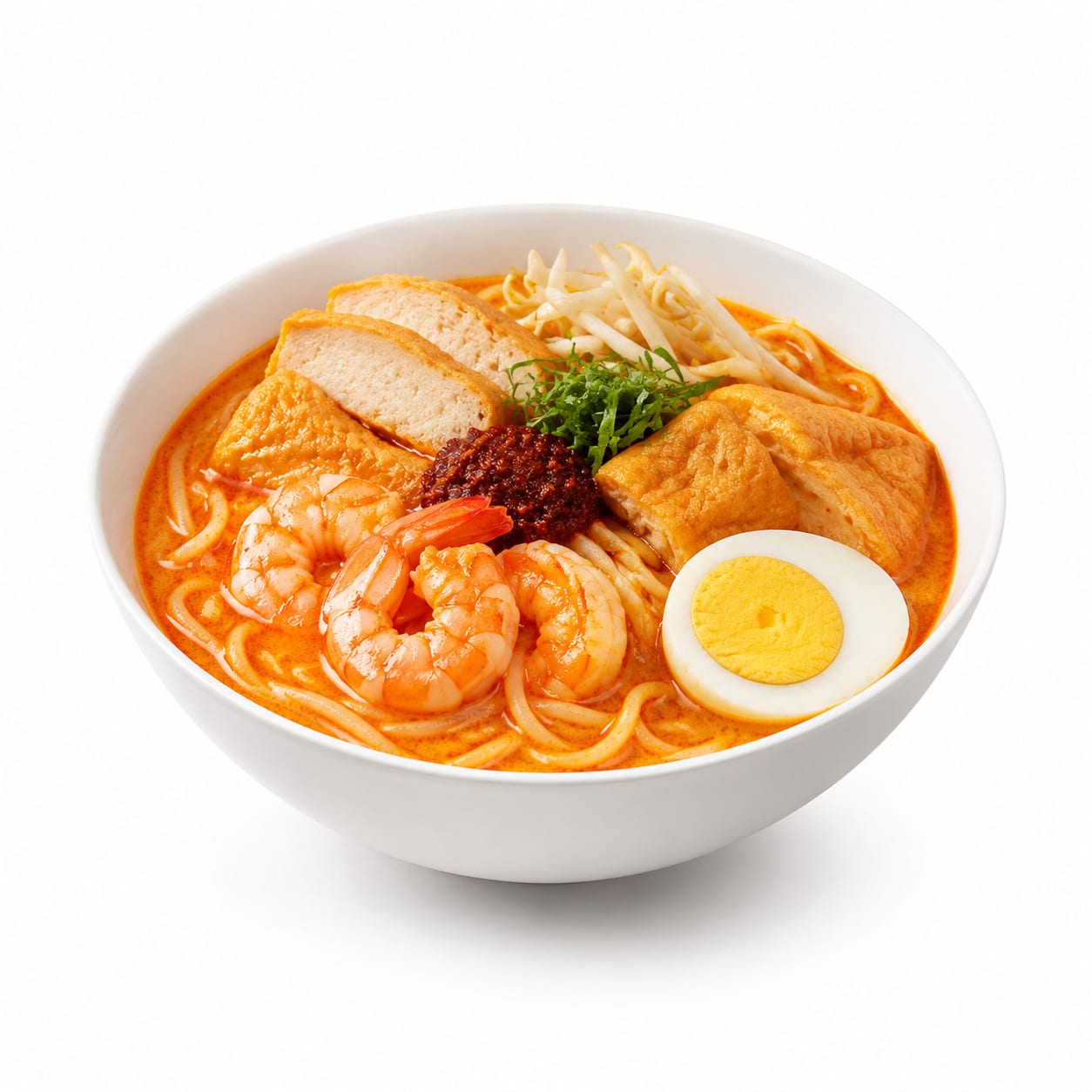
Laksa
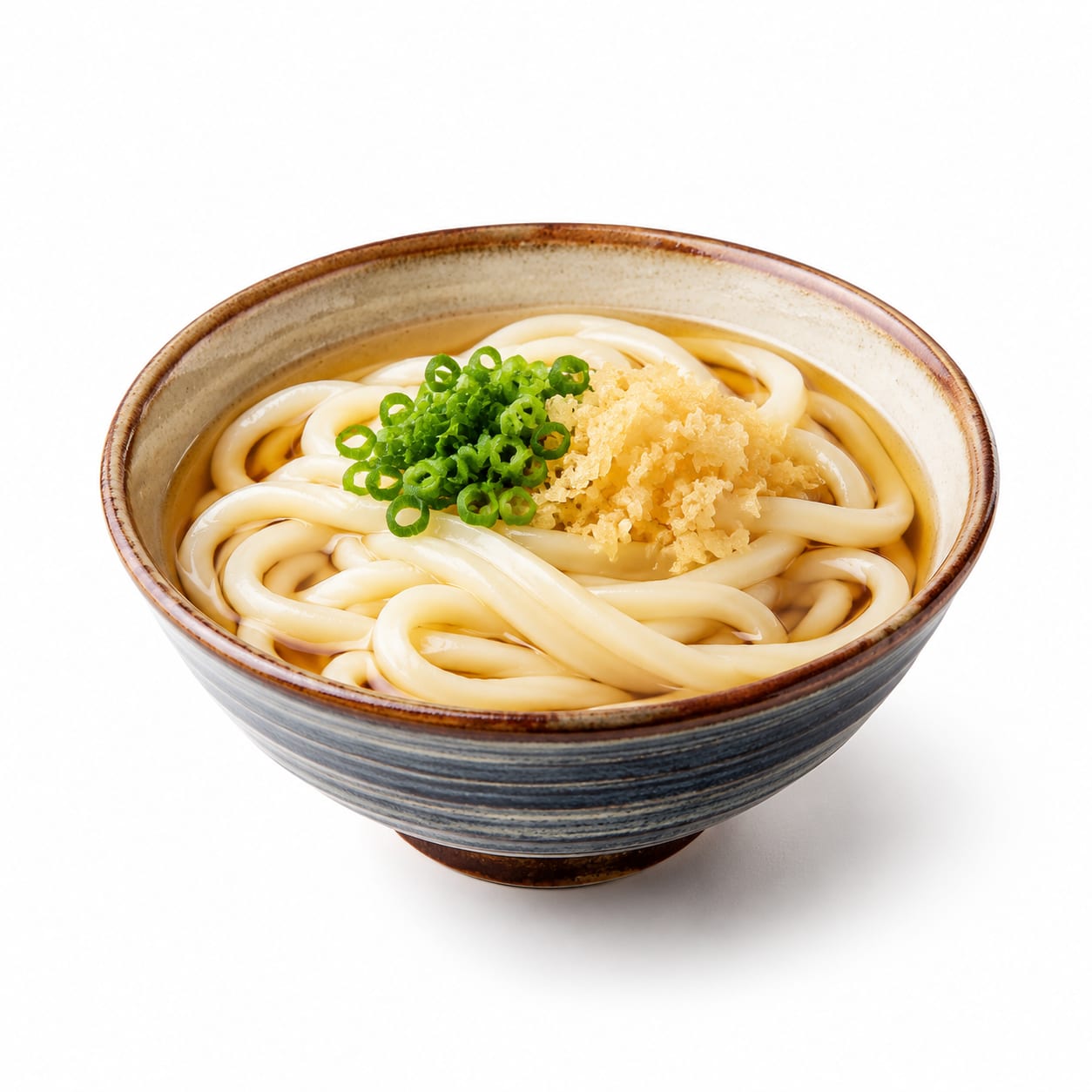
Udon
Laksa delivers bold flavor and lasting fullness at the cost of heavy calories and saturated fat. Udon offers a lighter, gentler meal but may leave you hungry again soon.
Udon scores higher mainly due to lower calorie density, less saturated fat, and better suitability for regular consumption. Laksa earns points for satiety and protein content but loses significantly on heart health and calorie control.
Satisfaction and flavor intensity versus lightness and heart health — you gain richness with laksa but pay in calories and fat.
At a glance
Executive summary
Overall
It depends
Healthier
Udon
More practical
Udon
Daily use
Udon
Key comparison lenses
Calorie and fat density comparison
Laksa's coconut milk base makes it dramatically higher in calories and saturated fat than udon's light dashi broth
Digestive comfort and stomach gentleness
Udon's mild broth is soothing while laksa's spice and richness can challenge sensitive stomachs
Heart health and saturated fat impact
Coconut milk in laksa delivers a significant saturated fat load that matters for cardiovascular risk
Satiety and meal satisfaction
Laksa's fat and protein content keeps you fuller longer, while udon may leave you hungry sooner
Sodium load and blood pressure concerns
Both soups are sodium-heavy but laksa's seasoning paste often pushes salt levels even higher
Blood sugar stability
Udon's refined wheat noodles can spike blood sugar faster, while laksa's fat slows glucose absorption
Best choice for
Laksa
- People wanting a deeply satisfying single meal that eliminates snacking for hours
- Those who find mild food unappealing and need bold flavors to feel satisfied
- Active individuals who can afford the calorie load
- Anyone eating one main meal and wanting it to count
Udon
- People managing heart health or cholesterol concerns
- Those watching calorie intake while still wanting a warm comforting meal
- Anyone with sensitive digestion or acid reflux triggered by spice
- People who eat multiple meals per day and need something lighter
Least suitable for
Laksa
- People with high cholesterol or cardiovascular risk
- Anyone on a calorie-restricted diet
- Those with GERD or spice-sensitive digestion
- People who need low-sodium meals
Udon
- Athletes or laborers needing calorie-dense fuel
- People who feel unsatisfied after light meals and tend to overeat later
- Those avoiding refined wheat or gluten
Deep comparison
Dimension by dimension
Each lens scores both foods and breaks down who each option suits.
- Dimension 1 · Priority 95Udon
Calorie Density
Laksa · 30Udon · 72A standard bowl of laksa can easily hit 600-900 calories thanks to coconut milk and oil, while udon typically lands between 300-500 calories.
Tradeoff
Laksa's richness makes one bowl feel like a complete indulgence. Udon's lightness means you may want a side dish to feel satisfied.
Why it matters
If you eat soup noodles regularly, the calorie gap compounds fast. Three laksa bowls per week versus three udon bowls could mean an extra 1,000+ calories weekly.
Real-world impact
Choosing udon over laksa twice a week could save you roughly the equivalent of a full day's calories over a month — without changing anything else.
Laksa
- Days when you skip lunch and need one big meal
- Cold rainy evenings when you want something deeply comforting
Better for
- Regular weeknight dinners if weight management matters
- Post-workout meals when you want something digestible
Worse for
Udon
- Lunch during a workday when you need to stay alert
- Any meal where you want to save calories for later
Better for
- After a long fast when you need substantial refueling
- Situations where a light meal triggers later snacking
Worse for
- Dimension 2 · Priority 90Udon
Saturated Fat and Heart Health
Laksa · 25Udon · 70Laksa's coconut milk delivers 15-25g of saturated fat per bowl. Udon's dashi broth is nearly fat-free.
Tradeoff
The coconut cream is what makes laksa taste luxurious. Remove it and you lose the soul of the dish.
Why it matters
Regular high saturated fat intake raises LDL cholesterol. Even one rich laksa bowl can approach your daily saturated fat limit.
Real-world impact
If you have borderline high cholesterol, swapping laksa for udon weekly is a meaningful move. One bowl of laksa can contain more saturated fat than a cheeseburger.
Laksa
- Occasional treat meals where indulgence is the point
- People with naturally low cholesterol who process saturated fat well
Better for
- Regular consumption for anyone with elevated LDL
- People on statins or cholesterol management plans
Worse for
Udon
- Anyone monitoring heart health
- People with family history of cardiovascular disease
Better for
- Situations where extremely low fat intake leaves you unsatisfied
Worse for
- Dimension 3 · Priority 85Laksa
Satiety and Fullness
Laksa · 82Udon · 48Laksa's combination of fat, protein, and spice keeps hunger away for hours. Udon digests quickly and may leave you reaching for a snack within two hours.
Tradeoff
Feeling full longer comes at the cost of feeling heavier and more sluggish after eating.
Why it matters
If a meal does not satisfy you, you eat more later. The net calorie savings from a light meal can disappear entirely through snacking.
Real-world impact
After udon, you might crave a pastry or extra side by mid-afternoon. After laksa, you likely will not think about food for four to five hours.
Laksa
- Long workdays with no snack breaks
- Travel days when you cannot control your next meal timing
Better for
- Hot humid days when heavy food feels oppressive
- Before any physical activity
Worse for
Udon
- Sedentary office days with limited calorie needs
- Evenings when going to bed with a full stomach disrupts sleep
Better for
- Situations where you cannot eat again for six-plus hours
Worse for
- Dimension 4 · Priority 82Udon
Digestive Comfort
Laksa · 35Udon · 80Udon's mild, warm broth is practically prescribed for upset stomachs in Japan. Laksa's chili, shrimp paste, and coconut milk can irritate sensitive digestion.
Tradeoff
Laksa's spice has genuine anti-inflammatory compounds, but the net effect on an irritated gut is usually negative.
Why it matters
If you have GERD, IBS, or any spice sensitivity, laksa can trigger symptoms that last well beyond the meal.
Real-world impact
Udon is the meal you eat when your stomach is unhappy. Laksa is the meal you avoid on those days.
Laksa
- People with robust digestion who tolerate spice well
- Those who find mild food boring and unsatisfying
Better for
- Evening meals for anyone with nighttime reflux
- Post-illness recovery eating
Worse for
Udon
- Anyone prone to heartburn or acid reflux
- Recovery days when your stomach needs gentleness
- People with IBS or food sensitivities
Better for
- Not applicable — udon is almost universally gentle
Worse for
- Dimension 5 · Priority 75Udon
Sodium Load
Laksa · 28Udon · 45Both are salty, but laksa's seasoning paste and shrimp paste push sodium higher — often 1,500-2,500mg per bowl versus udon's 800-1,500mg.
Tradeoff
Neither soup is low-sodium. The difference is between very high and extremely high.
Why it matters
If you have hypertension or sodium sensitivity, both require caution. But laksa is the worse offender by a meaningful margin.
Real-world impact
After a laksa bowl, you might notice thirst and bloating for hours. Udon still causes this but less intensely.
Laksa
- People who sweat heavily and need sodium replenishment
- After intense exercise in heat
Better for
- Regular meals for hypertensive individuals
- Late-night eating when sodium disrupts sleep quality
Worse for
Udon
- Anyone watching blood pressure
- People prone to bloating or water retention
Better for
- Still not ideal for strict low-sodium diets
Worse for
- Dimension 6 · Priority 70Laksa
Blood Sugar Stability
Laksa · 58Udon · 42Udon's refined wheat noodles digest quickly and can spike blood sugar. Laksa's fat and protein slow glucose absorption, creating a steadier rise.
Tradeoff
The steadier blood sugar from laksa comes wrapped in far more calories and saturated fat — not a free benefit.
Why it matters
For diabetics or anyone monitoring glycemic response, the slower absorption matters. But the overall nutritional cost of laksa may not justify this advantage.
Real-world impact
After udon, you might feel a brief energy surge followed by a dip. After laksa, energy stays more even but you feel heavier.
Laksa
- People managing diabetes who can afford the calorie tradeoff
- Those who experience energy crashes after carb-heavy meals
Better for
- The high calorie load may worsen insulin resistance over time despite better acute response
Worse for
Udon
- Active people who need quick-access energy
- Those who pair noodles with protein sides to blunt the spike
Better for
- Sedentary eaters prone to afternoon energy crashes
- Diabetics eating udon without added protein or fiber
Worse for
- Dimension 7 · Priority 68Laksa
Protein and Nutritional Completeness
Laksa · 72Udon · 35Laksa typically includes shrimp, chicken, tofu puffs, and sometimes egg — making it a more nutritionally rounded meal. Udon is mostly noodles and broth with minimal protein.
Tradeoff
Laksa is closer to a complete meal in one bowl. Udon often needs tempura or other sides to approach nutritional adequacy.
Why it matters
Protein content affects muscle maintenance, satiety, and metabolic health. A protein-poor meal is not just less filling — it is less nutritionally useful.
Real-world impact
Laksa can reasonably serve as your only protein source for that meal. Udon without sides is essentially a carb-heavy snack nutritionally.
Laksa
- Meals where you need protein without adding sides
- Travel situations with limited food options
Better for
- Not applicable — laksa's protein content is a clear strength
Worse for
Udon
- Meals where you intentionally add protein sides like tempura or tofu
Better for
- Anyone relying on udon as a standalone meal regularly
- Older adults who need higher protein per meal
Worse for
Timeline
Health impact over time
Short-term
Hours to days
Laksa
- Heavy fullness that can last four to five hours
- Possible bloating or thirst from high sodium
- Spice-related sweating or mild stomach warmth
- Energy stability without a sugar crash
Udon
- Light comfortable feeling that fades within two to three hours
- Quick energy from easily digested carbohydrates
- Possible hunger returning sooner than expected
- Gentle on the stomach with minimal digestive stress
Long-term
Months to years
Laksa
- Regular consumption may elevate LDL cholesterol due to coconut milk saturated fat
- High sodium intake could contribute to blood pressure concerns
- The spice component offers anti-inflammatory benefits that partially offset risks
- Calorie density makes weight gain likely if eaten frequently without adjustment
Udon
- Lower calorie load supports weight maintenance when eaten regularly
- Refined wheat noodles provide minimal fiber, offering little for gut health
- Low protein content may contribute to muscle loss if not compensated elsewhere
- Milder sodium load is easier on blood pressure long-term
Risk profile
Safety & processing
Both use processed noodles, but laksa's seasoning paste often contains added preservatives, flavor enhancers, and shrimp paste concentrate. Udon's simpler ingredient list — wheat, water, salt, dashi — is closer to recognizable whole foods.
Laksa
Shellfish allergen exposure
highShrimp and shrimp paste are core laksa ingredients. Cross-contamination is nearly guaranteed even if you request removal.
Coconut milk spoilage
mediumCoconut milk can spoil quickly if not stored properly, especially at hawker stalls with limited refrigeration.
High sodium for vulnerable individuals
mediumThe combined sodium from seasoning paste, shrimp paste, and soy sauce can exceed 2,000mg per bowl.
Udon
Gluten exposure for celiacs
highUdon noodles are pure wheat — completely unsuitable for anyone with celiac disease or gluten sensitivity.
Dashi allergen concerns
mediumTraditional dashi contains fish flakes (katsuobushi), which may be hidden from diners expecting a vegetarian broth.
Moderate sodium content
lowSodium levels are significant but generally lower and more predictable than laksa.
Who wins for whom
Audience fit
Same foods, different winners depending on your goal.
children
UdonUdon's mild flavor and soft noodles are kid-friendly. Laksa's spice and complexity are too intense for most children.
daily consumption
UdonUdon's lighter profile makes it sustainable as a regular meal. Laksa is better reserved for twice a month at most.
diabetes
It dependsLaksa slows glucose absorption better but its calorie and fat load worsen insulin resistance long-term. Udon spikes faster but is lighter overall. Pair udon with protein for the best compromise.
elderly
UdonUdon is gentle on aging digestion, easy to chew, and lower in sodium and saturated fat — all priorities for older adults.
muscle gain
LaksaLaksa provides more protein per bowl from shrimp, chicken, and tofu. Udon needs significant sides to match this.
weight loss
UdonUdon's lower calorie density makes it easier to fit into a calorie deficit, though you should add protein to stay satisfied.
Your move
Decision guide
Choose Laksa
- You want one deeply satisfying meal and nothing else for hours
- Bold spicy flavor is non-negotiable for meal enjoyment
- You are physically active and can handle the calorie load
- It is a special occasion or treat meal
- You have no cholesterol concerns and robust digestion
Choose Udon
- You want something warm and comforting without the heaviness
- Heart health or cholesterol management is a priority
- You are watching calories but still want a satisfying hot meal
- Your stomach is sensitive or you have reflux concerns
- You plan to eat multiple meals and need this one to be lighter
- You are feeding children or elderly family members
Either works if
- You are eating out and both are available — let your hunger level decide
- You have no specific health restrictions and just want a good meal
- It is a cold day and either soup will warm you up
Avoid both if
- You are on a strict low-sodium diet — both exceed safe levels
- You have celiac disease — both contain wheat or gluten-adjacent ingredients
- You need a low-calorie meal — neither is ideal for aggressive calorie cutting
Final recommendation
Make udon your default and laksa your celebration. The health gap between them is real: laksa's saturated fat and calorie load make it a treat, not a habit. When you do choose laksa, consider the asam (tamarind) version over the curry coconut version — it cuts the fat dramatically while keeping the bold flavor. For udon, always add a protein side so the meal actually sustains you.
Practical
Consumer tips
- 1
Ask for laksa with less coconut milk or try the asam laksa variant — you save hundreds of calories and most of the saturated fat while keeping the flavor
- 2
Order udon with a side of tempura, grilled chicken, or tofu to make it nutritionally complete
- 3
Drink extra water after either soup to help your body process the sodium
- 4
If you love laksa but eat it weekly, consider making it at home with light coconut milk — you control the oil and salt
- 5
Never assume udon broth is vegetarian — traditional dashi is fish-based. Ask if this matters to you
- 6
For either soup, eat slowly and stop before the bottom of the broth — most of the sodium and fat lives in the liquid
- 7
Freeze leftover laksa broth for cooking — it makes an excellent base for stir-fries and saves waste