
Nutrition comparison
Laksa vs Bibimbap: Which Asian Bowl Is Healthier?
Compare Laksa and Bibimbap nutrition including calories, saturated fat, sodium, and vegetable content. Find out which dish is better for weight loss, heart health, and daily eating.
Overall winner · Bibimbap
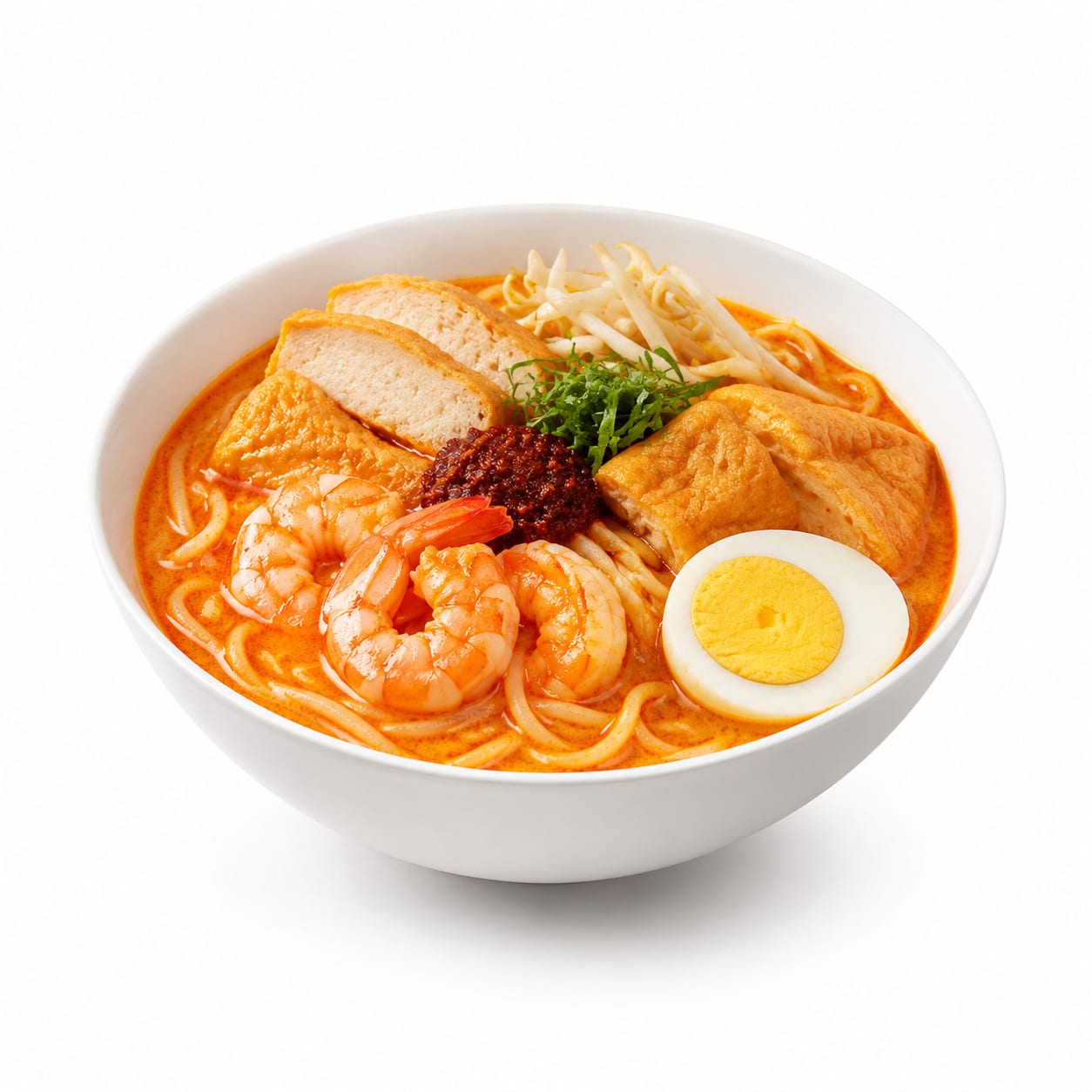
Laksa
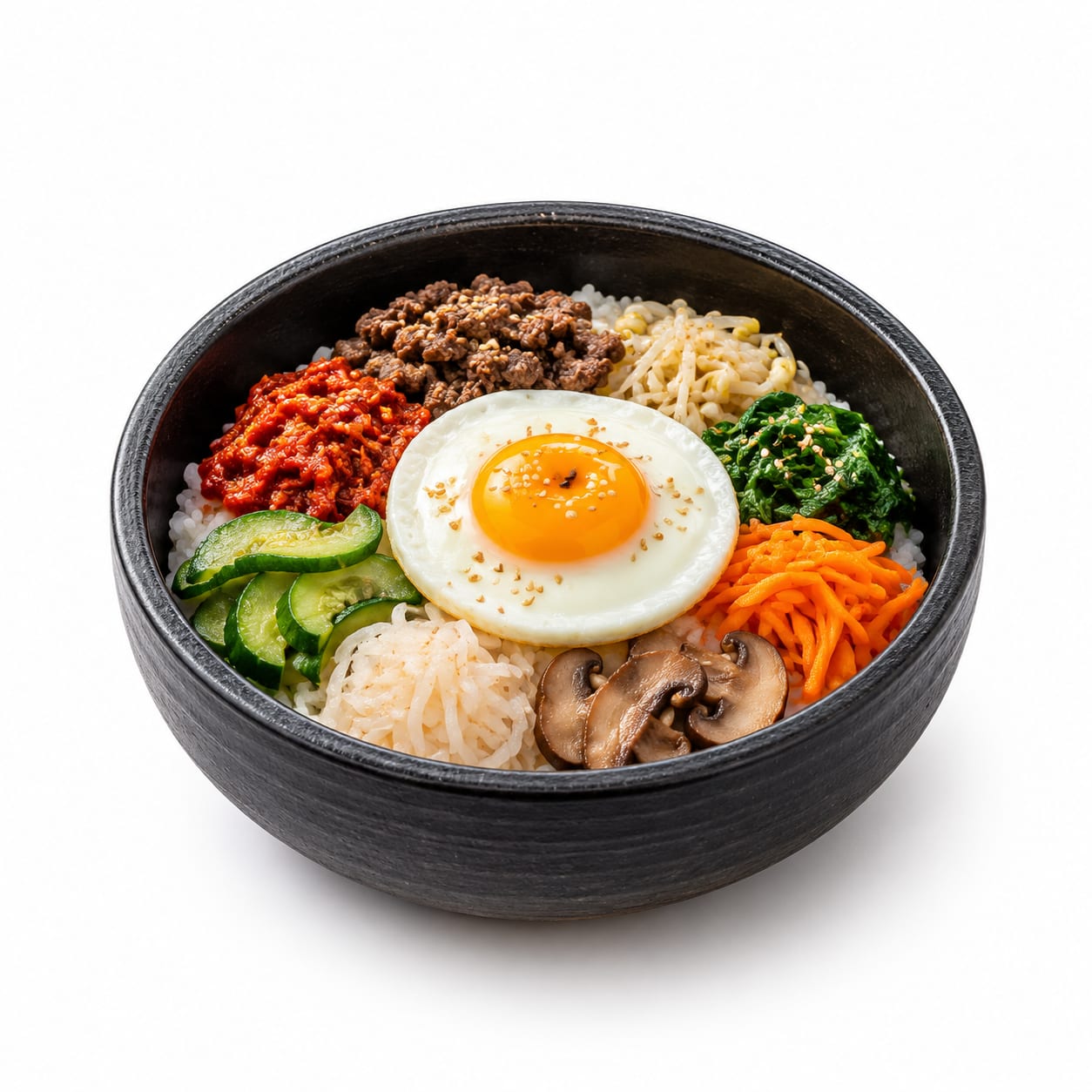
Bibimbap
Bibimbap offers better nutrient diversity and lighter digestion, while Laksa delivers richer flavor at the cost of higher saturated fat and calorie density.
Bibimbap scores notably higher due to superior vegetable diversity, lower saturated fat, and better digestive tolerance. Laksa remains competitive for satiety and anti-inflammatory spice content but loses ground on calorie density and heart health risk with regular consumption.
Laksa's comforting coconut richness versus Bibimbap's broader vegetable coverage and easier digestion.
At a glance
Executive summary
Overall
Bibimbap
Healthier
Bibimbap
More practical
Bibimbap
Daily use
Bibimbap
Key comparison lenses
Which Asian comfort dish is healthier for regular consumption
Both are popular restaurant and street foods that people crave repeatedly, making long-term health impact the primary concern
Saturated fat from coconut milk versus sodium load comparison
Laksa's coconut broth and Bibimbap's seasoned sauces represent the two most significant nutritional tradeoffs between these dishes
Nutrient diversity and vegetable intake
Bibimbap's signature vegetable array contrasts sharply with Laksa's more limited plant variety, directly affecting micronutrient coverage
Digestive comfort and heaviness
Laksa's rich coconut broth often causes post-meal sluggishness while Bibimbap feels lighter despite being equally filling
Blood sugar management for carb-sensitive individuals
Both dishes center on refined carbohydrates but affect blood sugar differently due to fat content and fiber variations
Best choice for
Laksa
- People needing high caloric intake or weight gain
- Those seeking warming, anti-inflammatory spices like turmeric and galangal
- Anyone craving a rich, satisfying comfort meal occasionally
- Individuals who find coconut-based meals more satiating
Bibimbap
- People prioritizing vegetable variety and micronutrient intake
- Those watching saturated fat or managing cholesterol
- Anyone wanting a balanced meal that feels lighter after eating
- Individuals who meal-prep or assemble bowls at home regularly
Least suitable for
Laksa
- People with coconut allergy or sensitivity
- Those managing high cholesterol or heart disease risk
- Anyone on a calorie-restricted diet
- People prone to acid reflux from rich, spicy foods
Bibimbap
- People avoiding rice or on strict low-carb diets
- Those sensitive to spicy gochujang paste
- Anyone with egg allergies unless modified
- People who find meals without broth less satisfying
Deep comparison
Dimension by dimension
Each lens scores both foods and breaks down who each option suits.
- Dimension 1 · Priority 90Bibimbap
Nutrient Diversity
Laksa · 48Bibimbap · 82Bibimbap delivers 5-8 different vegetables in a single bowl, while Laksa typically includes only bean sprouts and a few herb garnishes.
Tradeoff
Laksa's spice blend provides unique phytonutrients like curcumin and alpinin, but cannot match the sheer variety of vitamins and minerals from Bibimbap's vegetable array.
Why it matters
Eating diverse plants daily feeds different gut bacteria strains and broadens your micronutrient safety net without needing supplements.
Real-world impact
A single Bibimbap bowl can cover half your daily vegetable variety target. Laksa would need significant side dishes to match that coverage.
Laksa
- Access to Southeast Asian spice antioxidants like turmeric and galangal compounds
Better for
- Reliant on broth for most micronutrients, which are often water-soluble and less bioavailable
- Limited plant variety means narrower antioxidant profile
Worse for
Bibimbap
- Broader vitamin and mineral coverage from spinach, carrots, zucchini, mushrooms, and fernbrake
- More fiber types feeding diverse gut bacteria
- Easier to hit daily vegetable serving goals in one meal
Better for
- Cooking methods for some vegetables may reduce heat-sensitive vitamins like vitamin C
Worse for
- Dimension 2 · Priority 88Bibimbap
Heart Health
Laksa · 38Bibimbap · 62Laksa's coconut milk delivers a heavy dose of saturated fat, while Bibimbap relies on sesame oil and smaller fat quantities overall.
Tradeoff
Bibimbap's gochujang and soy components add sodium, but saturated fat poses a clearer long-term cardiovascular risk than moderate sodium intake for most people.
Why it matters
Regular saturated fat consumption from coconut products raises LDL cholesterol more consistently than occasional high-sodium meals affect blood pressure in healthy individuals.
Real-world impact
Eating Laksa twice weekly could meaningfully shift cholesterol numbers over months. Bibimbap at the same frequency poses less cardiovascular burden.
Laksa
- Contains turmeric which has modest anti-inflammatory cardiovascular benefits
Better for
- A single bowl can contain 20-30g of saturated fat from coconut milk, approaching or exceeding daily limits
- Shrimp paste adds dietary cholesterol on top of saturated fat load
Worse for
Bibimbap
- Lower saturated fat reduces LDL cholesterol risk
- Sesame oil provides unsaturated fats that support heart health
- Easier to modify by reducing gochujang amount
Better for
- Gochujang and soy sauce contribute significant sodium, a concern for hypertension
Worse for
- Dimension 3 · Priority 82Laksa
Satiety and Fullness
Laksa · 78Bibimbap · 70Laksa's high fat content from coconut milk slows gastric emptying, keeping you full longer than Bibimbap despite similar calorie counts.
Tradeoff
That same fullness can feel like heaviness or sluggishness within an hour, while Bibimbap provides satisfying but lighter energy.
Why it matters
If you struggle with between-meal snacking, Laksa may suppress cravings better. If afternoon productivity matters more, Bibimbap is the smarter lunch.
Real-world impact
After Laksa, you likely will not want a snack for 4-5 hours. After Bibimbap, you may feel pleasantly satisfied within 2-3 hours without the food coma.
Laksa
- Coconut fat delays stomach emptying, extending fullness signals
- Hot broth is inherently more filling than dry rice dishes
- Higher calorie density means fewer hunger cues between meals
Better for
- Fullness often crosses into uncomfortable heaviness
- High fat can trigger sleepiness and reduced mental clarity
Worse for
Bibimbap
- Protein from egg and beef provides steady amino acid-driven satiety
- Fiber from vegetables adds bulk without excessive calories
- More comfortable fullness that does not impair afternoon focus
Better for
- White rice digests quickly, potentially causing hunger return within 3 hours
Worse for
- Dimension 4 · Priority 80It depends
Blood Sugar Stability
Laksa · 56Bibimbap · 52Laksa's fat content slows carbohydrate absorption slightly, but both dishes center on refined carbs that spike blood sugar.
Tradeoff
Neither dish is ideal for blood sugar management. Laksa has a slight edge from fat slowing glucose release, but Bibimbap's fiber from vegetables helps moderate the spike too.
Why it matters
For prediabetics or anyone monitoring glucose, both require portion control or modifications like requesting less noodles or brown rice.
Real-world impact
Expect a noticeable energy rise and fall from both dishes within 90 minutes. Laksa's crash may be slightly softer but arrives later.
Laksa
- Coconut fat slows gastric emptying, softening the glucose spike curve
- Fewer total carbs if you eat less noodle and more broth
Better for
- Rice noodles are highly refined and rapidly digesting once fat effect fades
- Large noodle portions can deliver 60-80g carbs in one bowl
Worse for
Bibimbap
- Vegetable fiber adds some glucose-buffering effect
- Easier to request brown rice as a direct blood sugar improvement
Better for
- White rice causes a sharp glucose spike within 30-45 minutes
- Sugar in gochujang adds to the glycemic load
Worse for
- Dimension 5 · Priority 76Bibimbap
Digestive Comfort
Laksa · 45Bibimbap · 72Bibimbap is generally easier on the stomach, while Laksa's rich coconut broth and spice heat frequently cause heartburn or bloating.
Tradeoff
Laksa's warmth and broth can soothe some digestive issues, but the fat and spice combination is a common trigger for acid reflux and sluggish digestion.
Why it matters
If you have any reflux sensitivity, IBS, or post-meal bloating tendencies, Laksa is riskier. Bibimbap's simpler composition digests more predictably.
Real-world impact
After Bibimbap, you can likely return to work or light activity comfortably. After Laksa, many people need 30-60 minutes of upright rest.
Laksa
- Warm broth can be soothing for minor cold-weather digestive sluggishness
- Fluid content aids hydration during the meal
Better for
- High fat plus spice is a classic reflux trigger combination
- Coconut milk can cause bloating in sensitive individuals
- Heavy feeling delays comfortable post-meal movement
Worse for
Bibimbap
- Steamed vegetables are gentle on the digestive tract
- Lower fat content means faster gastric emptying
- Less likely to trigger heartburn or acid reflux
Better for
- Raw egg yolk in traditional versions carries slight digestive risk if not fresh
Worse for
- Dimension 6 · Priority 74Bibimbap
Caloric Efficiency
Laksa · 42Bibimbap · 68Bibimbap delivers more nutrients per calorie than Laksa, which packs significant calories into coconut milk fat with fewer micronutrient returns.
Tradeoff
Laksa is more calorie-dense, which benefits underweight individuals but works against anyone managing weight. Bibimbap offers better nutritional bang for your caloric buck.
Why it matters
If you are tracking calories or trying to maintain weight without feeling deprived, Bibimbap lets you eat a satisfying volume with more nutrients for fewer calories.
Real-world impact
A typical Laksa bowl runs 600-900 calories. A Bibimbap bowl averages 500-700 calories with more vegetable mass and similar protein.
Laksa
- Higher calorie density supports weight gain goals efficiently
- Fat calories provide long-burning energy for active individuals
Better for
- Coconut milk adds 200-400 calories of mostly saturated fat with limited micronutrient return
- Easy to overconsume calories without feeling like you ate a large meal
Worse for
Bibimbap
- More food volume per calorie from vegetables increases satisfaction
- Better micronutrient-to-calorie ratio supports metabolic health
- Easier to fit into calorie-controlled eating plans
Better for
- Sesame oil and rice can still add up quickly if portions are generous
Worse for
- Dimension 7 · Priority 70It depends
Anti-inflammatory Potential
Laksa · 62Bibimbap · 60Laksa contains turmeric, galangal, and lemongrass with documented anti-inflammatory properties, while Bibimbap offers antioxidant-rich vegetables but also potential inflammatory triggers.
Tradeoff
Laksa's anti-inflammatory spices compete against its saturated fat content, which can promote inflammation. Bibimbap's vegetables fight inflammation but gochujang and red meat can add inflammatory load.
Why it matters
For chronic inflammation concerns, the net effect depends on which components dominate. Neither dish is a clear anti-inflammatory winner.
Real-world impact
Occasional Laksa gives you a meaningful dose of curcumin and other spice compounds. Regular Bibimbap provides steady vegetable antioxidants. Both require smart modifications to maximize benefits.
Laksa
- Turmeric provides curcumin, a well-studied anti-inflammatory compound
- Galangal contains anti-inflammatory ginger relatives
- Lemongrass offers citral with modest inflammation-fighting properties
Better for
- Saturated fat from coconut milk can activate inflammatory pathways
- Shrimp paste may trigger inflammation in sensitive individuals
Worse for
Bibimbap
- Multiple vegetable types provide diverse antioxidant compounds
- Sesame oil contains sesamin with anti-inflammatory effects
- Easier to omit beef and keep the dish fully anti-inflammatory
Better for
- Red meat addition increases inflammatory markers when consumed regularly
- Gochujang's fermentation byproducts may irritate some digestive systems
Worse for
- Dimension 8 · Priority 68It depends
Sodium Load
Laksa · 40Bibimbap · 45Both dishes are sodium-heavy, but Laksa's broth concentrates salt more aggressively than Bibimbap's seasoned components.
Tradeoff
You can control Bibimbap's sodium by reducing gochujang. Laksa's sodium is dissolved throughout the broth, making portion control harder.
Why it matters
For blood pressure management, both require caution. But Bibimbap offers easier modification paths for sodium reduction.
Real-world impact
A full Laksa bowl can deliver 1500-2500mg sodium. Bibimbap ranges 1000-1800mg depending on sauce amount. Both can exceed half your daily limit in one meal.
Laksa
- Broth can be partially consumed to reduce sodium intake while still enjoying the dish
Better for
- Broth absorbs completely into noodles, making sodium unavoidable
- Shrimp paste and fish sauce add concentrated sodium sources
Worse for
Bibimbap
- Gochujang amount is visually adjustable when assembling or ordering
- Less hidden sodium compared to fully seasoned broth
Better for
- Soy sauce and fermented vegetables add stealth sodium
- Even reducing gochujang leaves significant salt from other seasonings
Worse for
- Dimension 9 · Priority 65Bibimbap
Meal Prep and Customization
Laksa · 48Bibimbap · 78Bibimbap components can be prepared in batches and assembled throughout the week, while Laksa requires fresh broth for best results.
Tradeoff
Home-cooked Bibimbap is genuinely easy to meal-prep. Home-cooked Laksa demands paste-making or store-bought shortcuts that compromise quality.
Why it matters
If you cook at home regularly, Bibimbap fits seamlessly into weekly prep routines. Laksa remains primarily a restaurant or occasional dish for most people.
Real-world impact
You can prep Bibimbap vegetables on Sunday and assemble bowls in 5 minutes all week. Laksa requires 30-45 minutes of active cooking each time for proper results.
Laksa
- Pre-made laksa paste jars enable faster weeknight cooking
- Freezes reasonably well for batch cooking
Better for
- Fresh herb garnishes wilt quickly and cannot be prepped far ahead
- Coconut milk separates when stored, requiring reheating and stirring
Worse for
Bibimbap
- Each vegetable can be prepped in bulk and stored separately
- Bowl assembly takes under 5 minutes with prepped ingredients
- Easy to swap proteins and vegetables based on what you have
Better for
- Requires multiple small cooking tasks for authentic vegetable preparation
Worse for
Timeline
Health impact over time
Short-term
Hours to days
Laksa
- Post-meal heaviness and potential food coma within 30-60 minutes
- Possible heartburn or acid reflux from fat and spice combination
- Warming body sensation from chili and ginger-family spices
- High satiety reducing snacking urge for 4-5 hours
- Potential thirst from high sodium content
Bibimbap
- Comfortable fullness without excessive sluggishness
- Mild energy boost from balanced macronutrient distribution
- Possible slight sweating from gochujang spice
- Satisfaction from diverse textures and flavors in each bite
- Moderate thirst from sodium in sauces
Long-term
Months to years
Laksa
- Regular consumption may elevate LDL cholesterol from coconut saturated fat
- Anti-inflammatory spice compounds could support joint and immune health
- High sodium intake may contribute to blood pressure concerns over time
- Calorie density could support unintended weight gain if eaten frequently
- Turmeric and galangal compounds may offer cumulative antioxidant benefits
Bibimbap
- Consistent vegetable variety supports gut microbiome diversity
- Lower saturated fat intake reduces long-term cardiovascular risk
- Regular egg consumption provides choline for brain health
- Sodium from gochujang and soy may affect blood pressure if eaten daily
- Fiber from multiple vegetables supports digestive regularity
Risk profile
Safety & processing
Both dishes use traditional preparation methods, but Laksa's paste often contains shrimp paste, preservatives, and flavor enhancers in commercial versions. Bibimbap's gochujang is fermented but typically additive-free. Restaurant Laksa frequently includes MSG and commercial paste shortcuts, while Bibimbap's components remain closer to their whole-food state even in restaurant settings.
Laksa
Seafood contamination
mediumShrimp and shrimp paste in Laksa carry risk of bacterial contamination if not handled properly, especially in street food settings where refrigeration may be inconsistent.
Coconut milk spoilage
mediumCoconut milk spoils quickly at room temperature. Improperly stored Laksa broth can develop bacterial growth, particularly in tropical climates where the dish originates.
Histamine from fermented paste
lowShrimp paste and fermented condiments can contain elevated histamine levels, triggering reactions in sensitive individuals.
Bibimbap
Raw egg yolk contamination
mediumTraditional Bibimbap sometimes includes raw egg yolk, which carries Salmonella risk. This is less concerning in countries with strict egg handling but remains a real risk elsewhere.
Rice storage and Bacillus cereus
lowLeftover rice in Bibimbap meal-prep scenarios can harbor Bacillus cereus if not cooled and stored properly. Fresh preparation minimizes this risk.
Fermented vegetable hygiene
lowKimchi or fermented sides in Bibimbap can harbor problematic bacteria if fermentation conditions are not controlled, though this is uncommon in reputable preparation.
Who wins for whom
Audience fit
Same foods, different winners depending on your goal.
children
BibimbapBibimbap's milder flavor options and colorful vegetable presentation appeal more to children, and it avoids the heavy spice and fat that can upset young digestive systems.
daily consumption
BibimbapBibimbap's lower saturated fat, better nutrient diversity, and lighter digestive load make it more sustainable as a regular meal without accumulating cardiovascular risk.
diabetes
It dependsNeither is ideal, but Bibimbap with brown rice and extra vegetables is more modifiable. Laksa's fat content slightly softens glucose spikes but both require careful portioning.
elderly
BibimbapBibimbap's softer vegetables and easier digestion suit aging digestive systems better. Laksa's high fat and spice can trigger reflux and discomfort that older adults experience more frequently.
muscle gain
It dependsBoth can support muscle gain with adequate protein portions. Laksa offers slightly more calories for bulking, while Bibimbap provides cleaner fuel for lean gains.
weight loss
BibimbapBibimbap provides more food volume and vegetable bulk per calorie, making it easier to stay within calorie targets while feeling satisfied.
Your move
Decision guide
Choose Laksa
- You are craving a deeply comforting, warming bowl and it has been a while
- You need high caloric intake for active days or weight gain
- You want anti-inflammatory spice benefits from turmeric and galangal
- You are eating out occasionally and want maximum flavor satisfaction
- You find broth-based meals more emotionally satisfying than bowl meals
Choose Bibimbap
- You want a balanced meal you can eat multiple times per week without health guilt
- Vegetable variety and micronutrient coverage matter to you
- You have any reflux, cholesterol, or digestive sensitivity concerns
- You meal-prep or cook at home regularly and want practical assembly
- You need to stay alert and productive after lunch
Either works if
- You are eating at a restaurant and both options are available fresh
- You have no specific health restrictions and just want a satisfying meal
- You plan to modify either dish with extra vegetables or reduced sauce
Avoid both if
- You are on a strict low-sodium diet for blood pressure management
- You require very low carbohydrate intake for ketosis or diabetes control
- You have severe spice intolerance that cannot be accommodated by either dish
- You are tracking calories precisely and cannot estimate restaurant portions
Final recommendation
Make Bibimbap your regular choice and save Laksa for occasional indulgence. Bibimbap gives you more nutritional value per calorie, easier digestion, and better long-term health outcomes when eaten frequently. When you do choose Laksa, consider asking for less noodle and more bean sprouts, or sharing the broth-heavy portion to reduce saturated fat and sodium while still enjoying the incredible flavors.
Practical
Consumer tips
- 1
Order Laksa with less noodle and extra bean sprouts to cut carbs and add fiber without losing the experience
- 2
Request Bibimbap with brown rice when available for significantly better blood sugar stability
- 3
Ask for gochujang on the side when ordering Bibimbap so you control the sodium and spice level
- 4
Drink extra water after either dish to help your body process the sodium load
- 5
If making Laksa at home, use light coconut milk instead of full-fat to cut saturated fat by roughly 60%
- 6
Prep Bibimbap vegetables in bulk on weekends and store separately for 5-minute weeknight bowls
- 7
Avoid eating either dish right before lying down to minimize reflux risk from spice and fat content
- 8
Add a side of plain steamed greens to Laksa to boost vegetable intake without significantly increasing calories