
Nutrition comparison
Laksa vs Chicken Noodle Soup: Which Is Healthier for You?
Compare laksa and chicken noodle soup on calories, fat, sodium, digestion, and daily usability. Find out which soup fits your health goals and when to choose each.
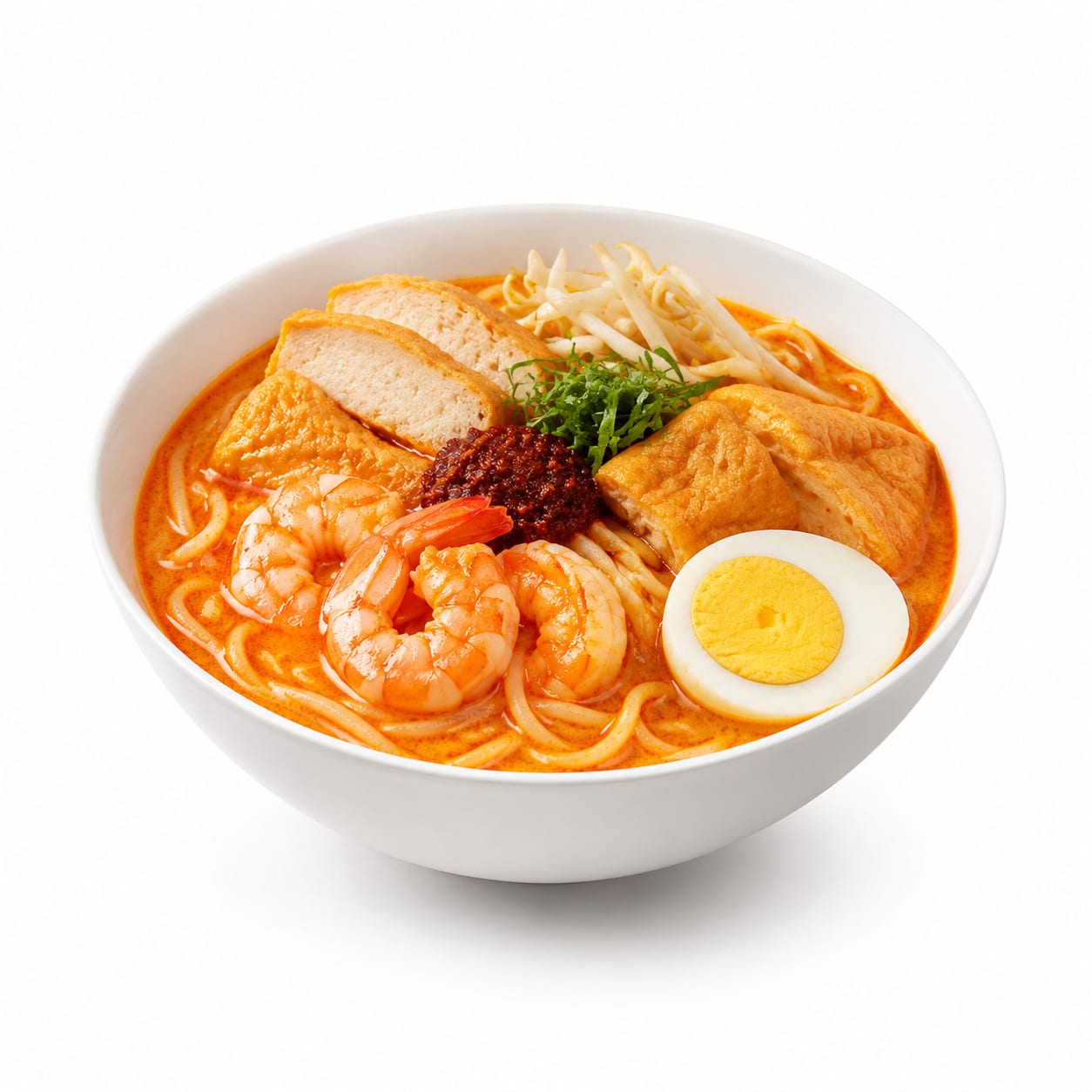
Laksa
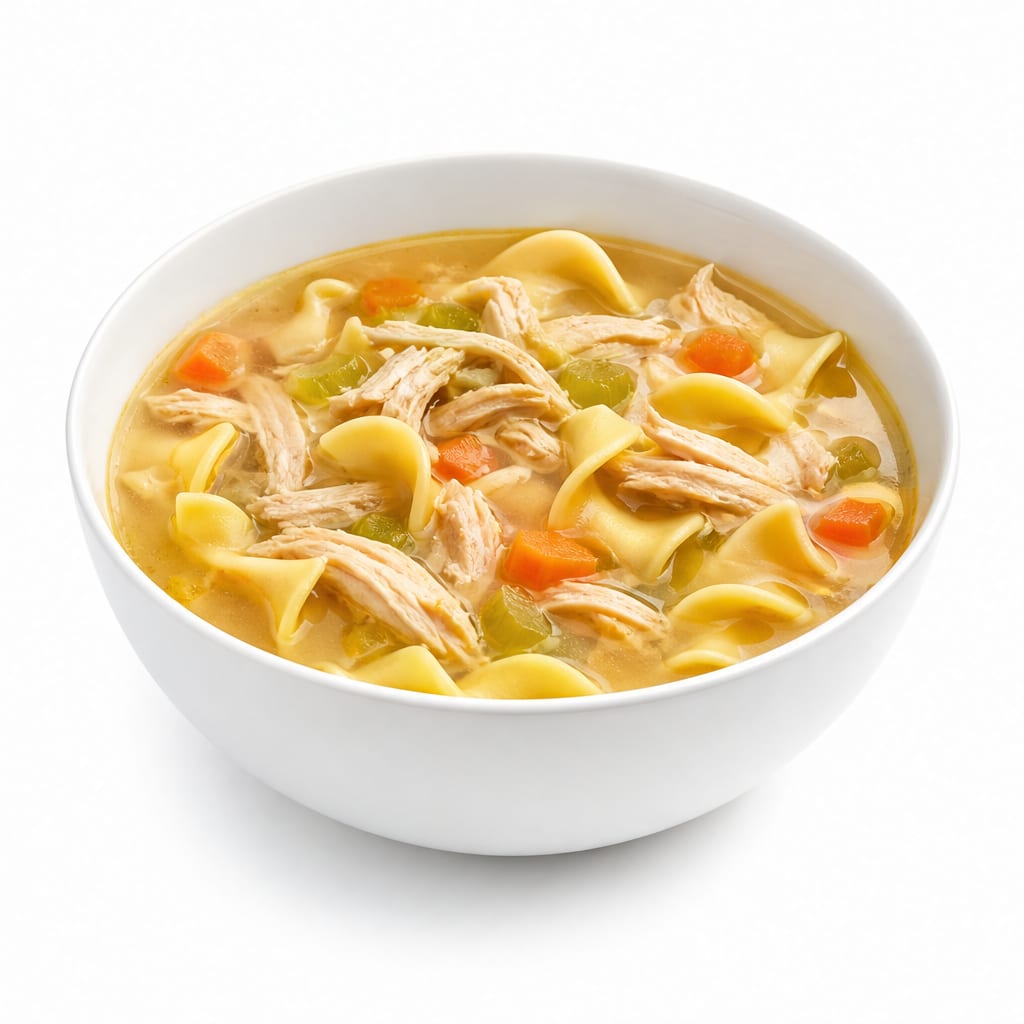
Chicken Noodle Soup
Laksa is a rich, indulgent flavor experience that weighs you down with calories and saturated fat. Chicken noodle soup is a lighter, gentler option you can eat far more often without consequences.
Chicken noodle soup scores notably higher due to its lighter profile, broader daily usability, and gentler impact on digestion and weight. Laksa earns points for flavor satisfaction and anti-inflammatory spices but loses ground on calorie density, saturated fat, and limited everyday practicality.
Intense spicy-coconut satisfaction versus light, sustainable comfort you can eat every day.
At a glance
Executive summary
Overall
It depends
Healthier
Chicken Noodle Soup
More practical
Chicken Noodle Soup
Daily use
Chicken Noodle Soup
Key comparison lenses
comfort food comparison for illness recovery
Both are iconic sick-day or comfort soups, but they serve very different emotional and physiological roles when you're unwell.
calorie and fat tradeoff for weight management
Laksa's coconut milk base makes it dramatically higher in calories and saturated fat compared to the lean broth of chicken noodle soup.
sodium load and heart health impact
Both soups can be sodium-heavy, but the sources and health implications differ significantly.
digestive tolerance during sickness
Spicy coconut-based laksa is harder on an upset stomach than mild, brothy chicken noodle soup.
flavor satisfaction vs daily sustainability
Laksa delivers intense flavor reward but is harder to eat regularly; chicken noodle soup is gentle enough for daily use but less exciting.
Best choice for
Laksa
- People wanting a bold, satisfying meal experience
- Those needing high calorie intake
- Spice lovers seeking anti-inflammatory benefits
- Anyone craving rich Southeast Asian flavors
Chicken Noodle Soup
- People recovering from illness
- Anyone watching their weight
- Those with sensitive digestion
- People needing a gentle, hydrating meal
Least suitable for
Laksa
- People with acid reflux or GERD
- Anyone on a low-fat or low-calorie diet
- Those with dairy or coconut allergies
- People recovering from stomach illness
Chicken Noodle Soup
- Those needing calorie-dense meals
- People wanting bold, exciting flavors
- Anyone avoiding wheat-based noodles
- Those seeking anti-inflammatory spice benefits
Deep comparison
Dimension by dimension
Each lens scores both foods and breaks down who each option suits.
- Dimension 1 · Priority 92Chicken Noodle Soup
Calorie Density and Weight Management
Laksa · 30Chicken Noodle Soup · 78A bowl of laksa can easily hit 500-700 calories thanks to coconut milk and oil. Chicken noodle soup typically lands between 100-200 calories per bowl.
Tradeoff
You get far more flavor richness from laksa but at triple the caloric cost per bowl.
Why it matters
If you eat soup regularly, the calorie gap compounds fast. Three laksa bowls a week versus chicken noodle soup could mean an extra pound of weight gain monthly.
Real-world impact
Choosing chicken noodle soup for lunch most days keeps you lighter. Laksa is better saved as an occasional treat meal.
Laksa
- Underweight individuals needing calories
- Athletes after intense training sessions
Better for
- Consistent weight loss efforts
- Portion control challenges
Worse for
Chicken Noodle Soup
- Anyone tracking calories
- People trying to lose weight gradually
Better for
- Those who need energy-dense meals
- Growing teenagers with high caloric needs
Worse for
- Dimension 2 · Priority 85Laksa
Satiety and Fullness
Laksa · 82Chicken Noodle Soup · 55Laksa's coconut milk and higher fat content keep you full much longer. Chicken noodle soup is satisfying in the moment but hunger returns within a couple hours.
Tradeoff
Longer-lasting fullness comes with a heavy digestive feeling that some people find uncomfortable.
Why it matters
If you need one bowl to carry you through an afternoon, laksa does the job better. But that fullness can feel sluggish rather than energized.
Real-world impact
After chicken noodle soup, you'll likely want a snack by 3pm. After laksa, you may skip your next meal entirely.
Laksa
- Long work shifts without meal breaks
- One-meal days where you need lasting energy
Better for
- Anyone who hates feeling heavy after eating
- Pre-workout meals
Worse for
Chicken Noodle Soup
- Light lunch before an active afternoon
- Small meals spread throughout the day
Better for
- Situations where you can't snack later
- People prone to overeating when hungry between meals
Worse for
- Dimension 3 · Priority 90Chicken Noodle Soup
Digestive Tolerance and Illness Recovery
Laksa · 25Chicken Noodle Soup · 90Chicken noodle soup is the universal sick-day food for good reason: gentle, hydrating, and easy to digest. Laksa's spice and coconut milk can irritate an already upset stomach.
Tradeoff
The very ingredients that make laksa exciting to eat make it a poor choice when your digestion is compromised.
Why it matters
When you're nauseous or recovering from illness, the wrong soup can prolong your misery instead of helping.
Real-world impact
If you reach for laksa with a stomach bug, you'll likely regret it within an hour. Chicken noodle soup feels like a warm blanket for your digestive system.
Laksa
- Healthy digestion wanting a flavor boost
- Congestion where spicy heat may clear sinuses
Better for
- Any form of digestive distress
- Acid reflux or heartburn
- Irritable bowel syndrome flare-ups
Worse for
Chicken Noodle Soup
- Stomach flu recovery
- Post-surgery gentle eating
- Acid reflux flare-ups
- Morning sickness
Better for
- Severe congestion where spice helps drain sinuses
Worse for
- Dimension 4 · Priority 82It depends
Sodium and Heart Health
Laksa · 35Chicken Noodle Soup · 40Both soups can be sodium bombs. Restaurant laksa often hits 1500-2500mg sodium. Canned chicken noodle soup can exceed 900mg per serving, and homemade varies widely.
Tradeoff
Neither soup wins here. Both require careful sourcing or homemade preparation to keep sodium reasonable.
Why it matters
If you have blood pressure concerns, regular consumption of either soup without modification poses real cardiovascular risk over time.
Real-world impact
A single bowl of either soup can deliver half your daily sodium allowance. Making either at home with reduced salt is the only heart-safe path.
Laksa
- Homemade versions where you control salt
- Occasional consumption where sodium matters less
Better for
- Restaurant portions with heavy seasoning
- People on strict sodium restrictions
Worse for
Chicken Noodle Soup
- Homemade low-sodium broth versions
- Brands specifically labeled low-sodium
Better for
- Canned varieties with hidden sodium
- Multiple bowl servings
Worse for
- Dimension 5 · Priority 75Laksa
Anti-Inflammatory and Immune Benefits
Laksa · 72Chicken Noodle Soup · 55Laksa's turmeric, galangal, lemongrass, and chili deliver genuine anti-inflammatory compounds. Chicken noodle soup offers mild immune support through broth and chicken but fewer active spice compounds.
Tradeoff
Laksa's anti-inflammatory spices come packaged with inflammatory saturated fat from coconut milk, partially canceling the benefit.
Why it matters
For chronic inflammation, the spice profile in laksa is genuinely helpful. But the saturated fat tempers that advantage in a way chicken noodle soup avoids entirely.
Real-world impact
Regular laksa eaters may notice less joint stiffness from turmeric and galangal. But their lipid panels may not look as clean as regular chicken noodle soup eaters.
Laksa
- People with chronic inflammation seeking food-based support
- Those who tolerate spice well and want functional benefits
Better for
- Anyone whose anti-inflammatory diet also restricts saturated fat
- Gallbladder issues triggered by coconut milk
Worse for
Chicken Noodle Soup
- Acute illness where gentle hydration matters more than spice compounds
- People whose doctors recommended low-saturated-fat diets
Better for
- Long-term inflammatory conditions where active spice compounds would help
Worse for
- Dimension 6 · Priority 78Laksa
Flavor Satisfaction and Emotional Reward
Laksa · 90Chicken Noodle Soup · 55Laksa is an explosion of complex, layered flavors that feels like a full experience. Chicken noodle soup is comforting but relatively one-dimensional by comparison.
Tradeoff
High flavor intensity makes laksa harder to eat frequently without palate fatigue. Chicken noodle soup's simplicity is its own form of endurance.
Why it matters
Food satisfaction affects whether you stick to a eating pattern. Boring meals drive snacking and cravings.
Real-world impact
After a laksa meal, you feel genuinely satisfied and unlikely to crave dessert. After chicken noodle soup, you may find yourself hunting for something more exciting.
Laksa
- Weekend treat meals
- Breaking out of food boredom
- Social dining experiences
Better for
- Eating so often it loses its special quality
- Flavor fatigue from repeated intense meals
Worse for
Chicken Noodle Soup
- Daily lunch rotation without getting tired of it
- Stress eating where simple comfort beats excitement
Better for
- Emotional eaters who need big flavor to feel satisfied
- Breaking restrictive eating patterns that feel punishing
Worse for
- Dimension 7 · Priority 80Chicken Noodle Soup
Fat Profile and Cardiovascular Impact
Laksa · 28Chicken Noodle Soup · 72Laksa's coconut milk delivers 15-25g saturated fat per bowl, raising LDL cholesterol. Chicken noodle soup's lean broth and chicken provide mostly unsaturated fats.
Tradeoff
The creamy texture that makes laksa luxurious comes with a real cardiovascular cost if eaten regularly.
Why it matters
Even one laksa bowl per week contributes meaningfully to saturated fat intake. For people with heart disease risk, this matters more than occasional indulgence suggests.
Real-world impact
Swap weekly laksa for chicken noodle soup and your next lipid panel may show a noticeable LDL improvement within three months.
Laksa
- Healthy young people with no lipid concerns
- Very occasional indulgence
Better for
- Existing high LDL cholesterol
- Post-heart surgery recovery
- Anyone on a cardiologist's low-saturated-fat plan
Worse for
Chicken Noodle Soup
- Anyone with elevated cholesterol
- People with family history of heart disease
- Regular soup eaters needing a heart-safe option
Better for
- Those needing calorie-dense fat sources for energy
Worse for
Timeline
Health impact over time
Short-term
Hours to days
Laksa
- Heavy fullness that can slow you down for an hour or two
- Possible heartburn or acid reflux from spice and fat
- Sinus clearing from chili heat
- Post-meal drowsiness from high calorie and fat load
Chicken Noodle Soup
- Quick hydration and gentle warmth
- Light energy that won't slow you down
- Comforting effect that reduces stress perception
- Possible hunger return within 2-3 hours
Long-term
Months to years
Laksa
- Regular consumption may raise LDL cholesterol from coconut milk saturated fat
- Anti-inflammatory spice compounds could reduce chronic inflammation markers
- High sodium intake may contribute to blood pressure elevation
- Calorie density makes weight gain likely if eaten frequently
Chicken Noodle Soup
- Consistent low-calorie intake supports weight maintenance
- Lean protein from chicken supports muscle preservation
- Broth-based hydration benefits kidney function
- Low saturated fat intake protects cardiovascular health long-term
Risk profile
Safety & processing
Both soups vary enormously based on whether they're homemade, restaurant-prepared, or packaged. Restaurant laksa often contains shrimp paste and processed curry paste with preservatives. Canned chicken noodle soup typically has emulsifiers, MSG, and high sodium. Homemade versions of either are the cleanest option.
Laksa
Shellfish allergen exposure
highTraditional laksa contains shrimp paste and often fresh shrimp, making it dangerous for shellfish allergy sufferers.
Coconut allergy
mediumThough rare, coconut allergies can cause serious reactions and coconut milk is laksa's primary ingredient.
Histamine from fermented paste
lowShrimp paste and fermented ingredients can trigger histamine intolerance in sensitive individuals.
Chicken Noodle Soup
Undercooked chicken
highImproperly prepared chicken noodle soup with undercooked poultry poses salmonella risk, especially in homemade versions.
BPA from canned soup
mediumCanned chicken noodle soup liners may contain BPA, which has endocrine-disrupting potential with regular consumption.
Excess sodium from processed versions
mediumCanned and restaurant versions often contain sodium levels that acutely affect blood pressure in sensitive people.
Who wins for whom
Audience fit
Same foods, different winners depending on your goal.
children
Chicken Noodle SoupMild flavor, gentle digestion, and lower spice make chicken noodle soup far more kid-friendly and safer for developing palates.
daily consumption
Chicken Noodle SoupLight enough to eat daily without weight gain, digestive strain, or cardiovascular concern. Laksa is better as a weekly or biweekly indulgence.
diabetes
Chicken Noodle SoupLower carbohydrate density and less saturated fat make chicken noodle soup gentler on blood sugar and insulin sensitivity.
elderly
Chicken Noodle SoupEasier to chew, gentler on aging digestion, lower saturated fat for heart health, and hydrating broth support elderly nutritional needs better.
muscle gain
Chicken Noodle SoupChicken noodle soup provides lean protein without excessive fat that displaces calorie room for more protein-rich foods elsewhere in your day.
weight loss
Chicken Noodle SoupChicken noodle soup's low calorie density lets you eat a satisfying bowl for under 200 calories, making it far easier to maintain a deficit.
Your move
Decision guide
Choose Laksa
- You're healthy, crave bold flavors, and want an exciting meal experience
- You need anti-inflammatory spice compounds and tolerate coconut fat well
- You're eating for pleasure and satisfaction on a weekend or special occasion
- You have a cold with congestion and want sinus-clearing heat
Choose Chicken Noodle Soup
- You're recovering from illness or have sensitive digestion
- You're watching your weight, cholesterol, or blood pressure
- You need a reliable daily soup that won't weigh you down
- You're meal-prepping for the week and want something sustainable
Either works if
- You're simply hungry and want warm comfort food
- You're making homemade versions where you control the sodium and fat
- You live in a climate where soup feels appropriate year-round
Avoid both if
- You're on a strict low-sodium diet and can't control preparation
- You have severe salt sensitivity or congestive heart failure
- You're dealing with acute vomiting and need to avoid all solid food temporarily
Final recommendation
Keep chicken noodle soup as your everyday default. It's the soup you can eat three times a week without consequences. Save laksa for when you want a meal that feels like an event. The best approach: chicken noodle soup for health, laksa for happiness, and never pretend one can replace the other.
Practical
Consumer tips
- 1
Make chicken noodle soup at home with low-sodium broth and load it with extra vegetables for a genuinely healthy daily meal.
- 2
If ordering laksa, ask for less coconut milk or broth on the side to cut calories by 30% while keeping the flavor.
- 3
Canned chicken noodle soup should be a backup, not a staple. The sodium and BPA concerns make daily consumption risky.
- 4
Freeze individual portions of homemade chicken noodle soup for sick days. You'll be grateful when illness hits and you can't cook.
- 5
If you love laksa but want it healthier, try a laksa-inspired broth with light coconut milk and extra vegetables. You keep the spices without the full fat load.
- 6
Add chili oil to chicken noodle soup for a middle ground: gentle base with a kick of anti-inflammatory heat.