
Vegetable
Kohlrabi
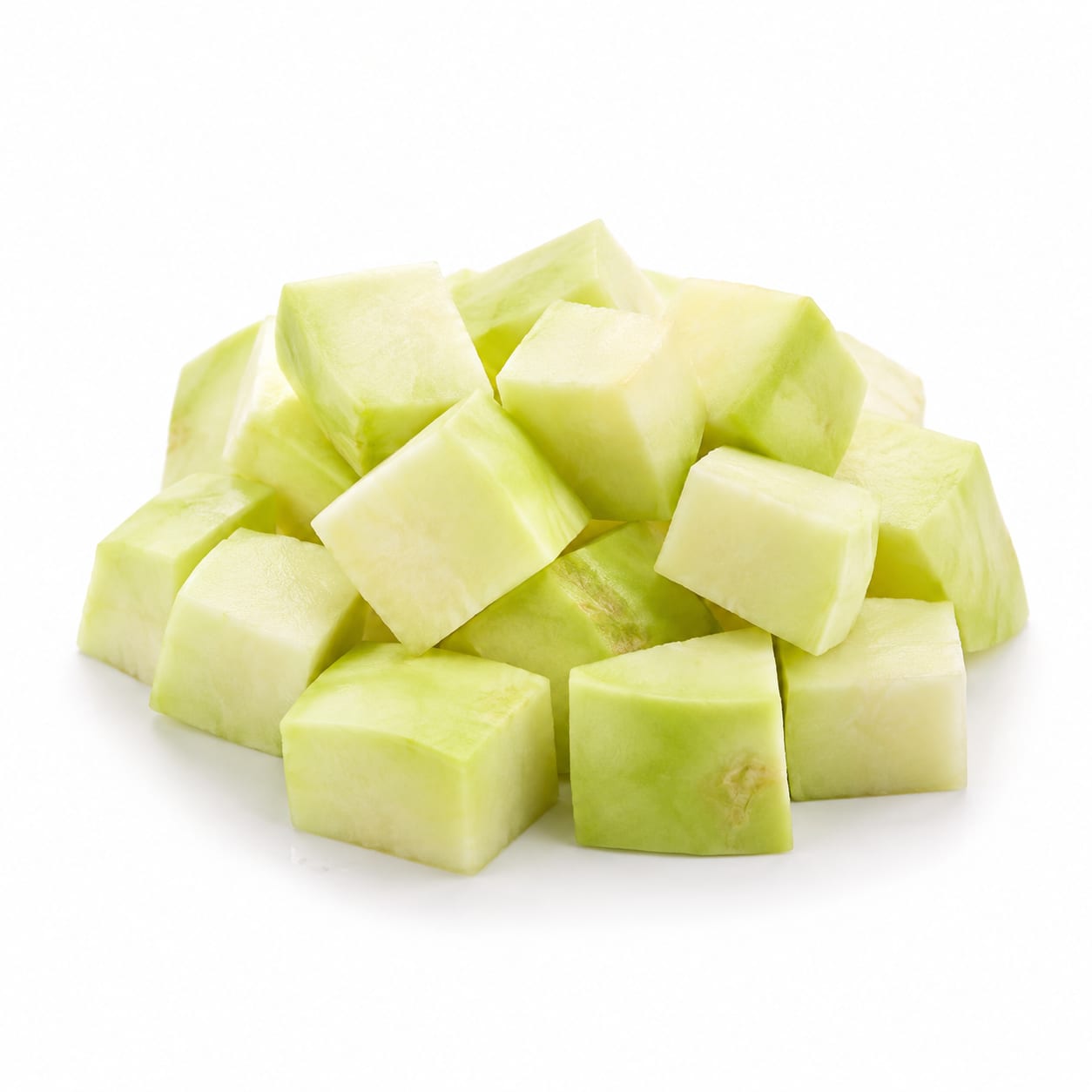
Kohlrabi is a low-calorie, high-fiber cruciferous vegetable with a bulbous stem and a mild, sweet-peppery flavor.
Kohlrabi is a cruciferous vegetable related to cabbage, broccoli, and kale, characterized by its bulbous stem and edible leaves, offering a mild, sweet, and peppery flavor similar to broccoli stems or radishes.
high-volume low-calorie cruciferous vegetable
Typical serving · 135g
Common varieties · Green Kohlrabi, Purple Kohlrabi, White Kohlrabi, Gigante, Kossak
Overall context score across nutrition, safety, and diet fit
At a glance
Quick facts
Simple indicators based on nutrition, processing, and diet fit.
The story
What makes it unique
Kohlrabi is a low-energy-density, high-water cruciferous vegetable with a slow digestion rate due to its substantial fiber content. It provides a moderate protein-to-calorie ratio and minimal fat. As a minimally processed whole food, it retains its cellular integrity and phytonutrient profile, including glucosinolates, which support satiety and metabolic health.
Varieties: Green Kohlrabi · Purple Kohlrabi · White Kohlrabi · Gigante · Kossak
Per 100g
Nutrition breakdown
Macro balance and key metrics at a glance.
Energy
Density 0.27 kcal/g
Protein
Carbs
Fat
Fiber
Sugar
2.6 g
Sodium
20 mg
Potassium
350 mg
Glycemic index
15
Glycemic load
1
Water content
91%
Standout compounds
Nutrient highlights
Vitamin C
highSupports immune function and collagen synthesis
Fiber
highPromotes digestive health and slows glucose absorption
Potassium
moderateHelps regulate blood pressure and fluid balance
Glucosinolates
moderateCruciferous compounds that support cellular health
Wellness map
Health scores & processing
NOVA processing scale
minimally processed · Whole food
Raw kohlrabi is an unprocessed whole food. Processing is limited to washing, peeling, and cutting.
Diet compatibility
- Weight loss
- Muscle gain
- Diabetes
- Gut health
- Low carb
- High protein
- Heart health
Relative standing
Food rankings
Qualitative ranks compared to similar whole foods.
- Satietyexcellent
- Blood sugarexcellent
- Nutrient densityexcellent
- Fitness fuelmoderate
- Processing qualityexcellent
Eat with confidence
Food safety profile
Kohlrabi is generally safe with low contamination risk. The thick skin protects the edible interior from most pesticide residues and soil pathogens.
Evidence confidence 90%
- Pesticidesmoderate
- Antibioticslow
- Heavy metalslow
- Contaminationlow
Watch for
- E. coli
- Soil-borne pathogens
Safer choices
Organic kohlrabi reduces pesticide exposure risk.
Prep tips
Wash thoroughly under running water and peel the thick outer skin before consuming to remove surface residues and tough fibers.
Standard agricultural residue monitoring applies.
Deep dive
Health analysis
How this food may fit different goals and preparation choices.
Weight loss
Extremely low energy density and high water content allow for large portion sizes with minimal calories, promoting a caloric deficit.
Blood sugar
Very low glycemic index and load prevent blood sugar spikes, making it highly suitable for glucose management.
Fitness & energy
Not a primary fuel source due to low calories, but useful for adding volume and crunch to meals without adding heavy macros.
Gut health
High fiber content supports bowel regularity and feeds beneficial gut bacteria, while glucosinolates may offer protective effects.
Processing quality
A whole, unprocessed food that retains its full nutrient matrix and cellular structure.
Food safety
Low risk of contamination; peeling removes the majority of potential pesticide residues and soil contaminants.
Common mistakes
Overcooking kohlrabi makes it mushy and diminishes its vitamin C content; peeling too thinly leaves tough, woody fibers intact.
Best preparation
Raw in slaws, roasted to caramelize natural sugars, or lightly steamed to retain crunch and nutrients.
Practical guide
Best use cases
When and how this food fits real eating patterns.
Low-carb potato substitute
Use roasted or mashed kohlrabi as a lower-calorie, lower-carb alternative to potatoes.
High-volume eating
Add raw kohlrabi to salads or slaws to increase meal size and satiety without adding significant calories.
Crunchy healthy snack
Cut into sticks and served with hummus or dip for a hydrating, fiber-rich snack.
Balance sheet
Pros & cons
Upsides
- Very low in calories and carbohydrates
- High water and fiber content maximizes satiety
- Rich source of vitamin C and potassium
- Contains beneficial glucosinolates
- Versatile for both raw and cooked preparations
Trade-offs
- Thick skin requires peeling, which creates waste
- Large bulbs can become woody and tough
- Not a significant source of protein or healthy fats
- Can cause gas or bloating in sensitive individuals due to fiber and cruciferous compounds
Fit check
Who is it for?
Great match
- weight loss
- low-carb diets
- blood sugar management
- high-volume eating
Consider alternatives
- high-calorie bulking
- low-FODMAP diets
- those seeking quick pre-workout energy
Side by side
How it compares
Open the full head-to-head analysis for nutrition, safety, and practical tradeoffs.
This food
Kohlrabi
VS85% alike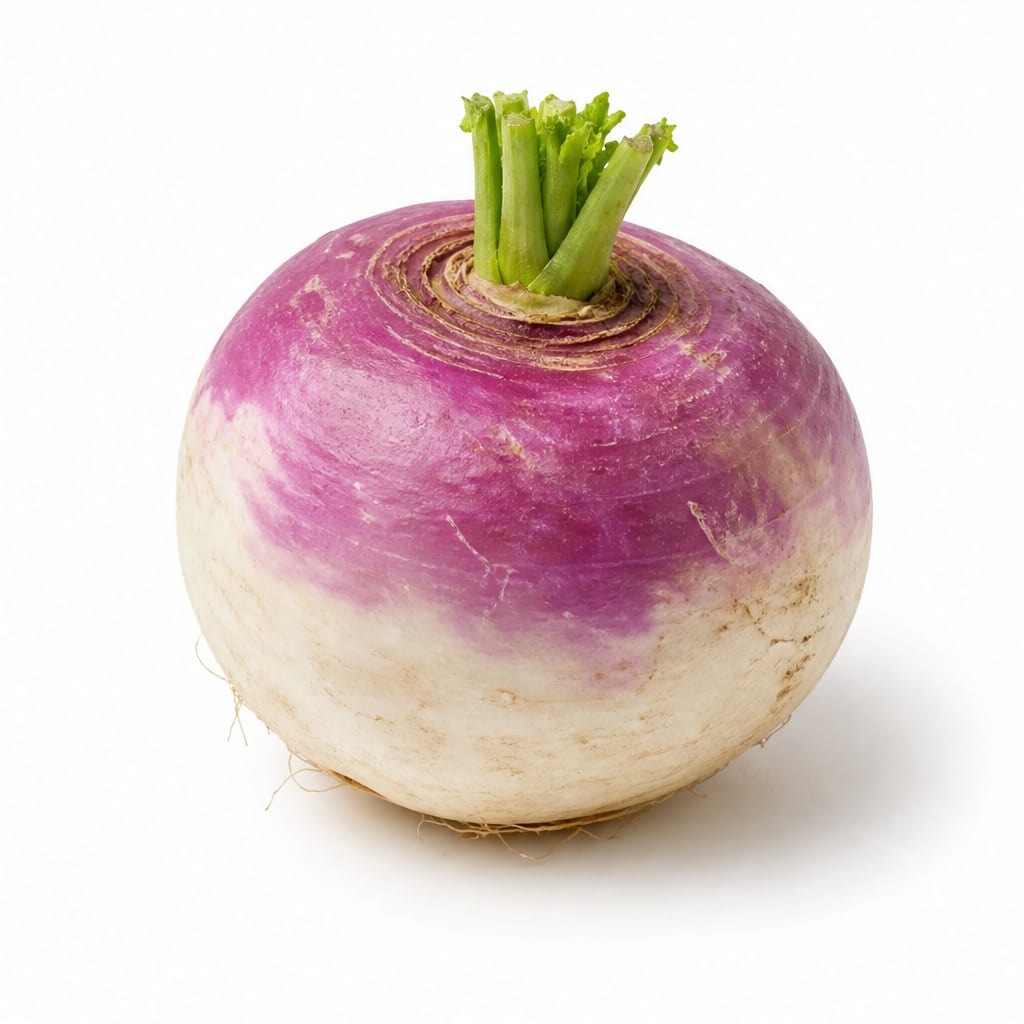
Compare with
Turnip
Kohlrabi is sweeter and higher in vitamin C, while turnips are slightly lower in carbs and have a more peppery bite.
Kohlrabi is sweeter and higher in vitamin C, while turnips are slightly lower in carbs and have a more peppery bite.
This food
Kohlrabi
VS60% alike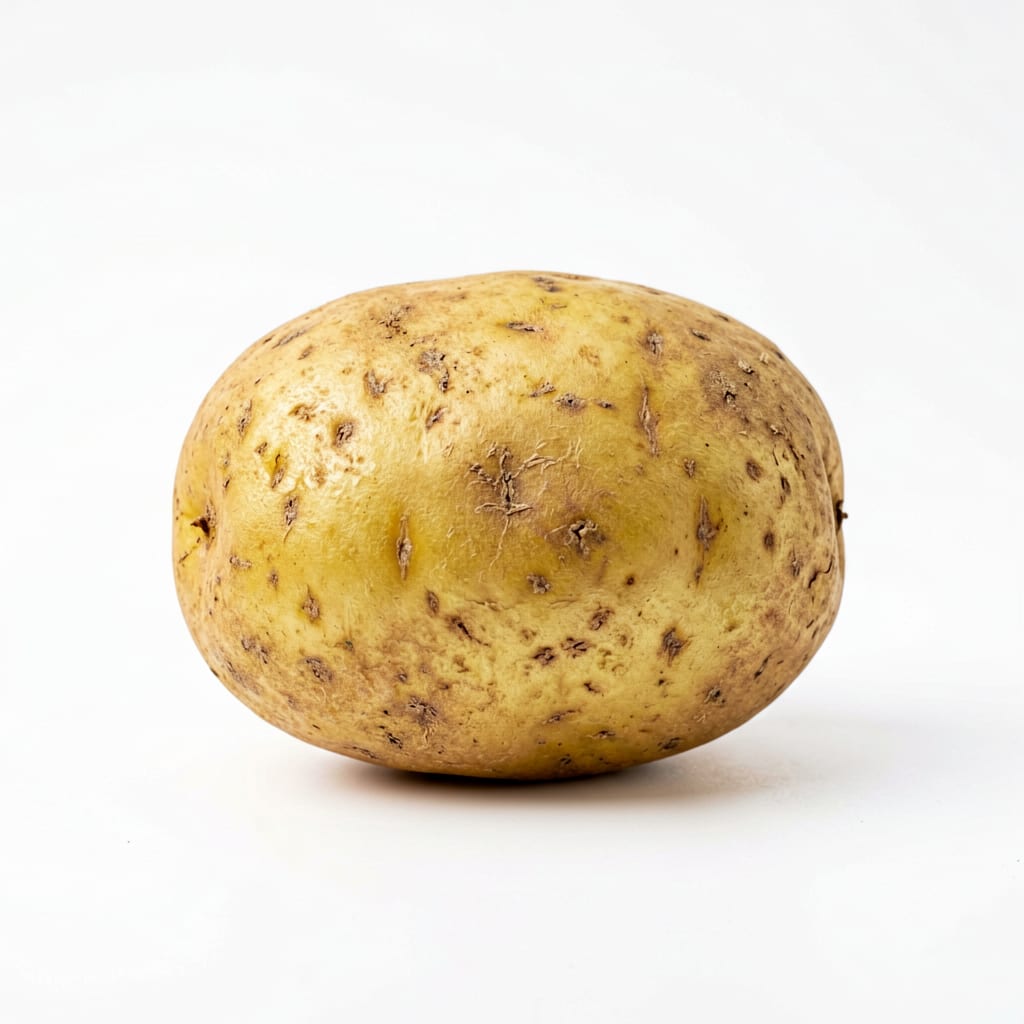
Compare with
Potato
Kohlrabi provides a low-carb, low-calorie alternative to potatoes, which offer more energy and satiety for athletes.
Kohlrabi provides a low-carb, low-calorie alternative to potatoes, which offer more energy and satiety for athletes.
This food
Kohlrabi
VS90% alike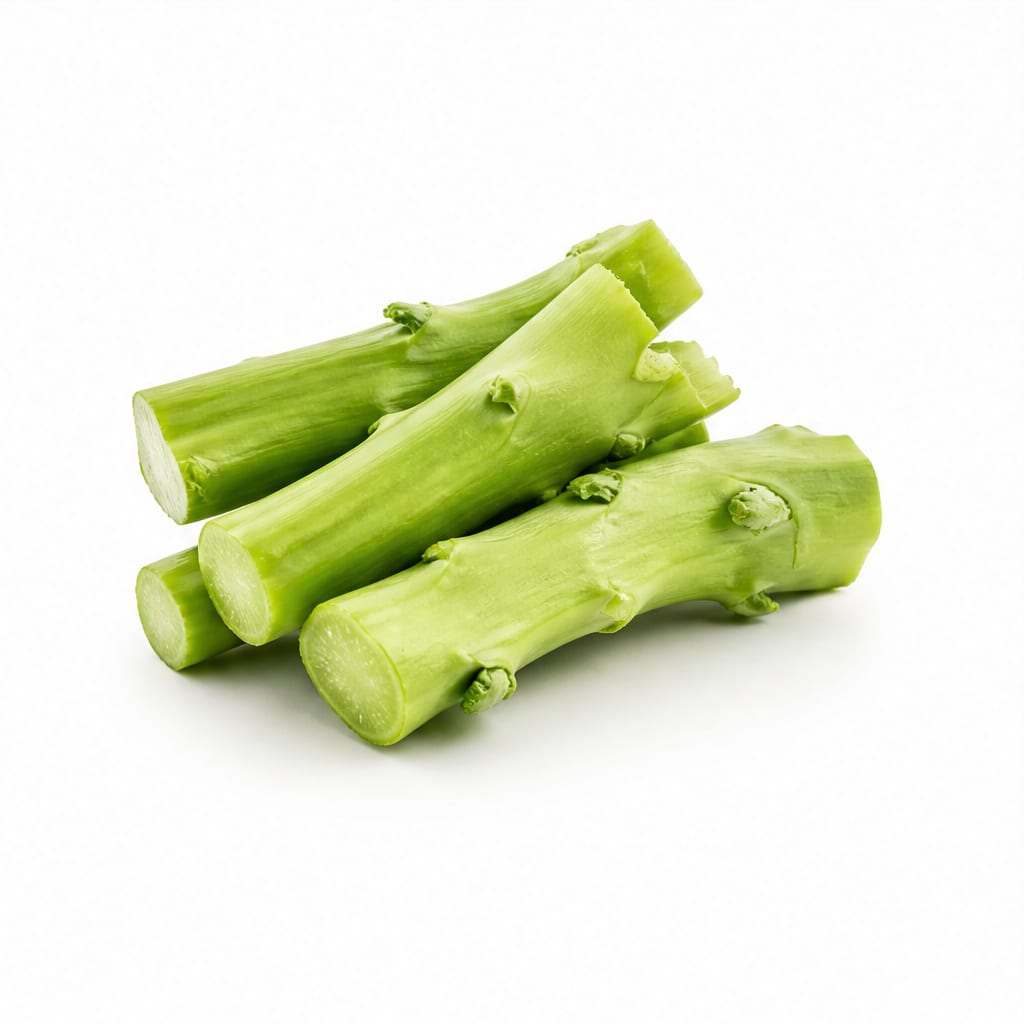
Compare with
Broccoli Stems
Kohlrabi and broccoli stems are nearly identical in texture and nutrition, but kohlrabi is sweeter and easier to peel.
Kohlrabi and broccoli stems are nearly identical in texture and nutrition, but kohlrabi is sweeter and easier to peel.
This food
Kohlrabi
VS75% alike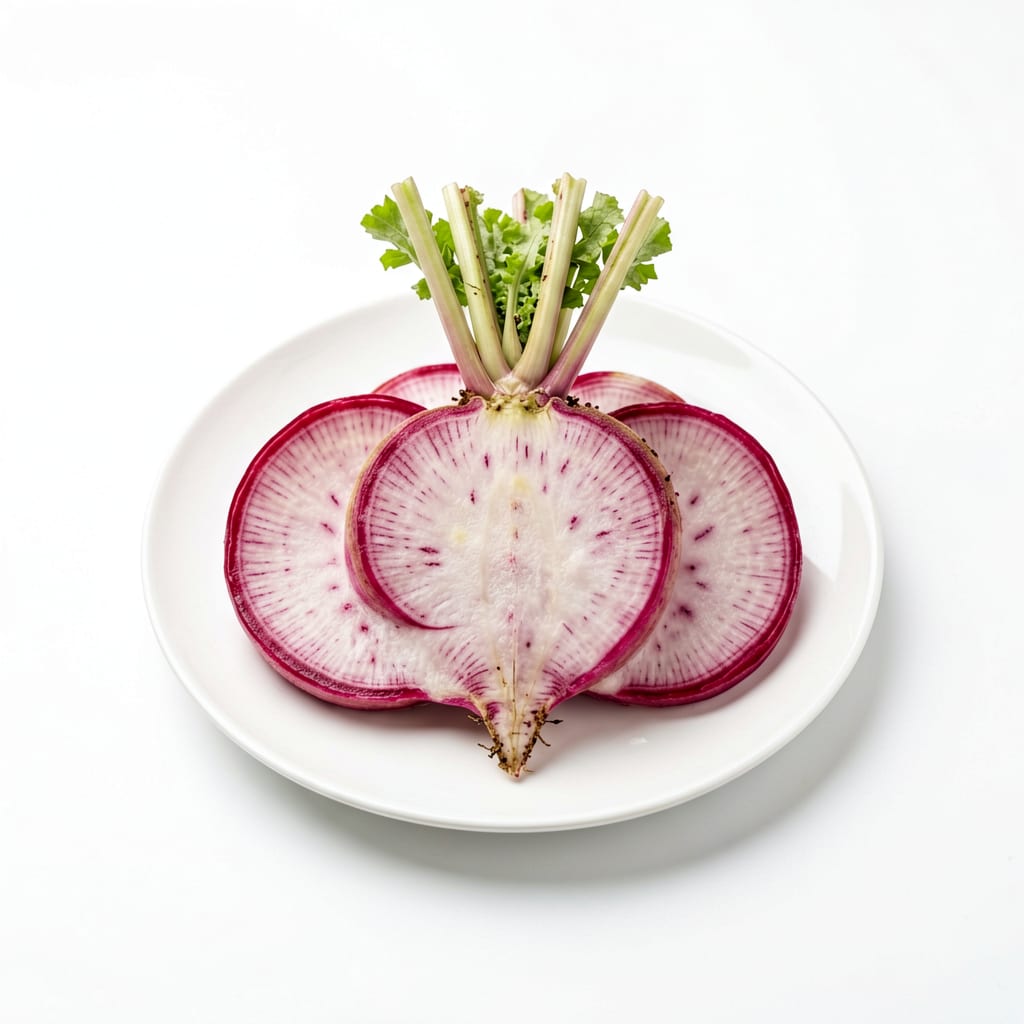
Compare with
Radish
Kohlrabi is larger and milder than radishes, offering more fiber per serving, while radishes provide a sharper flavor.
Kohlrabi is larger and milder than radishes, offering more fiber per serving, while radishes provide a sharper flavor.
This food
Kohlrabi
VS85% alike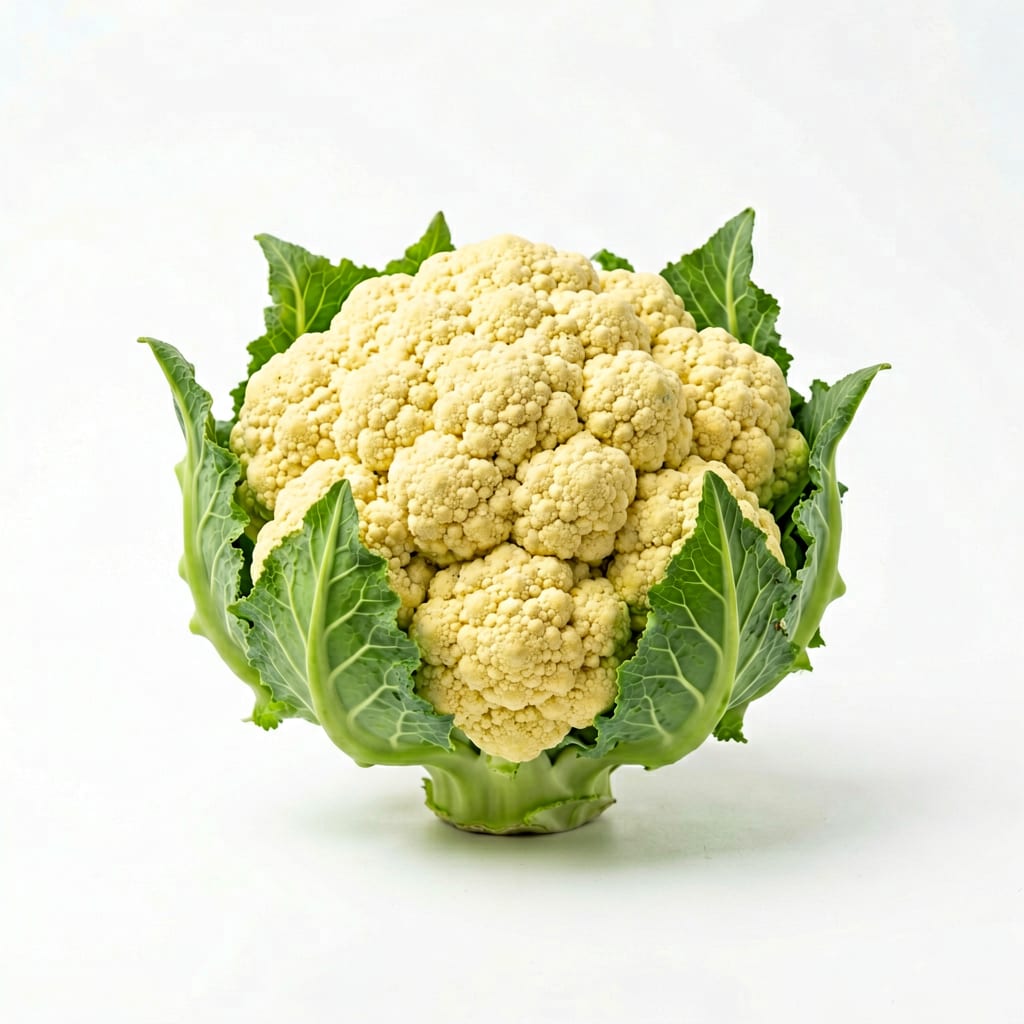
Compare with
Cauliflower
Cauliflower is more versatile for low-carb rice and mash, but kohlrabi offers a superior crunch for raw snacking.
Cauliflower is more versatile for low-carb rice and mash, but kohlrabi offers a superior crunch for raw snacking.
This food
Kohlrabi
VS70% alike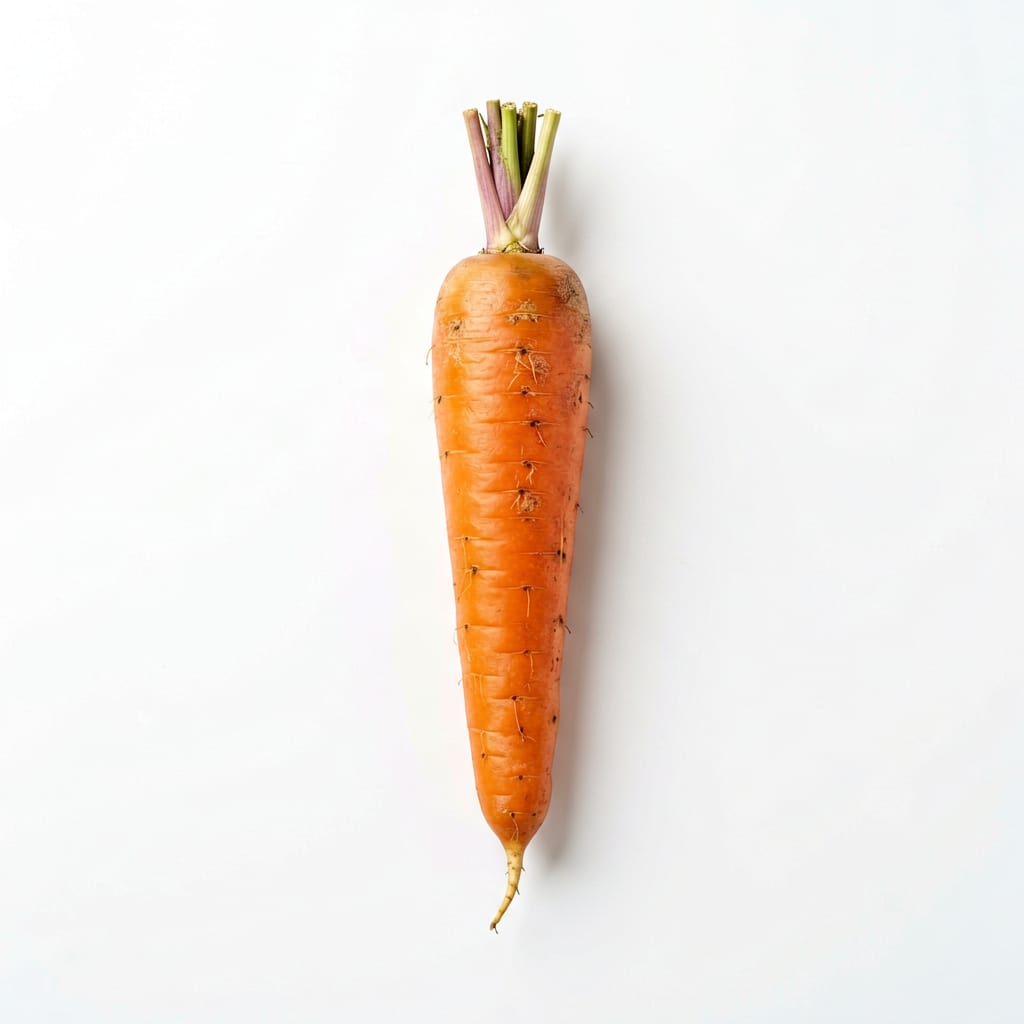
Compare with
Carrot
Kohlrabi is lower in sugar and carbs than carrots, making it better for blood sugar, while carrots provide more beta-carotene.
Kohlrabi is lower in sugar and carbs than carrots, making it better for blood sugar, while carrots provide more beta-carotene.
This food
Kohlrabi
VS80% alike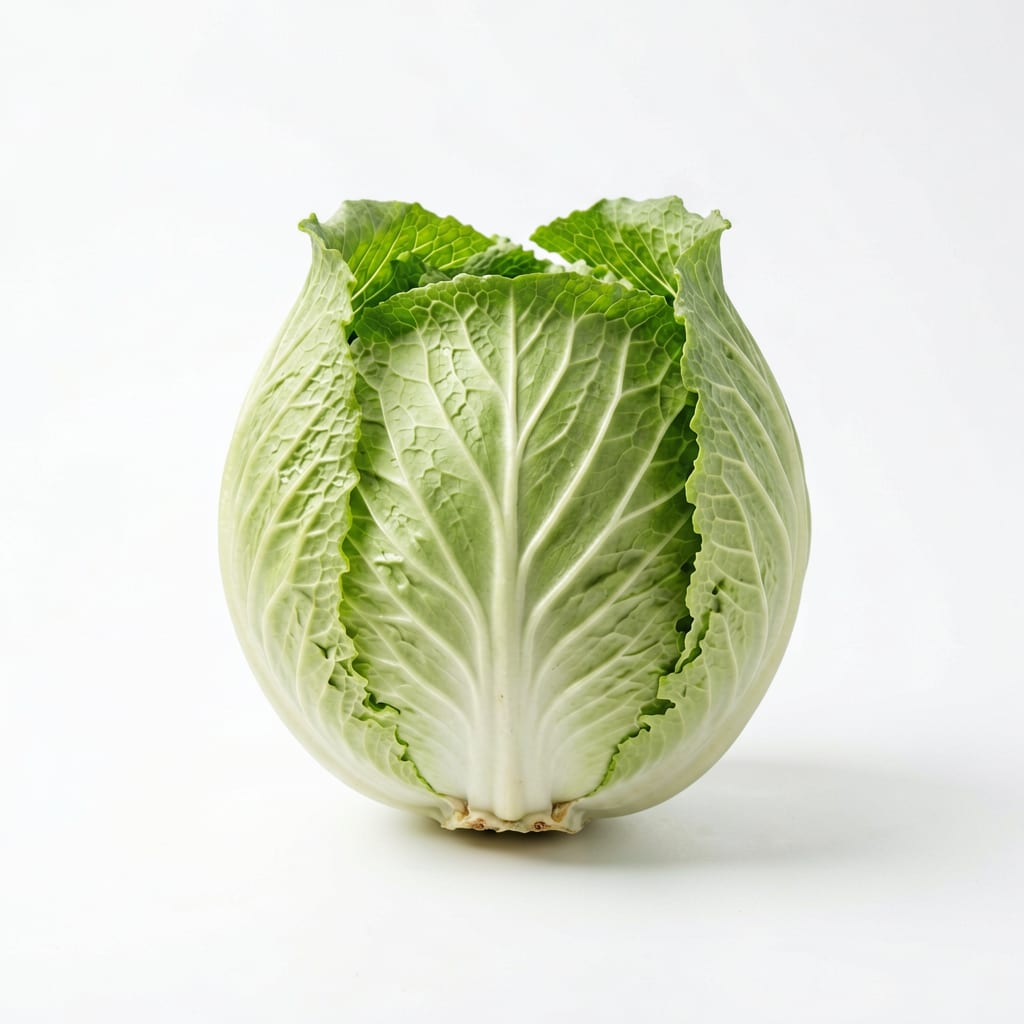
Compare with
Cabbage
Cabbage is leafier and slightly higher in vitamin K, while kohlrabi offers a crisp, apple-like texture and more vitamin C.
Cabbage is leafier and slightly higher in vitamin K, while kohlrabi offers a crisp, apple-like texture and more vitamin C.
This food
Kohlrabi
VS65% alike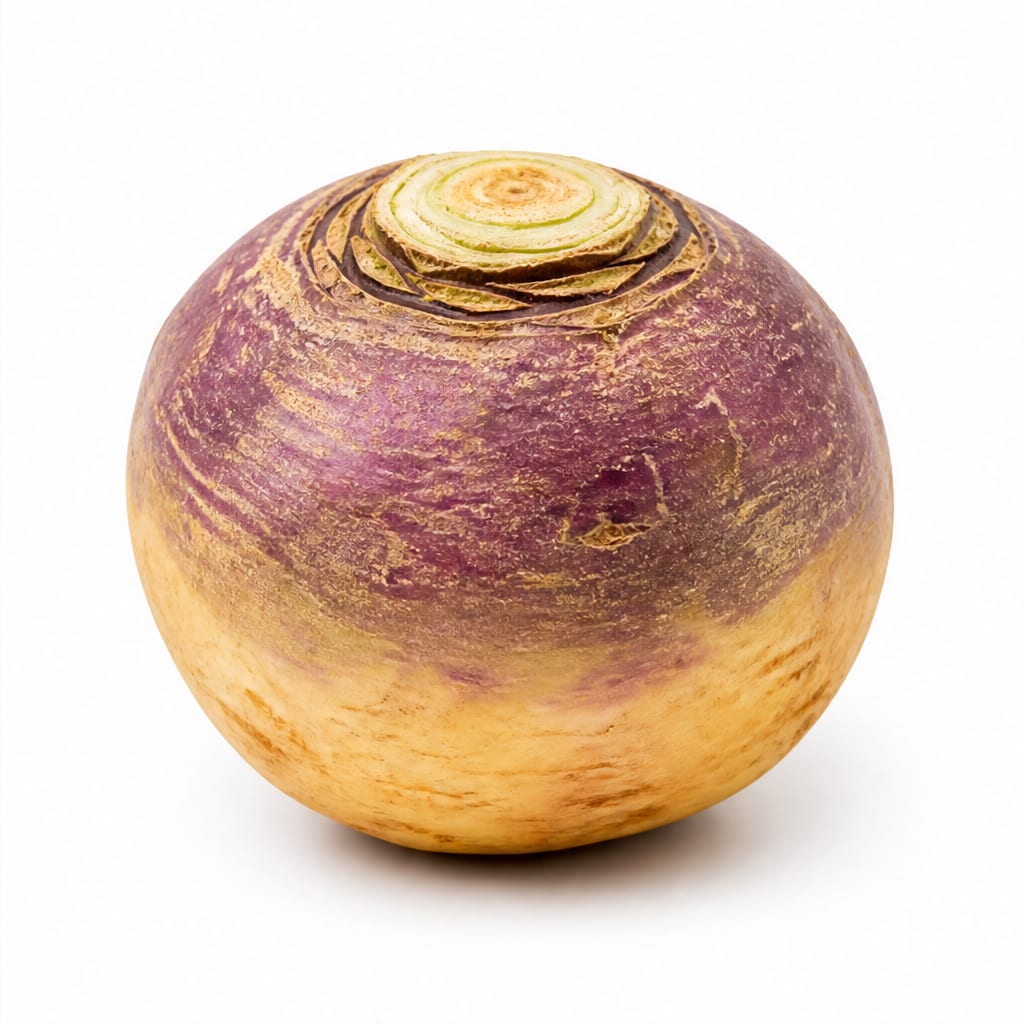
Compare with
Rutabaga
Kohlrabi is lower in calories and carbs than rutabaga, which provides denser energy and a starchier texture for roasting.
Kohlrabi is lower in calories and carbs than rutabaga, which provides denser energy and a starchier texture for roasting.
This food
Kohlrabi
VS75% alike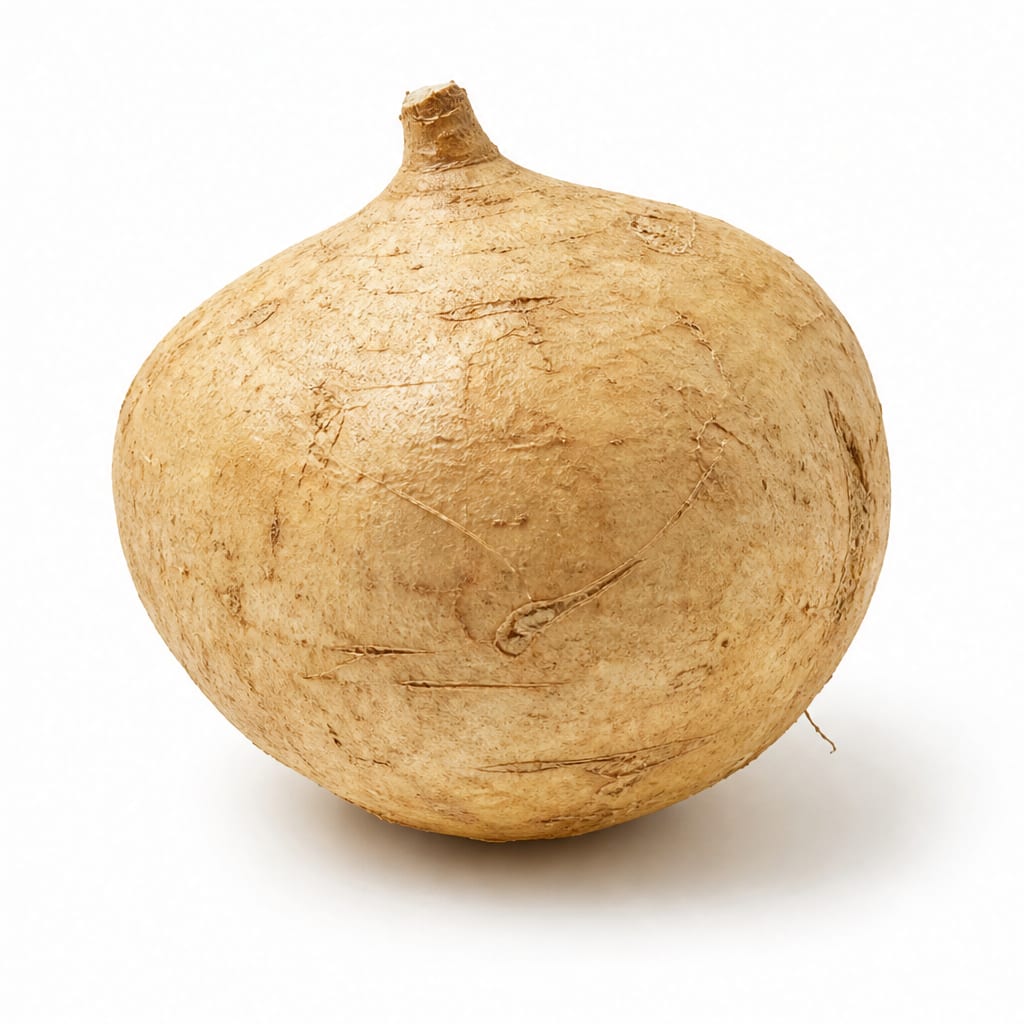
Compare with
Jicama
Jicama is slightly sweeter and higher in inulin fiber, while kohlrabi is lower in carbs and richer in vitamin C.
Jicama is slightly sweeter and higher in inulin fiber, while kohlrabi is lower in carbs and richer in vitamin C.
This food
Kohlrabi
VS70% alike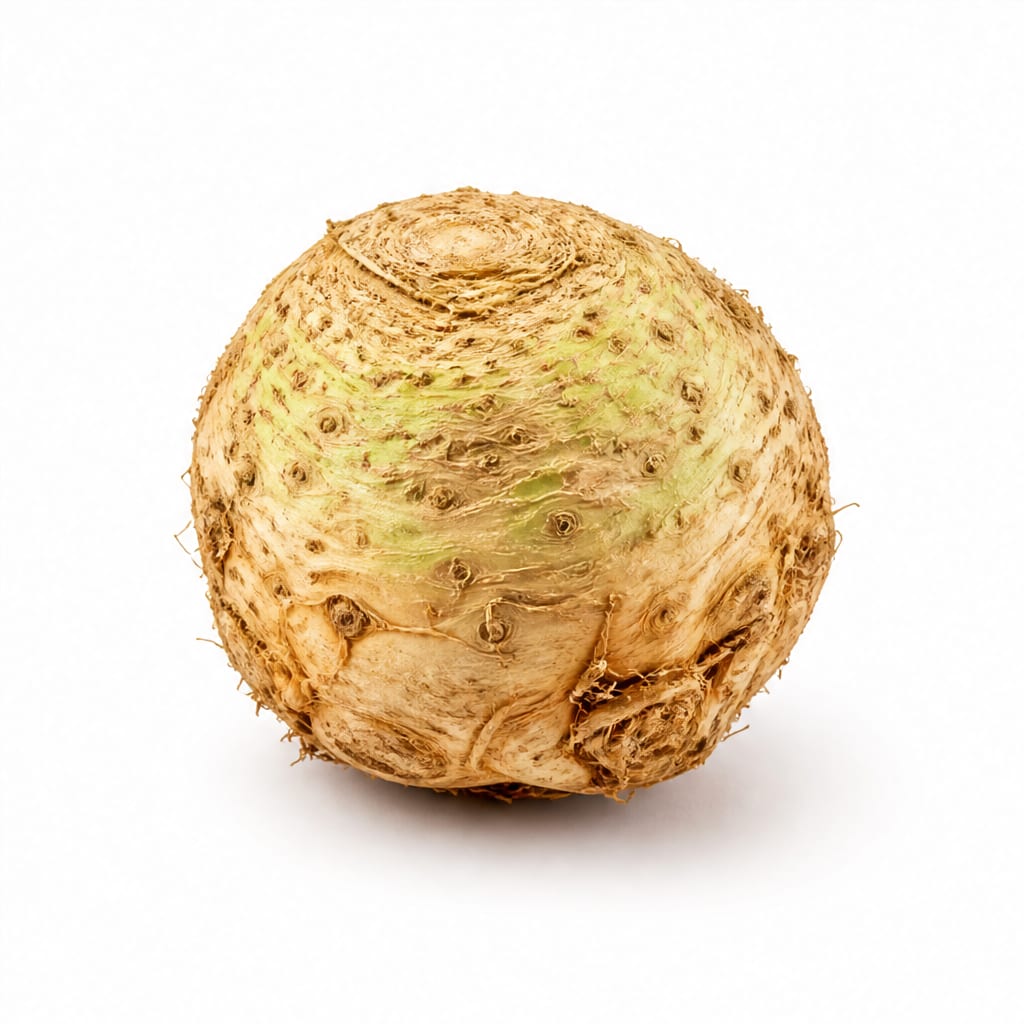
Compare with
Celery Root
Kohlrabi is lighter and sweeter, whereas celeriac has an earthy flavor and more carbohydrates, making it better for mashing.
Kohlrabi is lighter and sweeter, whereas celeriac has an earthy flavor and more carbohydrates, making it better for mashing.
Common questions
FAQ
Answers aligned with how people search for this food.
Is kohlrabi good for weight loss?
Yes, it is very low in calories and high in fiber and water, which helps you feel full without overconsuming calories.
Can diabetics eat kohlrabi?
Yes, it has a very low glycemic index and load, meaning it will not cause significant blood sugar spikes.
Is kohlrabi keto-friendly?
Yes, with only about 2.6g of net carbs per 100g, it easily fits into a low-carb or ketogenic diet.
Do you need to peel kohlrabi?
Yes, the outer skin can be tough and woody, especially on larger bulbs, so peeling is recommended before eating.
What does kohlrabi taste like?
It has a mild, sweet, and slightly peppery flavor, often described as a cross between broccoli stems, cabbage, and radish.
Can you eat kohlrabi raw?
Yes, raw kohlrabi is crisp and refreshing, making it excellent for salads, slaws, or dipping.
Is kohlrabi a root vegetable?
No, the edible bulb is actually a swollen stem that grows above ground, unlike true root vegetables like carrots or potatoes.
Which is healthier, kohlrabi or potatoes?
Kohlrabi is much lower in calories and carbohydrates and higher in fiber, making it a better choice for weight loss and blood sugar control than potatoes.
Transparency
Data confidence
Estimated confidence for nutrition data, interpretation, safety notes, and comparisons.
Nutrition data
Health analysis
Food safety
Comparisons