
Nutrition comparison
Kohlrabi vs Cabbage: Which Cruciferous Vegetable Is Better for You?
Compare kohlrabi and cabbage on nutrition, digestion, budget, and versatility. Find out which brassica fits your health goals and lifestyle better.
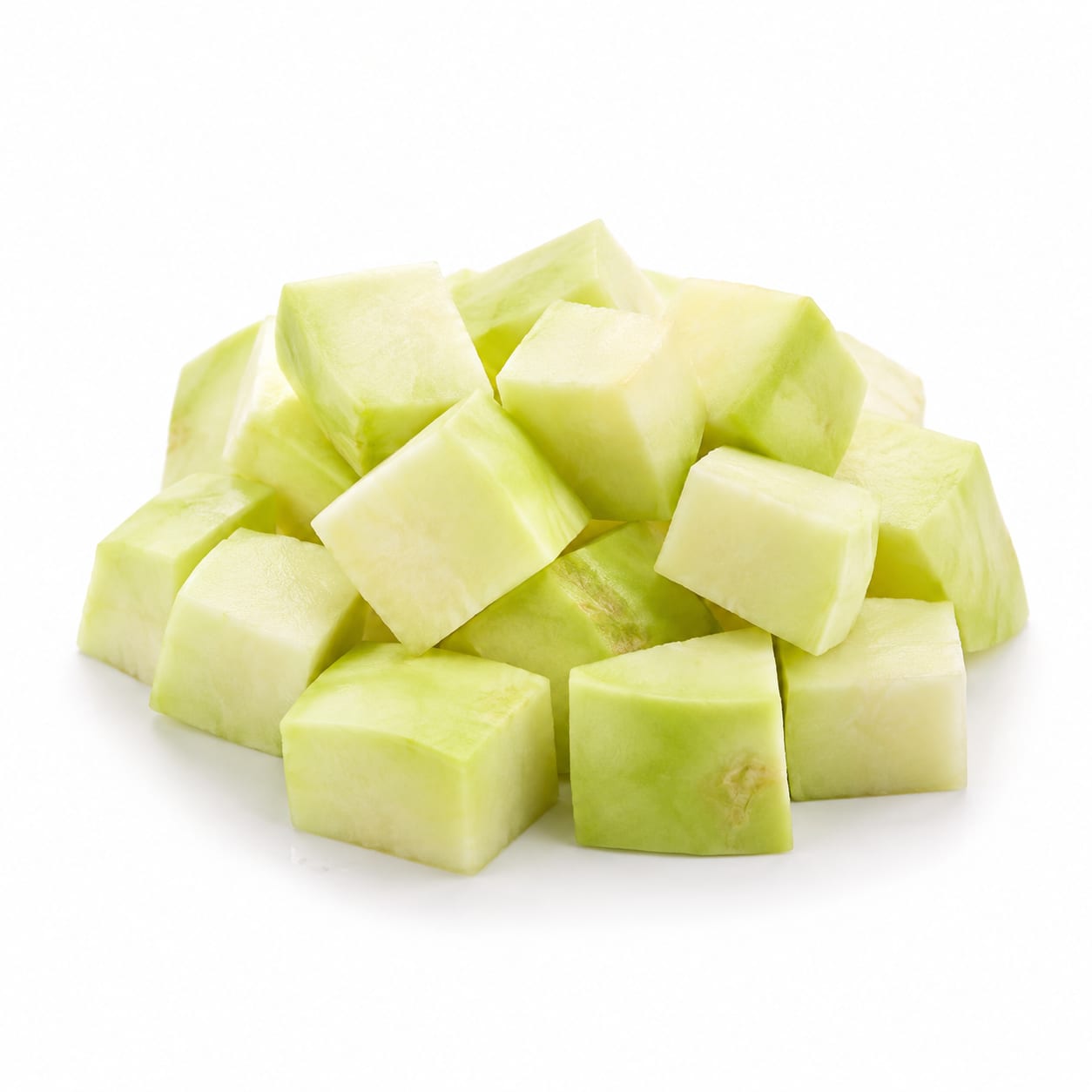
Kohlrabi
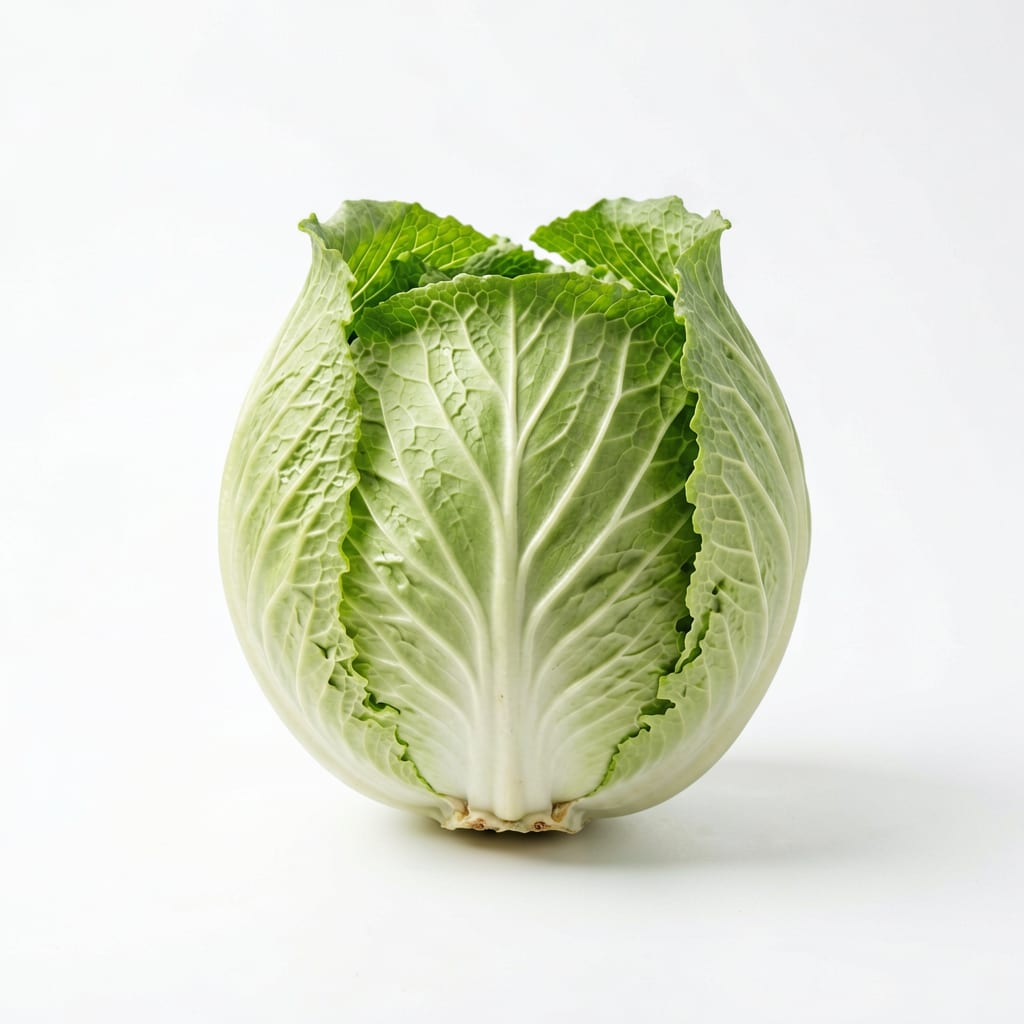
Cabbage
Cabbage wins on budget, shelf life, and versatility. Kohlrabi wins on vitamin C, digestibility, and raw snack appeal.
Cabbage edges ahead due to unmatched affordability, shelf stability, and culinary flexibility. Kohlrabi scores higher on specific nutrients and digestibility but loses ground on practicality and availability.
Cabbage gives you more for less money but can be rough on digestion. Kohlrabi is gentler and more nutrient-dense per bite but costs more and disappears faster from the fridge.
At a glance
Executive summary
Overall
It depends
Healthier
Kohlrabi
More practical
Cabbage
Daily use
Cabbage
Key comparison lenses
nutritional density comparison
Both are cruciferous vegetables but with notably different micronutrient profiles worth understanding
budget and accessibility
Cabbage is one of the cheapest vegetables available while kohlrabi is often pricier and harder to find
digestive tolerance
Cabbage is notorious for causing gas and bloating while kohlrabi is generally gentler on the stomach
culinary versatility
Cabbage can be fermented, stewed, stuffed, and raw while kohlrabi has a narrower but distinct role
shelf life and practicality
Cabbage stores for weeks while kohlrabi is more perishable, affecting meal planning decisions
Best choice for
Kohlrabi
- People with sensitive digestion who want cruciferous benefits without the gas
- Anyone looking for a crisp, refreshing raw snack alternative to jicama or radish
- Those prioritizing vitamin C intake from whole foods
- Home cooks wanting to elevate dishes with a less common vegetable
Cabbage
- Budget-conscious households needing maximum nutrition per dollar
- Meal preppers who want vegetables that last weeks in the fridge
- Fans of fermented foods like sauerkraut and kimchi
- Anyone cooking hearty soups, stews, or stuffed rolls
Least suitable for
Kohlrabi
- People on tight grocery budgets where cost per serving matters most
- Those living in areas with limited produce selection
- Anyone needing long-term storage without frequent shopping trips
Cabbage
- People with IBS or severe bloating triggered by cruciferous vegetables
- Those tired of cabbage looking for something more exciting
- Anyone wanting a quick raw snack without chopping and prep
Deep comparison
Dimension by dimension
Each lens scores both foods and breaks down who each option suits.
- Dimension 1 · Priority 90Kohlrabi
nutritional_density
Kohlrabi · 82Cabbage · 74Kohlrabi delivers more vitamin C and potassium per serving while cabbage leads in vitamin K and folate.
Tradeoff
Kohlrabi gives you a stronger vitamin C hit but cabbage provides more vitamin K which matters for bone and blood health.
Why it matters
If you are already getting vitamin K from leafy greens, kohlrabi fills a different gap. If cabbage is your main green, you get solid K coverage.
Real-world impact
Eating kohlrabi raw as a snack gives you about 85% of daily vitamin C in one cup. Cabbage gives you about 30% but nearly 85% of vitamin K.
Kohlrabi
- Boosting immune function through vitamin C
- Getting more potassium for blood pressure support
- Adding trace minerals like copper and manganese
Better for
- Lower vitamin K means less bone and clotting support per serving
- Less folate than cabbage for cellular health
Worse for
Cabbage
- Supporting bone density through vitamin K
- Getting more folate which matters for cell repair
- Benefiting from higher glucosinolate variety for detox support
Better for
- Noticeably less vitamin C per serving
- Lower potassium content for heart health support
Worse for
- Dimension 2 · Priority 80Kohlrabi
digestive_tolerance
Kohlrabi · 85Cabbage · 55Kohlrabi is significantly easier on the digestive system. Cabbage is a well-known bloating trigger.
Tradeoff
You get more gut-protective compounds from cabbage but risk more discomfort getting them.
Why it matters
For people with sensitive stomachs, IBS, or who experience gas from cruciferous vegetables, this difference is night and day.
Real-world impact
Eating a cabbage-heavy dinner can mean bloating and gas that evening. Kohlrabi rarely causes that same reaction even in larger portions.
Kohlrabi
- People with IBS or sensitive digestion
- Anyone who avoids cruciferous vegetables due to gas
- Those wanting cruciferous benefits without digestive discomfort
Better for
- Still contains some fermentable carbs that can affect very sensitive individuals
Worse for
Cabbage
- People with robust digestion who tolerate cruciferous vegetables well
- Anyone benefiting from the prebiotic fiber that feeds gut bacteria
Better for
- High in FODMAPs making it problematic for IBS sufferers
- Common cause of bloating and flatulence especially when raw
- Can cause significant discomfort in large portions
Worse for
- Dimension 3 · Priority 85Cabbage
budget_and_value
Kohlrabi · 45Cabbage · 95Cabbage is one of the most cost-effective vegetables available. Kohlrabi is often two to three times more expensive per pound.
Tradeoff
Cabbage gives you far more nutrition per dollar spent. Kohlrabi costs more but offers a different eating experience.
Why it matters
For families or anyone watching grocery spending, this gap is substantial over weeks and months.
Real-world impact
A single cabbage head costs around one dollar and provides multiple meals. Kohlrabi often runs two to four dollars per bulb with fewer servings.
Kohlrabi
- Those willing to pay more for variety and novelty
- Anyone prioritizing taste experience over cost
Better for
- Significantly higher cost per serving
- Often not available in budget grocery stores
- Price varies wildly by region and season
Worse for
Cabbage
- Families feeding multiple people on a budget
- Anyone calculating nutrition per dollar spent
- Meal preppers who need bulk vegetables cheaply
Better for
- Lower perceived value may lead to undereating vegetables if variety is important to you
Worse for
- Dimension 4 · Priority 70Cabbage
shelf_life_and_convenience
Kohlrabi · 55Cabbage · 90Cabbage can last weeks refrigerated. Kohlrabi starts degrading within a week and loses crispness quickly.
Tradeoff
Cabbage is the reliable pantry staple. Kohlrabi needs to be used soon after purchase for best quality.
Why it matters
If you shop once a week or less, cabbage will still be good at the end. Kohlrabi might be rubbery by then.
Real-world impact
A cabbage head in your crisper drawer on Monday is still crisp next Sunday. Kohlrabi leaves wilt within days and the bulb gets soft.
Kohlrabi
- Anyone who shops frequently and eats produce quickly
- People who enjoy planning meals around fresh seasonal finds
Better for
- Leaves wilt within two to three days
- Bulb quality declines noticeably after one week
- Requires more careful storage planning
Worse for
Cabbage
- Once-a-week grocery shoppers
- Meal preppers who need vegetables that hold up over days
- Anyone who has thrown away wilted produce too often
Better for
- Cut cabbage needs to be used within a few days once opened
- Odor can permeate the fridge if stored improperly
Worse for
- Dimension 5 · Priority 75Cabbage
culinary_versatility
Kohlrabi · 60Cabbage · 88Cabbage can be fermented, braised, stuffed, stir-fried, eaten raw, and more. Kohlrabi has fewer signature applications.
Tradeoff
Cabbage is the culinary workhorse. Kohlrabi is more of a specialty ingredient with a narrower but appealing range.
Why it matters
If you want one vegetable that can become ten different dishes, cabbage is hard to beat.
Real-world impact
Cabbage becomes coleslaw, sauerkraut, stir-fry, soup, stuffed rolls, and roasted wedges. Kohlrabi is mainly raw sticks, slaw, or roasted cubes.
Kohlrabi
- Raw crudité and snack plates where crispness matters
- Slaws where a sweeter milder flavor is preferred
- Roasted vegetable medleys needing a turnip-like element
Better for
- Cannot be fermented effectively on its own
- Does not work well as a wrapping or stuffing vessel
- Limited traditional recipe repertoire
Worse for
Cabbage
- Fermentation projects like sauerkraut and kimchi
- Hearty winter soups and stews
- Stuffed cabbage rolls and wrapped dishes
- Quick stir-fries and braised side dishes
Better for
- Raw cabbage can be tough and fibrous in some preparations
- Stronger flavor that does not work in every dish calling for a mild crunch
Worse for
- Dimension 6 · Priority 78It depends
antioxidant_and_disease_fighting_profile
Kohlrabi · 76Cabbage · 78Both are cruciferous powerhouses with glucosinolates. Cabbage has a slight edge in variety of cancer-fighting compounds.
Tradeoff
Cabbage offers broader glucosinolate diversity. Kohlrabi delivers more vitamin C which supports antioxidant defense differently.
Why it matters
Both vegetables belong to the brassica family known for cancer-fighting potential. The differences are real but modest.
Real-world impact
Regular consumption of either vegetable is strongly linked to lower cancer risk. Rotating both gives you the broadest protection.
Kohlrabi
- Higher vitamin C acts as a direct antioxidant in the body
- Good source of anthocyanins in purple varieties
Better for
- Less research specifically on kohlrabi and disease prevention
- Fewer glucosinolate types compared to cabbage
Worse for
Cabbage
- More studied for cancer prevention especially colorectal
- Broader spectrum of glucosinolates including sinigrin and glucoraphanin
- Fermented forms add probiotic benefits for immune health
Better for
- Lower direct antioxidant vitamin content per serving
Worse for
Timeline
Health impact over time
Short-term
Hours to days
Kohlrabi
- Quick vitamin C boost supporting immune function within hours
- Mild diuretic effect helping reduce water retention
- Crunchy raw consumption supports satiety without heaviness
- Generally well tolerated without bloating
Cabbage
- Noticeable fullness from high fiber and water volume
- Potential gas and bloating within hours especially if raw
- Vitamin K rapidly supports blood clotting function
- Fermented versions provide immediate probiotic gut benefits
Long-term
Months to years
Kohlrabi
- Consistent vitamin C intake supports collagen and skin health over time
- Potassium contribution helps maintain healthy blood pressure
- Cruciferous compounds support liver detoxification pathways
- Low calorie density aids weight maintenance without feeling deprived
Cabbage
- Strong evidence for reduced colorectal cancer risk with regular consumption
- Vitamin K accumulation supports long-term bone density
- Fermented cabbage varieties improve gut microbiome diversity over months
- Sustained fiber intake promotes regularity and cardiovascular health
Risk profile
Safety & processing
Both kohlrabi and cabbage are whole vegetables typically sold fresh and unprocessed. Neither carries meaningful additive concerns in their raw form. The only processing consideration is fermented cabbage products like sauerkraut which may contain added sodium.
Kohlrabi
Pesticide residue on skin
mediumKohlrabi skin can retain pesticide residues. Peeling eliminates most of this concern but removes fiber and nutrients.
Allergic cross-reactivity
lowRare but possible cross-reaction for people allergic to other brassica vegetables like broccoli or turnips.
Cabbage
Pesticide residue in leaf layers
mediumCabbage leaves can trap pesticide residue between layers. Removing outer leaves significantly reduces exposure.
Goitrogenic compounds
lowRaw cabbage contains goitrogens that can interfere with thyroid function in very large amounts. Cooking reduces this significantly.
High sodium in fermented products
mediumSauerkraut and kimchi can contain very high sodium levels which matters for blood pressure management.
Who wins for whom
Audience fit
Same foods, different winners depending on your goal.
children
KohlrabiKohlrabi's mild sweet flavor and fun alien-like appearance make it more appealing to kids. Raw kohlrabi sticks are an easy sell compared to cabbage which many children resist.
daily consumption
CabbageCabbage's affordability, shelf life, and versatility make it realistic to eat every day. Kohlrabi is great but harder to sustain daily due to cost and availability.
diabetes
KohlrabiKohlrabi has a slightly lower glycemic impact and more vitamin C which helps with oxidative stress in diabetes. Both are excellent choices though.
elderly
CabbageCabbage provides more vitamin K for bone health and folate for cognitive support. Cooked cabbage is also very easy to chew and digest for those with dental concerns.
muscle gain
It dependsNeither is a protein source. Kohlrabi offers slightly more vitamin C for recovery while cabbage provides more vitamin K for bone support under training stress.
weight loss
CabbageCabbage provides more volume and fiber per calorie making meals feel larger. The extremely low calorie density means you can eat large portions without overshooting your budget.
Your move
Decision guide
Choose Kohlrabi
- You want a crisp raw snack that will not bloat you
- Vitamin C intake is a priority for you
- You have access to fresh kohlrabi at reasonable prices
- You or your kids find cabbage too strong-flavored
- You want something different from the usual vegetable rotation
Choose Cabbage
- Grocery budget is a primary concern
- You want one vegetable that works in dozens of recipes
- You are interested in making sauerkraut or kimchi at home
- You shop infrequently and need vegetables that last
- You are cooking for a crowd and need affordable volume
Either works if
- You want cruciferous cancer-fighting benefits and can rotate both
- You are building a diverse vegetable intake and enjoy variety
- You need low-calorie fillers for soups and stews
- Blood pressure management through potassium intake matters to you
Avoid both if
- You are on a strict low-FODMAP diet during elimination phase
- You have a confirmed brassica allergy
- You take blood thinners like warfarin and need stable vitamin K intake without fluctuation
Final recommendation
Eat both if you can. Cabbage is your reliable daily workhorse and kohlrabi is your refreshing change of pace. If you must pick one, cabbage wins on practicality and budget while kohlrabi wins on digestibility and vitamin C. For most people, keeping cabbage as a staple and adding kohlrabi when available gives the best of both worlds.
Practical
Consumer tips
- 1
Peel kohlrabi skin if concerned about pesticides but know you lose some fiber and nutrients
- 2
Remove and discard the outermost leaves of cabbage to reduce pesticide exposure significantly
- 3
Slice kohlrabi into sticks and keep in water in the fridge for an easy grab-and-go snack
- 4
If cabbage causes bloating, try cooking it instead of eating raw as heat breaks down gas-causing compounds
- 5
Purple varieties of both vegetables contain extra anthocyanins and are worth choosing when available
- 6
Start with small portions of either vegetable if you are not used to cruciferous fiber to avoid digestive surprise
- 7
Kohlrabi leaves are edible and nutritious so do not discard them if still attached and fresh