
Nutrition comparison
Kohlrabi vs Celery Root: Which Low-Carb Vegetable Is Better for You?
Compare Kohlrabi and Celery Root nutrition, taste, and best uses. Find out which is better for weight loss, keto, snacking, and cooking as a potato substitute.
Overall winner · Kohlrabi
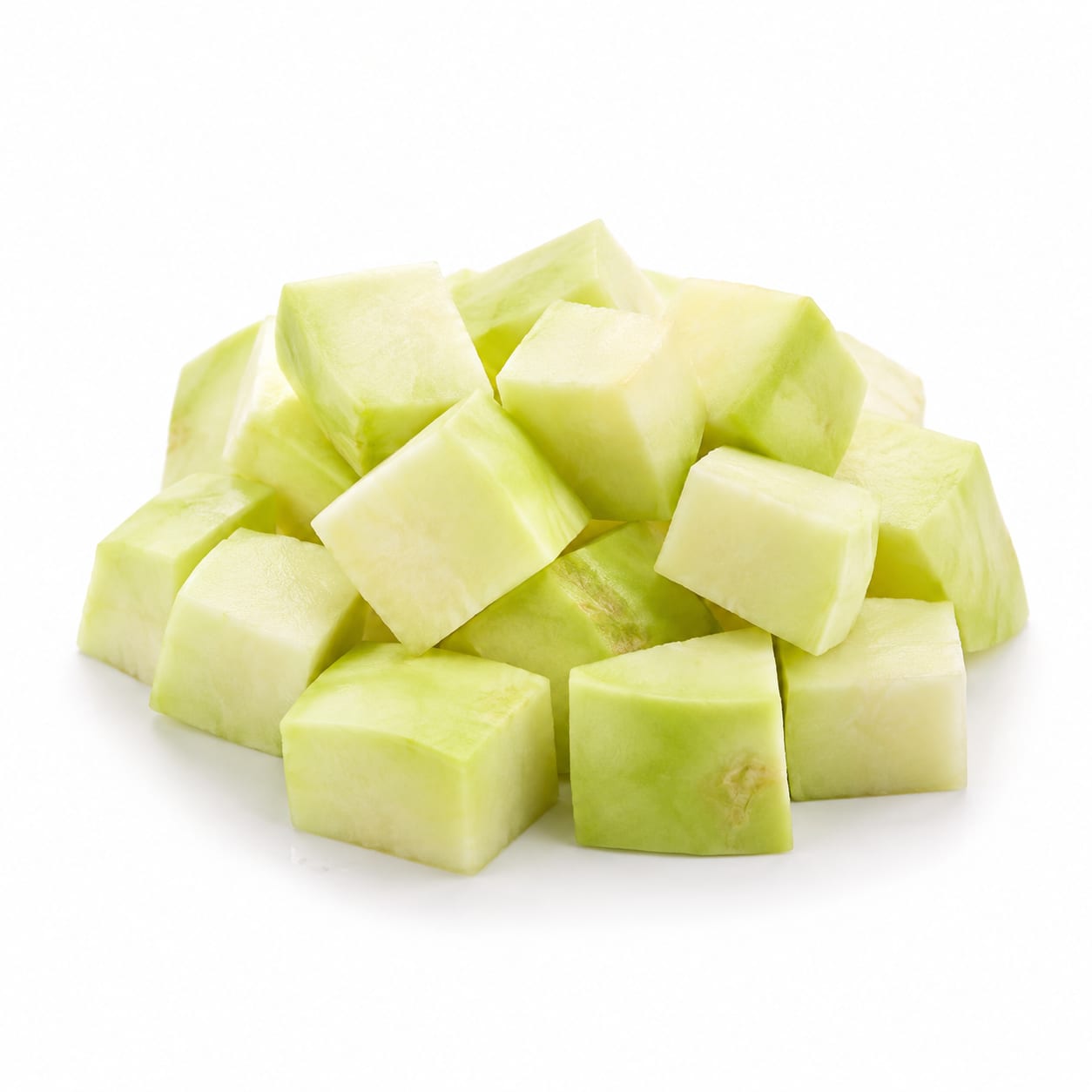
Kohlrabi
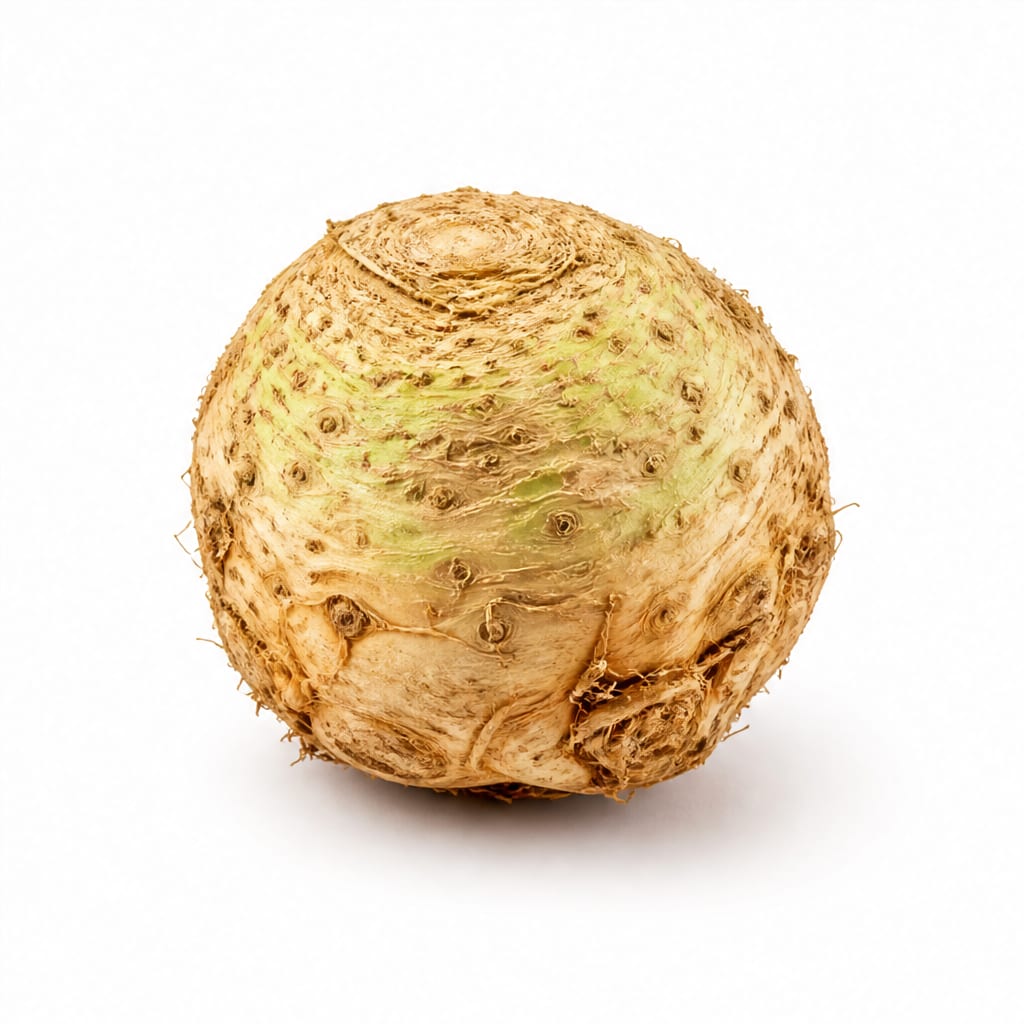
Celery Root
Kohlrabi edges ahead with more vitamin C, cruciferous antioxidants, and raw snacking versatility, but Celery Root is the better comfort food and potato substitute.
Kohlrabi scores higher due to superior vitamin C, glucosinolate antioxidants, and dual raw-or-cooked versatility. Celery Root remains valuable but is more limited to cooked applications and has a less impressive micronutrient spread.
Kohlrabi gives you crisp freshness and immune support; Celery Root gives you earthy warmth and satisfying texture in cooked dishes.
At a glance
Executive summary
Overall
Kohlrabi
Healthier
Kohlrabi
More practical
Celery Root
Daily use
Kohlrabi
Key comparison lenses
low-carb potato substitute comparison
Both are popular lower-carb alternatives to potatoes, but differ significantly in texture, flavor, and best culinary use
raw vs cooked versatility
Kohlrabi excels raw as a snack, while Celery Root shines cooked in mashes and soups
vitamin and antioxidant profile
Kohlrabi delivers far more vitamin C and cruciferous antioxidants; Celery Root offers more vitamin K and phosphorus
weight management and satiety
Both are low-calorie but Celery Root feels more filling due to denser texture and higher carb content
digestive tolerance and FODMAP considerations
Both can cause bloating in sensitive individuals, but through different mechanisms
Best choice for
Kohlrabi
- Raw snacking and crudité platters
- Vitamin C and immune support
- Cruciferous vegetable benefits without strong flavor
- Quick prep meals needing no cooking
Celery Root
- Low-carb mashed potato substitute
- Hearty soups and stews
- Comfort food without the carb load
- Warm side dishes for cold weather
Least suitable for
Kohlrabi
- Creamy mash lovers expecting potato-like texture
- People wanting rich, earthy flavor profiles
- Those who dislike crisp, juicy vegetable textures
Celery Root
- Quick no-cook meal prep
- People avoiding even moderate carbs
- Those who find earthy flavors off-putting
Deep comparison
Dimension by dimension
Each lens scores both foods and breaks down who each option suits.
- Dimension 1 · Priority 90Kohlrabi
Vitamin and Antioxidant Profile
Kohlrabi · 82Celery Root · 58Kohlrabi delivers substantially more vitamin C and unique cruciferous compounds that Celery Root simply cannot match.
Tradeoff
You gain immune-boosting vitamin C and cancer-fighting glucosinolates with Kohlrabi, but miss out on Celery Root's vitamin K for bone and blood health.
Why it matters
Vitamin C from whole foods supports immunity more effectively than supplements, and glucosinolates are linked to reduced cancer risk in long-term studies.
Real-world impact
Eating Kohlrabi regularly may mean fewer winter colds and better skin health; Celery Root contributes more to bone density over time.
Kohlrabi
- Immune system support
- Skin health and collagen production
- Long-term cancer risk reduction
Better for
- Situations requiring significant vitamin K intake
Worse for
Celery Root
- Bone health and blood clotting
- Phosphorus for energy metabolism
- Dental health support
Better for
- Anyone relying on food for daily vitamin C needs
Worse for
- Dimension 2 · Priority 88Celery Root
Low-Carb Potato Replacement Quality
Kohlrabi · 55Celery Root · 84Celery Root mashes beautifully with a creamy, comforting texture that genuinely satisfies the potato craving. Kohlrabi stays too watery and crisp for convincing mash.
Tradeoff
Celery Root gives you the comfort food experience but with slightly more carbs than Kohlrabi. Kohlrabi keeps carbs lower but never feels like a true potato substitute.
Why it matters
Sustainability on low-carb diets depends on finding satisfying replacements. A convincing mash prevents diet abandonment.
Real-world impact
Celery Root mash can replace potatoes at dinner without feeling deprived. Kohlrabi mash often leaves you missing the real thing.
Kohlrabi
- Strict carb counting where every gram matters
- Raw slaw or salad applications
Better for
- Anyone seeking potato-like comfort food texture
Worse for
Celery Root
- Creamy mashed side dishes
- Roasted vegetable medleys
- Hearty winter soups
- Comfort food cravings on keto
Better for
- Very strict ketogenic carb limits
Worse for
- Dimension 3 · Priority 82Kohlrabi
Raw Eating and Snack Versatility
Kohlrabi · 90Celery Root · 35Kohlrabi is crisp, juicy, and mildly sweet raw — perfect for snacking. Celery Root is tough, fibrous, and unpleasant raw for most people.
Tradeoff
Kohlrabi doubles as a no-prep snack vegetable; Celery Root almost always requires peeling and cooking to be enjoyable.
Why it matters
Convenient raw snacks reduce reliance on processed foods between meals.
Real-world impact
Keep Kohlrabi in the fridge for instant crunchy snacking. Celery Root requires planning and cooking time.
Kohlrabi
- Quick afternoon snacks
- Crudité and dip platters
- No-cook meal prep
- Kids who enjoy crunchy vegetables
Better for
- None for raw applications
Worse for
Celery Root
- Warm cooked dishes only
Better for
- Any raw snacking situation
- Quick no-cook meal needs
Worse for
- Dimension 4 · Priority 76Kohlrabi
Caloric Density and Weight Management
Kohlrabi · 80Celery Root · 68Kohlrabi is lighter with fewer calories per serving, making it easier to eat in larger volumes. Celery Root is denser and more filling but carries more calories.
Tradeoff
Kohlrabi lets you eat more volume for fewer calories; Celery Root satisfies hunger faster but at a higher caloric cost.
Why it matters
Volume eating helps with satiety during weight loss without overconsuming calories.
Real-world impact
A large bowl of raw Kohlrabi sticks costs under 40 calories. The same weight of Celery Root mash runs closer to 65 calories.
Kohlrabi
- Volume eating for weight loss
- Unlimited snacking without guilt
- Calorie-controlled meal plans
Better for
- Meals where you need dense, lasting fullness
Worse for
Celery Root
- Satiety with smaller portions
- Replacing higher-calorie comfort foods
Better for
- Strict calorie counting with large portions
Worse for
- Dimension 5 · Priority 70It depends
Digestive Tolerance
Kohlrabi · 65Celery Root · 65Both can cause bloating but through different pathways. Kohlrabi contains raffinose from its cruciferous nature; Celery Root has higher fermentable fiber.
Tradeoff
Kohlrabi may cause gas from cruciferous sugars; Celery Root may cause discomfort from its dense fiber load. Individual tolerance varies significantly.
Why it matters
Digestive discomfort undermines healthy eating habits and makes people abandon vegetables.
Real-world impact
Start with small portions of either vegetable if you have a sensitive stomach. Cooking both reduces digestive issues considerably.
Kohlrabi
- People sensitive to dense starchy fiber
Better for
- Those with severe cruciferous vegetable intolerance
- IBS-C patients sensitive to raffinose
Worse for
Celery Root
- People sensitive to cruciferous gas-producing compounds
Better for
- Those with severe fiber sensitivity
- IBS-D patients reacting to fermentable carbs
Worse for
- Dimension 6 · Priority 72Kohlrabi
Preparation Convenience
Kohlrabi · 78Celery Root · 50Kohlrabi peels easily and can be eaten raw with minimal prep. Celery Root has a notoriously tough, knobby exterior that requires aggressive peeling and trimming.
Tradeoff
Kohlrabi is faster from fridge to plate; Celery Root rewards patience with deeper flavor but demands more knife work.
Why it matters
Preparation difficulty directly affects how often you actually cook a vegetable.
Real-world impact
Kohlrabi can be sliced and served in under two minutes. Celery Root peeling alone can take five minutes with a sharp knife and some effort.
Kohlrabi
- Weeknight quick meals
- Lunch box prep
- Cooking beginners
Better for
- None significant
Worse for
Celery Root
- Weekend cooking projects
- Meal prep sessions with more time
Better for
- Time-pressed weeknight dinners
- Cooking novices intimidated by tough prep
Worse for
Timeline
Health impact over time
Short-term
Hours to days
Kohlrabi
- Quick hydration from high water content
- Vitamin C boost supporting same-day immune function
- Light, non-sleepy feeling after eating
- Possible mild gas if eaten raw in large amounts
Celery Root
- Satisfying fullness from denser carbohydrate content
- Warming comfort from cooked preparations
- Steadier blood sugar compared to regular potatoes
- Possible bloating from fermentable fiber
Long-term
Months to years
Kohlrabi
- Consistent vitamin C intake supports skin and immunity year-round
- Glucosinolate consumption linked to reduced cancer risk in population studies
- Cruciferous vegetable habits correlate with lower cardiovascular disease risk
- Low caloric density supports sustainable weight management
Celery Root
- Vitamin K contributes to bone density preservation with age
- Phosphorus supports dental health and energy metabolism long-term
- Potassium intake helps maintain healthy blood pressure
- Replacing potatoes with Celery Root reduces refined carb exposure
Risk profile
Safety & processing
Both Kohlrabi and Celery Root are whole, unprocessed vegetables typically sold fresh and unadulterated. Neither carries meaningful processing concerns. Choose organic for Kohlrabi if worried about cruciferous pesticide profiles, but both are generally clean choices.
Kohlrabi
Pesticide residue on conventional cruciferous crops
lowKohlrabi is not on the Dirty Dozen list but cruciferous vegetables can retain surface pesticides. Washing thoroughly or choosing organic minimizes this.
Choking hazard from large raw pieces
lowRaw Kohlrabi sticks are firm. Cut into appropriate sizes for children and older adults with chewing difficulties.
Celery Root
Soil contamination on irregular skin surface
lowCelery Root's knobby exterior traps soil in crevices. Aggressive peeling removes this concern entirely.
Allergic cross-reactivity for celery allergy sufferers
mediumCelery Root can trigger serious reactions in people with celery allergy, which is one of the more common adult-onset food allergies in Europe. This is a genuine concern for affected individuals.
Who wins for whom
Audience fit
Same foods, different winners depending on your goal.
children
KohlrabiMildly sweet, crunchy, and fun to eat raw — Kohlrabi is more kid-friendly. The alien-looking vegetable can even make eating vegetables entertaining.
daily consumption
KohlrabiMore versatile across raw and cooked applications, lower calorie, and higher vitamin C make Kohlrabi easier to eat every day without repetition or excess.
diabetes
KohlrabiFewer carbs per serving and a lower glycemic impact make Kohlrabi the safer choice for blood sugar management, though both are far better than potatoes.
elderly
Celery RootSoft, cooked Celery Root is easier to chew and digest for aging digestive systems. Its vitamin K also supports bone health in populations at risk for osteoporosis.
muscle gain
It dependsNeither is a muscle-building food. Celery Root provides slightly more carbs for training fuel, but both require protein pairing to matter for this goal.
weight loss
KohlrabiLower calories per serving and raw snacking versatility make Kohlrabi easier to integrate into calorie-controlled plans without feeling restricted.
Your move
Decision guide
Choose Kohlrabi
- You want a crunchy raw snack that replaces chips or crackers
- Vitamin C and immune support are priorities
- You dislike spending time peeling and prepping tough vegetables
- You are counting carbs or calories strictly
- You want a vegetable kids might actually enjoy eating
Choose Celery Root
- You are craving mashed potatoes but want to avoid the carb load
- Comfort food satisfaction matters more than raw snacking
- You want a warming winter vegetable for soups and stews
- Bone health and vitamin K intake are concerns
- You enjoy earthy, savory flavor profiles
Either works if
- You want more vegetable variety in your diet regardless of type
- Both fit within your carb and calorie budget
- You are rotating cruciferous and root vegetables for gut microbiome diversity
- You plan to cook them into mixed vegetable dishes where differences fade
Avoid both if
- You have severe FODMAP intolerance and have not reintroduced these vegetables yet
- You are on a very strict elimination diet for IBS without professional guidance
- You have a known celery allergy — avoid Celery Root entirely in that case
Final recommendation
Keep both in rotation. Use Kohlrabi for raw snacking, salads, and quick side dishes. Reach for Celery Root when you need comfort food satisfaction without the potato carbs. They complement each other rather than compete — Kohlrabi for freshness and crunch, Celery Root for warmth and depth.
Practical
Consumer tips
- 1
Choose smaller Kohlrabi bulbs — they are sweeter and more tender than large ones
- 2
Peel Celery Root aggressively — the tough outer layer is unpleasant to eat and traps soil
- 3
Store Kohlrabi with leaves removed — the leaves draw moisture from the bulb and cause wilting
- 4
Celery Root discolors quickly after cutting — toss with lemon juice if not cooking immediately
- 5
Roast both together with olive oil for a side dish that combines the best of both textures
- 6
If new to Kohlrabi, try it raw with hummus before cooking — most people prefer it this way
- 7
Celery Root mash improves with a splash of cream or olive oil — do not expect it to mimic potato mash without fat
- 8
Both vegetables freeze poorly raw — use fresh or cook before freezing