
Nutrition comparison
Kohlrabi vs Radish: Nutrition, Taste, and Which Is Better for You
Compare kohlrabi and radish side by side. Find out which cruciferous vegetable offers more fiber, vitamin C, and cooking versatility for your health goals.
Overall winner · Kohlrabi
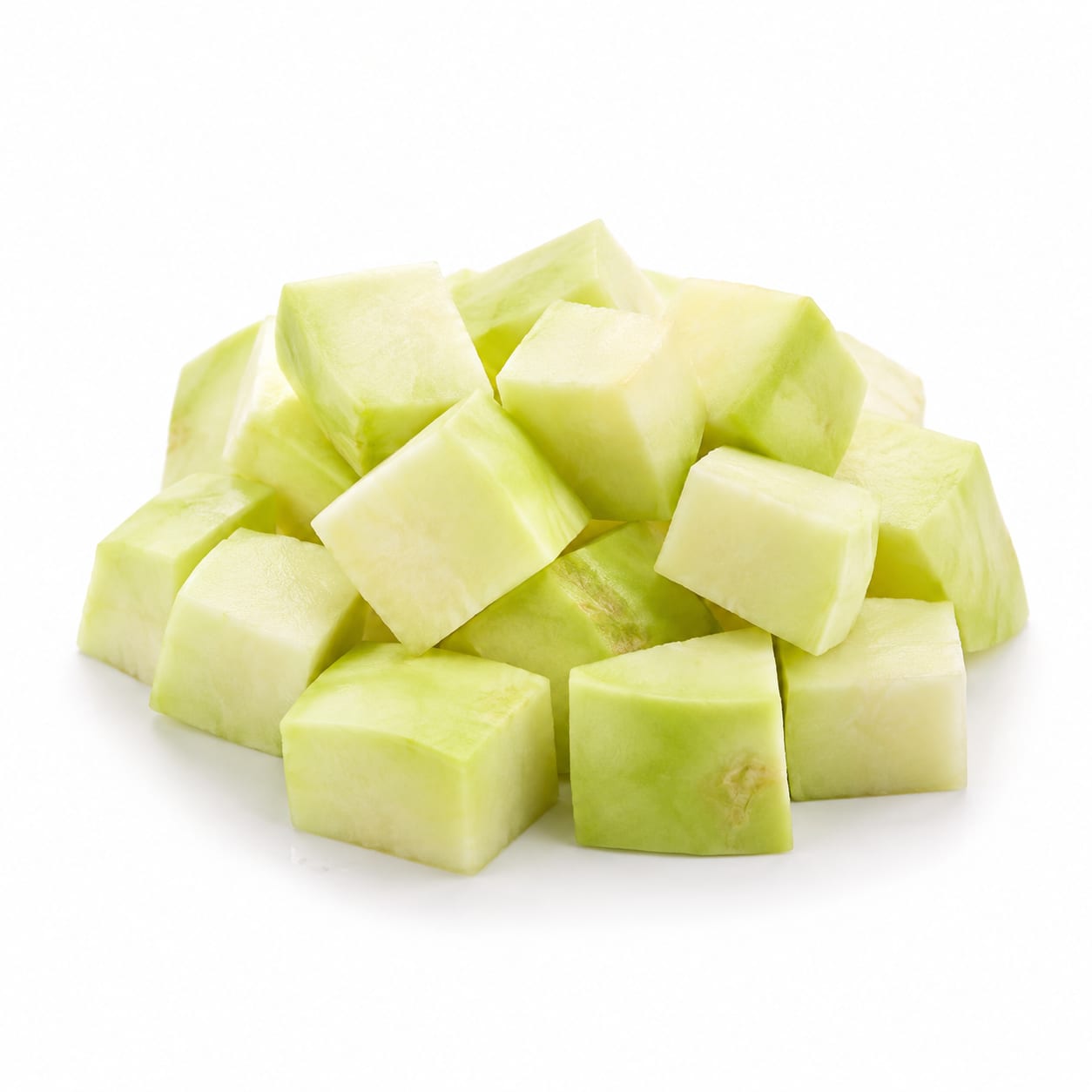
Kohlrabi
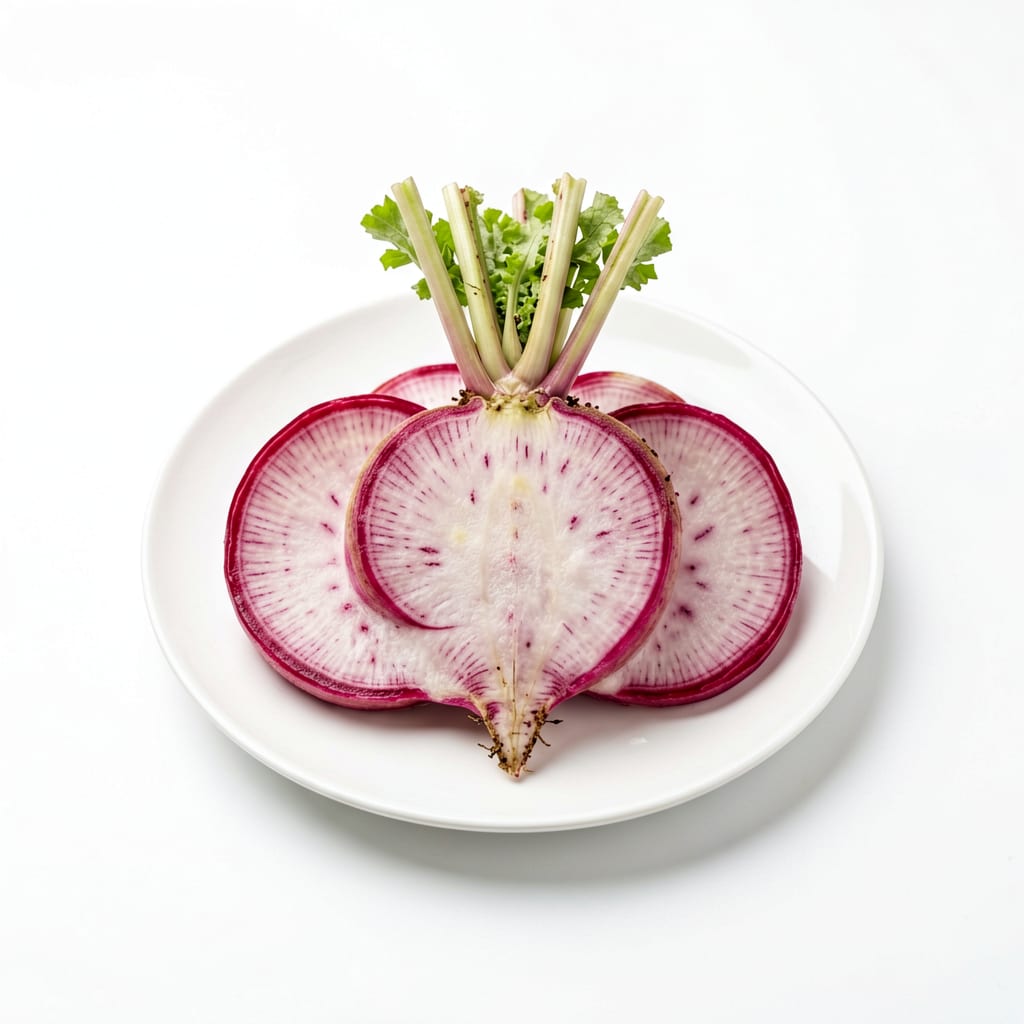
Radish
Kohlrabi offers more nutrition, more fiber, and greater cooking versatility, while radish wins on convenience and ultra-low calories for snacking.
Kohlrabi scores higher due to superior fiber, vitamin C, potassium, and cooking versatility. Radish remains competitive for raw snacking convenience and lower calorie density, but its limited culinary range narrows its usefulness.
Kohlrabi fills you up more and works in cooked dishes, but radish is faster to prep and delivers a sharper flavor punch with fewer calories per bite.
At a glance
Executive summary
Overall
Kohlrabi
Healthier
Kohlrabi
More practical
Radish
Daily use
Kohlrabi
Key comparison lenses
crunchy low calorie snack comparison
Both are crisp, hydrating, low-calorie vegetables often used as raw snacks or salad additions
nutritional density per bite
Users choosing between these want to know which delivers more vitamins and minerals for the same plate space
digestive comfort and gut health
Both are cruciferous and can cause bloating, but severity differs significantly
cooking versatility
Kohlrabi can be roasted, mashed, or used in stir-fries while radish is almost exclusively eaten raw
blood sugar and weight management
Both are extremely low calorie but differ in fiber and satiety potential
Best choice for
Kohlrabi
- People wanting sustained fullness from a low-calorie vegetable
- Home cooks who want one vegetable that works raw and cooked
- Anyone prioritizing vitamin C and potassium intake
- Those who find peppery flavors unpleasant
Radish
- Quick snackers who want instant crunch with zero prep
- Salad lovers wanting a sharp, peppery kick
- Anyone counting every single calorie strictly
- People who rarely cook and want a ready-to-eat vegetable
Least suitable for
Kohlrabi
- People sensitive to cruciferous vegetables and bloating
- Those wanting an instant no-prep snack
- Anyone unfamiliar with peeling and preparing unusual vegetables
Radish
- People with acid reflux or sensitive stomachs irritated by spicy foods
- Anyone wanting a filling vegetable that satisfies hunger
- Those looking for a versatile cooking ingredient
Deep comparison
Dimension by dimension
Each lens scores both foods and breaks down who each option suits.
- Dimension 1 · Priority 90Kohlrabi
Nutritional Density
Kohlrabi · 82Radish · 58Kohlrabi delivers substantially more vitamin C, potassium, and fiber per serving than radish, making each bite more nutritionally rewarding.
Tradeoff
Radish is lower in calories but also lower in nearly every vitamin and mineral, so you eat less but get less.
Why it matters
If you are eating vegetables partly to meet nutrient needs, kohlrabi does more heavy lifting per portion.
Real-world impact
A single kohlrabi covers over 100% of daily vitamin C needs, while the same weight of radish covers about 30%.
Kohlrabi
- Meeting daily vitamin C targets efficiently
- Boosting potassium intake without supplements
- Getting more fiber from fewer total vegetables
Better for
- Slightly more calories per serving, though still very low
Worse for
Radish
- Minimizing calorie intake while still eating a vegetable
- Adding flavor variety without nutritional heaviness
Better for
- Weaker nutritional payoff per bite compared to most cruciferous vegetables
Worse for
- Dimension 2 · Priority 85Kohlrabi
Satiety and Fullness
Kohlrabi · 76Radish · 48Kohlrabi's higher fiber and denser texture make it noticeably more filling, while radish disappears quickly due to its high water content.
Tradeoff
Radish feels lighter and less filling, which is great for a garnish but poor for hunger control.
Why it matters
If you are snacking on vegetables to curb appetite, kohlrabi actually helps you eat less later.
Real-world impact
A bowl of sliced kohlrabi keeps you satisfied for an hour or two. A bowl of radishes leaves you hungry again within 30 minutes.
Kohlrabi
- Weight management through genuine fullness
- Afternoon snacking that actually curbs hunger
- Replacing higher-calorie snacks sustainably
Better for
- Less suitable when you want a very light pre-meal nibble
Worse for
Radish
- Light garnish that does not make you feel stuffed
- Eating before a big meal without ruining appetite
Better for
- Poor choice as a standalone hunger-management snack
Worse for
- Dimension 3 · Priority 80Kohlrabi
Cooking Versatility
Kohlrabi · 88Radish · 35Kohlrabi can be roasted, boiled, mashed, stir-fried, or eaten raw. Radish is almost exclusively a raw ingredient with rare cooked applications.
Tradeoff
Radish requires no cooking knowledge at all, but kohlrabi rewards basic kitchen skills with much more variety.
Why it matters
A vegetable you can cook multiple ways stays interesting longer and reduces food waste.
Real-world impact
Kohlrabi can replace potatoes in mash, add crunch to slaw, or get roasted like turnips. Radish is basically salad-only for most people.
Kohlrabi
- Meal prepping across multiple recipes
- Families wanting one vegetable for different dishes
- Anyone tired of eating vegetables the same way every time
Better for
- Requires peeling and some prep knowledge
Worse for
Radish
- Zero-cooking lifestyles
- Quick salad assembly
Better for
- Almost useless as a cooked ingredient in most cuisines
Worse for
- Dimension 4 · Priority 75It depends
Flavor and Palatability
Kohlrabi · 70Radish · 70Kohlrabi is mild and slightly sweet, appealing to cautious eaters. Radish is sharp and peppery, loved by bold flavor fans.
Tradeoff
Kohlrabi is safer for picky eaters and kids. Radish excites palates that crave intensity.
Why it matters
The best vegetable nutritionally is useless if you do not actually want to eat it.
Real-world impact
Kids often accept raw kohlrabi sticks with dip. Radish usually gets rejected by children but loved by adults who enjoy spice.
Kohlrabi
- Introducing cruciferous vegetables to picky eaters
- Pairing with strong dips without flavor competition
- Family-friendly snacking
Better for
- Boring for people who want bold vegetable flavors
Worse for
Radish
- Adding peppery excitement to bland dishes
- Adult palates that enjoy sharp, bitter flavors
- Cutting through rich or fatty meals with acidity
Better for
- Off-putting to sensitive palates and most children
Worse for
- Dimension 5 · Priority 72Radish
Digestive Tolerance
Kohlrabi · 55Radish · 68Both are cruciferous and can cause gas, but radish is typically eaten in smaller quantities, reducing the bloating risk in practice.
Tradeoff
Kohlrabi's higher fiber is great for regularity but can cause discomfort if you eat a large portion unaccustomed to it.
Why it matters
Cruciferous vegetables are notorious for causing gas, and portion size is the biggest practical factor.
Real-world impact
Eating a whole kohlrabi can cause noticeable bloating in sensitive people. A few radishes rarely cause problems because you naturally eat less.
Kohlrabi
- Building long-term gut health through consistent fiber intake
- Improving bowel regularity over time
Better for
- Higher bloating risk when eaten in large amounts
- Needs gradual introduction for fiber-sensitive people
Worse for
Radish
- Smaller portions that are gentler on sensitive stomachs
- Less risk of overdoing fiber in a single sitting
Better for
- Peppery compounds can irritate acid reflux in some people
Worse for
- Dimension 6 · Priority 68Radish
Convenience and Prep Speed
Kohlrabi · 45Radish · 85Radish is wash-and-eat. Kohlrabi requires peeling, trimming, and slicing before it is ready.
Tradeoff
Kohlrabi takes a few extra minutes but yields more usable food per piece. Radish is instant but you need more of them.
Why it matters
Prep friction is the number one reason people skip vegetables entirely.
Real-world impact
Radish goes from fridge to plate in under 30 seconds. Kohlrabi takes about 3 minutes of peeling and cutting.
Kohlrabi
- Batch prepping for the week in one session
- Getting more food volume from a single vegetable
Better for
- Peeling required, which discourages spontaneous snacking
- Less intuitive for people unfamiliar with the vegetable
Worse for
Radish
- Grab-and-go snacking with zero effort
- Busy weeknights when even 5 minutes of prep feels like too much
Better for
- Multiple radishes needed to match one kohlrabi's volume
Worse for
Timeline
Health impact over time
Short-term
Hours to days
Kohlrabi
- Noticeable fullness after eating due to fiber density
- Possible gas or bloating if consumed in large amounts without dietary adaptation
- Mild blood sugar stabilization from fiber content
Radish
- Quick hydration from high water content
- Potential stomach irritation from peppery compounds in sensitive individuals
- Very light feeling with minimal digestive load
Long-term
Months to years
Kohlrabi
- Improved bowel regularity from consistent fiber intake
- Better vitamin C status supporting immune function and skin health
- Glucosinolate compounds may support cellular health over time
- Gradual gut microbiome improvement from prebiotic fiber
Radish
- Modest vitamin C contribution with regular consumption
- Low calorie intake supporting weight maintenance
- Glucosinolate exposure at lower levels than kohlrabi
- Minimal fiber benefit unless eaten in very large quantities
Risk profile
Safety & processing
Both kohlrabi and radish are whole, unprocessed vegetables typically sold fresh and raw. Neither carries meaningful additive concerns. The only processing consideration is that kohlrabi is sometimes sold pre-cut in packages, which may slightly reduce freshness and nutrient retention.
Kohlrabi
Pesticide residue on skin
mediumKohlrabi grows above ground and can retain pesticide residue on its bulb skin, but peeling removes most of it.
Contamination from improper storage
lowKohlrabi stores well but can develop mold if kept too long in humid conditions.
Radish
Pesticide residue on skin
mediumRadish is often eaten unwashed or lightly rinsed with skin on, so pesticide residue is a practical concern. Choose organic when possible.
Soil-borne contamination
lowRadish grows underground and can carry soil bacteria. Thorough washing is important, especially for raw consumption.
Who wins for whom
Audience fit
Same foods, different winners depending on your goal.
children
KohlrabiKohlrabi's mild, slightly sweet flavor and satisfying crunch make it more kid-friendly. Radish's peppery bite is frequently rejected by children.
daily consumption
KohlrabiKohlrabi's nutritional density and cooking flexibility make it easier to incorporate daily without getting bored. Radish's sharp flavor limits how much most people want to eat regularly.
diabetes
KohlrabiKohlrabi's higher fiber content slows glucose absorption more effectively, providing steadier blood sugar responses after meals.
elderly
KohlrabiKohlrabi can be cooked soft for easier chewing and provides more potassium for blood pressure management. Raw radish can be too harsh for sensitive digestive systems.
muscle gain
It dependsNeither vegetable is relevant for muscle gain directly. Both are low-protein, low-calorie foods that serve as side items in a muscle-building diet.
weight loss
KohlrabiKohlrabi's fiber keeps you fuller longer, reducing overall calorie intake throughout the day. Radish has fewer calories per serving but does not meaningfully curb hunger.
Your move
Decision guide
Choose Kohlrabi
- You want a filling snack that actually reduces hunger between meals
- You enjoy cooking and want a vegetable that works in multiple recipes
- You are trying to increase your fiber intake without supplements
- You prefer mild, slightly sweet flavors over sharp or spicy ones
- You are feeding a family and need kid-friendly vegetable options
Choose Radish
- You want instant crunch with zero prep time
- You love peppery, bold flavors in salads and garnishes
- You are counting calories strictly and want the lowest possible option
- You rarely cook and need vegetables that require no kitchen effort
- You want a light palate cleanser between rich courses
Either works if
- You want a low-calorie cruciferous vegetable for general health
- You are building a raw vegetable platter and want variety
- You are trying to eat more vegetables overall and both sound appealing
Avoid both if
- You have severe cruciferous vegetable intolerance causing significant bloating
- You are on a low-FODMAP diet and sensitive to fructans
- You have thyroid concerns requiring strict limitation of goitrogenic foods
Final recommendation
Keep both in your rotation but lean toward kohlrabi as your daily driver. It delivers more nutrition, more fullness, and more cooking options. Save radish for salads and garnishes where its sharp flavor shines. If you only pick one, kohlrabi gives you more for the same effort.
Practical
Consumer tips
- 1
Peel kohlrabi thoroughly — the skin can be tough and bitter, even on young bulbs
- 2
Choose smaller kohlrabi bulbs for sweeter, more tender flesh; large ones can be woody
- 3
Slice radish paper-thin to mellow its peppery intensity if raw chunks feel too harsh
- 4
Soak sliced radish in ice water for 10 minutes to reduce bite and increase crispness
- 5
Buy organic radish when possible since you eat the skin and it grows in the soil
- 6
Store kohlrabi with leaves removed — the leaves drain moisture from the bulb
- 7
Kohlrabi leaves are edible and nutritious; cook them like collard greens instead of discarding them
- 8
Quick-pickling radish slices in rice vinegar tames the pepperiness and adds a delicious topping for tacos and sandwiches